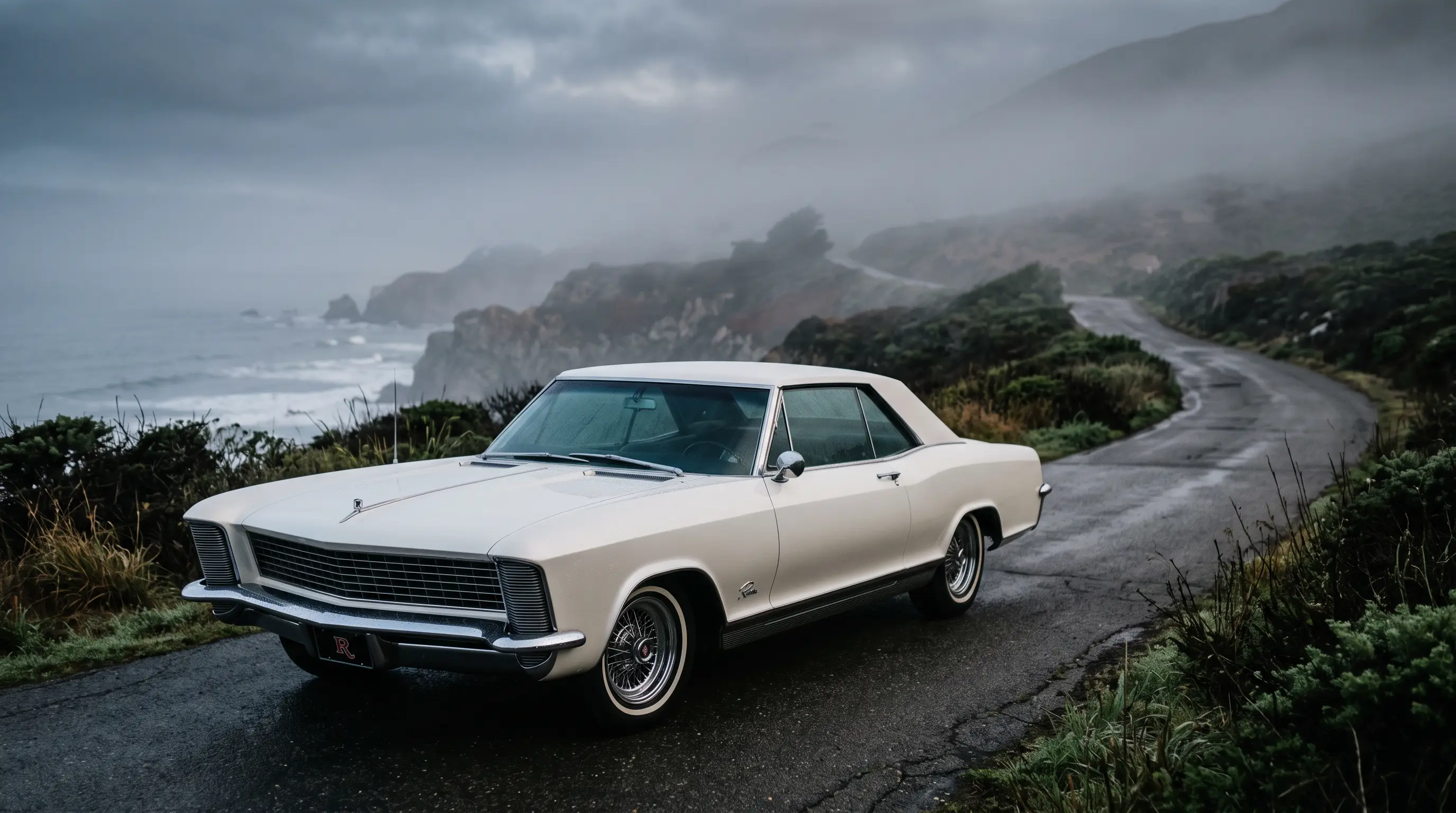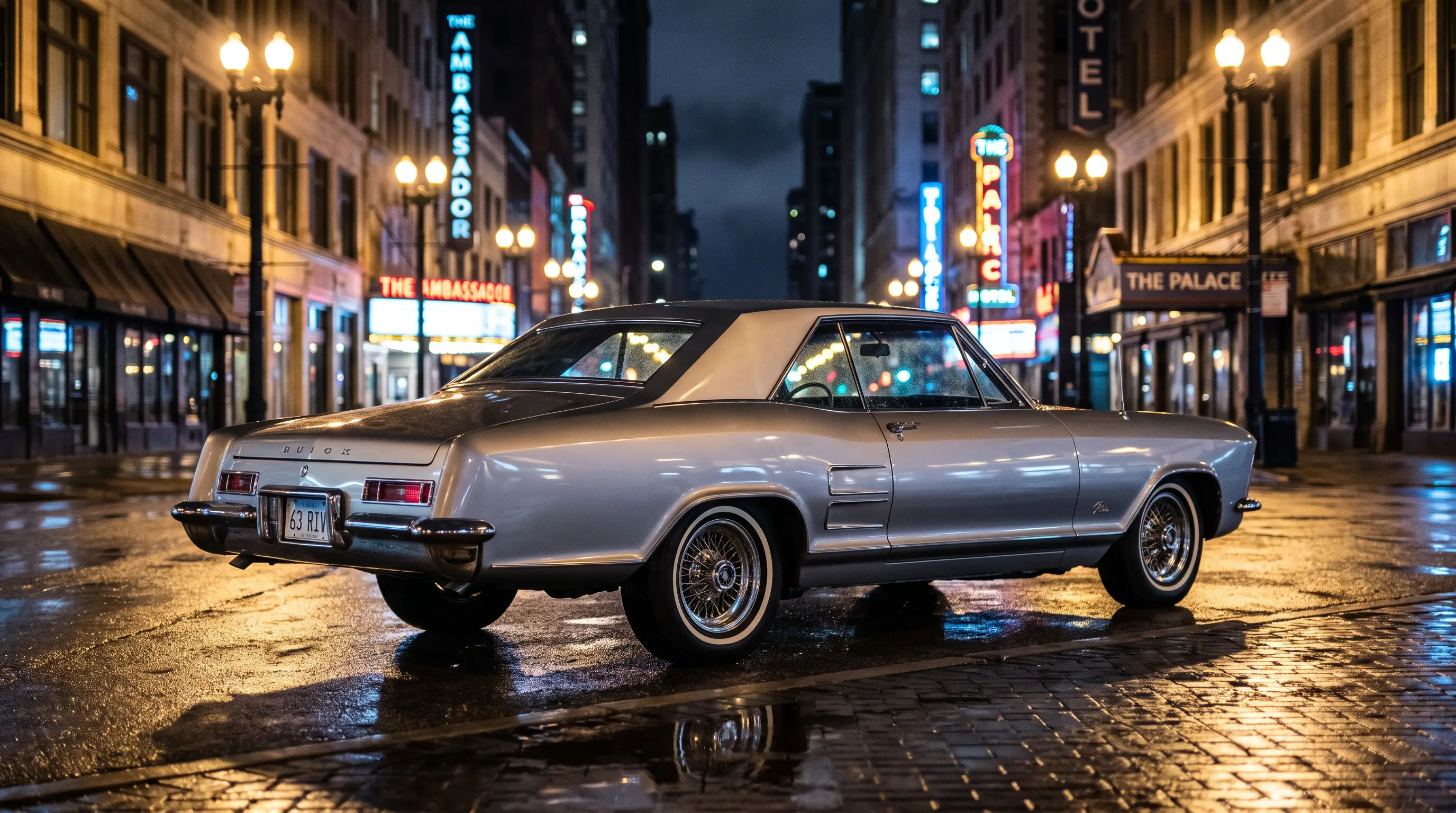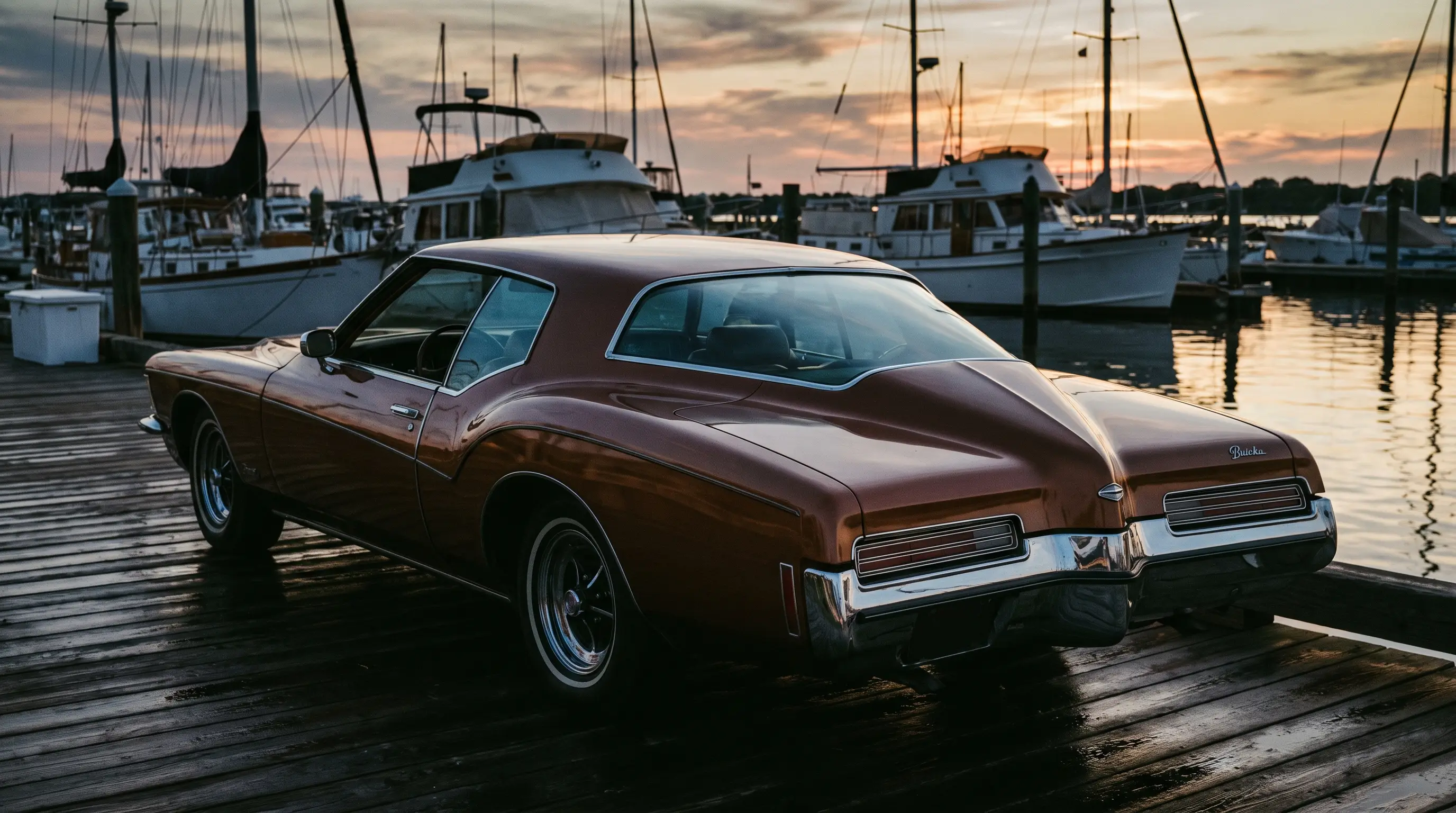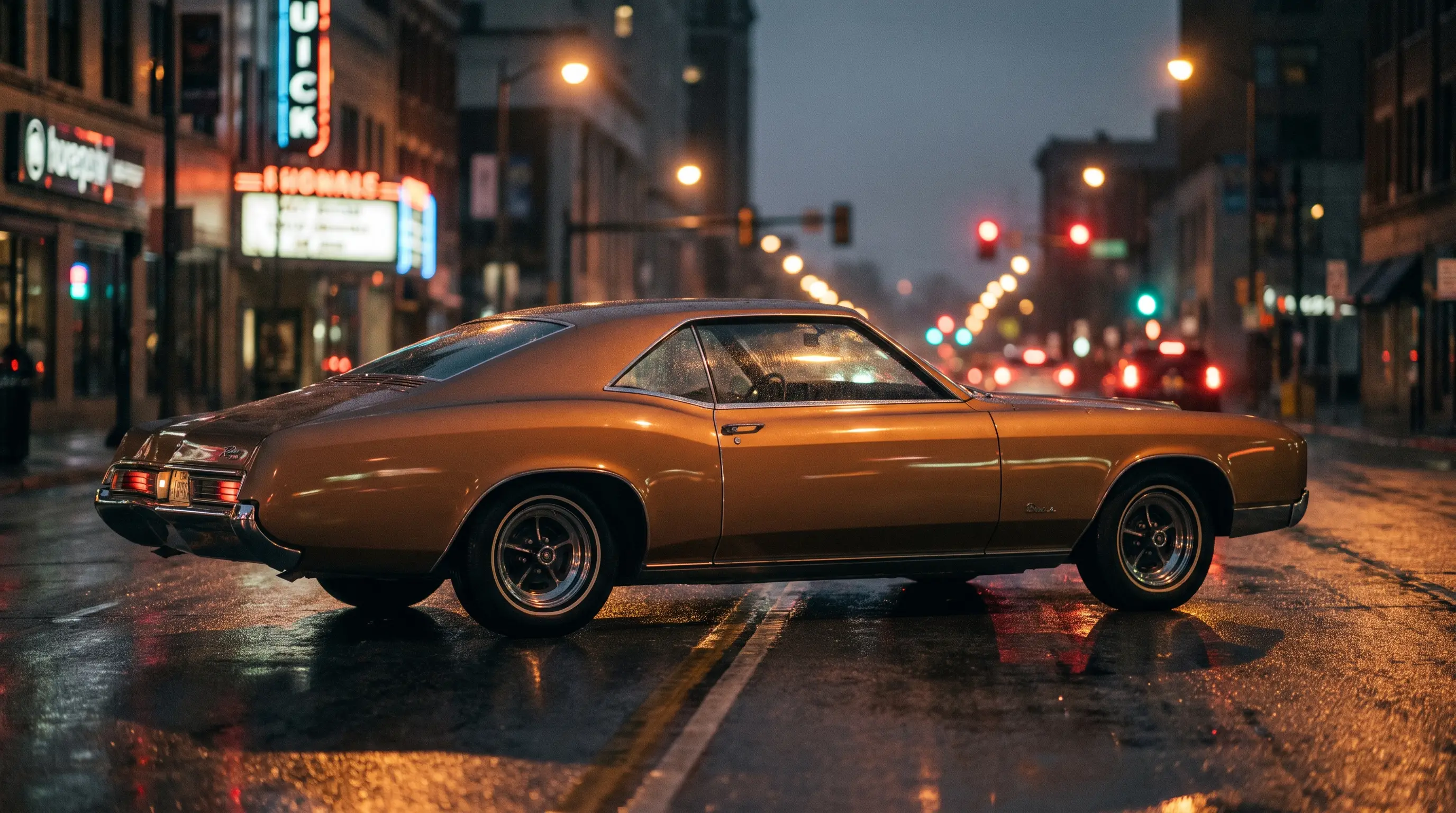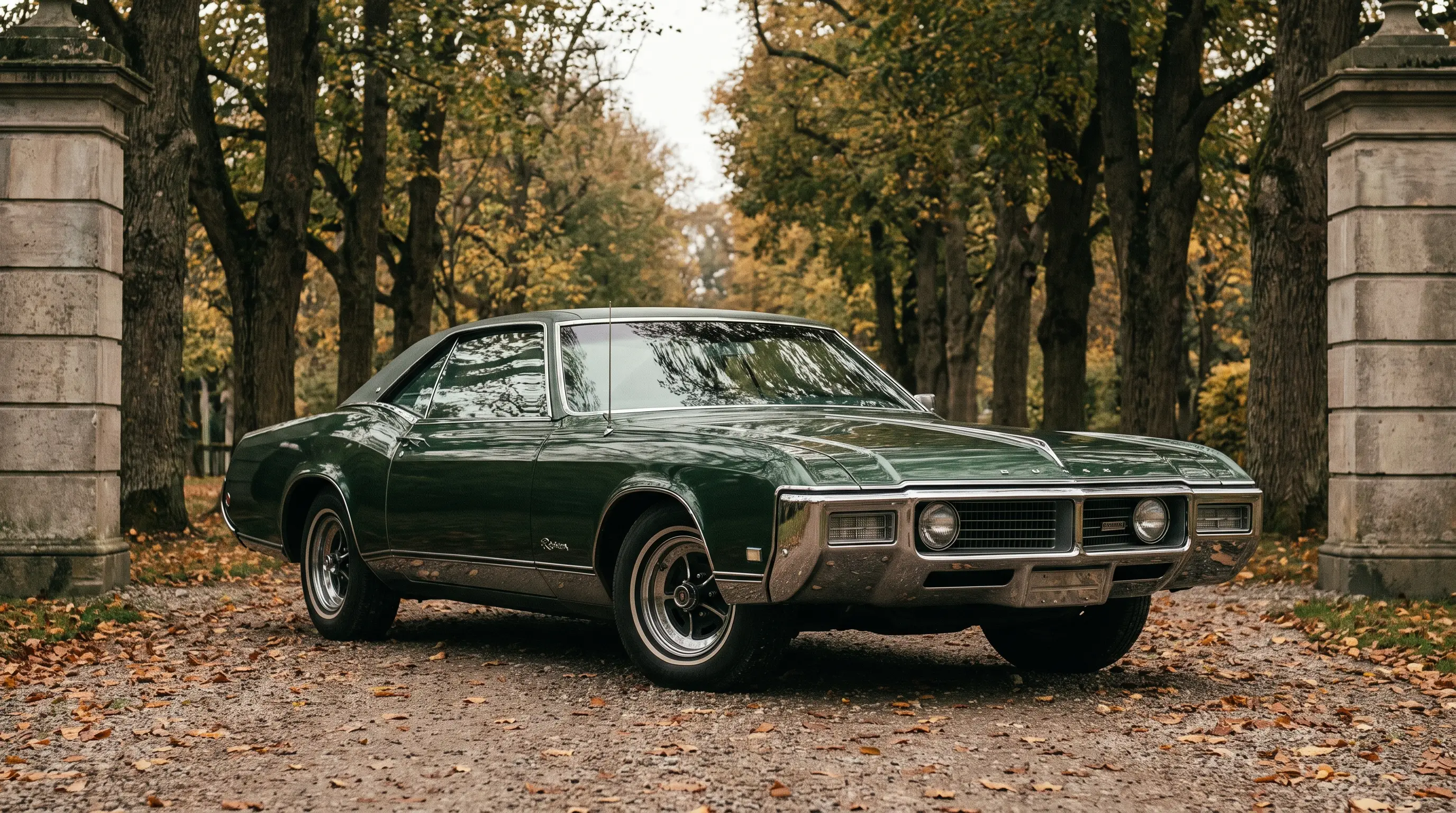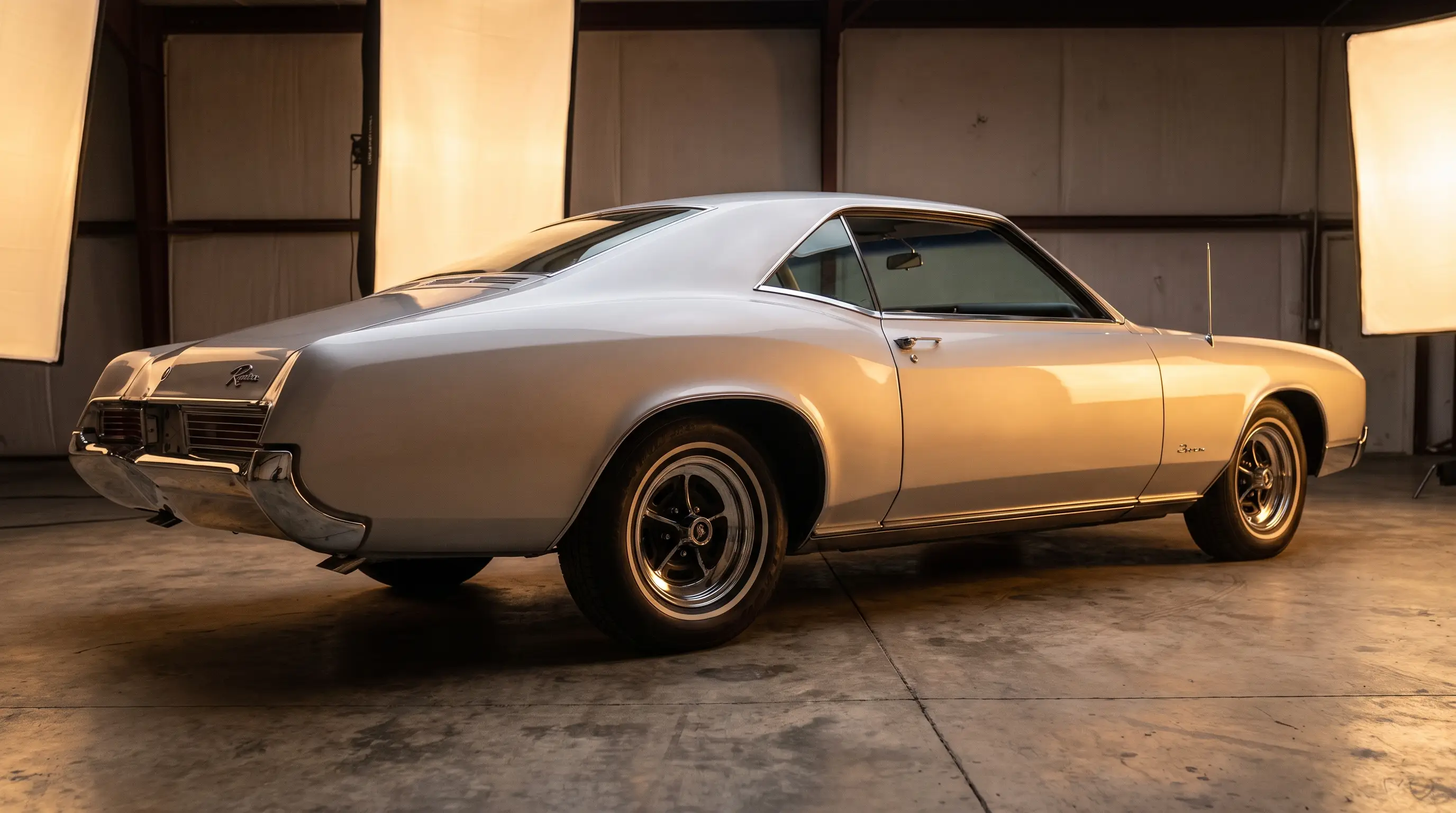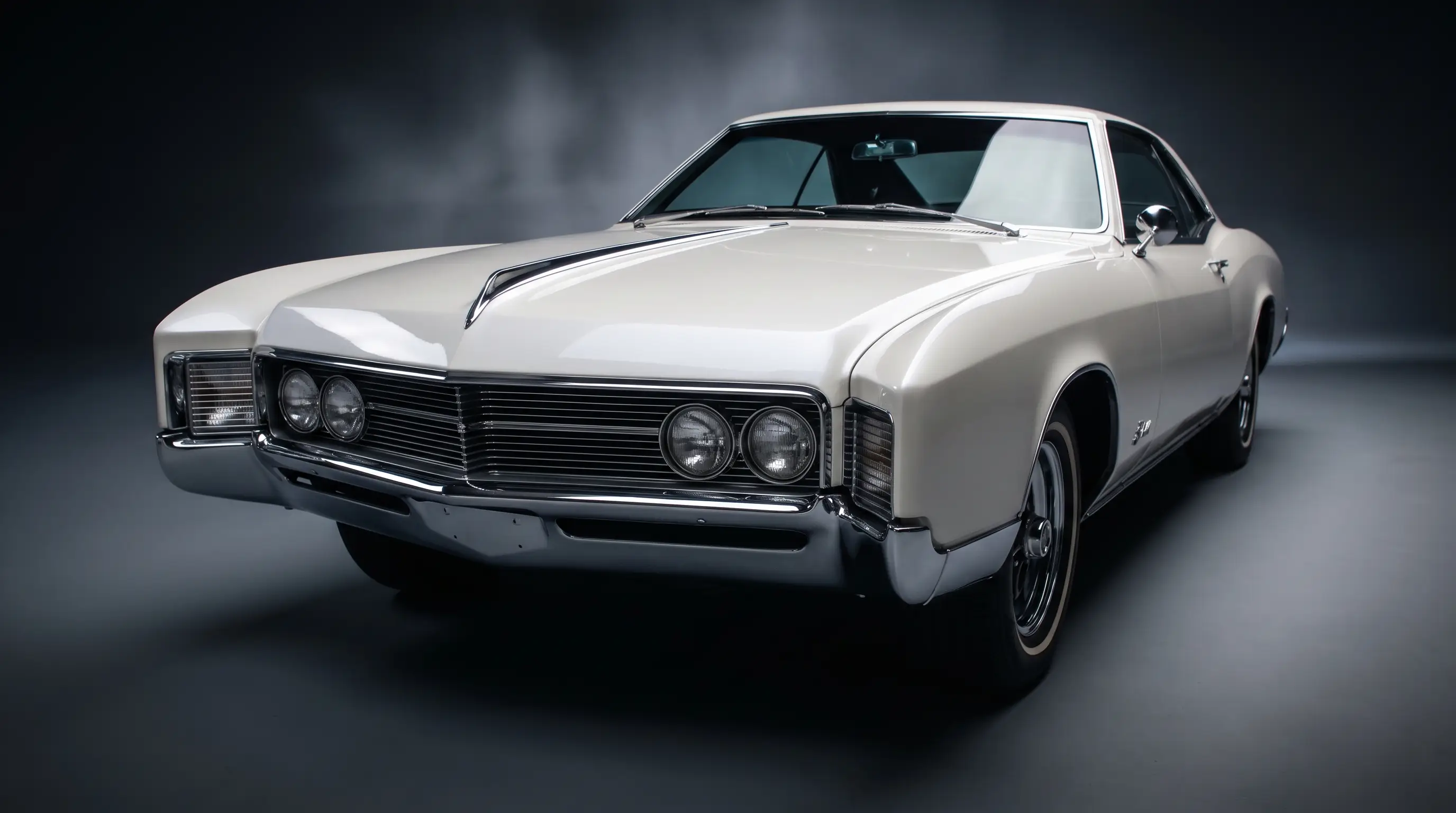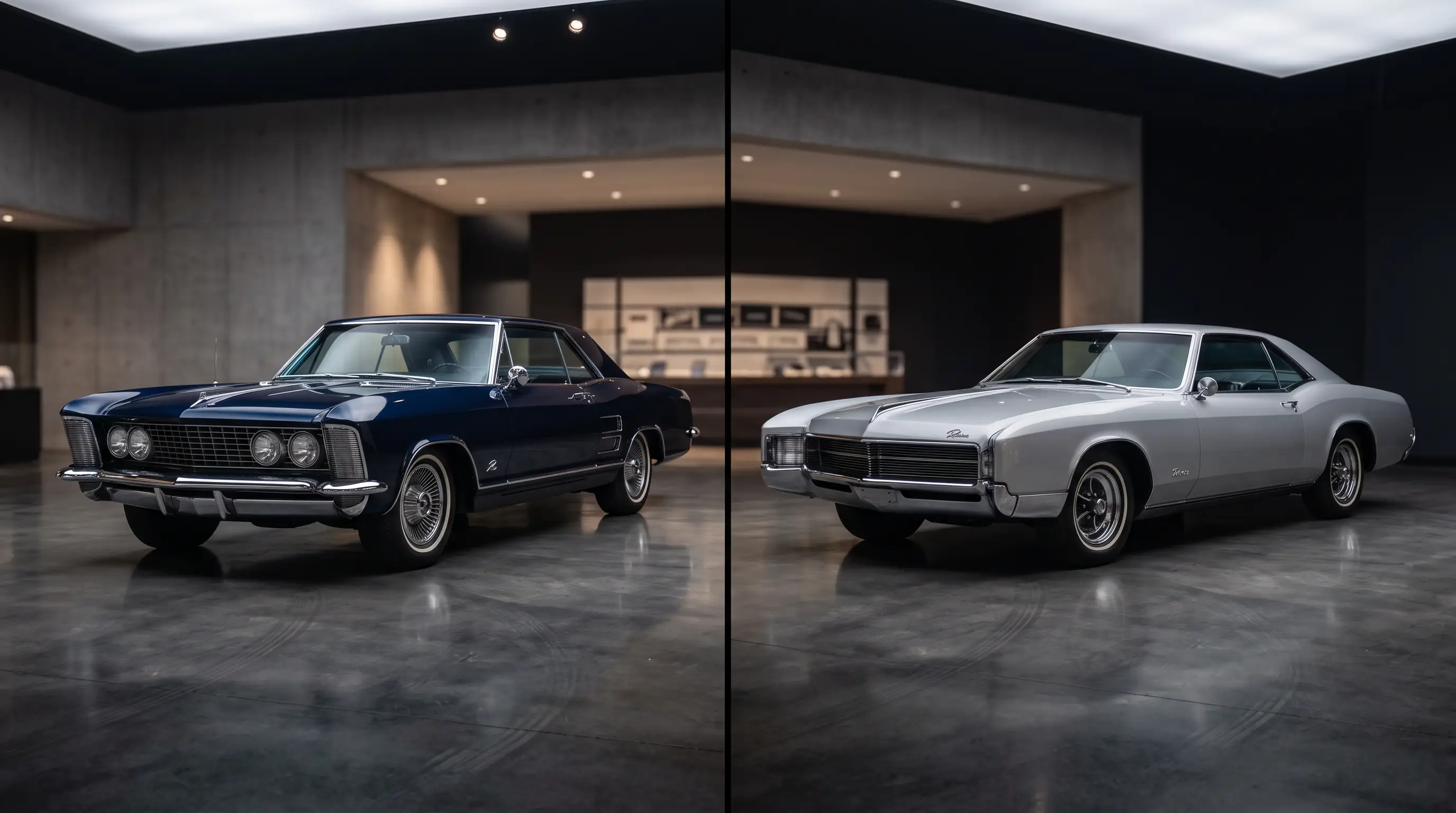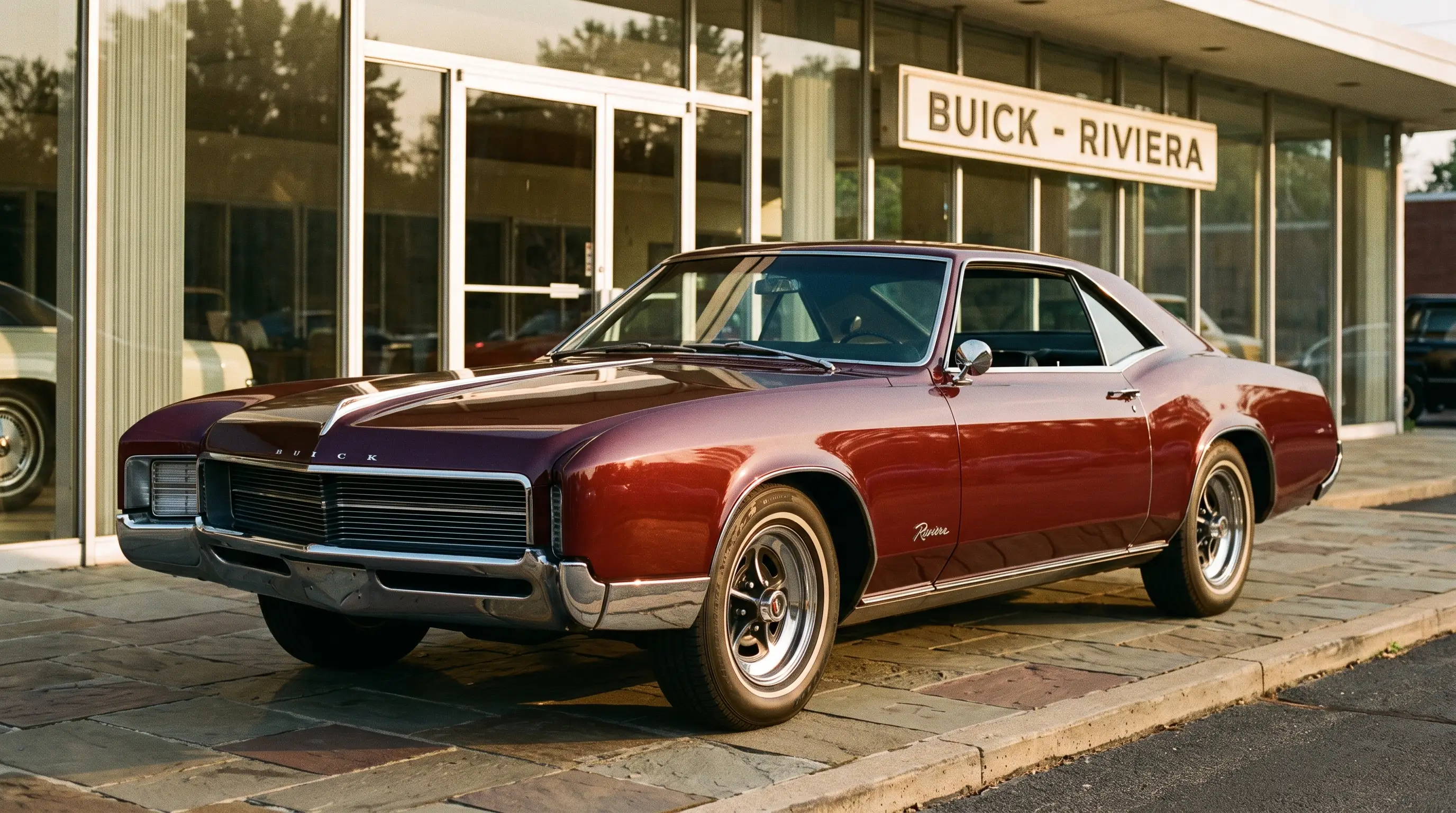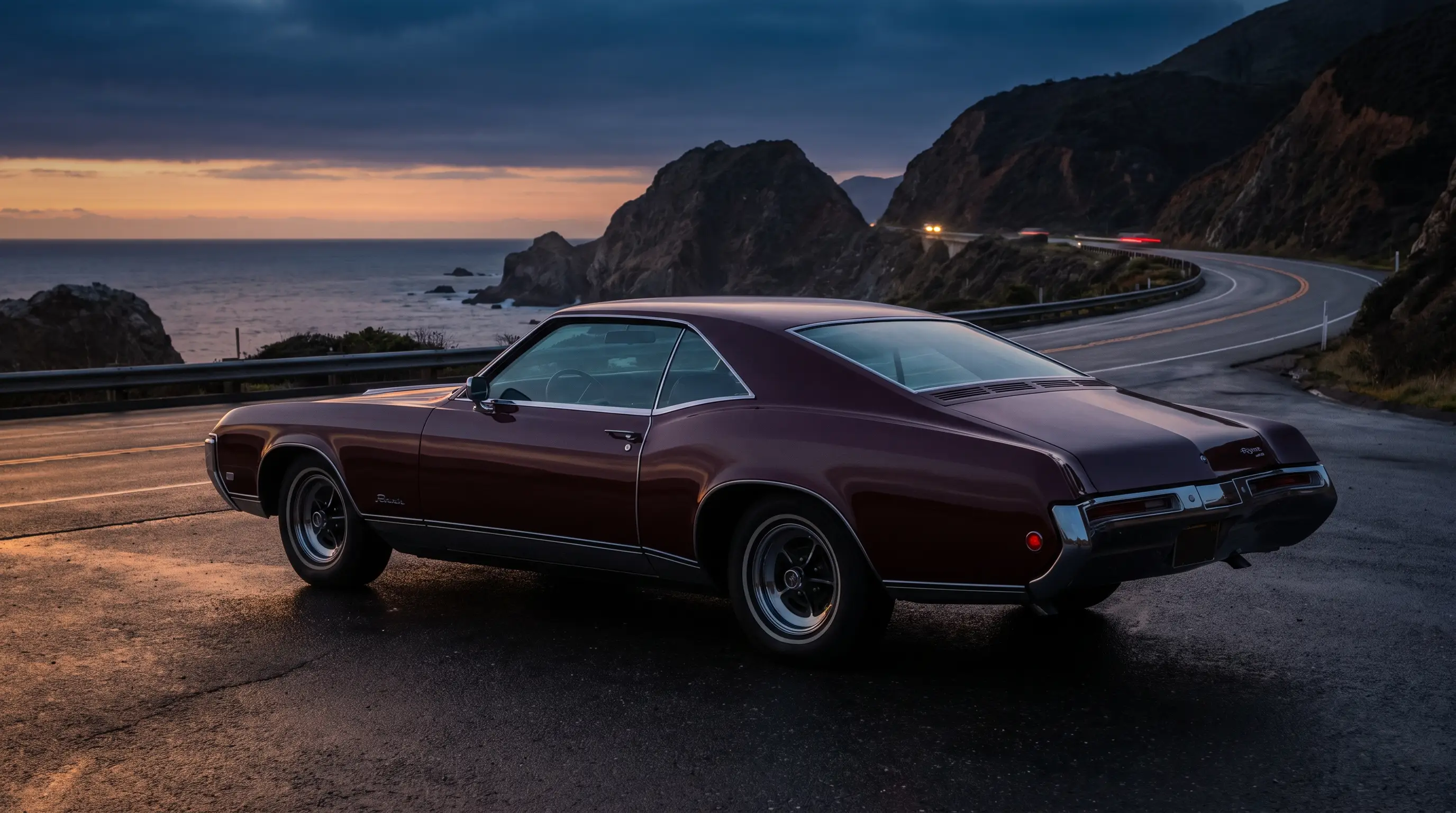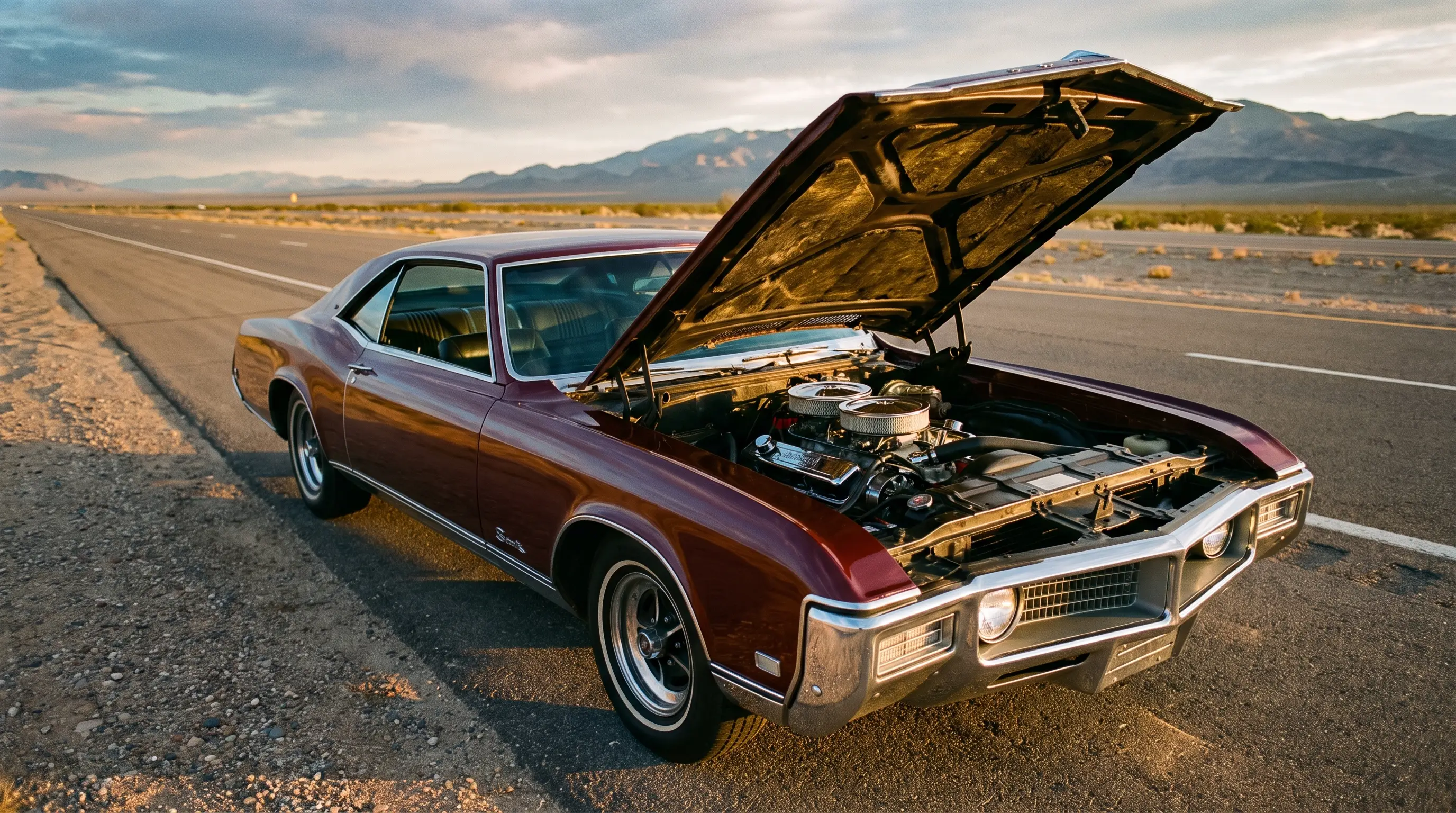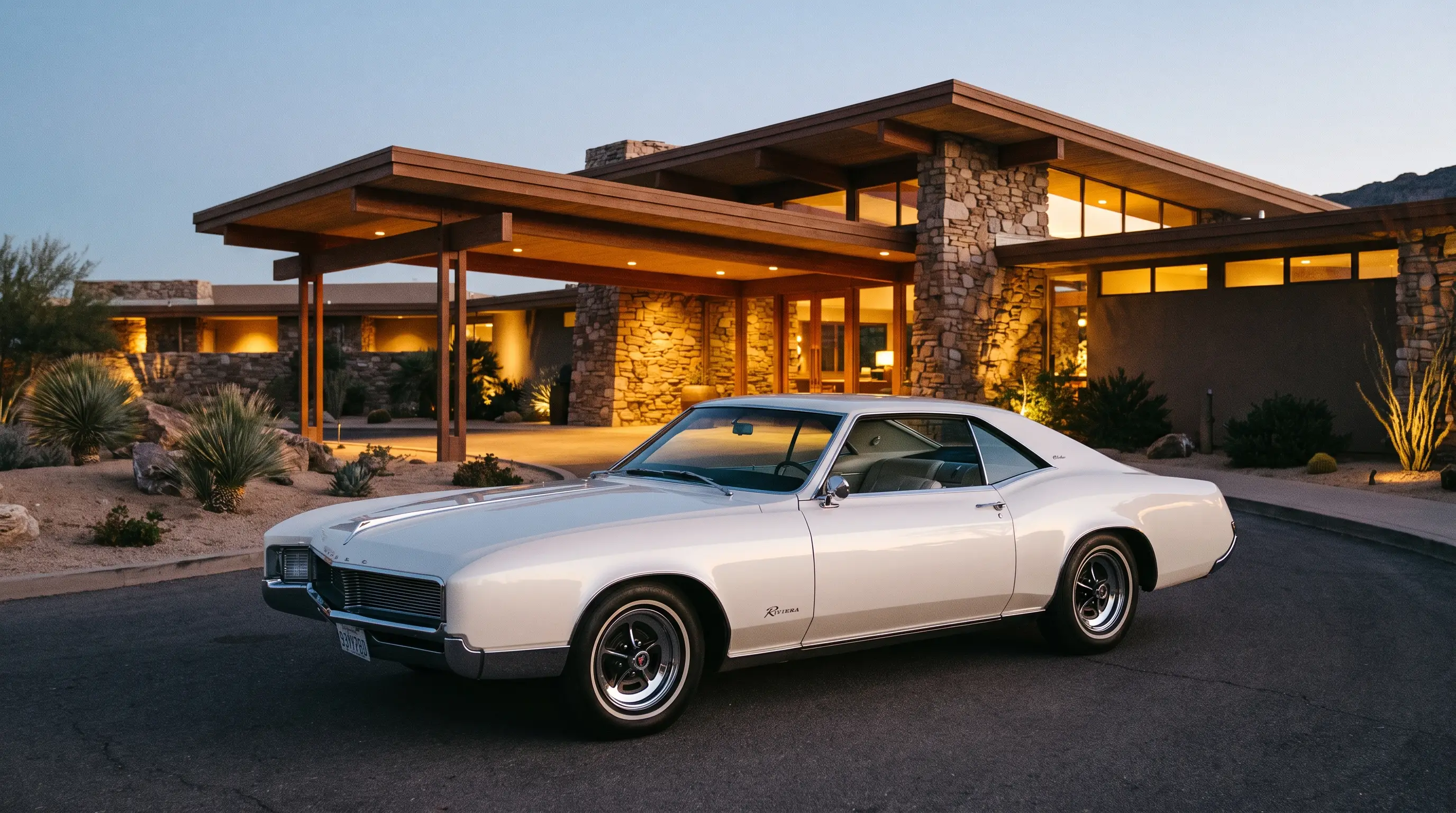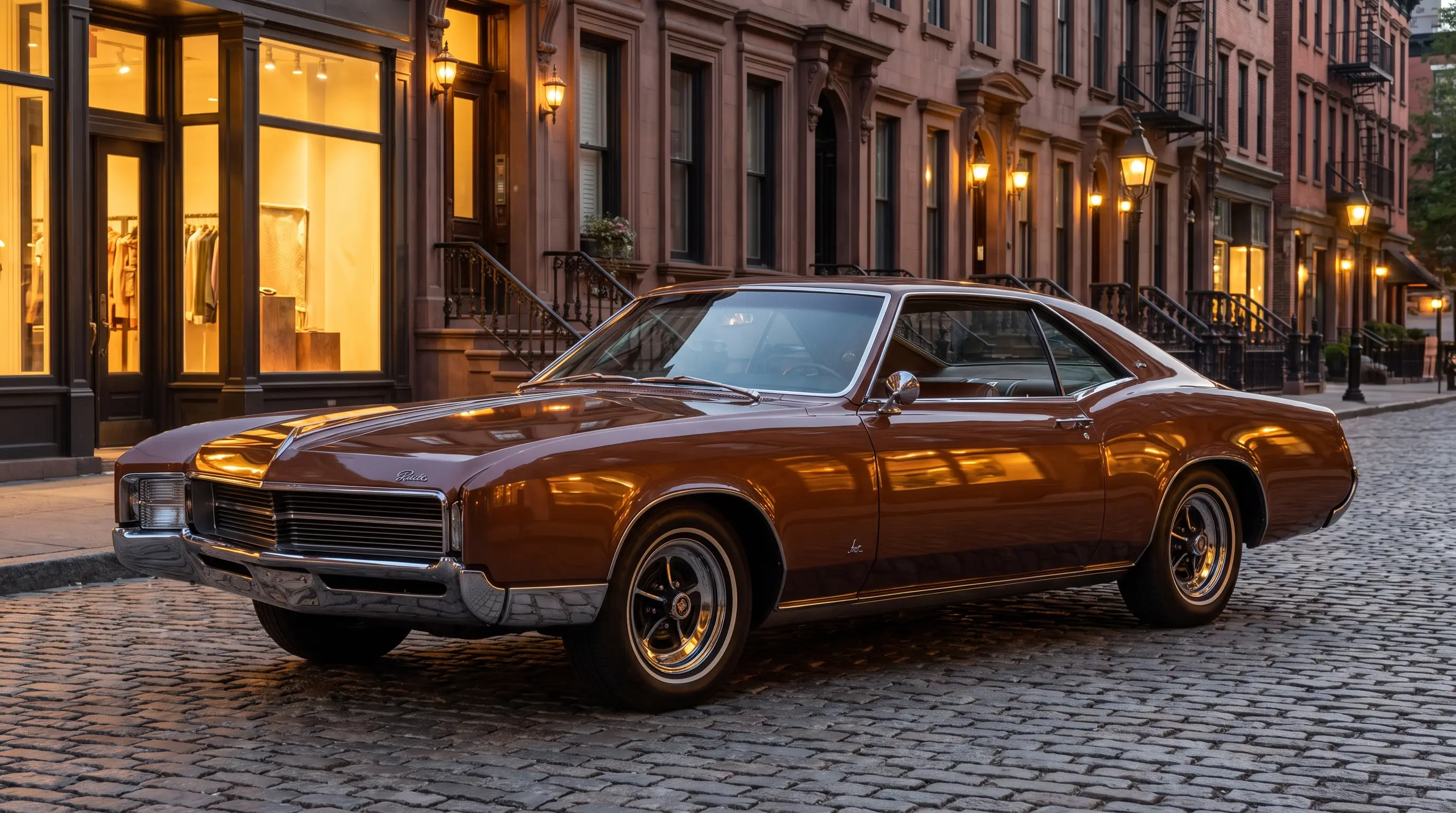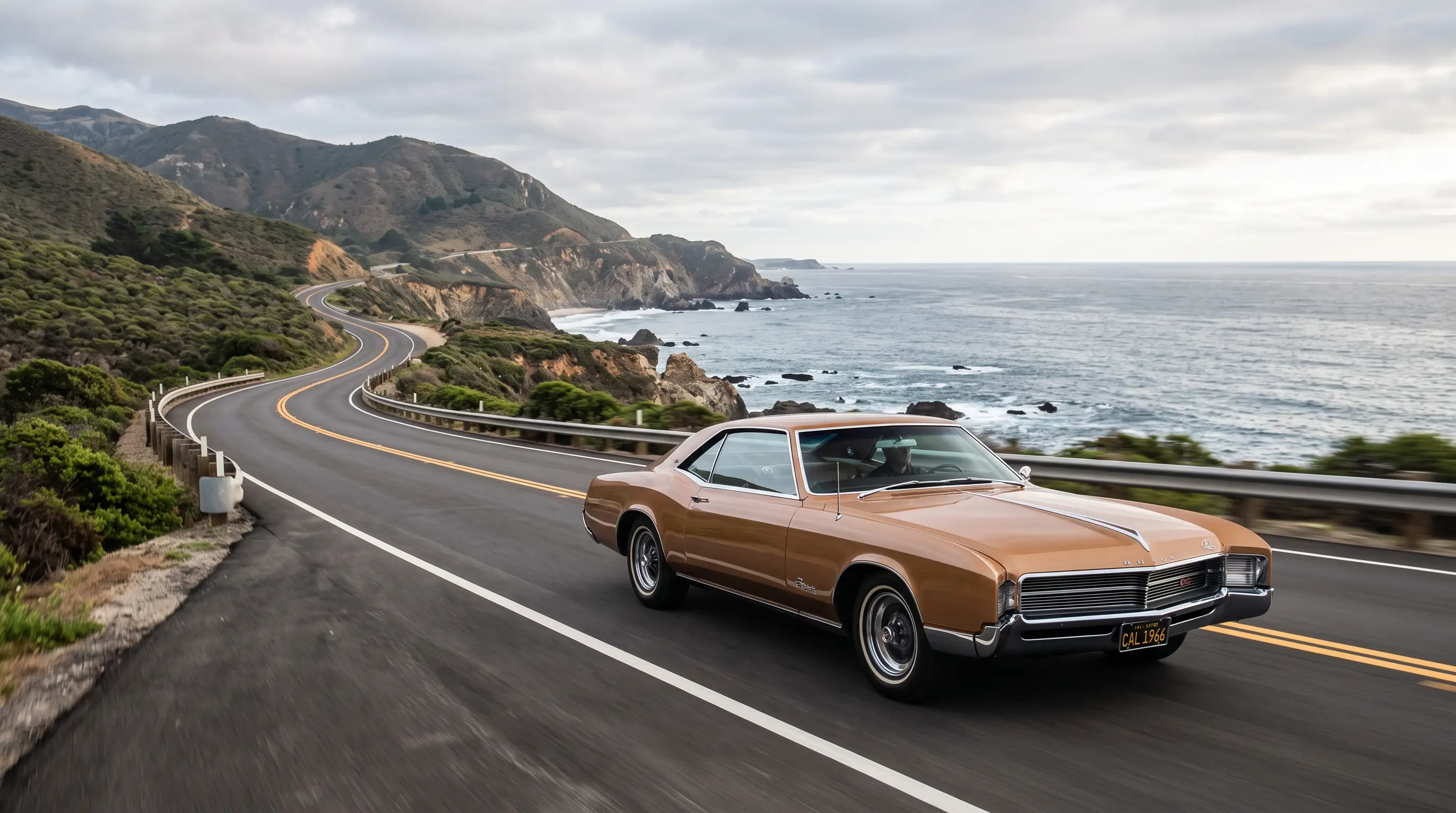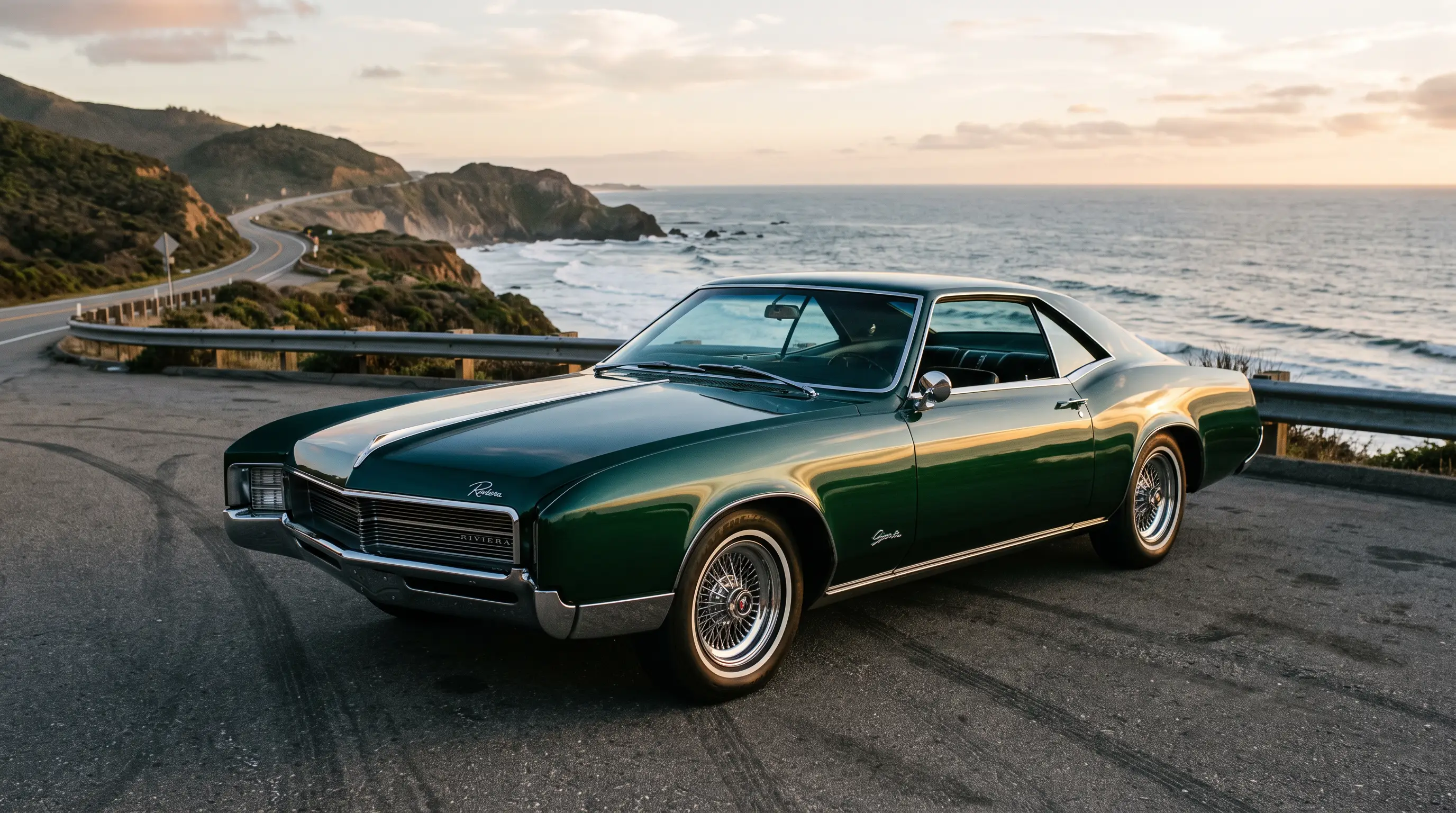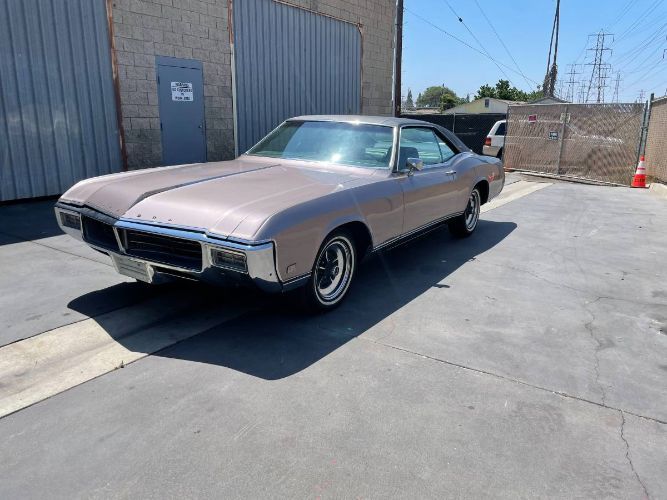
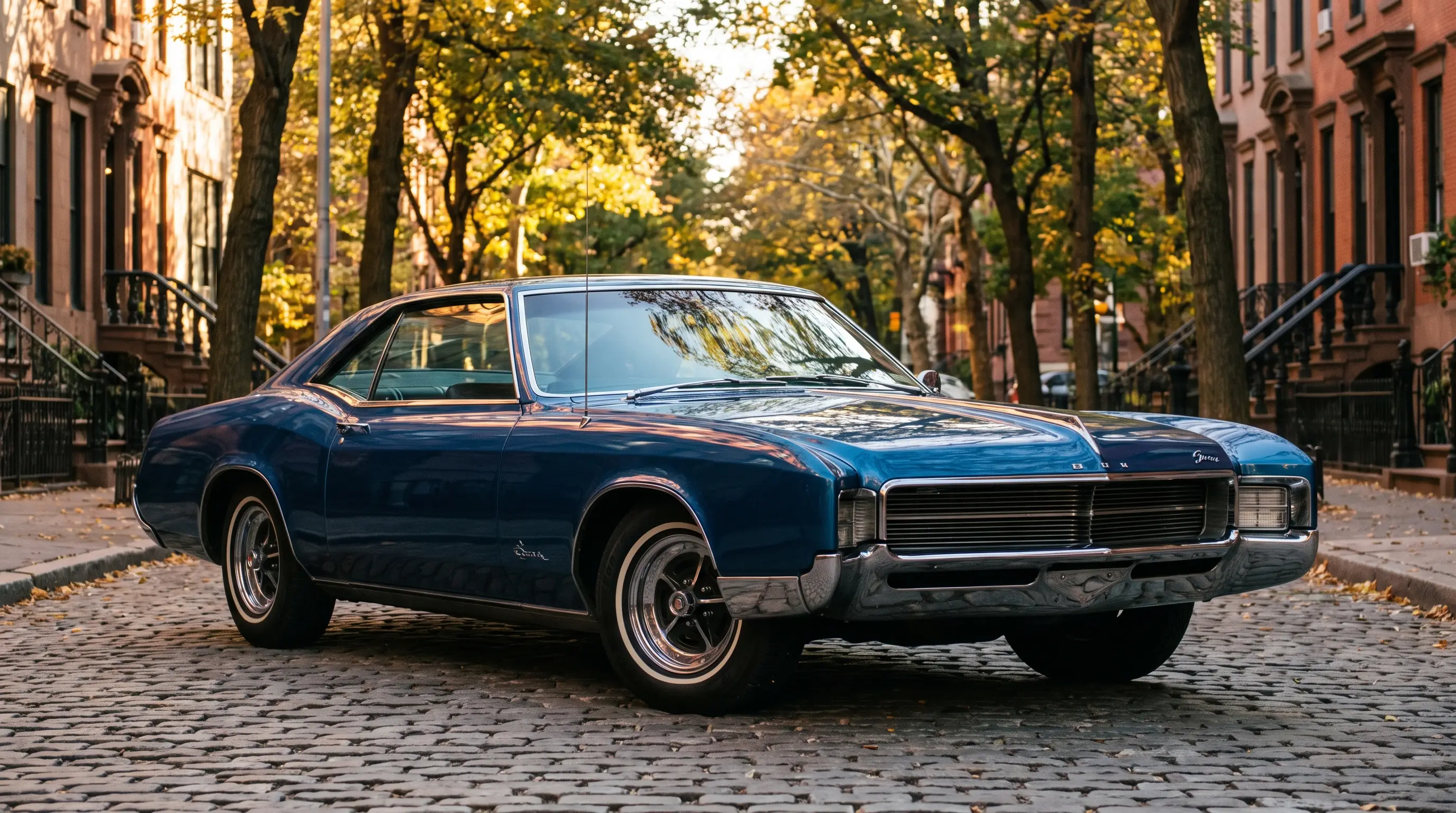
When the 1966 Buick Riviera arrived in showrooms in the autumn of 1965, it did not so much replace the first-generation car as rewrite the terms of what a Buick personal-luxury coupe could be. The 1963 to 1965 Riviera had been a razor-edged, formal thing, a Bill Mitchell exercise in restraint. The car that followed was longer, lower, and unmistakably a fastback, and it shared its bones with two of the most talked-about American cars of the decade. To read the second-generation Riviera correctly, you have to read it as an artifact of a very specific moment inside General Motors, when three divisions were handed the same platform and told to make it their own.
This is the story of that redesign, the years it covered, and why the cars from this run still reward close study. For the full arc of the nameplate, the buick riviera history traces the line from the 1963 debut forward, but the 1966 car deserves its own examination.
From clamshell to fastback: the 1966 redesign
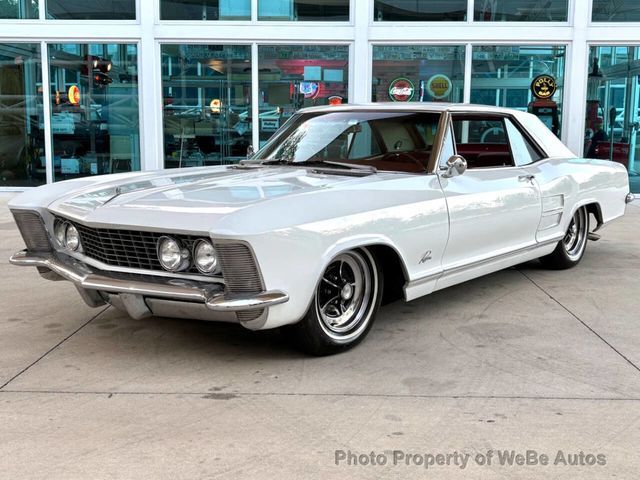
The first Riviera closed out its run in 1965 with a feature that collectors still chase: headlamps hidden behind clamshell doors set into the leading edges of the front fenders. It was a clean, theatrical touch, and it gave the 1965 car a face unlike anything else Buick sold. When the second generation appeared for 1966, the hidden headlamps carried over, but almost everything around them changed.
The new body was a true fastback. The roofline swept in one long line from the windshield header to the tail, and the rear quarters flared outward in a way that gave the car a coke-bottle profile from above. Where the 1963 Riviera had looked chiseled and upright, the 1966 looked as though it had been drawn in motion. Bill Mitchell's studio, with much of the shaping credited to the design staff working under him, kept the frameless side glass and the thin-pillar greenhouse, so the car looked open and light even with the fastback tail.
The proportions grew. The 1966 rode a 119-inch wheelbase and stretched a little over 211 inches overall, larger than the tidy first-generation car. That growth was not accidental. It was the direct result of the platform decision that defined the entire second generation.
The E-body gamble and its cousins
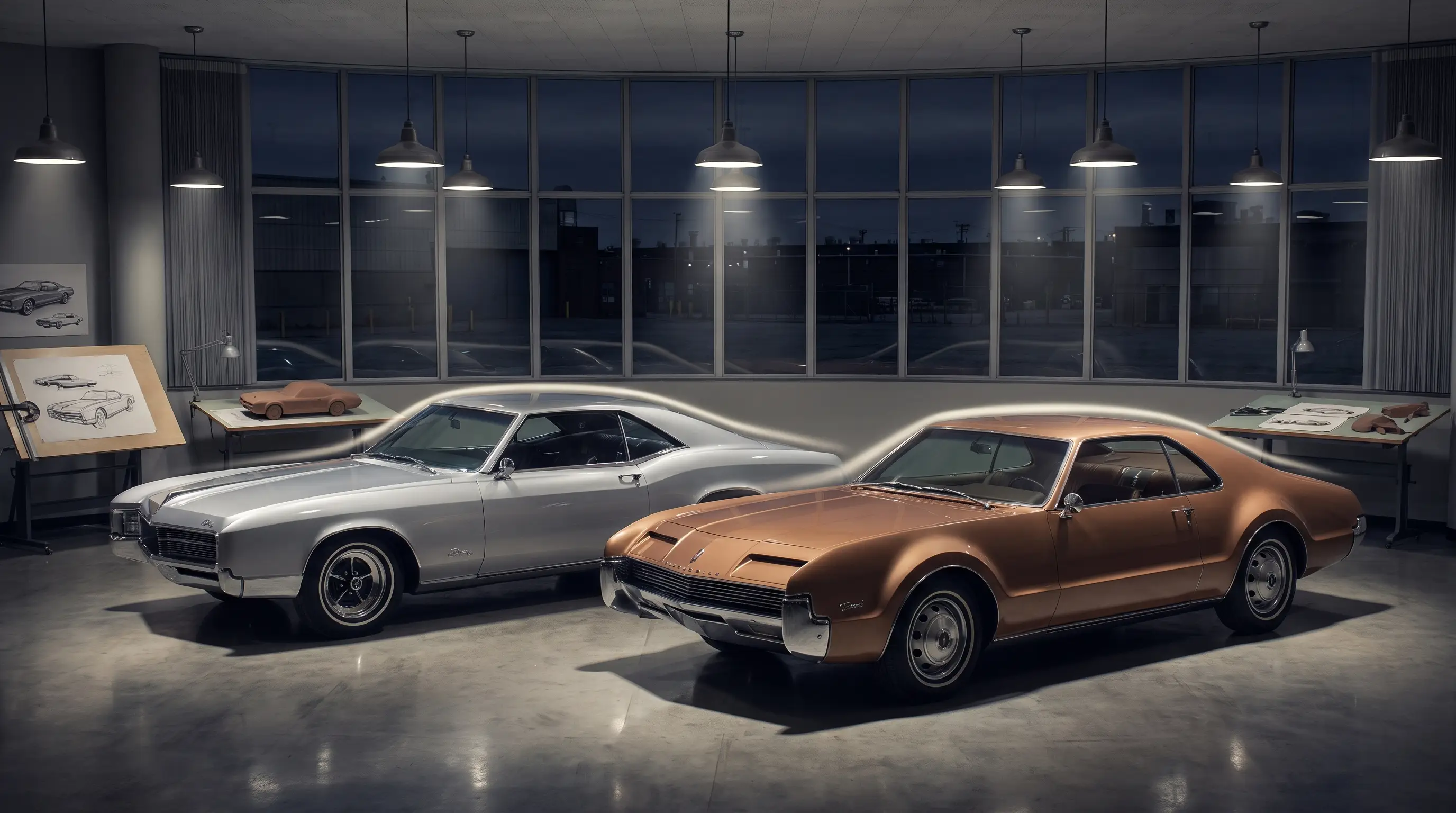
For 1966, the Riviera moved onto General Motors' E-body, the same platform that carried the front-wheel-drive Oldsmobile Toronado that had launched the same year, and which the Cadillac Eldorado would join for 1967. This is the single most important fact about the second-generation car, and it is the one most often misunderstood. The Toronado and the coming Eldorado used front-wheel drive. The Riviera did not. Buick kept its car rear-wheel drive throughout the 1966 to 1970 run, so while the three coupes were siblings under the skin, the Riviera drove like a conventional big Buick, not like its Oldsmobile cousin.
That choice tells you something about how Buick saw its buyer. The division was not trying to sell engineering novelty. It was selling a quiet, powerful, handsome coupe to a customer who wanted comfort and presence over mechanical adventure. Sharing the platform kept costs sane and gave the Riviera a modern structure. Keeping rear drive kept the car familiar to the traditional Buick owner. It was a careful, conservative reading of the market, and the sales numbers suggest it was the correct one.
The nailhead under the hood
The 1966 Buick Riviera carried the 425-cubic-inch version of Buick's nailhead V8, rated at 340 horsepower in standard form. The nailhead earned its nickname from its distinctive vertical valve arrangement and small valve covers, and by 1966 it was a mature, torque-rich engine that suited the car's character. This was not a peaky performer. It pulled from low in the rev range and moved a heavy coupe with an ease that matched the styling.
A dual-carburetor setup was available and pushed the rating higher, and this is one of the areas where a buyer should confirm the specific figures against factory literature for the exact car in front of them. The 425 nailhead was the last chapter for that engine family in the Riviera. For 1967, Buick retired the nailhead and installed the new 430-cubic-inch V8, rated at 360 horsepower, a thoroughly modern engine that would define the middle years of the generation.
The final act came in 1970, when the 455-cubic-inch V8 arrived. The 455 traded some of the free-revving feel of the earlier engines for enormous low-end torque, and it closed the second generation on a note of effortless muscle. Across the five model years, then, the Riviera moved through three distinct engines, and knowing which one sits in a given car is the first thing a serious buyer establishes.
| Model year | Standard engine | Rated horsepower | Notable change |
|---|---|---|---|
| 1966 | 425 nailhead V8 | 340 hp | New fastback body, hidden headlamps |
| 1967 | 430 V8 | 360 hp | Nailhead retired, GS option offered |
| 1968 | 430 V8 | 360 hp | Federal safety and lighting updates |
| 1969 | 430 V8 | 360 hp | Exposed headlamps return, restyled front |
| 1970 | 455 V8 | 370 hp (gross) | Largest engine of the generation |
Gran Sport and the years 1966 to 1970
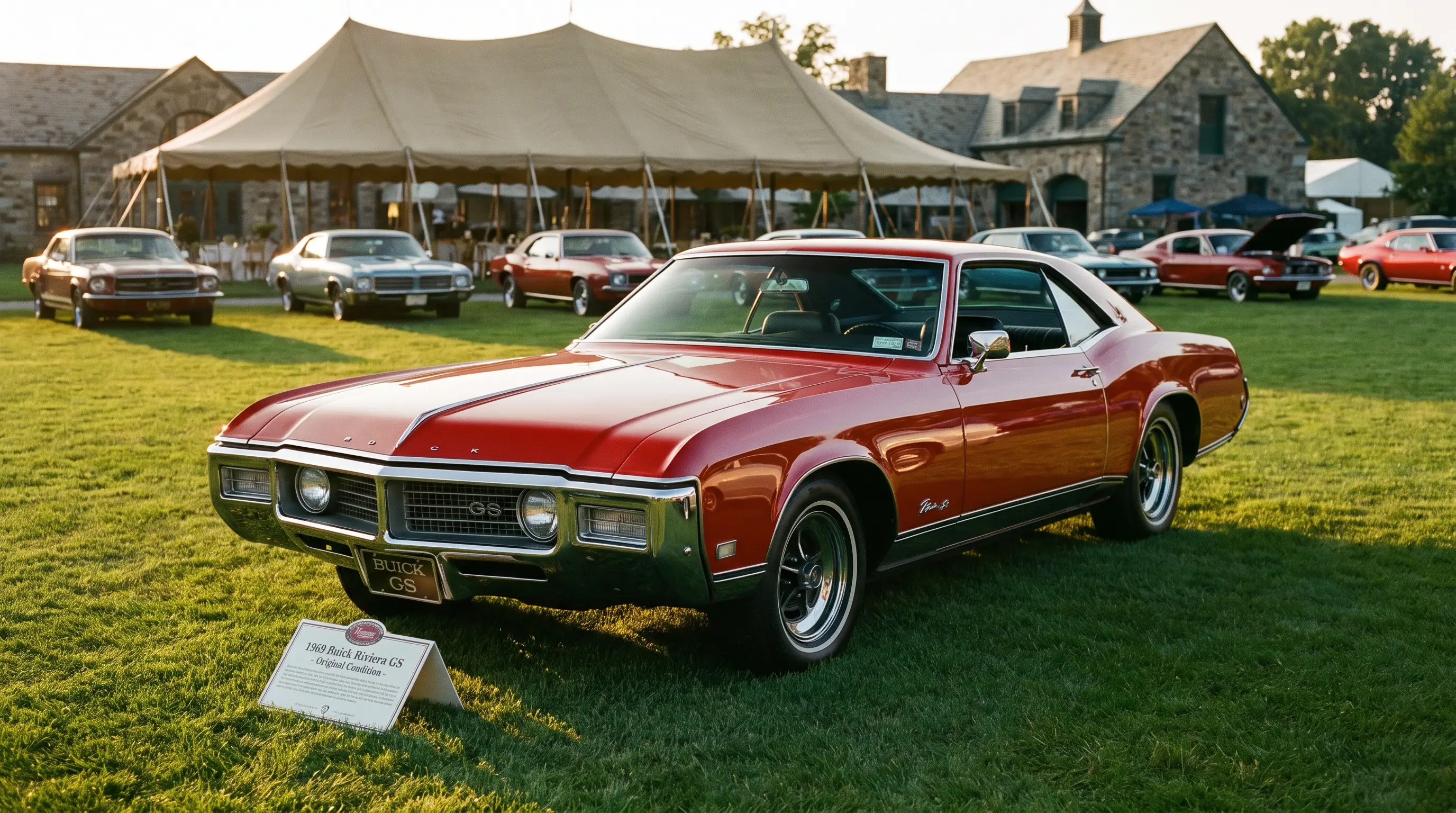
The Gran Sport package gave the second-generation Riviera its performance credentials. Offered as the GS option, it added a firmer suspension calibration, a numerically higher rear axle ratio, and appropriate badging, turning the personal-luxury coupe into something that could be driven quickly with a straight face. The GS cars are the ones enthusiasts tend to seek out, because they marry the elegant body to a chassis tuned to make use of the engine.
The generation was not static across its five years. The 1966 and 1967 cars kept the hidden headlamps that had carried over from the first generation. For 1969, Buick restyled the front and returned to exposed headlamps, changing the car's face significantly. Federal safety and lighting regulations pushed detail changes through the late 1960s, so side markers, revised bumpers, and interior updates mark the later cars. A researcher can date a second-generation Riviera fairly closely from the front clip and lighting alone.
What did not change was the essential idea. Across 1966 to 1970 the Riviera stayed a two-door hardtop coupe with a formal luxury interior, generous power, and styling that leaned on the fastback silhouette. It was a coherent generation, refined year to year rather than reinvented.
Colors, trim, and the cabin as artifact
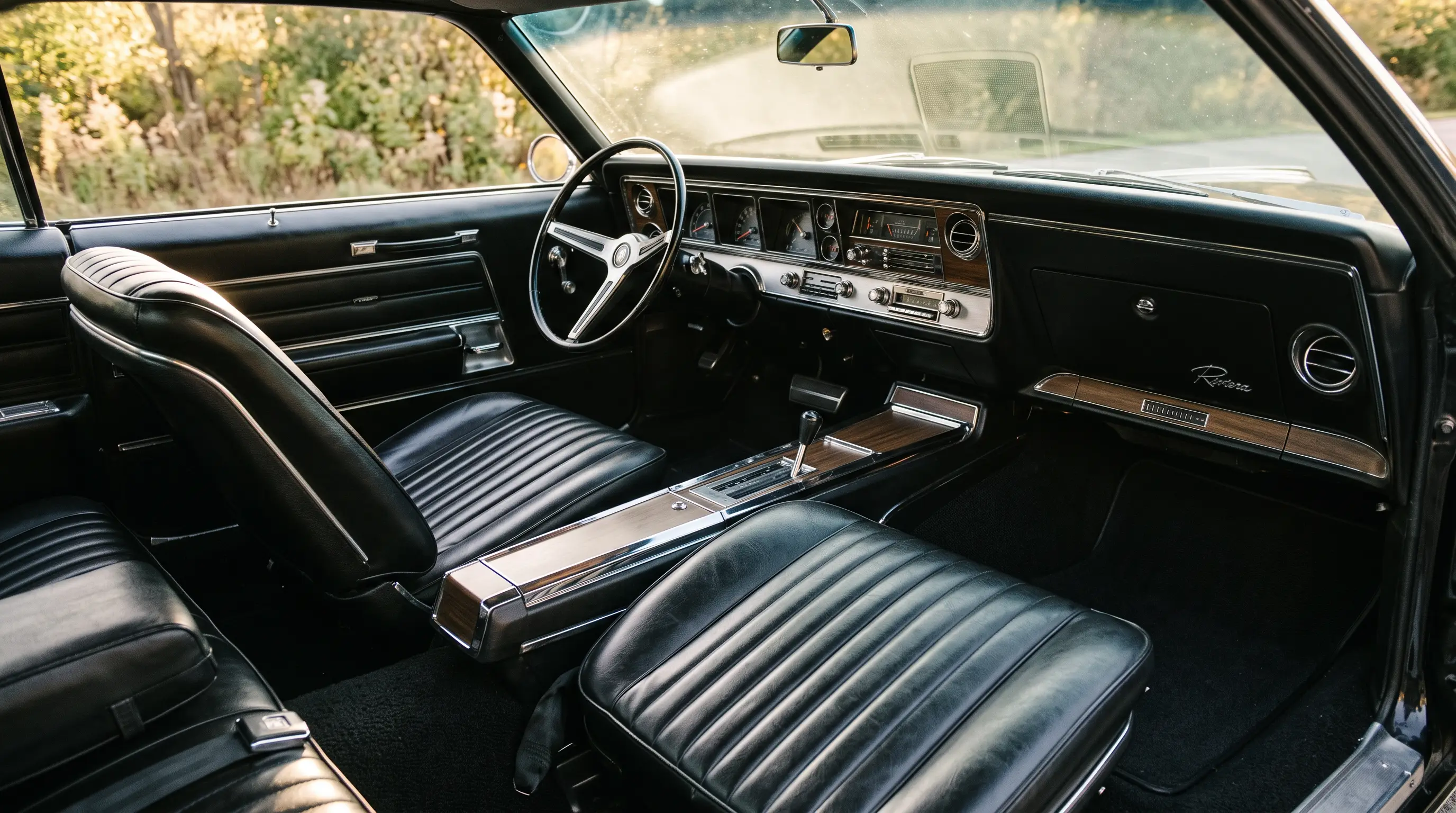
The interior of a second-generation Riviera is where the car's luxury ambitions read most clearly. The dashboards used broad, horizontal instrument layouts, and the seating ran from bench to notchback buckets depending on year and order. Buick offered the cabin in a range of cloth and vinyl combinations, with leather available, and the color palette followed the period taste for saddle, deep blue, and various shades of green and gold.
For the concours-minded owner, the trim tag and the build documentation matter more than almost anything. Original color combinations, correct upholstery patterns, and period-correct wheel covers or optional wheels separate a well-preserved car from one that has drifted through several repaints and reupholstery jobs. The second-generation body is large and its glass area generous, so faded or incorrect interior materials are immediately visible. A car that presents with a documented, matching interior is a materially different object from one that merely looks tidy.
Production numbers and how the generation reads today
The second-generation Riviera sold well by the standards of its class. The 1966 model year saw production of 45,348 cars, a strong figure for a specialized luxury coupe, and volumes stayed healthy through the run. These were not rare cars when new, which shapes the collector market today. Survivors are plentiful enough that a patient buyer can hold out for condition and documentation rather than settling for the first car that appears.
That relative abundance is a feature, not a flaw. It means values have stayed reasonable relative to contemporary muscle cars, and it means parts and knowledge circulate freely through the owner community. The 1966 car in particular holds a special place, because it opens the generation and carries the last of the nailhead engines, a combination that gives it a foot in both the first and second eras of the nameplate.
"I read the 1966 car as a hinge point. It keeps the hidden headlamps and the nailhead of the first generation, yet it wears the fastback body that defines everything that follows. Very few model years sit so cleanly on the seam between two design chapters."
- Sarah Whitfield
Collectibility and where the second generation sits
For the collector, the second-generation Riviera offers a rational entry into the personal-luxury field. The styling has aged well, the mechanicals are conventional and serviceable, and the supply of cars means the buyer, not the seller, tends to hold the leverage. The values reward originality and documentation, and they punish cars that have been modified away from factory specification, so the concours instinct pays off here more than in many collector segments.
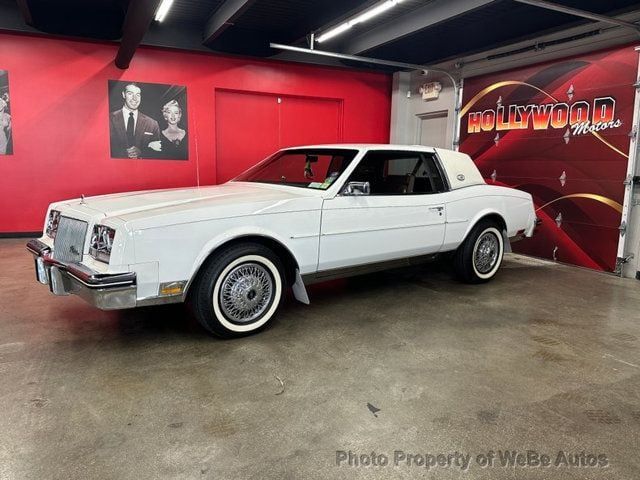
Anyone weighing a second-generation car should also look forward to what came next, because the generation that followed pushed the styling to its most extreme. The boat-tail cars of the early 1970s are their own subject, and they are worth a look too before settling on which Riviera era suits your taste. When you are ready to compare real cars against the market, you can shop classic Riviera listings and see how the second-generation coupes are priced against the first-generation and boat-tail examples.
The 1966 Buick Riviera remains, in the end, one of the most quietly confident designs of its decade. It took a bold platform decision, held onto rear-wheel drive against the fashion of the moment, and wrapped the whole thing in a fastback body that still looks resolved sixty years on. As an artifact, it repays the attention a careful owner gives it, which is exactly what you want from a car worth keeping.