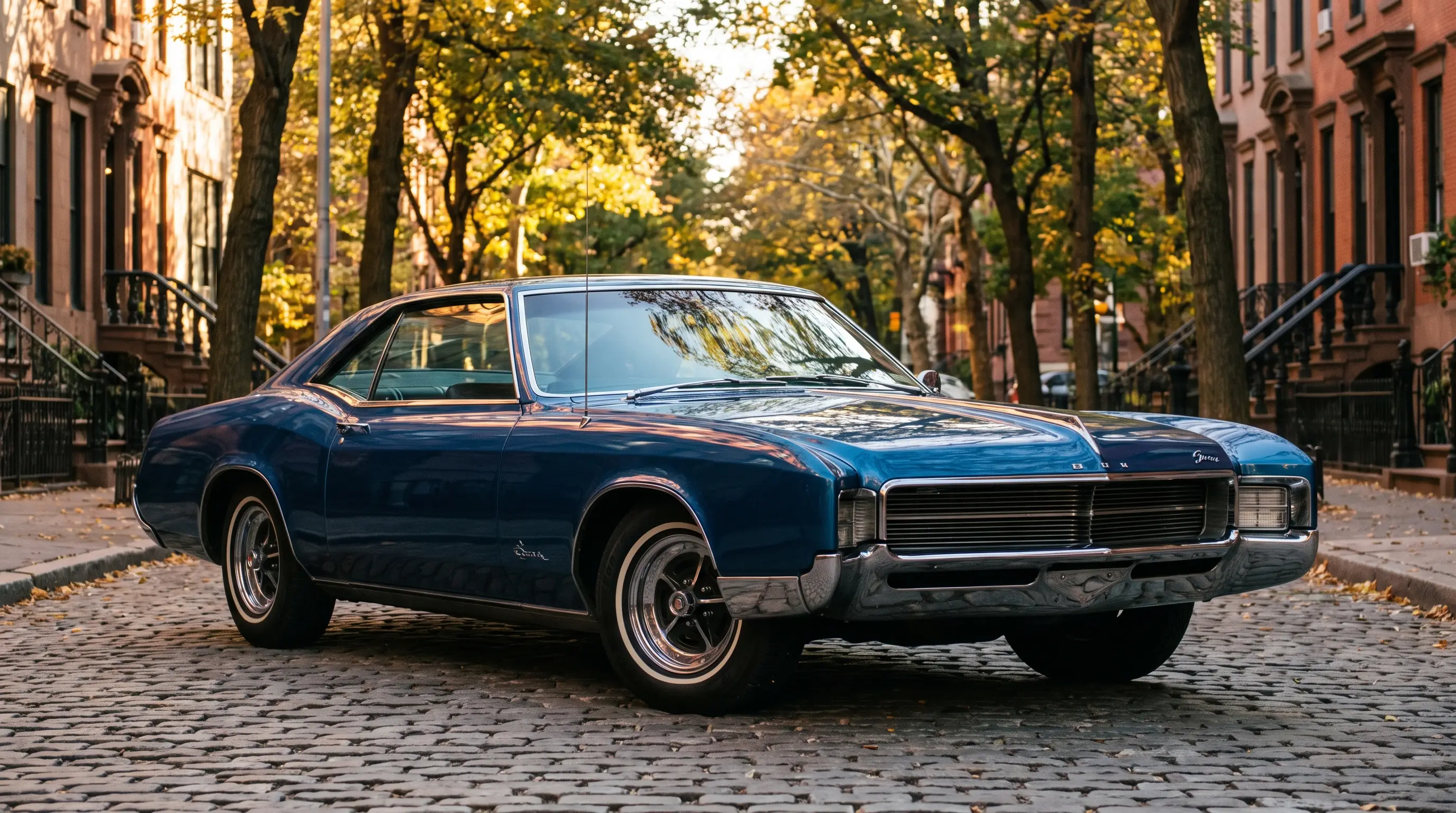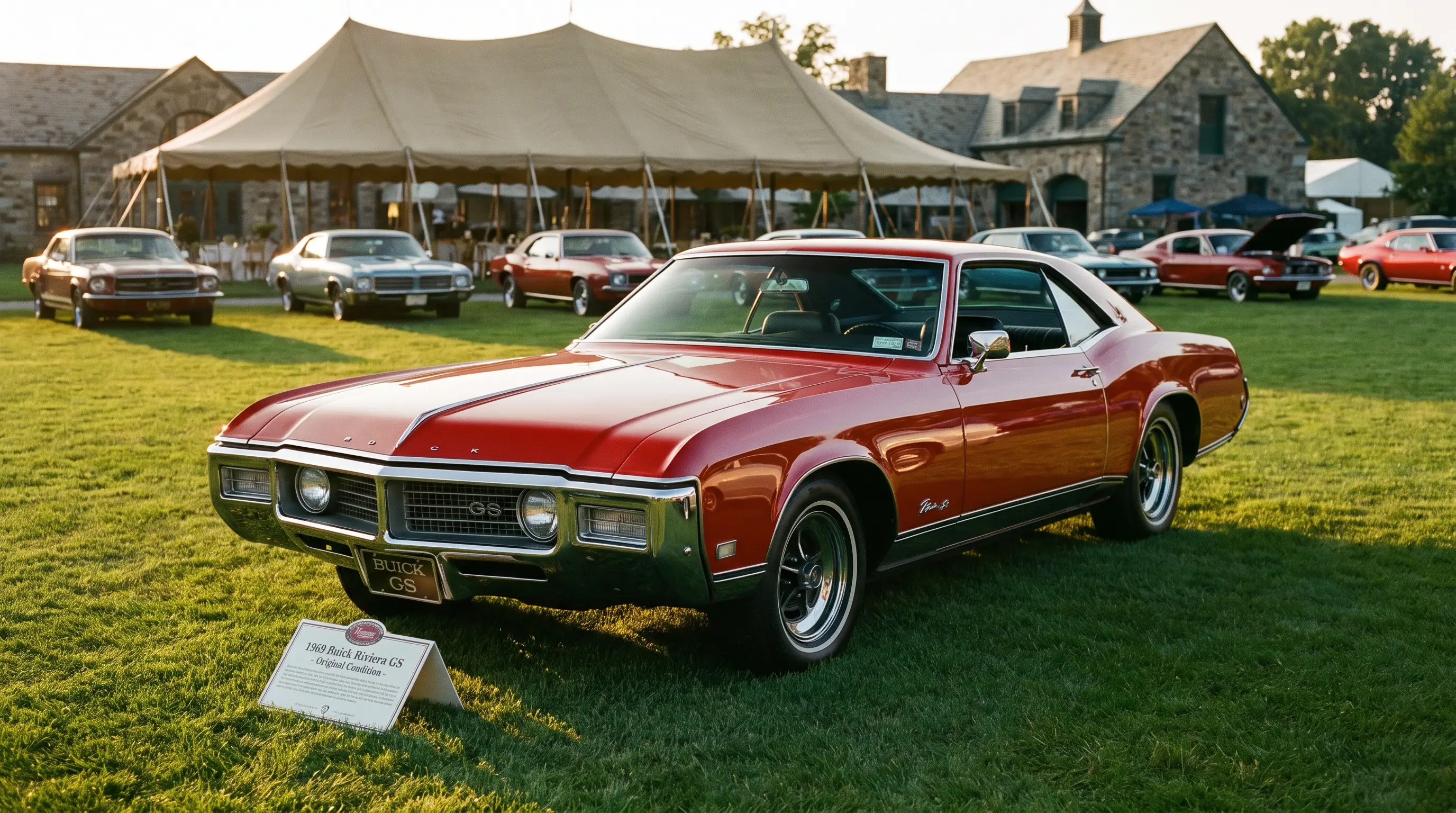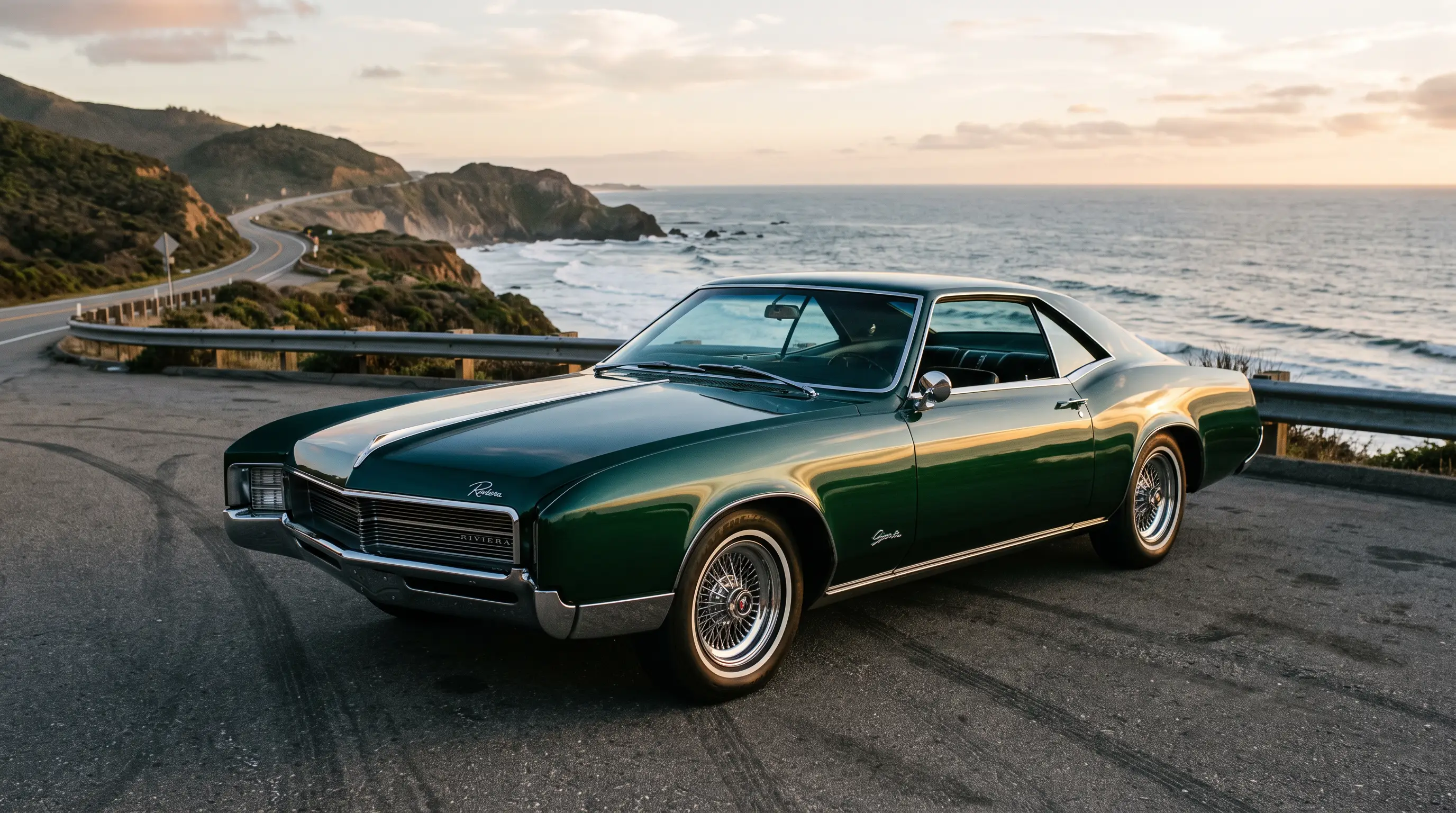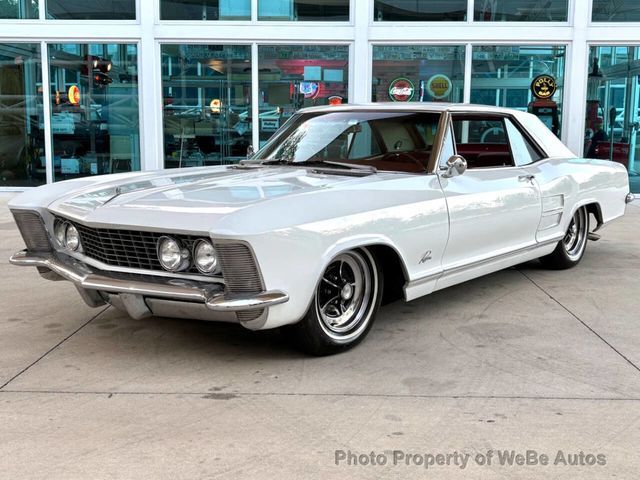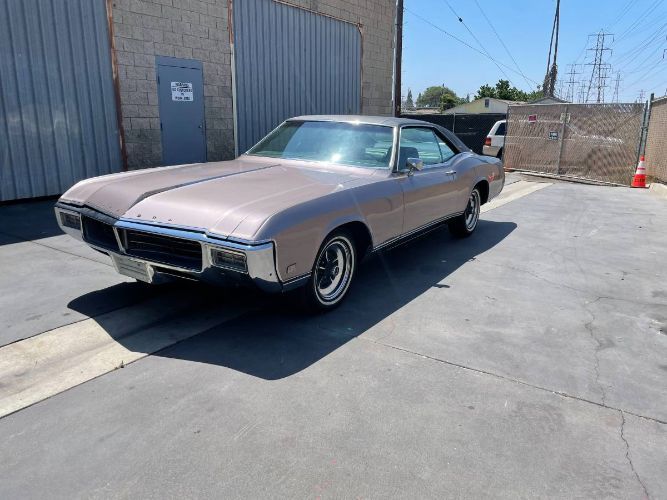
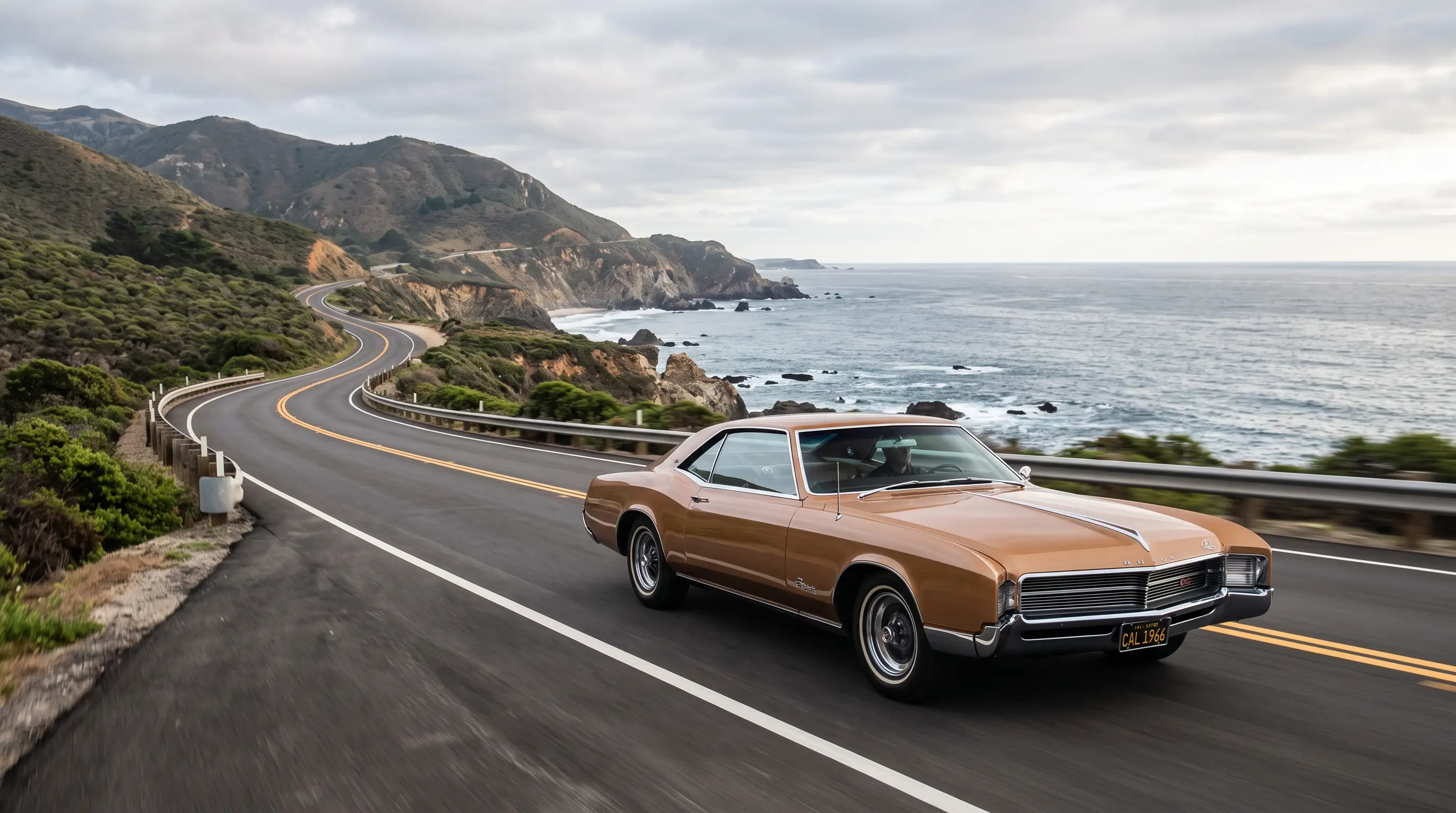
Some cars announce themselves the moment they turn a corner. The 1966 Buick Riviera does the opposite, and that restraint is exactly what makes it hold a lane, and a room, the way it does. There is a confidence in how this car carries itself that has nothing to do with volume, and everything to do with proportion, stance, and the quiet certainty of a design that never needed to prove anything.
Presence without a single loud gesture
Look at the 1966 Riviera parked next to almost any other American coupe from the same year and the first thing you notice is what is missing. No chrome-slathered grille fighting for attention, no scoops or vents doing work they were never engineered to do. The fastback roofline tapers back with a single confident line, and the body sides stay clean enough that the sheet metal itself becomes the ornament. That kind of restraint took real discipline from Buick's design studio at a time when plenty of competitors were reaching for more of everything.
Even the wheels and trim rings play into that restraint. Buick kept the wheel covers simple compared to the ornate, multi-spoke designs some rivals favored, letting the car's overall shape carry the visual weight instead of relying on brightwork at the corners to draw the eye. That is a small choice, easy to overlook in a showroom brochure, but it is part of a larger pattern of a design team trusting its own proportions enough to leave them alone.
The proportions do a lot of quiet work too. A long hood, a cabin pushed back toward the rear axle, and a low roofline give the car a stance that reads as purposeful from any angle, parked or moving. That balance is not an accident, it is the product of a design team that understood the car's stance mattered as much as any individual styling flourish.
How it behaves once it is actually moving
Road presence is not just a parked-car quality, and the 1966 Riviera earns its reputation on the move too. The nailhead V8 under the hood, whether the standard 401 or the optional 425, produces the kind of low-end torque that lets the car accelerate with authority rather than drama. There is no need to wring the engine out for effect, the power arrives early and the car simply goes, which fits the personality the exterior design already promised.
Steering feel from the era's power-assisted systems is lighter than a modern driver expects, but the chassis tuning underneath keeps body motions controlled enough that the car never feels like it is wallowing through a corner the way some full-size coupes from the same period do. That composure at speed reinforces the same quiet confidence the styling communicates standing still.
Braking, by period standards, holds up its end of that composure too. Front discs were available as an option on the 1966 Riviera, and cars equipped with them stop with a confidence that drum-braked contemporaries simply cannot match. That detail matters more than it might seem, because a car that looks fast but stops nervously undercuts its own presence the first time a driver has to brake hard in traffic. The Riviera, properly equipped, does not have that problem.
Ride quality rounds out the picture. Buick tuned the suspension for a controlled float rather than outright firmness, a choice that fits the personal luxury brief without sacrificing the composure a confident car needs. Highway expansion joints and rough pavement get absorbed rather than transmitted directly into the cabin, which lets the driver stay relaxed at speed instead of bracing for the next imperfection, reinforcing yet again that the whole car was engineered around ease rather than effort.
Even the sound of the car reinforces that same restraint. The exhaust note is deep but never loud, a low, confident hum rather than an announcement, and wind noise at highway speed stays low enough that a conversation at normal volume carries easily across the cabin. That auditory calm matters more to the overall impression of confidence than most people expect, since a car that sounds strained or noisy at speed undercuts its own composed image no matter how it looks parked at the curb.
"The Riviera was never trying to win a shouting match with the Cadillacs and Lincolns of its day. It was built to be the car people noticed a beat later, and remembered longer."
- Sarah Whitfield
Why restraint reads as confidence, not compromise
There is a lesson in the 1966 Riviera about the difference between loud design and confident design. Loud design demands attention immediately and often fades once the initial impression wears off. Confident design earns a second look precisely because it did not ask for the first one. Six decades later, the 1966 Riviera's lines have aged into exactly that second category, holding up in a way that some of its more decorated contemporaries have not.
That aging curve matters practically too. Cars that lean on trend-driven ornamentation tend to look dated once that trend passes. The 1966 Riviera's cleaner approach has kept it looking contemporary in a way that period photographs confirm was true even at launch, when journalists praised the car's restraint against a field of competitors piling on chrome.
There is a reason design students and collectors alike keep returning to this specific model year rather than treating the whole second generation as interchangeable. Later years in the same body style picked up added trim and slightly heavier bumpers as the decade wore on, details that chipped away at the original design's clean intent even while keeping the same basic silhouette. The 1966 car represents that silhouette in its purest, least compromised form, which is exactly why it reads as the high point of the generation's visual confidence rather than just an early entry in a five-year run.
What this means when you see one in person
Photographs flatten proportion in a way that undersells the 1966 Riviera badly. The car needs to be seen in three dimensions, ideally from a three-quarter angle at eye level, to understand why period buyers and modern collectors alike describe it as commanding without trying. That is a hard quality to market and an easy one to recognize once you are standing next to the real thing.
For the complete model year story behind this design, including what changed under the skin as well as on it, the whole picture fills in the details this piece leaves out.
Seeing it for yourself
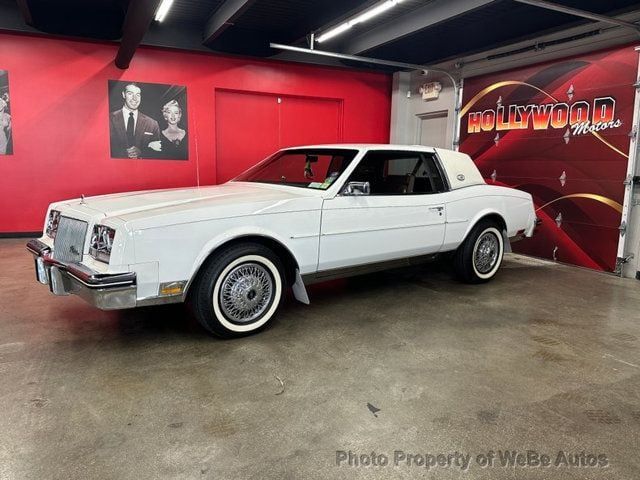
Road presence is one of those qualities that resists being fully explained in writing, which is exactly why it is worth experiencing directly rather than taking anyone's word for it, including this one. Anyone curious enough to want a closer look can find a classic Riviera currently listed and judge the stance and proportion in person, which remains the only honest way to settle the argument. Walk around one slowly before ever sitting in it, and the case tends to make itself without any further convincing needed.