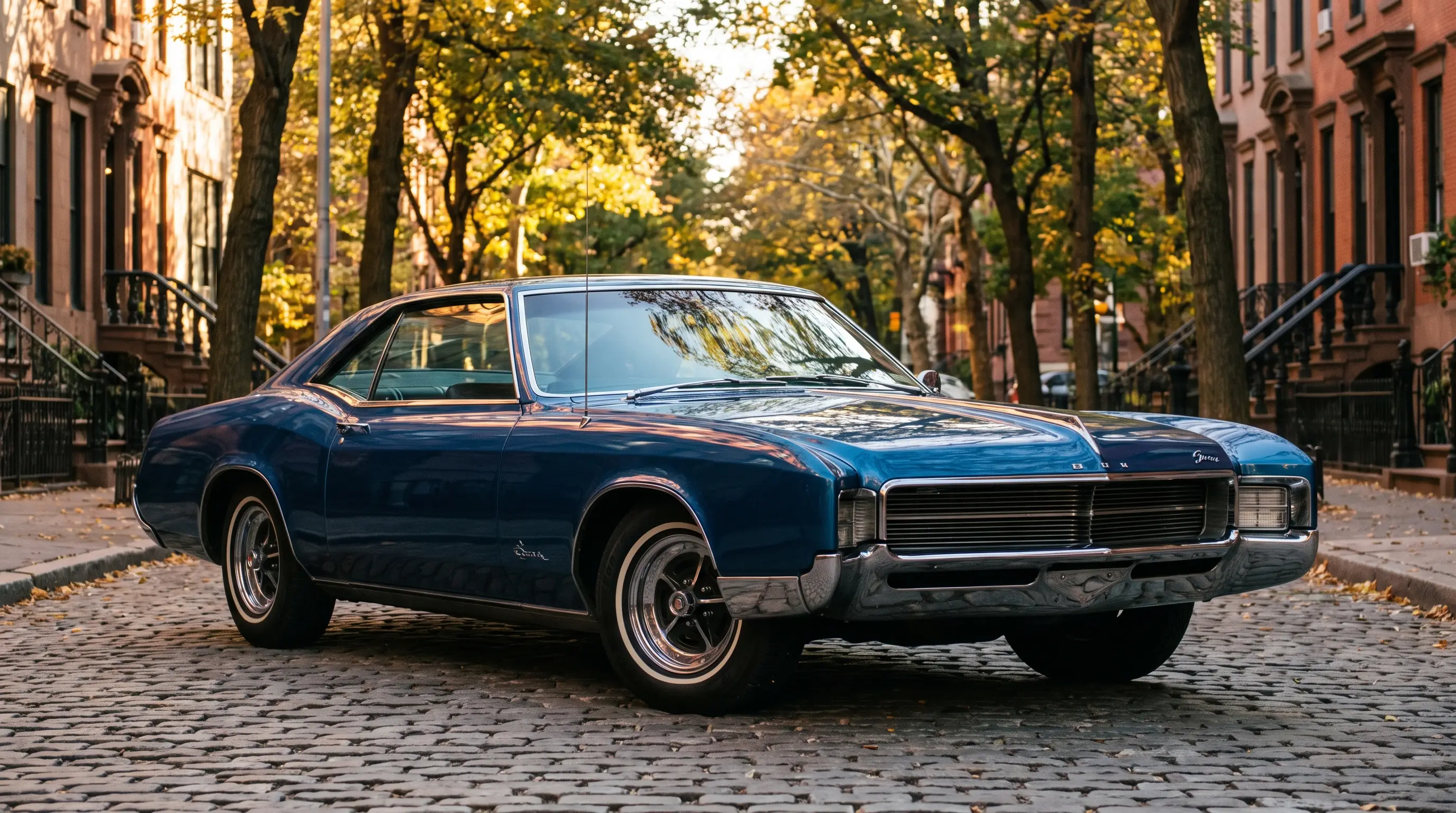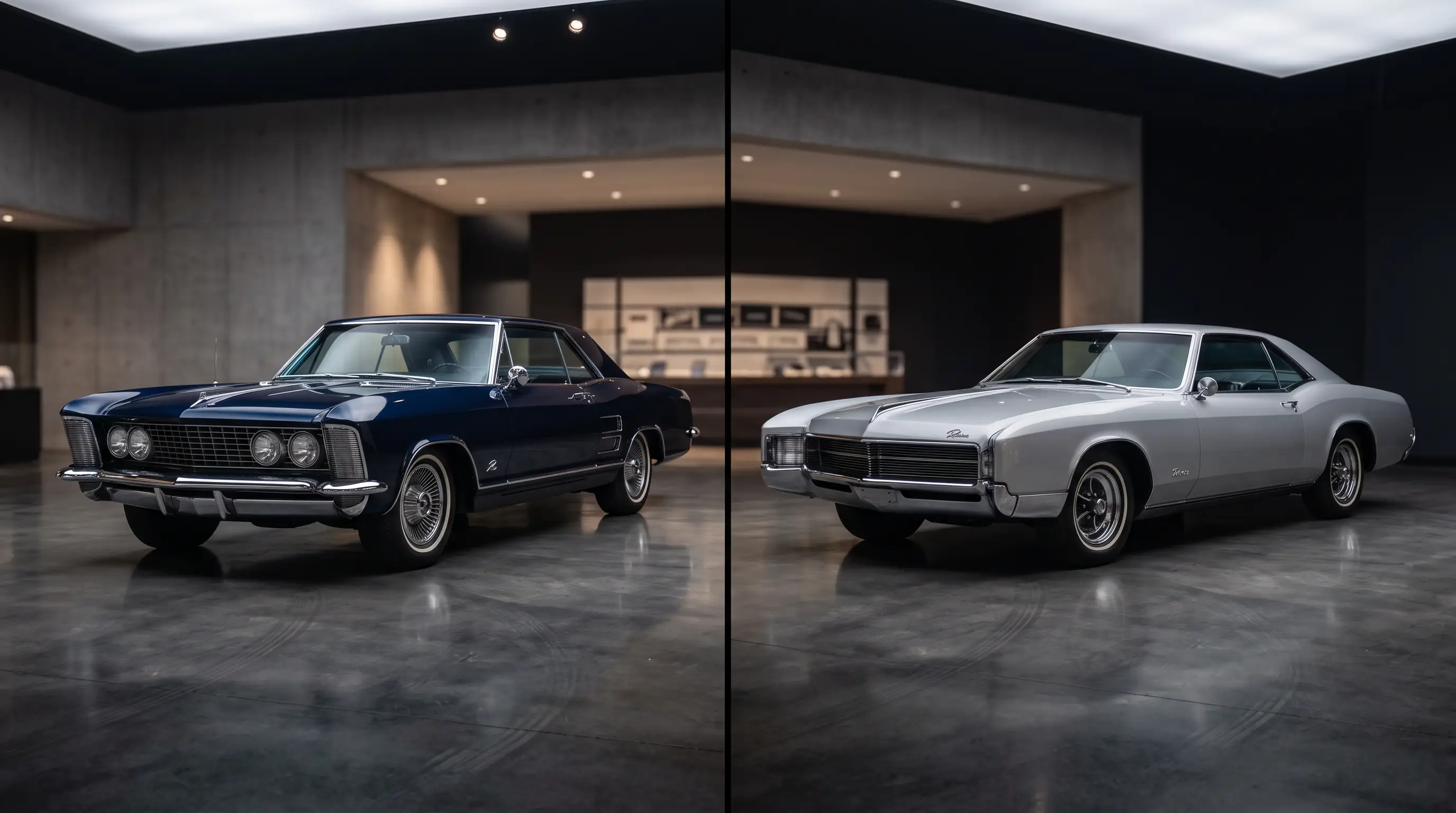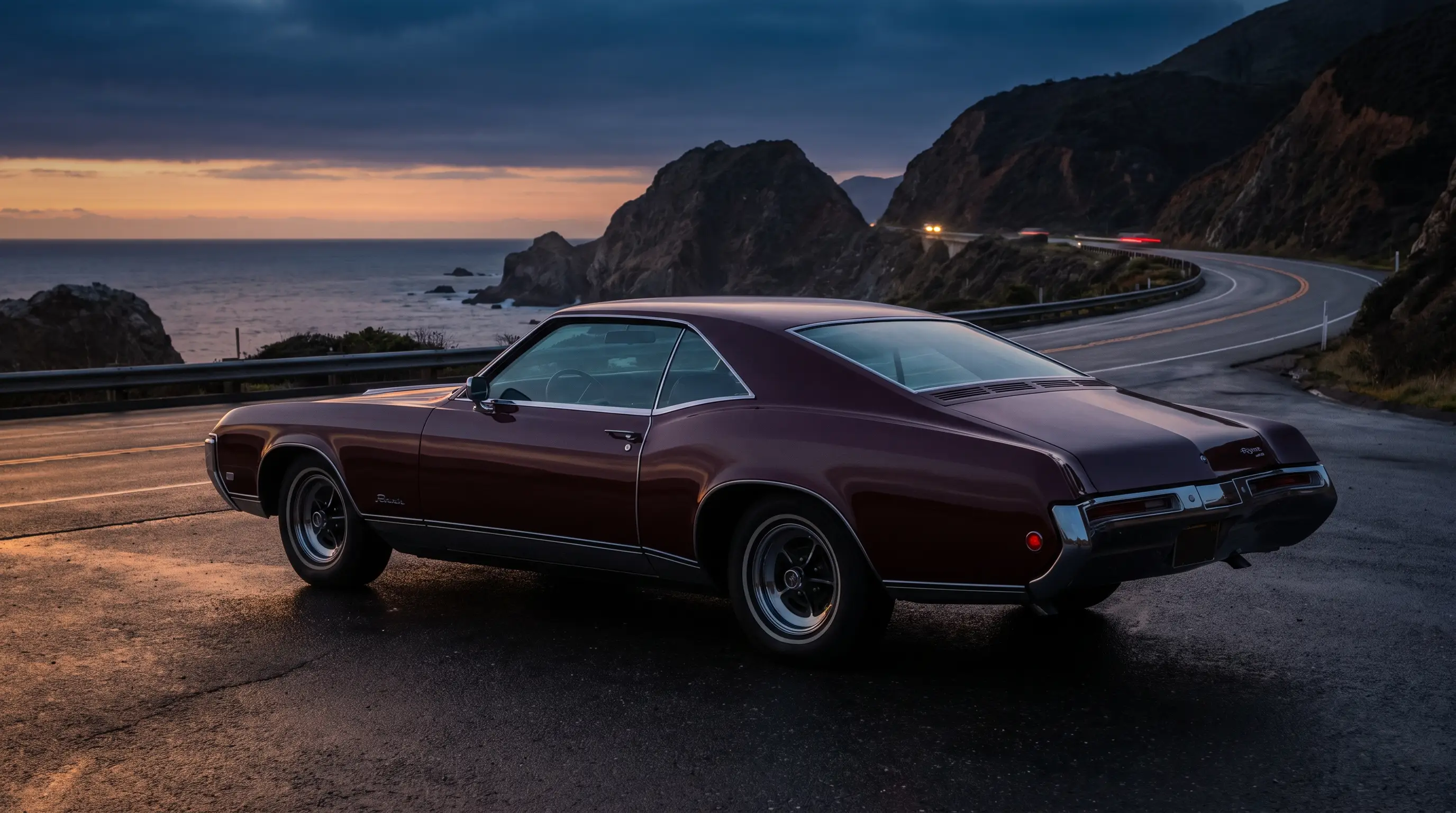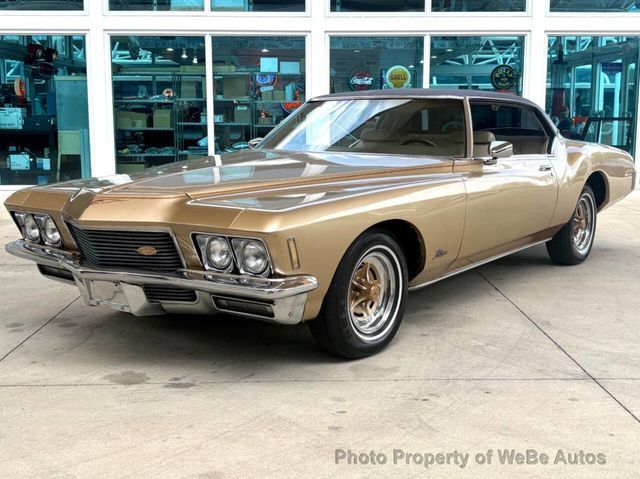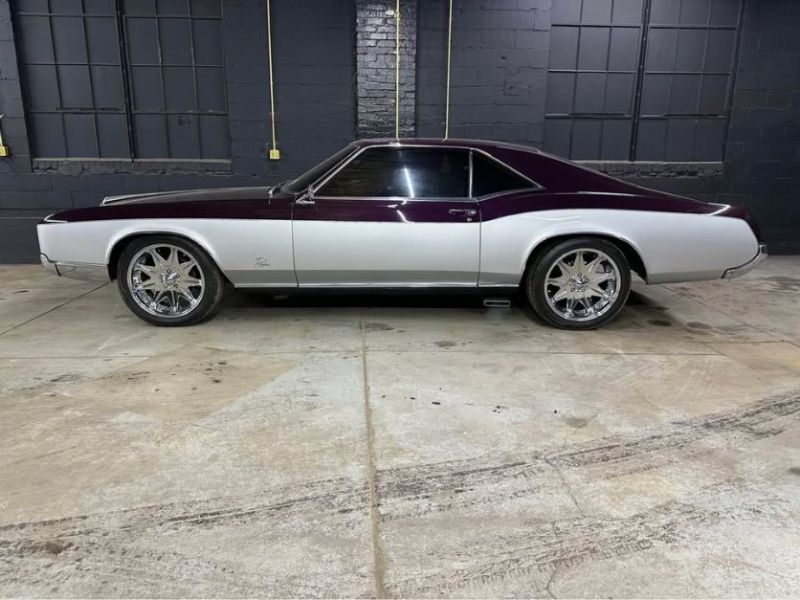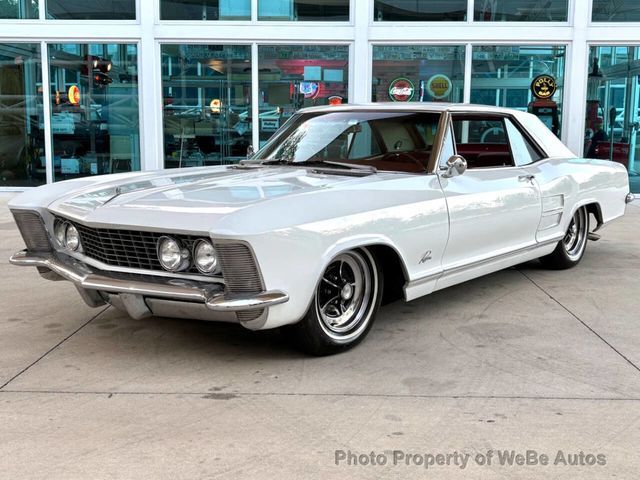
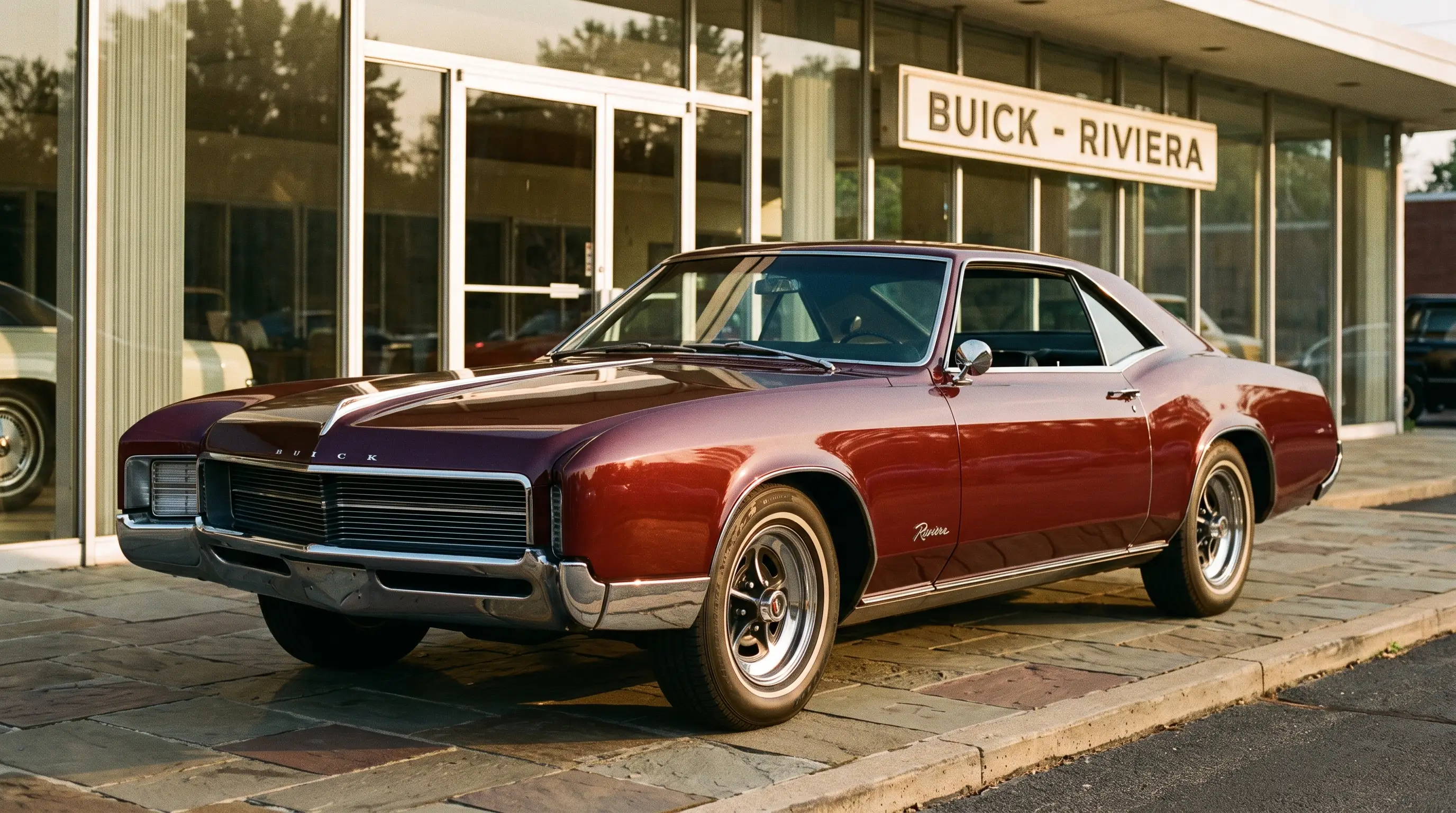
The 1967 and 1968 Buick Riviera model years rarely get their own spotlight, sitting as they do between the headline-grabbing 1966 redesign and the concealed-headlamp comeback that closed out the decade. That is a shame, because these two years carry some of the most consequential mechanical and styling refinements of the entire second generation. Buick used 1967 and 1968 to correct course on a handful of decisions from the all-new 1966 body, and the changes made across those two years shaped the Riviera that buyers would recognize for the rest of the generation.
1967 brought a bigger, reworked V8
The most significant engineering change for 1967 was under the hood. Buick bored out its big-block V8 from 425 cubic inches to 430 cubic inches, a displacement increase paired with revised cylinder heads and a reworked intake that pushed rated output to 360 hp gross. The 425 had served the Riviera well through 1966, but the larger 430 gave Buick more torque at lower engine speeds, a trait that suited the Riviera's role as a relaxed highway cruiser better than outright horsepower numbers ever could. Buick's engineers reportedly targeted low-speed drivability specifically, aware that most Riviera buyers cared far more about effortless passing power on a highway than they did about a stopwatch at a drag strip. The three-speed Super Turbine 400 automatic continued as the sole transmission choice, keeping the driving character consistent even as the numbers under the hood grew.
Styling details moved without touching the fastback profile
Buick left the fastback roofline and greenhouse essentially untouched for 1967, a smart decision given how expensive that tooling had been to develop for the all-new 1966 body. Instead, the changes concentrated on the grille texture, the rear taillight treatment, and detail trim. The 1967 grille moved to a finer mesh pattern than the 1966 crosshatch, and the rear of the car picked up revised taillight lenses that gave the Riviera a slightly cleaner look at night. These were the kind of annual refresh changes GM divisions used across the board to keep a car looking current on a showroom floor without the enormous cost of retooling the compound-curved body panels underneath. Buick's designers understood the fastback shape was strong enough to carry the car on its own merits for several more years, and spent their annual styling budget instead on the smaller details a returning showroom visitor would actually notice. Our 1966 Buick Riviera retrospective covers the original redesign these two years were quietly refining.
1968 brought the concealed headlamps back
If 1967 was a year of quiet mechanical refinement, 1968 was the year Buick made its most visible styling statement of the generation's back half. The Riviera regained concealed headlamps for 1968, using vacuum-operated doors that hid the lamps behind body-colored panels when not in use, a feature the car had gone without since the 1966 redesign dropped the original clamshell system. Alongside the new front end, Buick refreshed the grille surround and adjusted the front bumper profile to integrate the new concealment doors cleanly. The 430 cubic inch V8 carried over unchanged from 1967, meaning the 1968 model's headline story was entirely about how the car looked rather than how it performed.
Interior and trim changes rounded out both years
Inside the cabin, Buick made steady, incremental updates across 1967 and 1968 rather than any wholesale redesign. Simulated wood trim expanded slightly across the dash, upholstery pattern options grew, and Buick continued offering both bucket seats with a center console and a bench seat for buyers who wanted three-across seating. Neither year introduced a dramatic new option, but the combination of small trim, upholstery, and color updates kept the cabin feeling current for showroom shoppers cross-shopping the Thunderbird and the Eldorado, both of which were updating their own interiors on a similar annual cadence. Buick also expanded its exterior color palette across these two years, adding several new metallic shades that had not been offered on the 1966 launch model, giving buyers more ways to personalize a car whose basic shape was staying put for the time being.
The Gran Sport option carried through both years unchanged in spirit
Buick's Gran Sport package remained available across 1967 and 1968, pairing the larger 430 cubic inch V8 with a dual-quad carburetor setup on cars so equipped, along with Positraction and a firmer suspension tune. The GS option never accounted for a large share of total Riviera production in either year, which is exactly why documented GS cars from 1967 and 1968 draw stronger interest from today's collectors than a standard-trim car of the same model year. Buick marketed the GS quietly compared to how aggressively other divisions pushed their own performance packages during the same period, treating it as an option for buyers who already understood what they wanted rather than a headline feature aimed at drawing showroom traffic. That understated approach is part of why GS Rivieras from this stretch of the generation still surprise buyers who assume Buick never built anything with real bite under the hood.
Why these two years matter to today's buyers
For collectors, 1967 and 1968 occupy an interesting middle ground. The 1967 car carries the larger 430 cubic inch engine but keeps the exposed-headlamp front end some buyers prefer for its cleaner, simpler face. The 1968 car adds the visual drama of concealed headlamps but is otherwise mechanically identical under the hood. Neither year is treated as a landmark by most price guides the way the debut 1966 model or the final 1970 model tend to be, which in practice means solid 1967 and 1968 examples often trade at a modest discount to those bookend years despite offering essentially the same driving experience. That makes them a reasonable entry point for buyers who want the second-generation Riviera experience without chasing the premium attached to a first or last year of the run. A well-documented 1967 or 1968 car with clear service history and matching numbers can be a genuinely smarter purchase than a rougher 1966 or 1970 example bought purely for its bookend status, since condition and paperwork tend to matter more to long-term value than model year alone once a buyer moves past the most obvious landmark years. A related story covers how the generation wrapped up once the 455 cubic inch V8 arrived for 1970, and buyers ready to compare real examples from across these years can check Rivieras for sale now.
"1967 and 1968 don't get talked about the way the debut year does, but if you read the factory paperwork closely, these are the two years where Buick actually fixed the things worth fixing from the original 1966 redesign."
- Tom Ramirez
Sources and notes
- Is The Buick 430 V8 A Big Block, And How Much Horsepower Did It Produce, SlashGear
- Vintage Car Life Review: 1968 Buick Riviera, Curbside Classic
- Plutocrat Pony Car: The 1966-1970 Buick Riviera, Ate Up With Motor
- Introduction to the 1966-1970 Buick Riviera, HowStuffWorks
- Nobility Meets Muscle: 1968 Buick Riviera, autoevolution
- Buick Riviera, Wikipedia