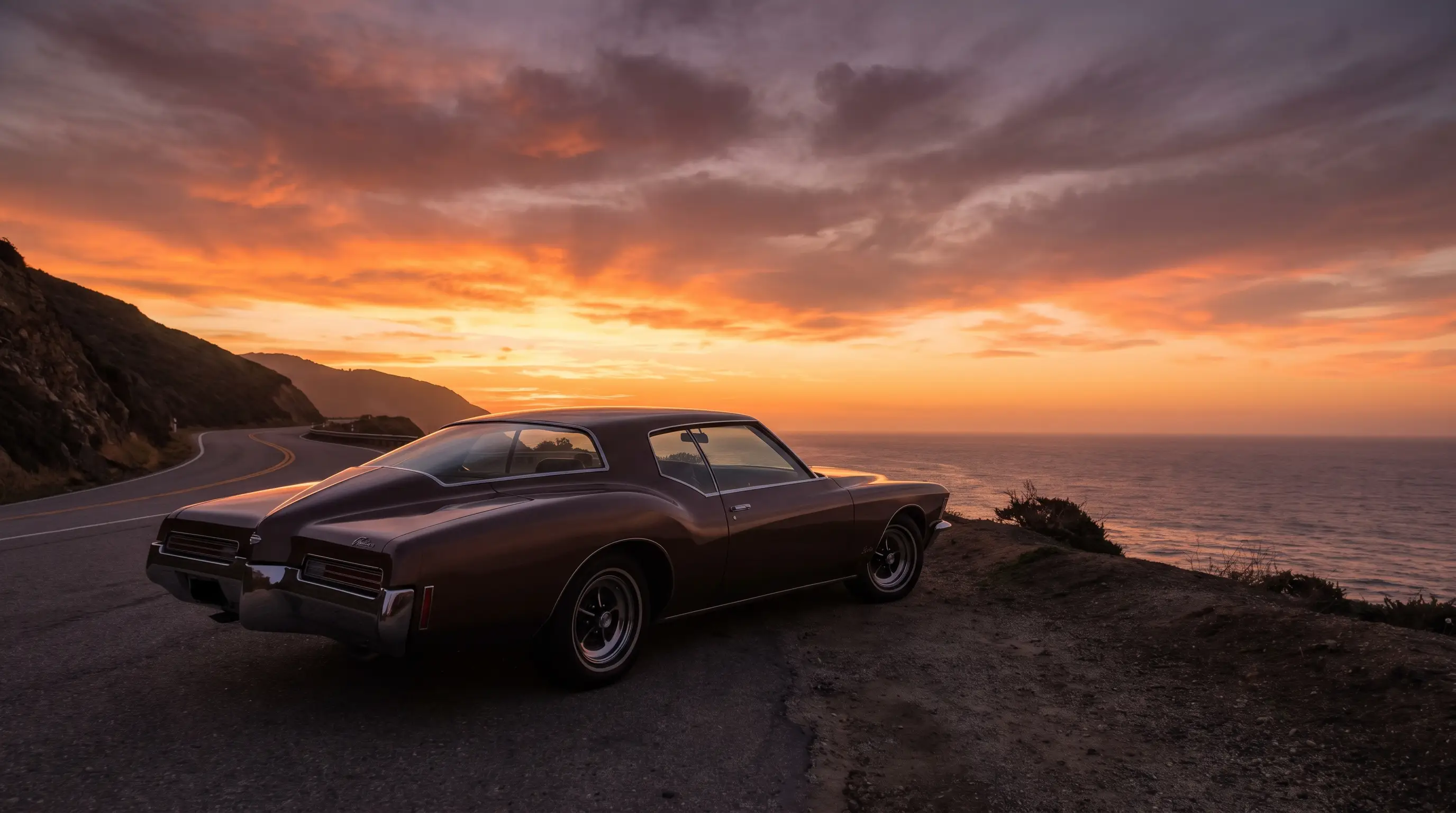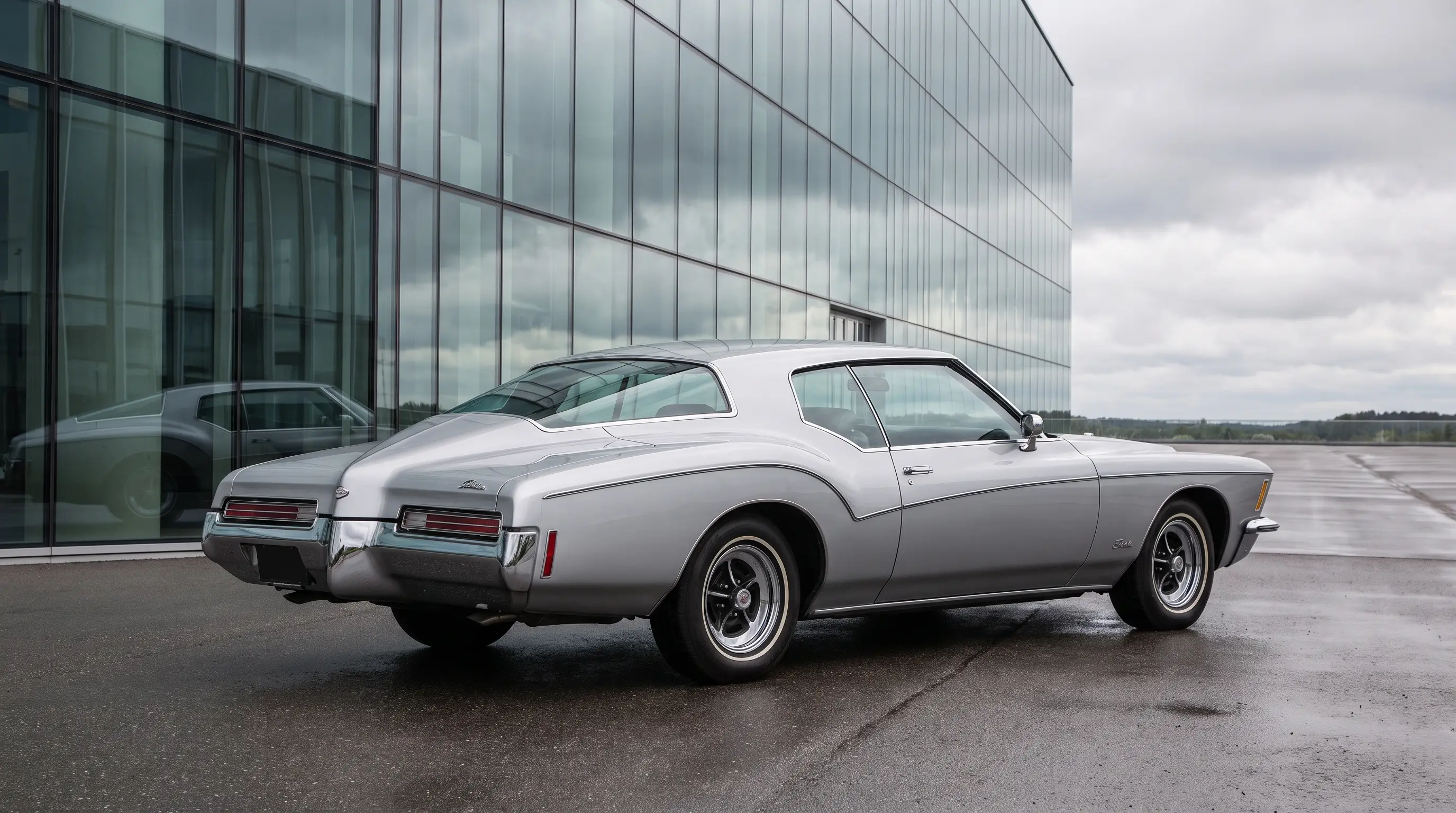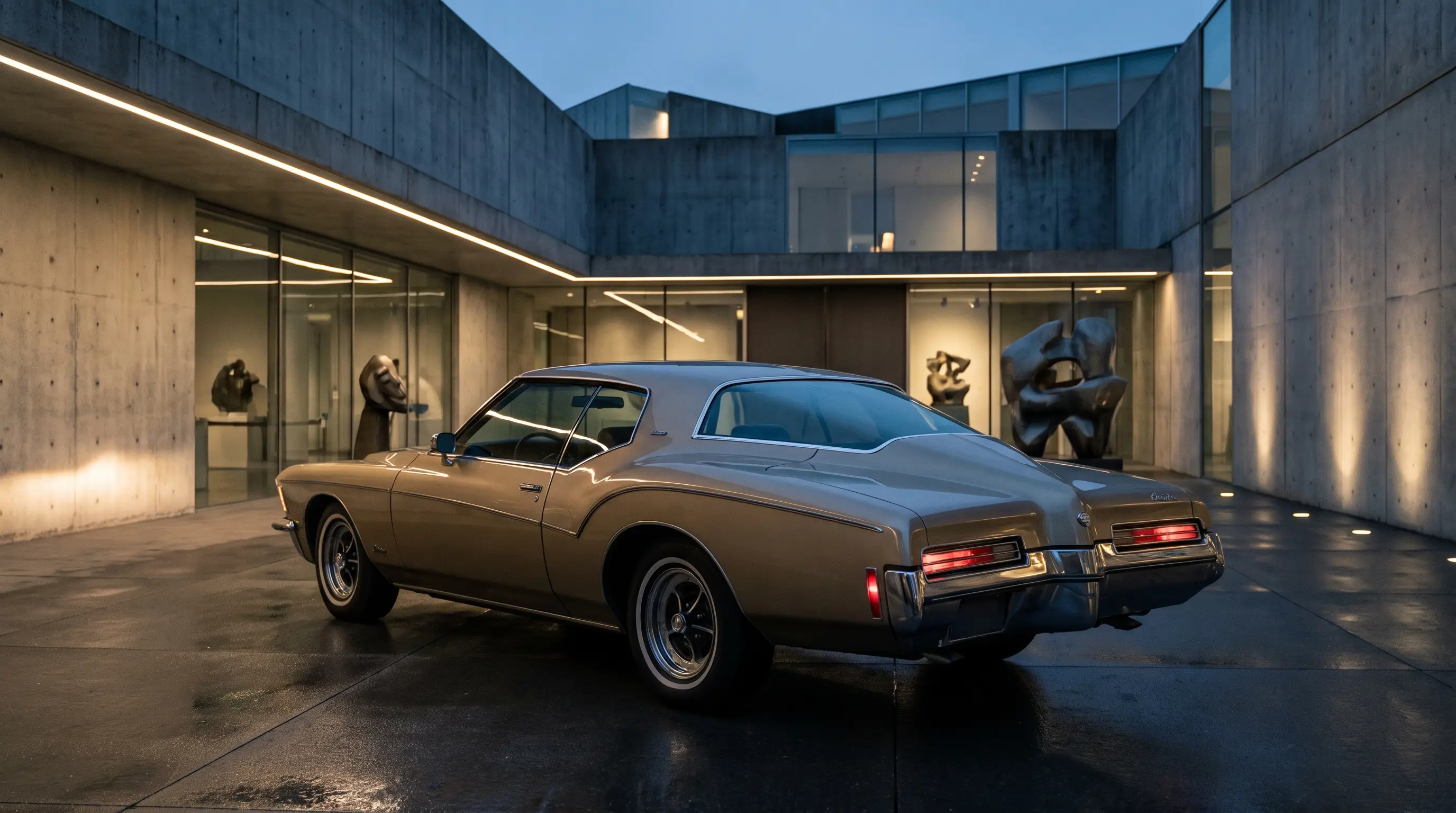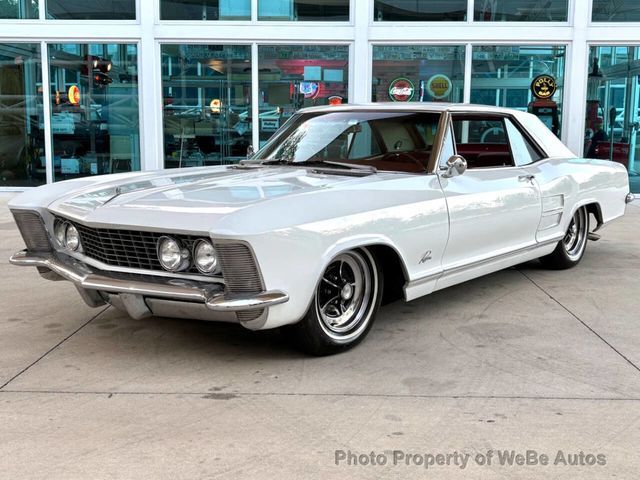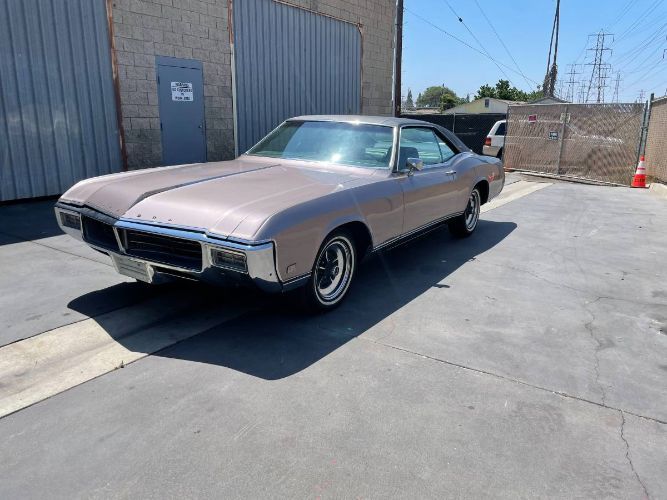
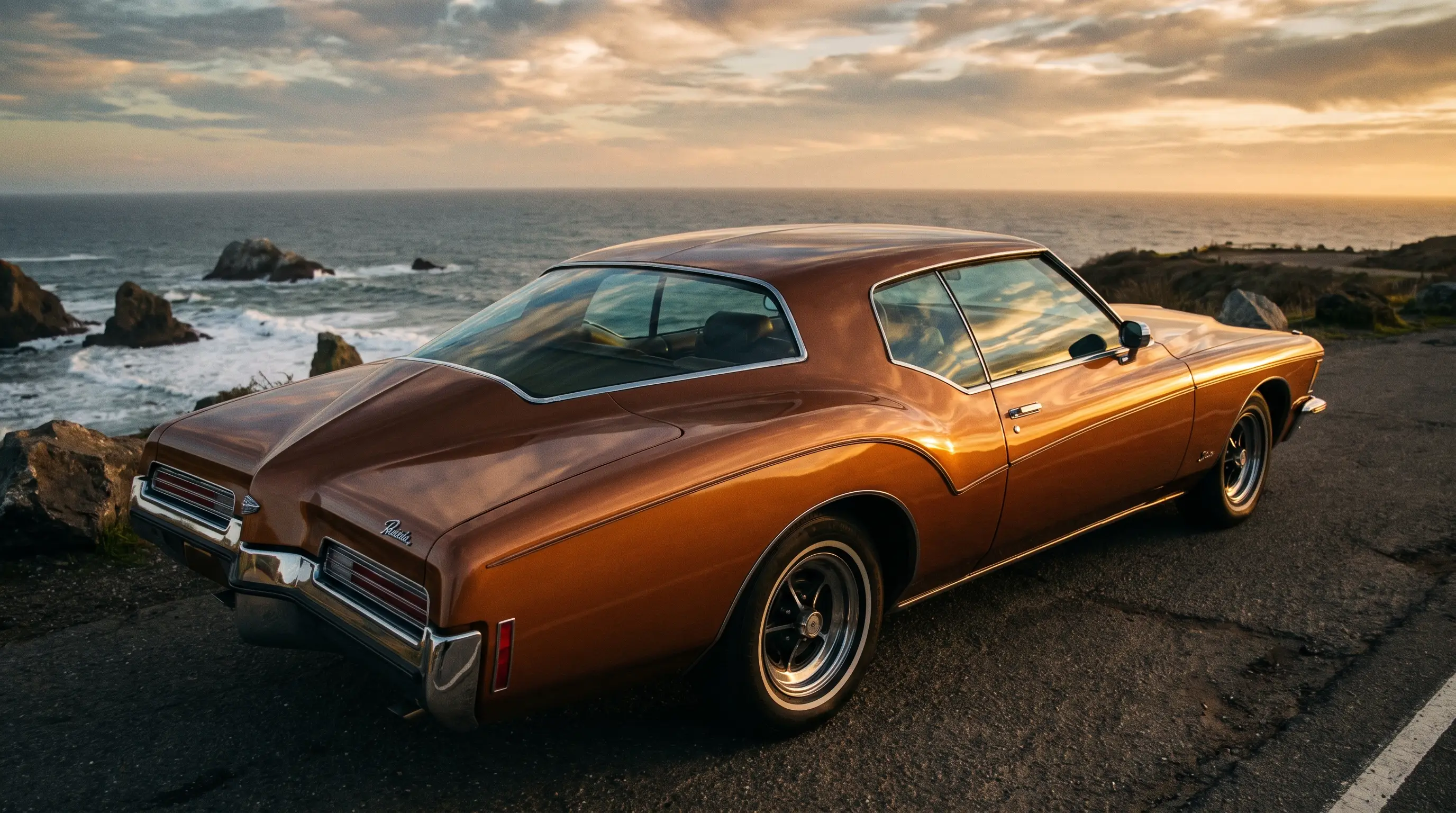
I have had grown men stop dead in a swap meet parking lot when a 1971 Riviera boat-tail rolls past, and every single time it is the same reaction: a long look at the rear quarter, then a slow shake of the head, like they cannot quite believe Buick let a shape like that leave the factory. That is the reaction Bill Mitchell was chasing when the boattail generation arrived for 1971, and from a builder's perspective, understanding why this body still stops traffic starts with understanding how much fighting it took to get built at all.
A shape that almost did not survive the boardroom
By the late 1960s, GM's design studios were pushing toward longer, lower, more dramatic personal luxury coupes, and the Riviera needed a replacement for the 1966-70 body that had shared its platform with the Oldsmobile Toronado and Cadillac Eldorado. Mitchell wanted a fastback taper unlike anything else in Buick's lineup, a rear end that pulled the roofline down into a pointed, almost nautical tail. Internal resistance was real. Cost concerns and production complexity pushed back hard against a design this aggressive, and it is worth remembering how easily a toned-down, safer alternative could have replaced it. What made production for 1971 is the version Mitchell fought to keep, and once you have worked on one of these bodies in a shop, you understand exactly why the fight was worth having.
Building it was harder than drawing it
From a builder's chair, the boattail is a different kind of project than a square-body muscle car. The compound curves running from the C-pillar back to the taillights are not simple bends, they are shapes that stack multiple curvatures at once, which means panel replacement and rust repair on this generation demands patience most restorers underestimate the first time they take one apart. Get the taper even slightly wrong during bodywork and the eye catches it instantly, because the entire design lives or dies on that line staying true from every angle. This is not a car where you eyeball a patch panel and move on. The factory panels were stamped to hold a specific relationship between the beltline and the tail, and any builder who has chased that line back into alignment after prior sloppy repair work knows it takes real skill, not just willingness.
What was actually under the skin in 1971
Underneath the dramatic sheetmetal, the 1971 Riviera carried Buick's 455 cubic inch V8 as standard equipment, a big-block built for effortless torque rather than high-revving performance, matched to a three-speed automatic that suited the car's mission as a boulevard cruiser with genuine muscle underfoot, rated at 315 gross horsepower (255 net) in standard form, with the Gran Sport package bumping that to 330 gross horsepower (265 net). That drivetrain gave the car enough presence to match its looks, which mattered, because a shape this bold needed to deliver something when the throttle went down. Builders who have restored these cars mechanically alongside the bodywork consistently note how well the chassis handles the extra visual drama up top, a genuinely balanced execution rather than styling bolted onto an unrelated platform.
| Spec | 1971 Buick Riviera |
|---|---|
| Standard engine | 455 cu in V8 |
| Transmission | Turbo Hydra-Matic three-speed automatic |
| Signature feature | Boattail fastback rear roofline |
| Design lead | Bill Mitchell, GM Design |
| Body style | Two-door hardtop coupe |
Why builders still chase the 1971 specifically
Ask around any shop that has handled multiple years of this generation and you will hear the same preference over and over: 1971 is the year builders want. The taper is at its most extreme that year, the front and rear fascias have not yet picked up the heavier federal bumper hardware that arrived by 1973, and the overall proportion reads exactly as Mitchell's studio intended before subsequent model years softened the execution for cost and regulatory reasons. That makes the first year of this generation the reference point every later revision gets measured against, and it is the version most serious restoration shops treat as the one worth doing right the first time. Talk to enough builders and you will notice they judge a finished 1971 boattail almost entirely by how well the tail comes together, not by paint depth or chrome shine, because that single line is the whole argument the car is making. For the full account of how the design and engineering came together, 1971 buick riviera history covers the details a shop-level rundown like this one does not have room for, and a related story walks through how the boattail evolved across its full three-year run.
"Anybody can copy a straight line. Getting that taper right, panel after panel, is where you find out if a shop actually knows what it is doing."
- Jim Vasquez
What to look for if you are buying one
If you are shopping for a 1971 boattail rather than building one from a project car, the same areas that give restorers trouble are the areas worth inspecting hardest before you buy. Check the lower quarters and the trunk floor where compound curves trap moisture behind trim, and look closely at panel gaps around the tail, since a car that has been through a lazy repair almost always shows a slight mismatch right where the taper needs to be perfect. A straight, honest example of this generation is out there, and Rivieras for sale now include cars that have already had the hard structural work done properly, which is worth paying for rather than gambling on a cheaper project.
Interior condition tells its own story on this generation too. The 1971 cabin leaned into the same dramatic theme as the exterior, with a wraparound dash and console design that echoed the boat motif Mitchell had built the whole car around, and original upholstery and dash pieces in good shape are getting harder to source every year as more cars get parted out or patched with incorrect reproduction material. A buyer who finds a car with its factory interior largely intact is finding something genuinely scarce, not just cosmetically nice. That scarcity is part of why serious builders now treat an unmolested original interior as worth protecting rather than swapping out for something modern, even when the original seat foam and door panels need real attention to bring back to a usable condition.
None of this is a reason to be scared off the model. It is a reason to go in with clear eyes about what this generation actually asks of an owner or a builder. A boattail bought cheap because of visible rust almost always ends up costing more than a straight car bought at a fair premium, once the compound-curve bodywork gets factored in honestly. Anyone ready to see what is currently available can check Rivieras for sale now and compare a few in person before committing to a restoration project of their own.