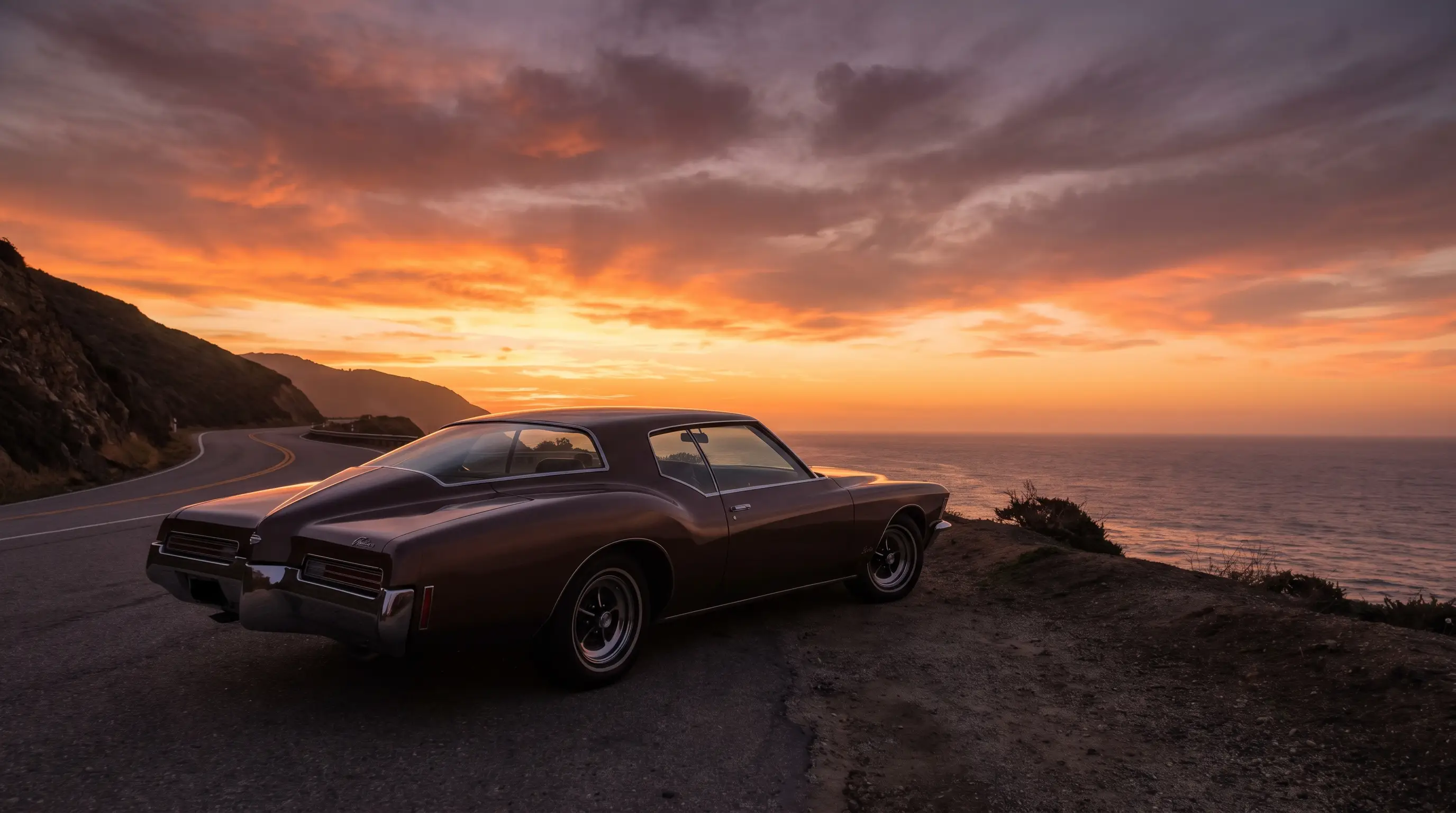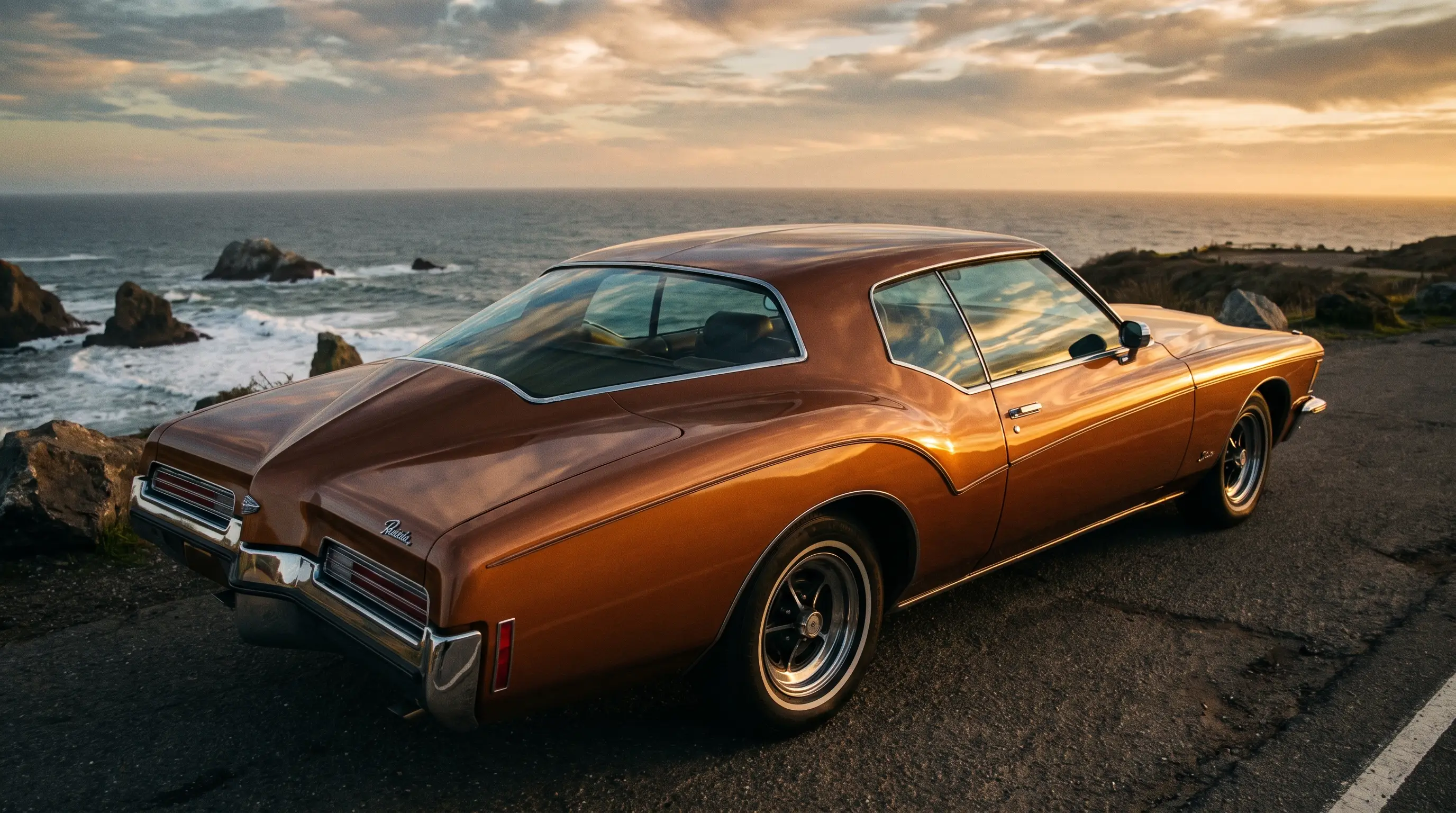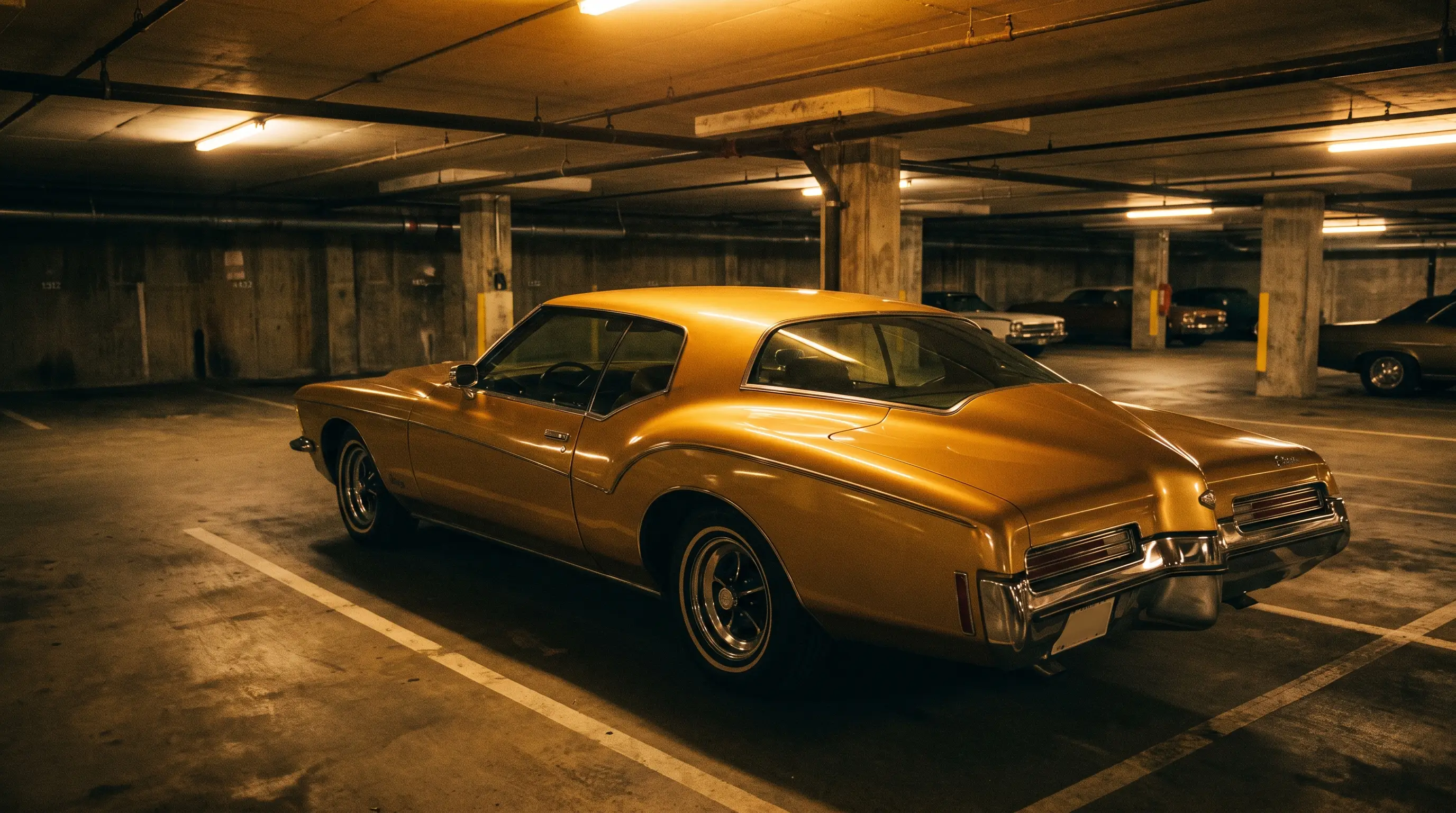
Three model years, one dramatic idea, and a steady retreat from its most extreme form. That is the short version of the 1971 through 1973 Buick Riviera, the boattail generation whose reputation today rests almost entirely on its opening year while the two that followed quietly, and consistently, moderated the concept. Understanding this generation as a whole, rather than fixating on 1971 alone, means tracing exactly what stayed and what changed as Buick balanced Bill Mitchell's design ambition against production cost, safety regulation, and buyer feedback.
1971: the concept at full strength
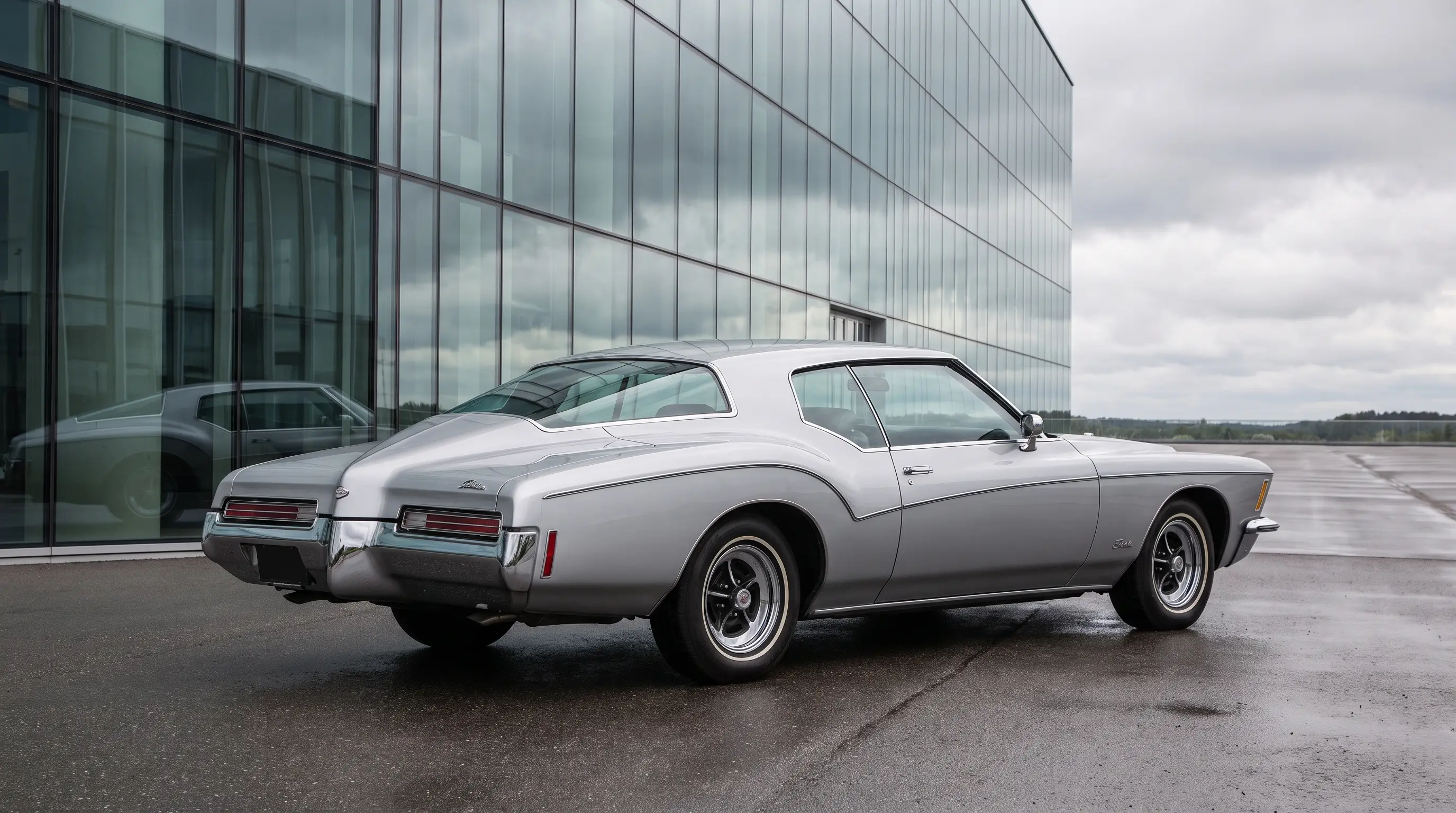
The generation opened with the boattail at its most uncompromising. The fastback taper ran from the base of the rear window to a near point at the tail, the bumpers stayed slim and integrated into the body's lines, and the overall effect was closer to a concept car than anything else in a mainstream American showroom that year. Standard power came from Buick's 455 cubic inch V8, giving the car enough torque to match its visual drama, and the interior carried the same boat-influenced theme through its wraparound dash and console design. This was the version Mitchell's studio had fought hardest to protect from committee compromise, and it remains the year the rest of this generation gets measured against.
1972: the first round of softening
By 1972, Buick had begun adjusting the formula in response to both cost pressure and market feedback. The taper remained recognizably the same basic shape, but detail changes at the grille and taillights toned down the visual intensity slightly, moving the car a step closer to conventional Buick styling cues without abandoning the fastback silhouette that defined the generation. Mechanically the car carried forward largely unchanged, and buyers who wanted the boattail concept with slightly less visual shock than the 1971 model found 1972 struck a workable middle ground. It is often treated as the least discussed year of the three, sitting quietly between a debut everyone remembers and a finale defined by new federal requirements.
1973: bumpers, regulation, and a changed silhouette
The final year of the generation absorbed the biggest external change, as new federal bumper standards forced heavier, more prominent bumper hardware onto the front and rear of the car. That single regulatory shift altered the boattail's visual balance more than any styling decision Buick's own designers made across the whole three-year run, thickening the nose and tail in a way that worked against the slim, integrated look the 1971 car had established. The fastback roofline itself remained intact through 1973, meaning the core idea survived even as its presentation grew heavier, and this is the year most closely associated with the generation's eventual replacement for 1974, when Buick moved away from the boattail concept entirely.
| Year | Defining change | Standard engine |
|---|---|---|
| 1971 | Boattail introduced at full visual intensity | 455 cu in V8 |
| 1972 | Grille and taillight detail changes soften the look | 455 cu in V8 |
| 1973 | Federal bumper standards thicken front and rear | 455 cu in V8 |
Why the generation is judged unevenly today
Collector attention across these three years is not evenly distributed, and it never has been. The 1971 car draws the bulk of restoration interest and the strongest values, largely because it represents Mitchell's original, least-compromised vision before cost and regulation began reshaping the details. The 1972 and 1973 cars are not lesser machines mechanically, and in some respects the running gear matured slightly across the run, but they carry a visual story about compromise that the market has never fully forgiven, fairly or not. Buyers researching this generation should resist judging the later years purely against the first, since each model year documents a specific negotiation between design ambition and the practical pressures Detroit faced in the early 1970s.
That negotiation shows up clearly once you compare production figures across the run. Interest in the boattail concept was strong when it launched, but demand softened gradually as the visual novelty wore off and the heavier 1973 bumpers changed the car's character. Buick's own sales figures across these three years reflect that shift honestly, and later generations of the Riviera moved away from the fastback concept entirely for 1974, choosing a more conventional formal roofline that better suited the tastes of a market pulling back from the boldest personal luxury statements of the early 1970s. Viewed in that light, the 1971 through 1973 run was always a finite experiment rather than a permanent direction, and much of its current appeal comes precisely from that limited, unrepeated window.
Interior details evolved subtly across the generation as well, even though the overall wraparound theme carried through all three years. Upholstery patterns, dash trim finishes, and available color combinations shifted slightly year to year in ways that period buyers noticed and that today's restorers track carefully when trying to return a car to correct original specification. A 1971 interior in the wrong later-year trim, or vice versa, is an easy mistake for an inexperienced restorer to make, and it is one of the more common errors judges look for at concours events focused on this specific generation.
"People treat 1972 and 1973 like footnotes to 1971, but read the changes carefully and you are watching Detroit negotiate with its own regulators in real time, one model year at a time."
- Sarah Whitfield
Reading the generation as a single story
Taken together, the 1971 through 1973 Riviera tells a more complete story than any single year can on its own. It opens with a design statement bold enough to draw crowds decades later, moves through a year of quiet recalibration, and closes under the weight of new federal requirements that reshaped American car design across the entire industry, not just at Buick. Readers who want the full detail on how that opening year came together, including the internal fight over the design's most extreme elements, can find our complete history of the car that started this generation.
What ties all three years together, more than any single trim change or bumper regulation, is the underlying commitment to the fastback silhouette itself. Buick could have abandoned the boattail concept after a single model year if buyer reaction had been genuinely poor, and the fact that the company instead carried it forward, adjusting details rather than scrapping the idea, says something about how much internal confidence the design still commanded even as external pressures mounted. That confidence is part of why this generation reads today less as three separate cars and more as one continuous argument about how far American design could push a genuinely daring idea before outside forces, safety regulation chief among them, brought it back toward the mainstream.
For anyone assembling a research file on this generation, treating 1971 through 1973 as a single connected story rather than three disconnected model years produces a far more accurate picture of what Buick was actually trying to accomplish. It also makes the later, less celebrated years easier to appreciate on their own terms, as the closing chapters of an idea that never got a second act after 1973.
Anyone drawn to any of these three years should know that clean, well-documented examples across the whole run are worth pursuing, and those ready to look can find a classic Riviera currently available from any point in this three-year window.