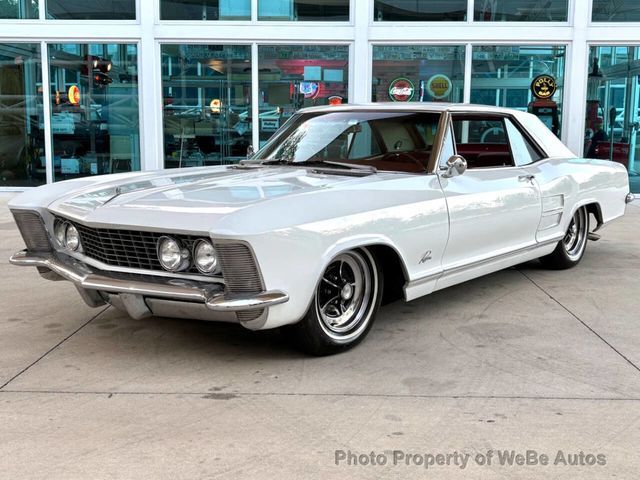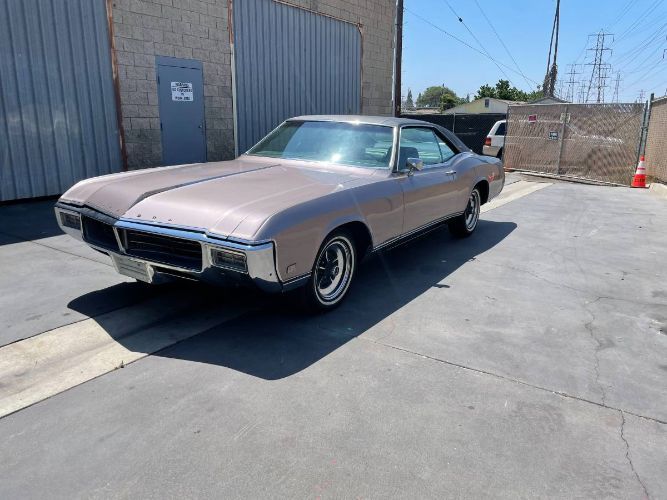
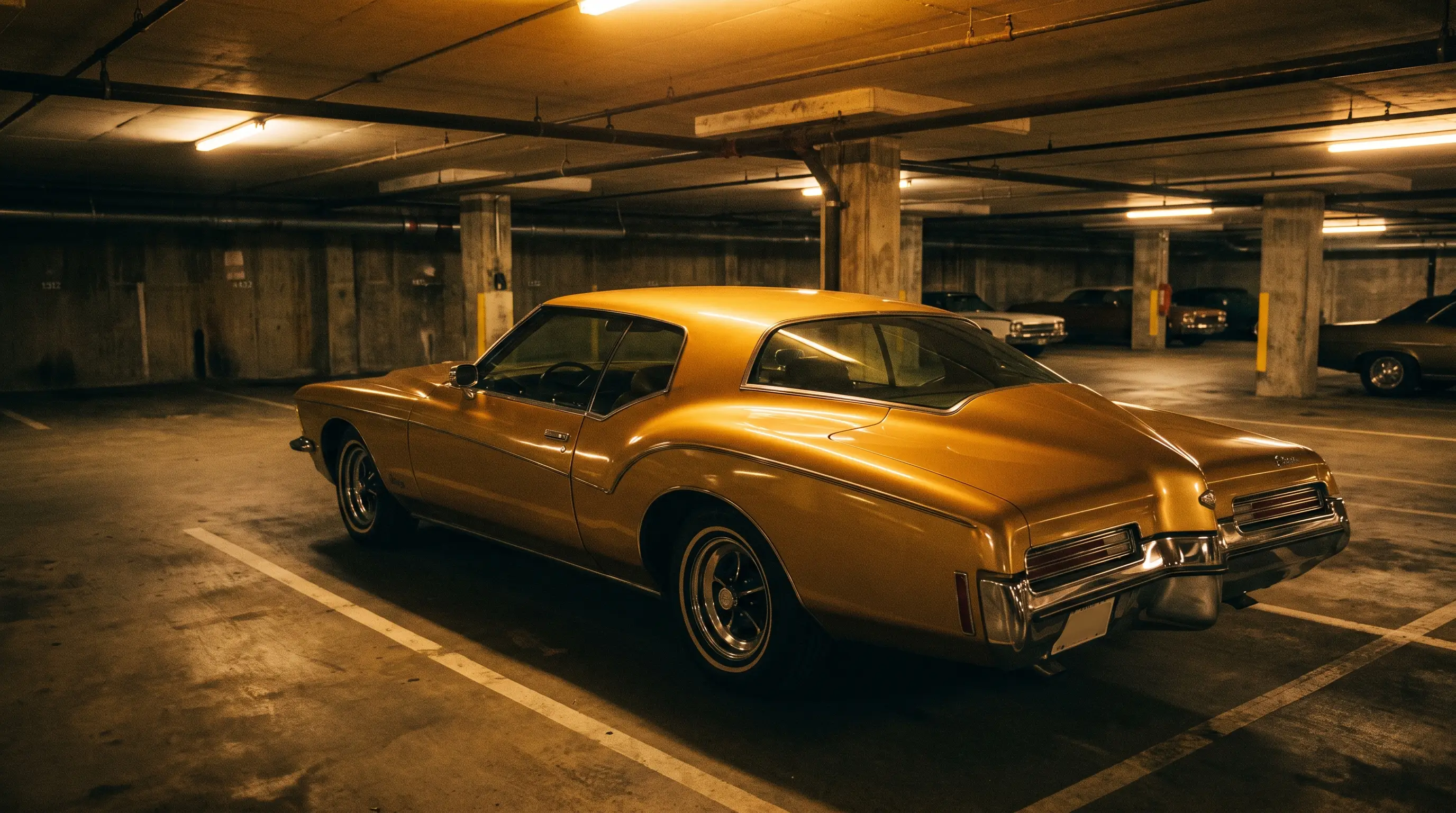
Enthusiasts frequently describe the boattail Riviera as a single design that ran unchanged from 1971 to 1973, and the factory record does not support that claim. Buick's production changes across those three years were deliberate and documented, driven by a mix of cost management, market feedback, and new federal safety requirements, and understanding exactly how the 1971 vs 1972 vs 1973 Riviera differ requires going past the popular shorthand and into what the build sheets and factory literature actually show.
1971: the baseline the whole generation gets measured against
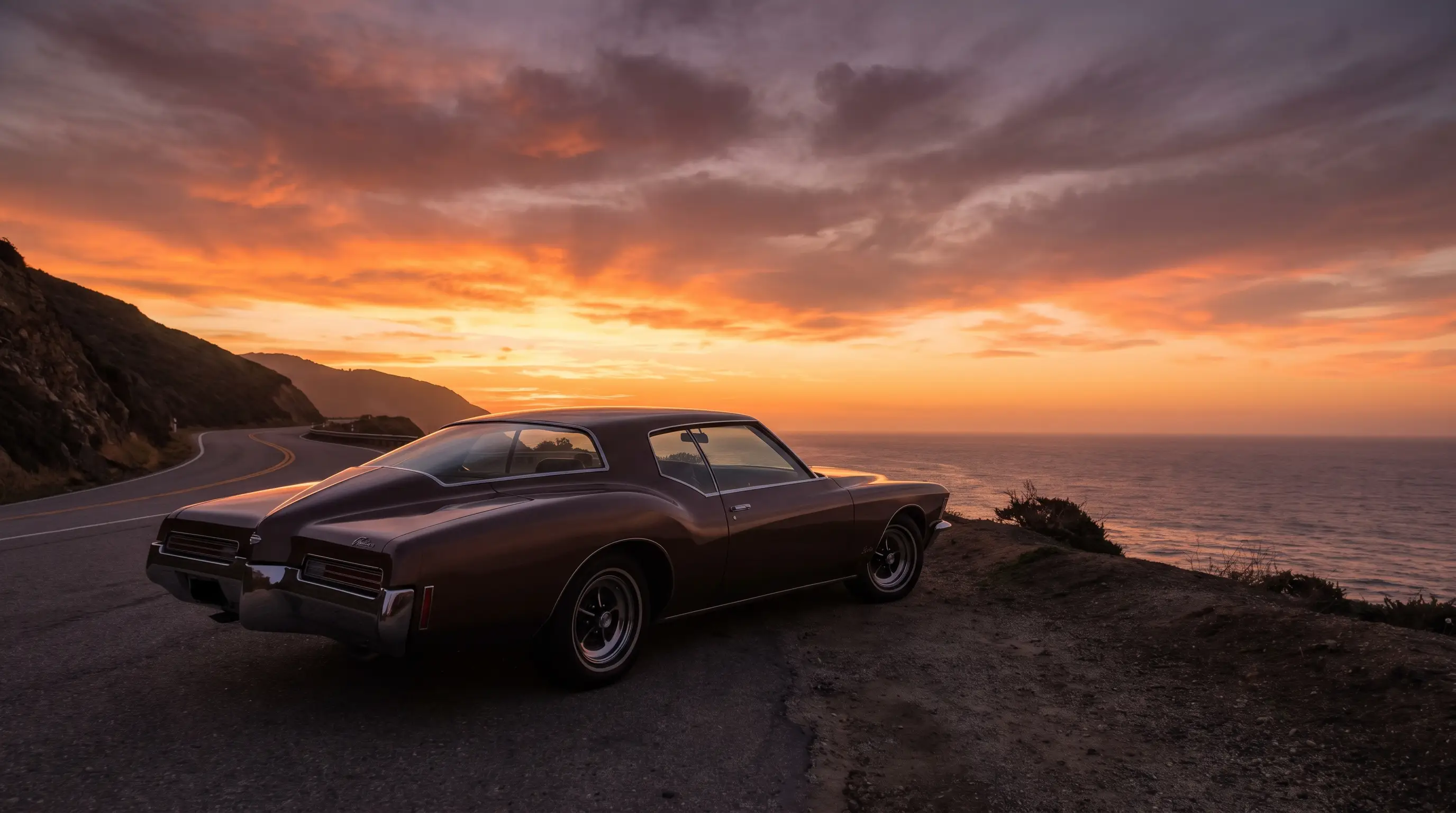
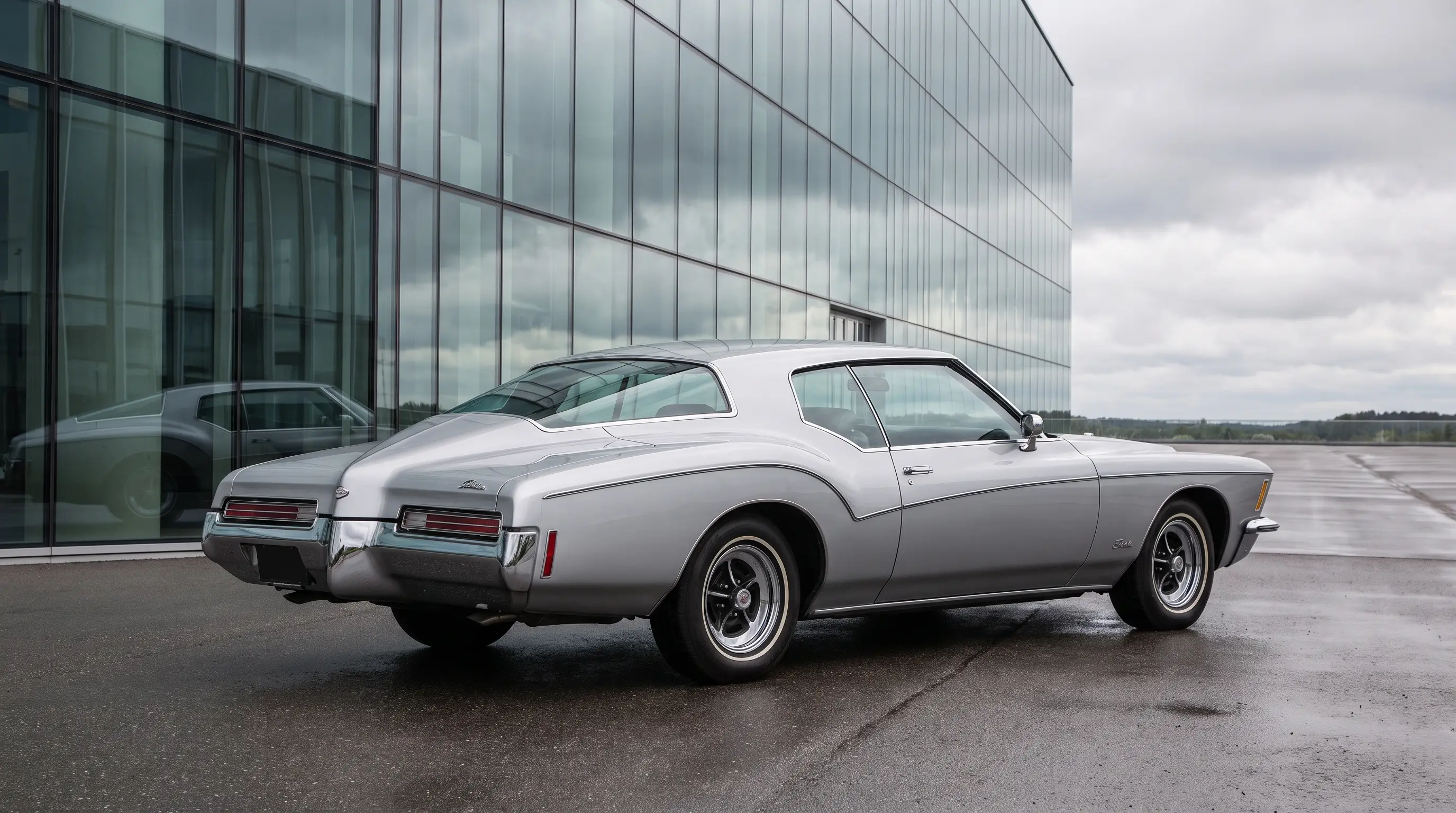
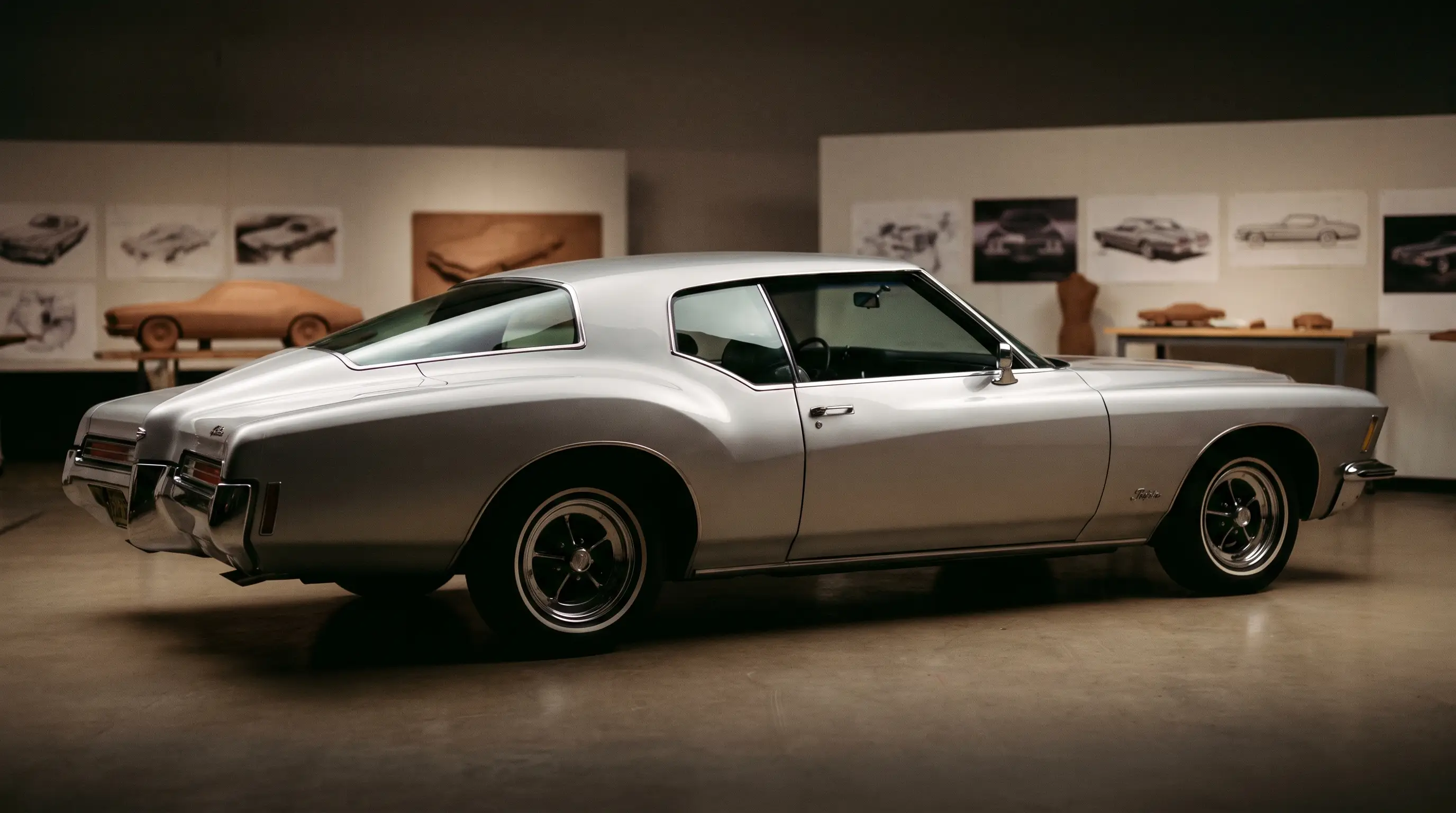
The 1971 Riviera introduced the fastback boattail body with its most pronounced taper and the slimmest bumper treatment the generation would ever wear. Standard power came from the 455 cubic inch V8, paired with the Turbo Hydra-Matic three-speed automatic, and the interior introduced a wraparound dash and console design meant to echo the exterior's boat-influenced theme. Factory documentation from this year emphasizes the design as a deliberate departure from the previous 1966-70 platform shared with the Toronado and Eldorado, and internal Buick materials from the period frame the boattail as a flagship styling statement rather than an incremental update. Every subsequent change across 1972 and 1973 reads, in the factory record, as a response to this original execution rather than an independent redesign.
1972: detail revisions, not a redesign
The changes for 1972 were narrower in scope than many enthusiasts assume. Grille and taillight detailing were revised, giving the front and rear a slightly less aggressive appearance while leaving the fundamental boattail silhouette and glass untouched. Mechanically the drivetrain lineup carried forward with only the ordinary running changes typical of a mid-cycle model year, meaning a 1972 Riviera drives essentially like its 1971 counterpart despite the visual adjustments. Buick's own documentation frames 1972 as a refinement year, and reading period sales literature alongside the 1971 materials makes clear that the company was managing the boattail's reception carefully rather than making a bold new statement of its own.
1973: regulation reshapes the front and rear
The most significant documented change across the generation arrived for 1973, when new federal bumper standards required Buick to fit heavier, more substantial bumper structures front and rear. This was not a styling choice made in Mitchell's studio, it was a regulatory mandate applied across the entire American industry, and the Riviera's factory paperwork from this period reflects the added engineering work required to meet the new standard while retaining as much of the original boattail proportion as possible. The fastback roofline and rear glass carried over from 1971 and 1972 essentially unchanged, which means the core design survived the transition even though the overall visual balance shifted with the heavier bumper hardware bolted to each end.
| Change | 1971 | 1972 | 1973 |
|---|---|---|---|
| Grille/taillight detail | Original design | Revised, softer look | Carried from 1972 |
| Bumpers | Slim, integrated | Slim, integrated | Heavier, federally mandated |
| Standard engine | 455 cu in V8 | 455 cu in V8 | 455 cu in V8 |
| Boattail roofline/glass | Introduced | Unchanged | Unchanged |
Why the factory record matters more than folklore
A great deal of enthusiast discussion treats these three years as roughly interchangeable, distinguished only by minor trim differences a casual observer would never notice. The factory documentation tells a more precise story, one where each year represents a specific, traceable response to a specific pressure, whether that pressure came from cost accounting, market research, or federal regulators. Restorers and buyers who understand this history correctly can date and verify a car's originality with far more confidence than those relying on general impressions, and it also explains why 1971 examples command the strongest collector interest today. That car represents the design before any of the subsequent compromises were applied, and the documented history behind that fact matters as much as the visual difference itself. Readers who want the fuller account of how the 1971 model came together in the first place should read the background on the year that opened this generation, and the story of the man who pushed the design through internal resistance, worth a look too, adds important context to why these specific changes across 1972 and 1973 felt like compromises to people who remembered the original.
"Every factory bulletin from these three years tells you exactly what changed and why. The trouble is most people repeat what they heard at a car show instead of reading the actual documentation."
- Tom Ramirez
What this means for buyers and restorers today
Anyone shopping across this generation benefits from knowing precisely which features belong to which model year, since mismatched parts from different years are common after five decades of repairs and part swaps. A 1973 bumper on a 1971 car, or 1971-specific grille details on a later model, are the kinds of inconsistencies factory-literate buyers catch immediately and casual shoppers miss entirely. Getting this right protects both the historical accuracy of a restoration and its value, since documented, year-correct examples consistently draw stronger interest than cars with an unclear mix of parts from across the run.
Original build sheets, when they survive with a car, remain the single most reliable way to confirm exactly which factory options and running changes a specific Riviera carried when it left the assembly line. A build sheet can settle disputes that trim identification alone cannot, particularly for cars that fall right at the boundary between one model year's parts bin and the next, since Buick did not always switch every supplier component on the first day of a new model year. Serious buyers who find a prospective purchase with its original documentation intact should treat that paperwork as a meaningful part of the car's value, not simply a curiosity for the glovebox.
None of this factory-level detail should discourage anyone from enjoying the generation broadly rather than fixating narrowly on one specific year. Each of the three years documented here represents a genuine, deliberate engineering and design decision made under real constraints, and understanding those constraints only deepens an appreciation for how much Buick accomplished within them.
Factory historians who work with primary sources rather than secondhand recollection tend to arrive at a shared conclusion about this generation: the story is less about decline from a peak and more about a company adapting a bold idea to changing circumstances year after year without abandoning it outright. That framing rarely comes through in casual conversation at a car show, where the shorthand version, that everything after 1971 was simply a lesser copy, tends to dominate. The documented record supports a more interesting and more accurate story than that, and it rewards anyone willing to read past the shorthand.
Those ready to compare cars from any of these three years directly can shop classic Riviera listings and evaluate the specific year-correct details discussed here in person before making a purchase.