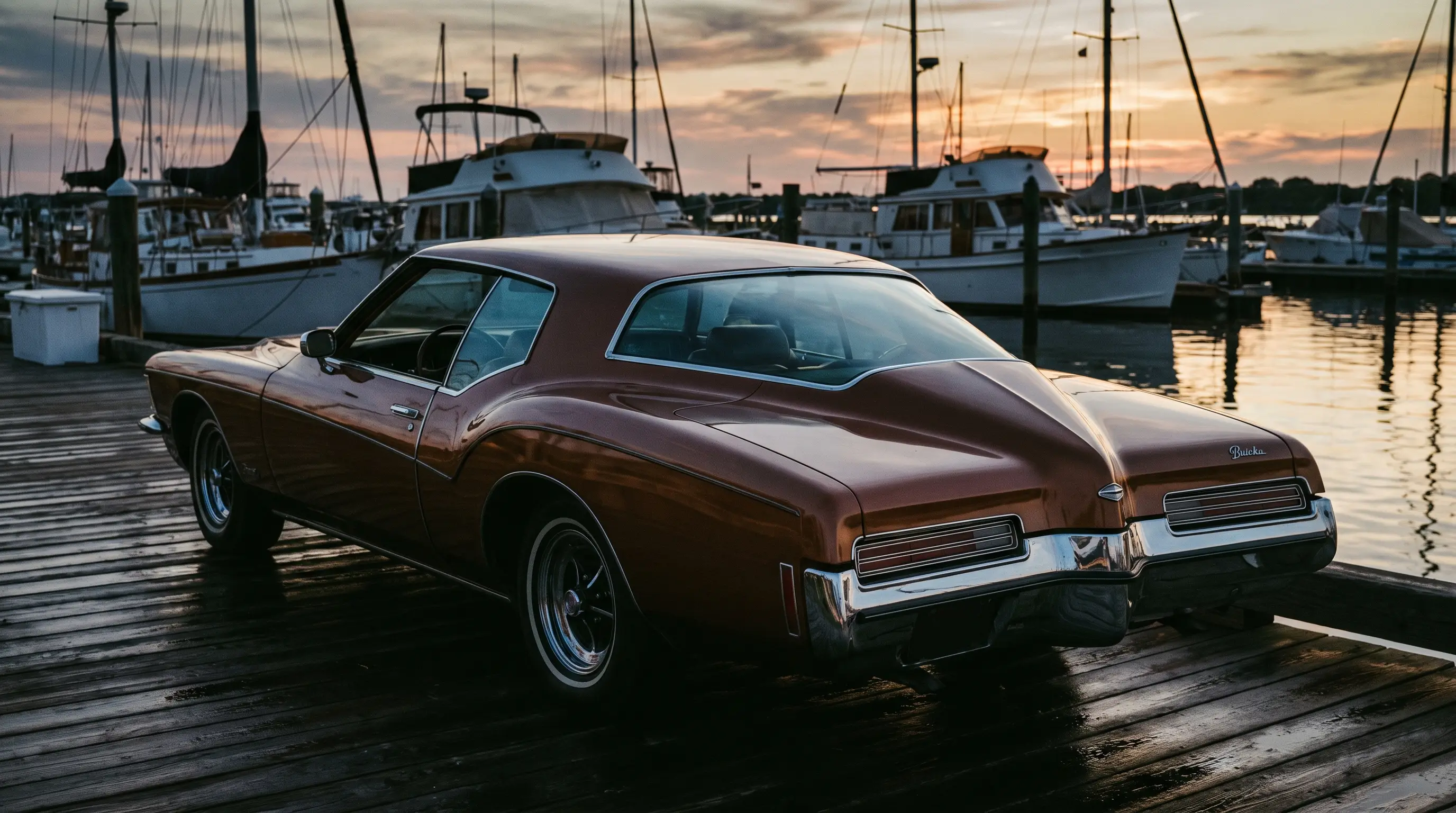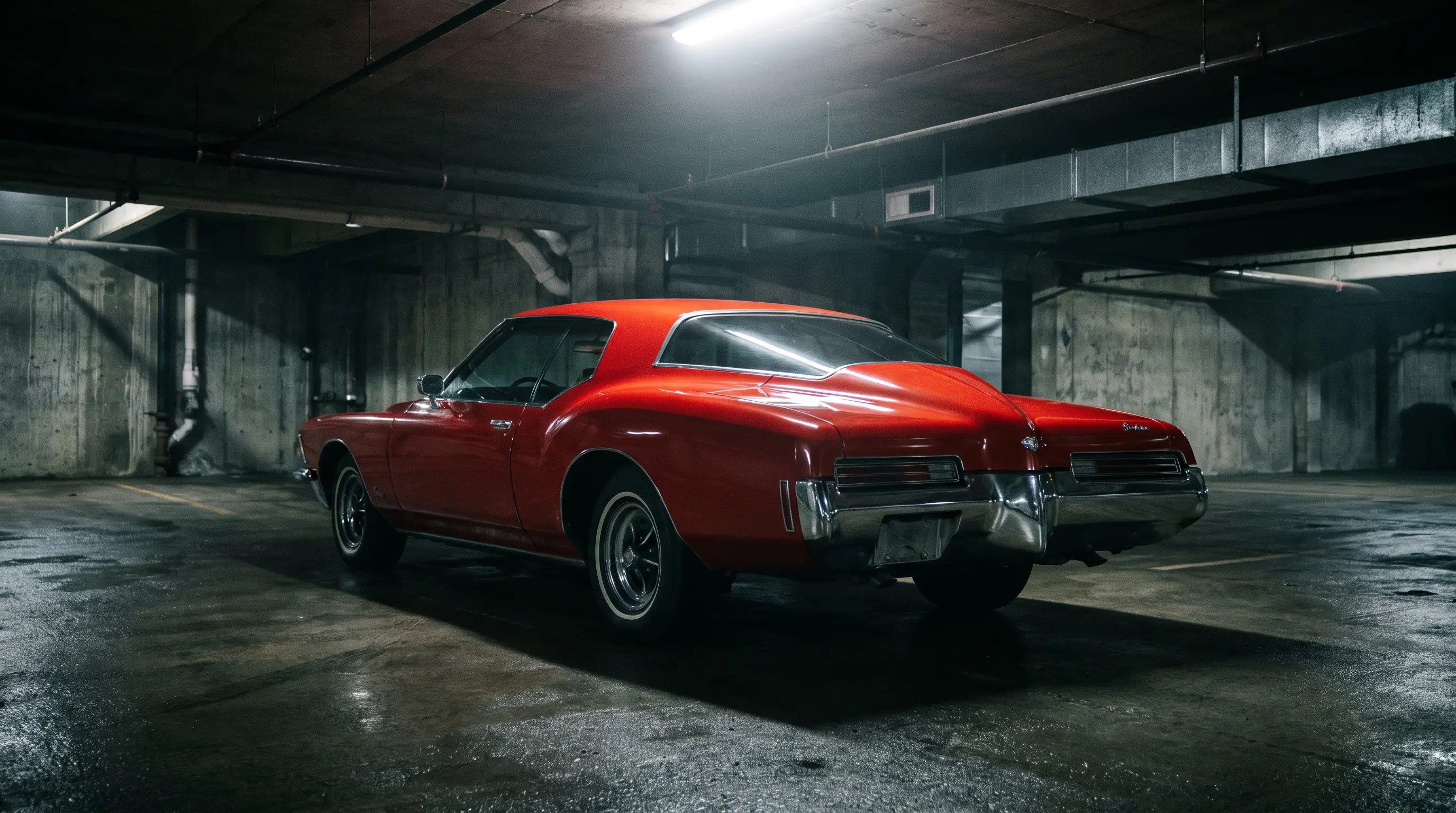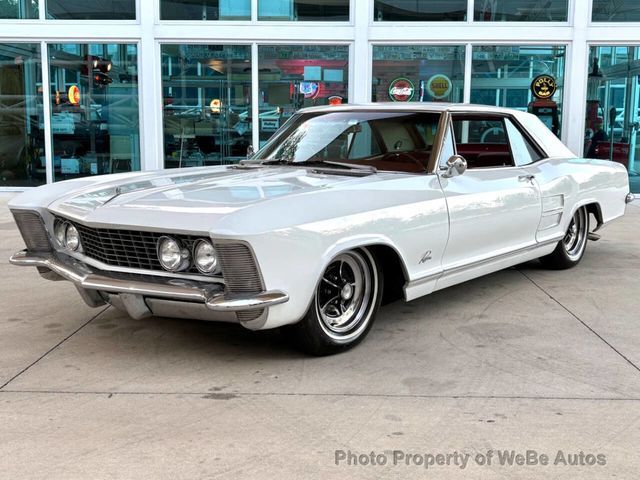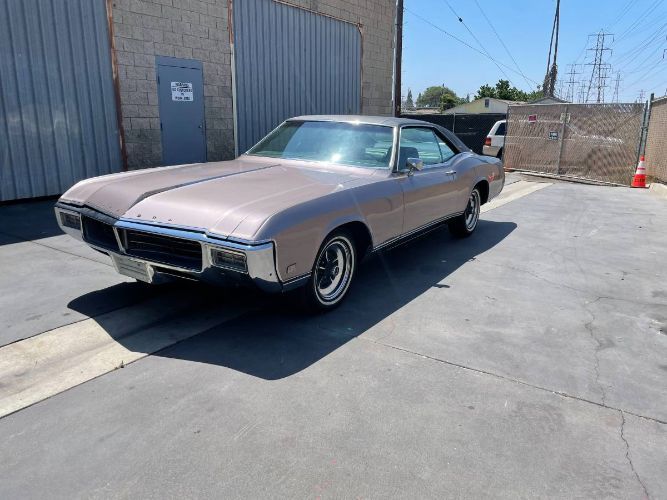
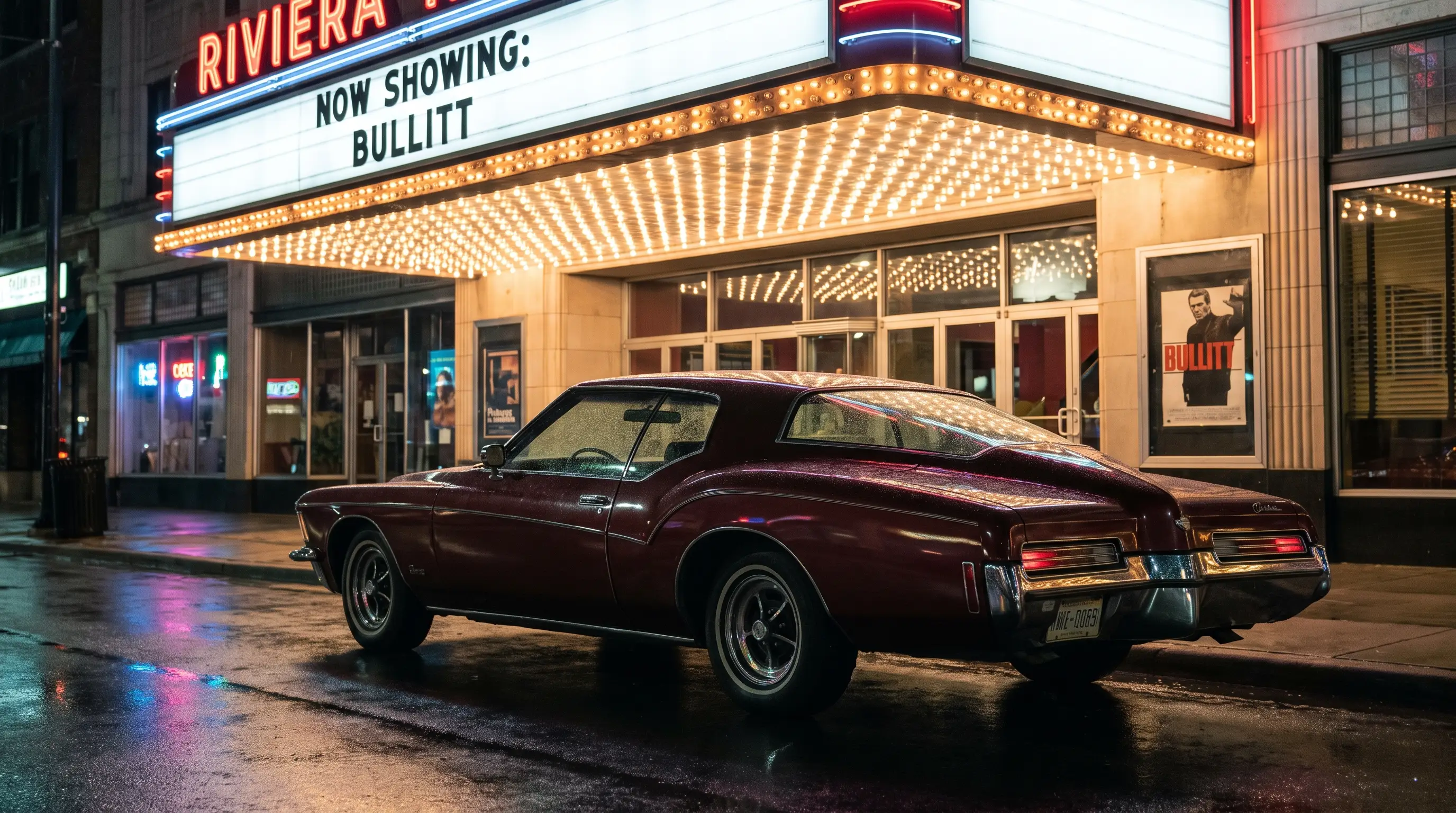
A car this dramatic was never going to stay confined to driveways and dealership lots. The buick riviera boattail in pop culture story runs through film sets, album covers, and song lyrics from the 1970s onward, a quiet second life the car built for itself once its unusual tail started catching the attention of people who worked in image rather than steel.
A shape built for the camera
Cinematographers and photographers gravitated toward the boat-tail Riviera for the same reason Bill Mitchell's studio built it in the first place. The tapering deck reads differently depending on the angle, which makes it a genuinely useful prop for anyone composing a shot rather than just parking a car in a background. A boat-tail Riviera photographed from the rear three-quarter carries a kind of visual tension that a more conventional notchback simply does not offer, and film and television productions of the 1970s noticed.
The car showed up in period crime dramas and detective shows more than once, often cast as the vehicle of a character meant to read as successful but slightly showy, someone who wanted to be noticed without saying so directly. That casting logic makes sense once you understand the car's own reputation at the time. It was never marketed as understated.
On record covers and in lyrics
Soul, funk, and early hip-hop artists working through the 1970s and into the 1980s found real use for the boat-tail Riviera as an image, both in album artwork and in lyrics that name-dropped specific cars as shorthand for a certain kind of success. The Riviera's silhouette, distinctive enough to be recognized even in a low-resolution album photograph, made it a natural choice for artists building a visual identity around cars as status markers.
This was not an accident of availability. Musicians of the era were often specific about which cars they chose to be photographed with, and the boat-tail Riviera's unusual tail meant it stood out even in a genre where luxury cars of every kind appeared constantly. A Cadillac or a Lincoln in a photograph could blend into a general impression of wealth. A boat-tail Riviera announced itself as a particular, deliberate choice.
"The car photographs like it knows it is being photographed. That is a rare quality, and it is exactly why artists kept reaching for it decades after Buick stopped building it."
- Nora Beckett
A second life in custom culture
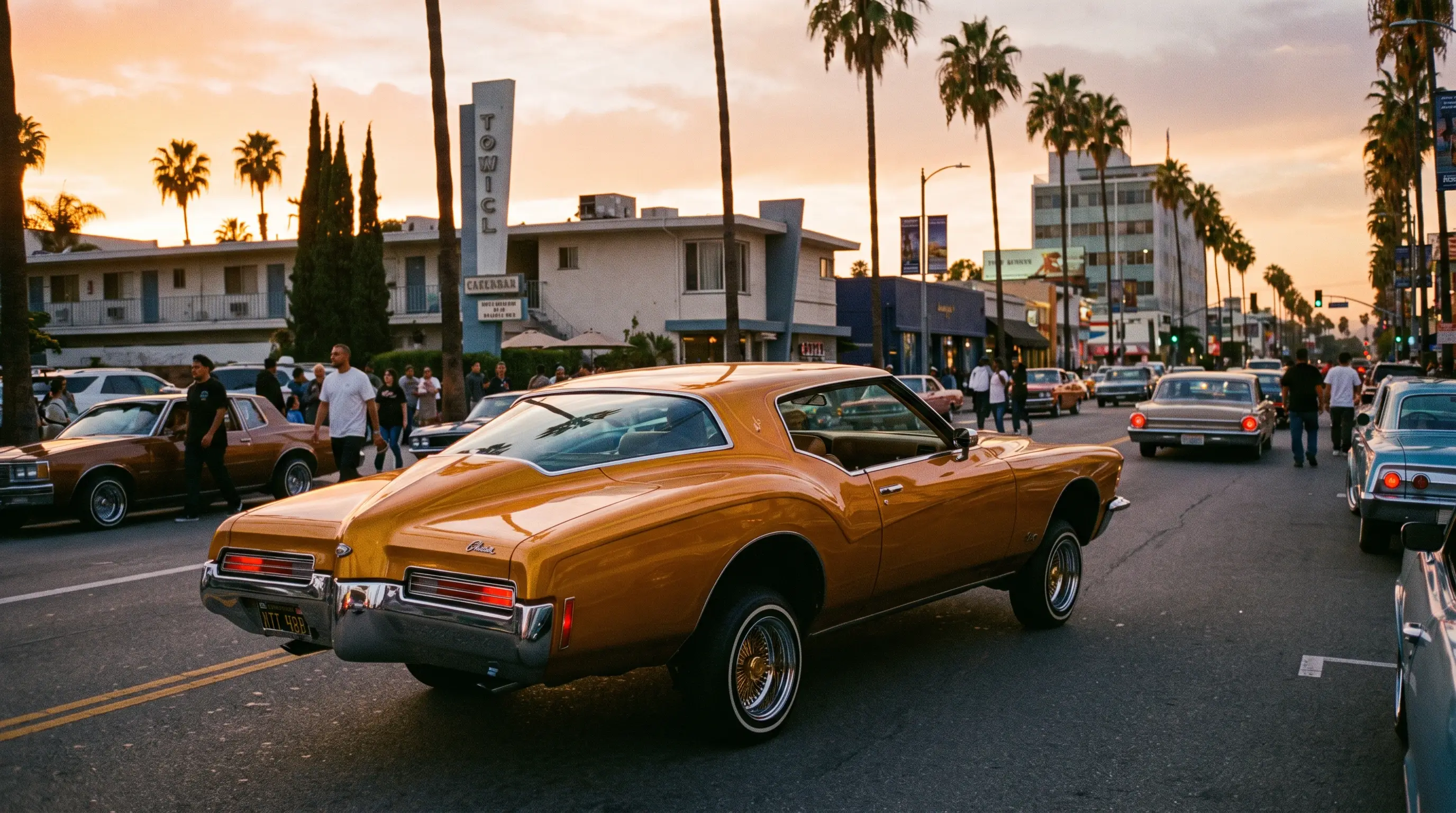
Beyond mainstream film and music, the boat-tail Riviera found an enthusiastic second audience among custom car builders, who saw in the tapering deck a canvas that rewarded bold paint and stance work rather than fighting against it. That relationship between the factory shape and later custom interpretations deepened the car's visibility well past its original production run, keeping it in circulation as a recognizable image long after most of its showroom contemporaries had faded from public memory.
This custom lineage runs deepest in lowrider culture specifically, where the boat-tail's dramatic proportions and willingness to be transformed made it a natural fit for builders working in that tradition. The relationship between the boattail Riviera and lowrider culture is its own substantial story, one that deserves more room than a passing mention here.
What separates the boattail Riviera's custom afterlife from that of many other American coupes is how little the base shape needed to be fought against to make it work as a canvas. Builders working on more conventional cars often spend real effort disguising factory proportions they consider boring, chopping rooflines or reshaping fenders to introduce drama that was not there originally. The boattail Riviera arrives with that drama built in, which changes the relationship between builder and factory shape into something closer to collaboration than correction.
A car that resisted being background
Part of what makes the boattail Riviera's pop culture presence unusual is how rarely it appears purely as background. Set dressers and photo directors working with more conventional cars often just need something period-appropriate parked in a driveway or a lot, filling the frame without demanding attention. The boattail Riviera does not do quiet background work well. Its tail catches light and draws the eye even in a shot where the car was never meant to be the focus, which means every production that used one was, whether they admitted it or not, making a specific choice rather than a convenient one.
That same quality shows up in still photography from the period. Magazine editors of the 1970s occasionally used the car in fashion and lifestyle spreads that had nothing to do with automobiles at all, simply because the silhouette added visual drama to a composition that might otherwise have felt flat. A car that gets recruited into fashion photography for its shape alone, rather than its performance or its price, has crossed into a different kind of cultural relevance than most Detroit products of its era ever reached.
Why the image outlasted the sales chart
Cars with modest production numbers and a short model run do not usually maintain cultural visibility for fifty years. The boat-tail Riviera has managed exactly that, and the explanation is less about the car's mechanical merits than about the shape itself being unusually well suited to being looked at, photographed, and referenced. A car built to reward a long look from a stylist's eye turned out to reward the same long look from a camera lens, which is a different kind of success than the one Buick's sales department was originally chasing.
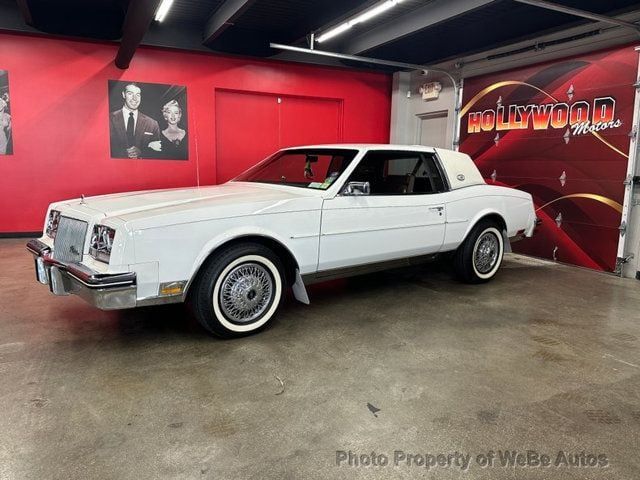
For the full account of how Bill Mitchell's studio arrived at this shape in the first place, our buick riviera boattail retrospective covers the design process from the earliest sketches onward. And if the custom and lowrider connection caught your attention, a related story goes into that history in more depth. For anyone who wants to own a piece of this cultural footprint rather than just read about it, there are Rivieras for sale now worth a look.
A shape that kept working after the assembly line stopped
A car needs more than a good production year to earn a cultural afterlife like this. It needs a shape distinctive enough to survive translation into low-resolution photographs, cheap film stock, and secondhand descriptions passed between people who never owned one. The boat-tail Riviera cleared that bar in a way most of its contemporaries never did. Most cars fade from public consciousness once their production run ends and the last owners move on to something newer. The boat-tail Riviera took a different path, staying visible in music and film and custom culture well past the point where its original sales figures would have predicted. That kind of second life is rare, and it says something about how thoroughly Mitchell's studio succeeded at building a shape people wanted to keep looking at.