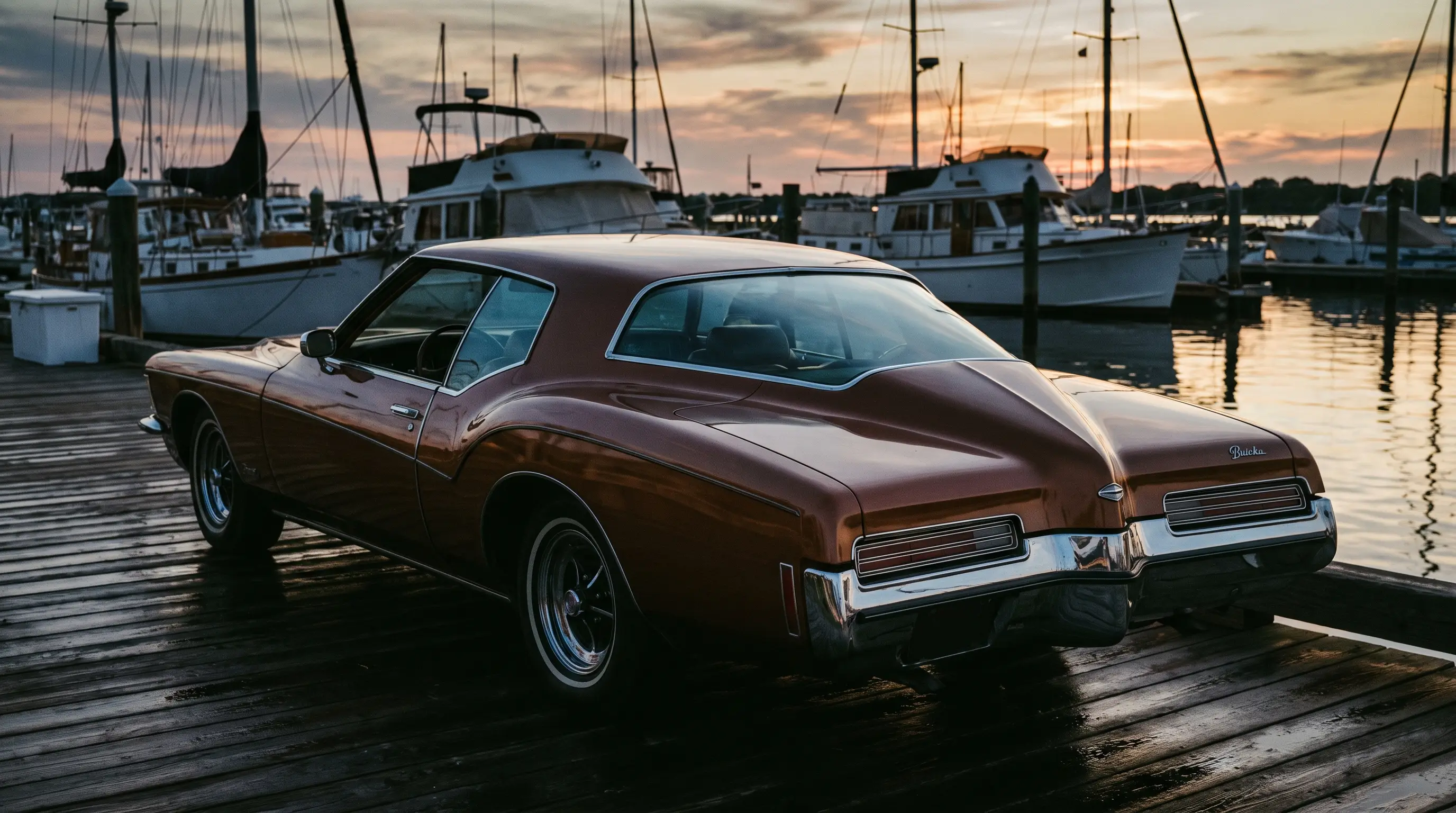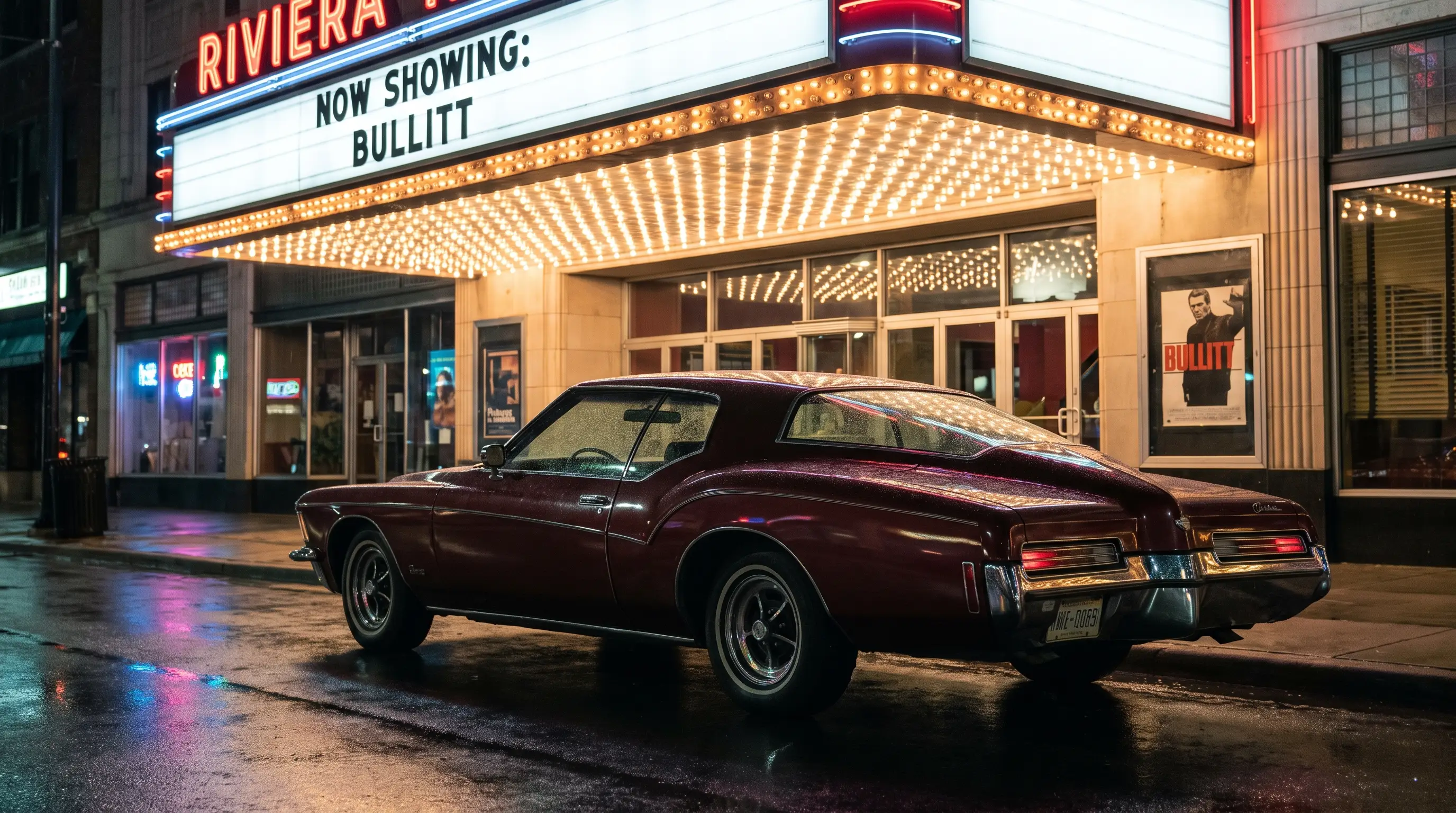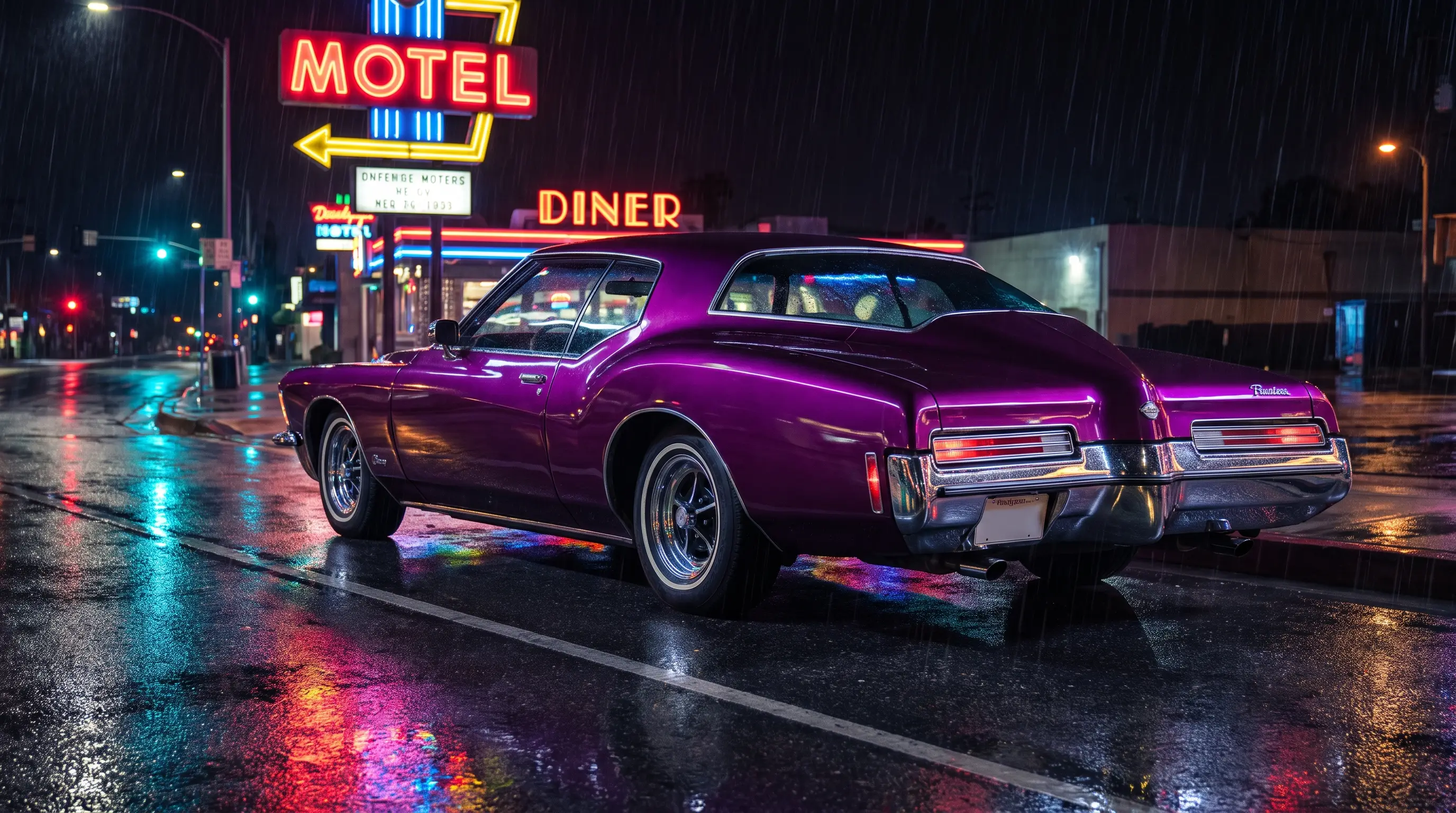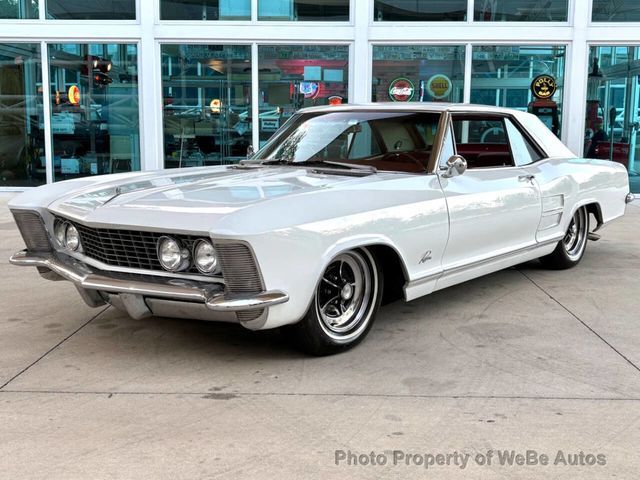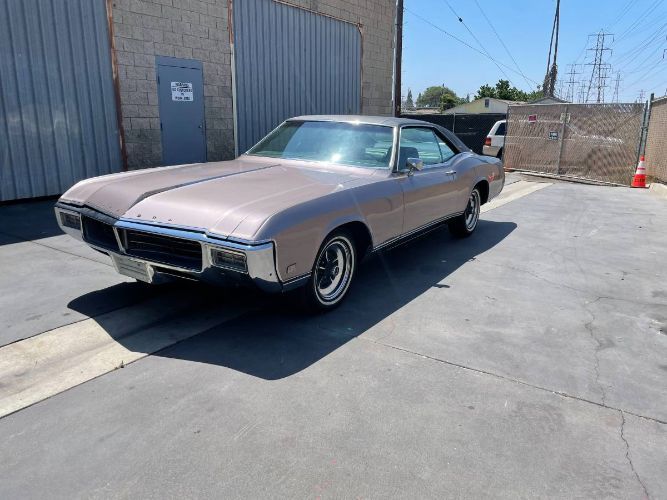
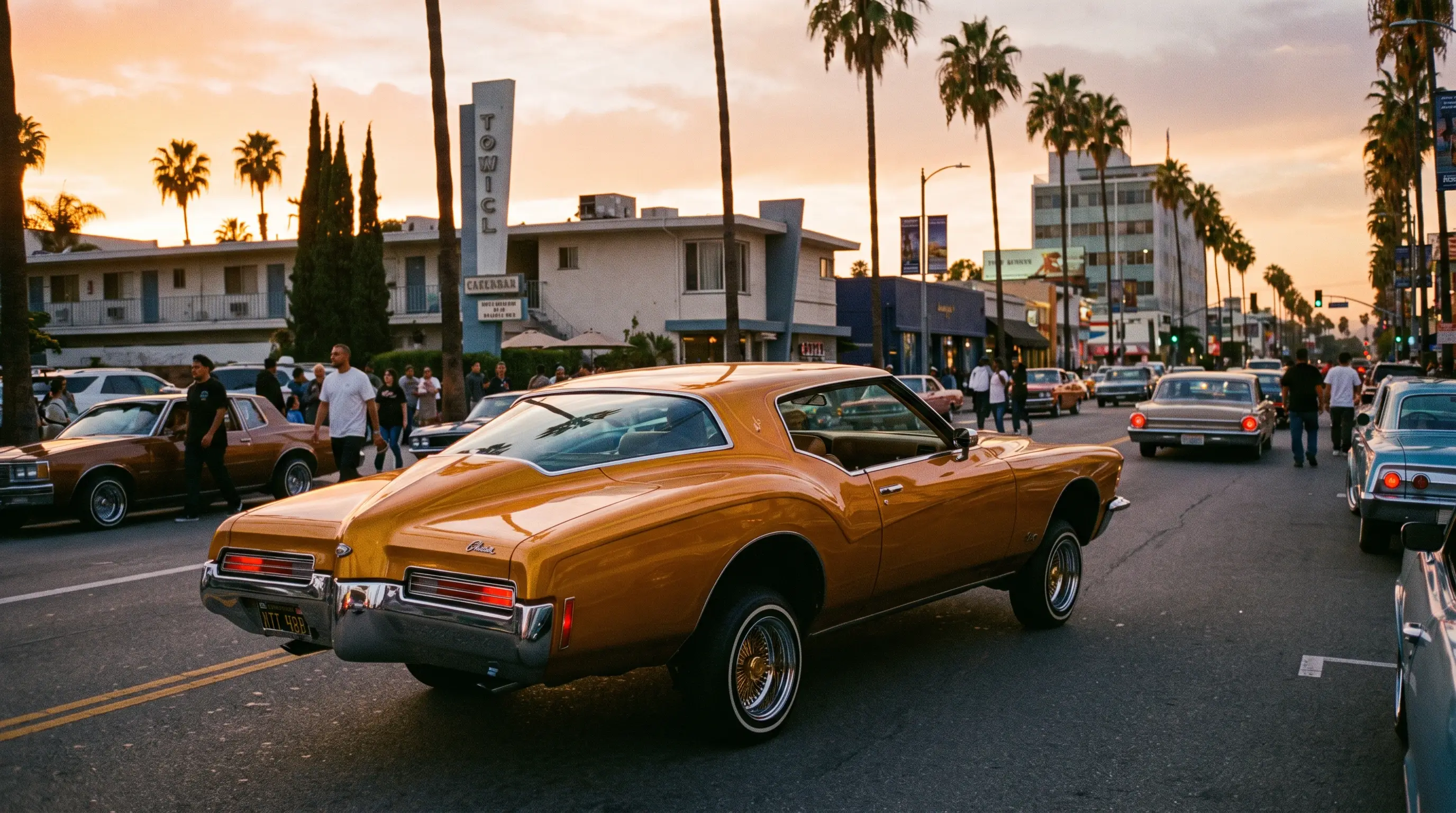
We do not build lowriders out of cars that have nothing to say. We build them out of cars that already know how to hold a pose, and the boat-tail Riviera walked into our garages in the 1970s already halfway there. The buick riviera boattail lowrider culture story is one our community tells with real affection, because this is a factory shape that met us halfway instead of fighting us the whole way.
A body that already knew drama
Most of the cars we adopted in this community over the decades needed real convincing to become dramatic. A plain sedan needs a chop, a stretch, or serious paint before it earns a second look. The boat-tail Riviera never needed that kind of persuasion. Bill Mitchell's studio had already given it a tapering rear deck built to catch light and hold attention from every angle, and when our builders got their hands on one, we were not creating drama from nothing. We were amplifying something that was already there in the sheet metal.
That is a different relationship than most custom work involves, and it changed how our community approached the car. Instead of reshaping the body to introduce character, our builders could focus entirely on paint, stance, and interior work, trusting the factory lines to do the heavy lifting on the exterior silhouette.
Where the community found the car
Boat-tail Rivieras entered our scene the way most classic personal luxury coupes did, as used cars that first owners traded in once something newer caught their eye. By the late 1970s and into the 1980s, these cars were affordable on the used market and available in real numbers, which put them within reach of builders who wanted a full-size platform with genuine road presence rather than a smaller, cheaper compact.
Our community has always valued cars with weight and stance, cars that sit low and long and command a street the way this Riviera does naturally even before any suspension work happens. The boattail's proportions gave builders a head start that a smaller coupe simply could not offer, and that head start is a big part of why this particular Riviera generation earned a lasting place in our garages rather than just a passing moment.
"We did not have to convince anyone this car deserved the work. It already looked like it was going somewhere before we ever touched it."
- Hector Morales
What our builders respect about the shape
Talk to enough builders in our community and you will hear the same specific praise about this car. The rear deck gives a custom paint job somewhere real to happen, a long uninterrupted surface where a mural or a deep candy color can actually breathe instead of getting chopped up by body lines. Fewer factory creases means fewer decisions a painter has to fight around, and that matters more to the finished look than most people outside our community realize.
We also respect what the factory got right structurally. The boat-tail Riviera's full-size frame and substantial body give a lowered stance real presence rather than looking thin or hollow the way a lighter car sometimes does once it drops. A heavy, confident car that sits low reads as intentional. A light car that sits low can read as fragile. This Riviera earns the first read, and our builders have always known it.
The stories that get passed down
Every community like ours has its own oral history, the kind of stories that get repeated at cruises and passed from an older builder to a younger one long before anyone writes them down. Ours includes more than a few boat-tail Riviera stories, cars bought cheap off a lot in the 1980s that became the centerpiece of a family's build for the next twenty years, handed down between brothers or from a father to a son the way some families hand down tools instead of cars. Those stories matter as much to us as any factory production number, because they explain why a specific Buick from a specific decade became part of our identity instead of just another used car that happened to be around.
I have heard more than one builder describe finding their boat-tail Riviera the way you might describe finding a good tool at a swap meet, half luck and half instinct, recognizing something in the shape before they had the words to explain what they were seeing. That instinct is not something you can teach directly. It gets passed down by example, one builder showing another what a good stance and a patient paint job can do to a shape that was already halfway to where it needed to be.
A shared history worth telling straight
We are proud of what our community has done with this car over the decades, and we do not think that history competes with the factory story at all. Bill Mitchell built a shape meant to be looked at, and our builders picked up exactly where his studio left off, extending that same intention into paint, hydraulics, and interior work that Buick's original design team never touched but would likely recognize the spirit of.
If you want the fuller account of how Mitchell's studio arrived at this shape in the first place, read the background covers the design process from the earliest clay models onward. And if this story has you thinking about bringing one of these cars into your own garage, you can find a classic Riviera and start a build of your own.
Still turning heads on our terms
We have watched younger builders discover this car fresh, sometimes decades after their fathers or uncles first brought one home, and the reaction is almost always the same. They see the deck taper for the first time and understand immediately why an older generation chose this particular Buick over so many other full-size coupes available at the same used car prices. That kind of recognition crossing generations is not something we take for granted. Plenty of cars our community once favored have quietly faded from the scene as tastes moved on. This one has not, and we think the shape itself is the reason why.
Fifty years after Buick stopped building it, the boat-tail Riviera still shows up at our shows and our cruises, still holds its stance, and still gets talked about the way it was always meant to be talked about. That continuity, one factory shape carried forward by an entirely different community than Buick originally imagined, is exactly the kind of story we like to tell.
We did not need Buick's marketing department to explain why this car mattered. We figured that out ourselves, in driveways and garages, one build at a time, and fifty years later the shape is still doing exactly what it always did. It is still catching the light, and it is still turning heads on our terms.