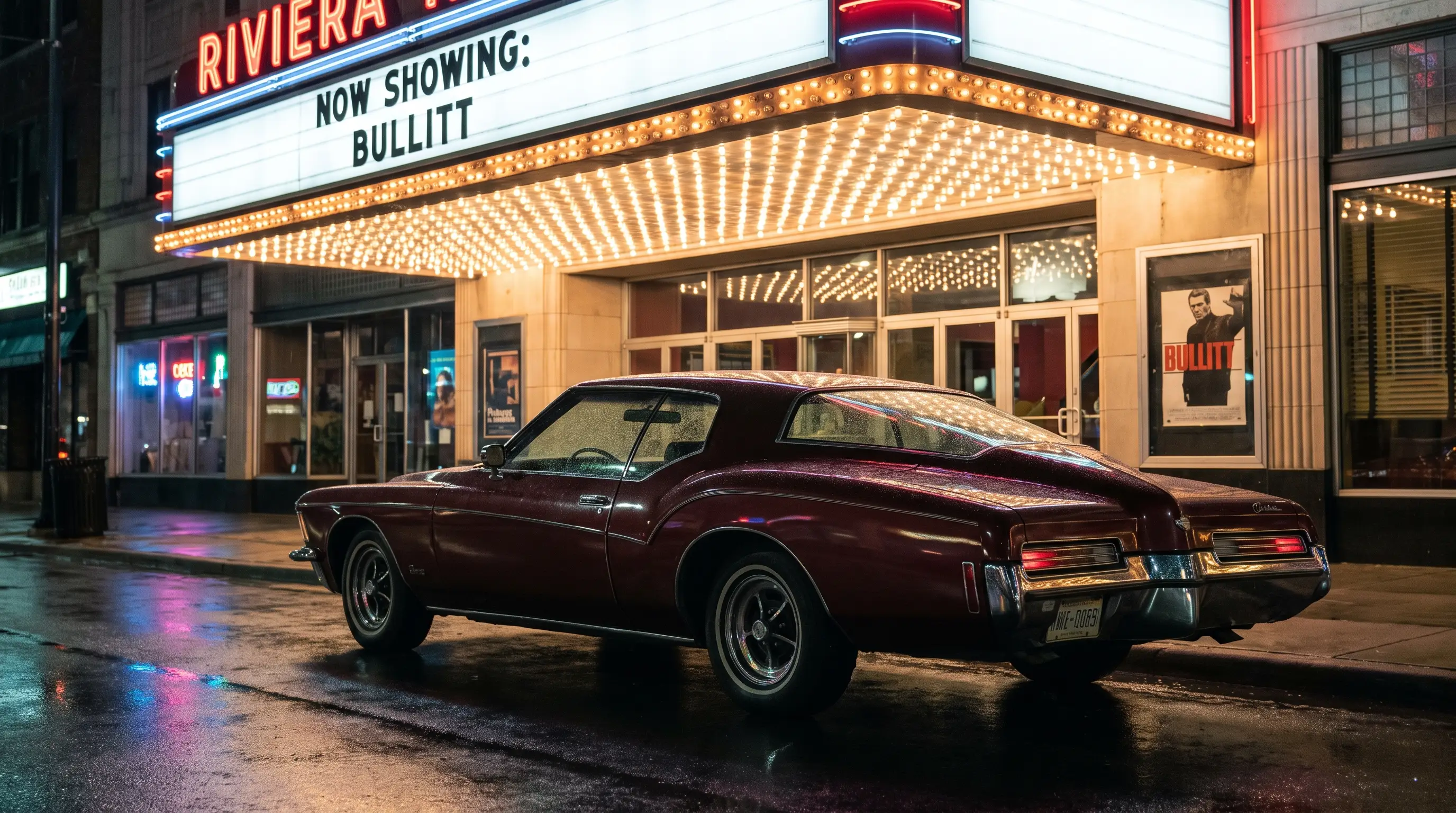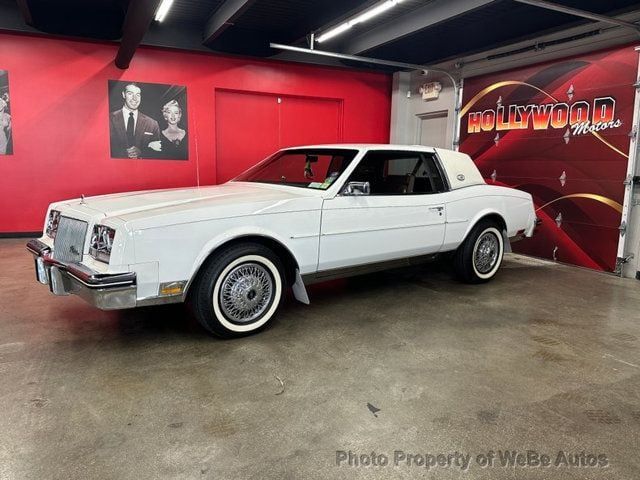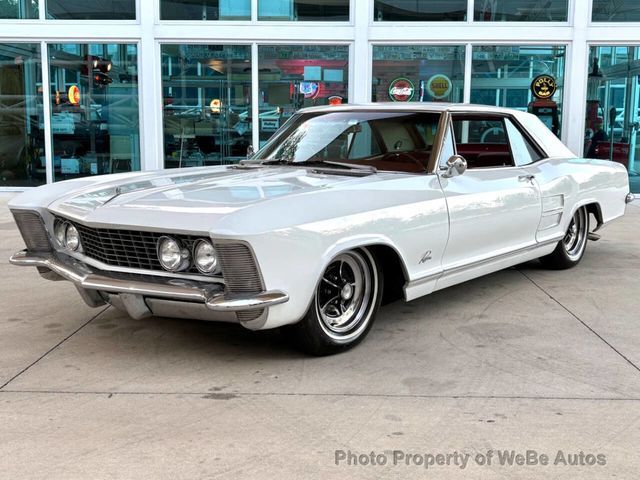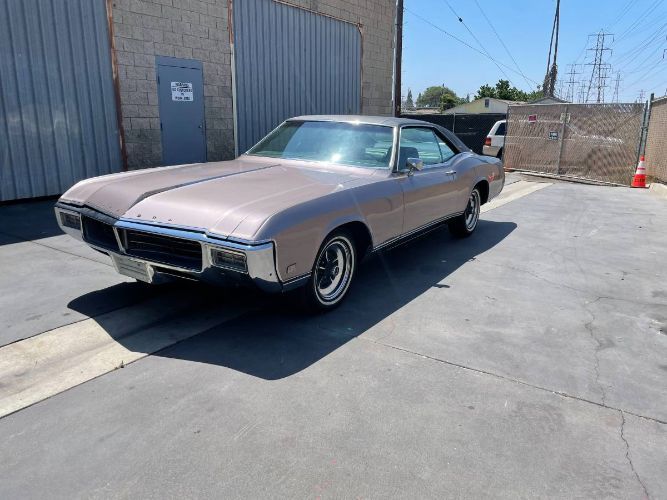
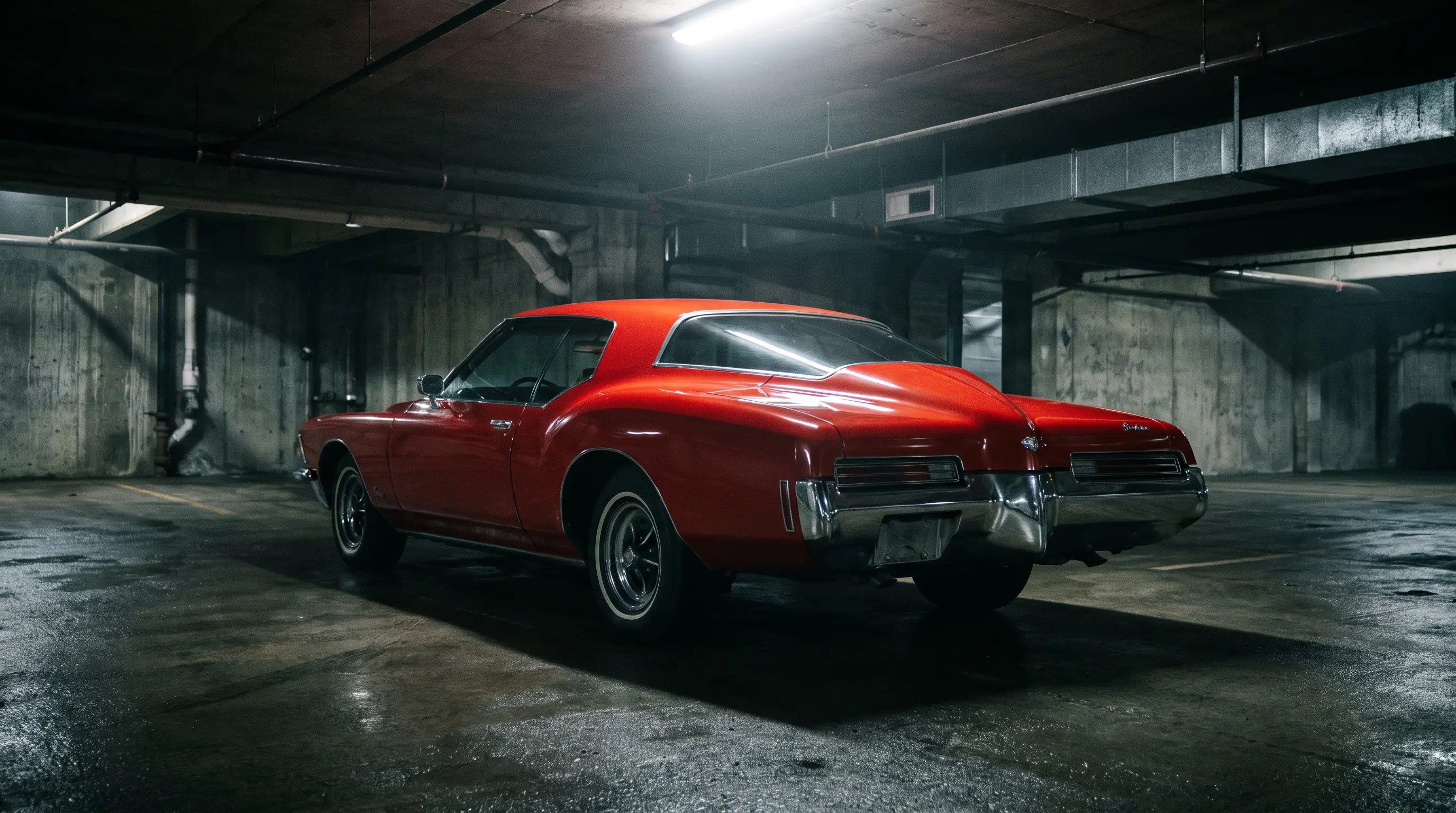
Bill Mitchell reportedly kept a photograph of the finished 1971 Riviera on his own office wall for years afterward, long after other projects had come and gone through his studio. Whether that gesture reads as pride in a masterpiece or a stubborn defense of a folly depends entirely on who is telling the story. The buick riviera boattail mitchell masterpiece or folly question has followed this car since the day it left the showroom, and Mitchell himself never fully settled it in public.
The case for masterpiece
Mitchell spent the 1960s building a reputation as the most confident stylist in Detroit, responsible for shapes that defined an era of American design rather than simply following one. The boat-tail Riviera was, by several accounts, his personal favorite project of the entire decade that followed. He pushed the design through a corporate structure that increasingly favored caution over boldness, at a moment when GM's leadership was growing more conservative about styling risk. That alone is worth something. Getting a shape this uncompromising past committee approval in a large corporation is its own kind of achievement, regardless of how the market ultimately received it.
The design itself holds up on its own terms too. The tapering deck is genuinely difficult to execute well in stamped steel, and Mitchell's team managed panel gaps and surface transitions that still look deliberate and controlled five decades later. That is not a small technical accomplishment, whatever you think of the overall silhouette.
The case for folly
The counterargument is not hard to make either. Sales of the boat-tail Riviera stayed essentially flat across its three model years rather than growing the way Buick had hoped, moving from about 33,810 units in 1971 to 33,728 in 1972 before edging back up to 34,080 in 1973, with the trajectory generally understood as softening market enthusiasm rather than strengthening it. Buick's own product planners grew nervous enough about the shape's reception that the design was toned down for 1972 and reworked further for 1973, with the deck's most dramatic taper softened each year the car remained in production.
Critics at the time argued the shape had chased drama at the expense of everyday usability, pointing to the reduced rear visibility and tighter trunk access as real costs for a car meant to be a comfortable personal luxury coupe rather than a show piece. By 1974, the Riviera reverted to a more conventional notchback profile entirely, an implicit verdict from within Buick itself about how far the boattail experiment should be allowed to run.
"A masterpiece does not need the market to agree with it right away. A folly does not usually get toned down twice before finally being abandoned. This car sits somewhere between the two, and that in-between place is exactly why people still argue about it."
- Nora Beckett
What Mitchell himself seemed to believe
Interviews with Mitchell in his later years suggest a man who never fully backed away from the boattail, even as the corporation around him did. He spoke about the car the way a painter might speak about a piece that was not universally loved but that he still considered honest work, true to an idea he believed in at the time he committed to it. That is a different posture than defensiveness. It reads more like someone who understood the shape had cost him something, in sales and in internal politics, and decided it had still been worth doing.
People who worked under Mitchell during this period describe a designer who was, by then, one of the few people at GM with enough standing to force a genuinely risky shape through the approval process at all. Younger stylists were reportedly more cautious, shaped by a corporate culture that increasingly rewarded safe, incremental changes over dramatic new silhouettes. The boattail Riviera may have been one of the last moments in Mitchell's career when he still had the internal capital to gamble this large.
Why the question stays open
Most design controversies from this era eventually resolve one way or the other, as later generations either rediscover a shape or quietly forget it. The boat-tail Riviera has done a strange third thing. It has become genuinely collectible among people who specifically seek out its unusual proportions, while remaining, among a wider audience, a car people still feel obligated to have an opinion about, one way or the other. That is a stranger legacy than either a clean masterpiece or a forgotten folly usually earns.
For the fuller account of how this shape came together and why Buick pursued it as far as they did, the full story covers the design process in more depth. If the debate has you curious to see one of these cars for yourself rather than argue about it secondhand, you can browse classic Riviera listings and decide where you land.
What collectors decided instead
The market eventually rendered its own quiet verdict, separate from the sales charts of 1971 through 1973. Among collectors of American personal luxury coupes from this period, the first-year 1971 boattail, with its fullest and least compromised deck taper, now commands more attention and typically more money than the softened 1972 and 1973 versions that followed it. That preference tells you something the original sales figures could not. Buyers in period may have found the full-strength shape harder to live with day to day, but collectors decades later, unbothered by daily practicality, gravitate toward exactly the version Mitchell fought hardest to protect.
That reversal is not unusual in car history, but it is a meaningful one here. It suggests the folly argument was, at least partly, a product of its moment rather than a permanent judgment on the design itself. Give a shape enough distance from the showroom floor and the qualities that once counted against it, drama, impracticality, refusal to compromise, can start reading as exactly the reasons to seek the car out.
A verdict that keeps moving
I have sat across from owners who use both words in the same sentence without noticing the contradiction, calling the car a beautiful mistake or a flawed triumph as though those were not opposites. That instinct feels closer to the truth than picking one label and defending it. Mitchell built something that succeeded and failed on the exact same terms, and separating those two outcomes may simply not be possible with this particular car.
I do not think this question gets a final answer, and I am not sure it should. Mitchell built a car that asked a genuine question about how far American styling could go in one direction, and fifty years later that question still has not been closed. Whether you call that a masterpiece or a folly probably says more about what you value in car design than it does about the Riviera itself.