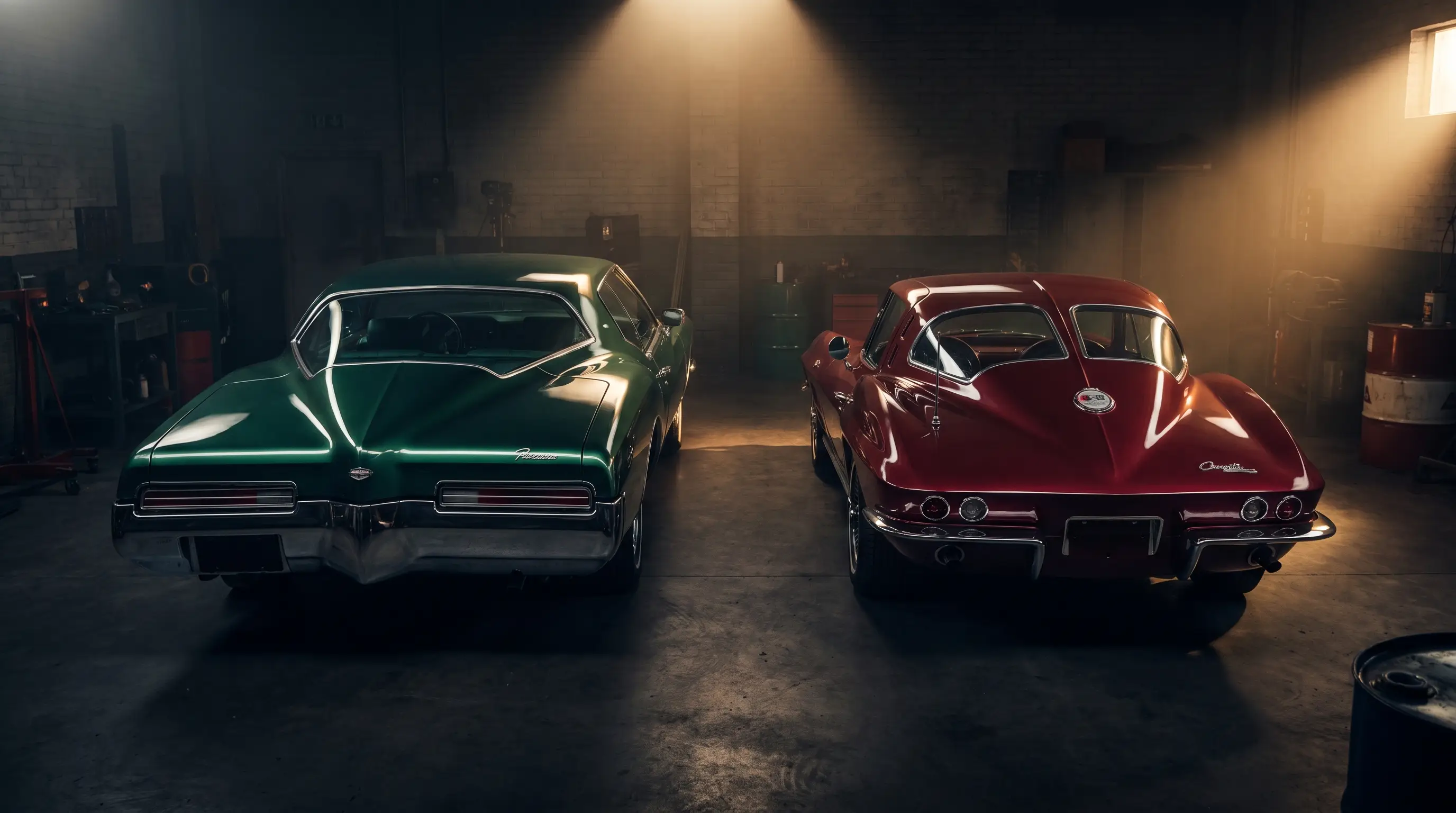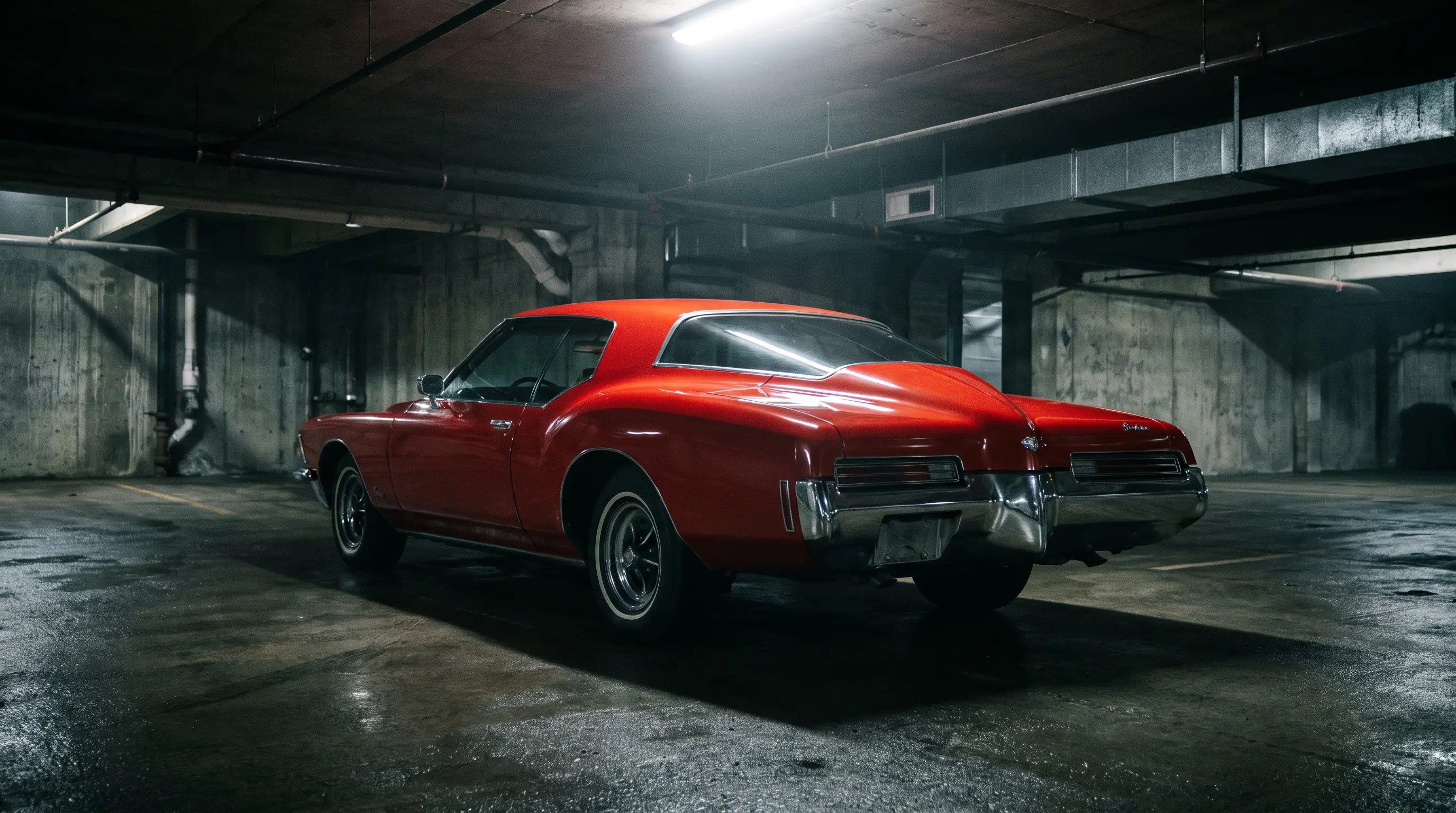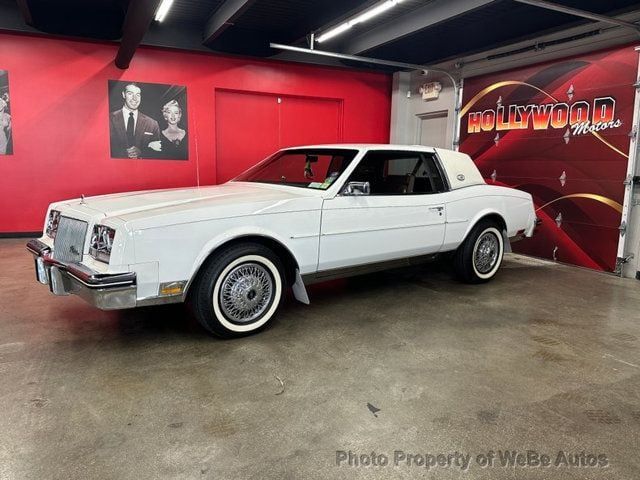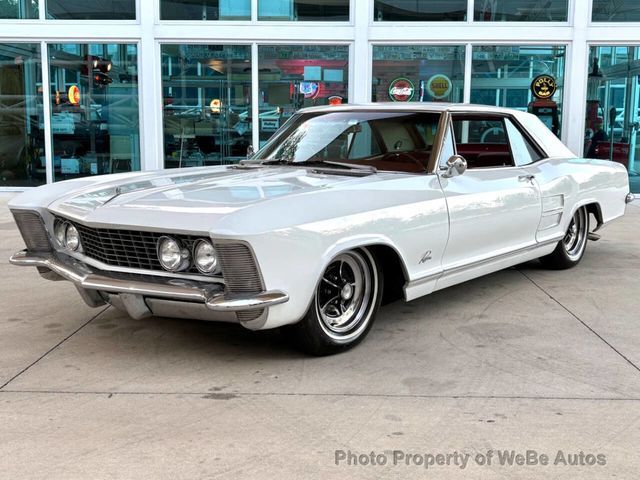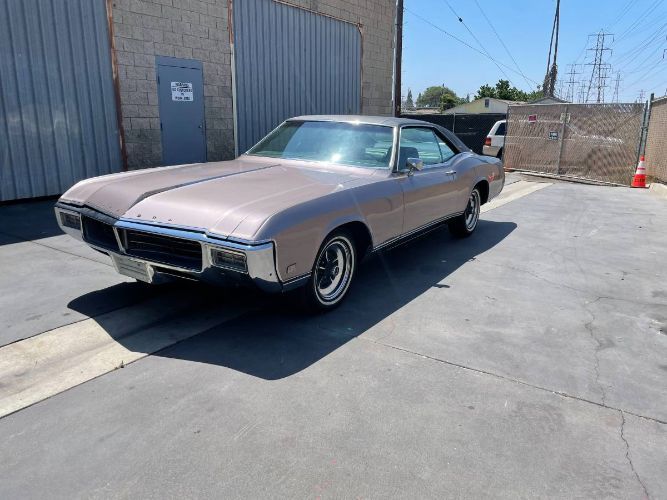

Nobody shrugs at this car. I have had customers walk into my shop, see a boat-tail Riviera up on the lift, and either light up like they found an old friend or wrinkle their nose like something spoiled. The buick riviera boattail love it or hate it split is real, it has been real since 1971, and fifty years of hindsight has not settled the argument one bit.
What the haters actually say
The complaint I hear most is about proportion, not detail. Critics call the tail heavy, or say the car looks like it is dragging its own rear end behind it. Some point to the way the deck taper interrupts the otherwise clean shoulder line running from the hood. Others simply say it looks dated in a way the earlier, cleaner 1963 to 1965 Rivieras never do. None of these complaints are dishonest. The boattail shape is a big swing, and big swings do not please everyone by design.
There is a practical complaint too, one I hear from people who actually own the car rather than just look at it from a curb. Rear visibility through that steeply raked backlight is not great by modern standards, and the deck itself eats into usable trunk space compared to a more conventional notchback shape. These are not styling opinions. They are real tradeoffs Buick's engineers accepted to get the look Bill Mitchell wanted.
What the lovers actually say
The people who love this car tend to use the word bold, and they mean it as praise. They point out that 1971 was a year when most American coupes were converging on the same wedge shape, and the Riviera stood apart from all of them. They talk about the way the taper reads differently depending on where you stand, heavy from some angles and almost delicate from others. For a lot of owners, that variability is the entire appeal. The car rewards a slow look instead of giving everything away in one glance.
I fall closer to this camp, though I try to stay honest about the tradeoffs. A shape this committed to one idea is always going to alienate people who prefer restraint. That is not a flaw. It is the cost of doing something memorable instead of something safe.
"A car that splits opinion this cleanly, fifty years on, did something right. Nobody argues this hard about a shape nobody remembers."
- Jim Vasquez
What changes an owner's mind
I have watched more than a few skeptics come around after spending real time near one of these cars rather than just seeing a photo. Pictures flatten the taper and make the rear end look bulkier than it is in person. Walk around an actual boat-tail Riviera in a parking lot, watch the light move across the deck as you circle it, and the shape starts making a different argument than the one a magazine photo makes. That does not convert everyone, but it converts more people than you would expect.
Color plays a bigger role in this than people admit. A dark, saturated color hides the deck's complexity and can make the car look heavy from certain angles. A lighter color, especially one with some warmth to it, lets the character lines catch shadow properly and shows off the taper the way Mitchell's studio intended. I have seen the exact same body shell read completely differently after a repaint, with no other changes.
The GS crowd versus the base crowd
There is a smaller argument nested inside the bigger one, and it runs along model lines. Riviera GS buyers, who got the stiffer suspension and the more aggressive stance, tend to defend the boattail shape harder than base model owners do. Part of that is simple pride of ownership, but part of it is real. The GS package sits slightly more purposeful on the road, and that stance does the taper favors that a softer-riding base car does not always manage. A boattail Riviera that wallows through a corner looks like it is dragging its tail. One that sits flat and controlled looks like it is cutting through the air on purpose.
I have had customers bring in base model cars specifically asking for stiffer bushings and better shocks, not for any performance reason, but because they had seen a well-sorted GS at a show and wanted their own car to carry the shape the same way. That is an unusual request, chasing ride quality for the sake of styling rather than handling, but it tells you something about how tightly owners connect the car's stance to how the design reads.
What the critics got wrong
Some of the original 1971 criticism has aged badly, and it is worth saying so plainly. Reviewers at the time compared the Riviera unfavorably to European coupes with cleaner, simpler lines, as if American design was obligated to chase that same restraint. That comparison missed the point of what Mitchell's studio was actually trying to do. The boattail was never meant to be quiet or continental. It was meant to be a genuinely American styling statement, closer in spirit to a customized show car than a European grand tourer, and judged against that goal rather than a borrowed one, it succeeds far more often than the period reviews gave it credit for.
An argument worth having
I have sold this argument both ways over the years, depending on who is standing in front of the car. To a buyer coming from a cleaner, more conservative classic, I will admit up front that the boattail asks for a different kind of appreciation, one built on drama rather than restraint. To a buyer who already collects bold, unusual American iron, I do not have to sell it at all. The car sells itself the moment they see the taper catch the light.
Fifty years is a long time for a design debate to stay this alive. Most controversial styling choices from the early 1970s have either been fully vindicated or fully abandoned by history. The boat-tail Riviera has done neither. It still draws a crowd at car shows, and it still draws a critic in the same crowd shaking his head. That tension is, honestly, part of what makes the car worth talking about at all.
If you want the full account of how this shape came together in Mitchell's studio, and why Buick committed to something this divisive in the first place, where this started lays it out. And if reading about the argument has you leaning toward the lovers' side, there is classic Riviera for sale listings worth a look, so you can form your own opinion in person rather than from a screen.