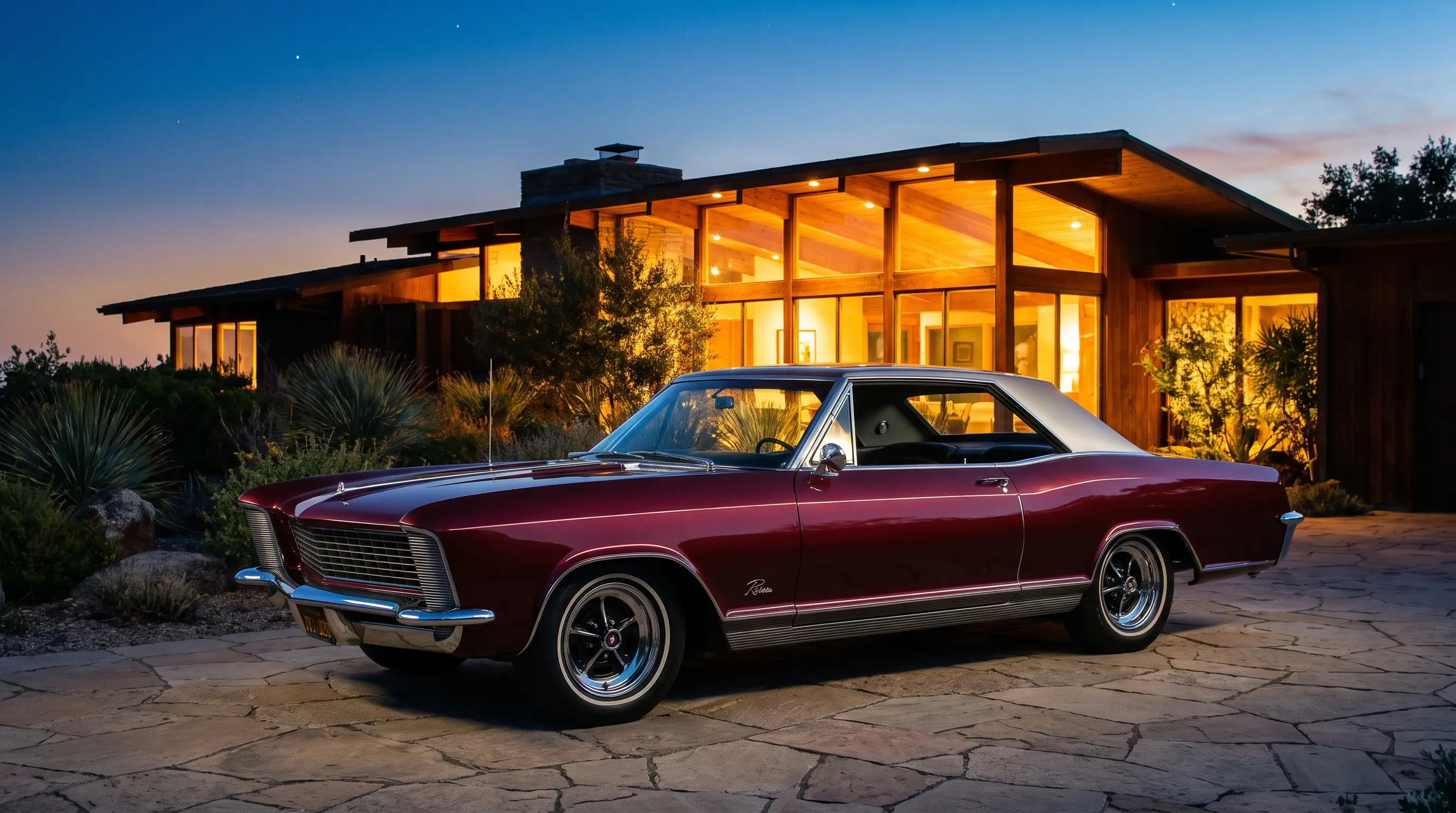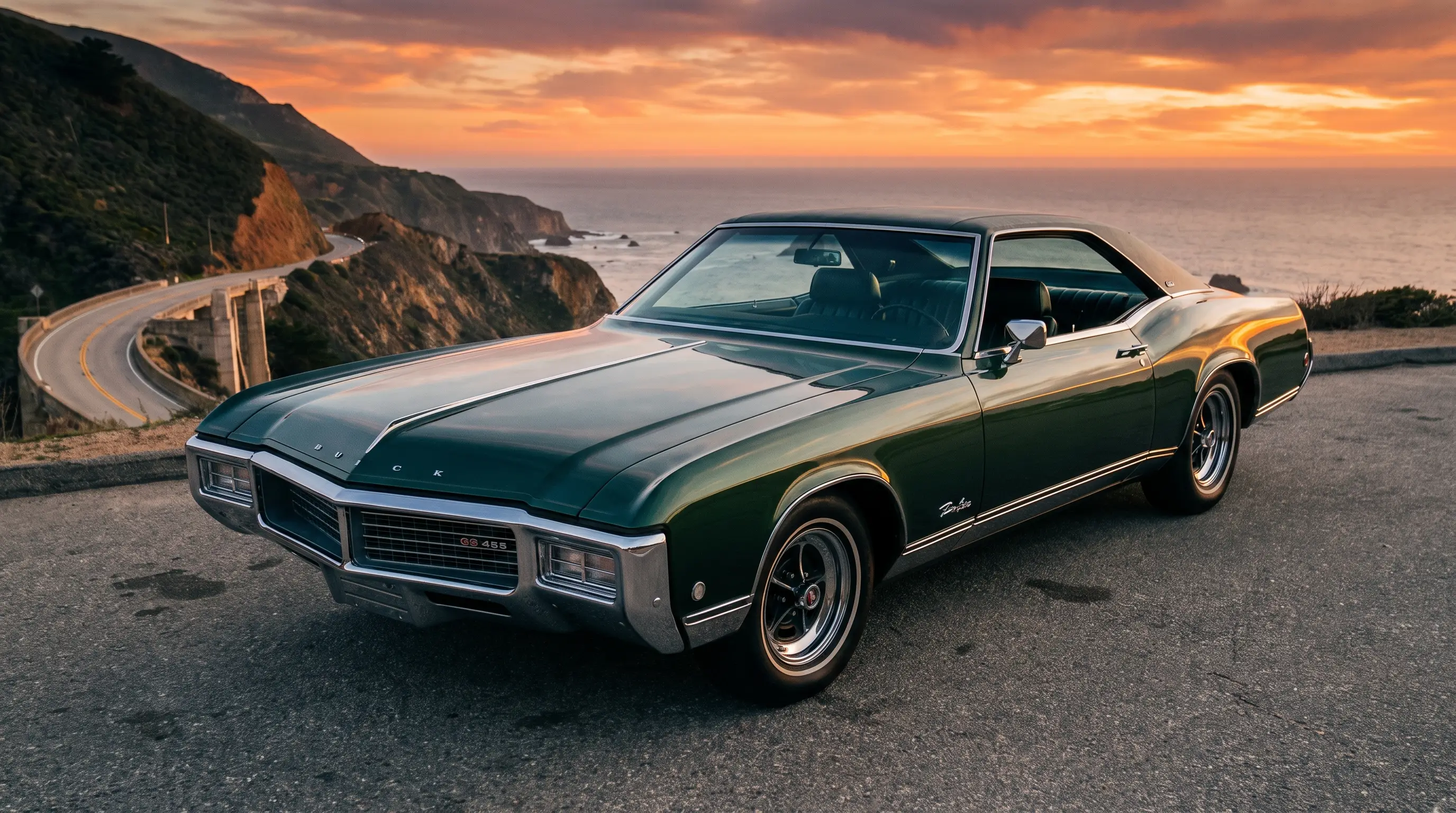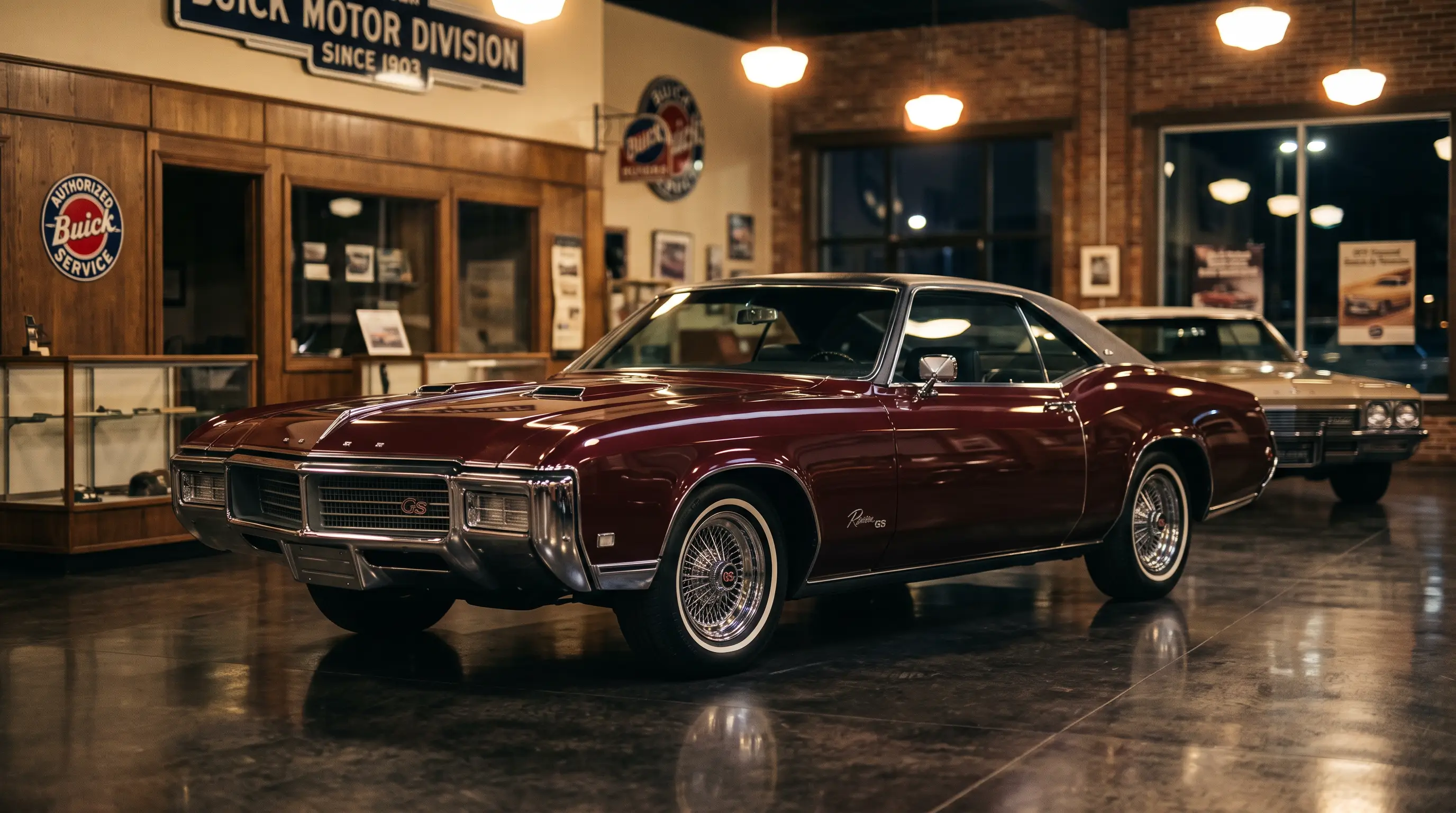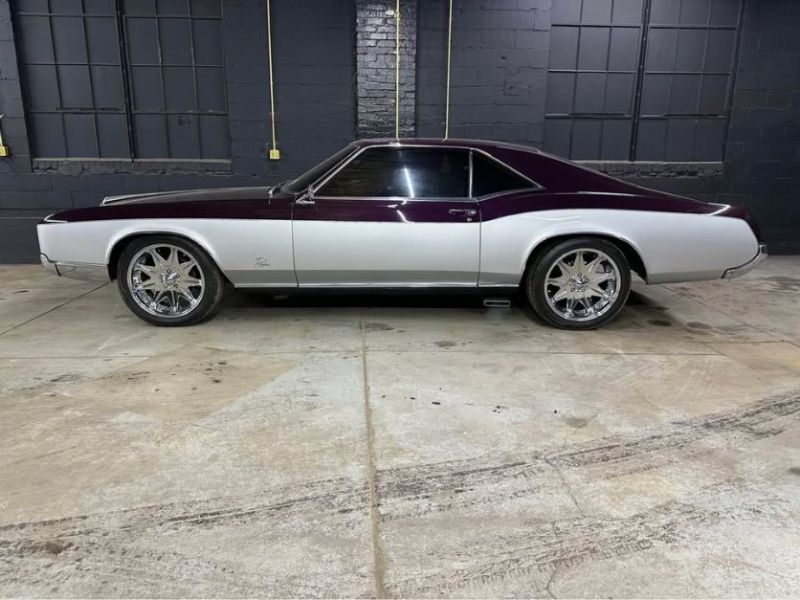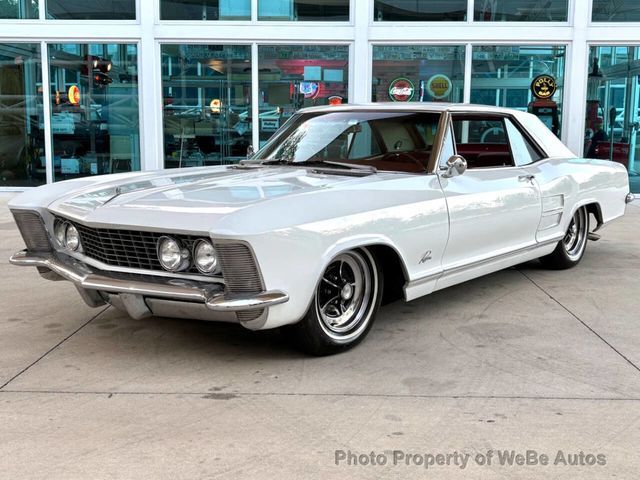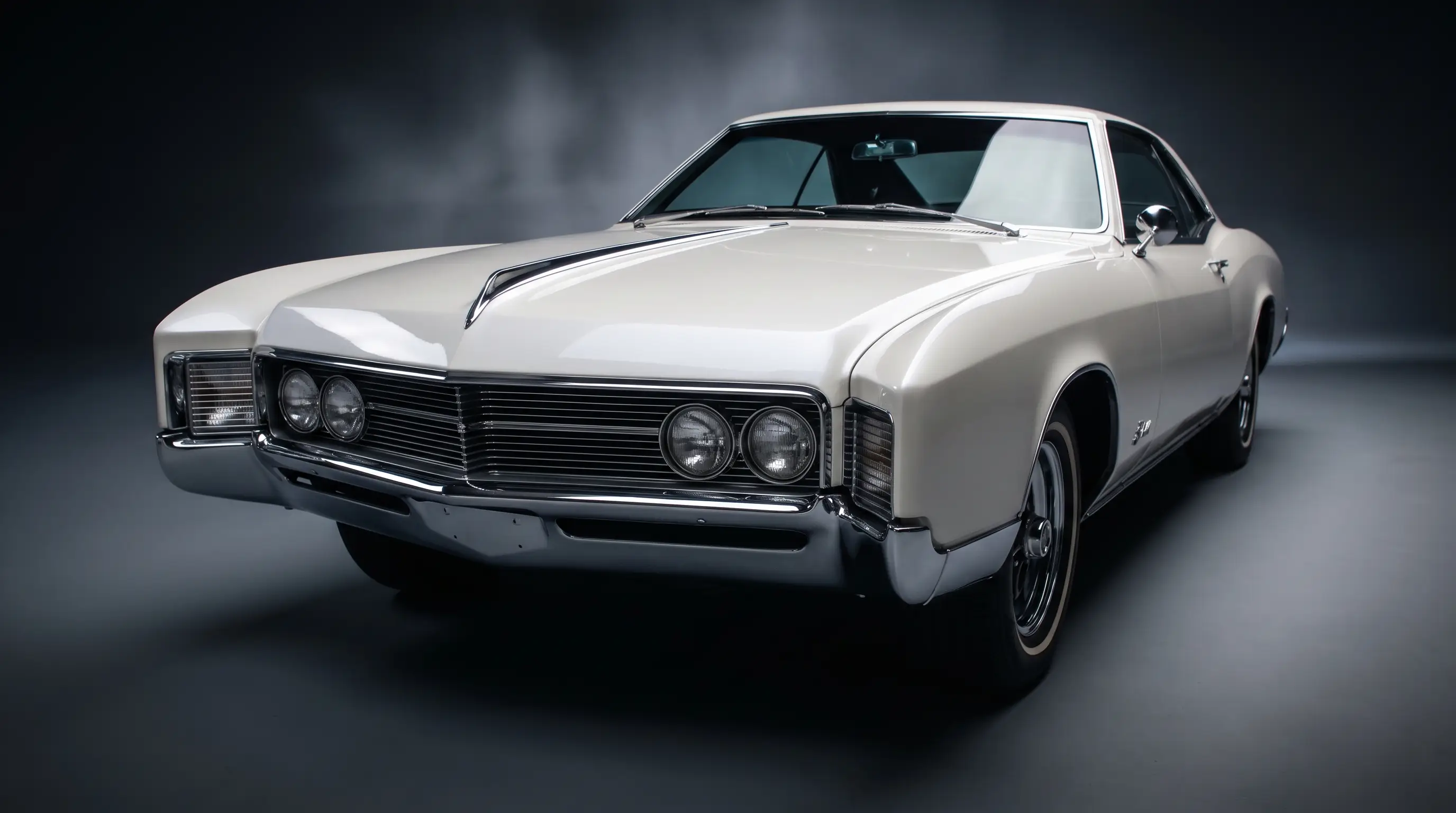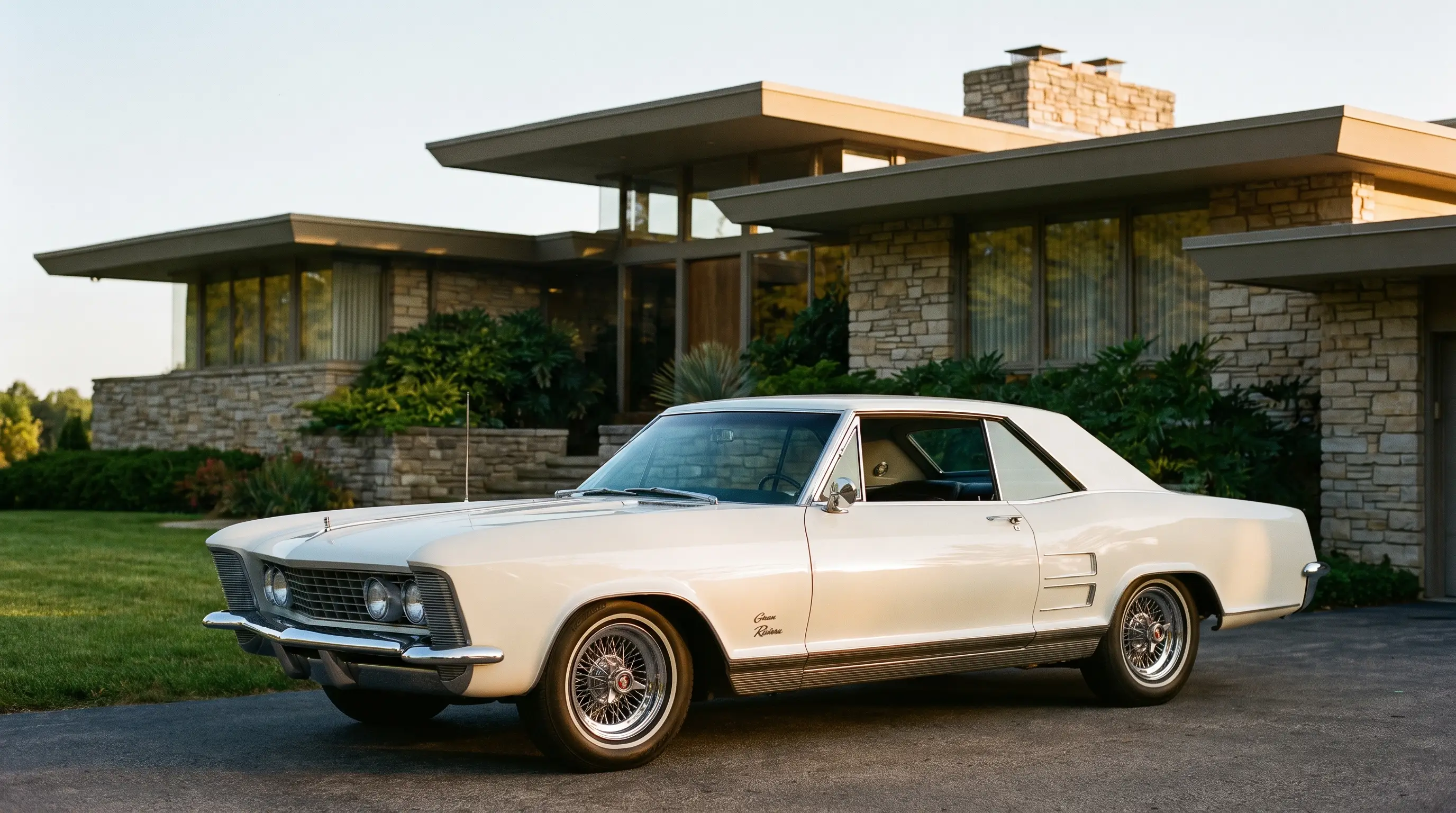
Picture a Buick dealership lot in the mid-1960s, rows of chrome-heavy personal luxury coupes sitting quietly under the showroom lights, and then one Riviera parked slightly apart with a badge on its flank that most of the others did not carry. That badge said Gran Sport, and buick riviera gran sport what it means is a question that gets asked more often than it gets answered clearly, because the GS designation on a Riviera never meant one single fixed thing across the model's history. It meant a firmer, more serious version of a car that could otherwise coast entirely on comfort and styling, and figuring out exactly what that meant in a given model year takes some unpacking.
Gran Sport started as a statement, not a spec sheet
Buick had already used the Gran Sport name on other models before it landed on the Riviera, and the badge always carried the same underlying message: this version of the car is not just here to look good, it can back that look up. On the Riviera specifically, the GS package arrived as a way to answer a fair criticism of the personal luxury segment generally, that these coupes traded almost entirely on styling and comfort while quietly deprioritizing genuine performance. A Gran Sport Riviera pushed back against that assumption without abandoning the comfort and presence that made people buy a Riviera in the first place. For the full account of how the package was introduced and evolved, see buick gran sport history.
What actually changed when you ordered the package
Depending on the model year, checking the GS box typically meant a firmer suspension calibration, a more aggressive rear axle ratio, and in several years a genuine step up in induction hardware over the standard Riviera engine. None of this transformed the Riviera into a stripped-down muscle car, and it was never meant to. The GS package instead threaded a narrow needle: give serious enthusiasts a reason to specify it without alienating the buyers who wanted a Riviera specifically because it was not a raw, uncompromising performance car. That balance is genuinely difficult to strike, and the fact that Buick kept revisiting the GS badge across multiple Riviera generations suggests they felt they had found something worth repeating.
| What GS typically added | Effect on the car |
|---|---|
| Firmer suspension tuning | Sharper handling without losing daily comfort |
| Upgraded induction or engine option | More usable torque for a heavy personal luxury body |
| Distinct badging and trim | Visual signal to other enthusiasts without shouting |
| Revised axle ratio | Better response off the line for a big coupe |
A quiet badge for people who already knew
Part of what makes the Gran Sport designation interesting on a Riviera specifically, compared to how the same name got used on smaller Buick models, is how understated it stayed. This was never a car covered in scoops and stripes screaming for attention. The GS badge on a Riviera was closer to a handshake between people who already understood what it meant than a marketing pitch aimed at converting new buyers. That subtlety fits the personal luxury segment's whole ethos, where the car was supposed to communicate confidence rather than aggression, and it is part of why the Gran Sport designation still resonates with enthusiasts who value substance over spectacle.
"There is a specific kind of buyer who wants a genuinely quick car that does not look like it is trying to prove anything. The Gran Sport Riviera was built for exactly that person, and Buick understood the assignment better than most of its competitors did."
- Patrick Walsh
How the meaning shifted across generations
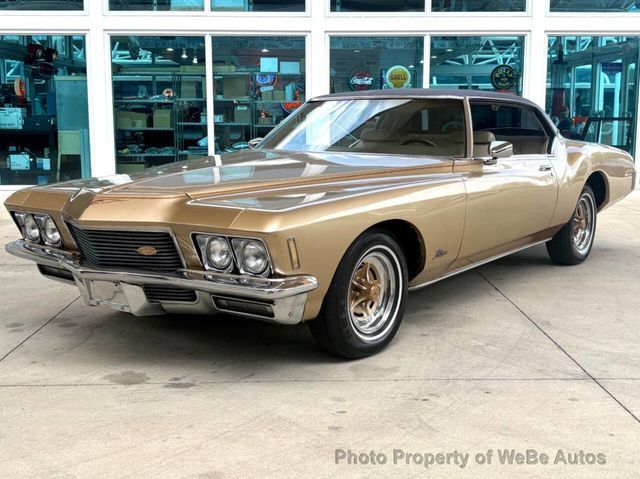
The GS designation did not stay frozen in amber from its first appearance on the Riviera through its later years. Early Gran Sport Rivieras leaned heavily on the Nailhead V8's low-end torque character, delivering the kind of effortless shove that suited the car's grand touring identity. By the time the badge carried over into the boat-tail generation, the underlying engine had changed to the 455, the suspension tuning philosophy had matured, and the whole package reflected a decade's worth of Buick learning what its performance-minded Riviera buyers actually wanted from the car. A GS badge from the mid-1960s and a GS badge from the early 1970s are answering the same basic question, can this personal luxury coupe also be genuinely quick, but they arrive at slightly different answers depending on what era's engineering and regulatory realities shaped them.
That evolution is worth understanding on its own terms rather than assuming the badge meant something static across its entire run. Enthusiasts who cross-shop a Gran Sport Riviera from different model years sometimes expect an identical experience simply because the badge looks similar, and end up surprised at how differently the cars actually feel behind the wheel once the specific engine, suspension calibration, and axle ratio for that particular year come into play.
Why the answer still matters to buyers today
Understanding what Gran Sport actually meant on a given Riviera model year is not just trivia, it is practical knowledge for anyone shopping this generation seriously. A genuine GS car commands a real premium over a standard Riviera with the same basic body, and that premium is only justified when the documentation actually backs up the badge. Buyers who understand the specific mechanical changes tied to a given year's package are far better equipped to verify a seller's claims than buyers who assume GS is simply a trim level with no functional difference. The performance side of that story, focused specifically on the 455-powered boat-tail years, is covered in a related story, and anyone ready to compare GS and standard cars directly can look at Rivieras for sale now to see how the badge is being represented in today's market.
Ask any longtime Riviera owner what the Gran Sport badge means to them personally, and the answer rarely starts with a spec sheet. It starts with a memory, a specific stretch of highway where the car pulled harder than expected, or a moment when a passenger asked whether this was really the same car as the standard Riviera parked next door. That is the real answer to what Gran Sport means. It is not a fixed list of parts so much as a promise that the car underneath the comfortable, understated exterior has more to give than a casual glance would suggest, a promise Buick kept renewing across generation after generation of the Riviera, and that is a far more durable definition than any single spec sheet could ever capture, and it is why the badge still means something to people who have never actually owned one.