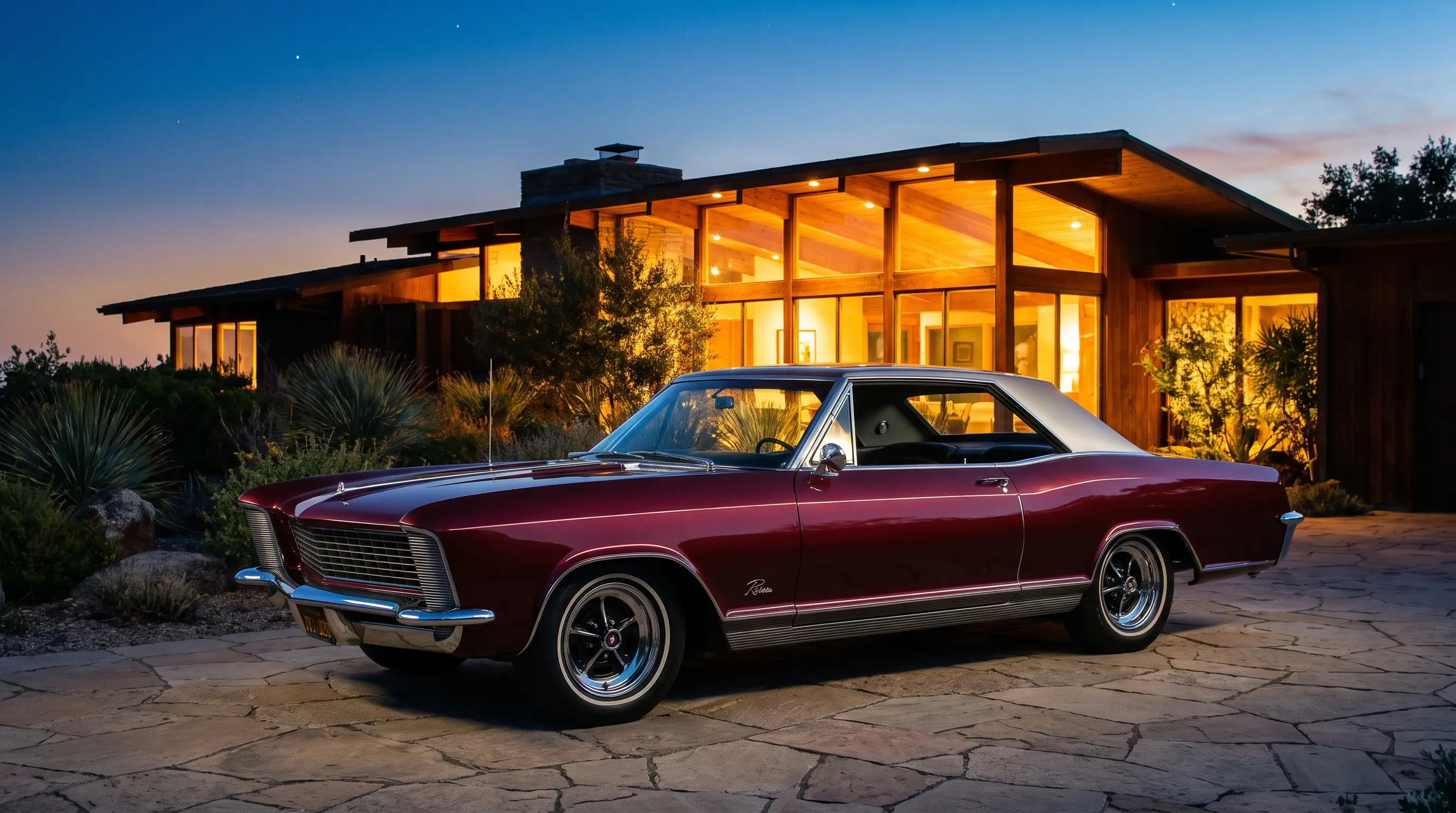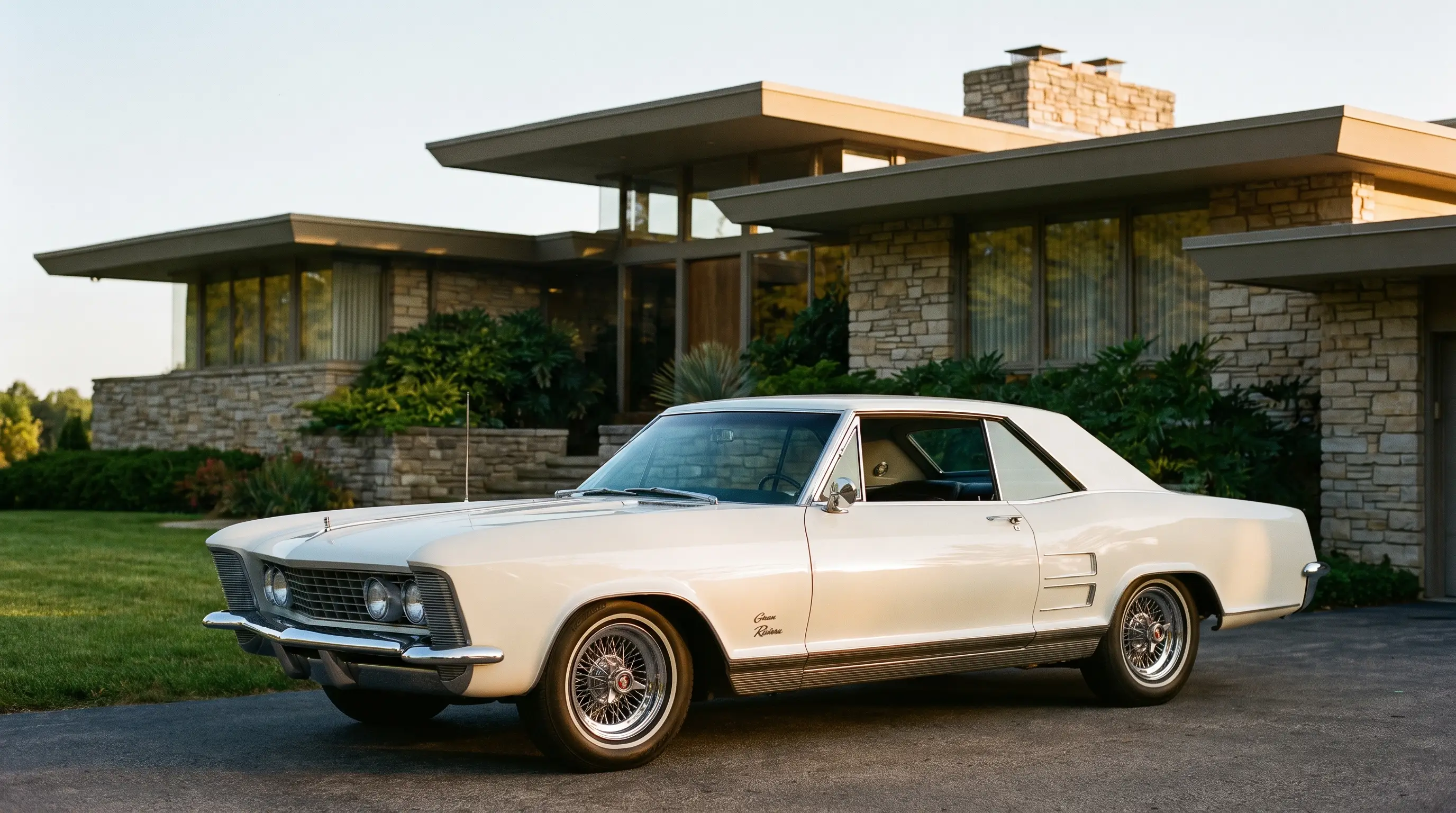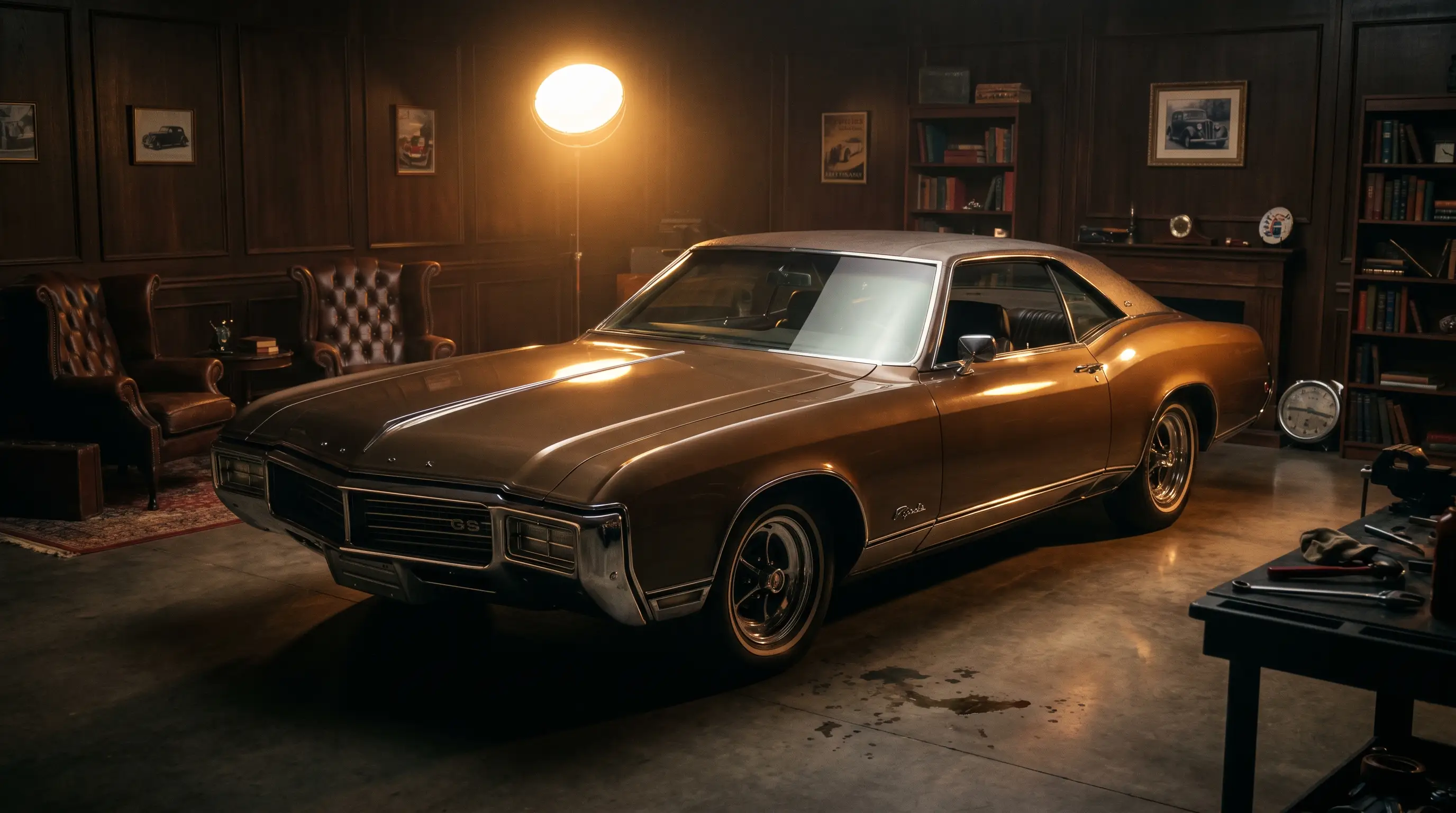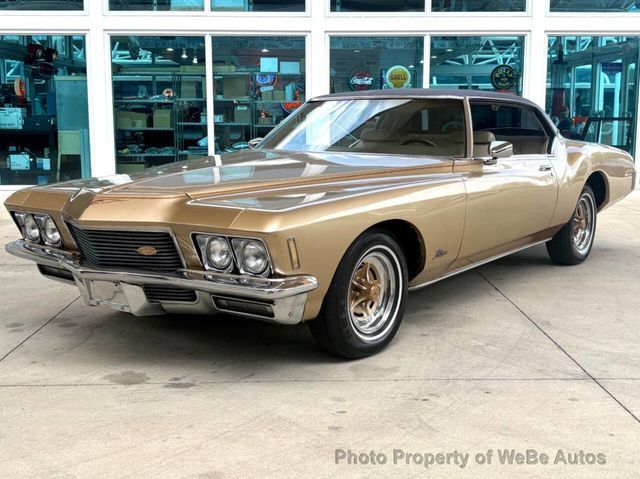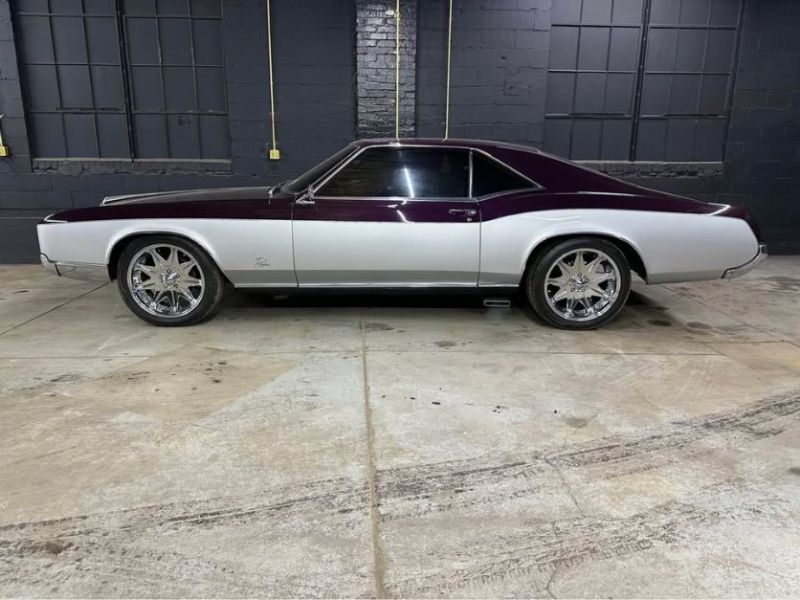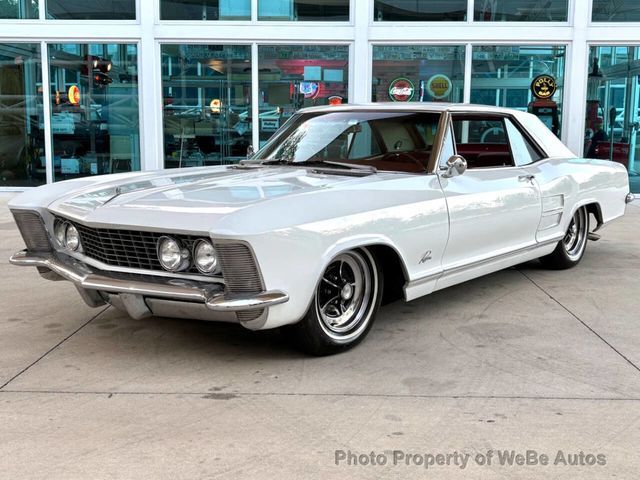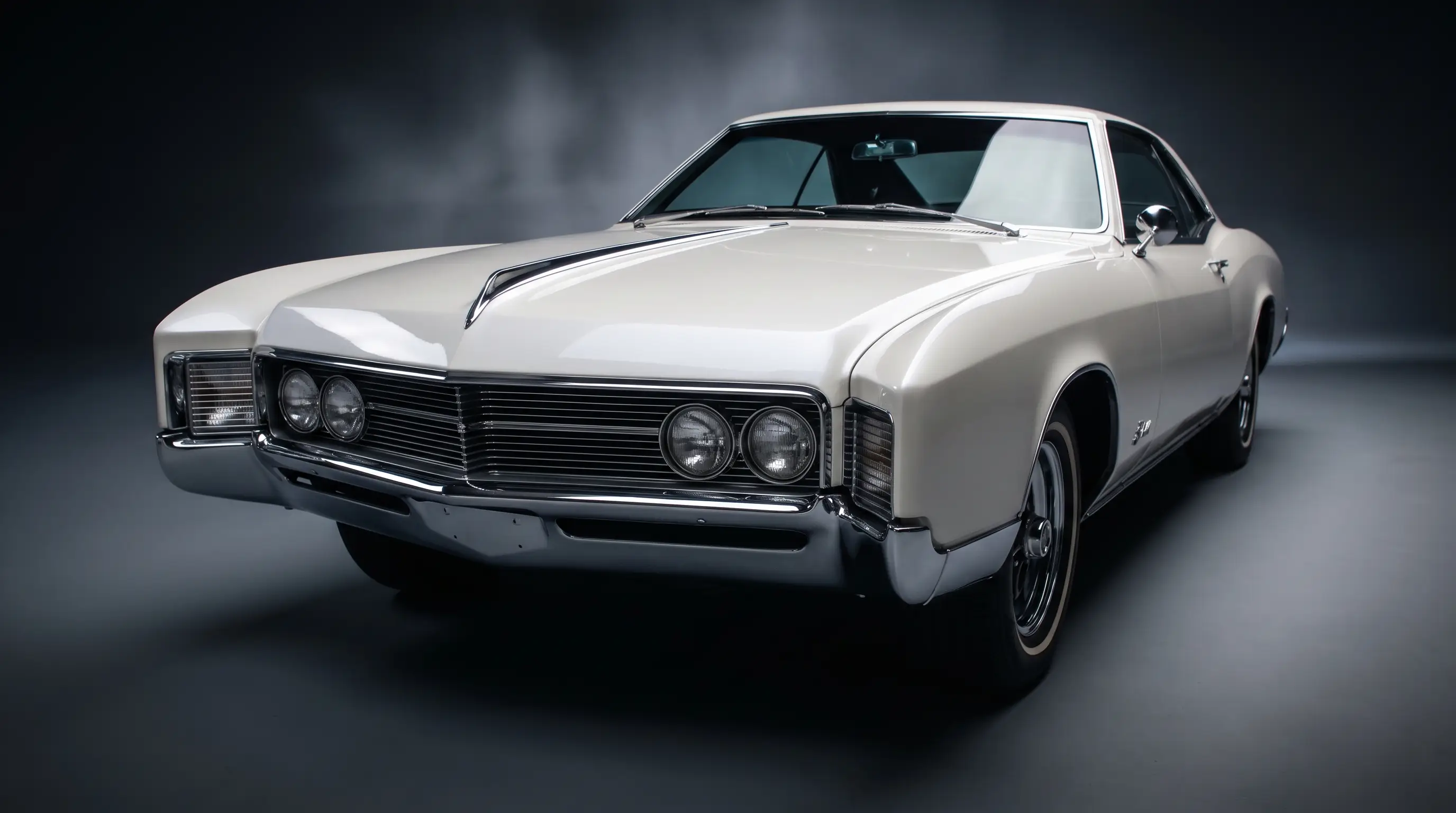
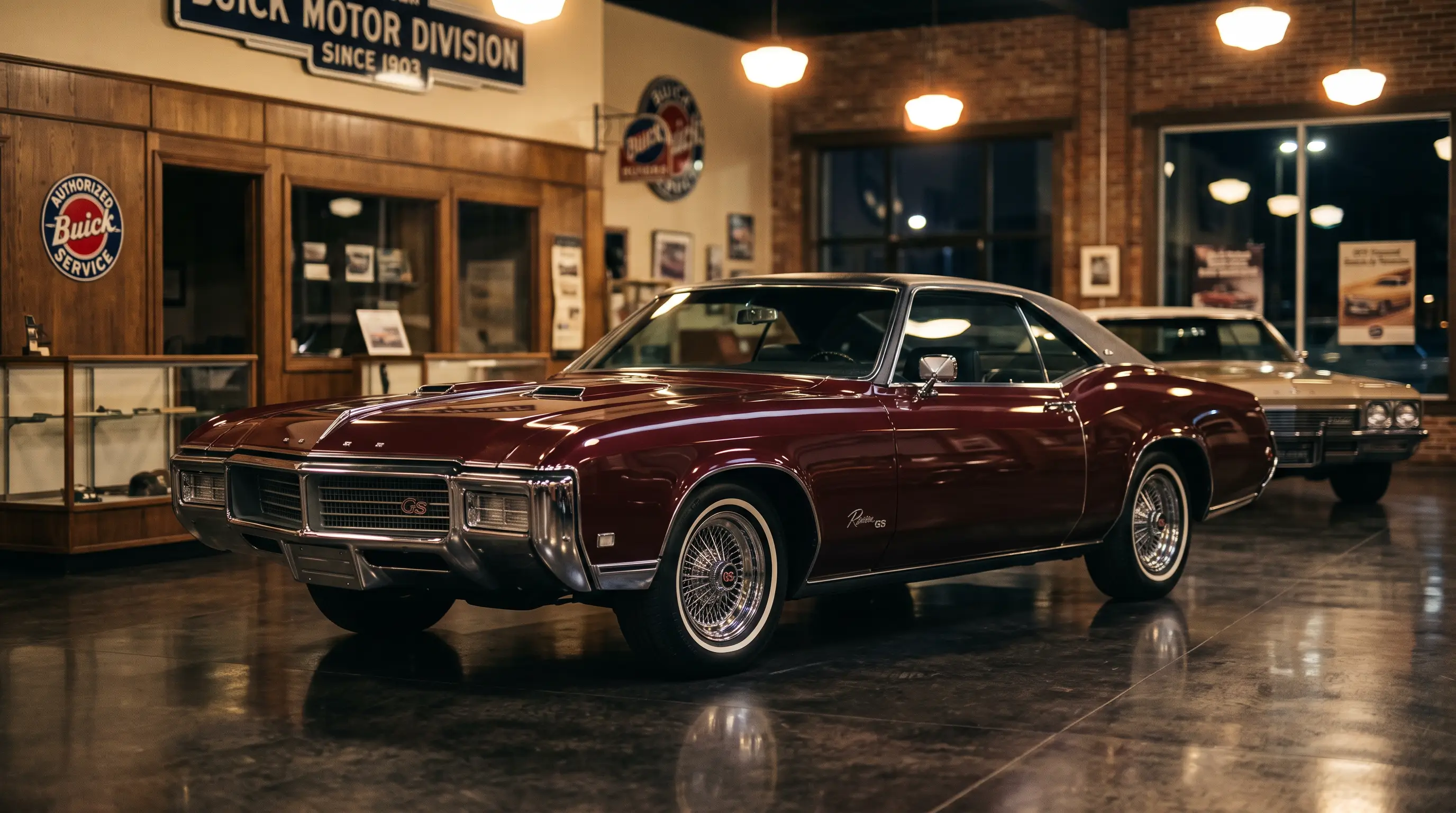
Buick's history is longer on refinement than on outright performance, which is exactly what makes the buick riviera gs legacy in buick lore worth examining carefully. This was a division that built its reputation on isolation, comfort, and quiet competence, the sort of car a doctor or a bank executive bought because it never called attention to itself. The Gran Sport option, introduced in 1965, is one of the few genuine exceptions to that identity, and understanding where it fits in Buick's broader story requires looking at what came before it and what came after.
Buick's performance credentials before the Gran Sport
Buick was not entirely without performance pedigree before 1965. The division's Nailhead V8, introduced in the 1950s, had already built a reputation for tremendous low-end torque, the kind that made Buicks surprisingly capable in a straight line despite the engine's conservative valve train and modest redline. Buick had also flirted with performance branding through earlier Wildcat and Century models, cars that traded on the idea of a big engine in a comparatively lighter body. None of it, though, carried the sustained marketing weight of what Pontiac was doing with the GTO or what Chevrolet was doing with the Chevelle SS in the same period.
That context matters because it means the Gran Sport was not Buick's first attempt at performance credibility, but it was arguably the first attempt applied to a car built specifically to compete on style and prestige rather than on raw muscle car positioning. Pairing genuine performance hardware with the Riviera's already-established personal-luxury identity was a distinct strategy, one that separated the GS from Buick's earlier, more scattered performance efforts.
A useful way to think about it is that Buick's earlier performance flirtations, the Wildcat's big-engine positioning most notably, were aimed at buyers who wanted power without necessarily wanting a personal-luxury statement attached to it. The Riviera itself, launched in 1963, represented the opposite instinct, a car built entirely around personal-luxury styling and comfort with performance treated as a secondary consideration. The Gran Sport package, arriving just two years later, was Buick's attempt to fuse those two previously separate instincts into a single model, and the fact that it succeeded as thoroughly as period road tests suggest says something about how deliberately Buick's engineers approached the project.
Where the GS sits relative to Buick's later muscle era
Buick's performance ambitions did not stop with the Gran Sport Riviera. The following years brought the GSX package on the Skylark and Buick's own entries into the broader muscle car wars that defined the era, cars built with a more conventional muscle car formula of lighter bodies and more aggressive marketing. Compared to those later cars, the Gran Sport Riviera reads almost as a prototype for the idea that Buick performance did not have to abandon luxury positioning to be taken seriously.
That distinction matters historically because it shows a throughline in Buick's approach even as the specific execution changed. The GSX cars leaned harder into youth-oriented muscle car marketing. The Gran Sport Riviera never did, and never needed to, because its customer base was older, more established, and less interested in stripes and scoops than in a car that could perform without shouting about it.
"Study Buick's lineup across the 1960s and the Gran Sport Riviera looks like the moment the division proved to itself that performance and prestige were not mutually exclusive goals."
- Sarah Whitfield
Why this legacy gets understated
The Gran Sport Riviera rarely gets mentioned in the same breath as the GTO or the Road Runner when broader muscle car history gets discussed, and there is a straightforward reason for that. It was never marketed as a muscle car in the traditional sense, and it never sold in numbers that would put it in direct competition for cultural mindshare with cars built explicitly to capture a younger, performance-obsessed buyer. Buick's own marketing for the GS emphasized refinement alongside power, a harder story to tell in a single tagline than "the GTO judge is here."
That understated marketing approach means the car's actual place in Buick's performance lore has to be reconstructed carefully from production records, period road tests, and surviving documentation rather than from decades of consistent cultural repetition the way GTO history has been told and retold. Researchers who take the time to do that reconstruction generally come away concluding the Gran Sport deserves more credit in Buick's performance story than it typically gets.
Part of the problem is archival. Buick's own corporate records from this period, while reasonably complete, were never organized with an eye toward telling a coherent performance narrative the way manufacturers with more self-consciously aggressive marketing departments tended to preserve theirs. A researcher piecing together the Gran Sport's actual place in Buick's history has to work across production figures, dealer literature, and surviving road tests rather than relying on a single well-curated corporate account of what the car was meant to represent. That extra effort is precisely why the story has taken this long to be told with any real completeness.
Placing it in the fuller Riviera story
For the deeper mechanical and marketing history behind this package, more on the buick gran sport lays out how the option came together year by year. That history connects directly back to our complete history of the Riviera nameplate itself, since the Gran Sport cannot really be understood apart from the broader ambitions Buick had for this car when it launched in 1963. Readers curious about the market for these cars today can also look at classic Rivieras on the market to see how the Gran Sport's reputation translates into actual buying decisions.
A quiet but real chapter in Buick's story
The Gran Sport Riviera's place in Buick performance lore is smaller than its engineering deserves, largely because Buick chose to market it quietly rather than loudly. For researchers and collectors willing to look past the absence of a splashy marketing campaign, though, the car stands as clear evidence that Buick's engineers understood exactly how to build genuine performance into a genuinely prestigious body. That combination, understated but real, is precisely what keeps serious Buick historians returning to this specific car when they trace the division's performance lineage.
It also offers a useful corrective to the broader assumption that Detroit's mid-1960s performance story belongs entirely to the divisions that marketed loudest. Buick proved, quietly and without much fanfare at the time, that a well-engineered performance package could sit comfortably inside a genuinely upscale car without either half of that equation undermining the other. Fifty years on, that quiet proof of concept has aged better than a lot of the louder muscle car marketing from the same period, if only because the engineering behind it was never in question in the first place.