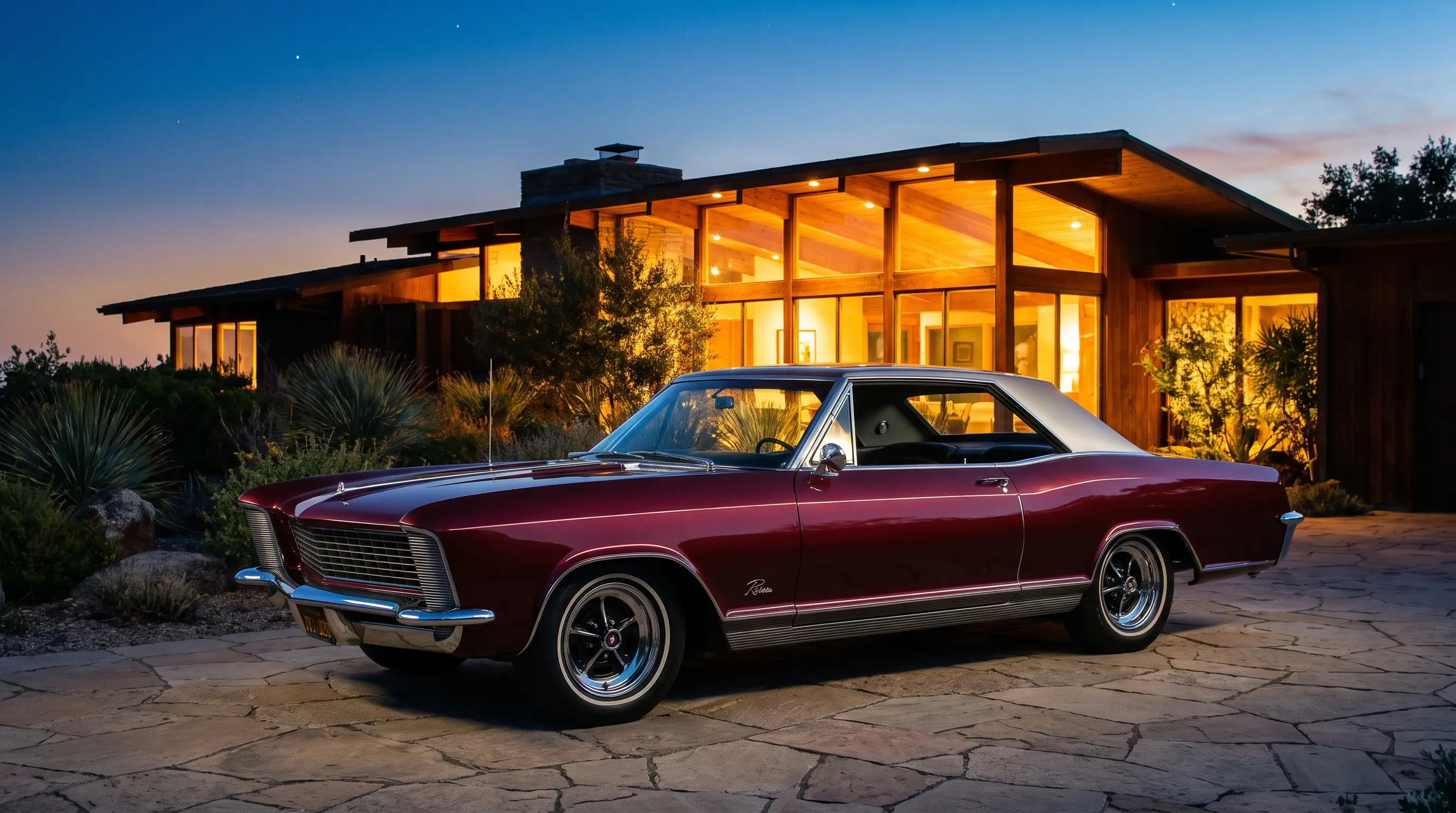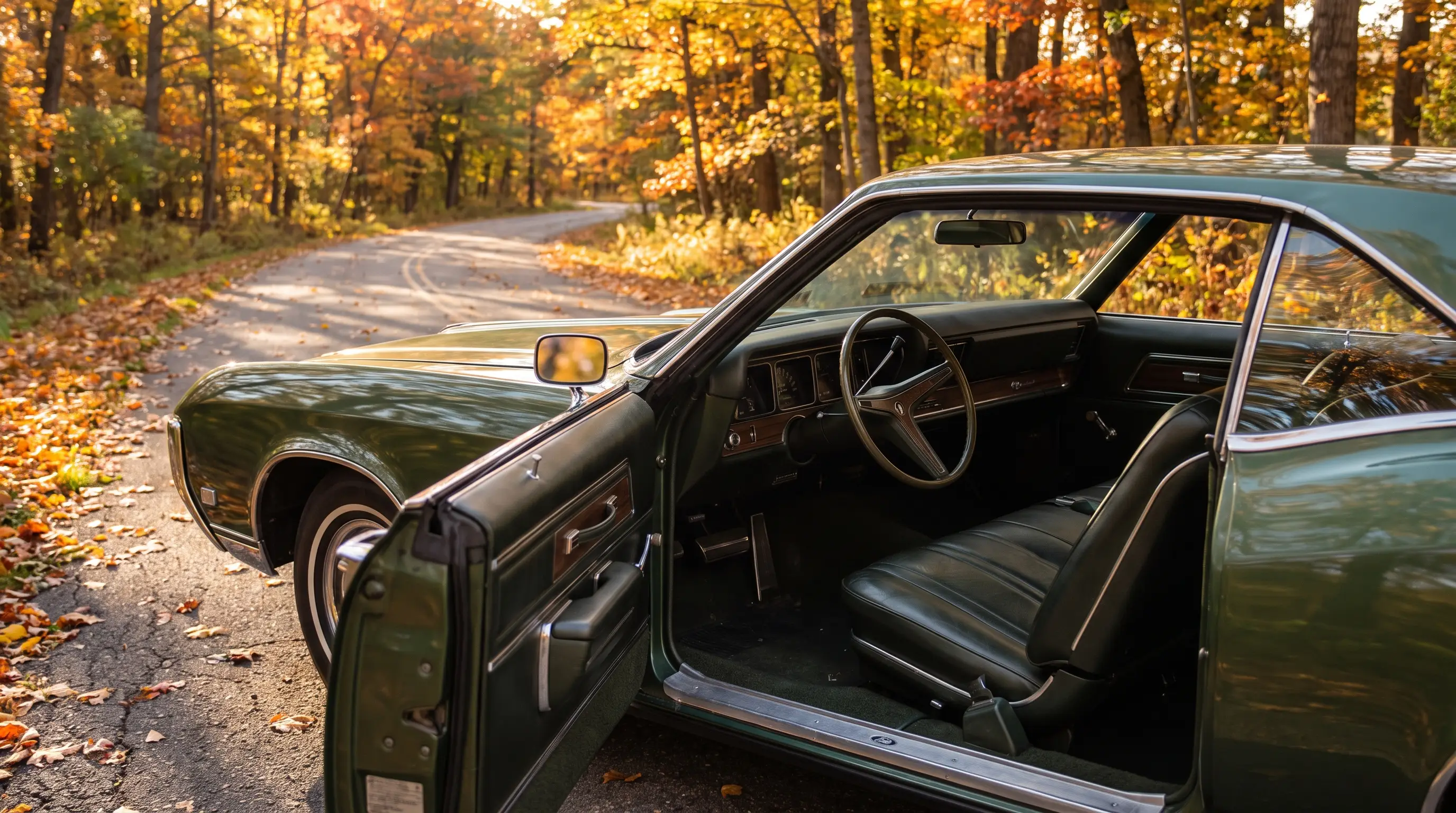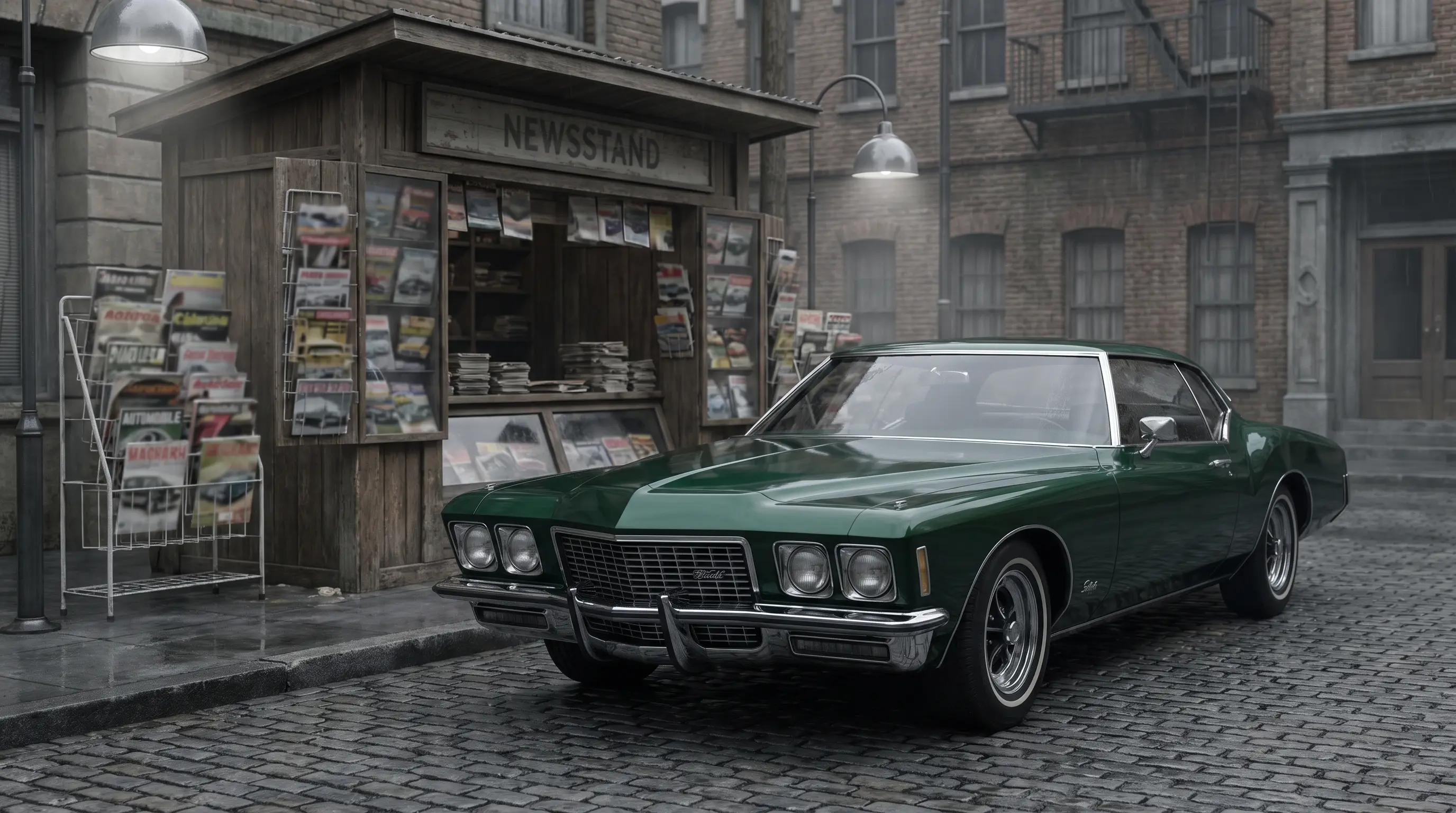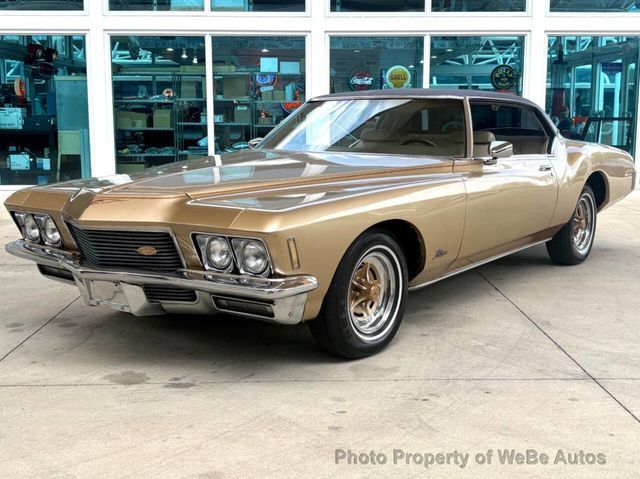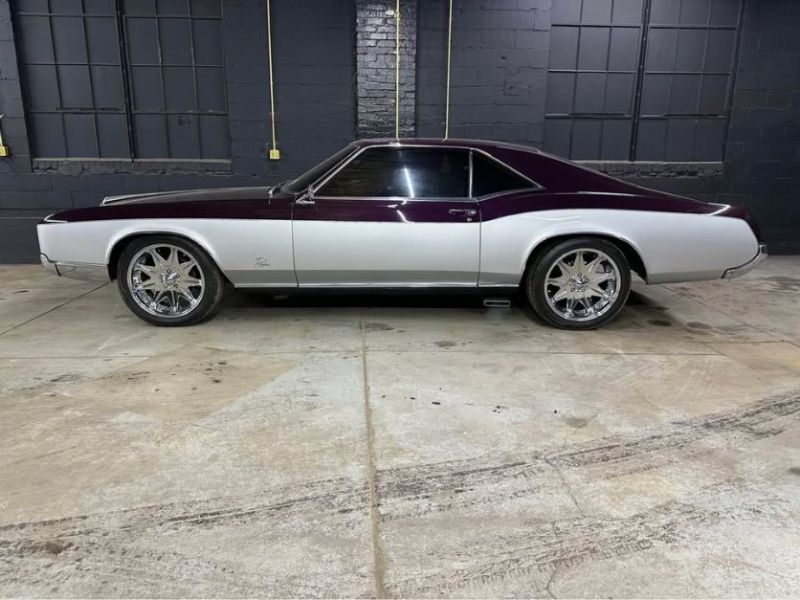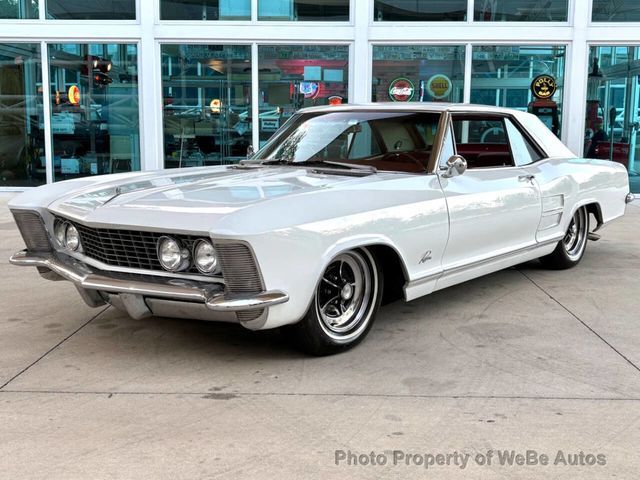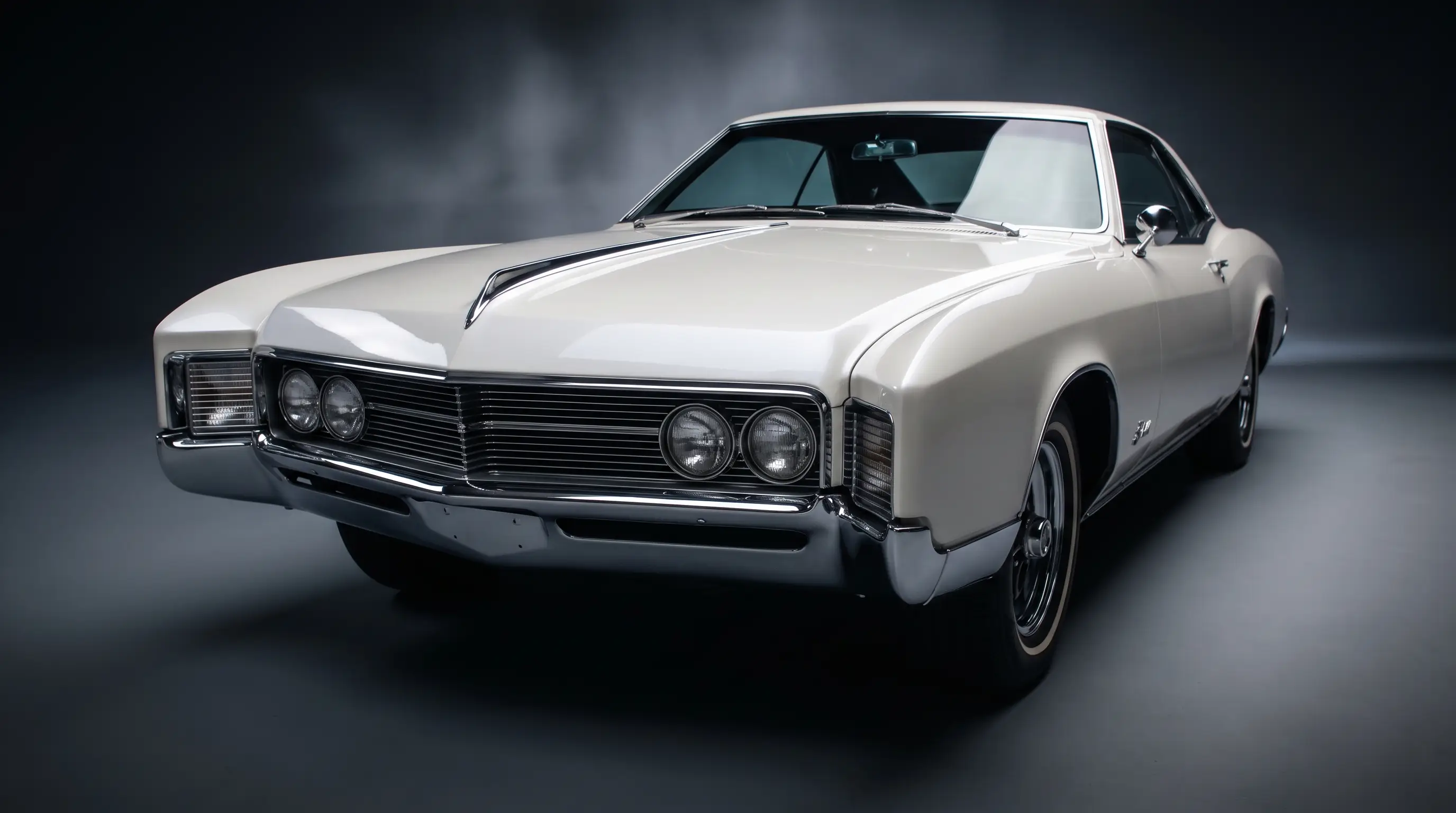
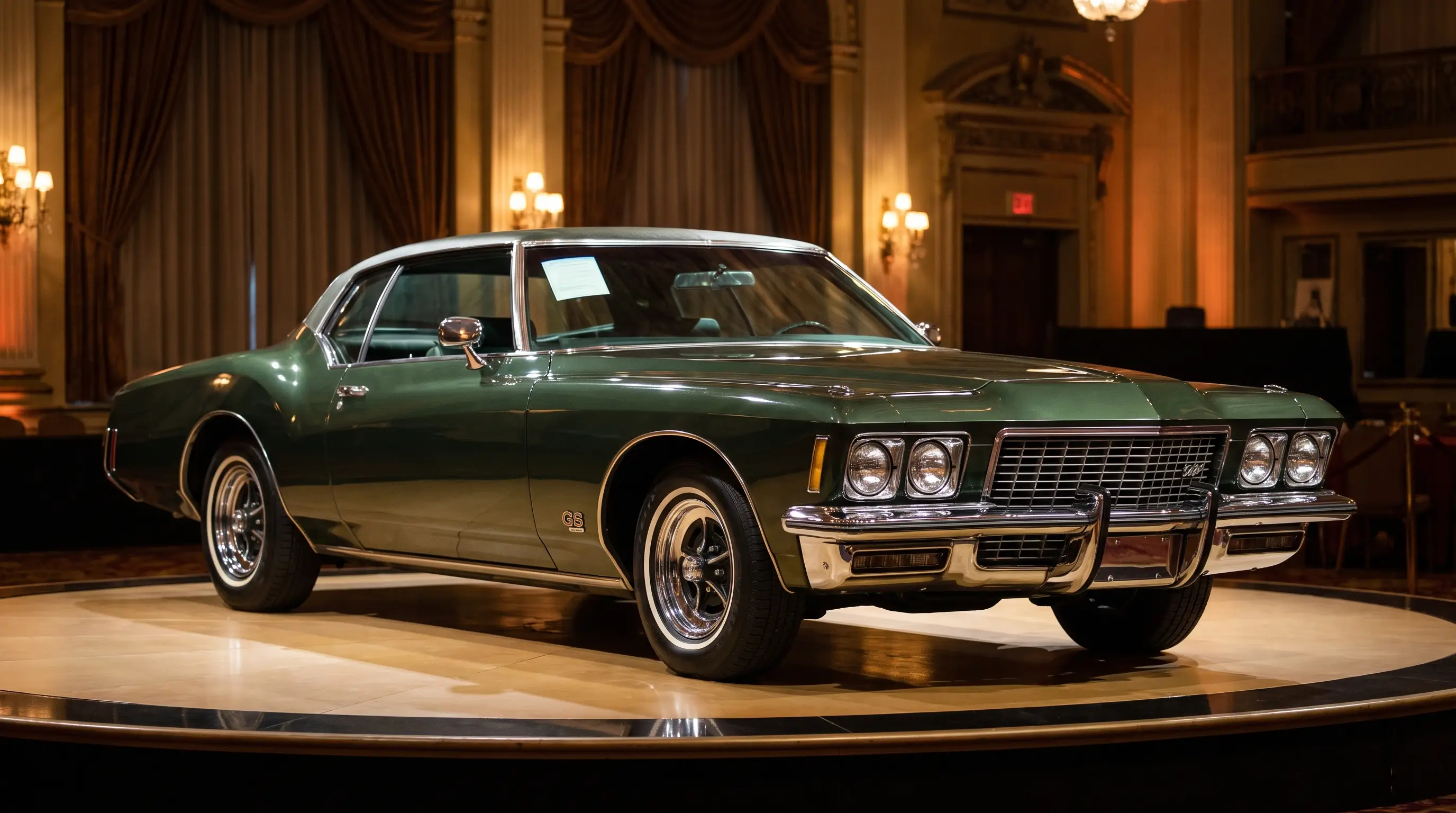
Every appraisal I write on a Gran Sport starts with the same question, and it is the same question that drives the buick riviera gs collector premium in the first place: can the seller actually prove it is a GS. The badge alone is not the answer. Documentation is the answer, and the gap between a documented Gran Sport and an undocumented standard Riviera wearing GS trim is where real money changes hands or does not.
What the premium actually looks like
A properly documented Gran Sport Riviera from the mid-1960s typically brings a meaningful premium over a standard car of the same year and condition, with the exact spread moving depending on the market and the specifics of the example. That range moves a lot based on originality, whether the dual-quad 425 is the matching-numbers engine the car left the factory with, and whether the paperwork trail actually supports the claim. Buyers have gotten sophisticated about this. A car described as a GS with no supporting documentation gets shopped hard on price, and rightly so.
The premium is not just about the engine either. It reflects rarity relative to the total production run, and it reflects the fact that the GS package required a buyer in 1965 or 1966 to actually check a box and pay extra for it. Most Riviera buyers did not. That decision, made decades ago by an original owner who wanted more performance, is exactly what today's collector is paying to inherit.
Condition, documentation, and liquidity, in that order
When I appraise any classic car, I am weighing four things: condition, documentation, liquidity, and downside risk. On a Gran Sport, documentation weighs more heavily than it does on an ordinary Riviera, because the entire premium hangs on proving the car is what it claims to be. Condition still matters enormously, a rough GS is still a rough car and no badge fixes that, but even a well-preserved GS with no paperwork trail sells closer to standard Riviera money than buyers might expect.
Liquidity is the piece people underestimate. A documented Gran Sport in strong condition sells relatively quickly when priced correctly, because the buyer pool understands exactly what they are looking at and competes for genuine examples. An undocumented car sits. Buyers wait for a deal because they are pricing in the risk that the GS claim does not hold up, and that hesitation shows up directly in how long a car sits on the market before it sells.
Downside risk on a GS is really a documentation risk dressed up as a mechanical one. If the numbers do not match and there is no paper trail, you are not buying a Gran Sport at all, you are buying a standard Riviera with a GS badge attached at some point in its history, and you should price it exactly that way regardless of what the seller is asking.
"I have seen sellers ask GS money for a car with a replacement 401 and no build sheet. The market has gotten smart enough that most buyers will not pay it, and that is exactly how it should work."
- Marcus Feld
| Factor | Impact on GS premium |
|---|---|
| Matching-numbers 425 engine | Largest single value driver |
| Surviving build sheet or window sticker | Meaningfully raises buyer confidence |
| Verified GS trim tag codes | Baseline requirement, not a bonus |
| Replacement or unverified engine | Premium collapses toward standard Riviera pricing |
| No documentation at all | Treat as a standard Riviera regardless of badge |
How to verify before you pay a premium
Start with the VIN and trim tag, which on Buicks of this era encode information about the original engine and options if you know how to read them. Cross-reference that against any surviving factory paperwork, a build sheet, window sticker, or dealer invoice, all of which add real credibility when they exist. From there, physical inspection of the engine casting numbers against what the trim tag claims should have been installed closes the loop.
None of this is exotic detective work, it is the same due diligence any serious buyer applies to a documented muscle car from this era, but too many Riviera buyers skip it because the Gran Sport does not carry the same instant recognition as a GTO or a Chevelle SS. That recognition gap is exactly why careful buyers can still find value here, and why sellers who actually have the paperwork should not be shy about asking for the premium it supports.
A qualified marque specialist can also settle disputes that a casual inspection cannot. Nailhead casting numbers and date codes follow patterns that Buick documented at the time, and someone who works with these engines regularly can usually tell within minutes whether a 425 in front of them is consistent with the trim tag's claims or whether something does not add up. That kind of expert opinion costs a fraction of what a documentation mistake costs on the back end of a purchase, and it is money well spent before any premium changes hands.
Where this fits in the broader Gran Sport story
If you want the deeper context on how Buick built and marketed this option, our buick gran sport history covers the full arc of the package across its production years. There is also a related story on how period magazines covered the car, which is worth reading if you want to understand how the GS built its reputation in the first place, reputation that directly supports the values these cars command today.
The bottom line for buyers
Paying a premium for a Gran Sport Riviera makes sense when the documentation supports it. It stops making sense the moment you are paying GS money on faith alone. Treat the badge as a claim that needs evidence, not a fact that speaks for itself, and you will end up on the right side of this market whether you are buying or selling.
Sellers benefit from the same discipline. If you own a documented Gran Sport, gather every piece of supporting paper you can find before you list it, photograph the trim tag and casting numbers clearly, and be upfront about what is original and what has been replaced over the decades. Buyers pay a premium for confidence as much as they pay for the car itself, and a seller who removes doubt from the transaction usually gets paid for doing so. A seller who leaves buyers to guess almost always leaves money on the table, no matter how good the car actually is underneath.
This is, in the end, a market where patience rewards both sides. Buyers who wait for a properly documented example avoid the regret of overpaying for an unverifiable claim. Sellers who take the time to assemble a complete file get closer to true GS money instead of settling for standard Riviera pricing out of frustration. If you are shopping right now, there are Rivieras for sale now across a range of documentation levels and price points, and knowing the difference before you make an offer is the single best piece of leverage you can bring to the table.