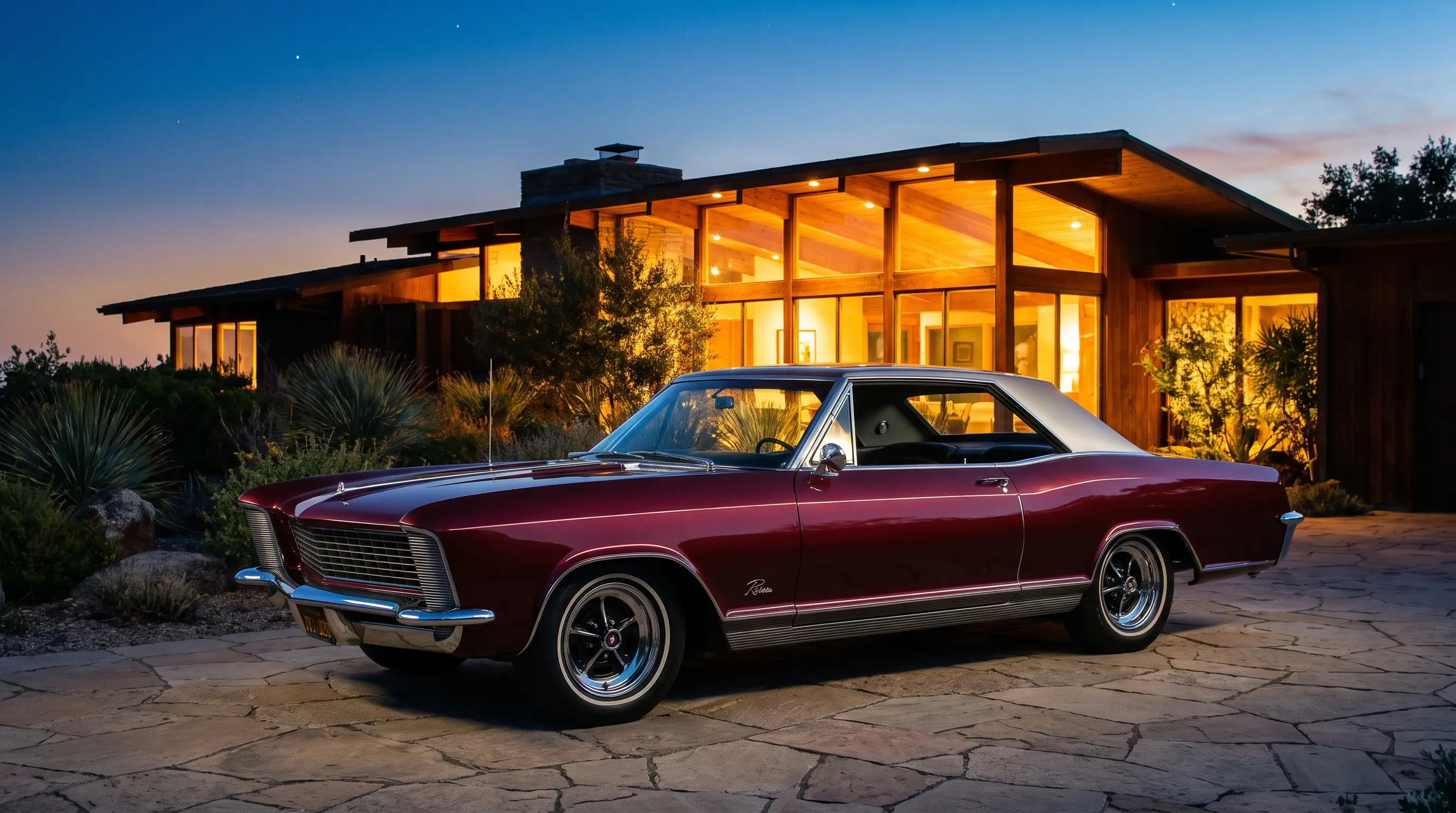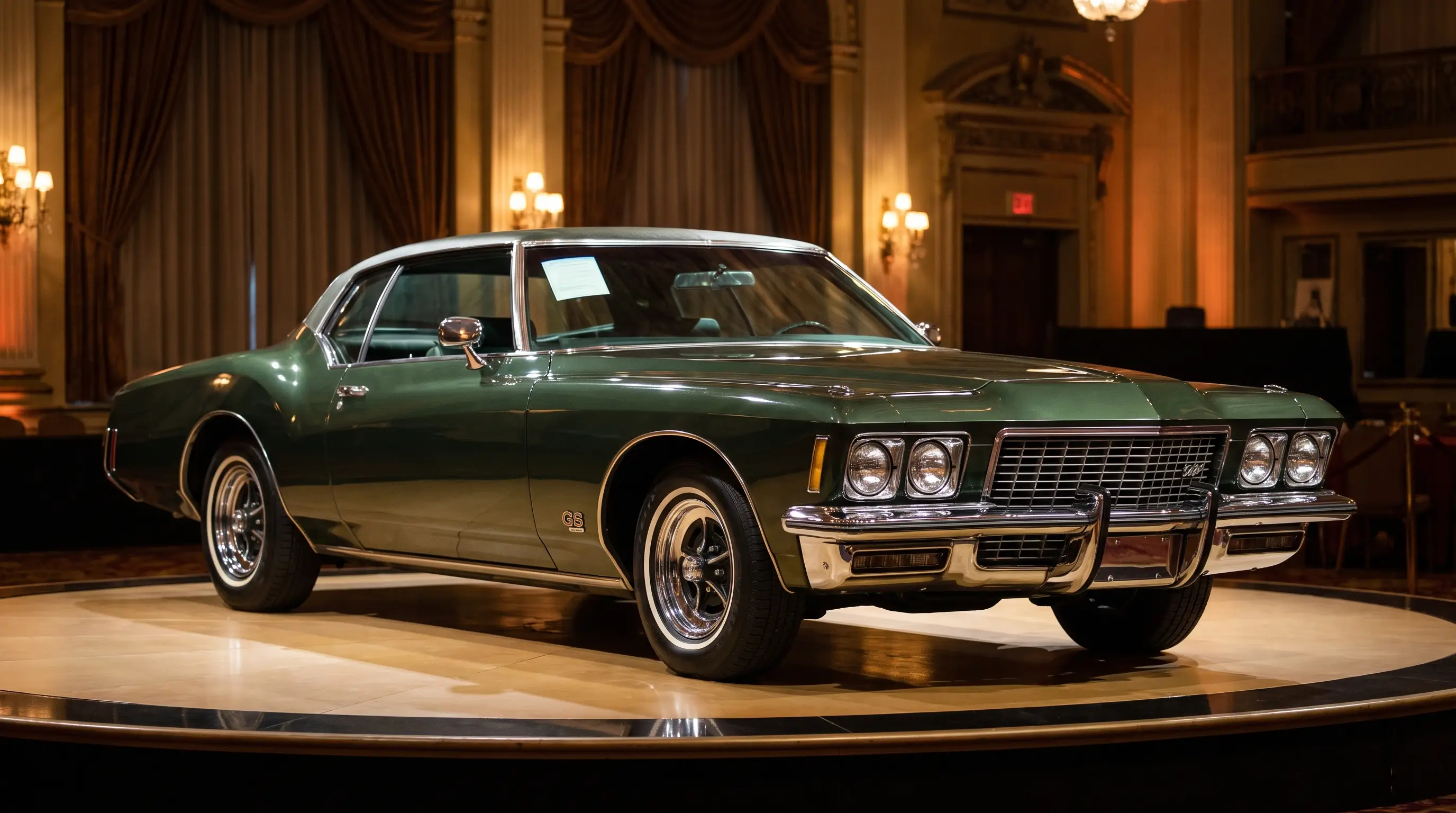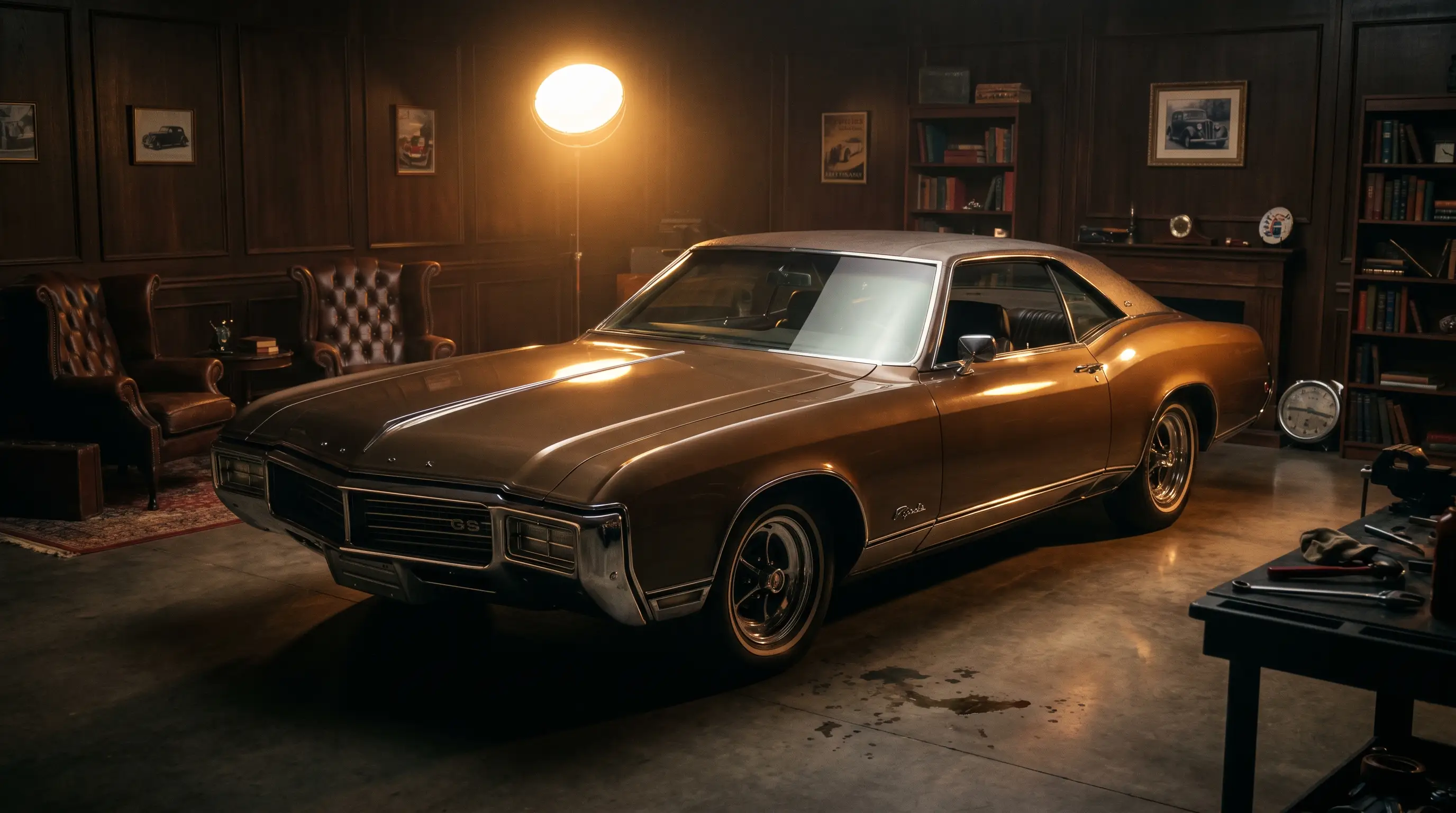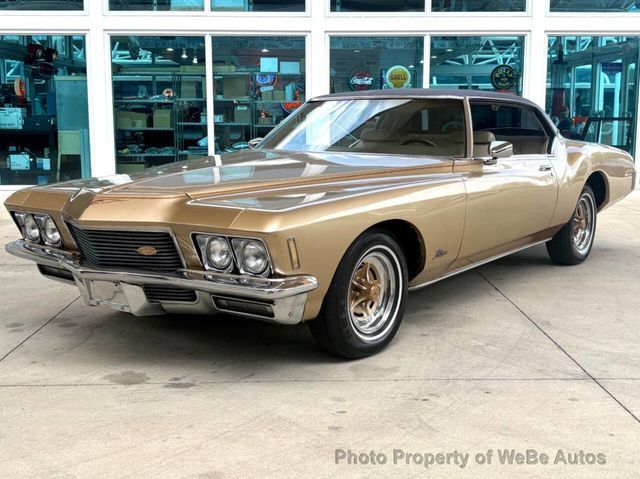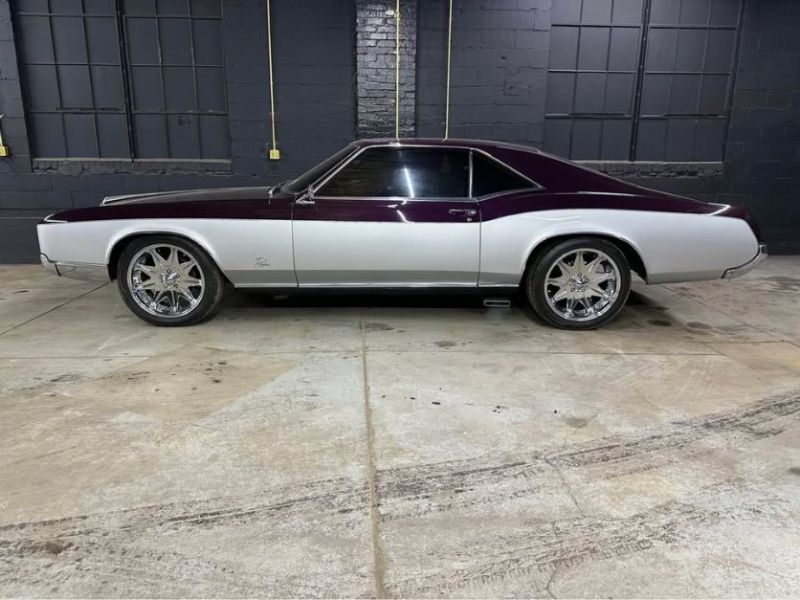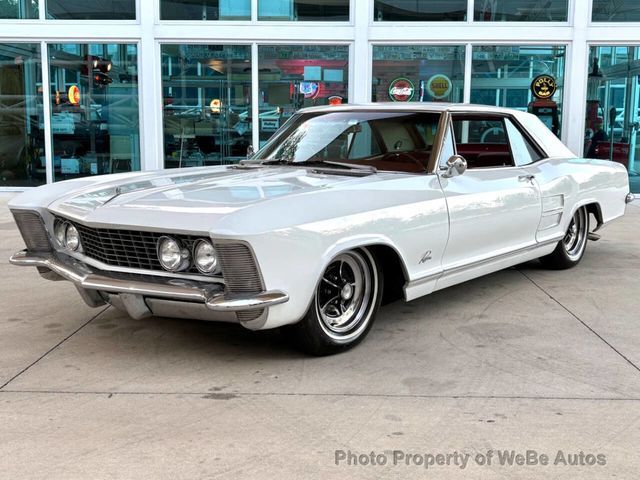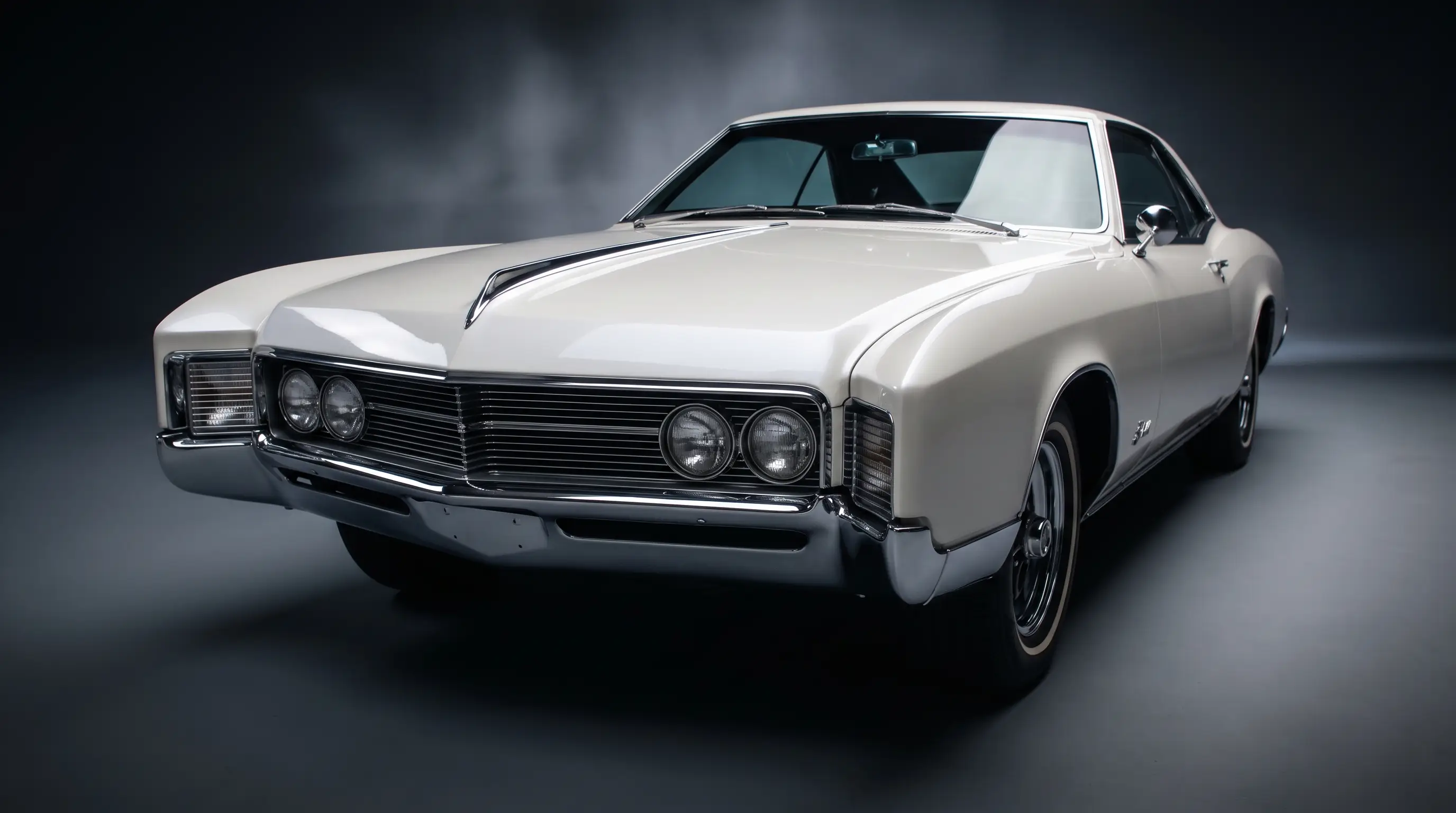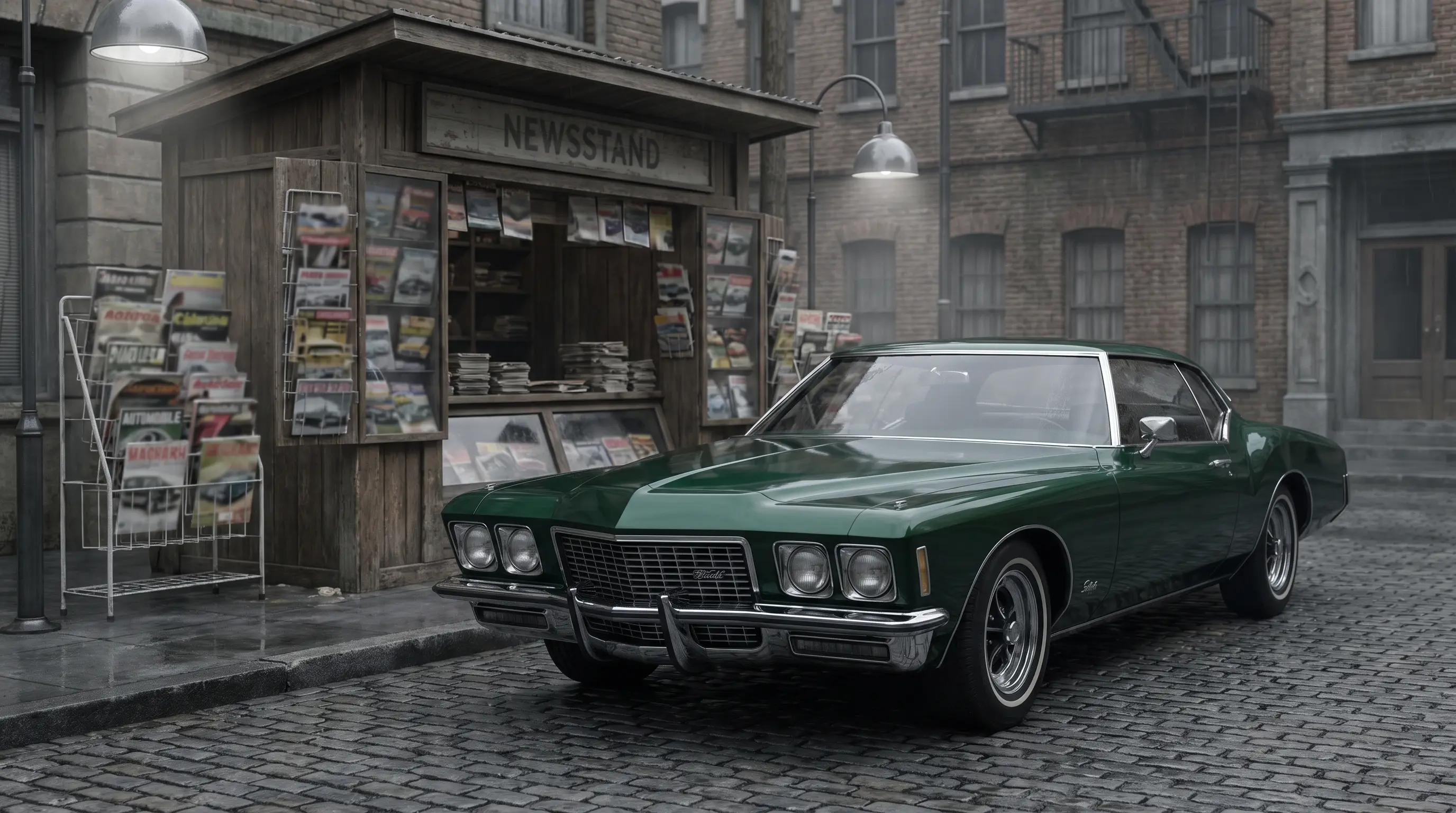
A road tester in 1965 climbed into a new Riviera fitted with the Gran Sport package expecting another soft, quiet Buick, and drove away writing something closer to a conversion story. That kind of reaction, repeated across enough magazine pages over the following years, built the buick riviera gs magazine legacy that still shapes how collectors talk about this car today. The press did not just cover the Gran Sport. In a real sense, the press helped make it.
A personal-luxury car that surprised the road testers
By 1965, automotive magazines had a well-worn script for personal-luxury coupes: comment on the styling, note the comfort features, mention the ride, and move on to the next car in for review that month. The Gran Sport Riviera broke that script. Testers who expected a Thunderbird rival with a fancier grille found instead a car that pulled hard from a stop, thanks to the 425 cubic inch Nailhead's dual-quad induction, and handled with more confidence than its size and weight suggested it should.
That surprise became the throughline of period coverage. Writers who covered muscle cars for a living, who had driven GTOs and Mustangs and Chevelle SS models all season, kept coming back to the same observation about the Riviera GS: it did not look like it belonged in that company, and yet here it was, holding its own. That contrast, elegant Buick styling wrapped around genuine performance hardware, gave magazine writers a story that was more interesting than another straightforward muscle car test.
Part of what made the coverage land was timing. By the mid-1960s, magazine readers had grown accustomed to a certain formula for muscle car stories, a quarter mile time, a top speed claim, a paragraph about the suspension, and a closing line about value for money. The Gran Sport Riviera did not fit neatly into that formula because it was not competing on price and it was not built for the drag strip. Writers had to reach for a different frame, one that acknowledged the car's luxury pretensions while still taking its performance seriously, and that tension produced some of the more thoughtful road tests of the era rather than another rote recitation of numbers.
Why the press narrative mattered to buyers
Magazine coverage in this era carried real weight with buyers who were cross-shopping personal-luxury coupes. A positive road test in a widely read publication did not just inform a purchase decision, it validated one, giving a buyer confidence that checking the GS option box was not a gimmick but a genuine upgrade backed by testers who had actually driven the thing hard. For a car competing against the Thunderbird's established reputation, that validation mattered more than it might for a car with a longer performance pedigree already.
The magazines also did something Buick's own advertising could not do as credibly: they compared the Gran Sport directly against its rivals under real driving conditions, and the Riviera held up. That kind of third-party endorsement is exactly what gave the GS package staying power in buyer's minds even after the initial model year excitement faded.
"Read enough period road tests back to back and you notice the same surprised tone every single time, like each writer expected to file the same soft-Buick story and instead found something with real teeth."
- Patrick Walsh
How that legacy shows up in the hobby today
Walk any Buick show today and you will hear owners quote period road tests almost verbatim, decades-old magazine lines repeated as a kind of oral history passed between enthusiasts who were not even alive when the original articles ran. That is the real measure of a magazine legacy, not that the coverage existed, but that it outlived its original news cycle and became part of how the car is understood generations later.
Collectors researching a potential purchase still dig up old road tests as part of their due diligence, looking for period-correct performance figures and details about how the car was originally equipped and marketed. Those articles function almost like supplementary documentation now, context that helps a buyer understand not just what the car is mechanically, but what it meant to the people covering the car when it was new.
Club newsletters have kept this tradition alive in their own way, reprinting old road tests for members who never had access to the original publications and adding annotations from owners who can speak to whether a given period claim still holds up on a real, driven example decades later. That kind of layered documentation, original magazine text plus modern owner commentary, gives the Gran Sport's legacy a depth that a lot of period performance cars never developed, because their coverage never got revisited with the same care.
Reading the full history
For readers who want the whole picture on how the Gran Sport package was engineered and marketed, that deeper history explains exactly why the press reacted the way it did. The magazine coverage was never happening in a vacuum, it was responding to real engineering decisions Buick made, and understanding those decisions makes the old road tests read even better today. If those old stories have you curious about actually owning a piece of this history, you can find a classic Riviera and see what is currently on the market.
Why this story still gets told
The Gran Sport's magazine legacy endures because it captures a genuine moment of surprise, professional road testers, jaded by a steady diet of muscle cars, encountering a Buick that actually delivered on a performance promise most of them did not expect it to make. That surprise, preserved in print and repeated by enthusiasts ever since, is as much a part of the Gran Sport's identity today as the dual-quad 425 sitting under the hood. Cars get remembered for what they did. This one also got remembered for how thoroughly it changed people's minds.
There is a lesson in that for how we think about automotive history more broadly. Sales figures and production numbers tell you what people bought. Magazine coverage tells you what people believed about a car at the moment it mattered most, before nostalgia and hindsight had a chance to reshape the story. The Gran Sport's press legacy survives because it was earned in real time, by writers with no reason to flatter a Buick, driving the car back to back against rivals that were supposed to make it look slow. It did not, and enough people wrote that down for the record to stick.