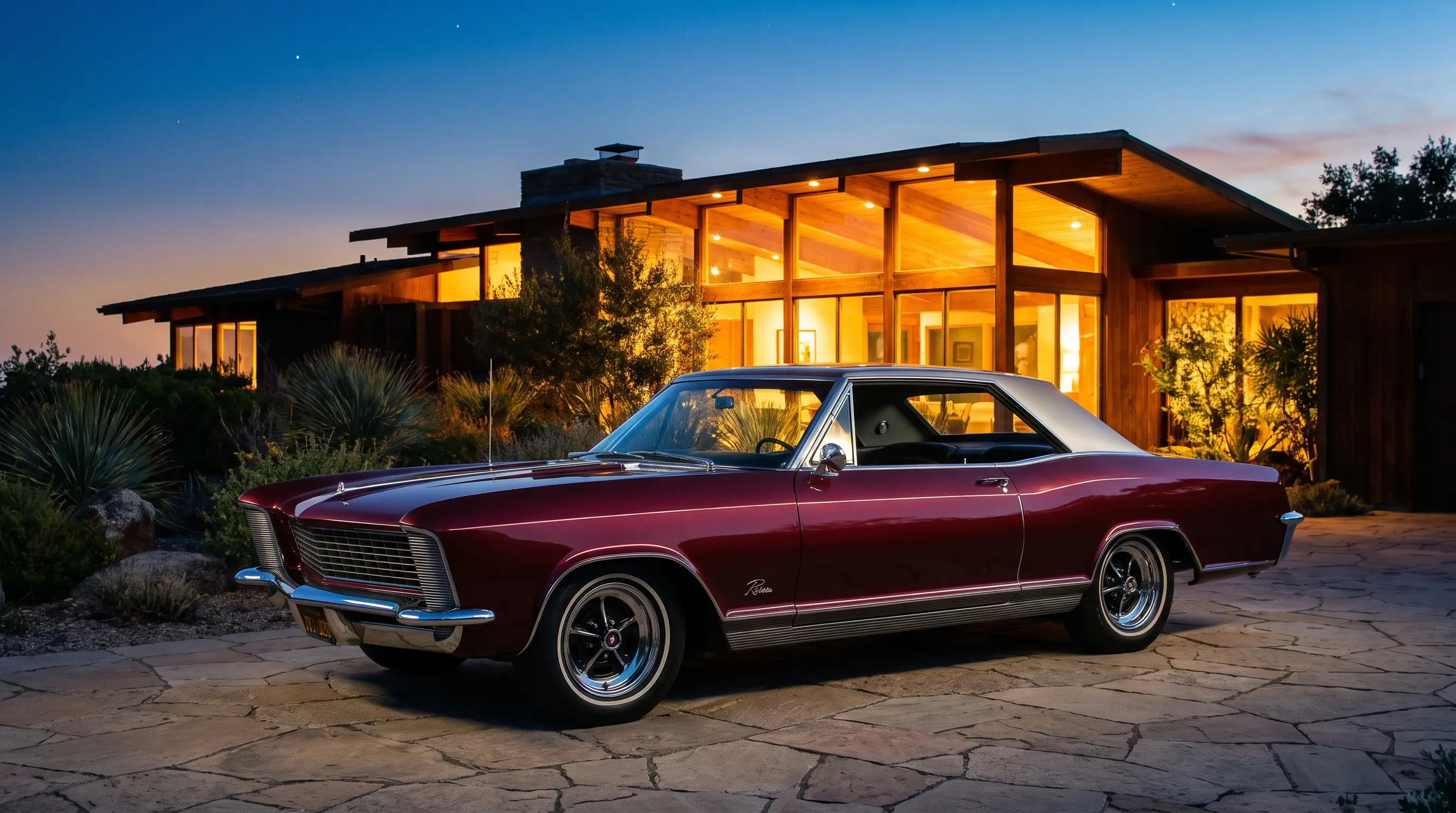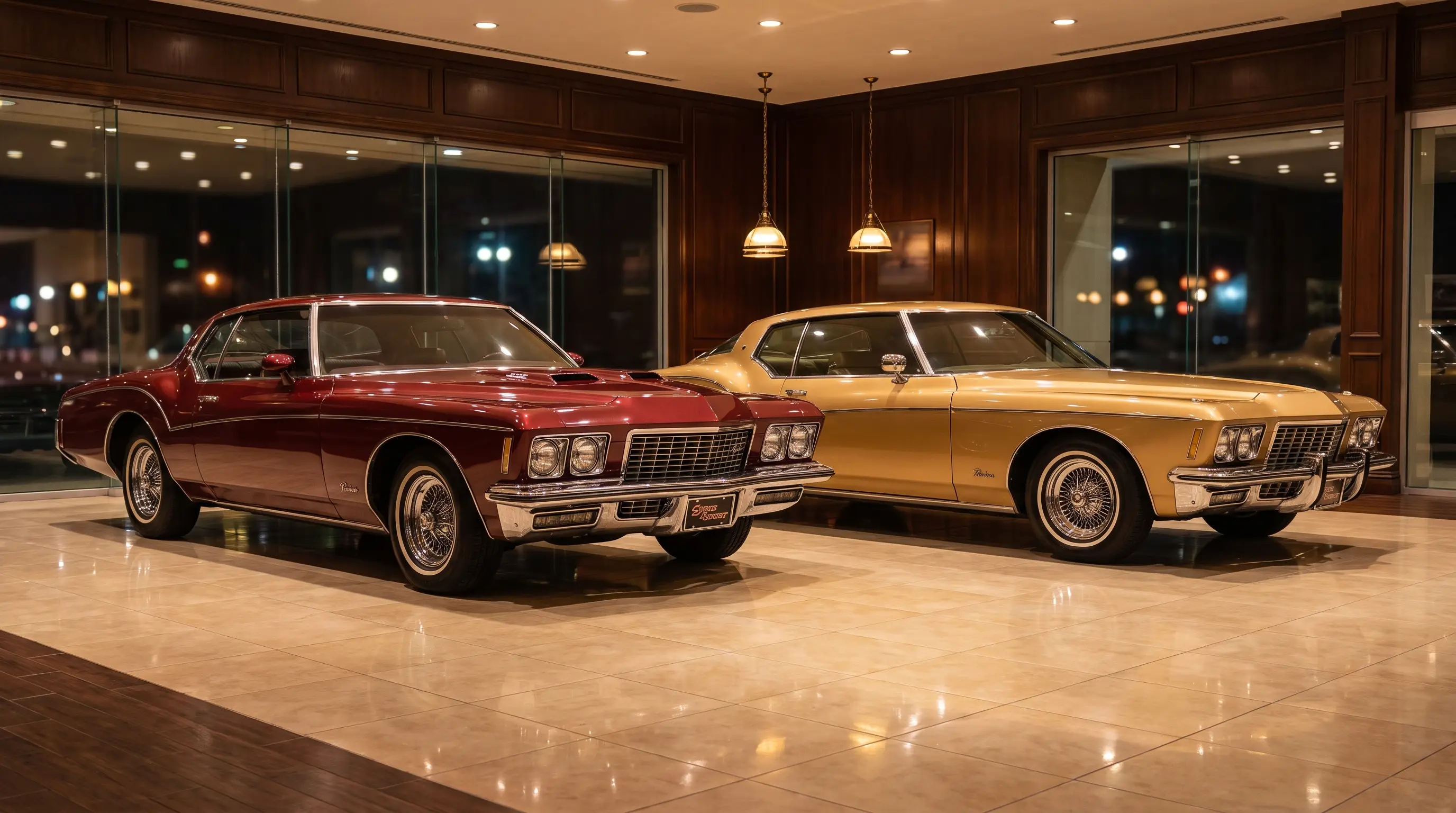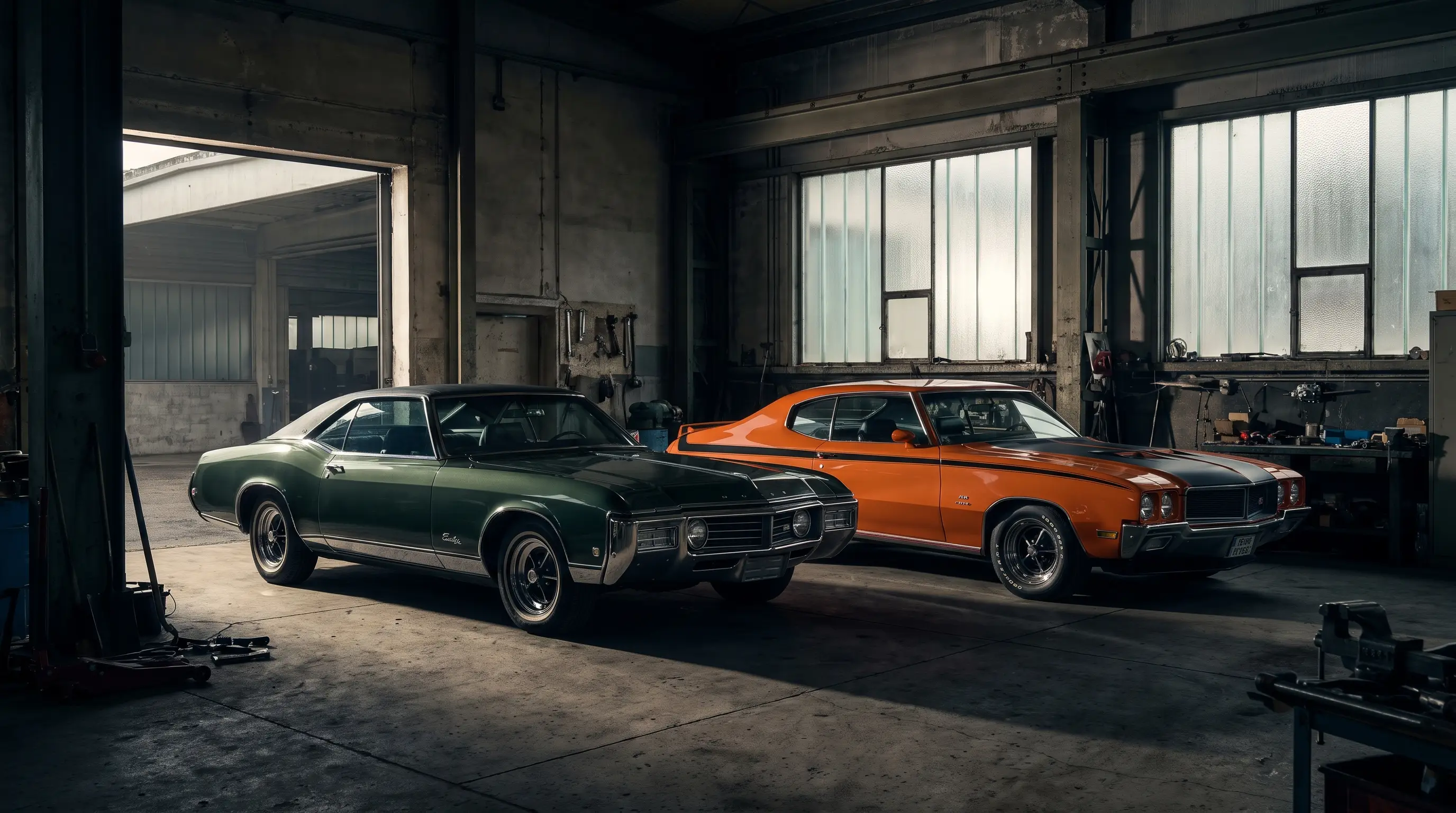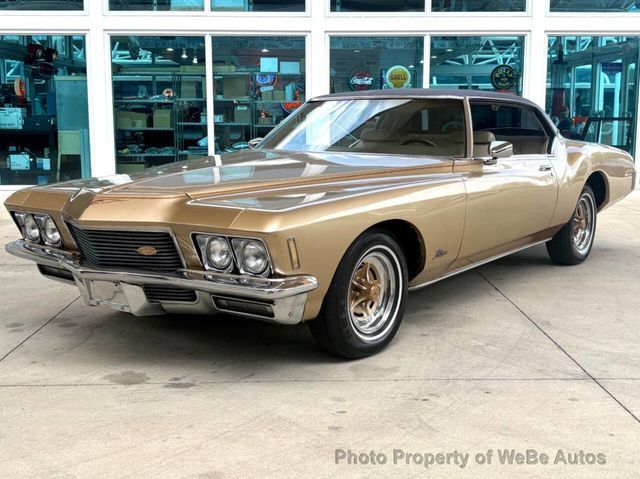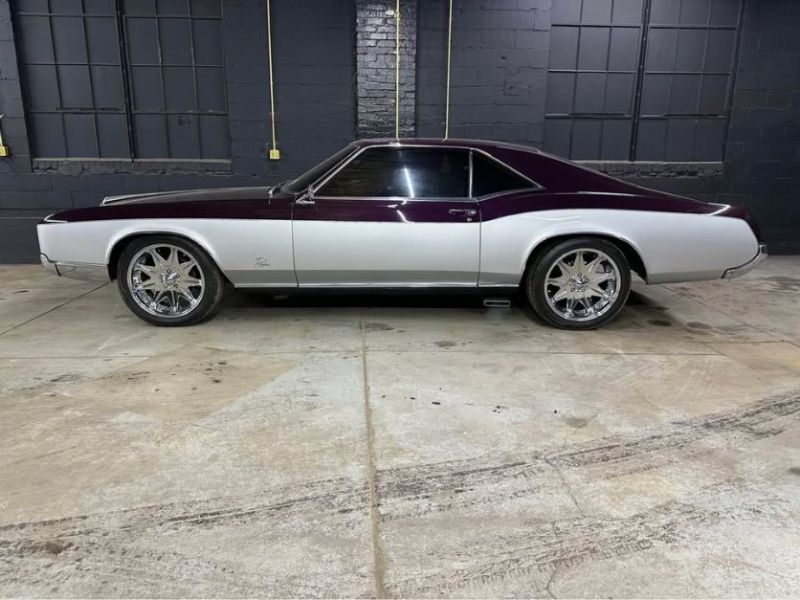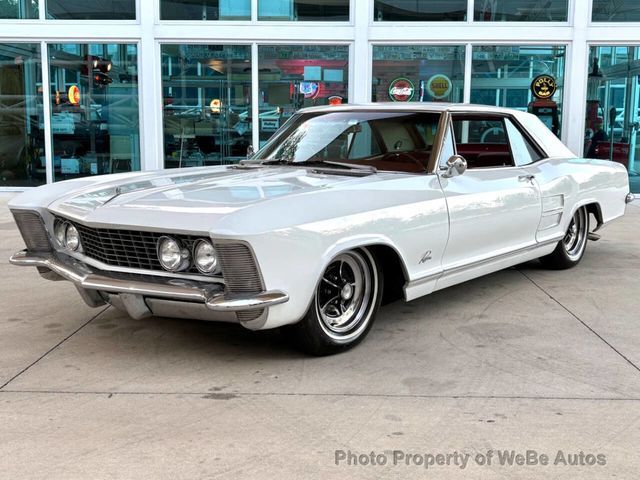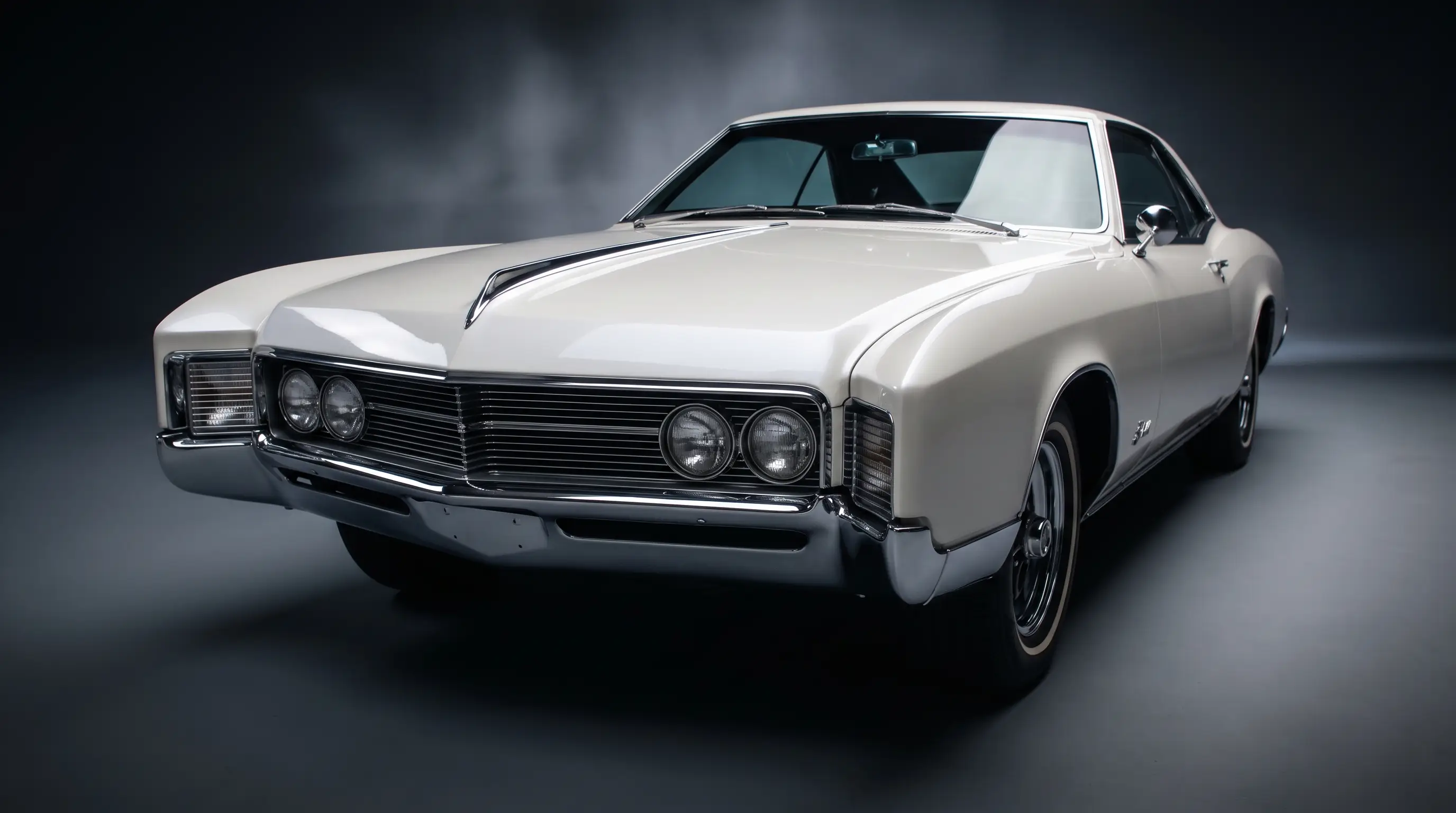
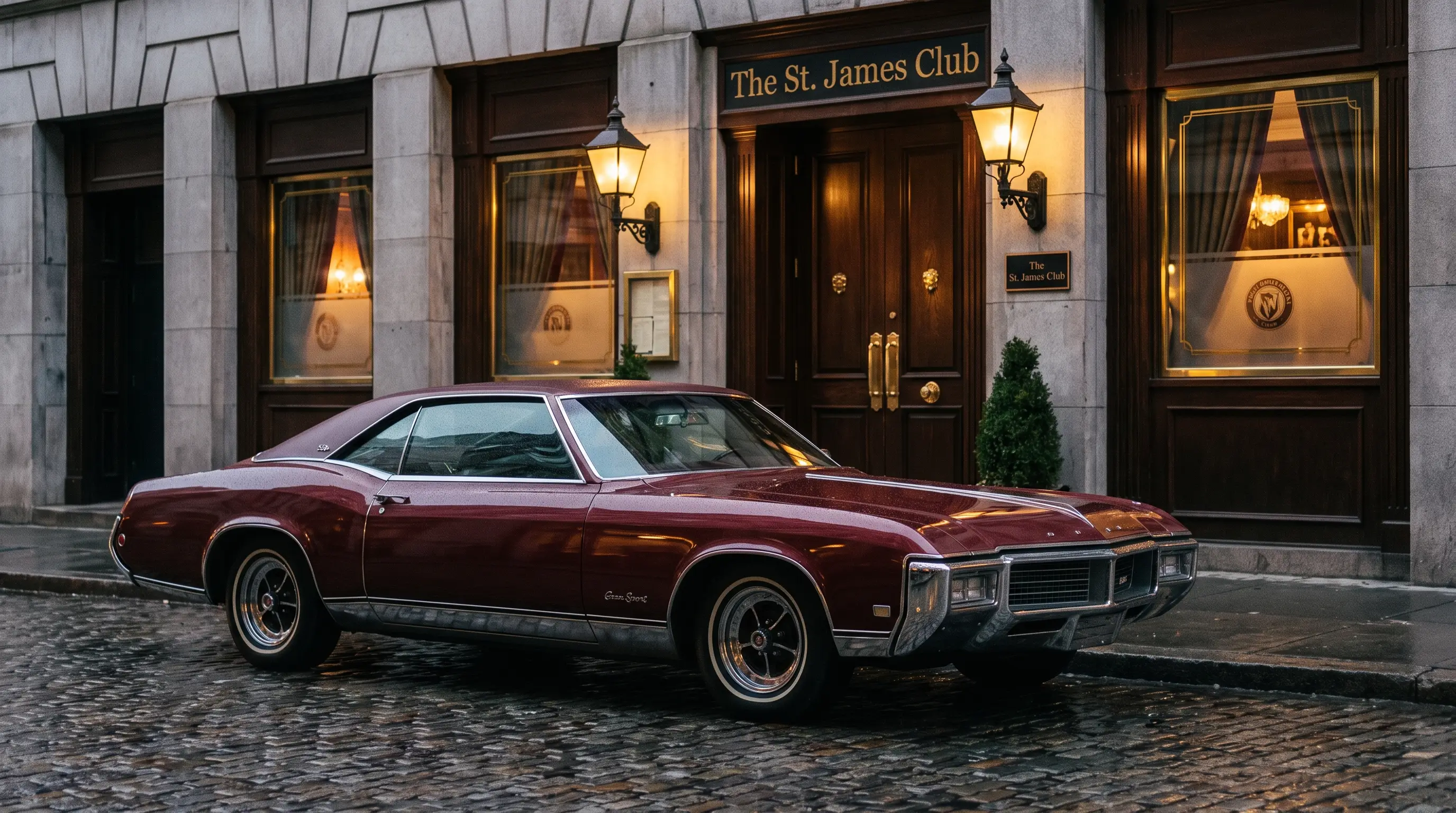
Look at auction results from the last decade and a pattern emerges around cars that do not fit neatly into one category. The buick riviera gs gentleman muscle theme is exactly that kind of car, and it consistently draws bids from two different types of buyers who rarely compete for anything else at the same sale. One wants the numbers. The other wants the leather seats and the styling. The Riviera GS gives both of them a reason to raise a paddle.
A category that did not exist by accident
Detroit built plenty of muscle cars in the 1960s aimed at one demographic, young buyers who wanted maximum power at minimum price and did not care much about ride quality or interior appointments. Buick took a different approach with the Riviera GS, layering genuine performance onto a car that was already positioned as a personal luxury flagship. That was a deliberate market position, not an afterthought, aimed at buyers who could afford both comfort and speed and did not see any contradiction in wanting them from the same car.
The data on who actually bought these cars new backs this up. Riviera buyers skewed older and wealthier than the typical intermediate muscle car buyer, and the GS package let Buick capture a slice of that customer base who still wanted some performance credibility without giving up the refined image the Riviera had built. It is a market segmentation decision that reads as obvious in hindsight, and one that few other manufacturers executed as cleanly in the same era.
Why the collector market rewards the combination
Pure muscle cars and pure luxury cars from this period both have deep, well established collector bases with clear pricing benchmarks. A car that credibly sits in both categories at once is rarer, and rarity in a hobby this mature tends to translate into value that holds up better across market cycles. When muscle car values dip because a particular nameplate falls out of fashion, a gentleman's muscle car like the Riviera GS has the luxury segment underneath it as a floor. When luxury car interest cools, the performance credentials give it a separate audience to fall back on.
That dual audience is not a guarantee against price swings, and buyers should not treat any classic car as a pure investment vehicle. But anecdotally, auction watchers and marque specialists often note that cars straddling two collector categories tend to hold buyer interest more consistently than cars that appeal to only one narrow buyer profile. That perceived resilience is a real part of why serious collectors keep an eye on well documented GS examples even when the broader muscle car market is soft.
What separates a good buy from an overpriced one
The gentleman's muscle car premise only holds up if the actual car in front of you delivers on both halves of the promise. A GS with a rough interior and mismatched trim is not commanding a luxury premium no matter how strong the drivetrain is. Likewise, a beautifully restored car missing its performance documentation is competing purely in the standard Riviera market, not the GS market, regardless of what the seller calls it. Buyers who understand this dual identity price these cars more accurately than buyers chasing either the muscle car story or the luxury story alone.
My advice to anyone shopping this segment is straightforward: weight documentation heavily, weight cosmetic condition heavily, and treat any car missing one half of the equation as a car in the wrong price bracket for what it is actually offering. A genuine, documented GS in strong cosmetic condition is not a common find, and pricing should reflect that scarcity rather than splitting the difference between two categories the car does not fully occupy.
How this compares to its closest rivals
A handful of other manufacturers flirted with the same idea, a personal luxury coupe carrying real performance underneath, but few committed to it as consistently across an entire model run. Some competitors offered a performance option as a one year experiment before quietly dropping it. Buick kept the GS concept alive across multiple Riviera generations, refining the formula rather than abandoning it, which gives the nameplate a continuity that shorter lived competitors cannot claim. That continuity matters to collectors because it means there is a real developmental story to follow across model years, rather than a single isolated variant that existed in a vacuum.
It also means comparison shopping across the segment involves more layers than a simple year over year price chart. A 1965 GS and a 1970 GS are answering slightly different market conditions and carrying different drivetrains, and buyers who understand that context tend to make better decisions about which specific year fits their goals, whether that is period correct nailhead character or the added torque of the later big block years.
The long term outlook for this segment
Collector interest in cars that defy simple categorization tends to grow over time rather than shrink, as newer generations of buyers come to the hobby less attached to the rigid categories that defined the original marketing decades ago. A car described only as a muscle car or only as a luxury car increasingly reads as one dimensional to buyers who grew up after both categories had already blended in the broader culture. The Riviera GS, built specifically to bridge that gap, is well positioned for exactly that shift in buyer taste.
None of this changes the fundamentals of buying well. Condition, documentation, and originality still drive value more than any narrative about market positioning ever will. But understanding why this car occupies the space it does helps explain both its historical pricing patterns and its likely trajectory going forward. If you want the fuller story behind the Gran Sport badge that created this category in the first place, you can find the full story and see exactly how Buick built the case for it.
"The market rewards cars that answer two questions instead of one. The Riviera GS answers both, and that's exactly why it holds value better than people expect."
- David Mercer
If this dual identity has you thinking about adding one to a collection, you can go browse classic Riviera listings and see how current asking prices reflect exactly the dynamics described here.