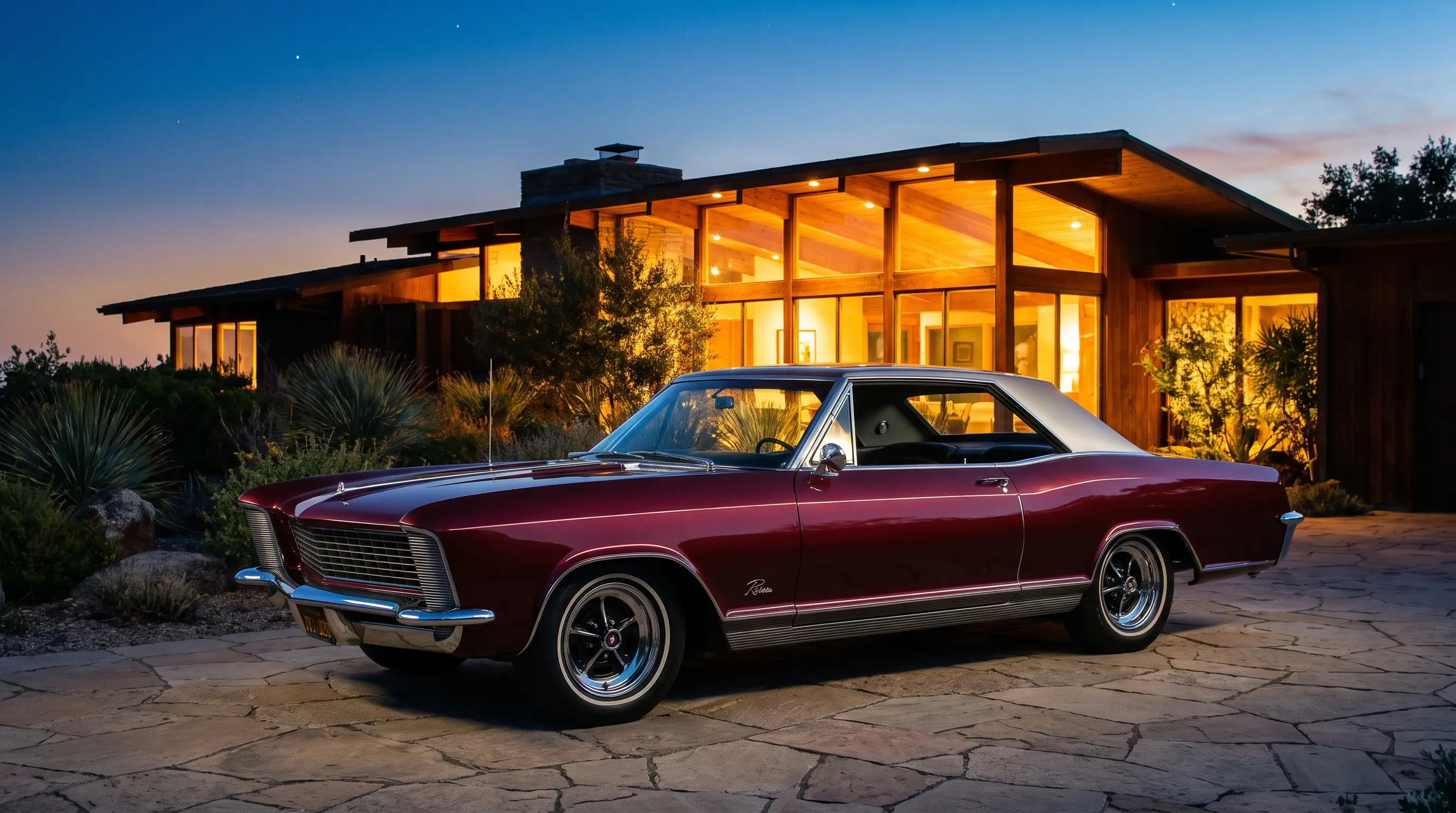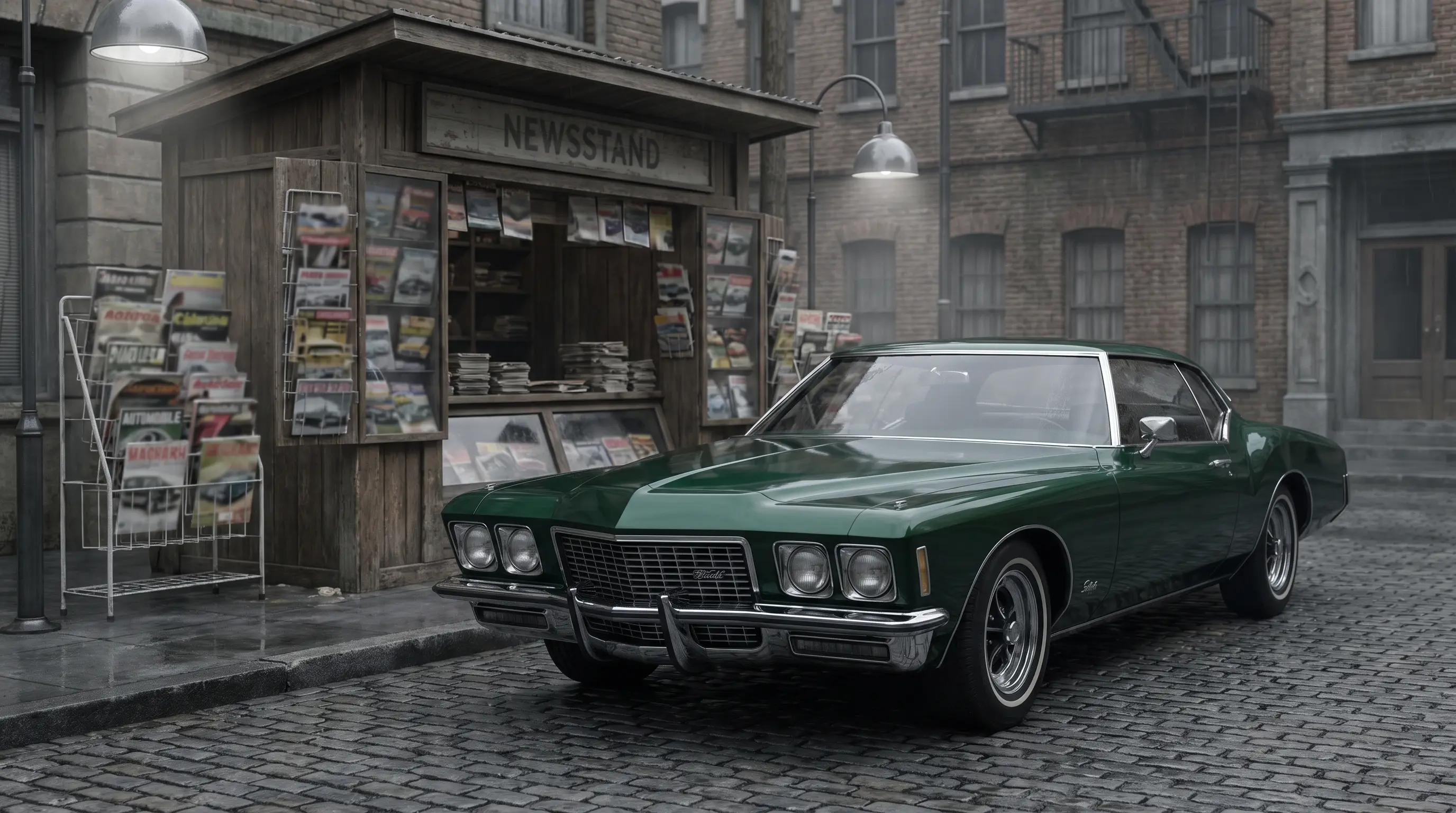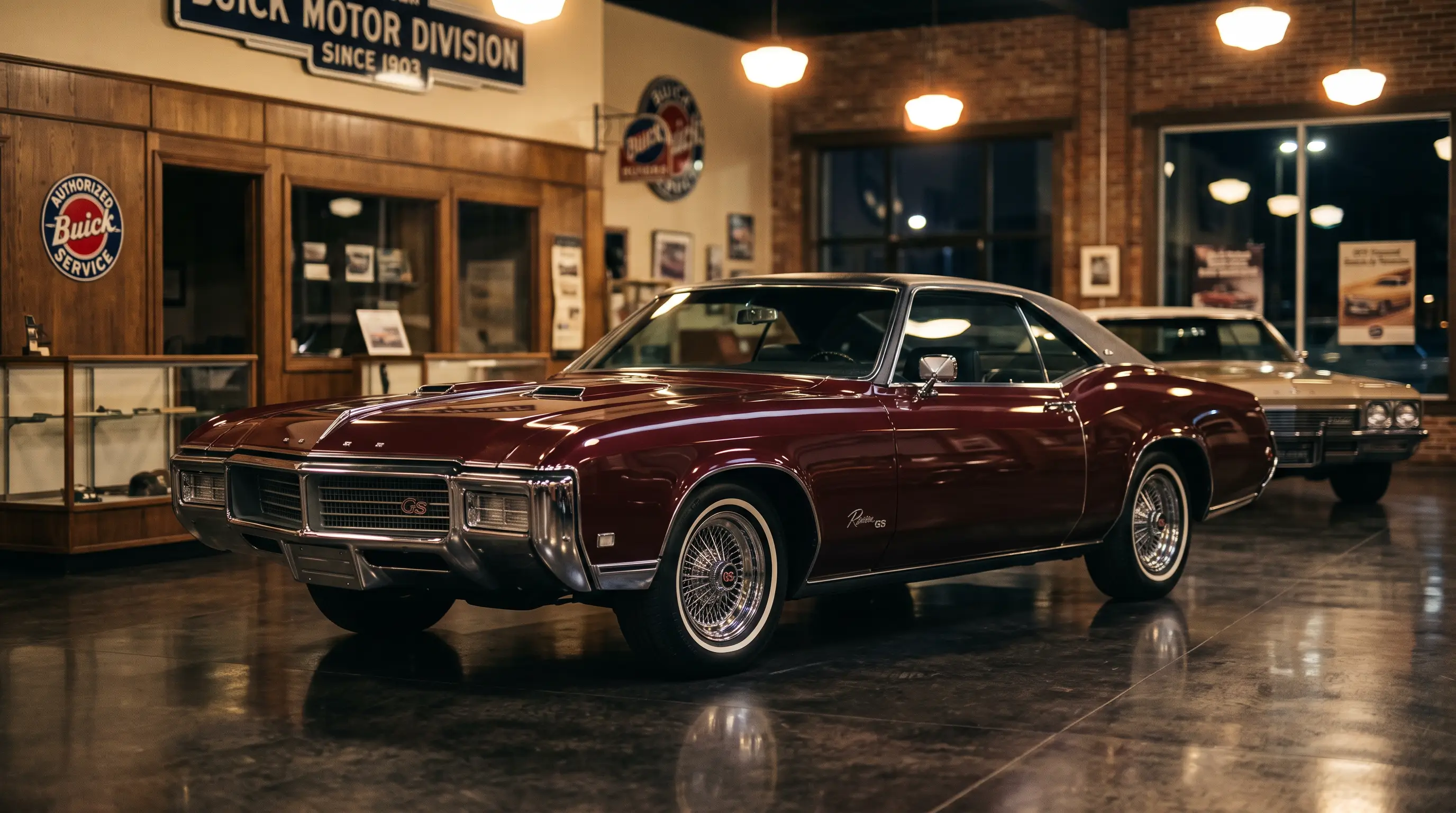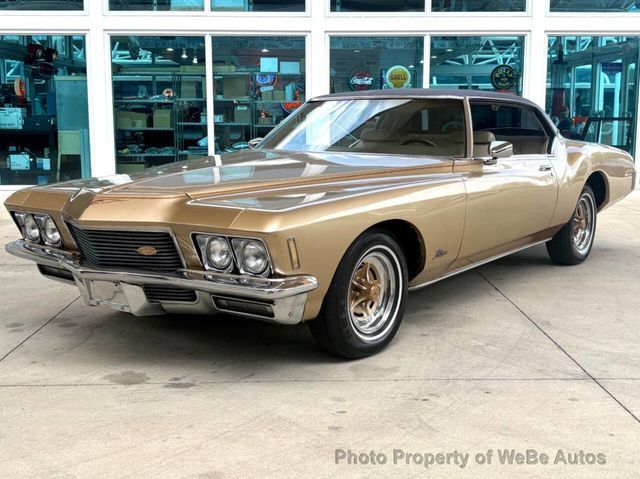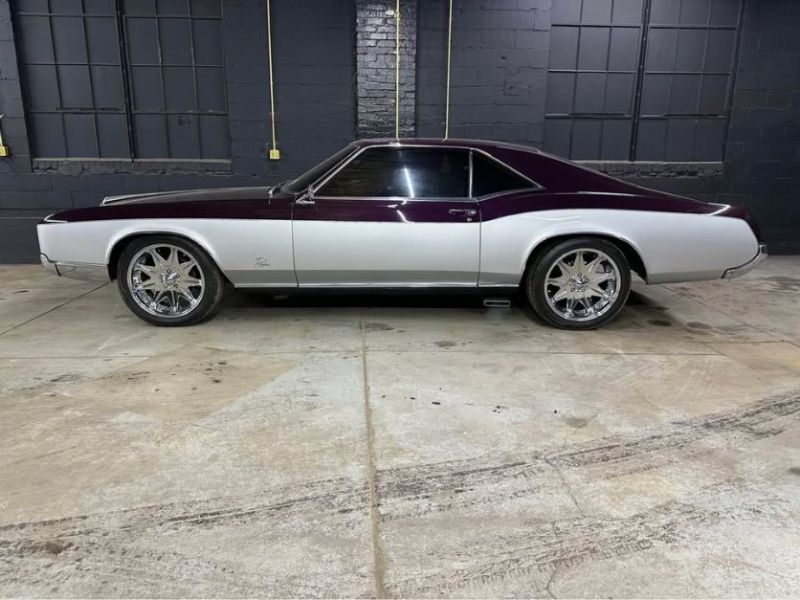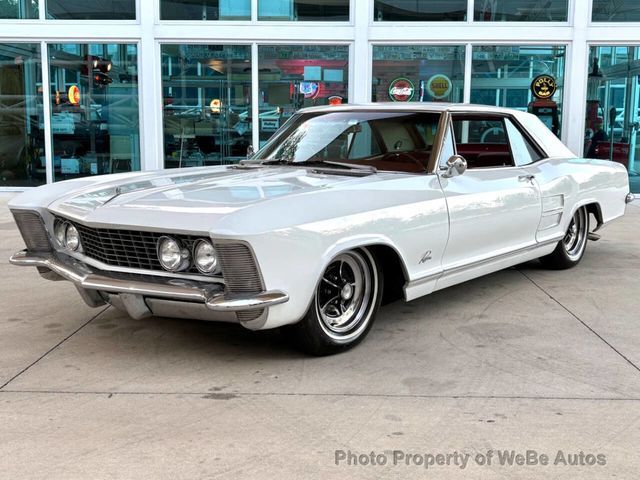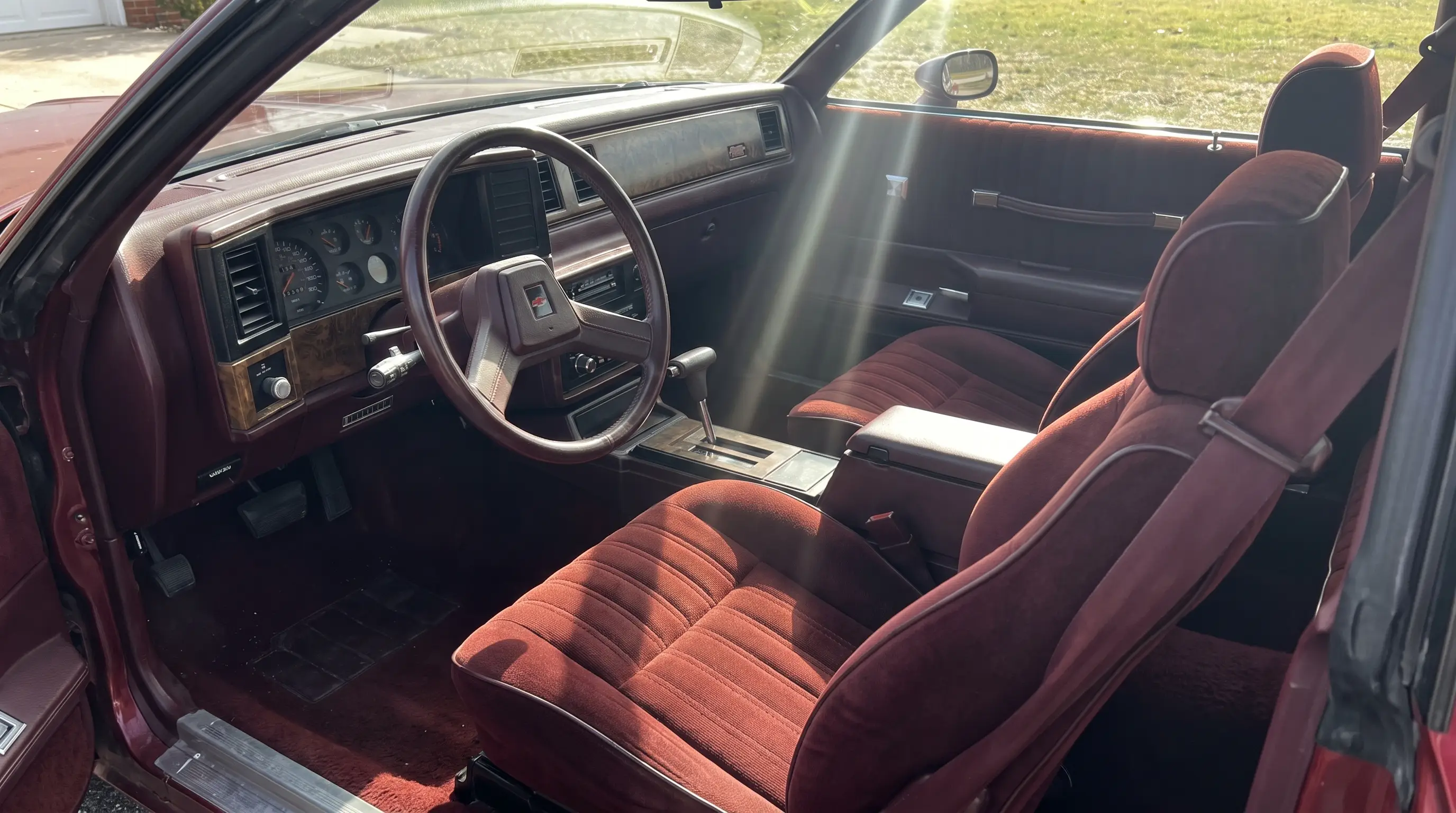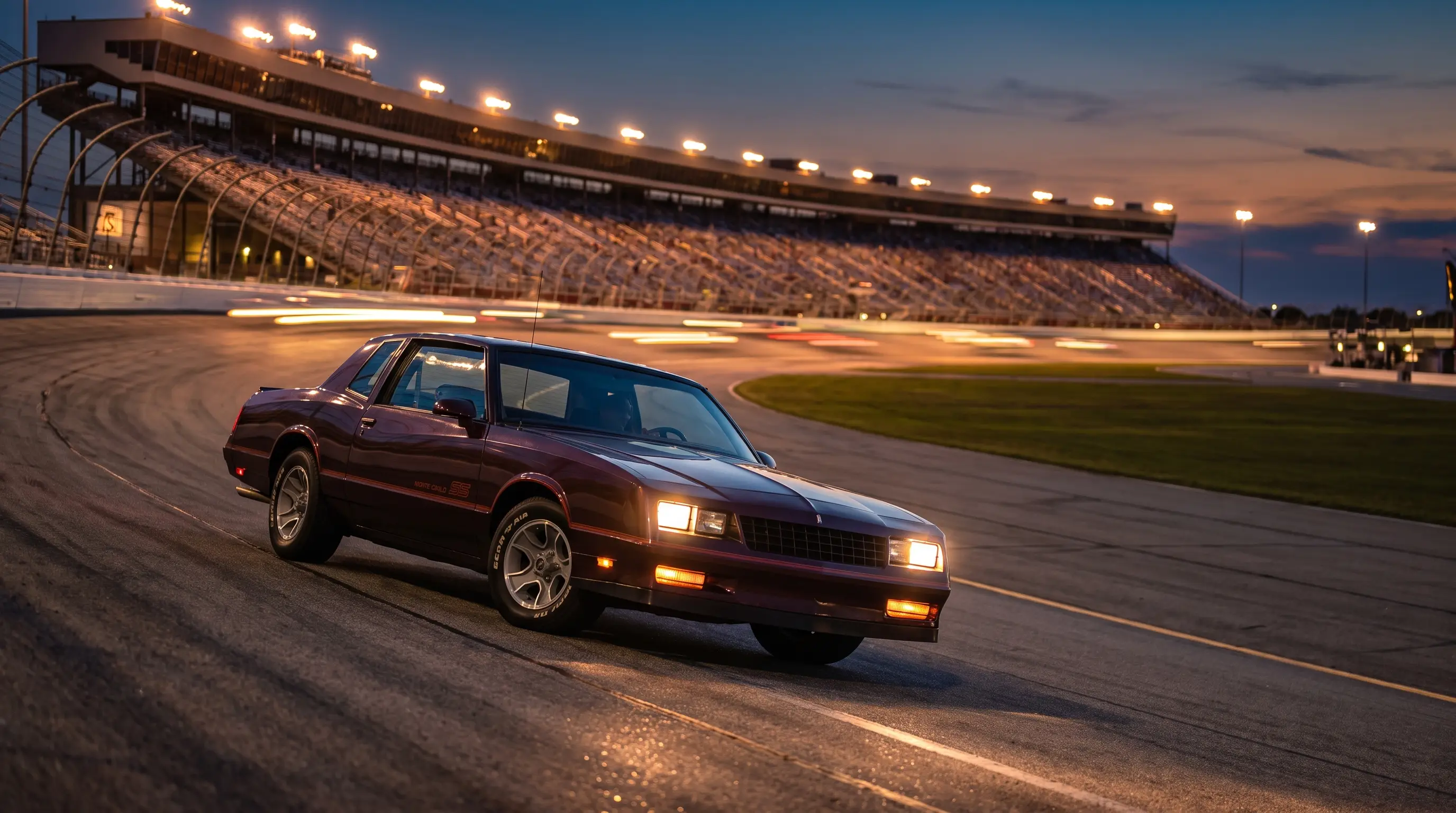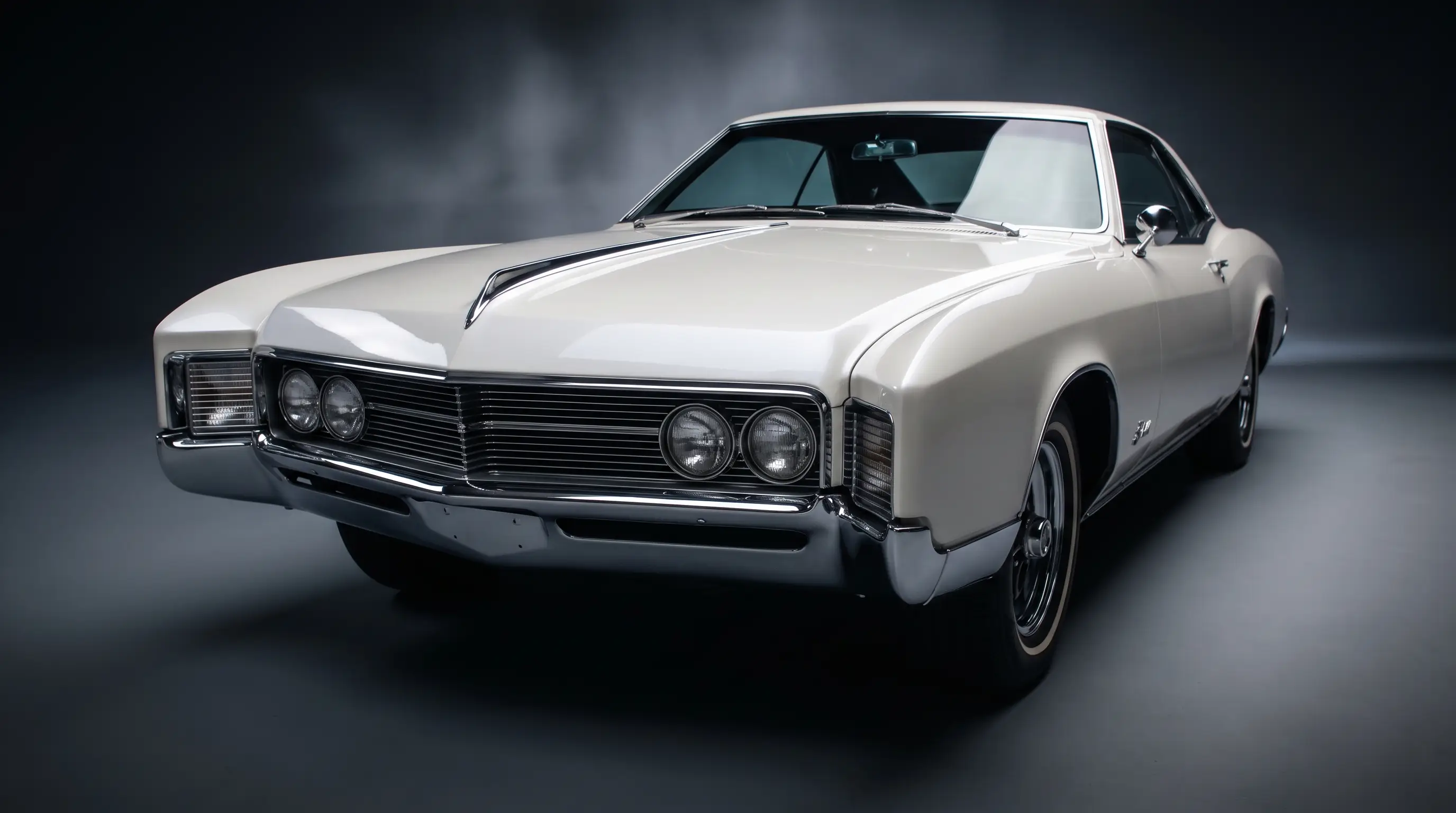
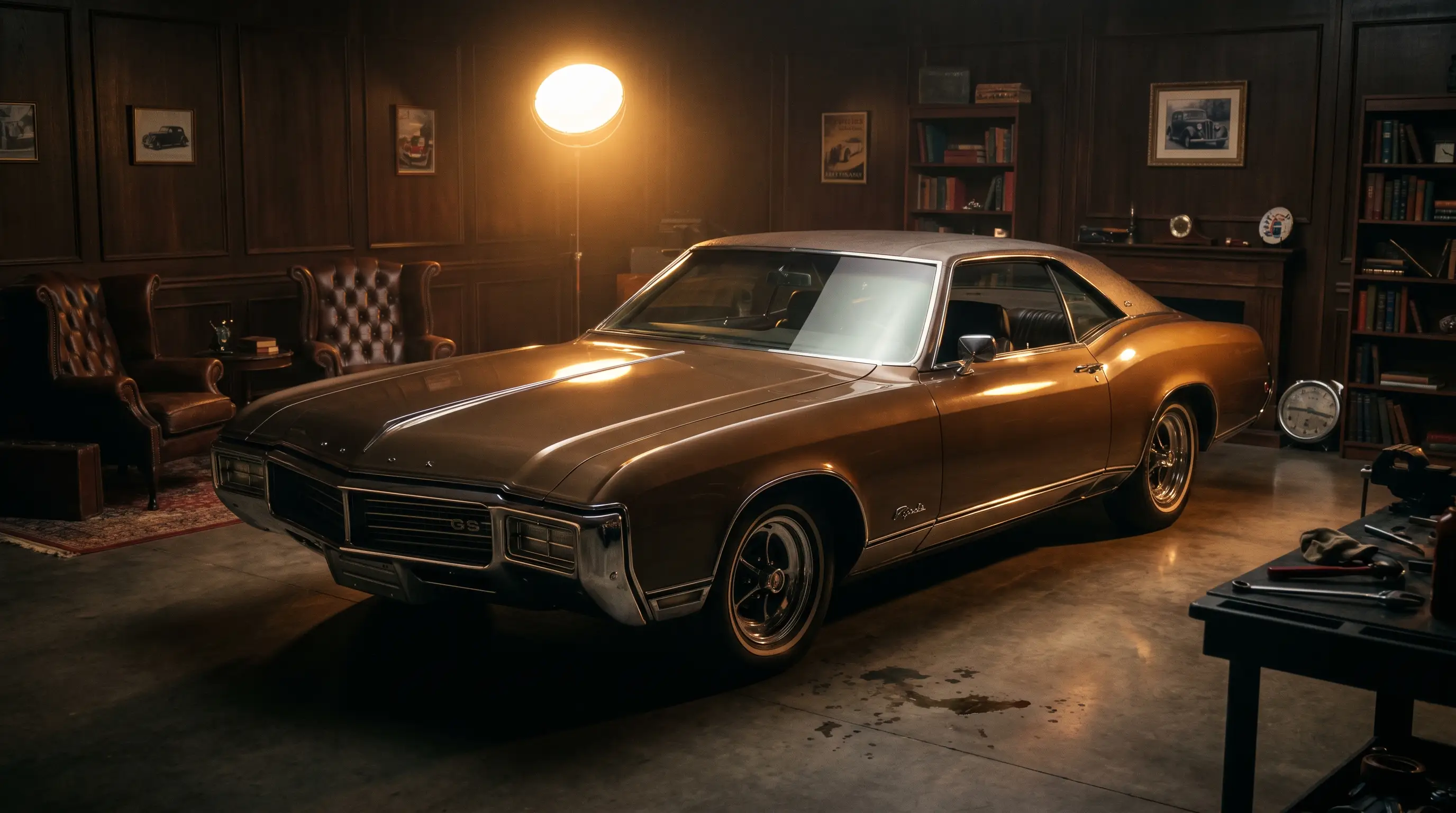
There is a difference between admiring a Gran Sport at a car show and actually living with one, and buick riviera gs owning the badge is really a question about that second thing. Buick's own period advertising pitched the Gran Sport as "an iron fist in a velvet glove," and after years around these Rivieras, I can tell you the line earns itself every single time you turn the key. Owning one means signing up for both halves of that phrase, the velvet and the iron, and understanding neither one works without the other.
What you are actually signing up for
A Gran Sport is not a weekend trailer queen by design, even though plenty of surviving examples end up treated that way today. Buick built this car to be driven, to combine genuine comfort with genuine performance in a package a buyer could use every day if they chose to. Owning one properly means respecting both sides of that intent, not babying the car into a static museum piece and not thrashing it like a disposable muscle car either.
That means regular exercise of the dual-quad carburetion, which does not like sitting unused for months at a time. It means understanding the cooling system limitations of a big Nailhead in stop-and-go traffic on a hot day. It means accepting that parts sourcing for GS-specific pieces, the correct carburetors, the specific suspension components, takes more patience than parts hunting for a more common muscle car, because Buick simply built fewer of these than Pontiac built GTOs.
There is also the question of insurance and storage that new owners underestimate. A documented Gran Sport carries enough value now that agreed-value classic car policies make far more sense than standard coverage, and finding an insurer who understands what the car actually is, rather than treating it as a generic old Buick, takes a bit of shopping around. Storage matters too. A car this specific deserves a dry, climate-stable space, not because it is fragile in any dramatic sense, but because the small stuff, wiring insulation, rubber seals, interior materials, ages faster in a damp garage than most owners expect.
The maintenance reality nobody advertises
Every classic car owner learns eventually that the parts that get you into trouble are rarely the glamorous ones. On a Gran Sport, it is not the engine internals that cause the most headaches, Nailhead bottom ends are famously tough. It is the peripheral systems, the dual-quad linkage staying properly synchronized, the electrical system handling the extra load of factory options, the brake system doing its honest best against a heavy car with no power assist on many original examples.
None of this is unmanageable. It is simply the price of admission for owning something this specific, this early, and this rare relative to the broader muscle car field. A GS owner who accepts that reality going in tends to have a much better relationship with the car than one who expects it to behave like a modern daily driver with a period body on top.
"Own a Gran Sport long enough and you stop thinking of maintenance as a chore. You start thinking of it as the toll you pay to keep that iron fist swinging."
- Mike Sullivan
Where the ownership community actually helps
This is one area where being part of the Buick hobby pays off directly. Owners of these specific cars have spent decades documenting exactly which parts fail, which suppliers can actually reproduce GS-specific components correctly, and which shortcuts other owners have tried and regretted. A new owner who taps into that knowledge base early saves themselves years of trial and error that previous generations of GS owners already worked through the hard way.
Buick clubs specifically, rather than general muscle car forums, tend to have the deepest knowledge here, because Gran Sport ownership is a narrow enough niche that the people who care about it tend to know each other, trade parts with each other, and share diagnostic notes freely. That community is arguably as valuable an asset to a new owner as the shop manual itself.
Regional Buick club meets are worth the drive for exactly this reason. Sitting next to another Gran Sport owner who has already solved the carburetor synchronization headache you are currently fighting saves real time and real money, and it builds the kind of relationship that pays off again the next time something unexpected comes up. Muscle car ownership in general rewards patience. Gran Sport ownership specifically rewards patience combined with a willingness to ask other owners for help instead of guessing alone.
Getting started the right way
If you want where this started, the history of how the Gran Sport package came to exist explains a lot about why certain components were built the way they were, which in turn helps explain why they fail the way they do decades later. And if you are ready to actually take one on, you can shop classic Riviera listings to see what condition and documentation level is currently available.
Is it worth the trouble
Every GS owner I have talked to, myself included, answers this the same way. Yes, without much hesitation, but with a clear-eyed understanding of what the yes actually costs. This is not a car for someone who wants effortless classic car ownership with no surprises. It is a car for someone who wants a specific kind of driving experience, torque-heavy, composed, distinctly Buick, and is willing to put in the work that keeps a fifty-plus-year-old dual-quad Nailhead running the way it was designed to run. For the right owner, that trade is an easy one to make, and it is exactly why so many Gran Sport owners end up keeping their cars for decades rather than flipping them after a season or two.
I have seen owners sell nearly every other car in a collection before they sell their Gran Sport, and when I ask why, the answer is almost always some version of the same thing. Other cars in the garage were bought as investments or as projects. The GS was bought because it does something none of the others quite do, delivering real performance inside a genuinely comfortable, genuinely well-built luxury coupe. That combination is rare enough in this era of Detroit history that once an owner has lived with it, replacing it with something else feels like a downgrade, whatever the spec sheet on the replacement might claim.