
In November of 1971, a red Ferrari Daytona pulled out of a parking garage on the west side of Manhattan and did not really stop until it reached the Pacific Ocean. Behind the wheel, trading shifts, were a magazine writer named Brock Yates and a Formula One driver named Dan Gurney. Thirty five hours and fifty four minutes later they rolled into a hotel parking lot in Redondo Beach, California, and a piece of outlaw folklore was born. That was the Cannonball, and nothing about American road racing lore has ever quite matched it.
Car Features
6 min read
The Cannonball and Outlaw Road Racing Lore
The cannonball run history, from Brock Yates and Dan Gurney's 35-hour Ferrari dash to the outlaw legend that turned the American interstate into a racetrack.
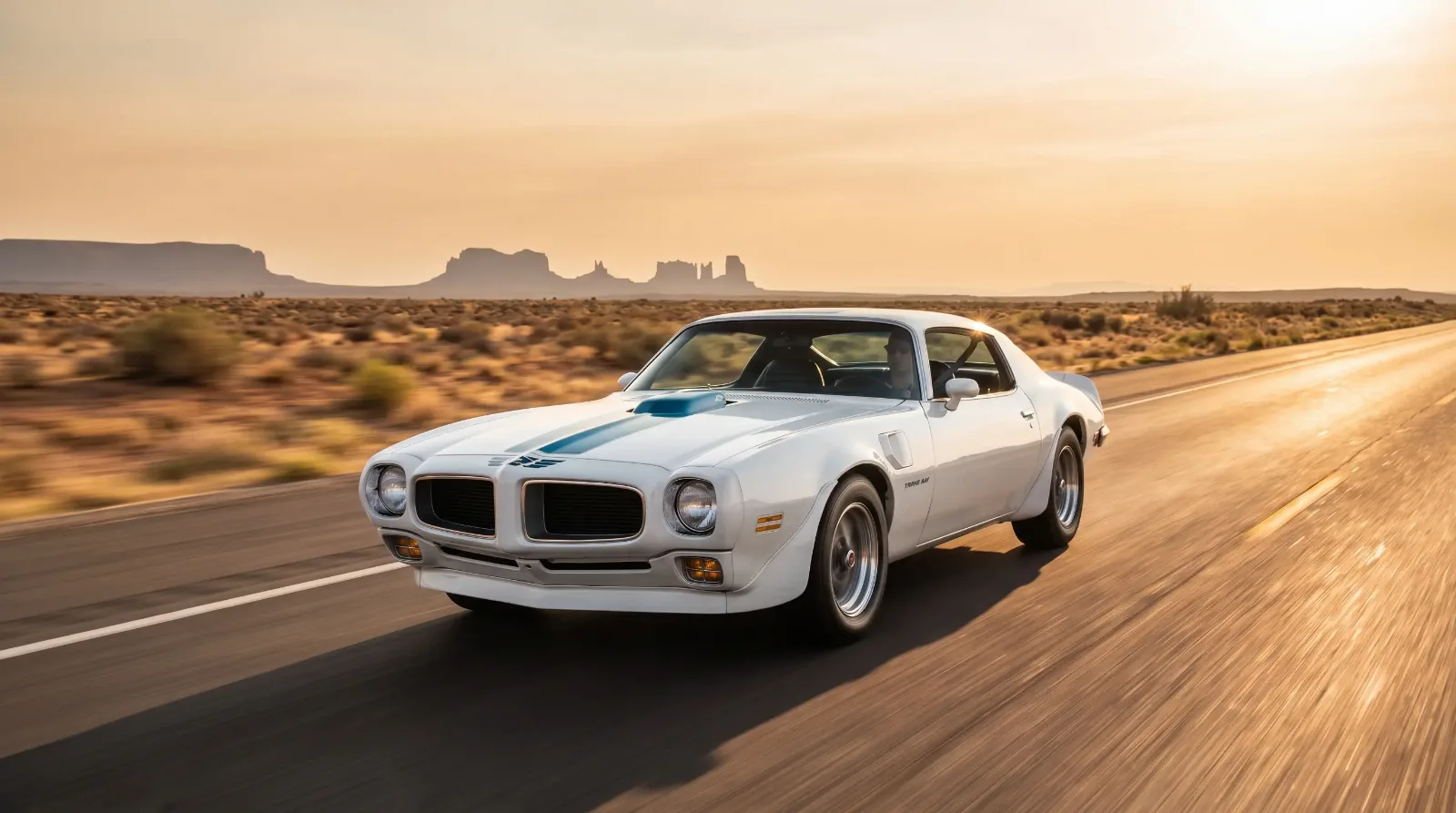
The full name was a mouthful, the Cannonball Baker Sea-to-Shining-Sea Memorial Trophy Dash, and understanding the cannonball run history means understanding that it was never really a race in the sanctioned sense. It had no officials, no course marshals, no rules to speak of beyond one. Leave New York, reach the coast, and do it faster than anyone else foolish enough to try.
The man it was named for
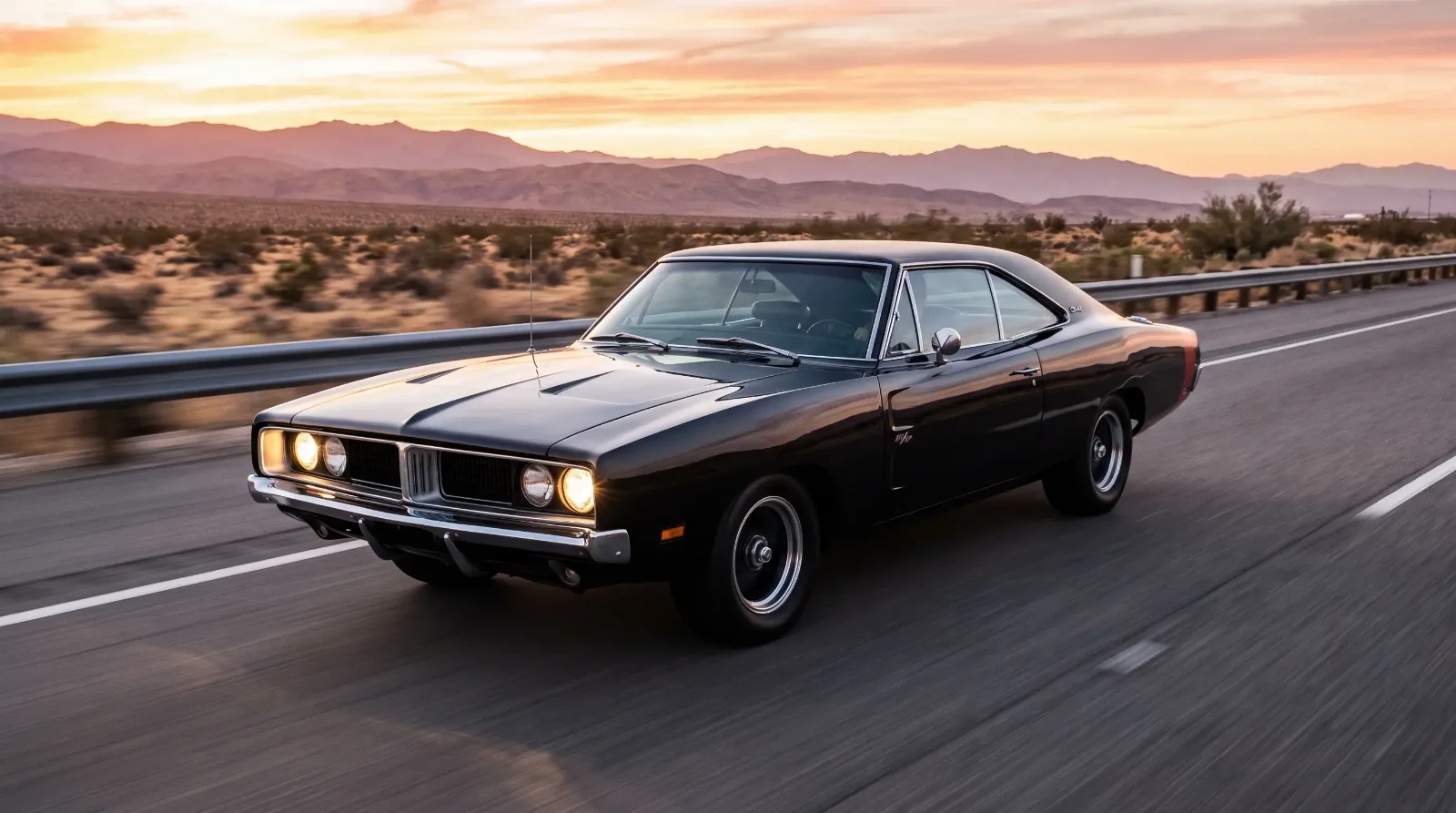
The Cannonball took its name from Erwin George Baker, a cross-country driving legend who set dozens of point-to-point records in the early part of the twentieth century, back when a coast-to-coast run meant dirt roads, no gas stations for hundreds of miles, and a real chance of not making it. Baker earned the nickname honestly, and by the time Yates borrowed it, the name already carried the weight of American distance-driving myth.
Yates was an editor at Car and Driver, and he cooked the idea up with fellow editor Steve Smith. Part of it was a celebration of the interstate highway system, that great ribbon of concrete that had knit the country together. Part of it was a protest, a raised finger at the wave of speed limits and traffic laws closing in on American drivers at the time. And a big part of it, honestly, was that it sounded like the most fun a person could have with a full tank of gas.
The run that started it all
There was a trial run first, earlier in 1971, when Yates drove a Dodge van across the country to prove the thing could be done and timed. But the run people remember is the November race, the first with real competition, and the one Gurney and Yates won in a Ferrari borrowed from a dealer named Kirk White. The story goes that when a reporter asked Gurney whether they had broken any speed limits, the racer answered that at no time did they exceed 175 miles an hour. Whether that number was literal or a wink, it set the tone for everything the Cannonball would become.
The event ran a handful of times through the decade, each one a little more elaborate, a little more legendary. The route stayed roughly the same, out of the Red Ball Garage in Manhattan and across the country to the Portofino Inn on the water in Redondo Beach. The cars and the crews changed. The spirit did not.
| Detail | The Cannonball |
|---|---|
| Full name | Cannonball Baker Sea-to-Shining-Sea Memorial Trophy Dash |
| Created by | Brock Yates and Steve Smith of Car and Driver |
| Named for | Erwin "Cannonball" Baker, cross-country record holder |
| Route | Red Ball Garage, New York City to Portofino Inn, Redondo Beach |
| First winning time | 35 hours 54 minutes, Gurney and Yates, Ferrari Daytona |
| Years run | Five times between 1971 and 1979 |
Why it captured everyone
What made the Cannonball stick was not the speed. Plenty of things go fast. It was the characters. Yates gathered a rolling cast of racers, magazine writers, and assorted gearheads who treated the whole continent as a private racetrack and the trip as a shared dare. There were disguised cars, ambulances with no patient, teams who slept in shifts and lived on coffee and adrenaline. Some crews studied maps for months and plotted fuel stops like a military campaign. Others just filled the tank, pointed the nose west, and figured it out on the fly. Everybody who ran it came home with a story, and the stories were always better than the finishing times.
The muscle car era gave the Cannonball its soundtrack. This was the age of big American engines and cheap gas right before the fuel crisis changed everything, when a fast car and an open interstate felt like a birthright. The event drew on the same restless energy that filled the drag strips, and you can trace that whole culture in the drag racing history breakdown that runs alongside this outlaw tradition. One crowd raced the quarter mile. The other raced the map.
"The Cannonball was never really about the clock. It was about a handful of people deciding the whole country was the finish line and daring each other to go get it."
Patrick Walsh
The legacy on the road today
The original event ended after 1979, partly because the roads got more crowded and the risks got harder to wave away. But the idea never died. It lives on in the coast-to-coast record attempts that still happen quietly, in the reunion gatherings where the old crews swap the same stories, and in every road trip that treats a long empty highway as an invitation rather than a chore. The Cannonball turned the American interstate into a stage, and that stage never really closed.
The men who ran it came out of a car culture that prized nerve and machinery in equal measure, the same culture that built the muscle cars in the first place. To understand where that fearless streak came from, it helps to read the full story of how Detroit and the drag strip taught a generation to chase speed at any cost. The Cannonball just pointed that same appetite west and let it run.
Related Reading
Have a
Classic Car
for Sale?
Reach thousands of serious classic car collectors across the US.
Sell It Here →
Are You a Classic Car Dealer?
List your full inventory and connect with targeted classic car buyers.
Join as a Dealer →
About the author
Patrick Walsh
Automotive journalist covering classic car shows, events, and the enthusiast community across North America.
Comments
Be the first to comment on this article.