
For most of their lives, classic muscle cars were built to do one thing well and everything else badly. They went fast in a straight line, stopped when they felt like it, and cornered like a mattress on a shopping cart. That was the deal, and for decades nobody argued with it. Then a generation of builders looked at a 1969 Camaro and asked a heretical question. What if it could turn?
Car Features
6 min read
Autocross and Pro-Touring Muscle Today
How pro touring muscle cars taught classic American iron to corner, from the term's 1998 origin to autocross, Goodguys and the OPTIMA Invitational.
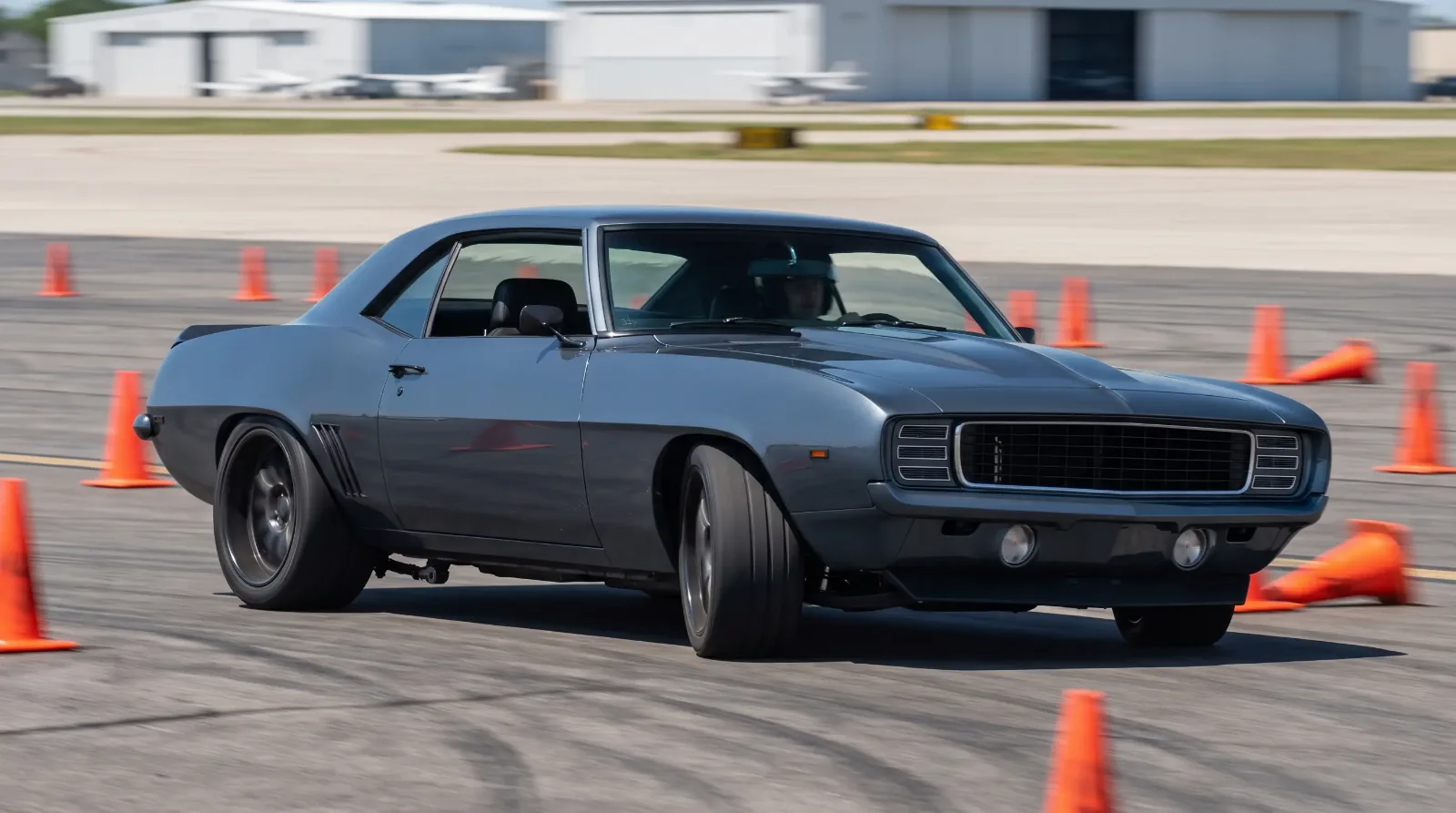
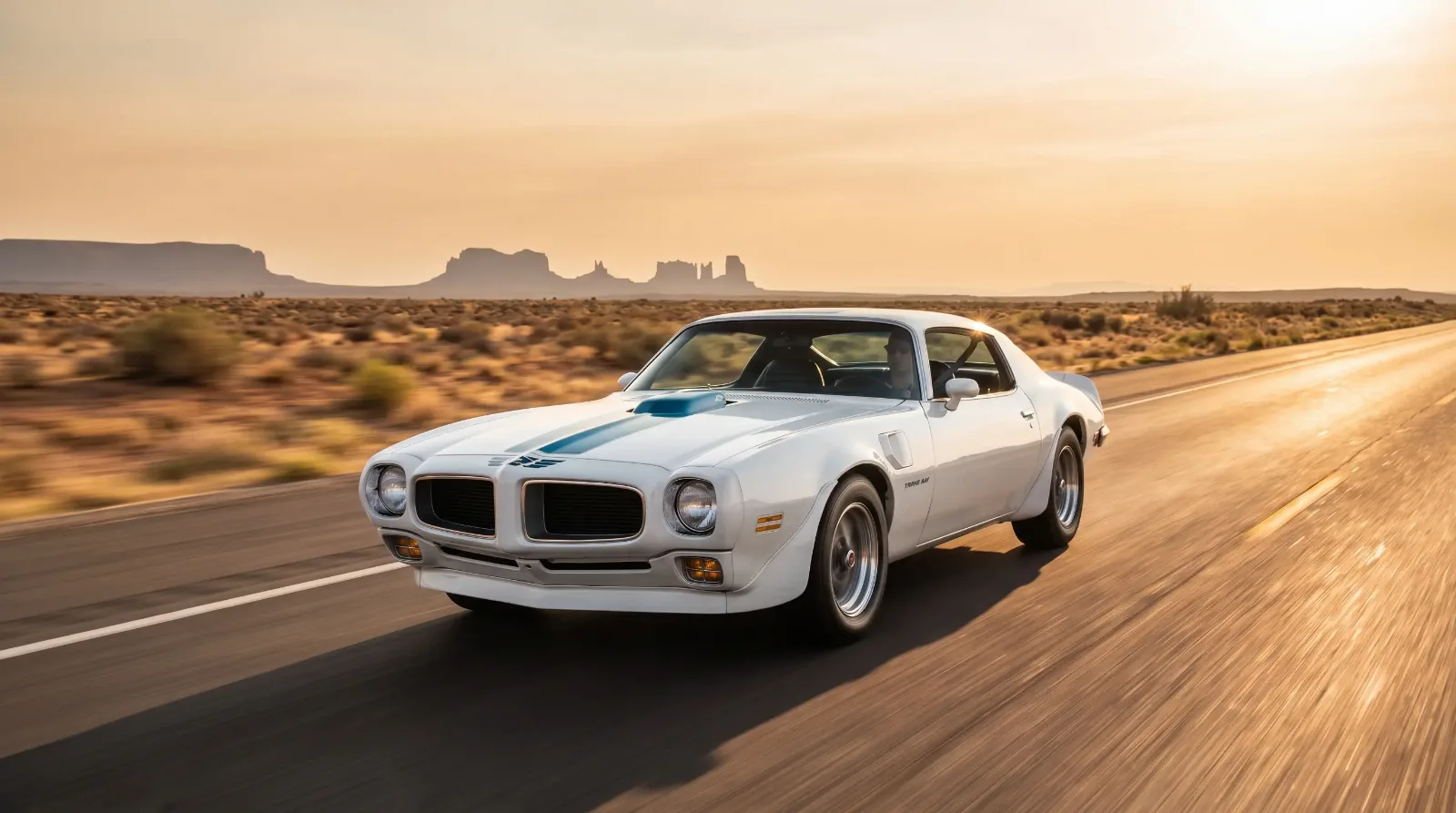
That question is the whole story of pro touring muscle cars. It took the American iron everybody loved and gave it the one thing it never had from the factory, the ability to attack a corner as hard as it attacked the quarter mile. I build cars, so this movement speaks my language. It is not about erasing what these cars were. It is about finishing the job Detroit never had a reason to.
Where the term came from
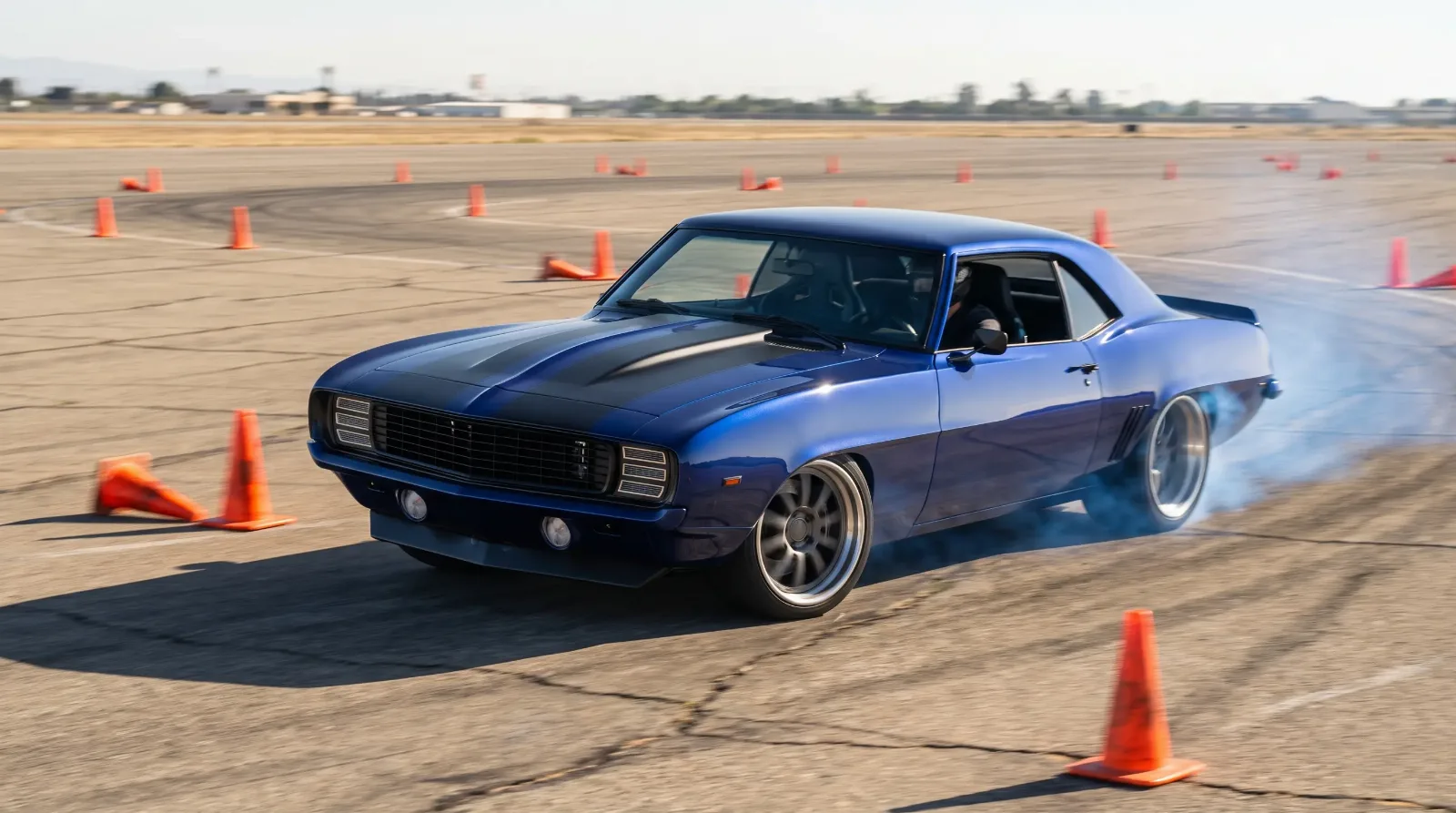
Pro touring is usually said to have got its name in the summer of 1998, on the Hot Rod Power Tour, during a conversation between Jeff Smith, then editor of Chevy High Performance, and Mark Stielow, a GM engineer who was already building the cars before anybody had a word for them. The idea had been brewing through the early and mid 1990s, as guys started bolting real suspension and real brakes under old bodies, but the name that came out of that Power Tour talk stuck and never let go.
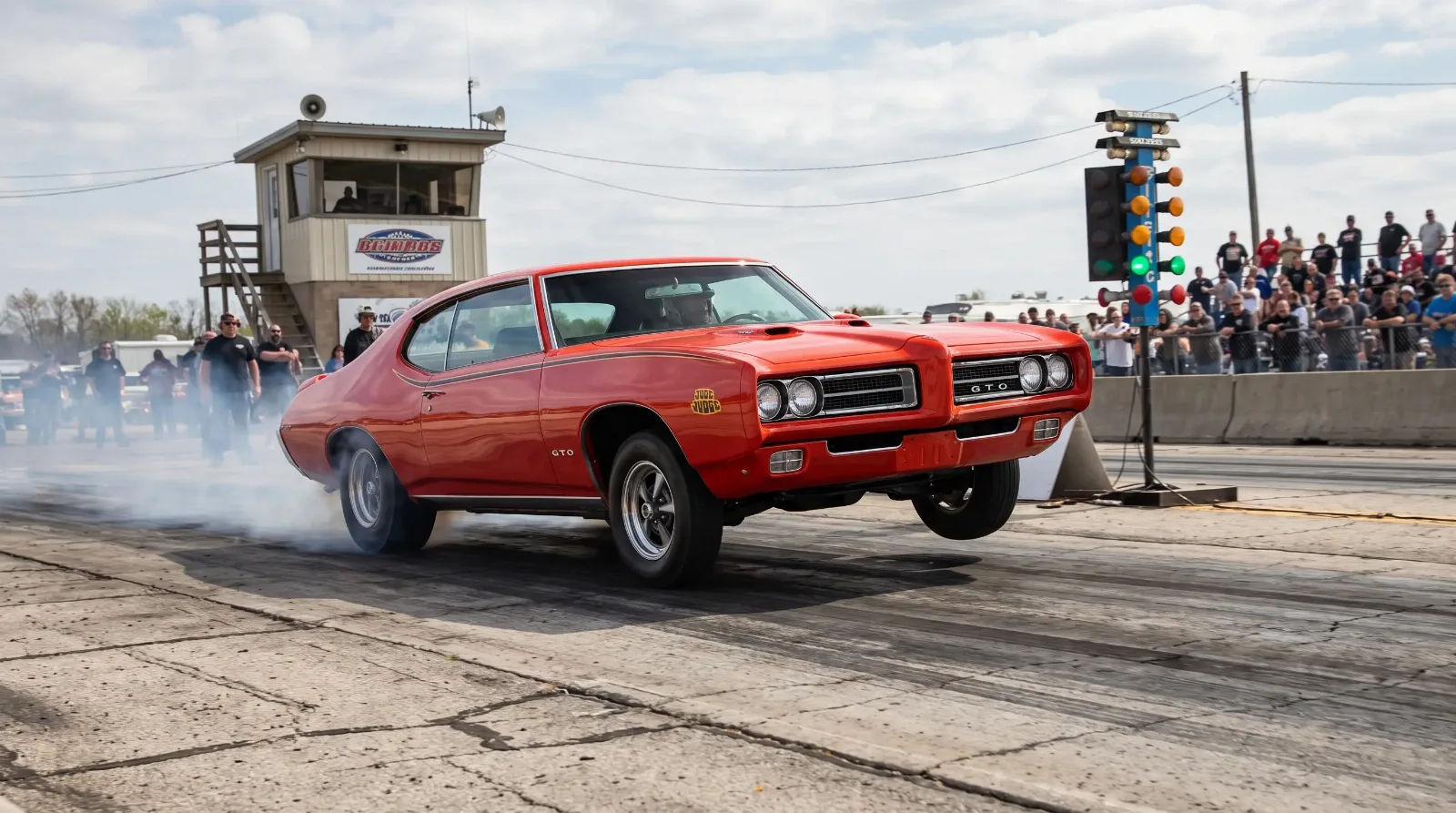
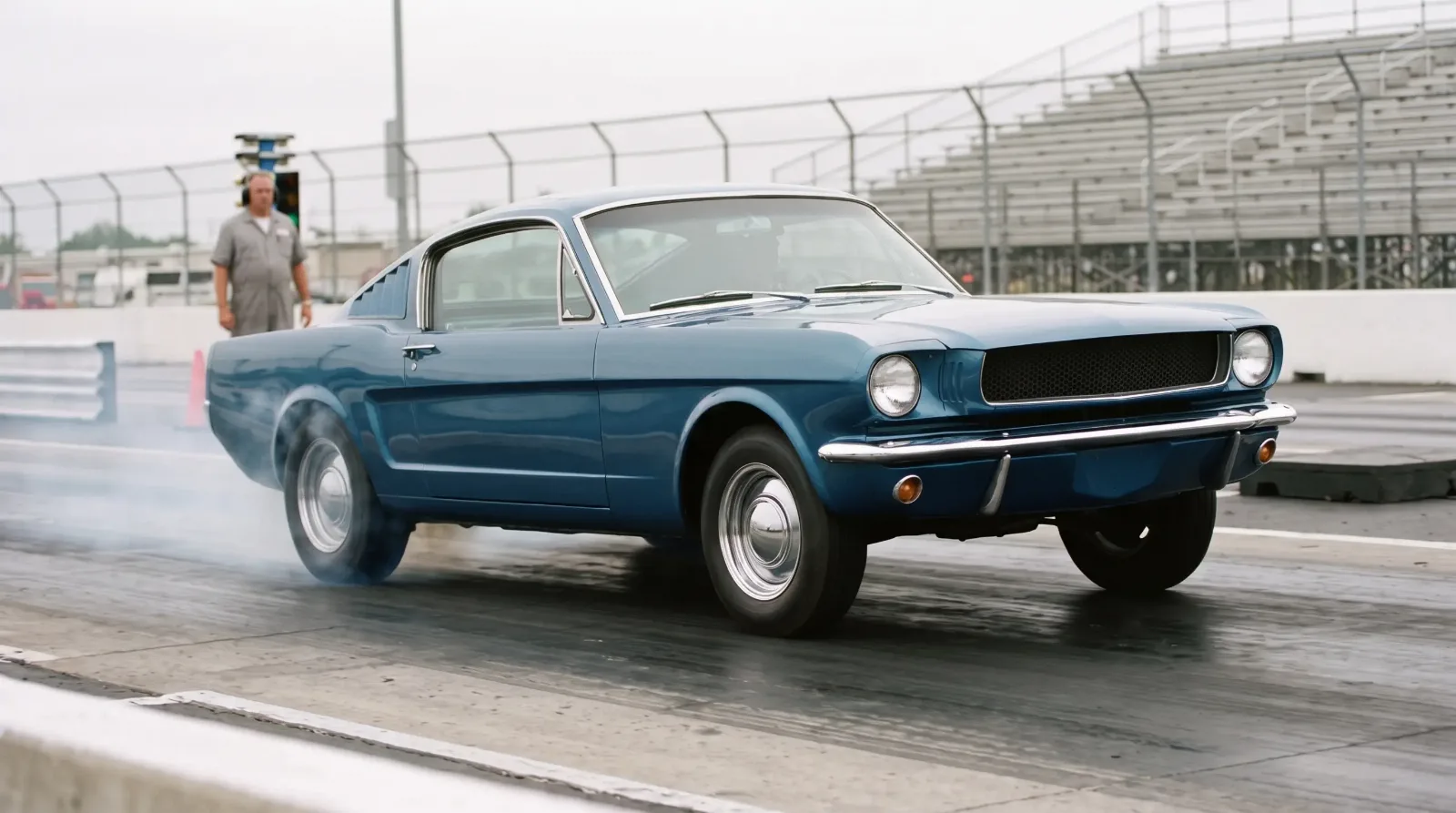
Stielow is the name that matters most here. His string of 1969 Camaros, starting with a car called Tri-Tip that he built with Kyle Tucker, proved the whole concept on the track instead of in a magazine. Tucker went on to found Detroit Speed, one of the suspension companies that turned this from a backyard experiment into an industry. The movement grew out of straight-line roots, and it is worth taking a closer look at drag racing history to see the car culture these builders came up in before they decided to make the things handle.
What autocross actually is
Autocross is the proving ground for all of this, and it is beautifully simple. You lay out a tight course with traffic cones in a big paved lot or an airport apron, and you run it one car at a time against the clock. Hit a cone and you take a time penalty. There is no wall to hit and no other car to trade paint with, just you, the course, and the stopwatch. It rewards a car that changes direction, brakes hard, and puts its power down out of a slow corner, which is exactly everything a stock muscle car is bad at.
That is why autocross became the home of pro touring. A dragstrip only asks a car to go. A cone course asks it to go, stop, and turn, over and over, in the space of a minute. Build a big-block bruiser that runs elevens in a straight line and it will still embarrass itself around the cones if the suspension is stock. The clock does not lie, and it does not care about horsepower alone.
Building one the right way
A proper pro touring build is a system, not a parts list. You cannot bolt on one wide tire and call it handling. The whole car has to work together, from the rubber up through the chassis to the seat. Here is how I tell people to think about it before they start writing checks.
Why it holds its value
Purists used to hate these cars, and some still do. Cut up a numbers-matching survivor for a pro touring build and you have destroyed one kind of value. But that is not what most of these are. The good builds start with cars that were already modified, already rough, or already too common to be sacred, and they turn them into machines you can actually drive hard and far. That usability is the value. A pro touring car earns its keep on the road and the cone course, not sitting under a cover waiting for an auction.
"A stock muscle car is a promise the factory never kept. Pro touring is us keeping it, giving the thing brakes and suspension worthy of the engine that was always the good part."
Jim Vasquez
The road beyond the cones
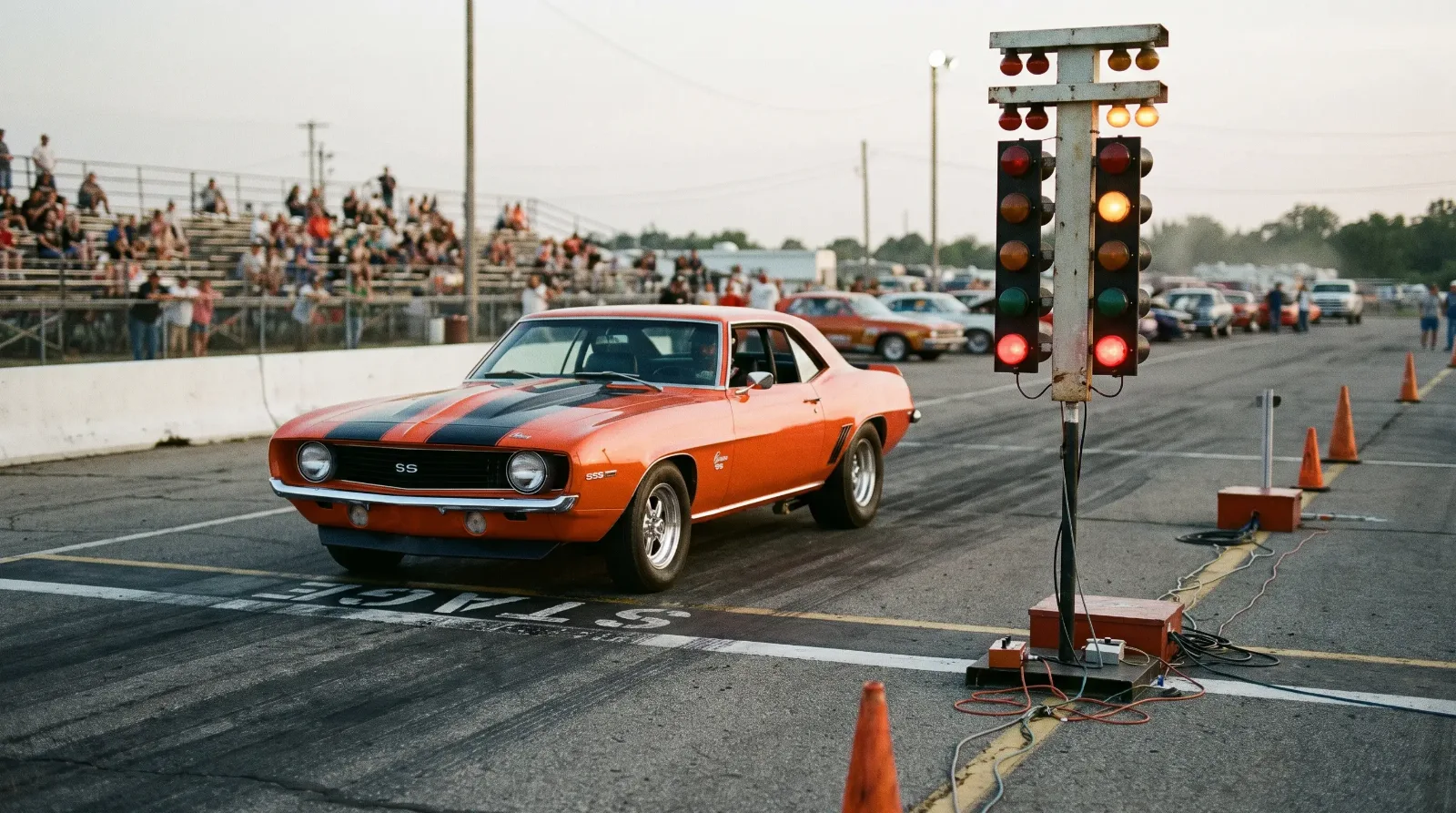
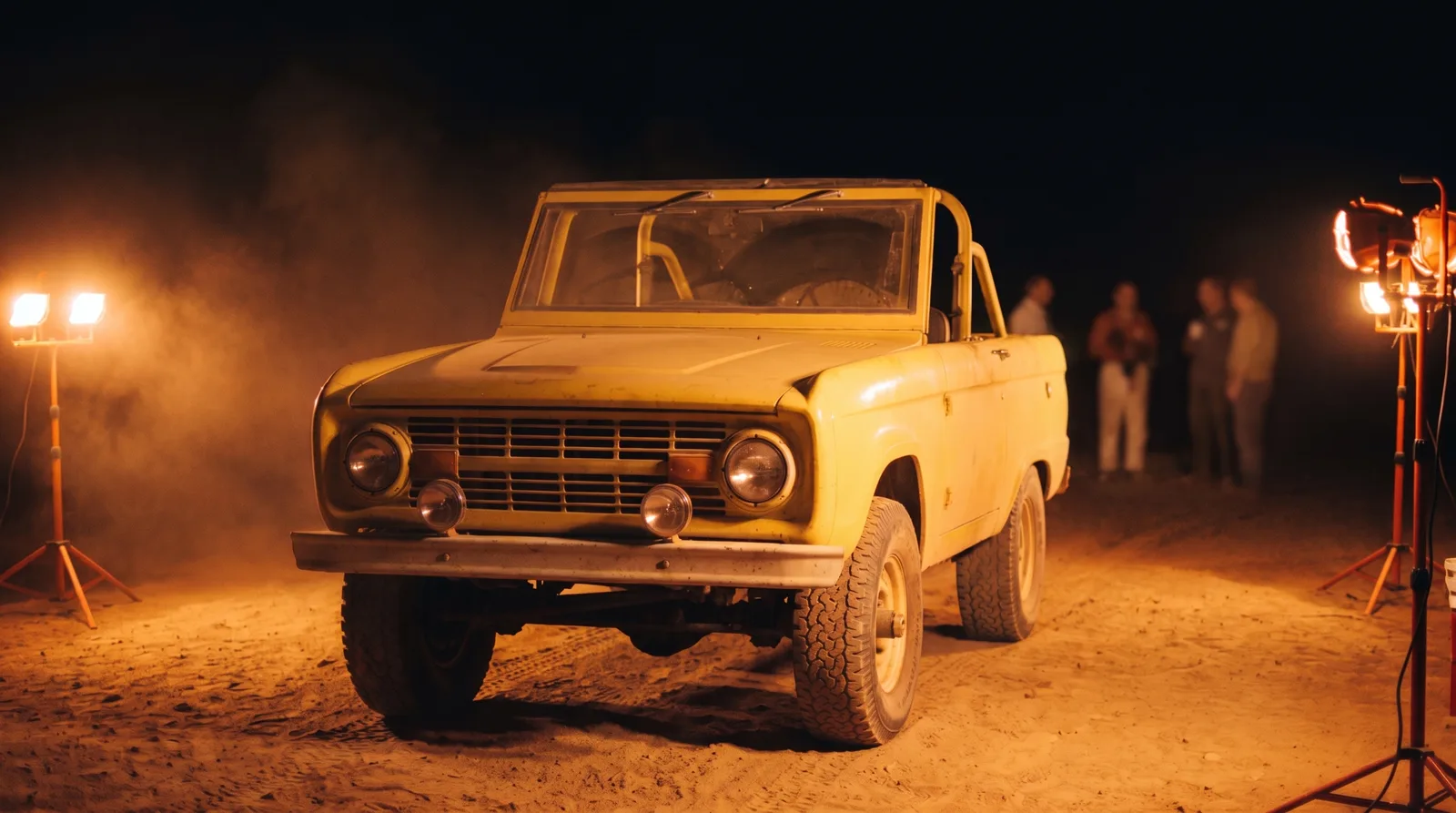
Autocross is where these cars get sharpened, but it was never the whole point. The dream underneath pro touring is a classic that can drive across the country and hammer a mountain road on the way, a muscle car that is as happy at hour ten as it is in the first corner. That idea has deep roots in American car culture, in the outlaw runs and long-distance legends that treated the whole map as a racetrack. If that is the flavor you are after, read the full story of where the coast-to-coast obsession came from. The cars have finally caught up to the fantasy.
Related Reading
Have a
Classic Car
for Sale?
Reach thousands of serious classic car collectors across the US.
Sell It Here →
Are You a Classic Car Dealer?
List your full inventory and connect with targeted classic car buyers.
Join as a Dealer →
About the author
Jim Vasquez
Southern California hot rod and custom car builder with roots in the traditional kustom kulture scene.
Comments
Be the first to comment on this article.