The build record matters here, more than most people assume when they're comparing a base Charger to an R/T from the same model year. It's easy to look at two cars with similar body styles and assume the difference is mostly badging and stripes. The factory paperwork tells a more specific story, and it's worth walking through what actually separated these two cars on the option sheet, not just what the dealer brochure implied.
The engine gap was not small
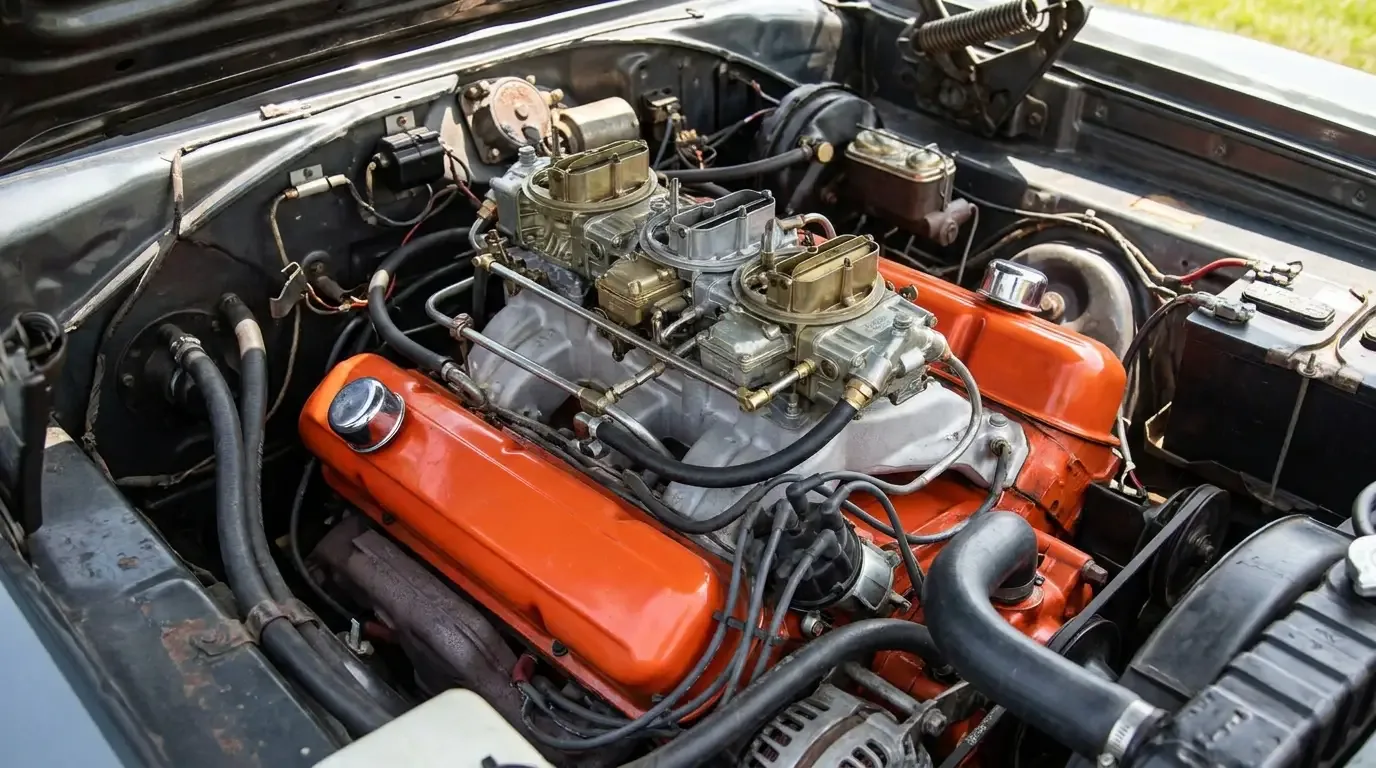
A base Charger in this era could be ordered with a range of engines, from a modest six cylinder up through various V8 displacements depending on year, and a buyer could option a big block into a base car without ever touching the R/T package. That's an important distinction, because it means engine displacement alone doesn't confirm R/T status, something that trips up buyers looking at listings today. What the R/T guaranteed, specifically, was the 440 Magnum as a mandatory standard engine, no substitutions, no smaller alternative available. A base Charger buyer who wanted that same 440 Magnum spec, with the Magnum's specific cam and dual exhaust, generally couldn't get it without also ordering the R/T package, since the Magnum tune was bundled into that option rather than sold separately in most years.
The result was a real performance floor built into the R/T that the base car simply didn't have. You could build a quick base Charger with the right engine box checked, but you couldn't build an R/T equivalent car without paying for the R/T package itself.
Suspension and brakes, the part people skip over
Engine choice gets all the attention in these conversations, but the chassis differences mattered just as much to how the car actually drove. The R/T package specified heavy duty suspension components as standard, firmer torsion bars and rear leaf springs than the base car carried by default, along with upgraded drum brakes as the baseline and front disc brakes as a documented, frequently ordered option. A base Charger, even one optioned with a comparable big block engine, didn't automatically receive this suspension and brake package. A buyer had to specifically order the heavy duty components separately, and plenty of base car buyers in period didn't, prioritizing a lower purchase price over chassis capability they might not have needed for their driving.
This is documented clearly enough in factory literature and option code guides from the period, and it's the kind of detail that separates careful research from assumption. I don't put much stock in claims that aren't backed by the actual build sheet, and the suspension spec difference between R/T and base cars is one that's easy to verify against period documentation rather than take on faith.
"The build record matters. Not because it tells you everything, but because it's the factory's own account of what left the line."
— Tom Ramirez
Trim, badging, and what actually cost extra
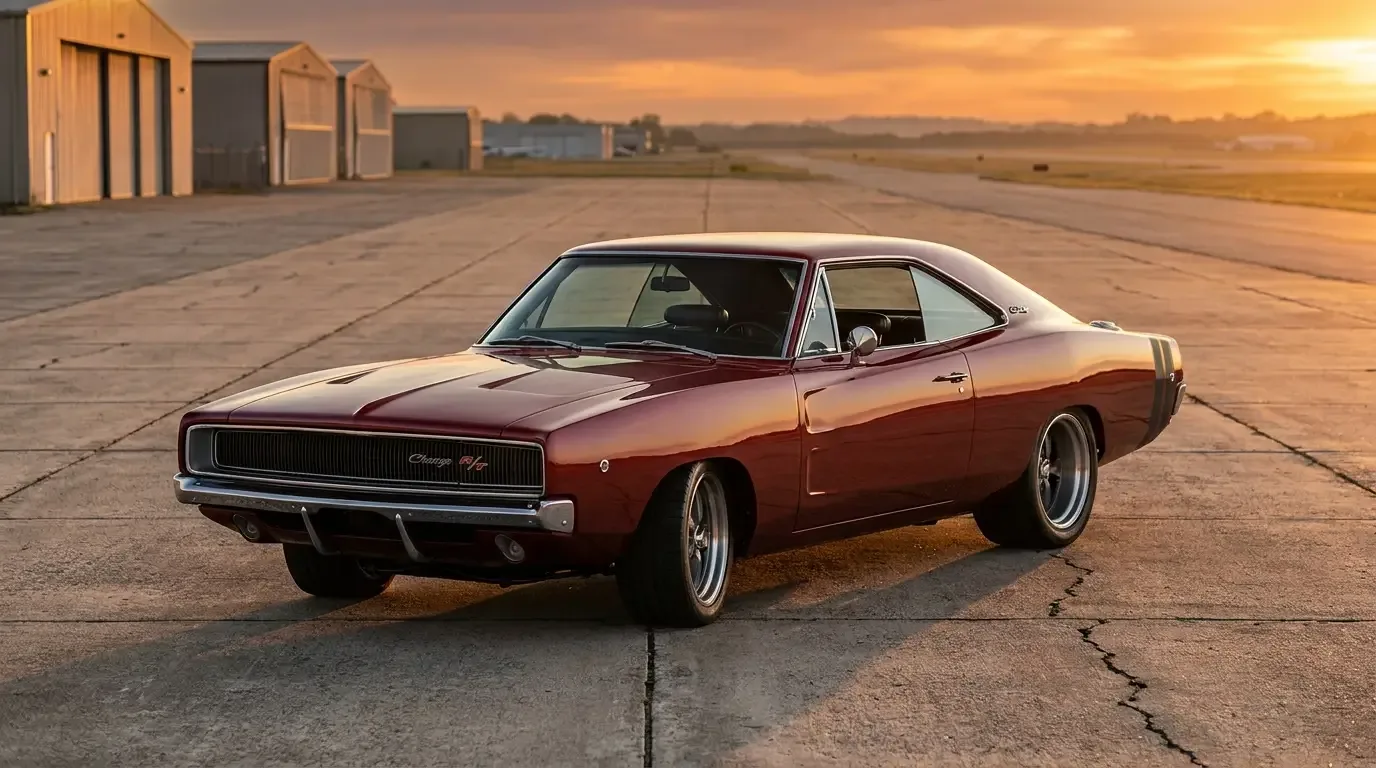
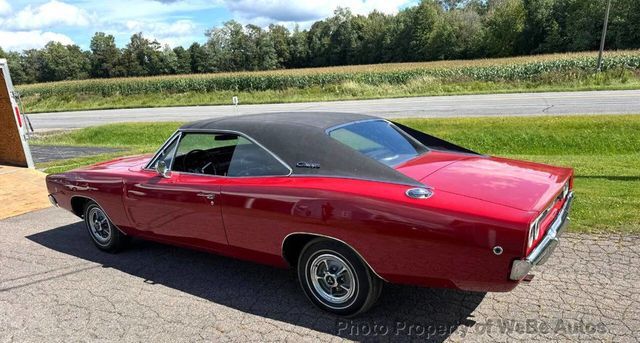
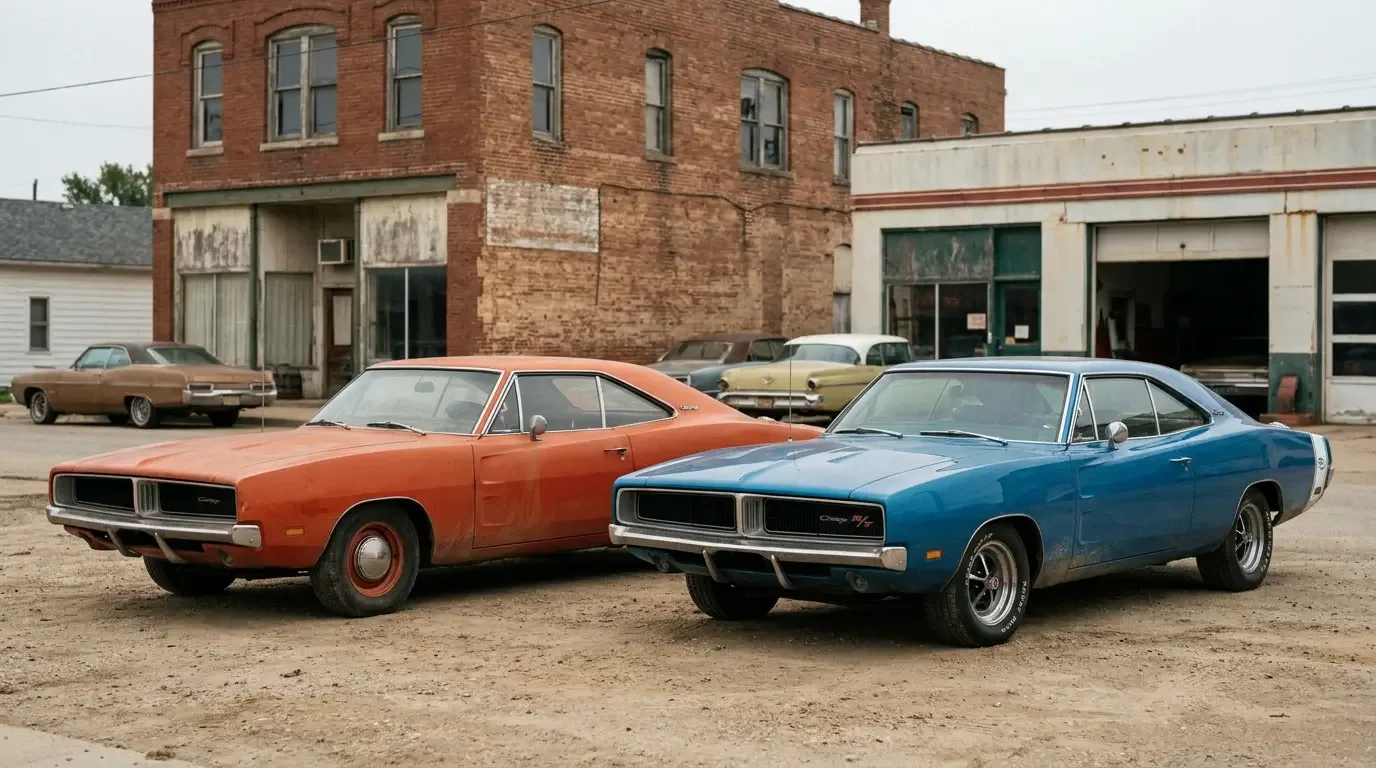
Visually, the R/T package brought specific badging, distinct stripe treatments that varied by model year, and in some years unique grille or taillight details that a base car buyer couldn't replicate simply by asking a dealer to add stripes. This matters for identification purposes today, since a base Charger with aftermarket stripes and a swapped grille can be made to look like an R/T at a glance, which is exactly why the fender tag and VIN decode remain the only reliable way to confirm what a given car actually left the factory as.
Interior trim differences existed too but were less dramatic than the mechanical gap, mostly limited to badging and some minor material upgrades depending on year, with the more substantial interior upgrade available through the separate SE option that could be layered onto an R/T for buyers who wanted both performance and a nicer cabin.
| Feature | Base Charger | Charger R/T |
|---|---|---|
| Standard engine | Six cylinder or small V8, varies by year | 440 Magnum V8, mandatory |
| Big block available | Optional, various displacements | Standard, Magnum tune specifically |
| Suspension | Standard tune, heavy duty optional | Heavy duty standard |
| Brakes | Standard drum, disc optional | Standard drum, front disc frequently ordered |
| Badging/stripes | None, or aftermarket if added later | Factory R/T badging and stripe treatment |
What this means for value today
The practical upshot for buyers now is that a genuine R/T commands a real premium over a comparably optioned base Charger, even one carrying a similar displacement engine, because the R/T package guaranteed a specific combination of engine tune, suspension, and brakes that a base car buyer had to assemble piecemeal, if they could get all the same pieces at all. This is why documentation matters so much when shopping this generation. A base Charger with a big block swapped in later, however well executed, isn't equivalent to a factory R/T and shouldn't be priced as one, and the reverse is also true, a genuine R/T that's had its heavy duty suspension replaced with softer components during a repair somewhere along the way has lost something specific to what made it an R/T in the first place.
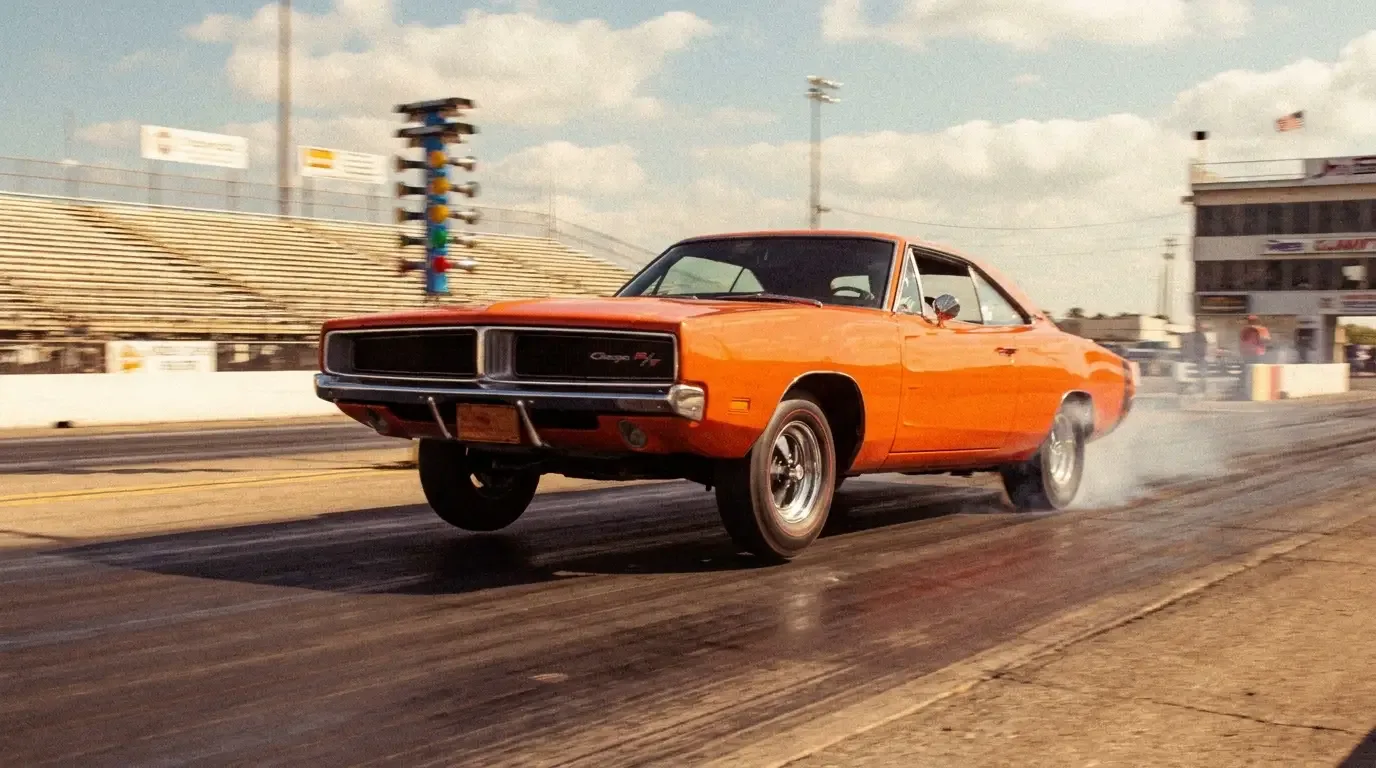
Readers wanting the fuller picture of what the R/T package meant across its production run should look at dodge charger rt for the complete story, and for a sense of how these cars actually performed against period competitors, the Charger R/T Road Test story covers what contemporary magazine testing found when they put the R/T and base cars through actual measured runs.
Why the distinction still matters to collectors
None of this is academic. The R/T versus base car distinction shows up directly in what these cars are worth, how they're insured, and how they're described in any honest listing. A buyer who understands the actual factory difference, not just the badge, is in a much stronger position to evaluate a car on its merits rather than its stripes. That's the whole point of keeping the build record central to this conversation instead of relying on visual impression alone.
Sources and notes
- Hagerty 1968 - 70 Charger buyer's guide - R/T package content versus base Charger, and value implications.
- Wikipedia: Dodge Charger (1966) - R/T standard 440 Magnum, heavy-duty suspension and brake specification.
- Mac's Motor City Garage: 440 Magnum - Magnum tune detail versus the milder base 440.
- Classic Industries: Charger history - base engine range and optional big-block availability by year.
- Decoding Charger VIN and fender tags - why documentation, not badging, confirms R/T status.