
Nobody at Chevrolet in 1966 was running Chevelle bodies through a proper wind tunnel program the way a manufacturer would today. The equipment and the science weren't applied to intermediate muscle cars the way they'd later be applied to Trans-Am and NASCAR programs. But that doesn't mean the Chevelle's shape was aerodynamically indifferent. Some of what reads as pure styling on this car was doing real work at speed, and some of what looks functional was closer to a styling cue borrowed from cars that actually needed it.
Car Features
7 min read
Designing for Speed: Hidden Aerodynamic Cues
A documentation-based look at the Chevelle's cowl induction hood, rooflines, and spoilers: which features were genuinely aerodynamic and which were styling.
Sorting out which is which takes going back to the build sheets, the factory option codes, and what limited testing data survives from the period. The factory records don't always spell out "this reduces lift by X," because that kind of documentation wasn't standard practice for a mid-size car built to sell in volume. What the records do show is which options existed, when they were introduced, and in some cases why.
The cowl induction hood: function first, styling second
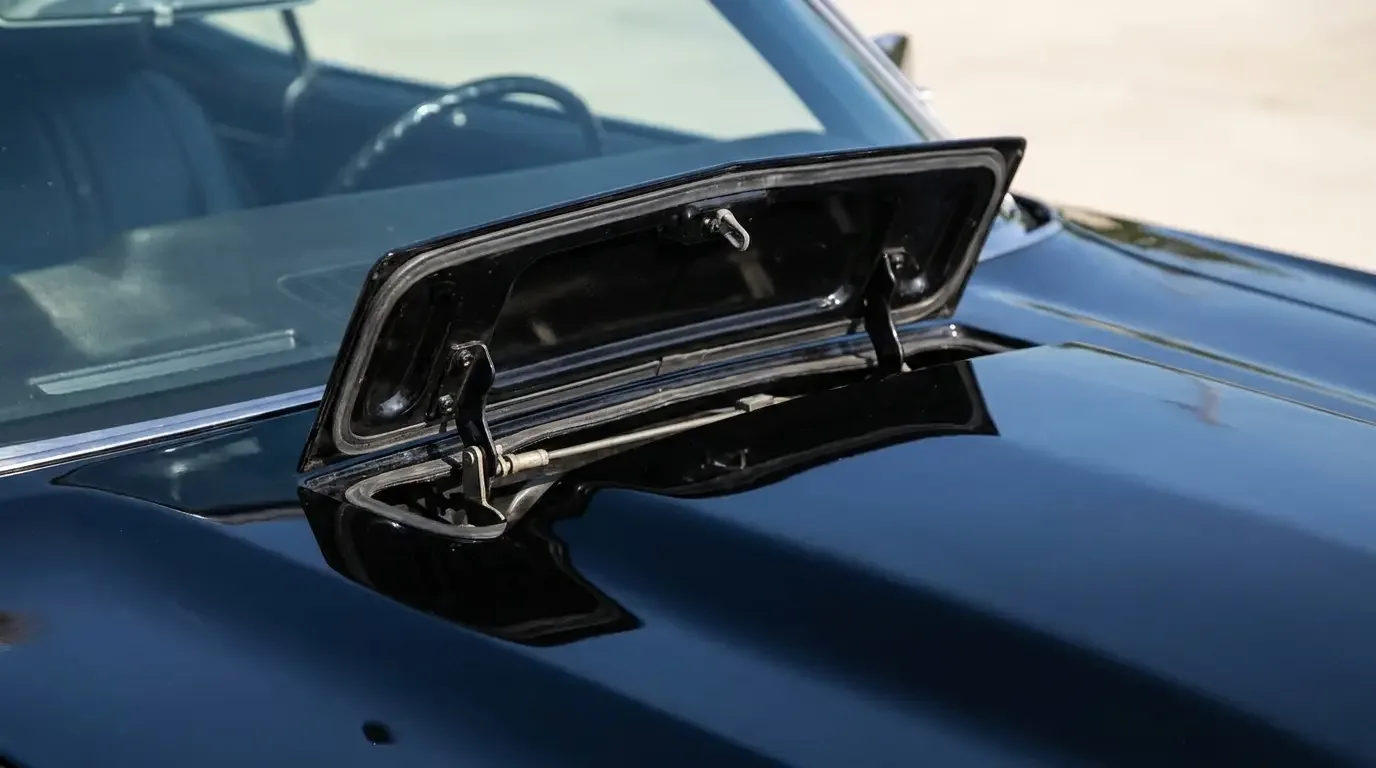
The cowl induction hood, RPO ZL2, showed up on Chevelle SS models starting in 1970. The functional intent is documented clearly enough: a vacuum-operated flap at the rear of the hood opened under hard acceleration to pull cooler, denser air from the high-pressure zone at the base of the windshield into the engine. That's a genuine aerodynamic principle, using the pressure differential created by airflow over the windshield rather than pulling hot underhood air through a front-facing scoop. It's not primarily about reducing drag or lift. It's about feeding the carburetor better air, which happens to be an aerodynamic solution to a combustion problem.
What's worth noting from the factory paperwork is that ZL2 wasn't universally functional across every Chevelle it was ordered on. Some cars got the hood as a styling option without the vacuum actuator hooked up, which the build sheet and RPO code should confirm on any specific car a buyer is trying to verify. That distinction matters more to a documentation-minded buyer than it does to someone just admiring the look, but it's exactly the kind of detail that separates a correctly documented car from one that looks right and isn't.
Rooflines and the fastback question
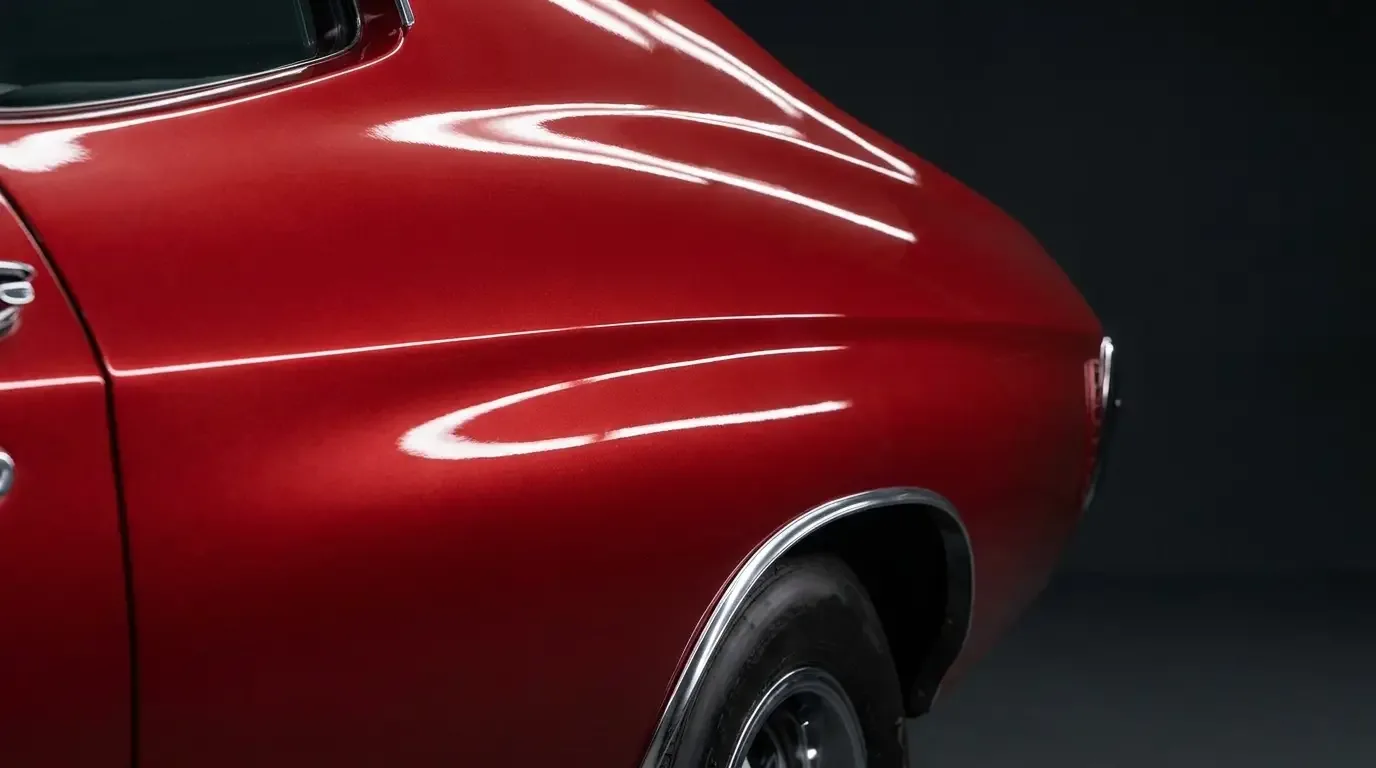
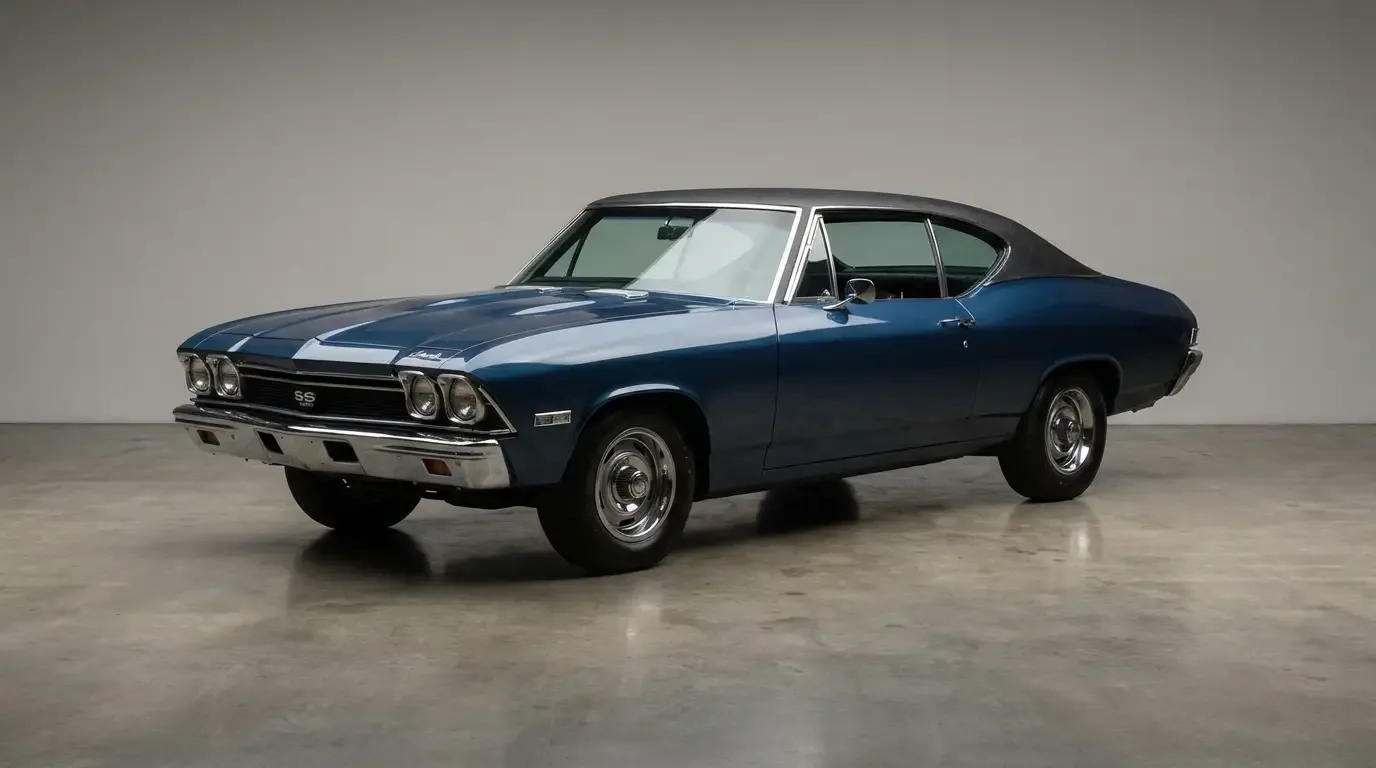
The 1968 semi-fastback roofline, and the more pronounced tunnelback treatment that followed, weren't purely cosmetic choices either, though the aerodynamic benefit here is harder to pin down with factory documentation than the cowl induction system. A sloped rear roofline reduces the size of the low-pressure pocket that forms behind a more upright greenhouse, which in principle should reduce rear-end lift and drag at highway speeds. Whether GM's stylists were working from measured wind tunnel data or from the general industry understanding that a sloped roof "looks fast because it works," the documentation from the period leans toward the latter for a mid-size Chevrolet built primarily for street use, not competition. No published GM wind tunnel record for the 1968 Chevelle roofline has surfaced in period documentation or restoration archives.
Where the aerodynamic thinking gets more concrete is on cars actually built for racing. Some Chevelles prepared for NASCAR or drag competition in period saw more deliberate attention to airflow management, front spoiler additions and rear deck treatments specifically aimed at keeping the car planted at speeds a street car rarely saw. Those modifications sit outside the standard factory build sheet and belong to a different conversation than the production car most owners are dealing with today.
The rear spoiler and deck lid treatments
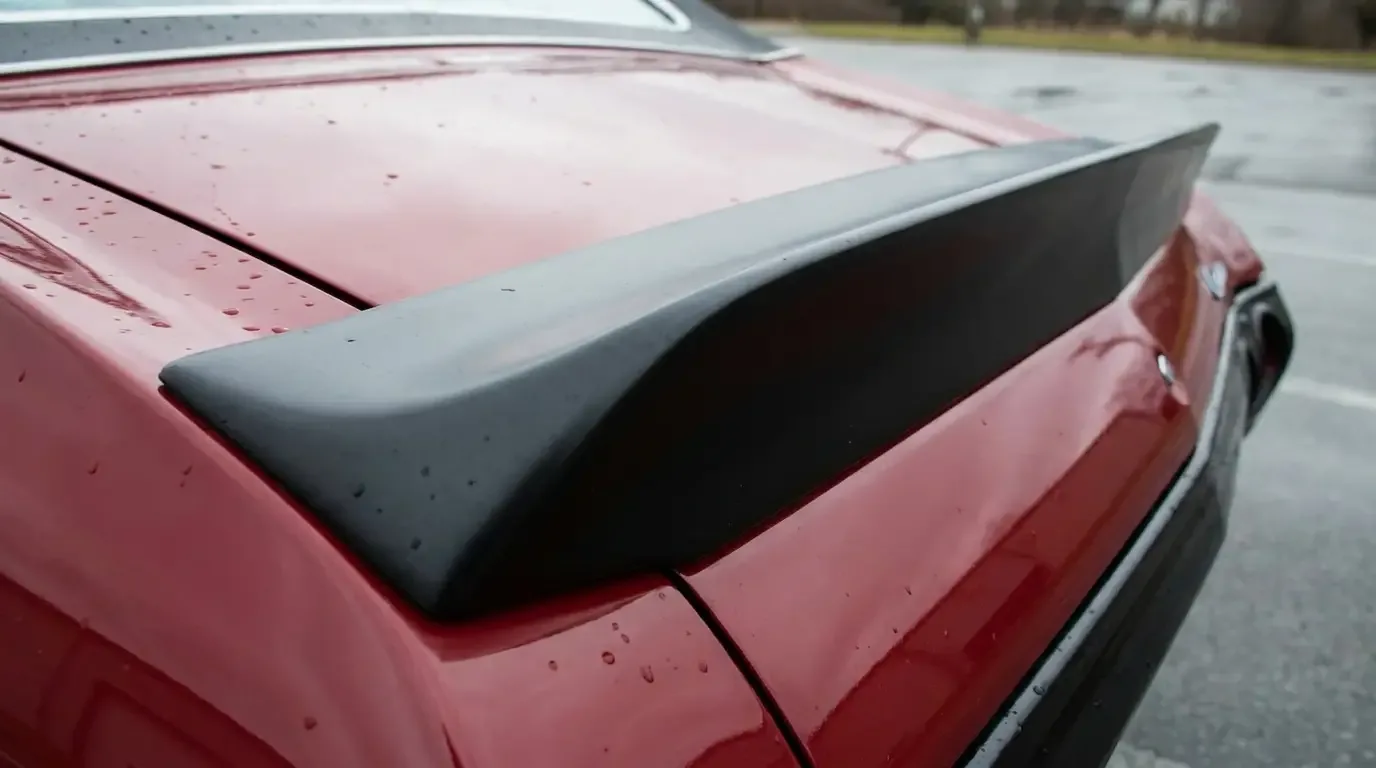
Chevrolet tooled up a three-piece rear deck spoiler for the 1970 SS but it never made it to full production that year, a few showed up in pre-sale advertising and on a handful of cars, but it wasn't a regular ordering option yet. By the 1971-72 run, RPO D80 was a documented, orderable spoiler option on the Chevelle SS. Like the cowl induction hood, this sits in the gray area between function and image. A small lip spoiler on a car doing typical street speeds isn't generating meaningful downforce, the physics don't scale that way at 60-70 mph on a passenger car. But it does alter airflow separation off the trailing edge of the trunk lid in a measurable way, and Chevrolet's own marketing materials from the period leaned into the performance association even where the practical effect on a street-driven car was modest.
The honest answer, and I'd rather give the honest answer than oversell it, is that most of the aerodynamic detailing on a production Chevelle was influenced by what looked fast and what racing programs elsewhere in GM and in NASCAR were demonstrating, more than it was the product of dedicated aero engineering applied to this specific model. That doesn't make the details meaningless. It makes them a snapshot of how aerodynamic thinking was filtering into mainstream car design during a period when the science was advancing quickly in racing and slowly in showroom products.
| Design element | Introduced | Primary purpose |
|---|---|---|
| Cowl induction hood (RPO ZL2) | 1970 | Functional, pressure-fed cold air induction |
| Semi-fastback / tunnelback roofline | 1968 | Styling-led, plausible drag/lift benefit |
| Rear deck spoiler (RPO D80) | Prototyped 1970, orderable 1971-72 | Modest airflow effect, largely image-driven at street speeds |
Reading the documentation before you read the shape
For anyone researching a specific car, the lesson from the factory records is consistent: don't assume a hood scoop, a spoiler, or a rooflines's slope was engineered for aerodynamics just because it looks the part. Cross-reference the RPO code against the build sheet, and where possible against period service and parts documentation, before you decide whether a feature on your car was functional, cosmetic, or somewhere in between. That's true of the cowl induction system as much as anything else on the car; the vacuum actuator either worked from the factory or it didn't, and the paperwork usually tells you which.
This kind of detail work is exactly what separates guesswork from documented history, and it's the same discipline that applies across the full design story of this car, not just the aero-adjacent pieces. The Chevelle wasn't a wind tunnel project. It was a production car that absorbed aerodynamic influence from racing and from the broader design language of its era, and understanding where that influence is real versus where it's styling shorthand takes going back to what Chevrolet actually documented at the time.
"The build sheet doesn't lie about whether that vacuum actuator was hooked up at the factory. A lot of cars wear the cowl induction hood as a look. Fewer of them actually breathed through it the way Chevrolet intended. That difference is worth knowing before you pay a premium for 'functional' anything."
Tom Ramirez
The last stop in this design arc looks at where these ideas ended up decades later. next: The Chevelle's Design Legacy in Modern Retro-Styling traces how these cues resurfaced in current builds.
Sources and notes
- '70 SS Cowl Induction Question: Team Chevelle forum
- Cowl Induction Vacuum Actuator, 1970-72 Chevelle: H&H Classic Parts
- Rear spoiler for 1970-72 Chevelle: Team Chevelle forum
- 1971 Chevelle's "SS" option (Malibu series): ChevelleStuff.net
- 1964-1972 Chevelle Regular Production Option (RPO) codes: MacsWebs
- Chevrolet Chevelle: Wikipedia
Related Reading
Have a
Chevrolet Chevelle
for Sale?
Reach thousands of serious classic car collectors across the US.
Sell It Here →
Are You a Classic Car Dealer?
List your full inventory and connect with targeted classic car buyers.
Join as a Dealer →

About the author
Tom Ramirez
Corvette researcher and historian based in Bowling Green, Kentucky. Two decades documenting Corvette production history from original factory records.
Related Listings - Chevrolet Chevelle




Comments
Be the first to comment on this article.