
Every SEMA show for the last two decades has had at least one Chevelle in the main hall that isn't trying to look like a 1970 SS anymore. It's wearing modern wheels, a subtle widebody kit, and paint that no factory ever offered, but the second you look at the hip line and the way the roof meets the quarter panel, you know exactly what car it started life as. That's not nostalgia. That's a shape that still works, and builders keep proving it decades after Chevrolet stopped making the thing.
Car Features
6 min read
The Chevelle's Design Legacy in Modern Retro-Styling
How the Chevelle's coke-bottle shape still influences pro-touring builds, resto-mods, and modern GM styling decades after production ended.
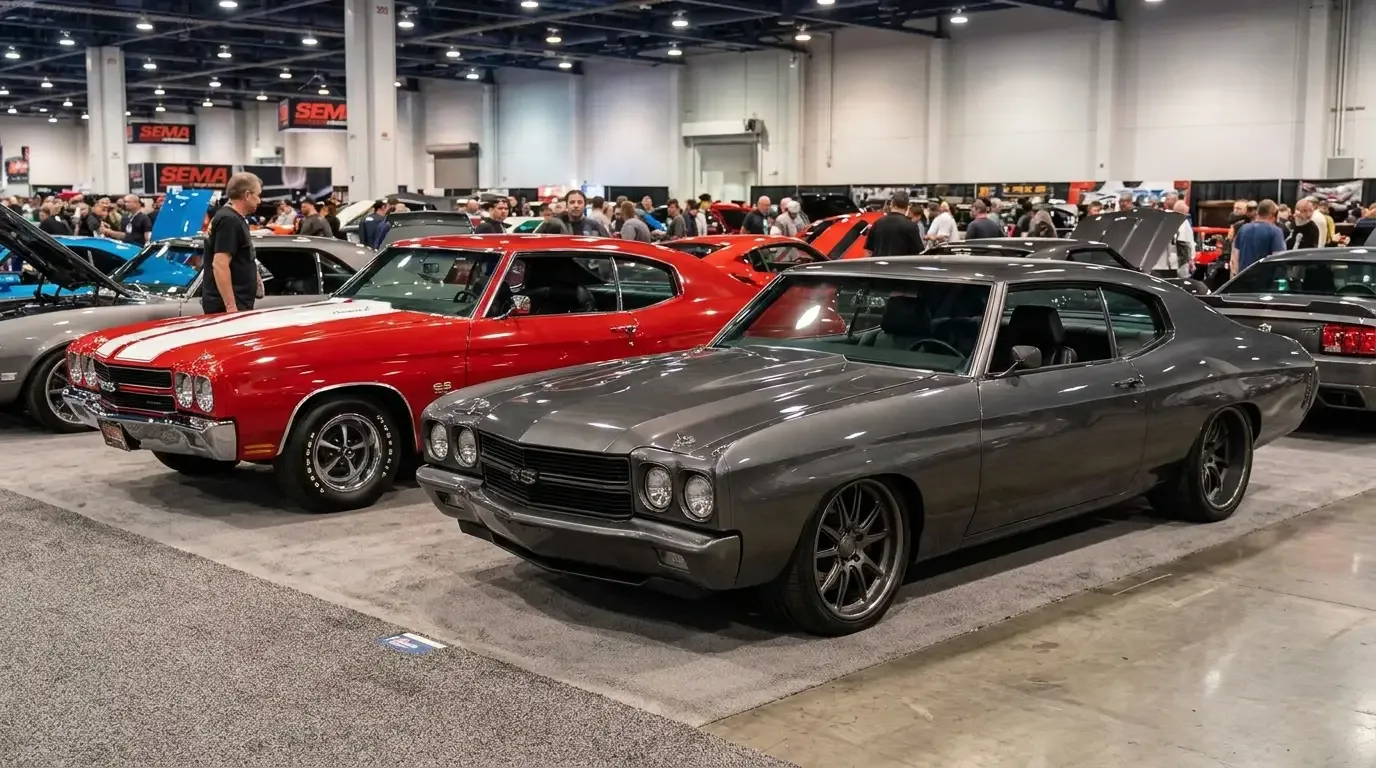
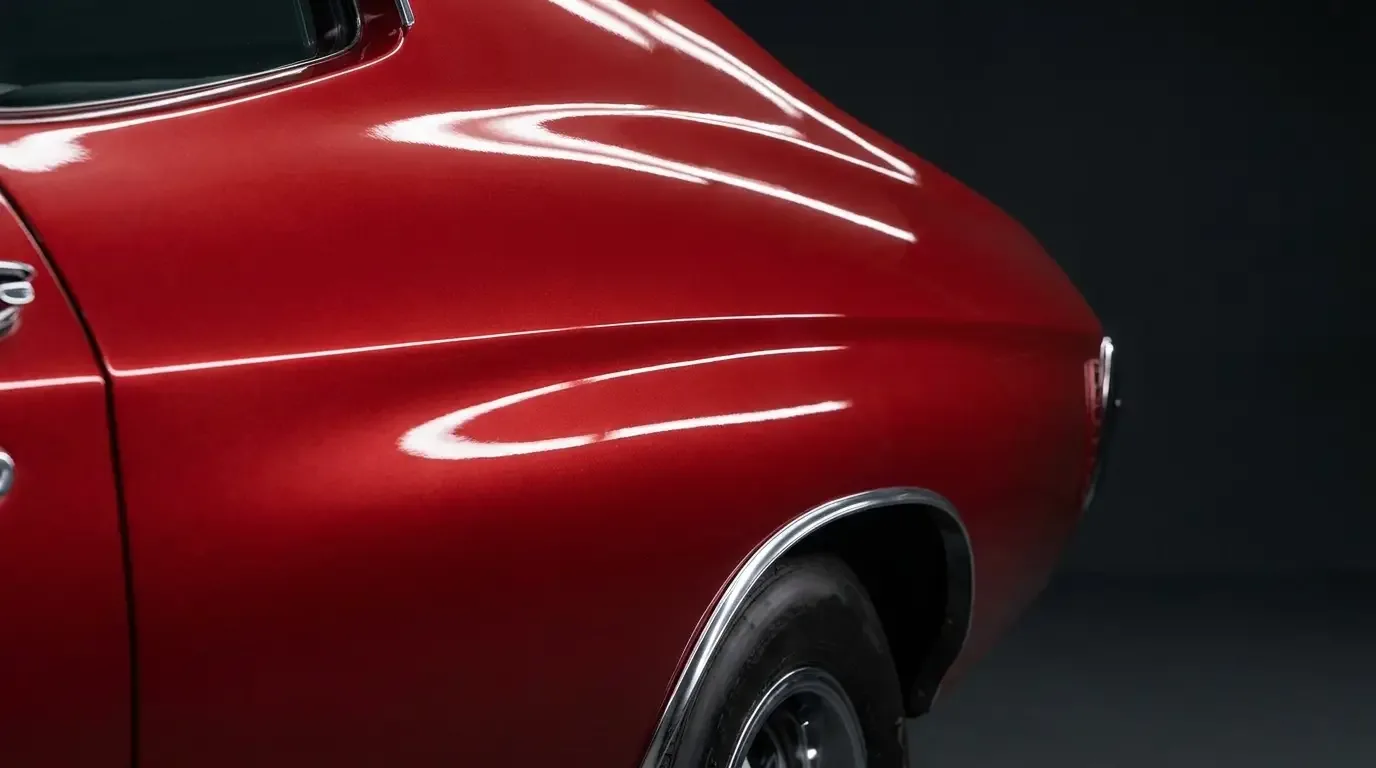
I build custom cars for a living, and I can tell you the coke-bottle hip on a Chevelle is one of the most requested reference shapes when a customer wants a retro-influenced build but doesn't want a literal restoration. It's become a design vocabulary of its own, separate from the actual car, and that's a rare thing for any production vehicle to earn.
The pro-touring movement leaned on this shape hard
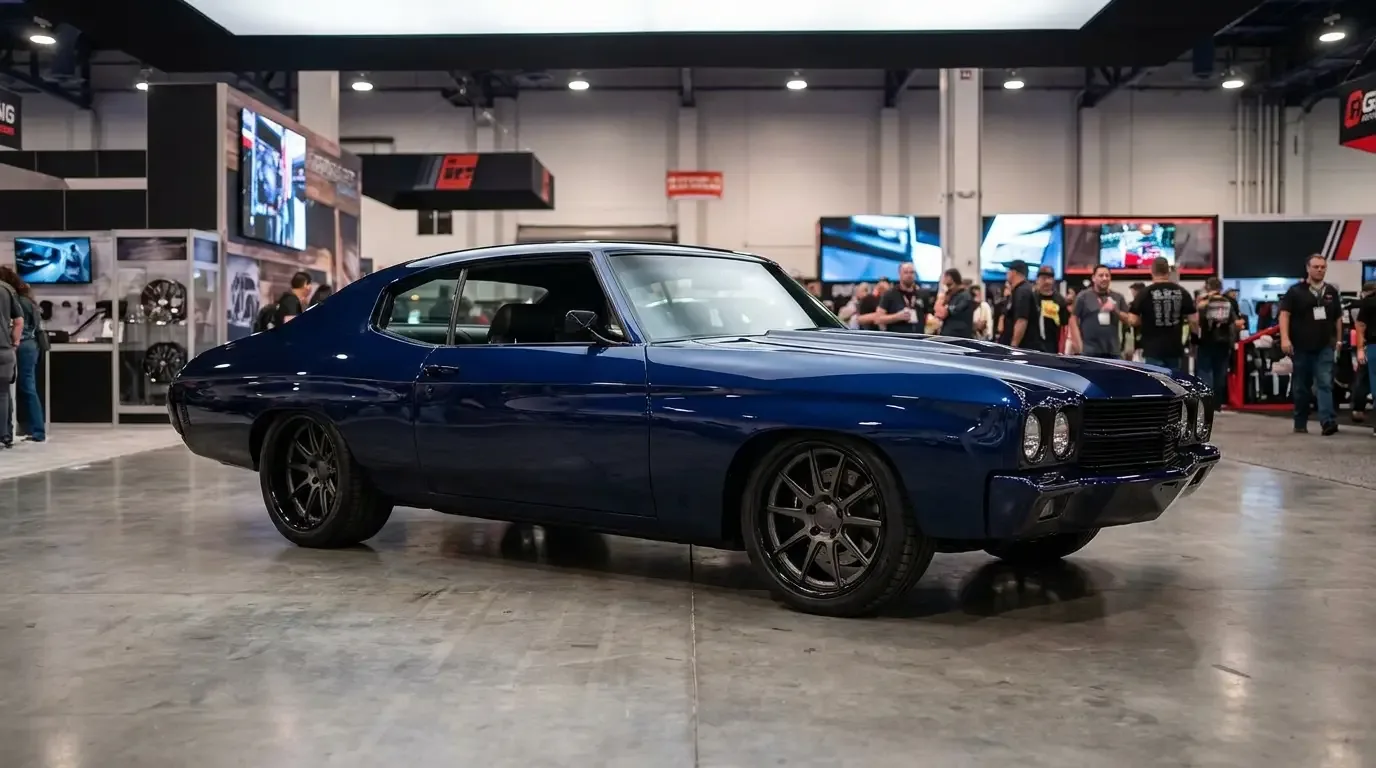
When the pro-touring style took off in the late nineties and early two-thousands, guys building these cars had a choice: chase a bigger, boxier stance with flared fenders that fought the original bodylines, or work with the Chevelle's existing surfacing and let modern wheel and tire packages fill out proportions the factory couldn't have imagined with 1970s rubber. The shops that got it right, the ones whose builds still hold up in photos fifteen years later, leaned into the second approach. They respected that the coke-bottle hip was already doing the visual work a modern wide stance wants to do. You don't fight a shape like that. You feed it.
Detroit Speed and Ringbrothers both built reputations partly on Chevelle and Chevelle-adjacent A-body platforms specifically because the body gives a builder that much to work with before you've touched a single panel. A Ringbrothers Chevelle with a widened stance and a subtle notch in the rear haunches isn't reinventing the design. It's amplifying what was already there in 1970, which tells you something about how strong that original surfacing actually was.
Retro-styled cues showing up on newer platforms
Chevrolet hasn't built a Chevelle in decades, and there's no direct successor carrying the name today, but the design vocabulary didn't disappear. Look at how modern Camaro generations, especially the fifth-gen car that launched in 2010, leaned on a muscular haunch over the rear wheel and a hip that swells outward before tucking back in toward the taillight. That's not identical to the Chevelle's line, the Camaro's always been a different body with its own history, but the broader design instinct, using a pronounced rear hip to signal power and stance rather than relying purely on flat sheet metal and chrome, is the same instinct that made the Chevelle's shape work in the first place. GM hasn't put out an official statement tying the fifth-gen Camaro's surfacing directly back to the Chevelle, and it would be overstating things to claim one. What's fair to say is that the two cars share a design vocabulary that runs through GM's muscle-car era more broadly, not a documented one-to-one influence.
Custom builders have been more explicit about the connection than the factory ever needed to be. When a shop channels a modern LS or LT engine into a Chevelle body, or builds a resto-mod chassis under an original shell, the entire premise depends on the original design still reading as desirable on its own terms, not as a nostalgia piece propped up by a big motor. That's the real test of a design's legacy. Does it still look right without the context of the era that produced it? The Chevelle passes that test.
Why builders still reach for this body over other options
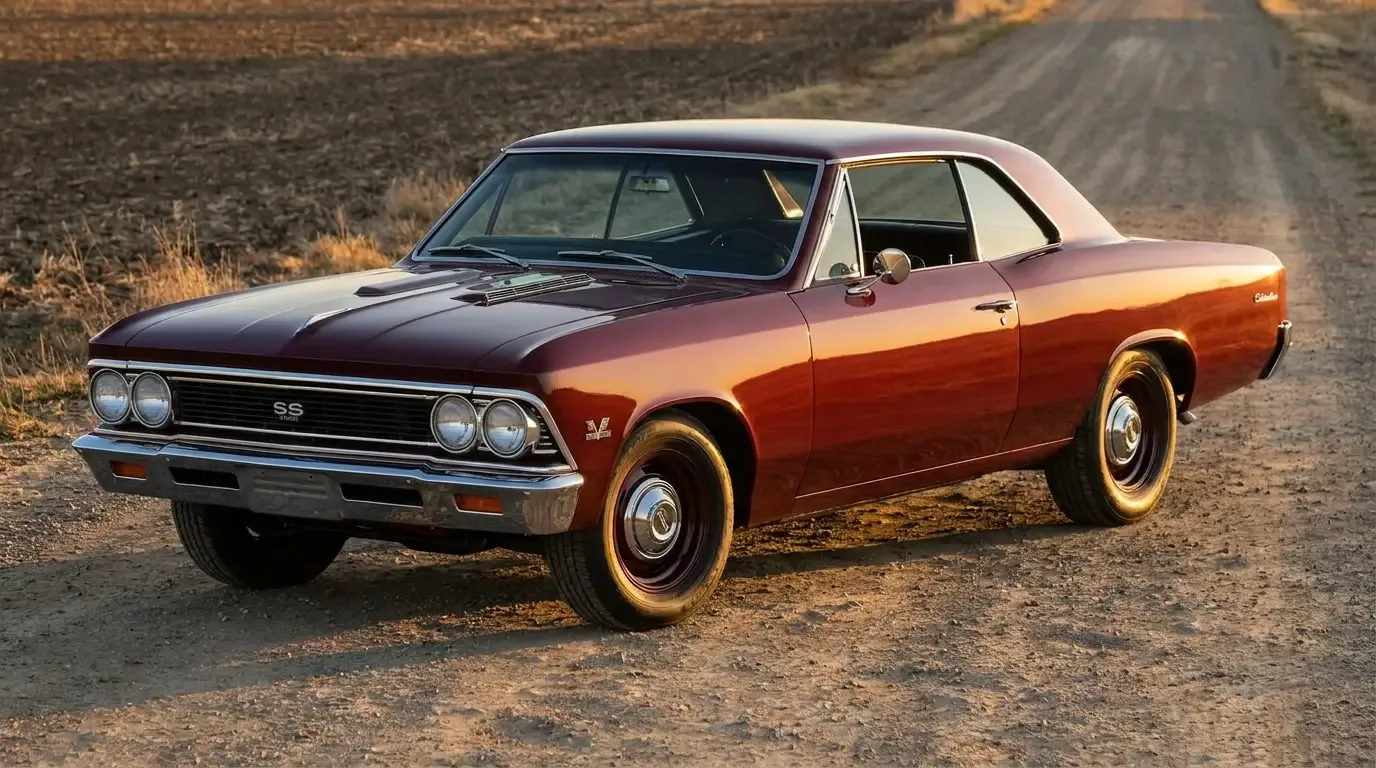
There's a practical side to this too. A first-generation Chevelle shell gives a builder cleaner surfaces to work with than a lot of its A-body siblings, fewer factory character lines fighting whatever modification you're planning, which is exactly why the Chevelle's design story keeps getting referenced by shops working on completely unrelated builds. Guys pull cues from the '68 tunnelback roofline or the '70 SS blacked-out grille even when the donor car they're actually working on is something else entirely.
I've had customers come in with reference photos of a stock Chevelle SS and ask for "that stance, but modern." What they're really asking for is the proportion, the way the greenhouse sits relative to the body, the way the hip swells out over the rear tire without looking cartoonish. That's the part of the design that translates across eras, and it's the part that's hardest to replicate from scratch on a completely new platform. It has to be earned through decades of a shape being right the first time.
| Design element | Original era | Modern application |
|---|---|---|
| Coke-bottle hip | 1964-1972 | Pro-touring and resto-mod stance reference |
| Semi-fastback / tunnelback roof | 1968-1969 | Custom roofline chops and channel jobs |
| SS blacked-out grille treatment | 1966-1972 | Retro-styled front clip conversions on later builds |
| SS stripe and emblem language | 1968-1972 | Referenced on tribute and resto-mod graphics packages |
"You can put a brand new chassis, a modern motor, and wheels nobody made in 1970 under one of these bodies, and it still reads as a Chevelle the second you see it coming. That's the whole test right there. A shape that still works fifty years later without anybody propping it up isn't luck. Somebody got the proportions right the first time."
Jim Vasquez
If you want to see cars built on this exact shape right now, shop classic Chevelles today for a look at what's currently available. And for the piece of this design story that started it all, the full Chevelle story covers the complete history, while next: The Coke-Bottle Shape goes deeper on the specific line that keeps getting referenced decades later.
Sources and notes
- Detroit Speed Custom Build: Simon Tawil's Big-Block Chevelle
- Detroit Speed Builds A Super-Musclecar Out Of This '70 Chevelle: Street Muscle
- 1968-1972 Chevy Chevelle parts: Ringbrothers
- 1000hp Worth Of Recoil: Speedhunters (Ringbrothers Chevelle)
- Premium Quality Classic Car Bodies: Real Deal Steel
- Chevrolet Camaro: Wikipedia
Related Reading
Have a
Chevrolet Chevelle
for Sale?
Reach thousands of serious classic car collectors across the US.
Sell It Here →
Are You a Classic Car Dealer?
List your full inventory and connect with targeted classic car buyers.
Join as a Dealer →

About the author
Jim Vasquez
Southern California hot rod and custom car builder with roots in the traditional kustom kulture scene.
Related Listings - Chevrolet Chevelle
Comments
Be the first to comment on this article.