
Walk a big multi-marque show and you'll see it in about thirty seconds: a Chevelle, a GTO, a Skylark GS, a 442, all parked in the same row, all built on the same basic architecture, and every one of them looking like a completely different car. That's not an accident and it's not four design teams working blind from each other either. It's General Motors running one platform through four studios, and the Chevelle sat right in the middle of how that whole system worked.
Car Features
6 min read
How the Chevelle Shaped GM's A-Body Design Language
How Chevrolet's Chevelle studio influenced and competed with the GTO, Skylark GS, and 442 across GM's shared A-body platform.
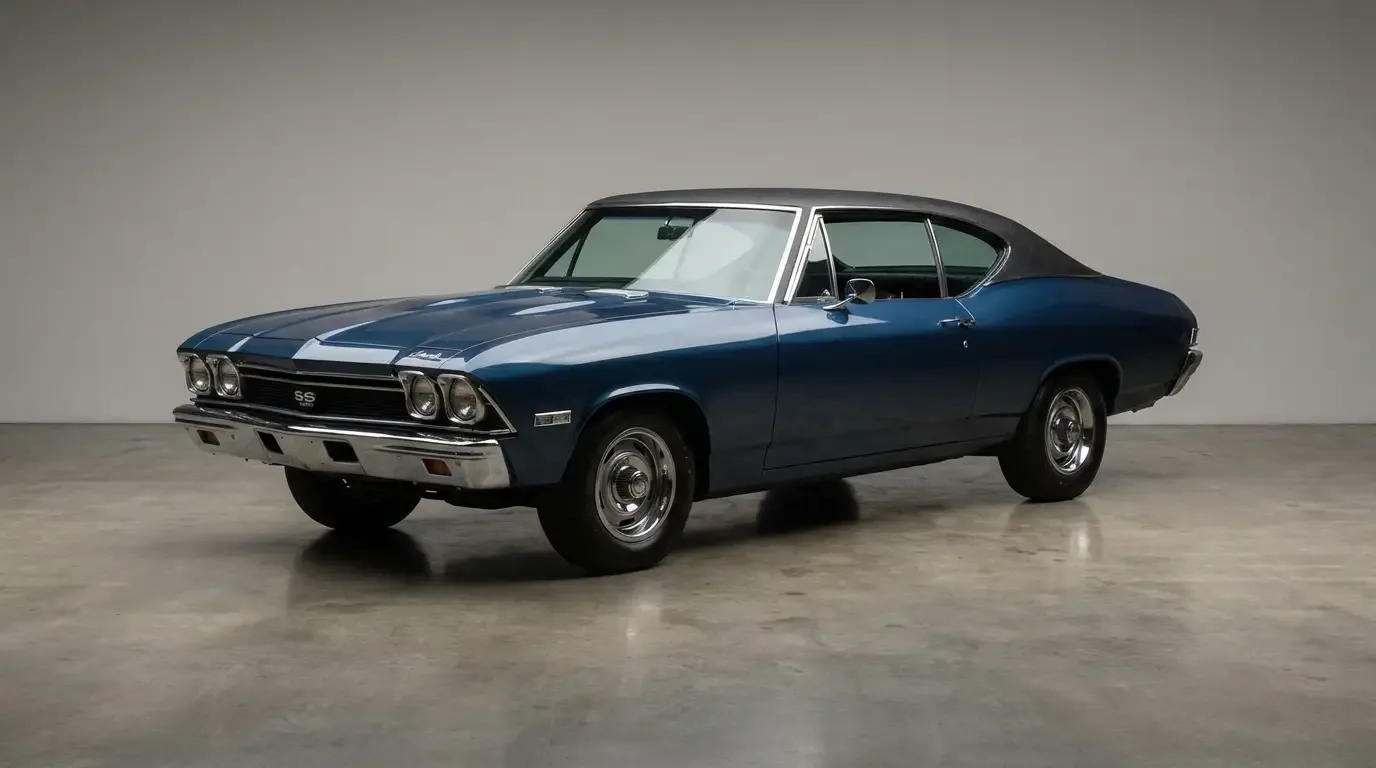
I've looked at enough of these side by side to tell you the Chevelle wasn't just along for the ride on GM's A-body program. Chevrolet was the volume division, the one selling the most units, and that gave the Chevelle's studio real weight in what the shared architecture ended up looking like underneath the skin, even while each division fought to make its own sheet metal say something different.
One platform, four faces
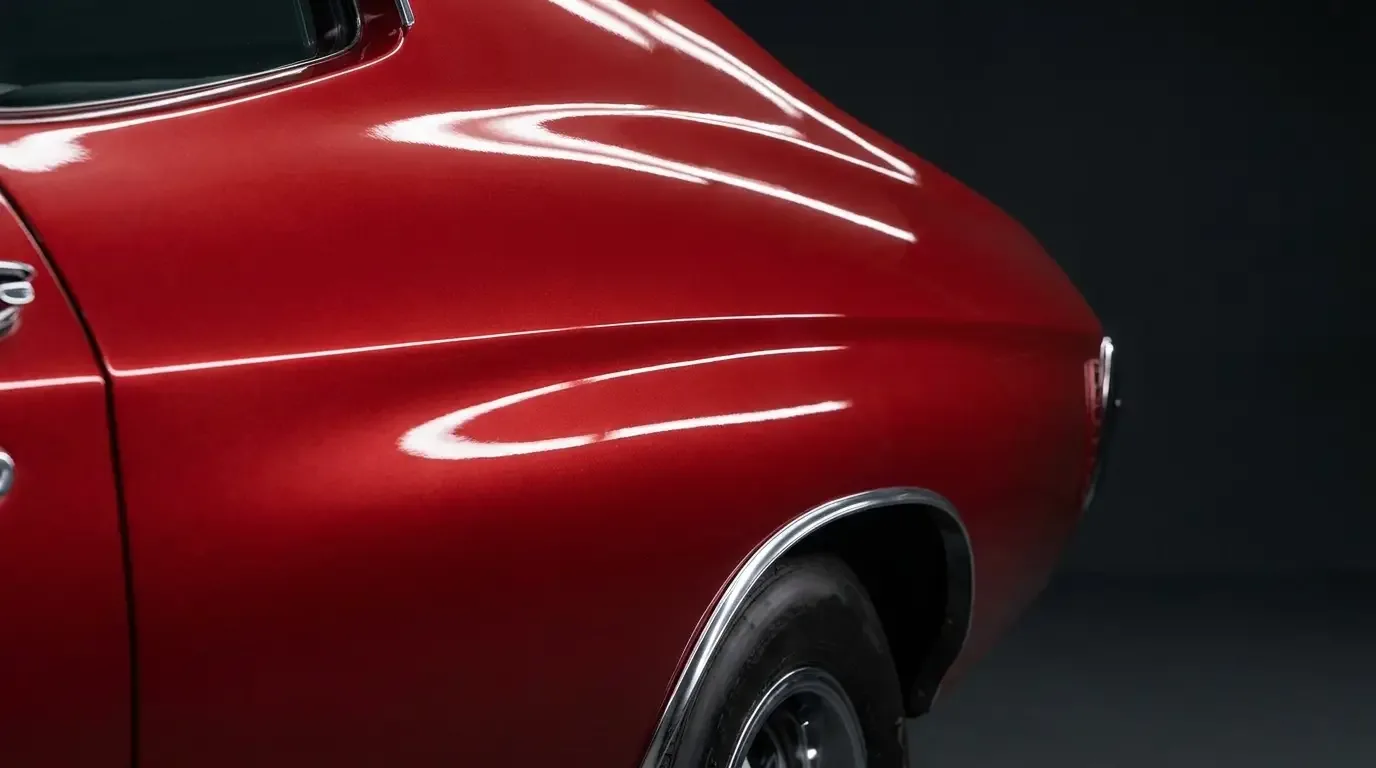
The A-body architecture that underpinned the Chevelle also carried the Pontiac Tempest and GTO, the Buick Special and Skylark GS, and the Oldsmobile Cutlass and 442. Shared cowl, shared floor pan dimensions, shared basic proportions front to back. That's how GM kept engineering costs down across four brands selling into overlapping but distinct customer bases. What each studio did with that shared foundation is where the real design story lives, and Chevrolet's answer was the coke-bottle hip and the clean, wide-shouldered stance that became the visual signature of the whole Chevelle line.
Where the Chevelle led was in restraint paired with proportion. Pontiac's GTO studio leaned into aggressive, almost cartoonish detailing at points, the split grille and hidden headlamp treatments especially. Buick's Skylark GS carried more chrome and a formal roofline longer into the muscle era. Oldsmobile split the difference, athletic but a little more buttoned-up. The Chevelle's studio kept coming back to a simpler read: let the body's own surfacing do the work instead of piling on ornament. That discipline is why so many builders today still reach for a Chevelle body when they want a clean canvas.
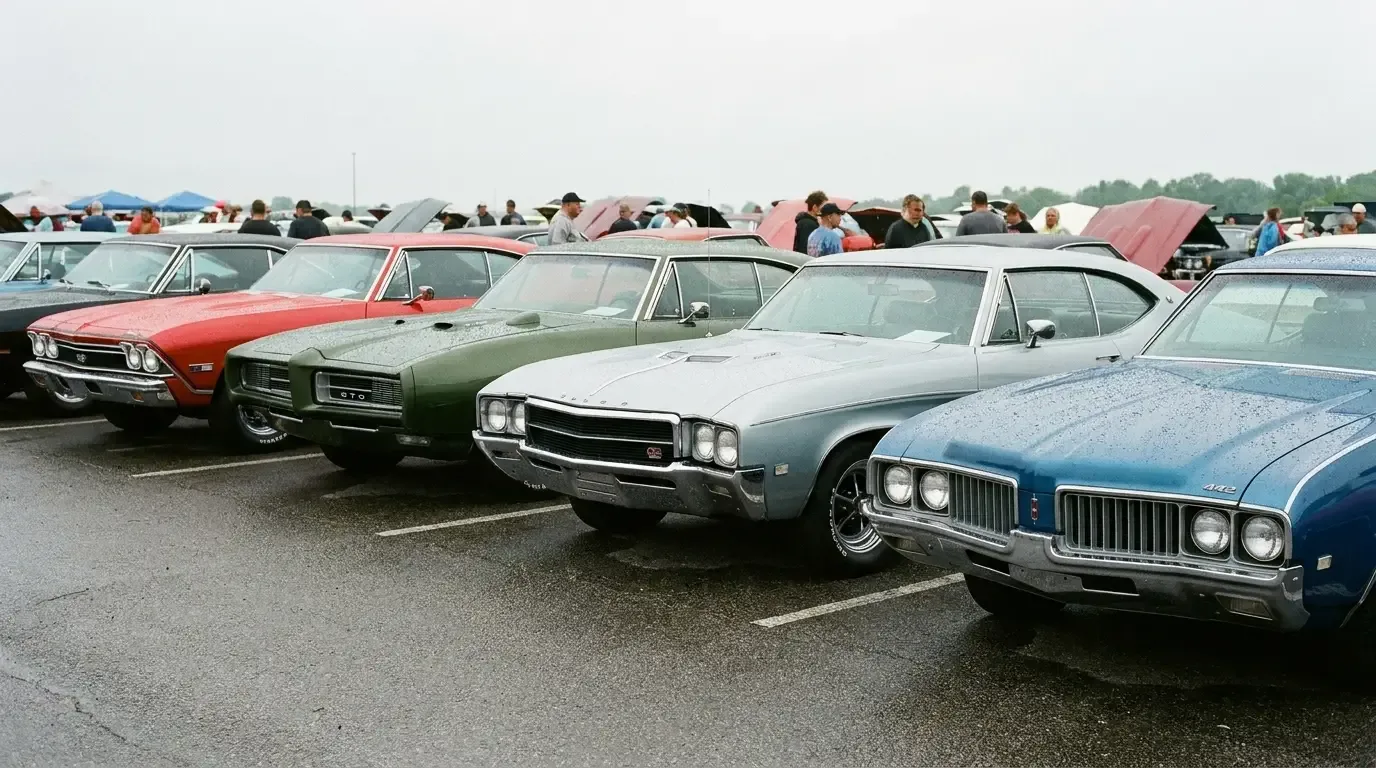
The 1968 redesign and the divisional split
1968 is the year you can see the A-body program's logic most clearly. All four divisions got new bodies built on a shorter wheelbase for two-doors and a longer one for four-doors and wagons, a split that let engineering serve both a sporty coupe market and a family sedan market off the same base tooling. The Chevelle's semi-fastback roofline and full-width, cross-hatched grille that year came out of the same corporate mandate that gave the GTO its Endura nose, but Chevrolet's studio took the mandate somewhere different. Chevelle styling history covers that shift in more detail, but the short version is that Chevrolet chose sculpted sheet metal over the bolt-on aggression Pontiac was selling that same year.
That divisional competition wasn't friendly rivalry for show. Each studio genuinely wanted its version of the shared platform to outsell the others, and that pressure kept the whole A-body lineup moving forward stylistically year over year instead of sitting on a stale design. The Chevelle benefited from that pressure as much as it created it.
Where the influence ran the other direction
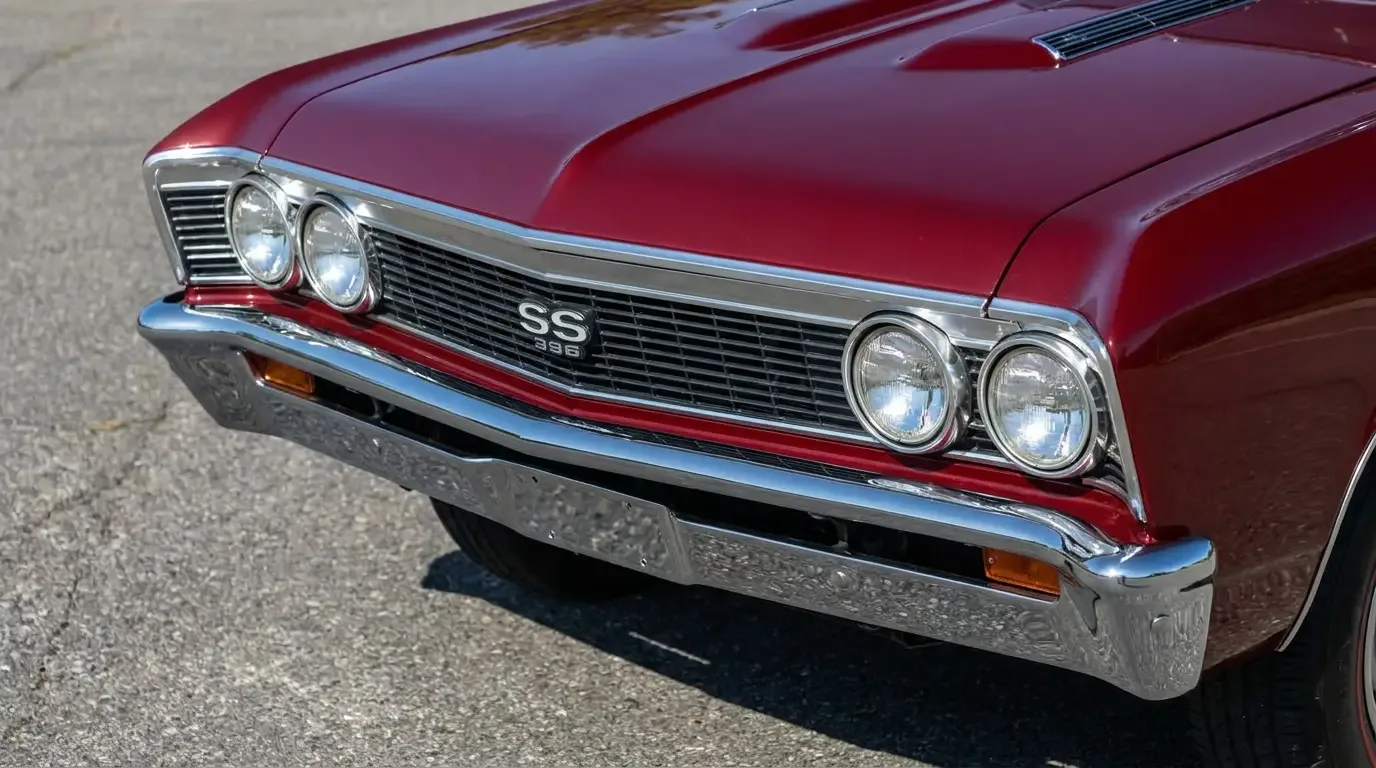
It's not a one-way street where Chevrolet dictated and the other divisions followed. The GTO's commercial success with performance-focused options like its optional hood-mounted tachometer showed the other divisions there was real money in dressing up the sporty end of the A-body lineup, and Chevrolet answered with its own SS instrument package rather than leaving the Chevelle looking plain next to a GTO on a dealer lot. Buick's more refined interior appointments on the GS pressured Chevrolet to upgrade Chevelle SS trim levels rather than leave the sportiest A-body feeling like the budget option in the lineup.
That back-and-forth is normal inside a big corporation running a shared platform across brands that technically compete with each other for the same buyer. Nobody at GM wanted a customer walking into a Pontiac dealer because the Chevelle looked cheap next to a GTO, and nobody wanted the reverse either. The result was four cars that pushed each other to stay sharp.
| Division | A-body nameplate | Design signature |
|---|---|---|
| Chevrolet | Chevelle / SS | Sculpted coke-bottle hip, restrained trim |
| Pontiac | Tempest / GTO | Bold Endura nose, hood scoops, hideaway lamps |
| Buick | Special / Skylark GS | Formal chrome, longer-lived rounded roofline |
| Oldsmobile | Cutlass / 442 | Athletic but buttoned-up, less ornament than GTO |
Why that matters to builders and buyers now
Understanding the shared bones matters practically, not just historically. A lot of suspension, glass, and interior hardware interchanges or nearly interchanges across the four A-body siblings, which is exactly why so many restomod shops treat a rough Cutlass or a parts-car Skylark as a legitimate donor for a Chevelle build when a straight Chevelle shell is hard to find. The platform sharing that let GM sell four brands off one architecture in 1968 is the same reason parts availability across the A-body family stayed strong for decades after production ended.
The design language question is a different one, and it's the more interesting one for anybody who actually cares about how these cars look. The Chevelle's studio made choices that held up. Clean surfacing, a hip line that reads as motion even parked, a face that changed with the times without losing the plot. Read the full Chevelle story if you want the complete arc, but the A-body chapter is the part that explains why this particular car ended up the one most builders reach for first when they want to build something that still looks right forty years later.
"People act like the Chevelle just happened to look good. It didn't just happen. Four studios were fighting over the same platform every single model year, and Chevrolet's guys kept winning that fight with restraint instead of extra chrome. That's harder to pull off than people think."
Jim Vasquez
For where that design discipline pointed next, next: Designing for Speed looks at the aerodynamic thinking baked into the Chevelle's shape well before wind tunnels drove the conversation.
Sources and notes
Related Reading
Have a
Chevrolet Chevelle
for Sale?
Reach thousands of serious classic car collectors across the US.
Sell It Here →
Are You a Classic Car Dealer?
List your full inventory and connect with targeted classic car buyers.
Join as a Dealer →

About the author
Jim Vasquez
Southern California hot rod and custom car builder with roots in the traditional kustom kulture scene.
Related Listings - Chevrolet Chevelle
Comments
Be the first to comment on this article.