
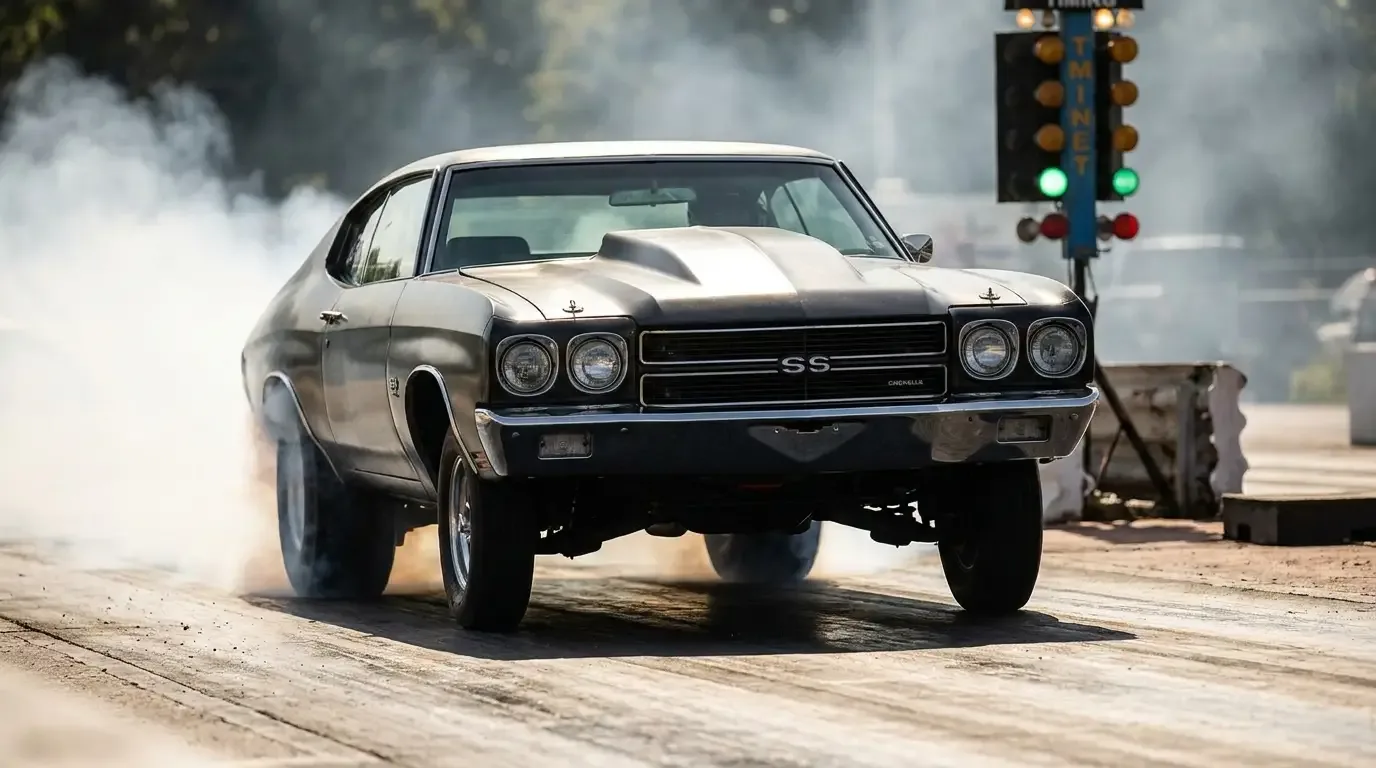
The guy who owned the maroon '69 Chevelle at the Byron Dragway swap meet didn't build his car to look like anything from the factory. He built it to look like it was leaning forward before it even moved: tubbed rear quarters, slicks poking out past the fenders, a cowl hood you could hide a lunch cooler under. That's Pro Street, and for about fifteen years it was the loudest, most opinionated corner of Chevelle culture there was.
Car Features
7 min read
Chevelle Pro Street Culture: From Strip to Street
How tubbed rear ends, big-block cowl hoods, and drag slicks turned the Chevelle into the defining car of the Pro Street era.
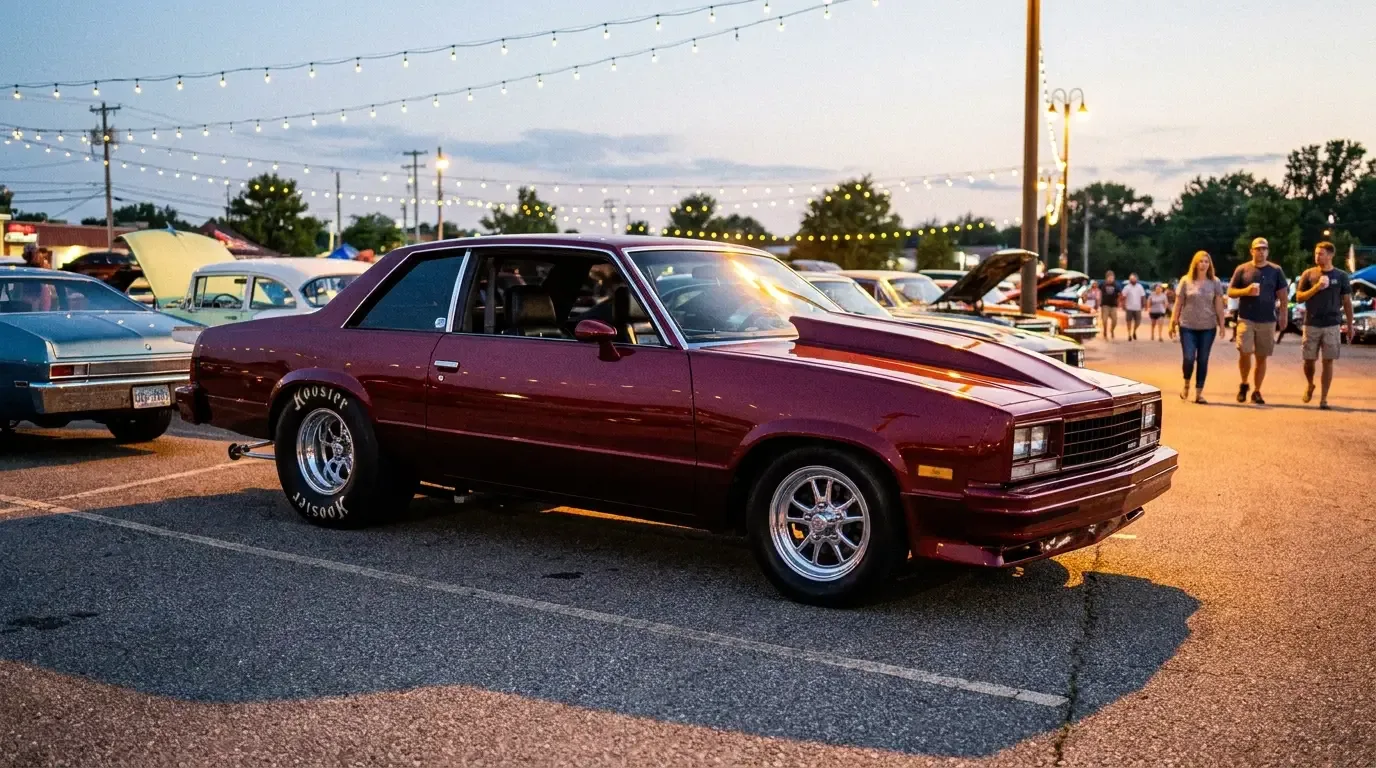
Pro Street grew out of the drag strip but it was never really about winning at the drag strip. It was a street car built to look like a full-tube Pro Stock car had been dropped onto a daily driver, big tires and all, then driven to the show on public roads with a trailer following just in case. For a Chevelle, a car that already had the wheelbase and the big-block real estate to make the look work, that made it one of the platform's defining eras almost as much as Chevelle in racing at NASCAR and NHRA levels did.
Where the look actually came from
The Pro Street movement traces back to the late 1970s and really caught fire through the 1980s, when magazines like Popular Hot Rodding, Car Craft, and Hot Rod started running features on cars built specifically to mimic the stance of a Pro Stock racer. The formula was consistent everywhere it showed up: narrow the rear frame rails, tub the wheel wells to swallow tires that had no business fitting under a factory quarter panel, drop a ladder bar or four-link rear suspension in place of the stock leaf springs, and run a big-block up front with enough carburetion showing through the hood to make the intent obvious from fifty feet away.
Chevelles fit the recipe better than most intermediates. The stock A-body rear frame rails sat close enough together that a tub job didn't require reinventing the unibody, and there was already a well-worn parts supply chain from years of Super Stock and bracket racing. A builder starting with a '68 through '72 Chevelle wasn't fighting the platform, he was just pushing it further down a road GM had already paved with the SS454.
What actually defines a Pro Street Chevelle
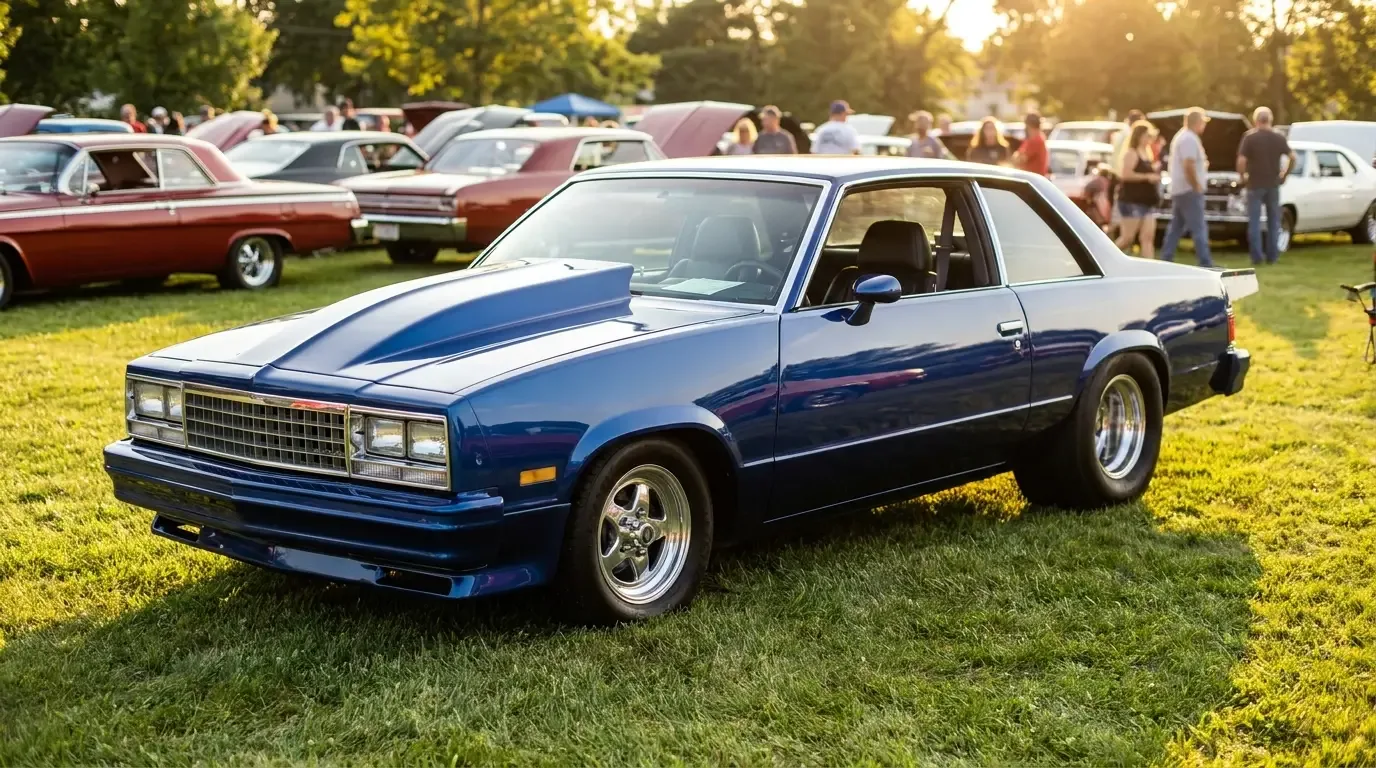
Ask ten builders what makes a car Pro Street and you'll get ten slightly different answers, but a few things show up on nearly every real one. The rear tires are the headline: something in the 31x16.5 to 33x18 range, mounted on wheels tucked as close to the sheet metal as the builder dared. The front end usually goes the other way, with skinny bias-ply-style front runners or narrowed factory wheels to keep the nose light and the stance aggressive. Under the cowl hood sits a big-block, almost always a 454, often with a single big Holley or a tunnel-ram setup with dual carbs poking through the hood scoop.
The suspension work is where the real engineering lives. A tubbed Chevelle needs its rear frame rails narrowed and boxed, a narrowed 12-bolt or 9-inch rear end, and either a ladder-bar or four-link setup to control wheel hop under power. None of that is cosmetic. A tub job done wrong will tear itself apart the first time the car actually launches hard, which is one reason the good builders in this era earned reputations that outlasted any single car they built.
| Element | Typical Pro Street Chevelle spec | Why it matters |
|---|---|---|
| Rear tire | 31x16.5 to 33x18 slick or drag radial | Defines the tubbed stance; sets rear wheel width |
| Rear suspension | Narrowed housing, ladder bar or four-link | Controls wheel hop, transfers power to the tire |
| Engine | 454 big-block, single 4-barrel or tunnel-ram dual carb | Fills the cowl hood, matches the visual promise of the stance |
| Front end | Narrowed wheels, lightweight front runners | Keeps nose light, exaggerates the rake |
The street-legal compromise, and why it mattered
What separated Pro Street from an actual race car was the insistence on plates and a title. Builders kept the headlights working, the turn signals wired, and usually a functioning heater and a back seat, because the whole point was driving the thing to the cruise night, not trailering it. That compromise is what made these cars a genuine subculture instead of just a class of race car. A Pro Street Chevelle had to idle rough enough at a stoplight to sound serious and still be tame enough not to overheat sitting in traffic on the way there.
That tension between race-car intent and street-car practicality is a big part of why the 1970 SS454 at the Drag Strip looms so large over the whole Pro Street era. Builders weren't trying to recreate a factory SS454. They were trying to build the car GM might have made if there had been no emissions rules, no insurance company looking over anyone's shoulder, and no limit on tire width.
Where the culture stands now
Pro Street cooled off through the 1990s as Pro Touring, with its emphasis on handling and modern suspension geometry over straight-line stance, pulled a lot of the same builders and the same magazine coverage in a different direction. But it never fully went away. Original Pro Street Chevelles from the 1980s now get treated almost like period pieces, appreciated for the era they represent the same way a correct numbers-matching car gets appreciated for factory originality. Buying one today means buying a piece of a specific decade's idea of what a muscle car should look like, tub job, tunnel ram, and all.
Collector interest has followed. A well-documented Pro Street build from a known regional builder can bring real money at specialty auctions, though prices vary enormously depending on who built it and whether the fabrication work has held up. For a buyer shopping the segment today, that means the build sheet and the fabricator's name matter almost as much as the engine combination.
"You can spot a real Pro Street Chevelle from across a parking lot before you ever look at the engine. It's the stance. Nose down a little, tail up on those tires, like it's still trying to look like it's launching even when it's parked. That's not an accident, somebody spent months getting that rake right."
Patrick Walsh
Sources and notes
- Street Muscle Mag, "Pro Street: A Look Back At The Bow-Tie Style That Never Gets Old"
- In The Garage Media, "Defining muscle car terms: pro touring, pro street, & street freak"
- Coker Tire, wide hot rod rear tire reference
- Hagerty Media, muscle car culture and valuation coverage
- Team Chevelle forum, Pro Street and drag-build technical discussion
Related Reading
Have a
Chevrolet Chevelle
for Sale?
Reach thousands of serious classic car collectors across the US.
Sell It Here →
Are You a Classic Car Dealer?
List your full inventory and connect with targeted classic car buyers.
Join as a Dealer →

About the author
Patrick Walsh
Automotive journalist covering classic car shows, events, and the enthusiast community across North America.
Related Listings - Chevrolet Chevelle
Comments
Be the first to comment on this article.