
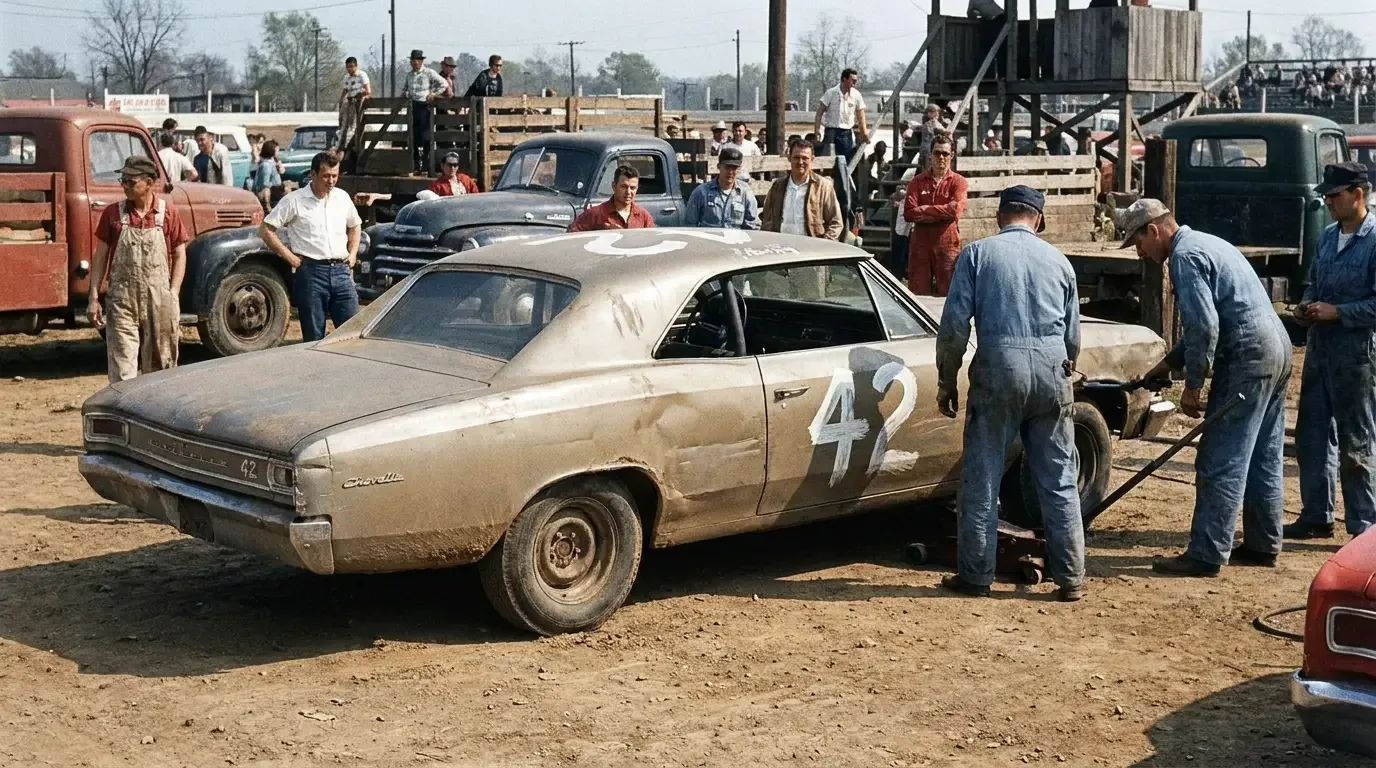
The guy at the swap meet had a photograph he carried in a plastic sleeve, the kind that's been handled so many times the corners have gone soft. It showed a Chevelle sideways through a banked turn, dirt kicking off the right rear, a number scrawled on the door in shoe polish because the paint hadn't dried in time for the race. He wasn't selling anything that day. He just wanted to talk about the car, and about a Saturday night forty years earlier that he remembered better than most weeks of his actual life. That's the thing about this car on a track. It made memories that outlasted the paint.
Car Features
9 min read
Chevelle in Racing: From NASCAR to the Drag Strip
How the Chevelle raced from NASCAR superspeedways to local drag strips and short tracks, and why its grassroots racing history still matters today.
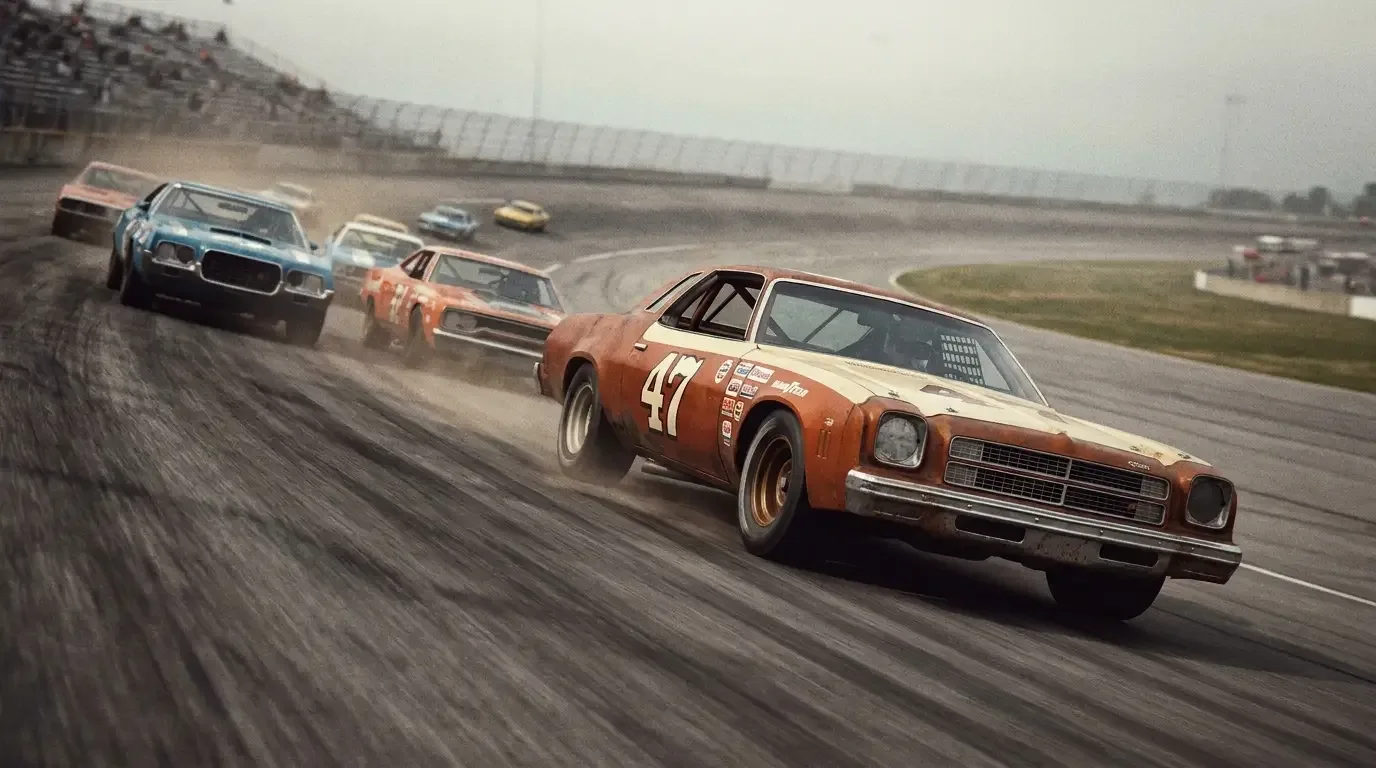
The Chevelle never had the factory-backed racing mystique of some of its rivals. Chevrolet didn't build a dedicated racing program around it the way other manufacturers leaned into their own muscle car nameplates. What the Chevelle had instead was a body that privateers and semi-factory teams kept finding reasons to run, on ovals, drag strips, and short tracks, for well over a decade. It showed up where the racing was, whether or not Detroit was paying full attention.
Anyone coming to this piece from earlier in the silo already knows the broad strokes of the car's story. If you haven't read it yet, the classic Chevelle story covers the full arc from 1964 introduction through the years this article is about to dig into.
NASCAR: the Chevelle finds the high banks
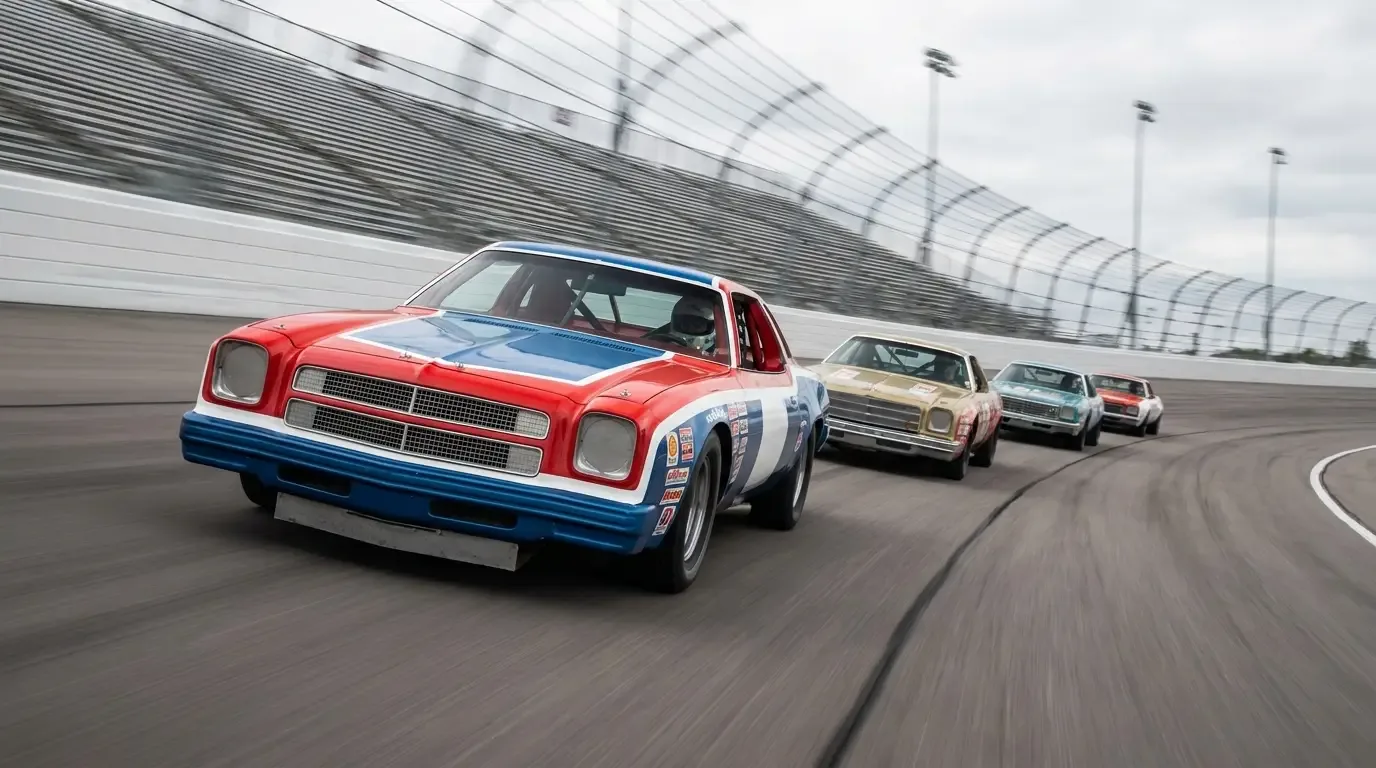
The Chevelle's most visible racing chapter runs through NASCAR's Winston Cup era in the mid-1970s, when the car found its way into the hands of some of the sport's biggest names. Junior Johnson's operation, one of the most respected in stock car racing at the time, bought Cale Yarborough's team midway through the 1974 season, and Yarborough went on to win seven races that year in the No. 11 Chevelle, including a last-lap pass of Buddy Baker to take Bristol's Volunteer 500 that July. He'd go on to win back-to-back Winston Cup championships in 1976 and 1977 driving Johnson's Chevelle Laguna, and his runs behind the wheel are a big part of why the car carries any oval-track credibility at all today.
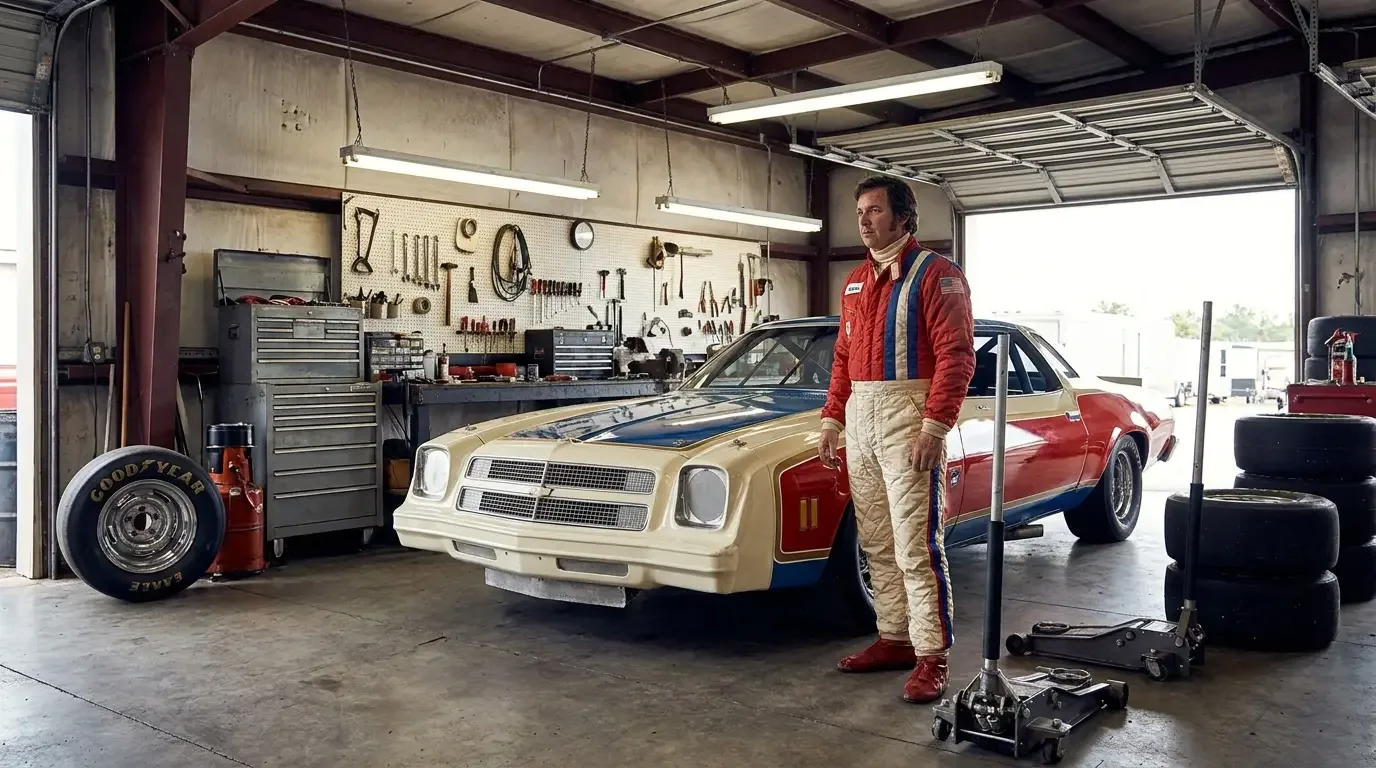
What made the Colonnade-generation Laguna S-3 particularly relevant here wasn't the trim level buyers saw in the showroom. It was the slanted, urethane-covered aero nose Chevrolet introduced on the road car starting in 1975, a shape that read as styling to the general public but carried real intent for high-speed stability at Daytona and Talladega. The Laguna proved fast enough on the high banks that NASCAR eventually required the cars to run restrictor plates, a rule no other body style in the field faced at the time, before making the Laguna S-3 body ineligible for competition after the 1977 season. NASCAR in this period was an arms race of aerodynamics as much as horsepower, and manufacturers who wanted to stay competitive had to think about the shape of the front clip as seriously as what sat behind it.
What a race weekend actually looked like
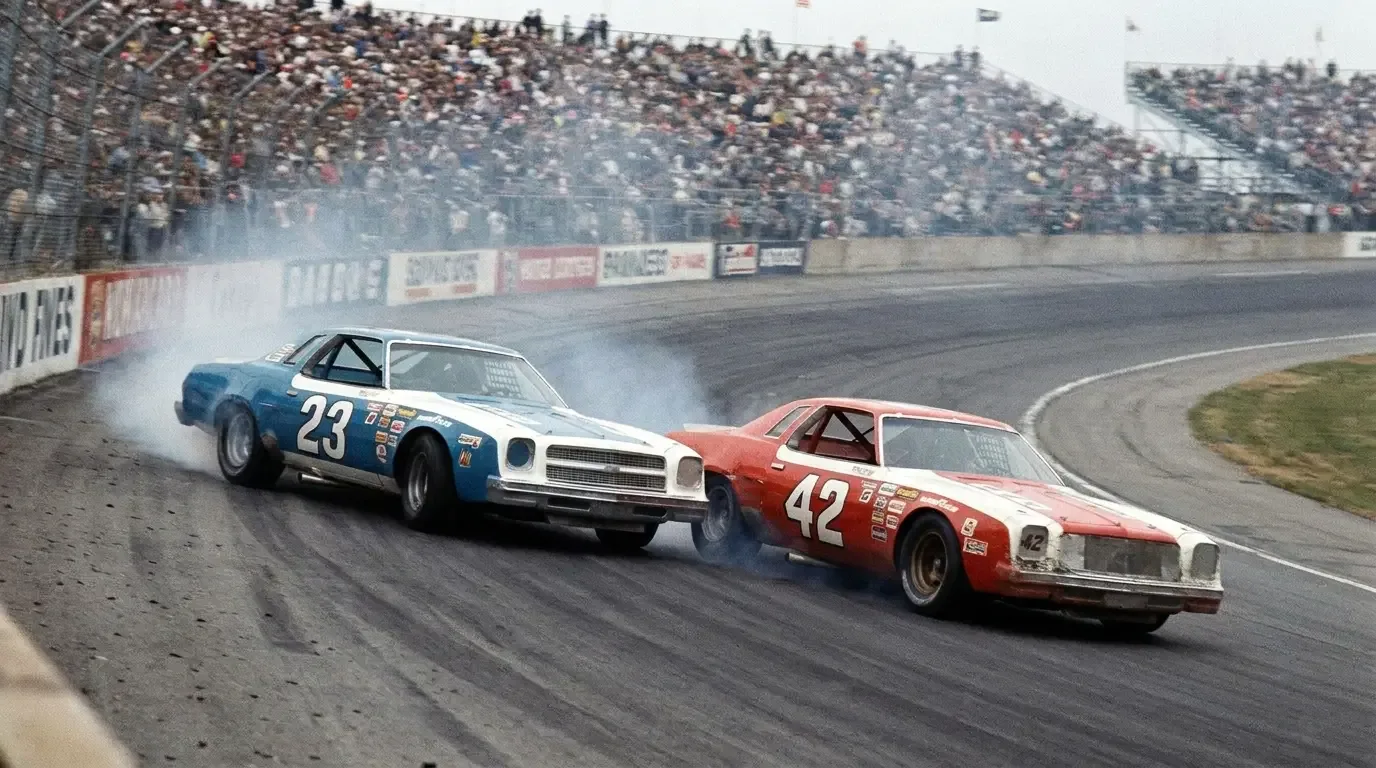
Picture a Talladega qualifying session in the mid-1970s. Teams were chasing every fraction of drag reduction they could find, testing nose angles and grille openings the way engineers today chase downforce numbers on a spreadsheet, except back then it was closer to trial and error with a stopwatch and a lot of arguing in the garage area. A Chevelle that ran two-tenths quicker through the trap because somebody reshaped a nose panel was a real competitive edge, and the crews that figured it out first had a genuine advantage over a full season.
The drag strip: where privateers made their name
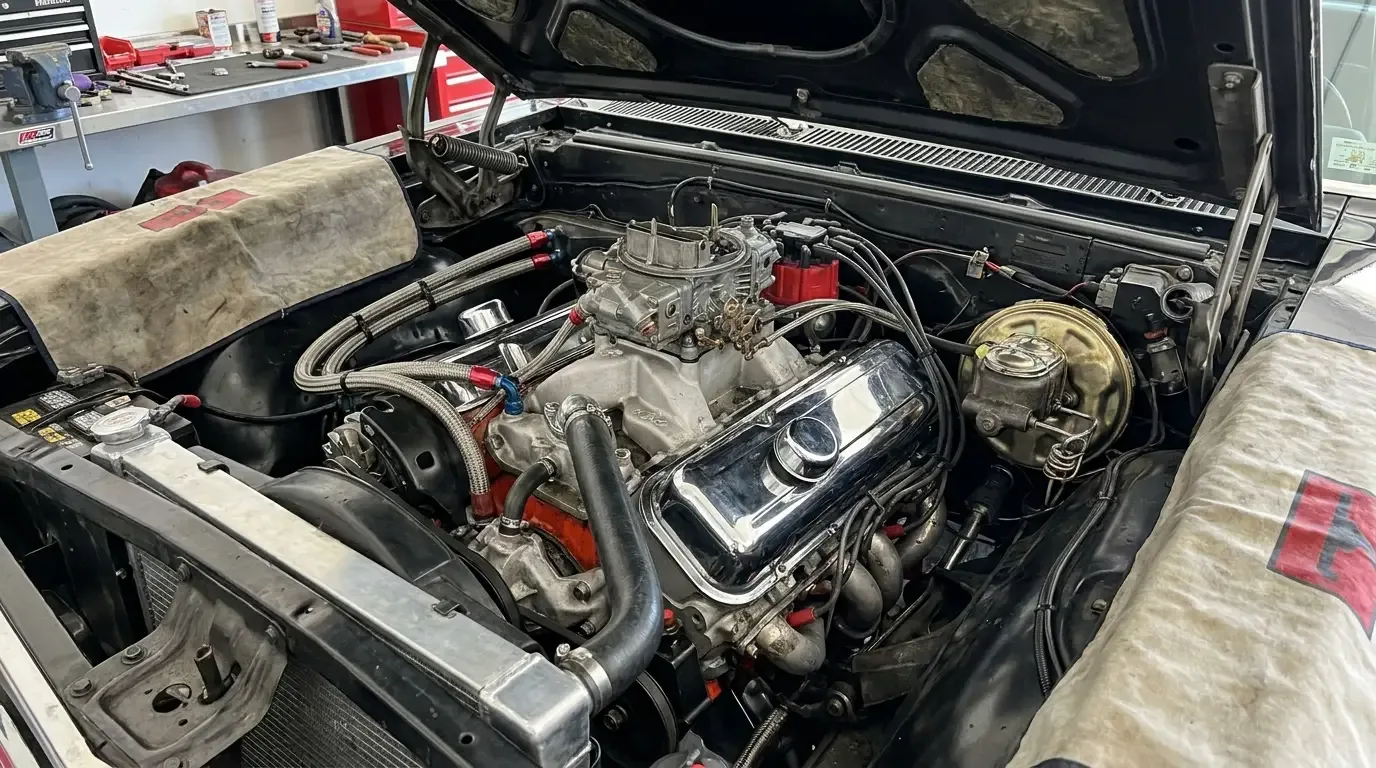
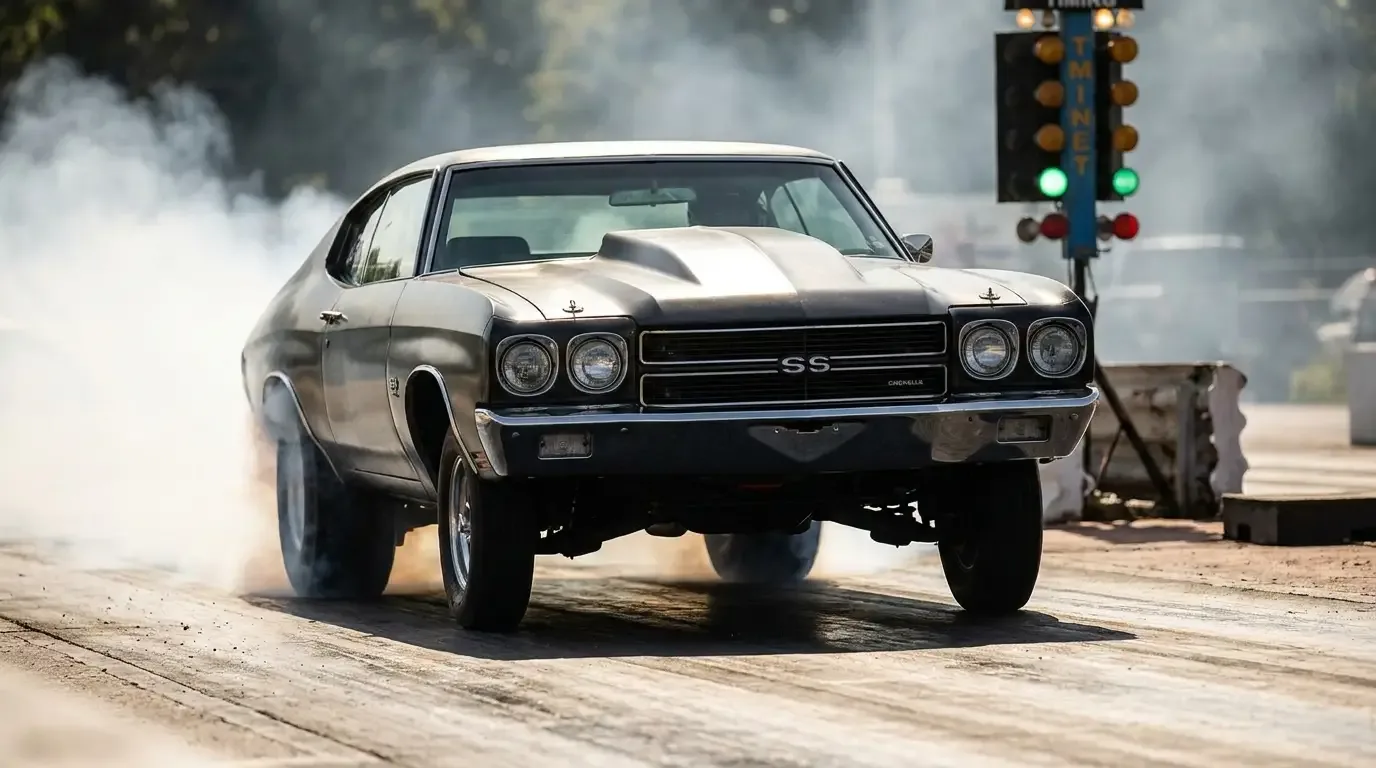
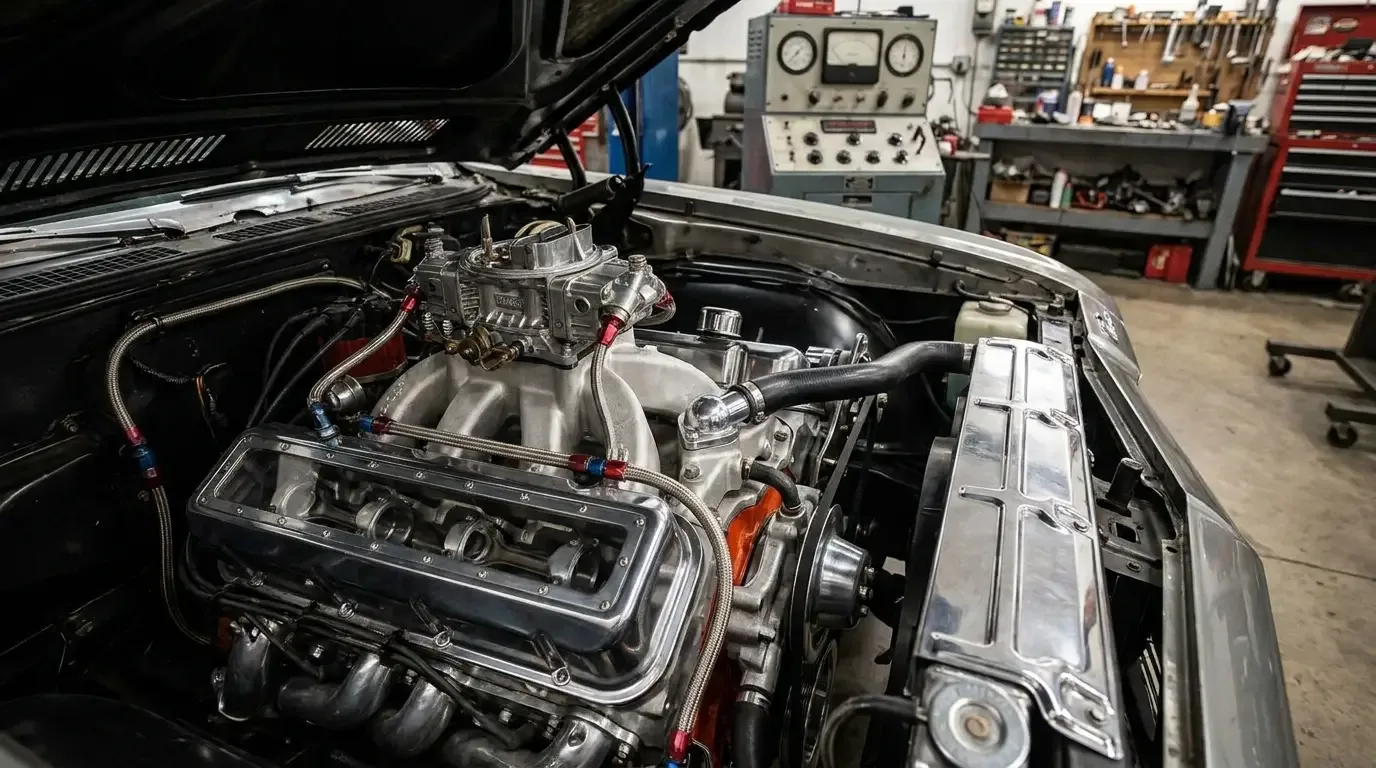
Away from NASCAR's big-money world, the Chevelle built its other racing reputation one Saturday night at a time, at strips across the country where the car showed up in Super Stock and, later, doorslammer classes built around the era's biggest street-legal engines. The big-block Chevelles, especially cars carrying the era's highest-output 454 option, found a natural home in these classes, where a heavy but powerful intermediate body could put down consistent, repeatable runs against similarly built rivals from other manufacturers.
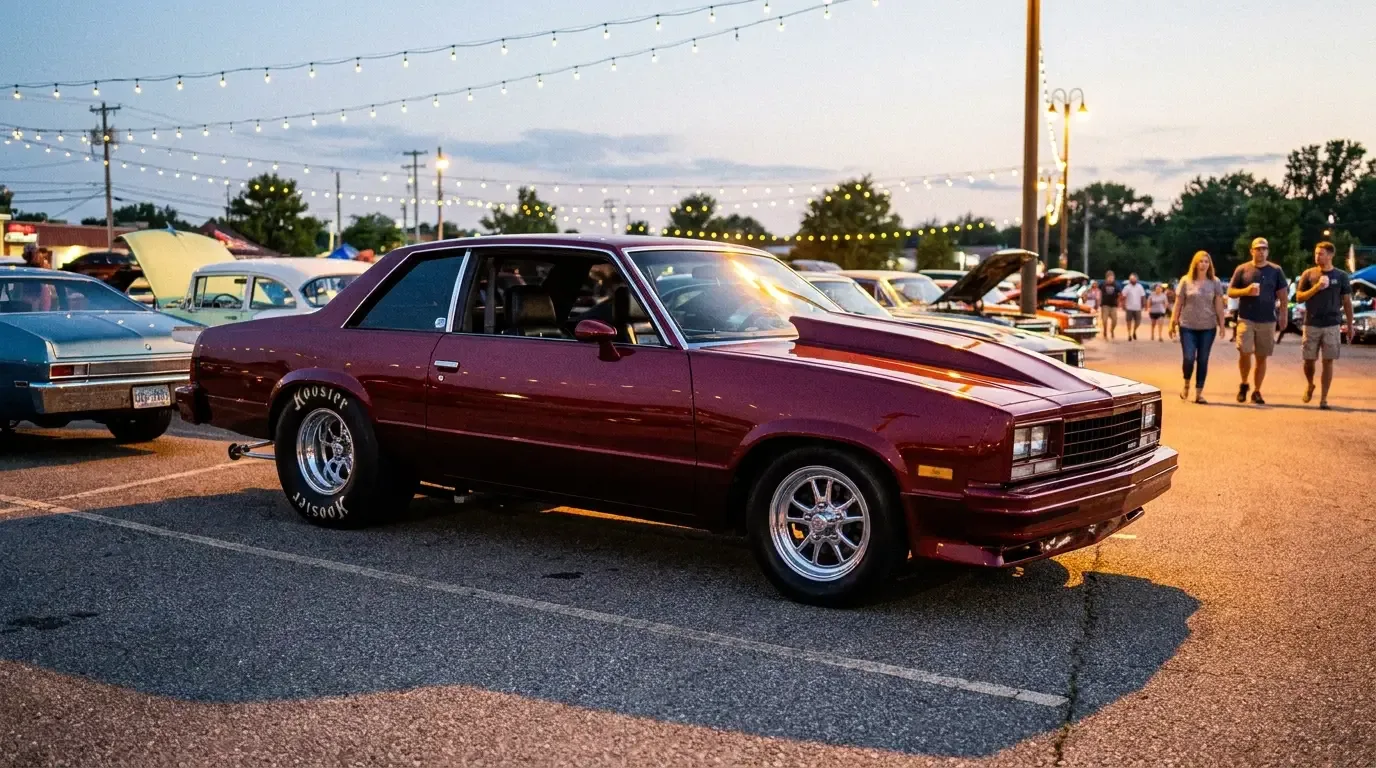
This is where the car's reputation gets built by names most casual fans never learn. Regional racers, the ones who ran a Chevelle at their home track every weekend for a decade, are the reason the car has any drag racing folklore at all. Ask around at a Chevelle-heavy car show today and you'll still find someone who remembers a specific driver, a specific track, and a specific run that's been repeated so many times at the concession stand that it's become local legend whether or not the quarter-mile time was ever officially verified.
A car built to survive being raced
Part of why the Chevelle worked as a drag car came down to the same driveline toughness that made it a durable street car. Heavy-duty rear ends, available four-speed manuals, and a chassis that could handle repeated hard launches without falling apart meant privateers could actually campaign these cars race after race rather than rebuilding them after every pass. That durability doesn't show up in a magazine spec sheet, but it's exactly the kind of thing that kept Chevelles competitive at local strips long after the factory had moved on to other priorities.
Short tracks and the cars nobody photographed
For every Chevelle that ran under NASCAR's lights, there were dozens more running dirt and short asphalt ovals across the country, campaigned by weekend racers whose names never made a record book. These are the cars that photograph doesn't survive on, that only exist now in stories told at swap meets and reunion shows, the kind the guy with the plastic sleeve was telling. That grassroots racing history is arguably more important to the Chevelle's identity than anything that happened at a superspeedway, because it's the version of racing that actual owners could participate in rather than just watch.
Talk to enough people who grew up around this car in the 1970s and you hear the same shape of story again and again: a Chevelle bought used, raced at the local track on weekends, driven to work during the week, sold eventually but never quite forgotten. That's a different kind of racing legacy than a trophy case. It's a car that got lived in and raced hard by people who couldn't afford to treat it as precious.
Local track programs from this era rarely survive intact. Results sheets got thrown out, photographs ended up in shoeboxes that never made it past a garage sale, and the tracks themselves in a lot of cases don't exist anymore, paved over or plowed under decades ago. What's left is oral history, passed between people who were there, which is exactly why claims about a specific car's racing past deserve a healthy amount of skepticism until somebody can produce something more solid than a good story told well.
The class structures that shaped how these cars were built
Sanctioning bodies at the strip level, from the NHRA down to smaller regional associations, drew class lines around weight, engine size, and modifications in ways that pushed Chevelle racers toward specific combinations. A car built for Super Stock competition looked different under the skin from one built for a more loosely regulated bracket class, and understanding which rules a given car was built to run under tells you a lot about why certain Chevelles from this period were modified the way they were. It wasn't random. Every change traced back to a rulebook somewhere.
Why the racing story still matters to buyers today
None of this racing pedigree means every Chevelle on the market has a story worth a premium. Most don't, and claims of unverified racing history should be treated with real skepticism until there's paperwork or period photography to back them up. But understanding the car's actual competition record, the NASCAR years, the aerodynamic nose development, the strip and short track culture that ran alongside it, gives context to why this nameplate carries the enthusiasm it does at shows and swap meets decades later.
Whether you're chasing a documented race car or simply want a street car with the right pedigree behind the name, browsing classic Chevelles for sale is a good place to start once you understand what actually happened on track versus what's just good bench racing.
| Racing arena | Era | Notable connection |
|---|---|---|
| NASCAR Grand National | Early-to-mid 1970s | Junior Johnson operation, Cale Yarborough era |
| Superspeedway aero development | Mid-1970s | Laguna Type S-3 nose shape |
| Drag strip (Super Stock and related classes) | Late 1960s through 1970s | Big-block 454 privateer entries |
| Regional short tracks | 1960s through 1970s | Weekend-racer grassroots culture |
"The trophy in somebody's garage doesn't tell you the story. The guy who remembers the run does. Half the best Chevelle racing history in this country never made it into a record book, it just got passed down at the concession stand every Saturday night for forty years."
Patrick Walsh
The car's cultural footprint didn't stop at the track, either. From there it found its way onto film sets and into the wider American imagination, and that story continues in onward to Chevelle in Pop Culture and Film.
Sources and notes
Related Reading
Article
The Classic Chevrolet Chevelle Story
Article
The Colonnade and Laguna Years (1973-1977): Muscle in the Malaise Era
Article
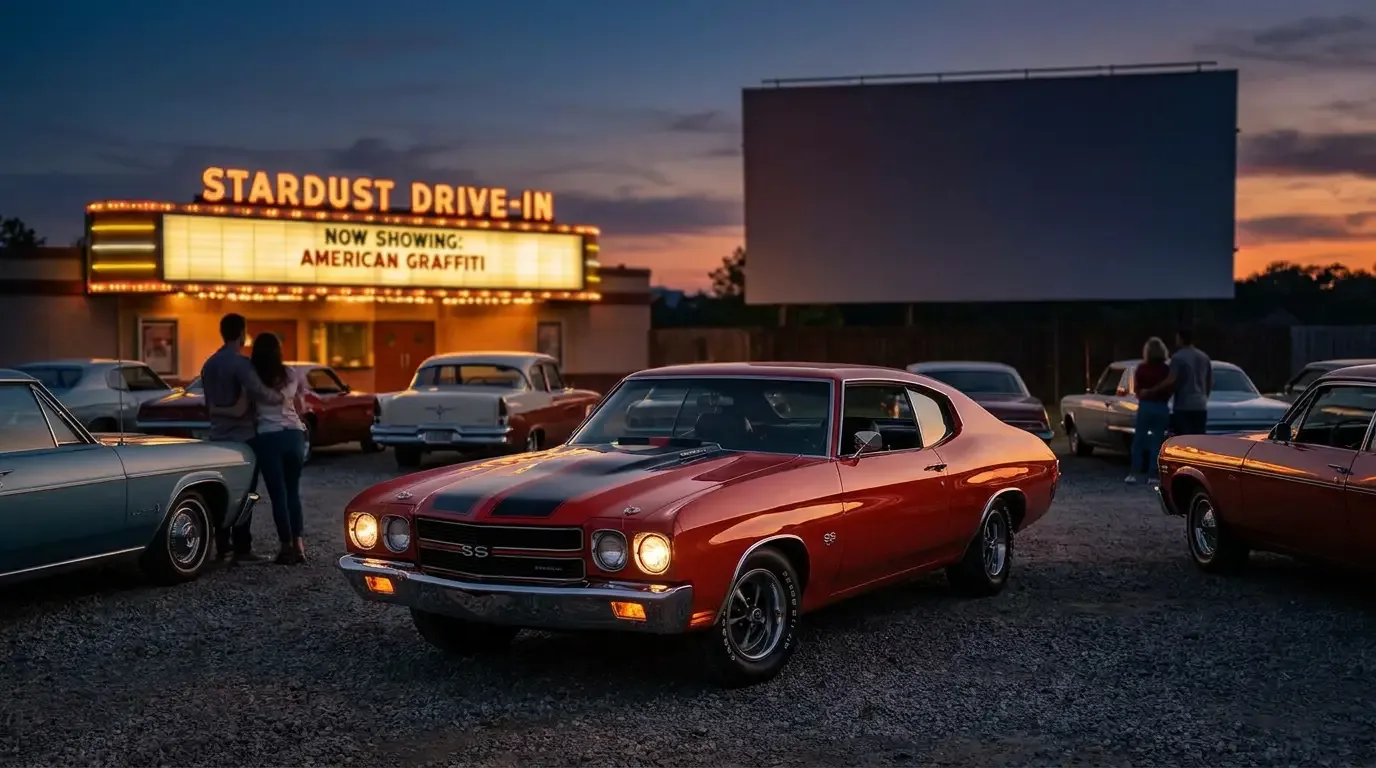
Chevelle in Pop Culture and Film
Article
Chevelle in NASCAR Grand National: The Early Years
Article
The Laguna S-3 Aero Wars: Cale Yarborough's NASCAR Chevelle
Article
The Laguna S-3 Aero Wars: Benny Parsons and the Superspeedway Fight
Article
Super Stock Drag Racing Chevelles
Article
Chevelle Pro Street Culture: From Strip to Street
Article
The 1970 SS454 at the Drag Strip
Article
Baldwin-Motion Phase III: The Dealer-Tuned Drag Chevelles
Article
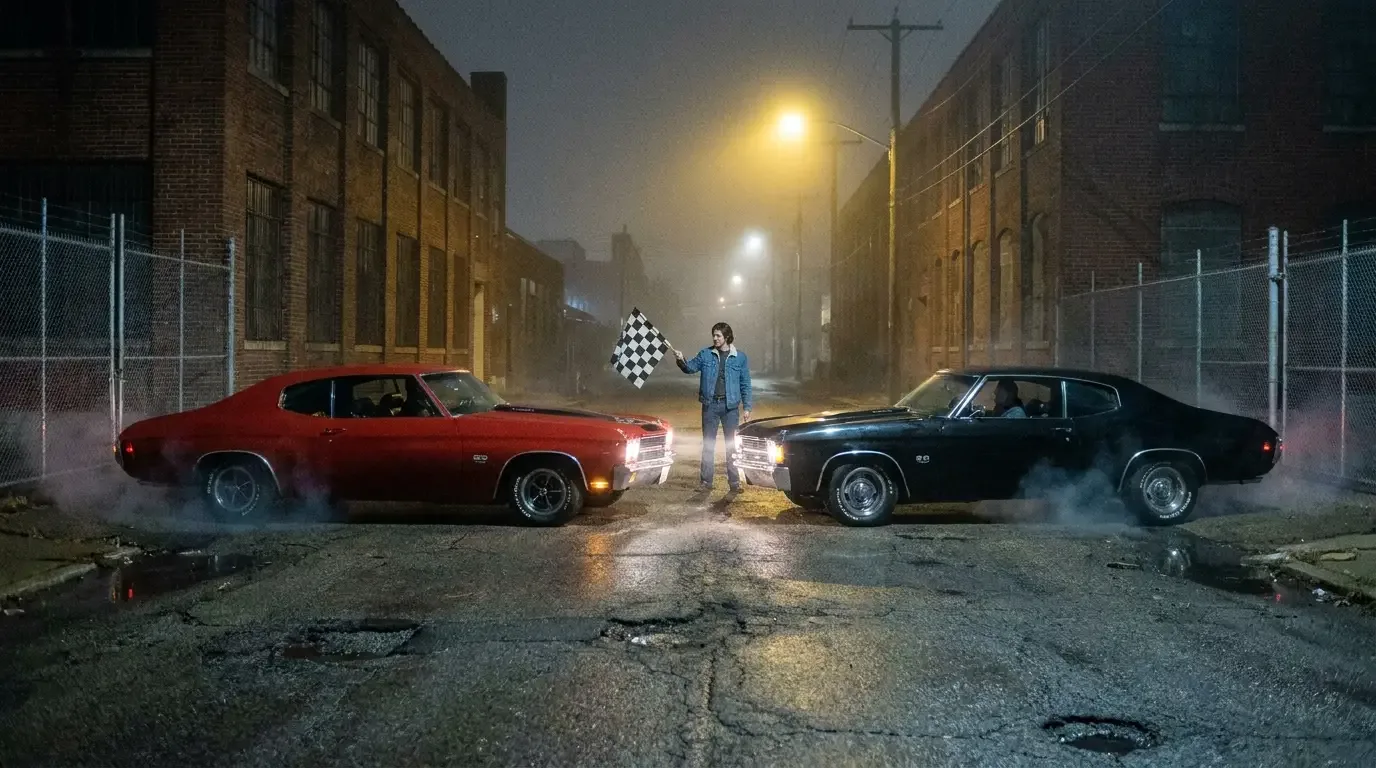
Chevelle Street and Grudge Racing Lore
Article
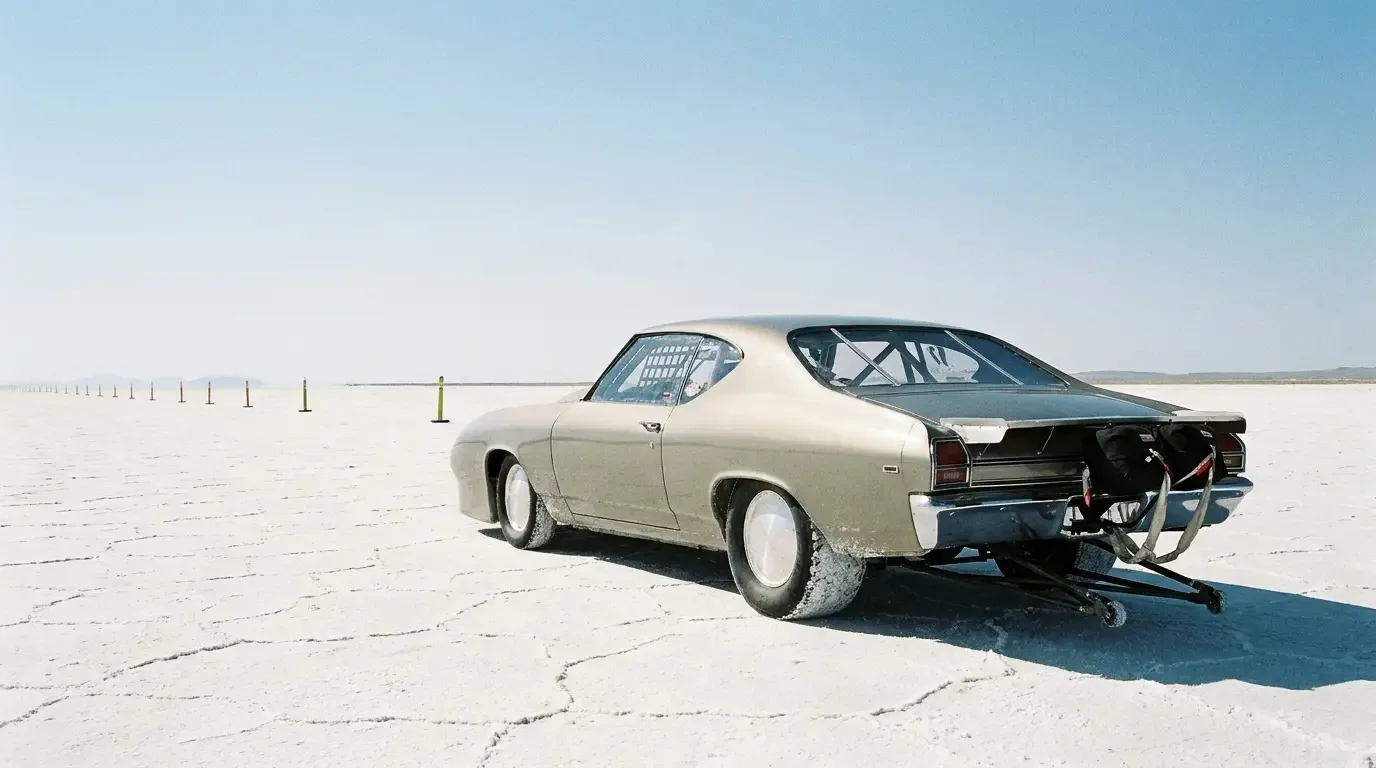
Bonneville and Land-Speed Chevelles
Article
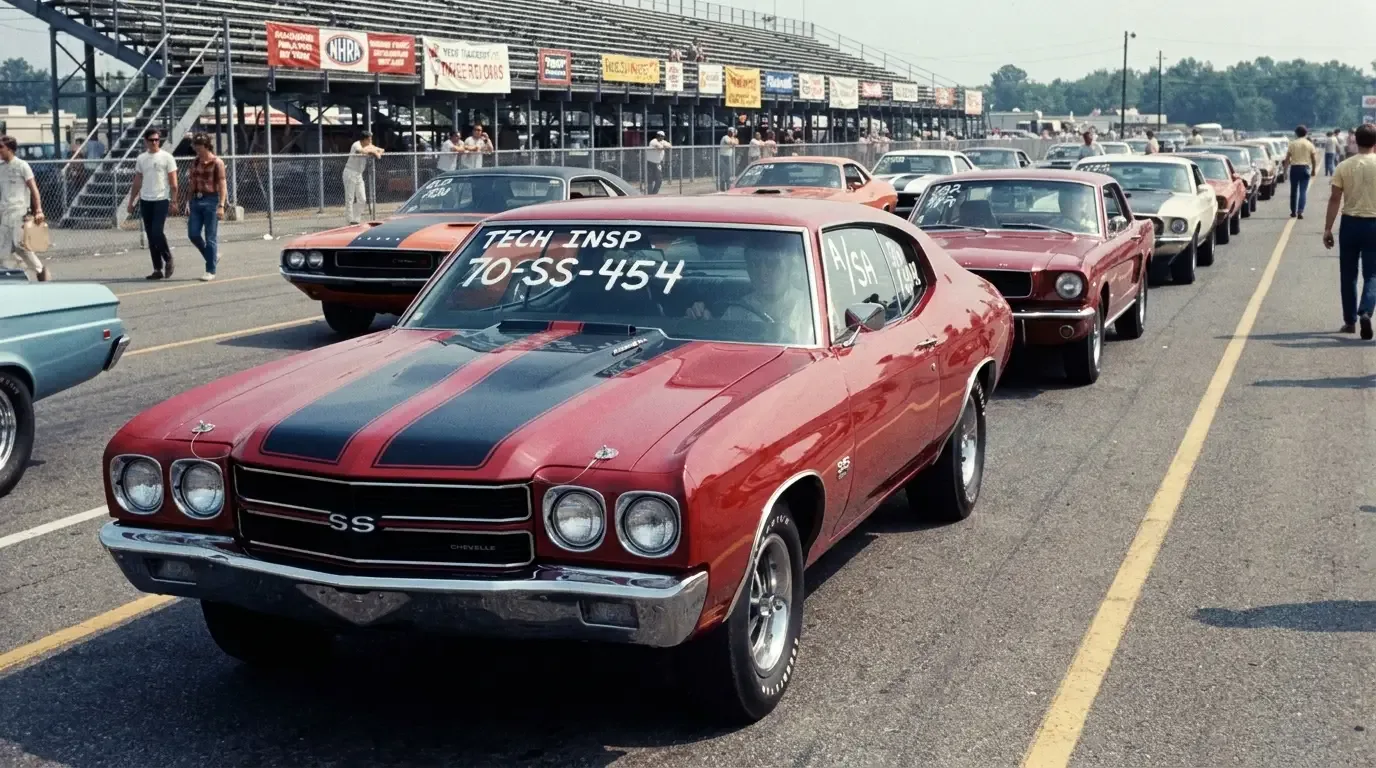
NHRA Big-Block Chevelle Classes Explained
Article
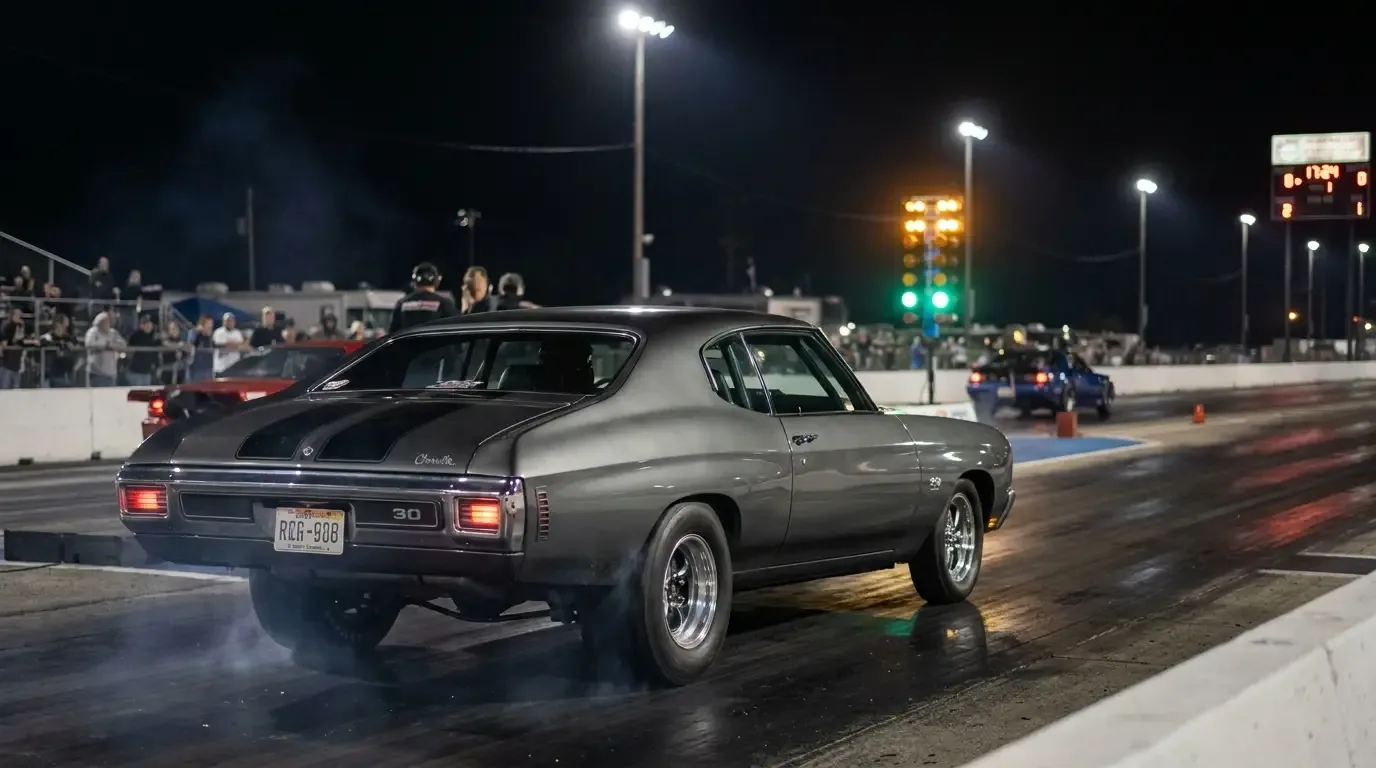
Bracket Racing Chevelles Today
Article
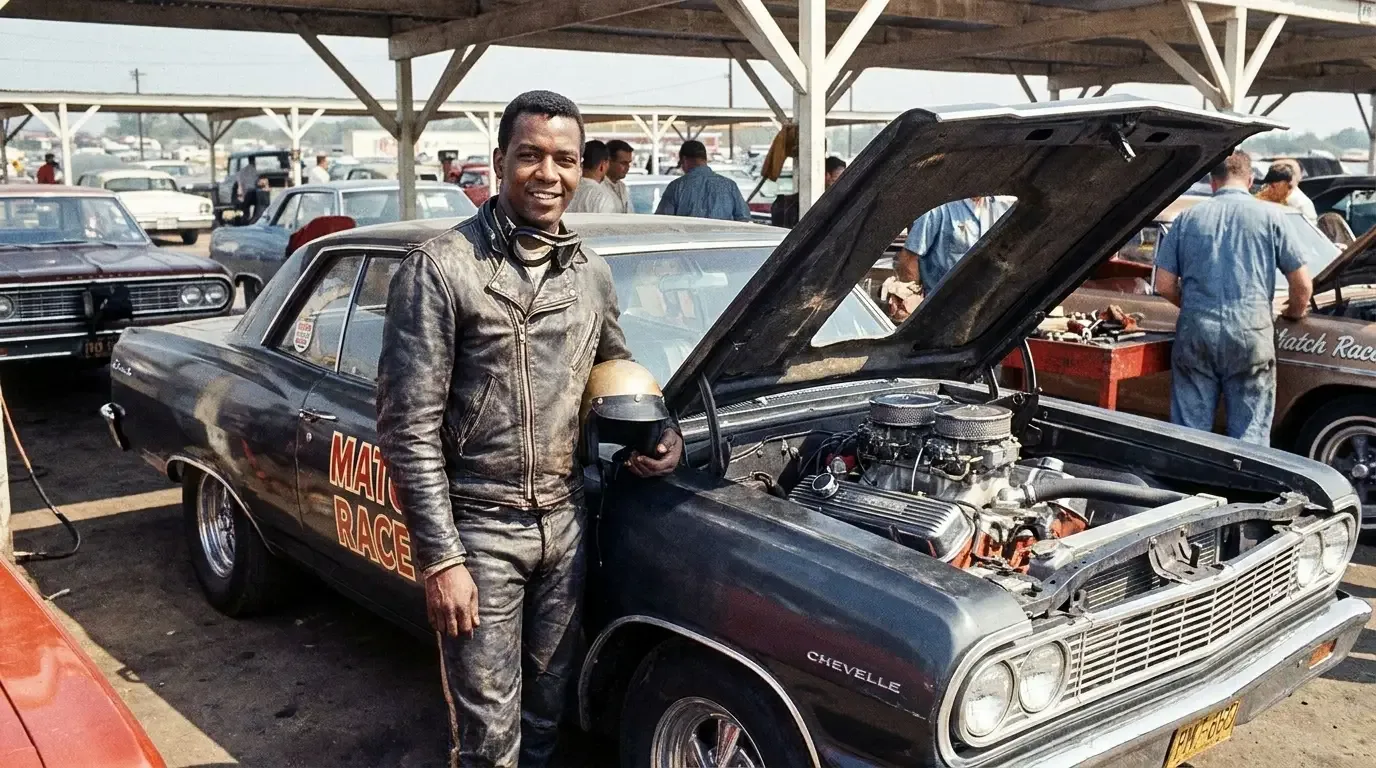
Famous Drag-Racing Chevelles You Should Know
Article
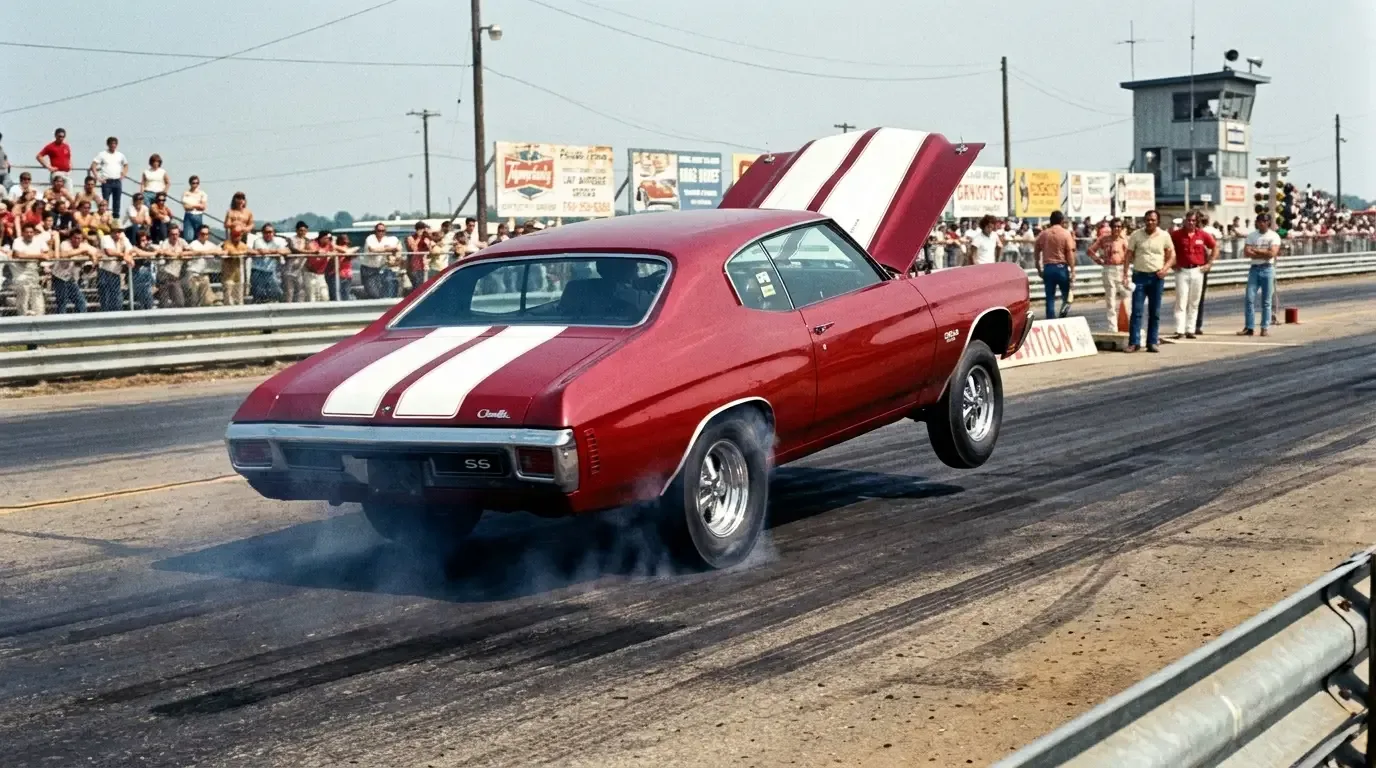
The 454: How One Engine Became a Drag-Strip Legend
Article
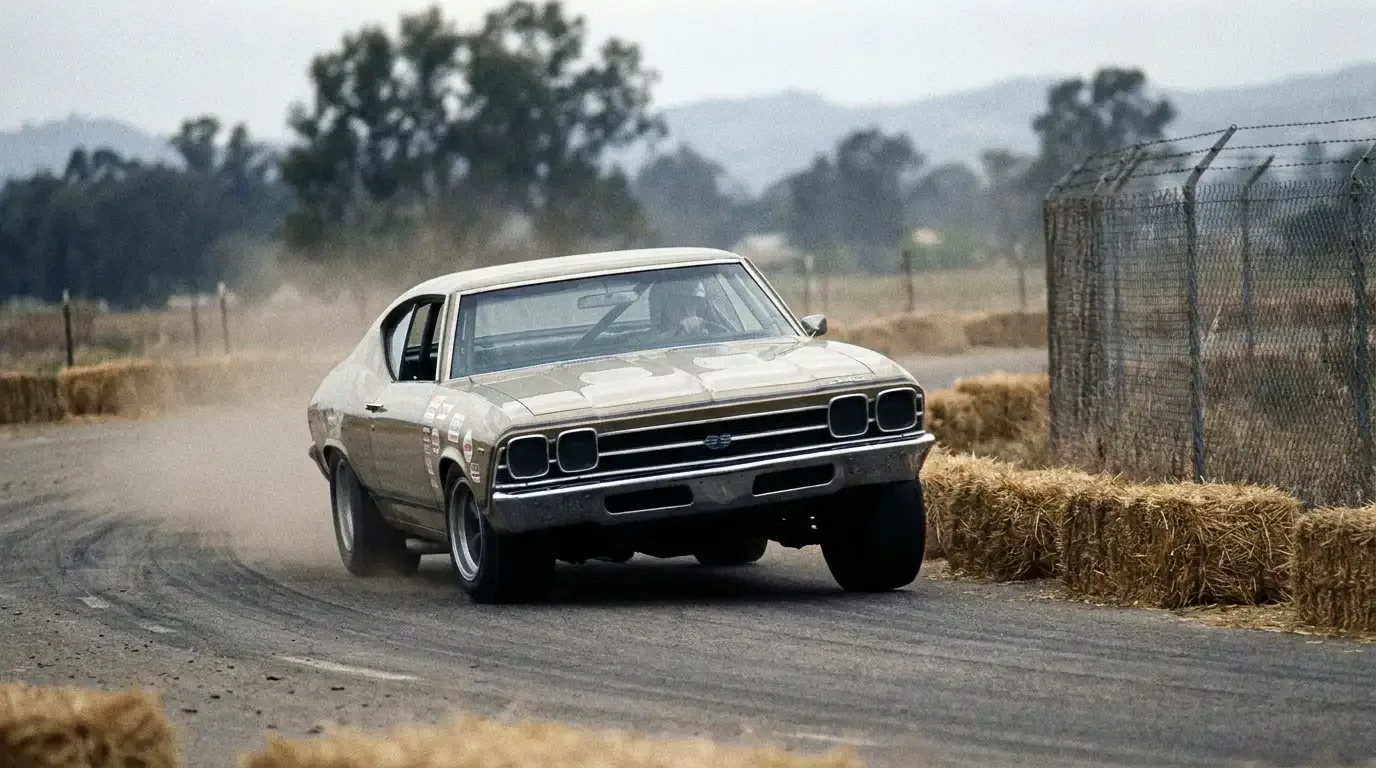
Chevelle SCCA and Road-Course Appearances
Article
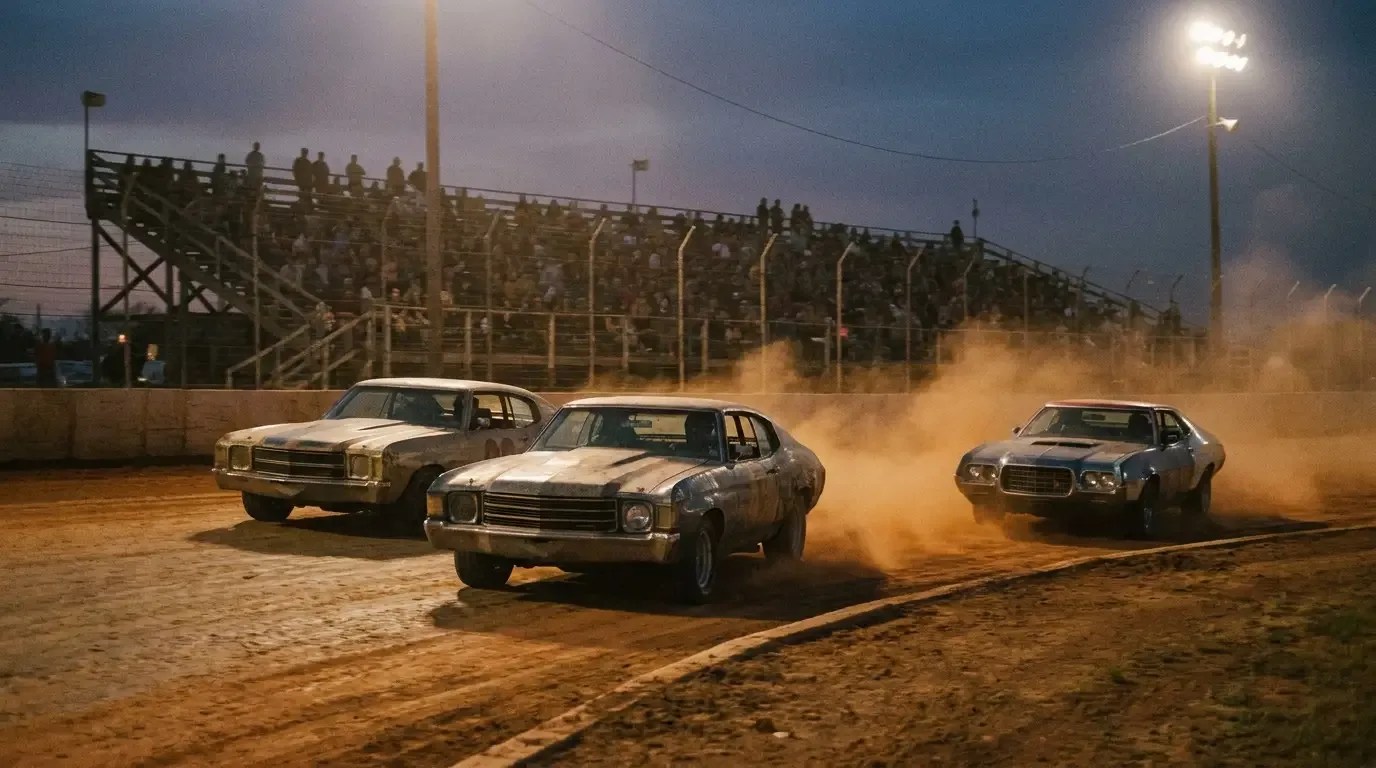
Chevelle NASCAR: Short-Track Grit vs Superspeedway Aero
Article
Yenko and Other Dealer-Tuned Racing Chevelles
Article
Chevelle Racing Liveries and Paint Schemes
Article
Grassroots Chevelle Racing Today
Have a
Chevrolet Chevelle
for Sale?
Reach thousands of serious classic car collectors across the US.
Sell It Here →
Are You a Classic Car Dealer?
List your full inventory and connect with targeted classic car buyers.
Join as a Dealer →
#Chevelle NASCAR
#Chevelle racing history
#Laguna S-3 racing
#drag racing Chevelle
#Junior Johnson
#muscle car racing

About the author
Patrick Walsh
Automotive journalist covering classic car shows, events, and the enthusiast community across North America.
Related Listings - Chevrolet Chevelle




Comments
Be the first to comment on this article.