
Every town that had a stretch of straight road and a car culture worth talking about had a version of the same story: two guys, two cars, an agreed-upon starting line marked by a crack in the pavement or a mailbox, and money or pink slips riding on who got to the next landmark first. Chevelles were built for exactly that kind of trouble. Wide enough to plant a big-block, cheap enough for a working guy to actually own one, and common enough that there was always another Chevelle around willing to line up next to yours.
Car Features
6 min read
Chevelle Street and Grudge Racing Lore
The unsanctioned frontage-road matchups and modern no-prep grudge events that built the Chevelle's street racing reputation.
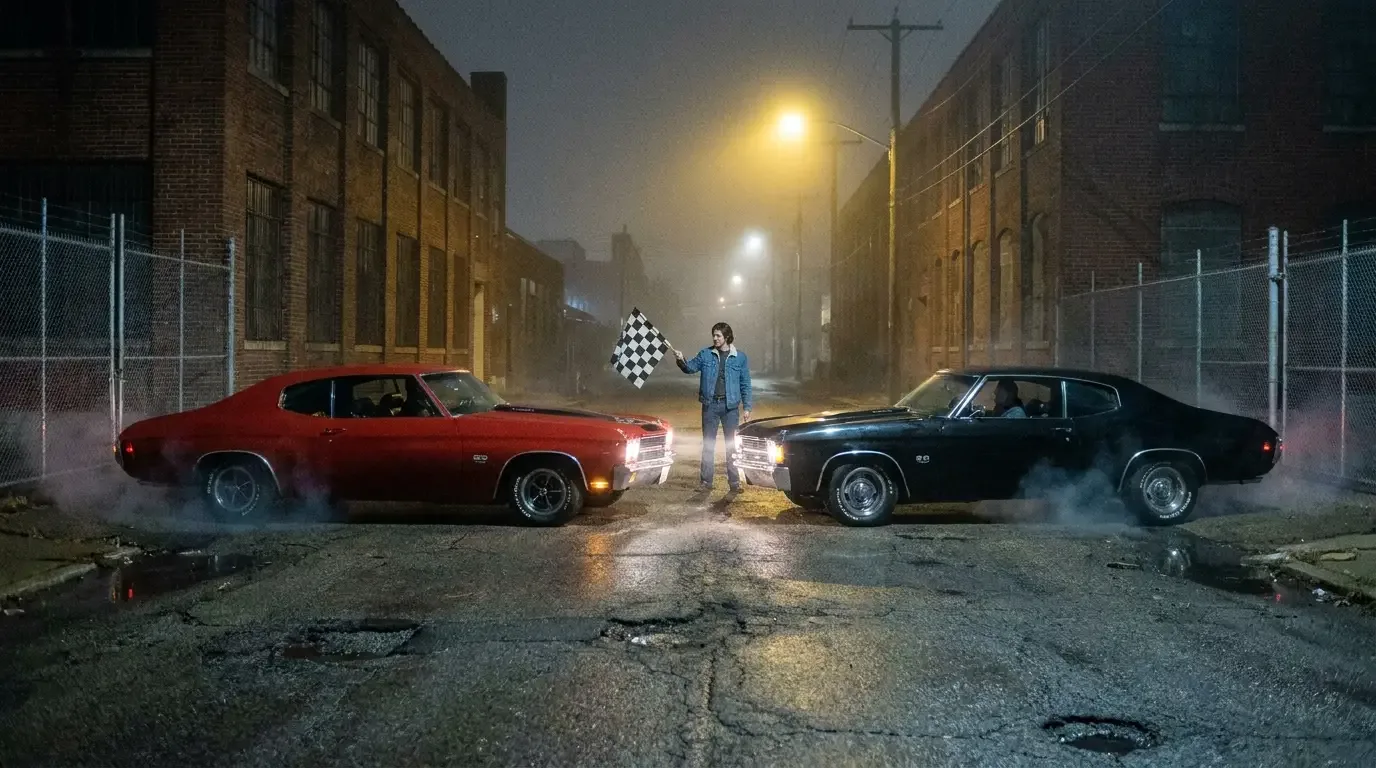
Grudge racing never had a sanctioning body or an official record book, and that's precisely why the stories about it have outlived most of the actual events. A Saturday night pass down a two-lane road outside town doesn't show up in any NHRA record, but it shows up in every conversation at a cruise night for the next forty years, usually growing by a tenth of a second every time it gets retold.
How street racing actually worked in the Chevelle's heyday
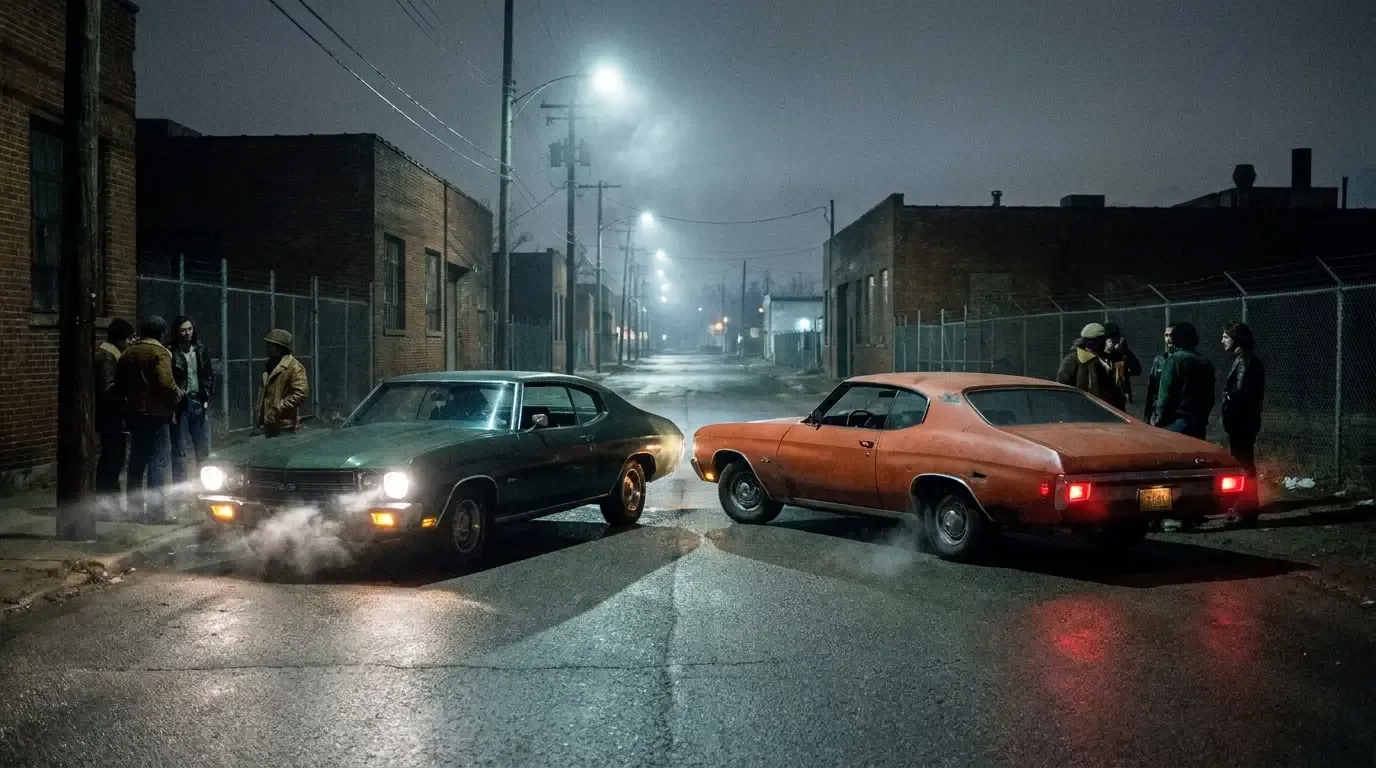
The classic grudge match had a rhythm to it that anyone who lived through the era will recognize. Word would travel through a shop, a drive-in, or eventually a CB radio channel that two specific cars were going to settle something. A location got picked, usually somewhere with a long straight stretch and few enough cars around at that hour to make it survivable, an industrial road, an unused frontage road, sometimes literally the strip of highway leading out of town before the streetlights started. A flagger, often a friend of both drivers trusted not to favor either side, would drop his arm and that was the whole ceremony.
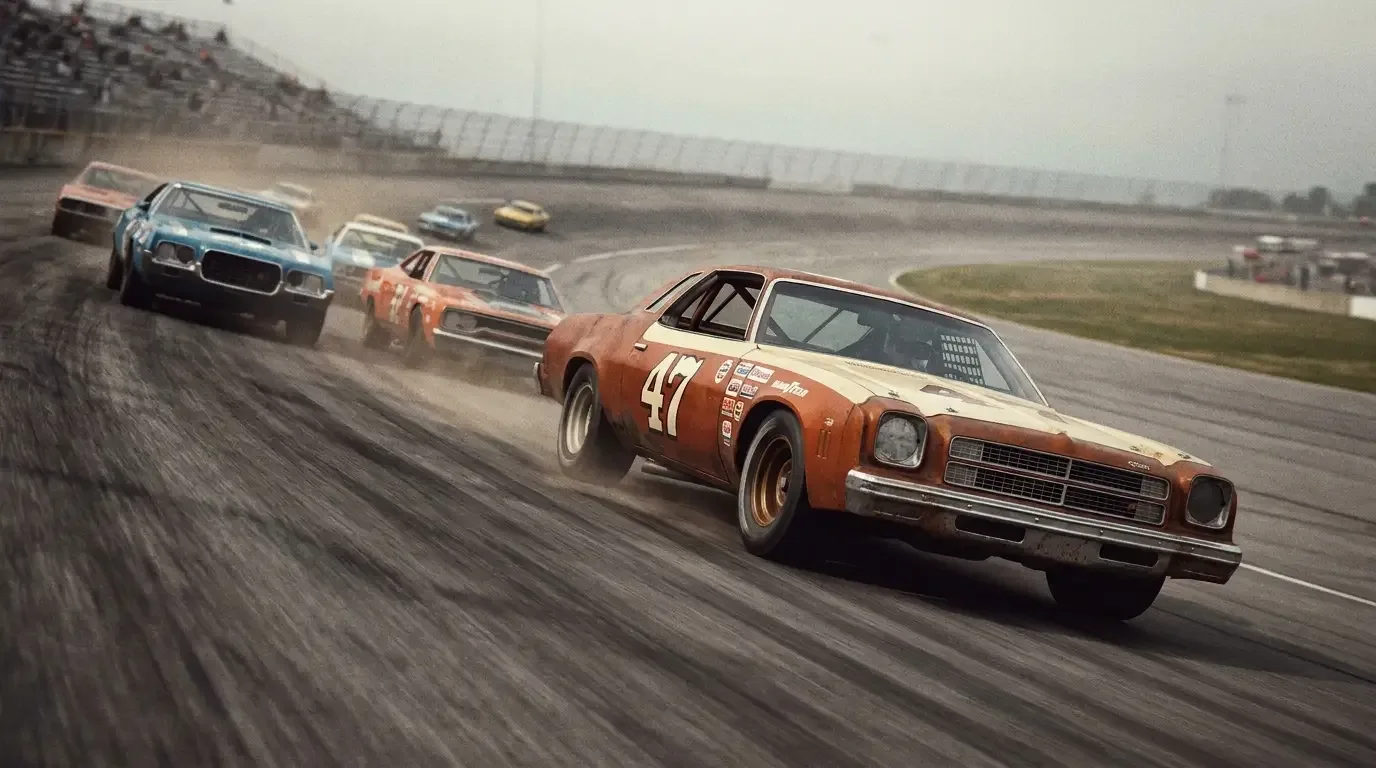
What made a Chevelle a natural fit for this world wasn't sophistication, it was accessibility. A big-block Chevelle from the late sixties or early seventies could be bought used and cheap well into the 1970s and 1980s, long after the factory warranty and the insurance company's interest had both expired, which put a genuinely quick car within reach of guys who couldn't have afforded one new. That's a very different story than the factory-built Chevelle in racing at the NASCAR and NHRA level, but it comes from the same basic appeal: this was a car that could actually go.
The gap between legend and what actually happened
Ask around any Chevelle circle long enough and you'll hear about the mythical stone-stock car that supposedly ran a number nobody's ever actually verified, or the guy who beat a factory Hemi in a Chevelle nobody can quite name the owner of anymore. That's part of the culture, honestly. Street racing produced legends faster than it produced documentation, because nobody was running a timing light and a certified scale at two in the morning on a frontage road. What actually happened and what got told at the next cruise night were rarely the exact same thing, and everybody involved in that world knew it and mostly didn't care.
What's easier to verify is the pattern behind the legends: Chevelles with warmed-over 396s and 454s genuinely did compete, and lose, and win, against everything from Mopar B-bodies to Ford intermediates on public roads across the country for the better part of two decades. The specific numbers got exaggerated. The basic fact that these cars were doing it is not in dispute.
The cars that actually got built for this world
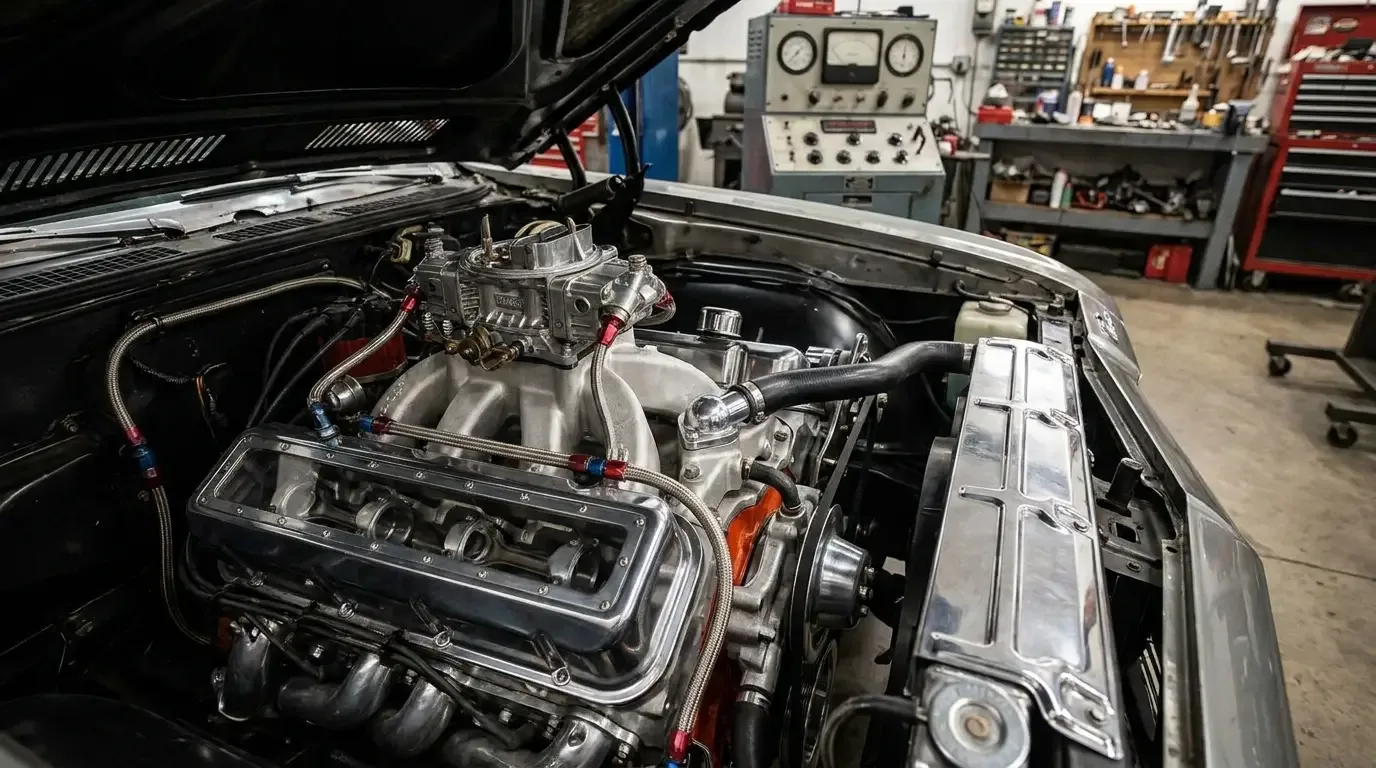
A street or grudge Chevelle rarely looked stock under the surface even when it looked stock from the curb. Owners chasing an edge on other cars in their circle would swap in a bigger carburetor, run a hotter cam than anything the factory offered, or find a way to shed weight from a car that wasn't going anywhere near a show field. Fiberglass hoods and front fenders showed up on street cars long before they became common at sanctioned events, because a guy racing for pink slips on a Tuesday night didn't care whether his car still had its original sheet metal, he cared whether it was faster than the car in the other lane.
That willingness to cut weight, swap parts, and run combinations no factory would have approved is a big part of why so few genuinely period-correct street racing Chevelles survive today in anything like original condition. The ones that do carry a specific kind of history that's worth documenting honestly rather than restoring away. A modified frame, a non-original rear end, evidence of a fiberglass hood swap decades ago, these are marks of a real history, not flaws to be erased.
Where the tradition went next
Public street racing never really disappeared, but the culture around it changed shape as law enforcement pressure, insurance costs, and simple traffic density made the old frontage-road matchups harder to pull off safely. A lot of what used to happen on a public road migrated to sanctioned no-prep and grudge-style events at actual drag strips, a shift that picked up real momentum in the 2010s as shows like Street Outlaws pushed the format into the mainstream, built specifically to recreate the heads-up, no-class-rules feel of old street racing but on a surface that's actually maintained and closed to other traffic. Chevelles show up regularly at these events today, running against everything from Mopars to modern LS-swapped imports, carrying the same basic grudge-match format into a much safer setting.
That shift matters for anyone shopping a Chevelle with real or claimed street-racing history. A car with genuine period competition scars, modified frame rails, an aftermarket rear end, a chassis that's clearly been set up for hard launches, carries a different kind of value than a numbers-matching survivor, and it should be represented and priced honestly for what it is rather than dressed up as something original.
| Era | Where it happened | Character |
|---|---|---|
| 1960s-1980s | Public roads, frontage roads, drive-in parking lots | Unsanctioned, informal, undocumented |
| 2000s-present | Sanctioned no-prep and grudge events at drag strips | Same heads-up format, formalized and legal |
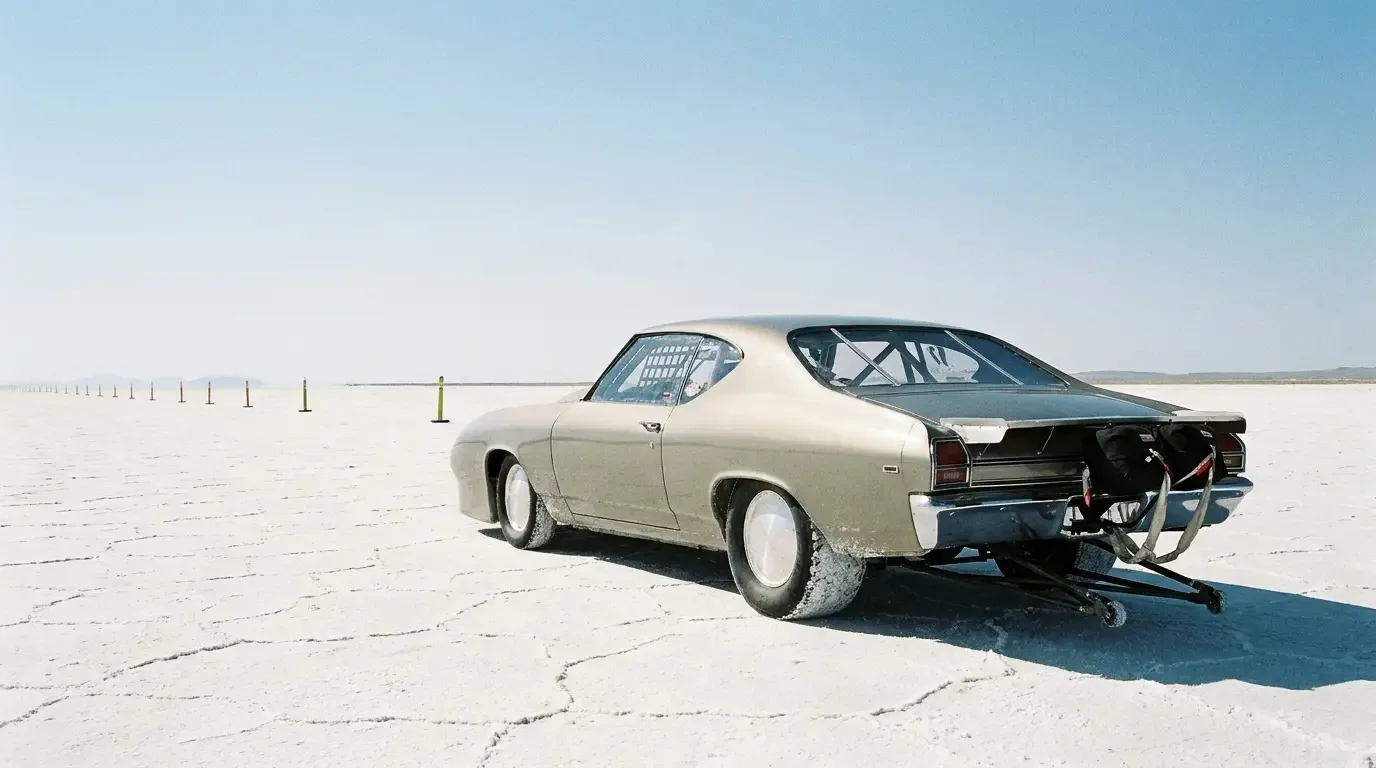
The through-line from one era to the other is the same car and largely the same appeal: a Chevelle with a big-block and a driver willing to bet on it. Cars built specifically for that kind of racing, like the ones covered in the piece on Bonneville and Land-Speed Chevelles, represent the more formalized end of the same instinct that's kept guys lining up Chevelles against each other since the cars were new.
"Nobody who was actually there that night remembers the exact time. What they remember is who won, and they've been telling that story every year since, usually a little faster each time."
Patrick Walsh
Sources and notes
- Dragzine, "No-Prep Racing Is A Return To Drag Racing's Beginnings"
- Performance Racing Industry, "Holding A Grudge"
- DodgeGarage, "Prep or No-Prep: That is the Question – No-Prep"
- No Prep Racing, "Reliving Grudge Racing, No Prep Kings, and Drag Racing Memories"
- Team Chevelle forum, period street and grudge racing discussion
Related Reading
Have a
Chevrolet Chevelle
for Sale?
Reach thousands of serious classic car collectors across the US.
Sell It Here →
Are You a Classic Car Dealer?
List your full inventory and connect with targeted classic car buyers.
Join as a Dealer →

About the author
Patrick Walsh
Automotive journalist covering classic car shows, events, and the enthusiast community across North America.
Related Listings - Chevrolet Chevelle
Comments
Be the first to comment on this article.