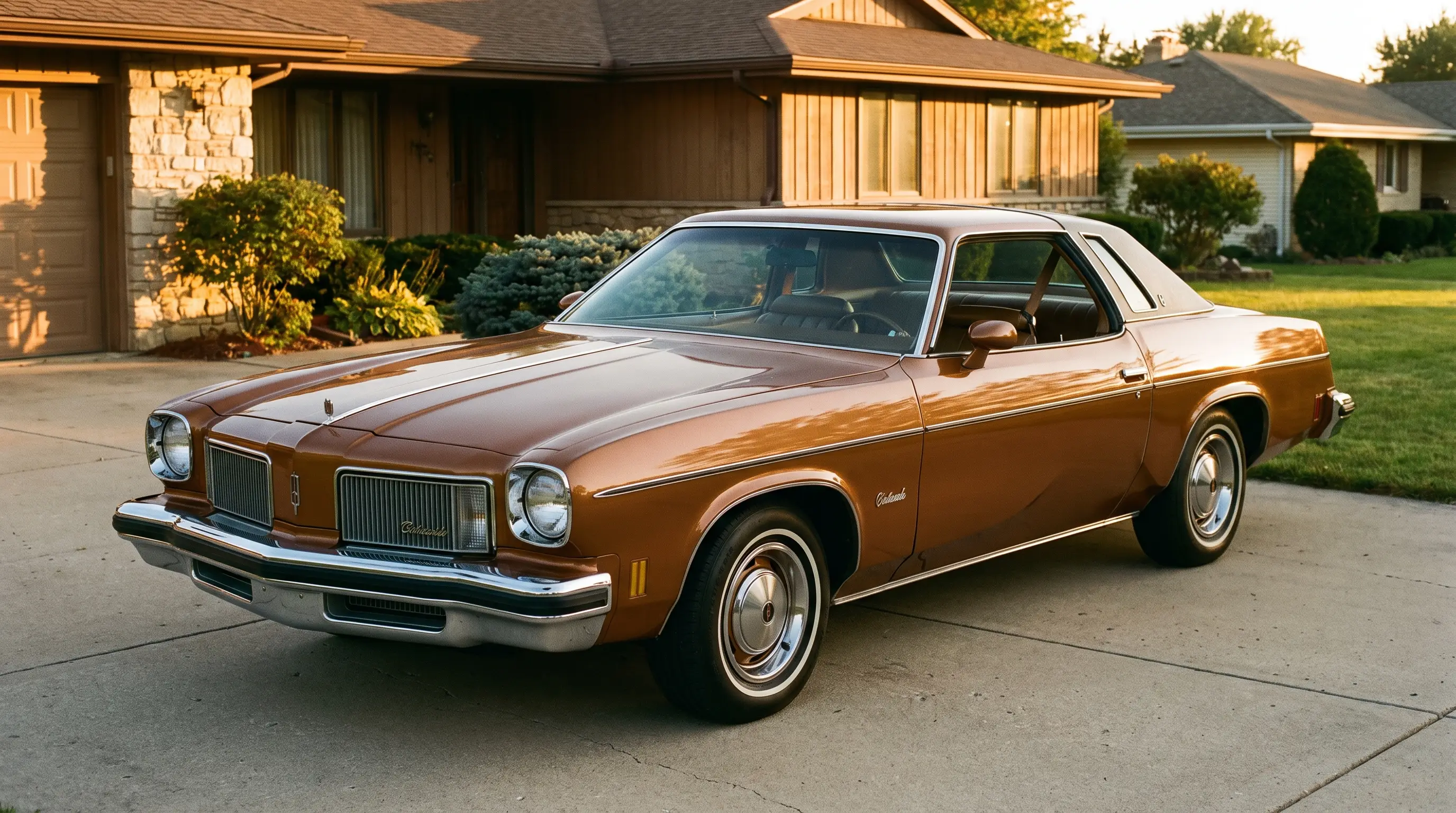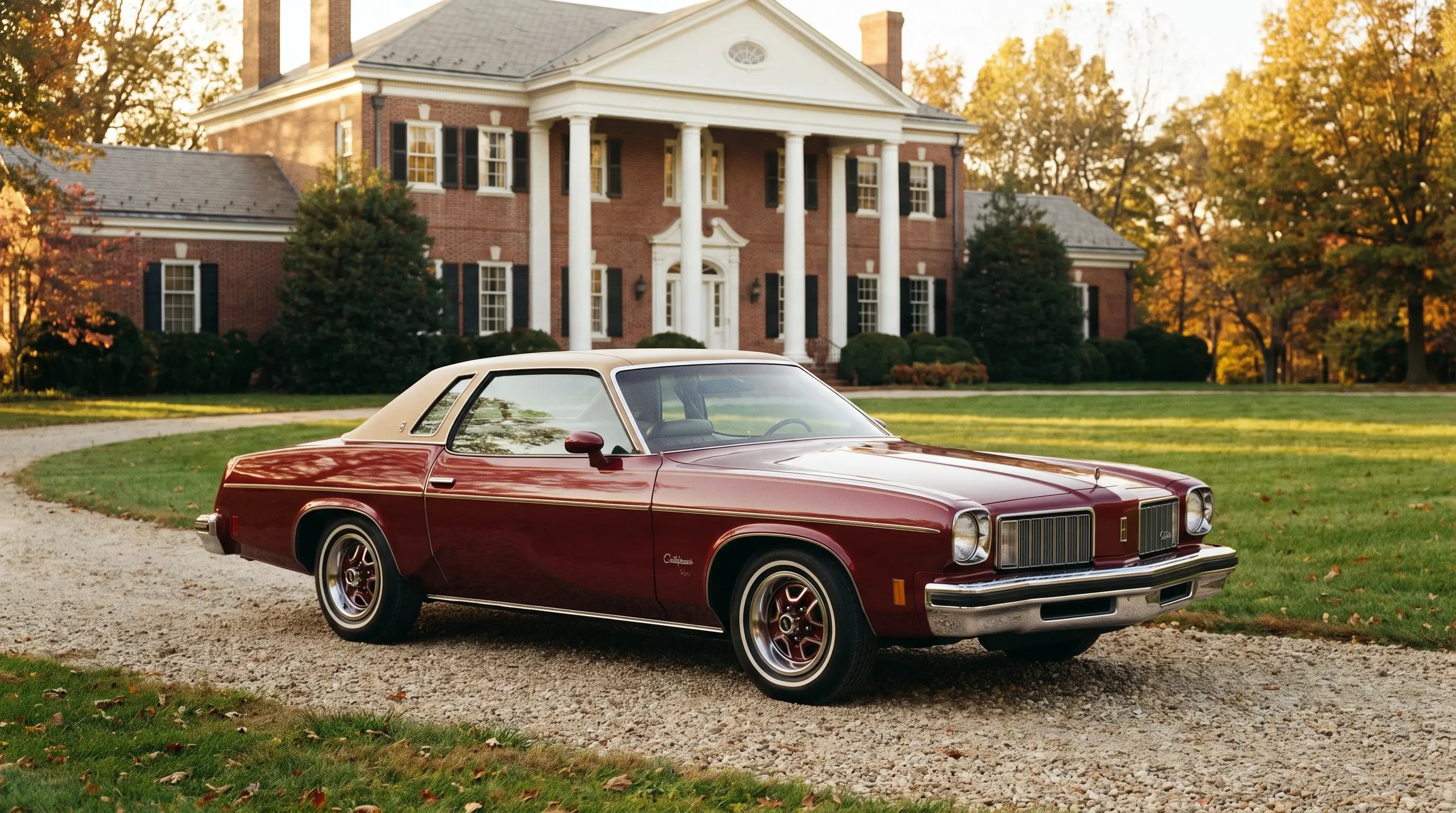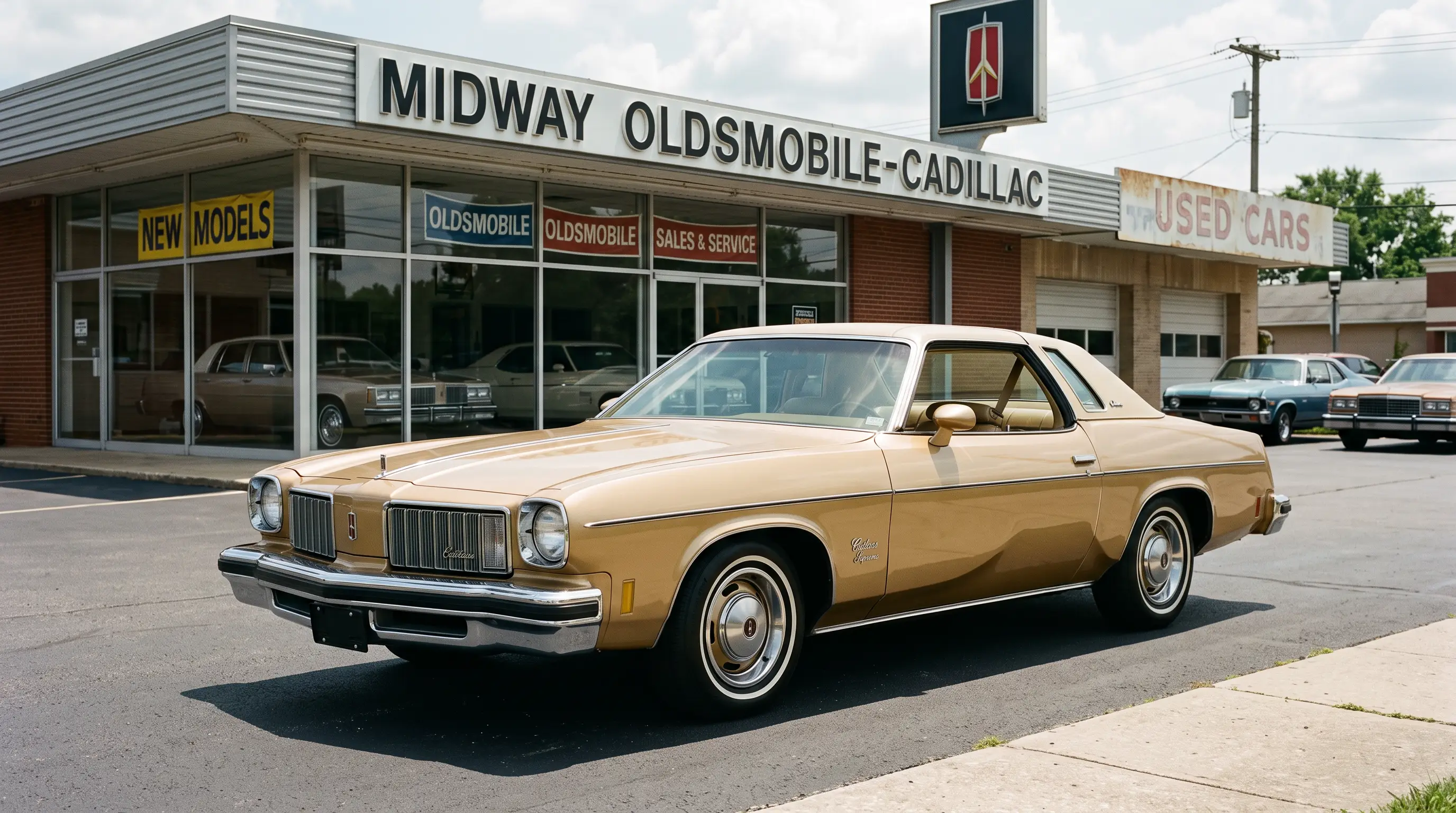
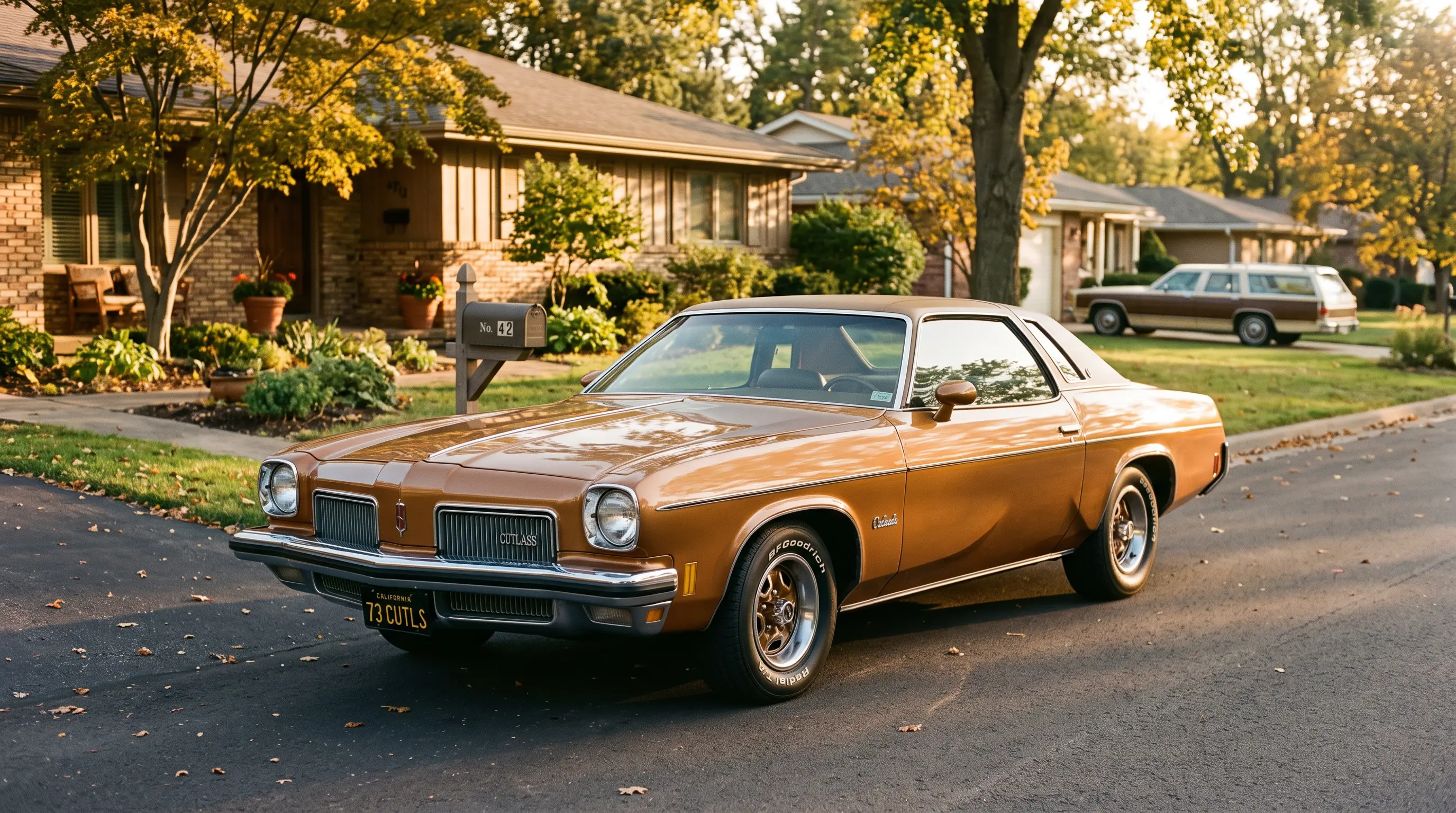
A prospective member called me last spring asking where to start. He had a budget that would not touch a 442 and would barely dent a clean early Cutlass, and he wanted to know if there was an honest way into the hobby without buying somebody else's project. I told him what I tell most people in that spot: buy a Colonnade Cutlass. Not as a consolation prize, but because the 1973 through 1977 generation is genuinely the most sensible entry point the nameplate has to offer, and it has been that way for longer than most newcomers realize.
Why the math favors this generation
Oldsmobile built the Colonnade Cutlass in enormous numbers across five model years, and that volume is exactly what keeps prices grounded today. A car this common was never going to command scarcity pricing, and buyers who want a real, driveable classic rather than a garage trophy benefit directly from that fact. You can find a clean Supreme coupe, straight and running, for a fraction of what an equivalent-condition 442 from a few years earlier costs, and the parts bin behind it is nearly as deep.
That parts availability matters more than people give it credit for when they are shopping on a budget. The shared GM A-body and Colonnade platform architecture, covered in full in the 1970s Cutlass story, means suspension, brake, and plenty of interior components cross over with Chevelle, Skylark, and Grand Prix parts networks. A buyer chasing a rarer or earlier car does not get that luxury nearly as easily.
"I've put more new members into a Colonnade Cutlass than any other car, and not one of them has come back complaining they overpaid or couldn't find a part. That's the whole argument right there. It's not the car people dream about at sixteen, but it's the car that actually gets you to a Saturday cruise-in without a second mortgage."
— Wayne Coburn
What a realistic budget actually buys
A driver-quality base Cutlass coupe or sedan from this generation remains the cheapest honest entry point, with a 350 cubic inch V8 under the hood and enough parts commonality to keep repair bills reasonable. Step up modestly and a factory-optioned Supreme coupe, the trim that carried the nameplate to the top of the American sales charts for part of the mid-1970s, becomes realistic for a buyer willing to shop patiently and skip cars with obvious rust.
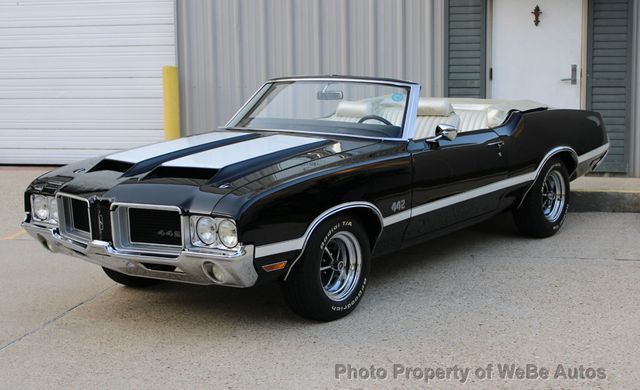
Documented 442 and Hurst/Olds package cars from this same generation cost meaningfully more, and they should, given their lower production numbers and genuine performance history. But even those sit well below what an early A-body 442 commands, which is exactly why buyers priced out of the muscle car market keep landing on the Colonnade generation as the next best thing with a familiar badge on the fender.
Running costs matter as much as purchase price for a buyer trying to keep a hobby car affordable long term. The Colonnade Cutlass benefits here too. Insurance on a car this common rarely draws the surcharges that follow a documented 442 or an early muscle car, and everyday maintenance items, brake parts, ignition components, and interior trim, are widely reproduced or easy to source secondhand because the platform sold in such volume for so long. A new member budgeting for a first classic car should weigh that ongoing cost against the purchase price, not just the number on the bill of sale.
Where the real value sits inside the generation
Sedans and wagons remain the true bargain body styles, since collector demand still concentrates heavily on the two-door coupe across nearly every American car generation. A buyer who does not need show-field prestige and just wants a comfortable, affordable classic to drive can do very well with a clean four-door Supreme that a coupe-focused shopper would walk right past.
Trim level matters less to affordability than condition does. A rough Brougham costs more to fix than it saves in perceived prestige, while a straight, rust-free base Cutlass with good paperwork is a better buy at nearly any price point than a flashier car hiding structural problems underneath.
Region also plays a bigger role in Colonnade Cutlass affordability than it does with rarer cars, since a common model spreads unevenly depending on how many survived local weather and road salt. A patient buyer working the wider market, rather than only the closest listings, will usually find a straighter car for less money than someone limiting the search to a single state.
An honest way into a big hobby
What I tell every newcomer standing where that prospective member stood last spring is the same thing worth repeating here. The Colonnade Cutlass was never built to be a collector's trophy. It was built to be the car America actually bought in the largest numbers during a specific stretch of the 1970s, and that same practicality, the parts commonality, the production volume, the honest mechanical layout, is exactly what makes it the smartest entry point into this hobby today.
Anyone weighing where this generation fits against the rest of the Cutlass story, and what it left behind for Oldsmobile as a nameplate, should look at a companion piece covering that broader legacy directly. Affordability got this generation in the door for a lot of us. What keeps people in the hobby once they own one is realizing how much genuine history came along with the low price of admission.