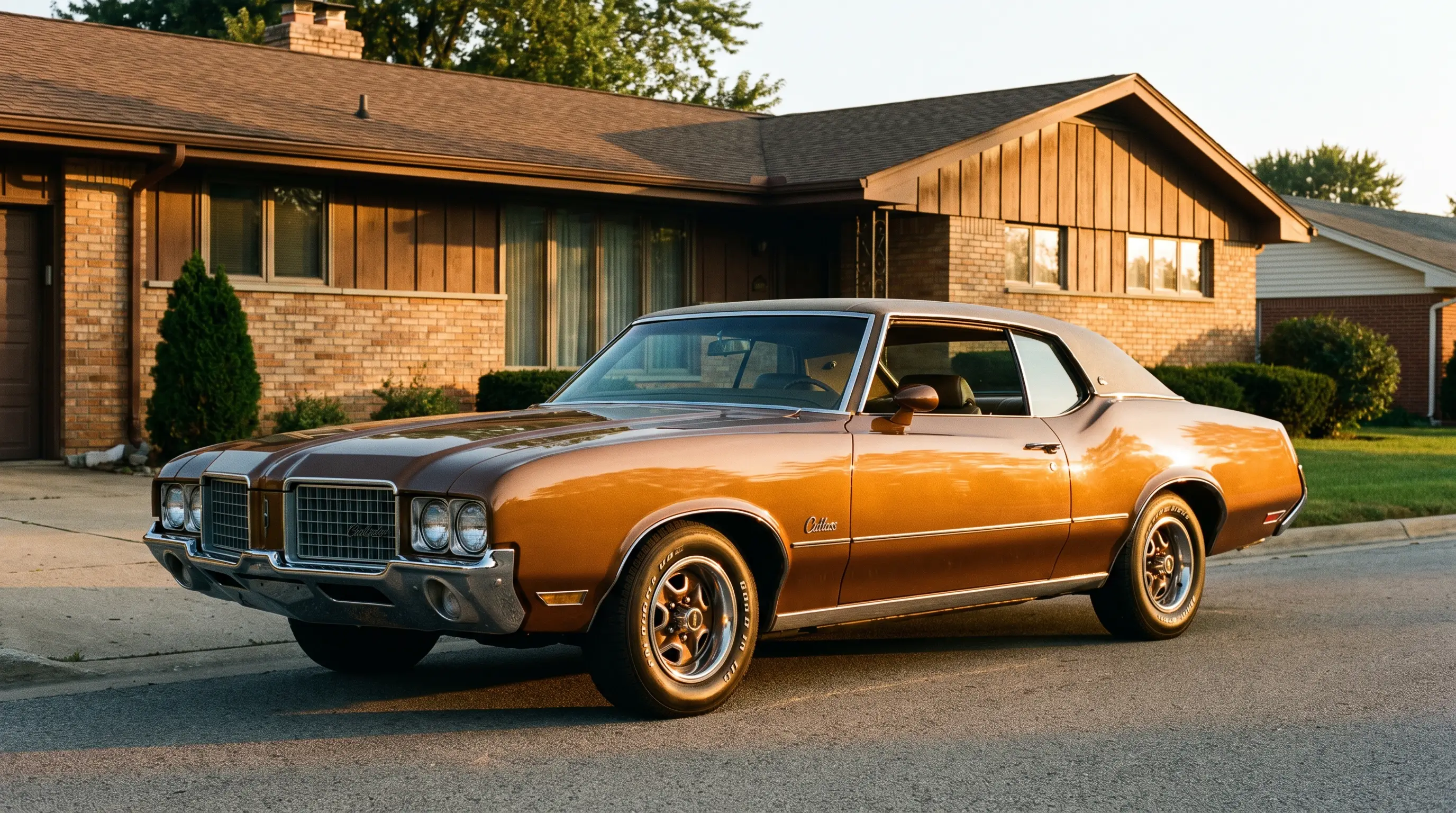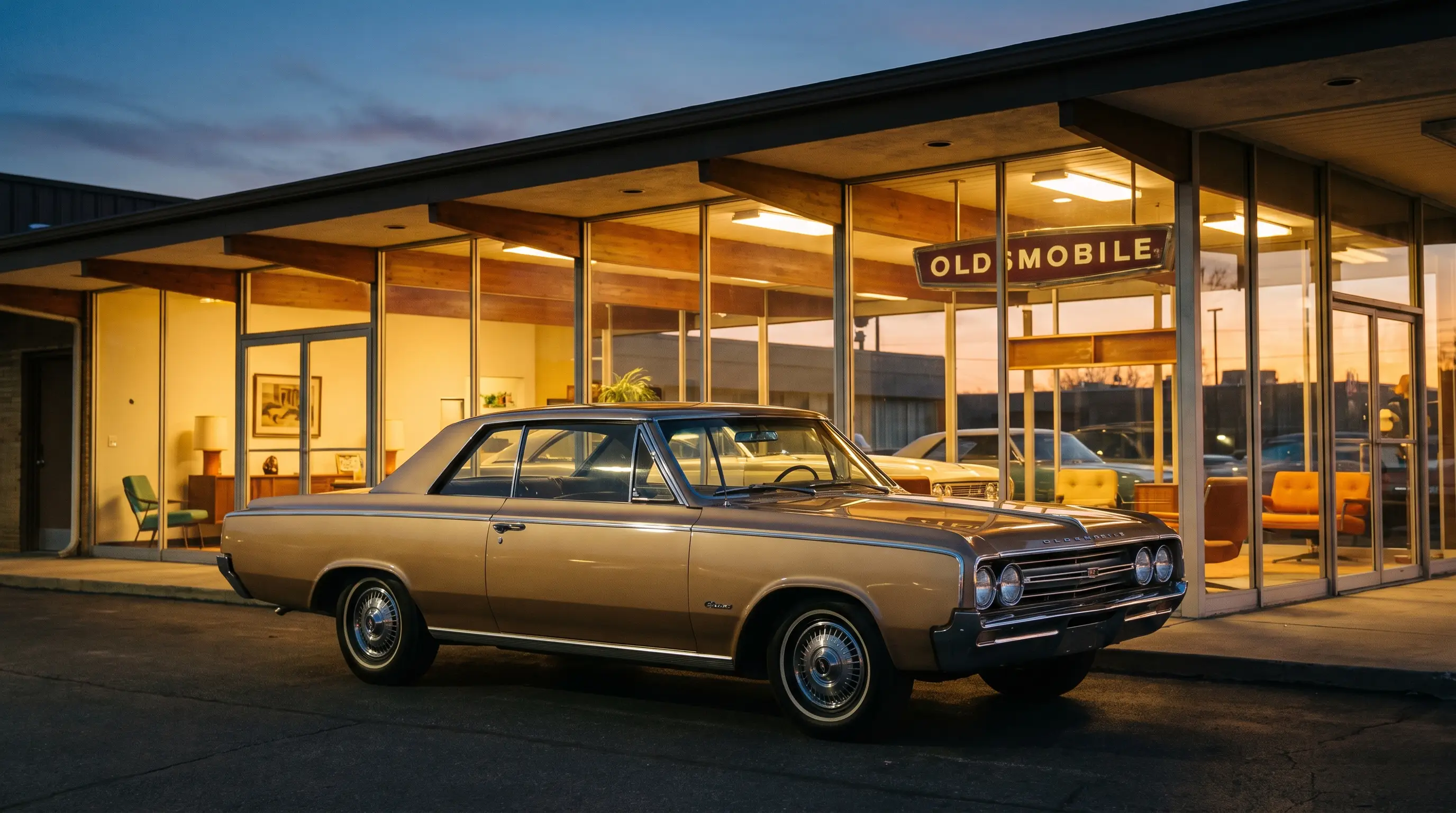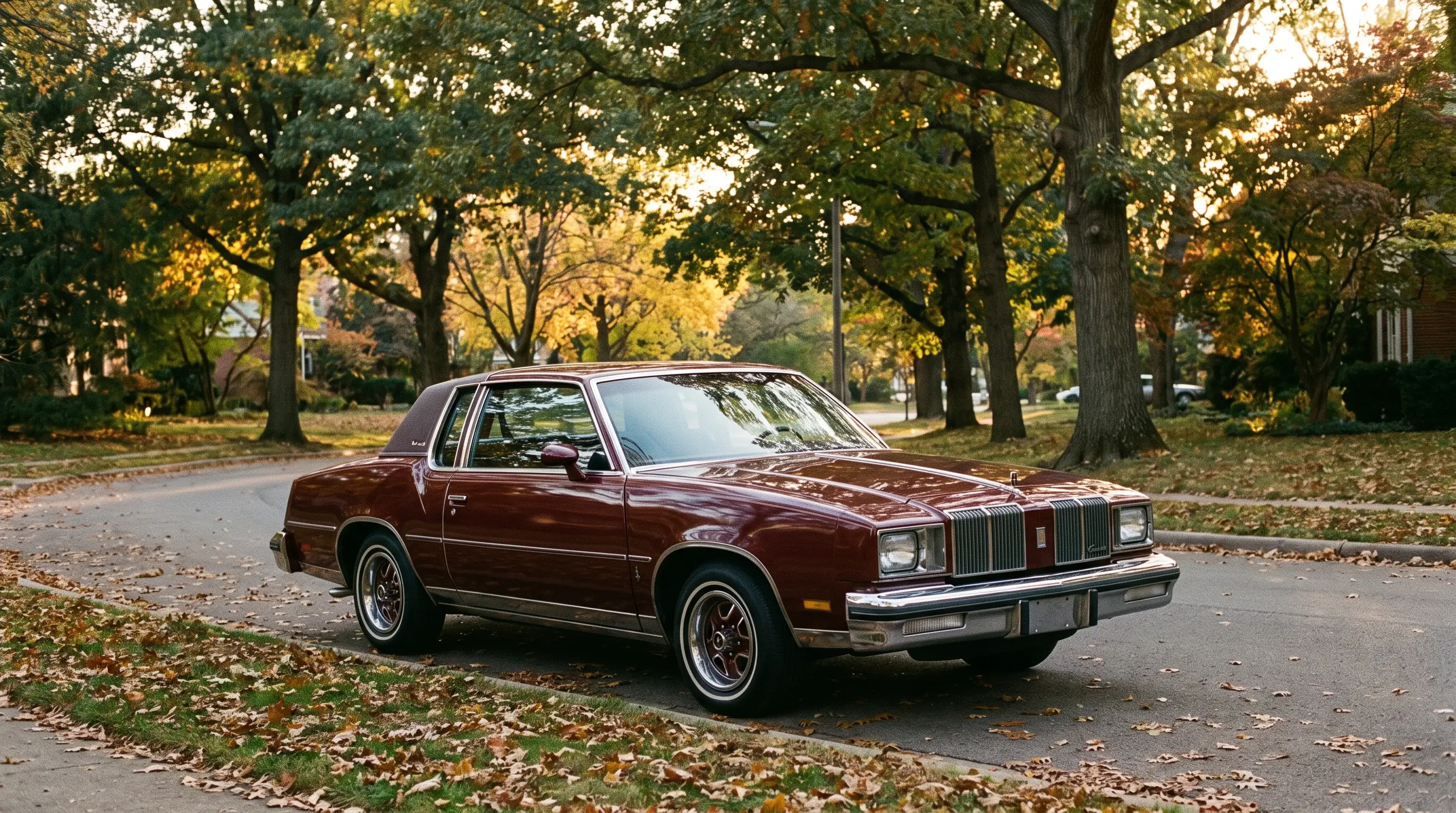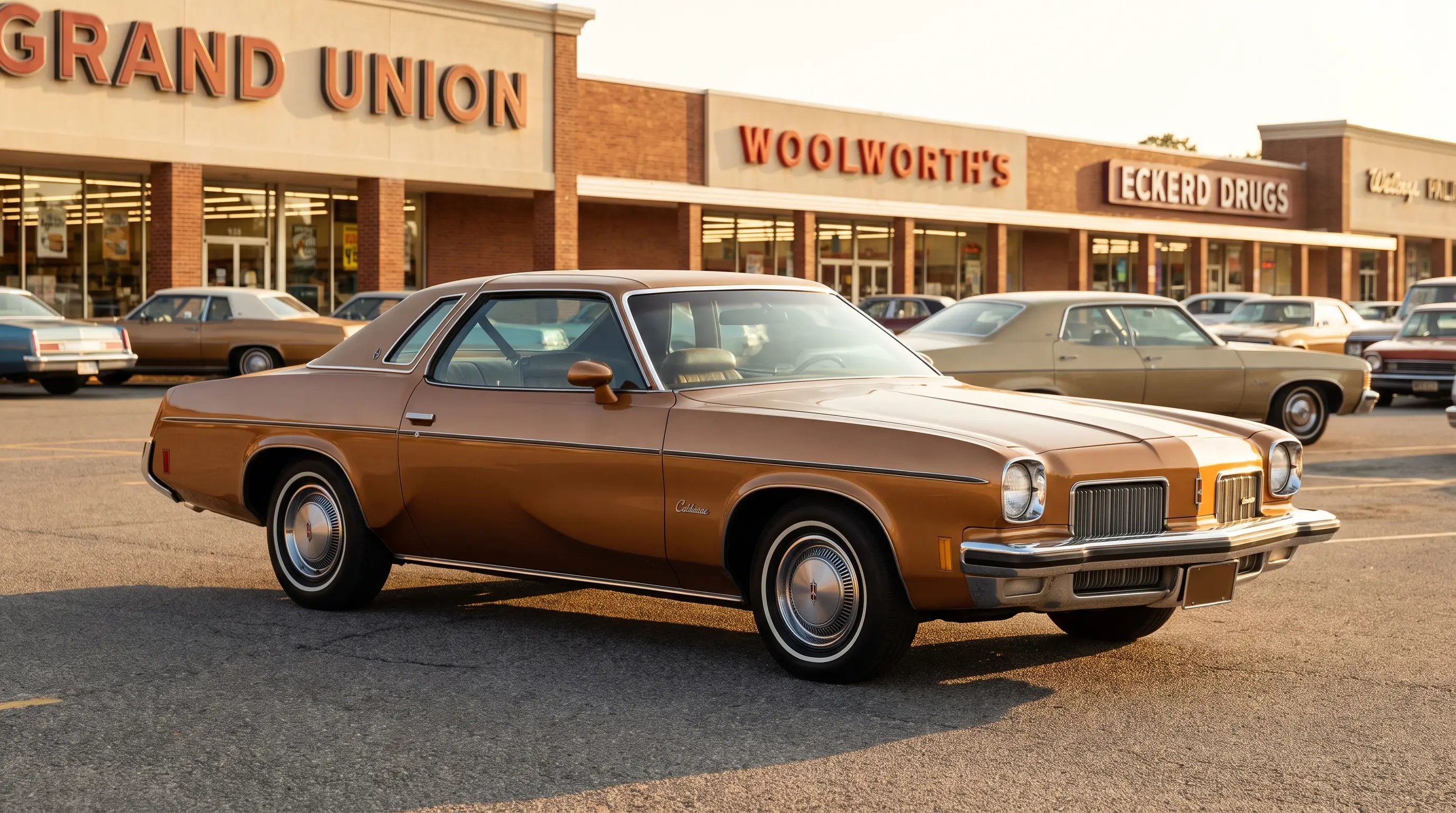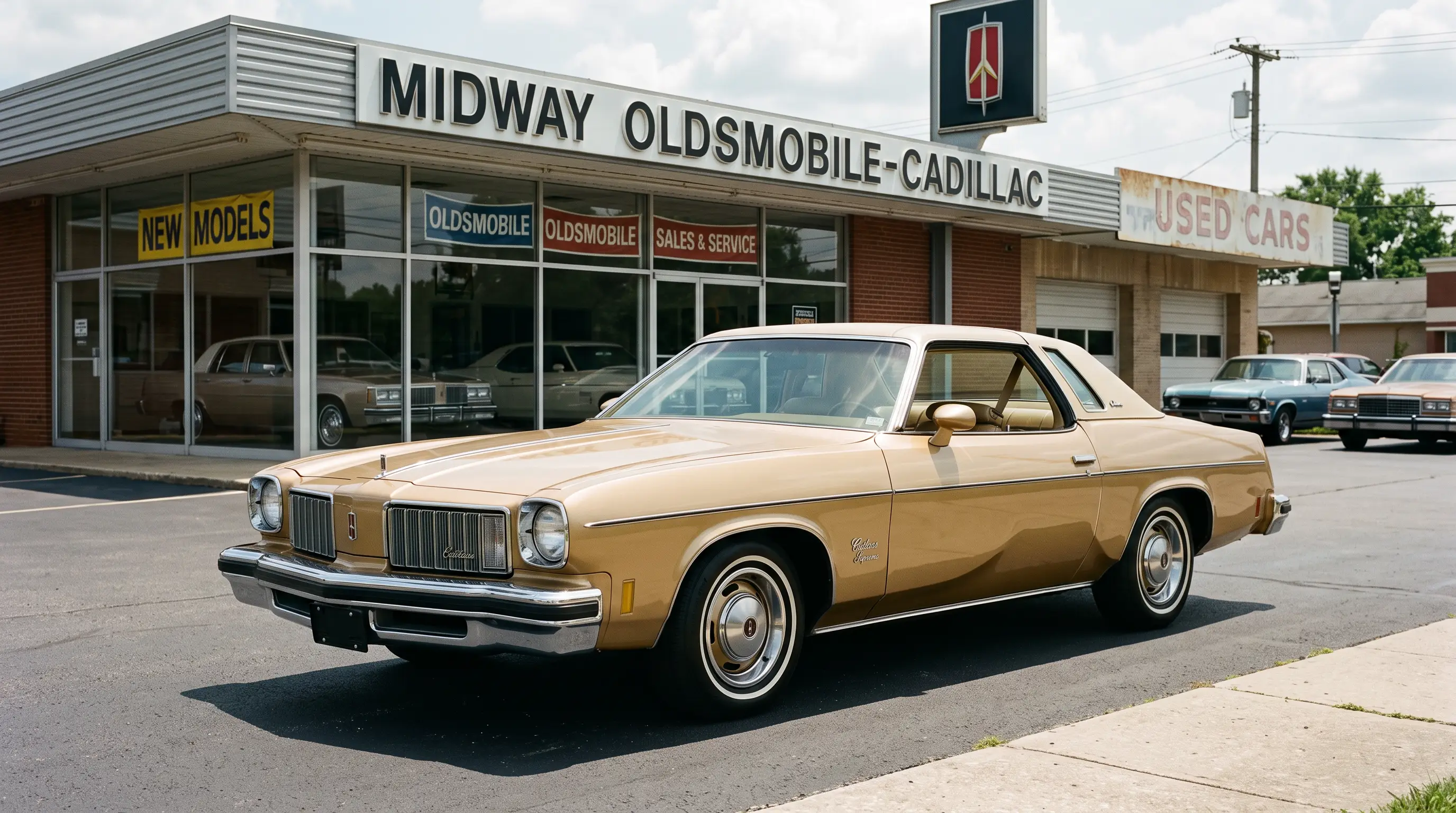
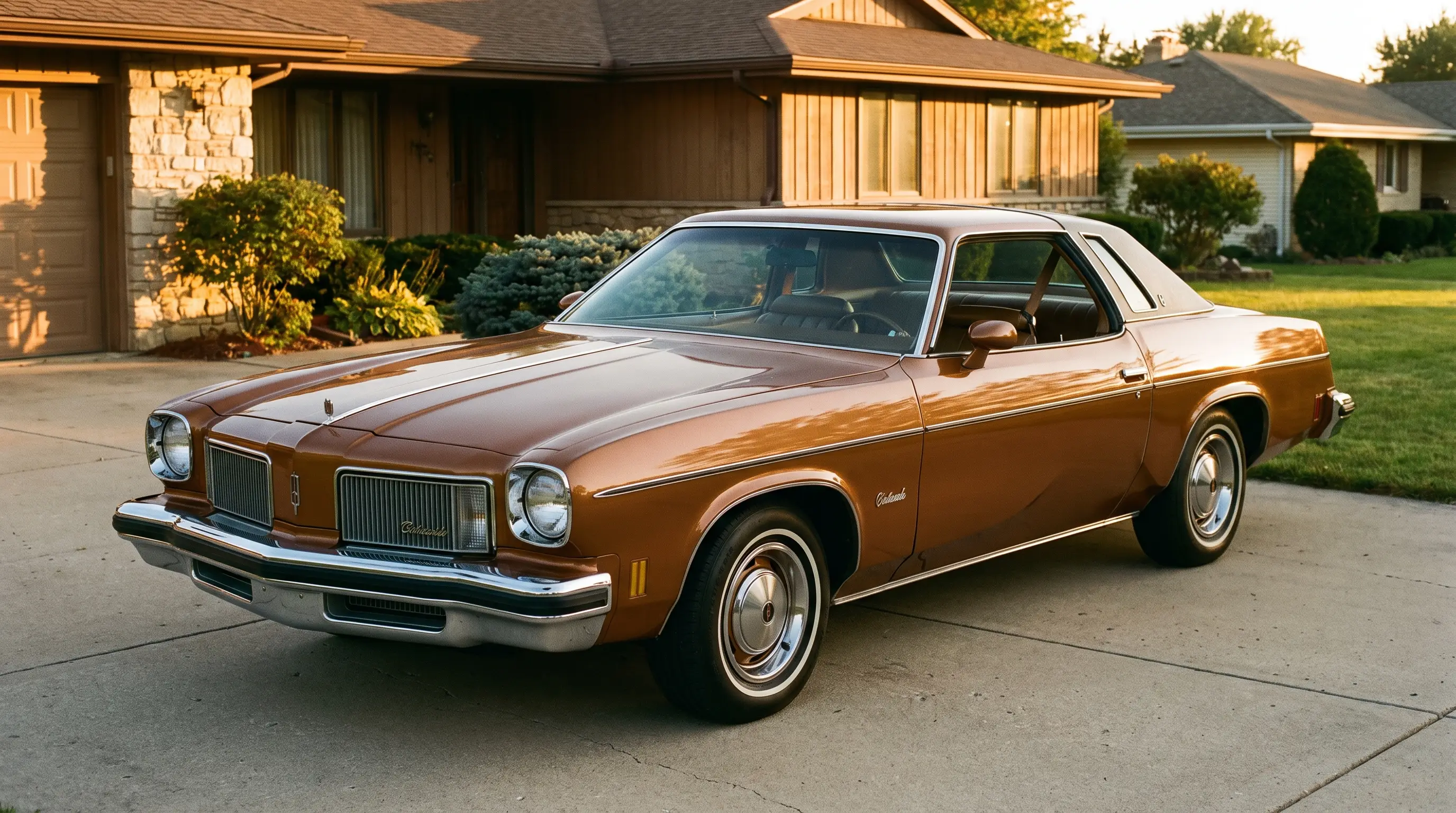
There is a fellow in our club who swears his 1976 Cutlass Supreme was the most common new car on his block growing up, and every neighbor had one in a different color. He is not exaggerating by much. The Colonnade Cutlass of 1973 through 1977 became the best-selling car in America, and the sales records back him up. What started as an awkwardly timed redesign turned into the car that put Oldsmobile at the top of the charts, and the story of how it got there is better than the plain sales figure suggests.
I like to settle these debates with the record rather than with opinion, so let me lay out what actually happened. If you want the beginning of the tale, our feature on how the Cutlass legend began covers the early years. This chapter is about the moment the Cutlass stopped being a muscle car and became the car everyone's family owned.
What Colonnade actually means
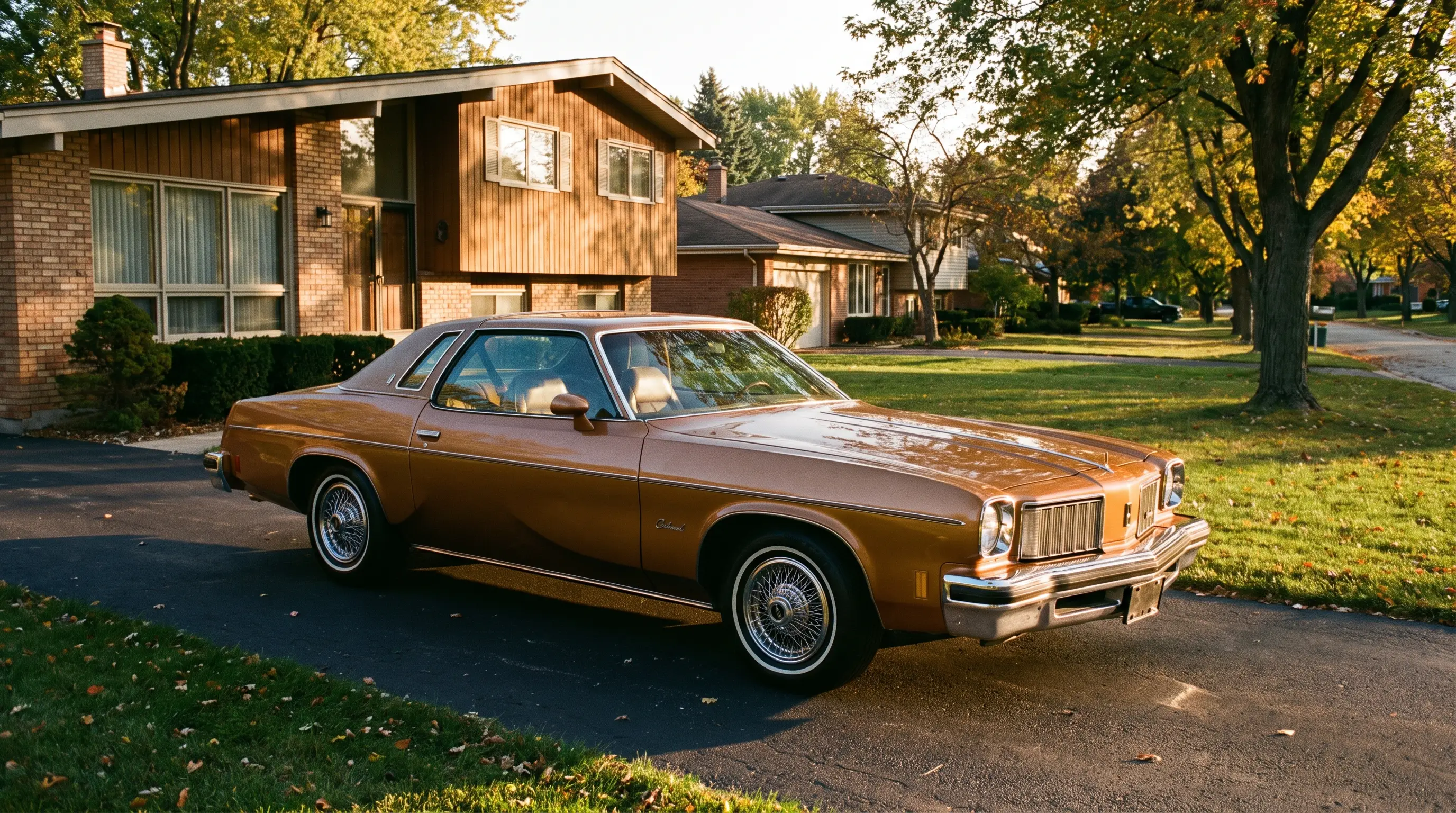
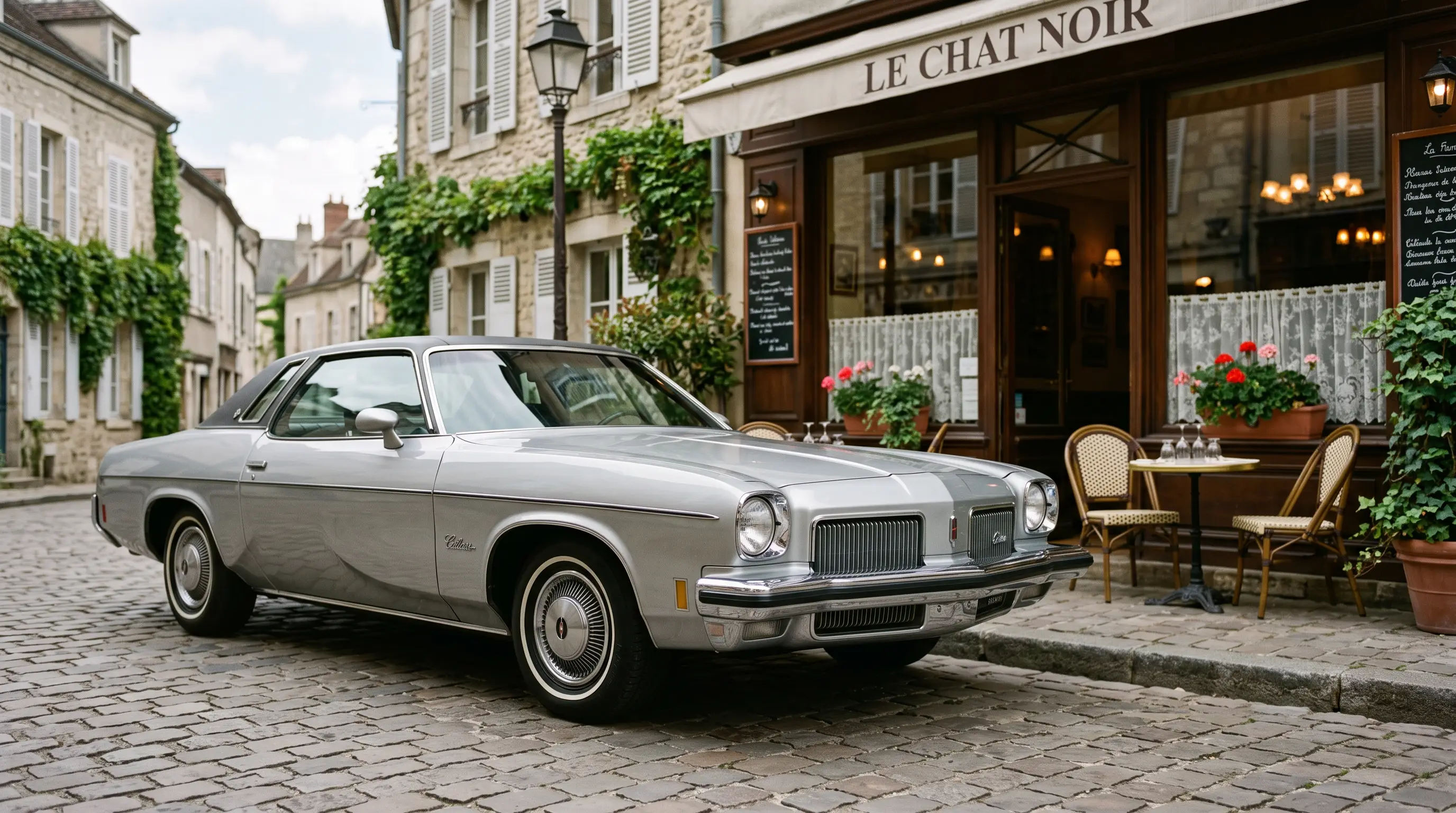
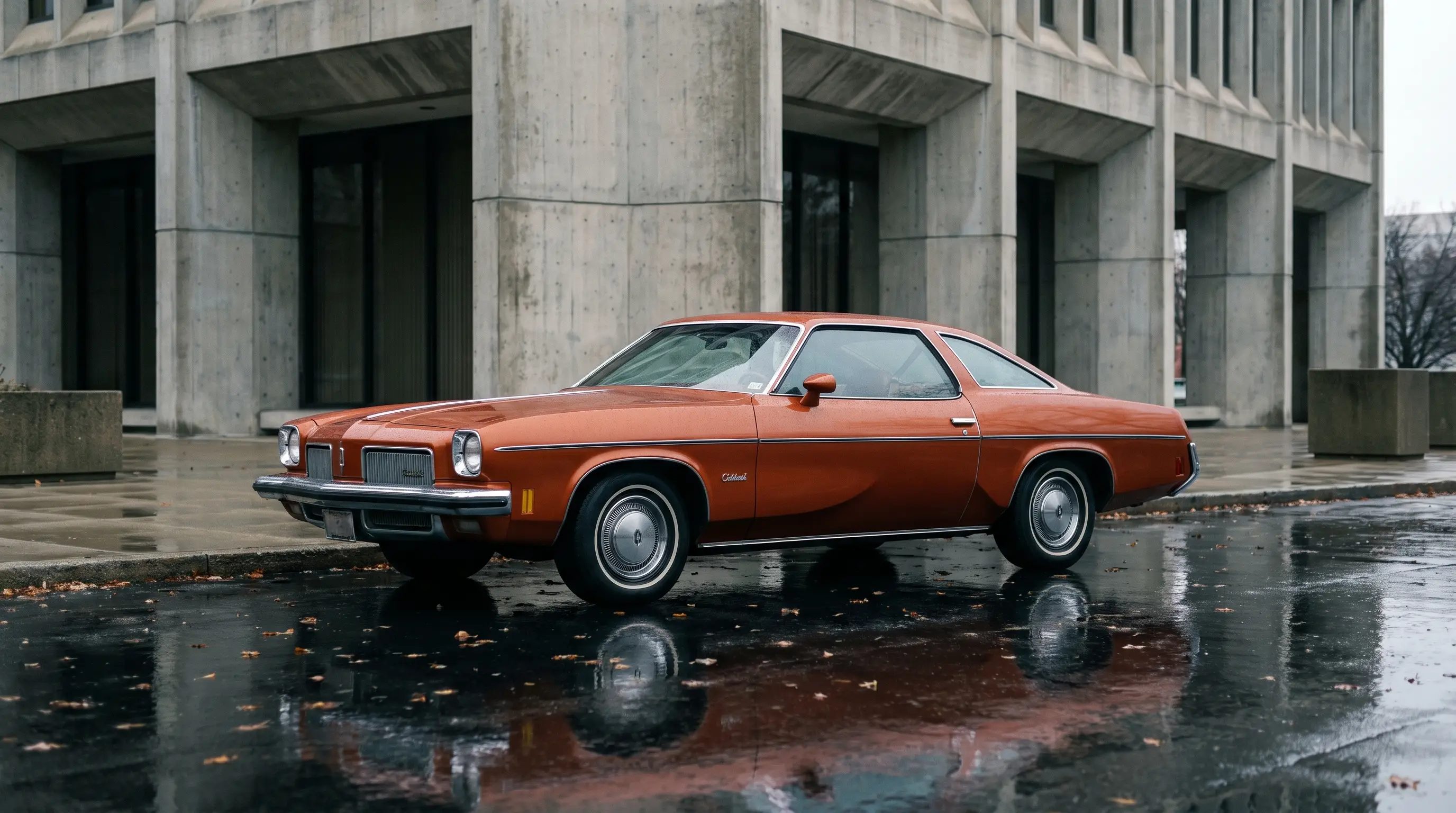
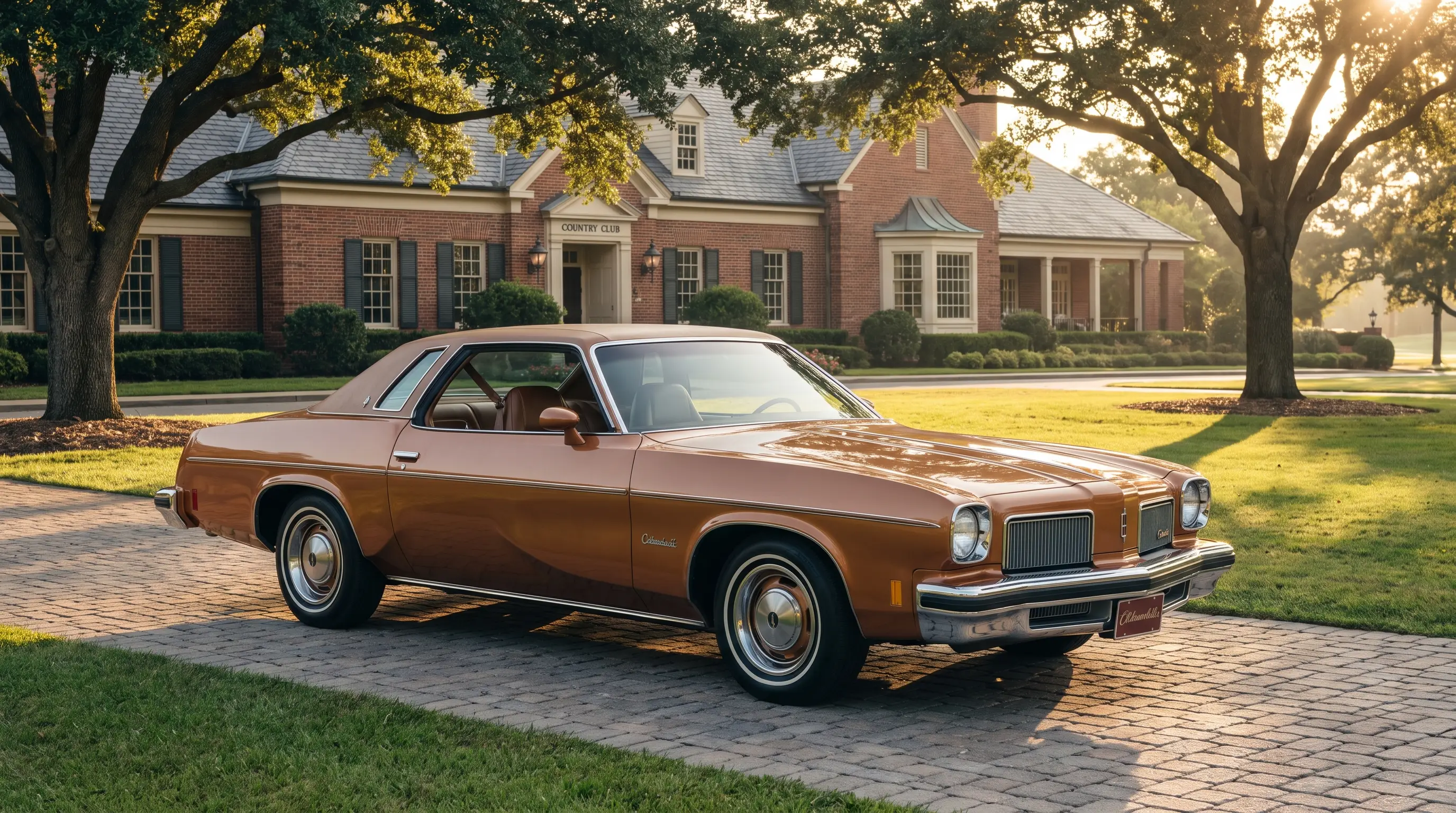
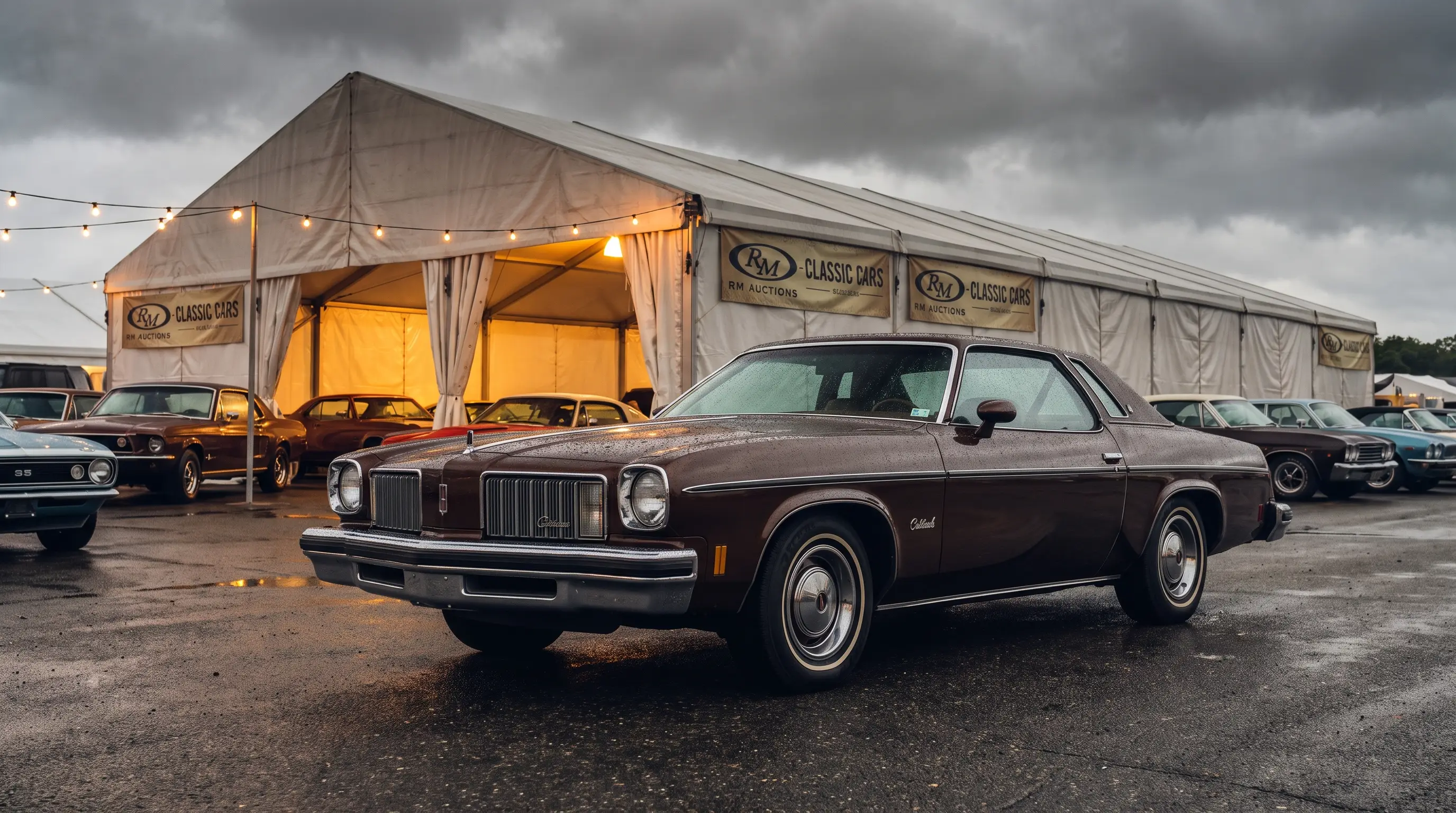
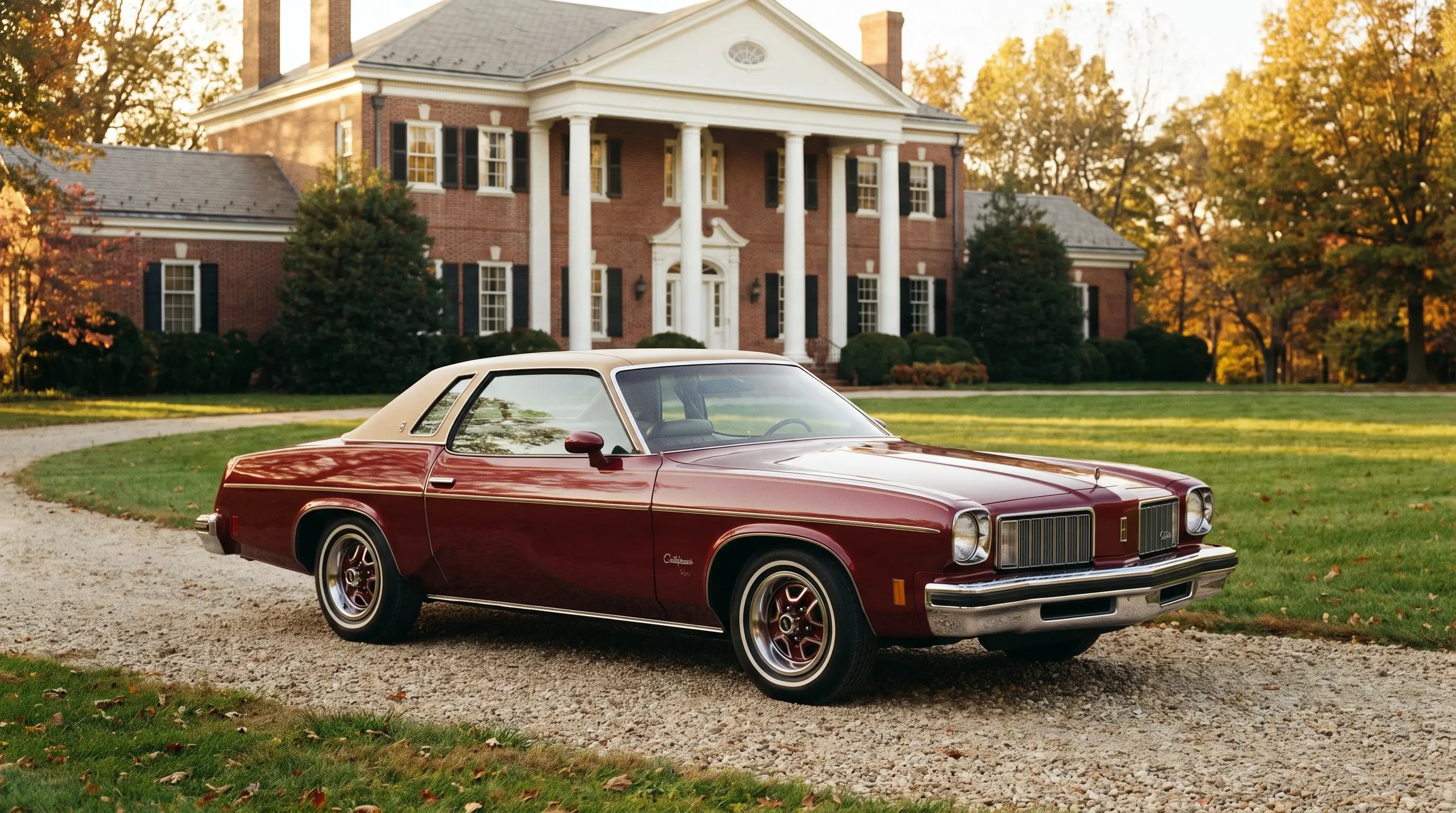
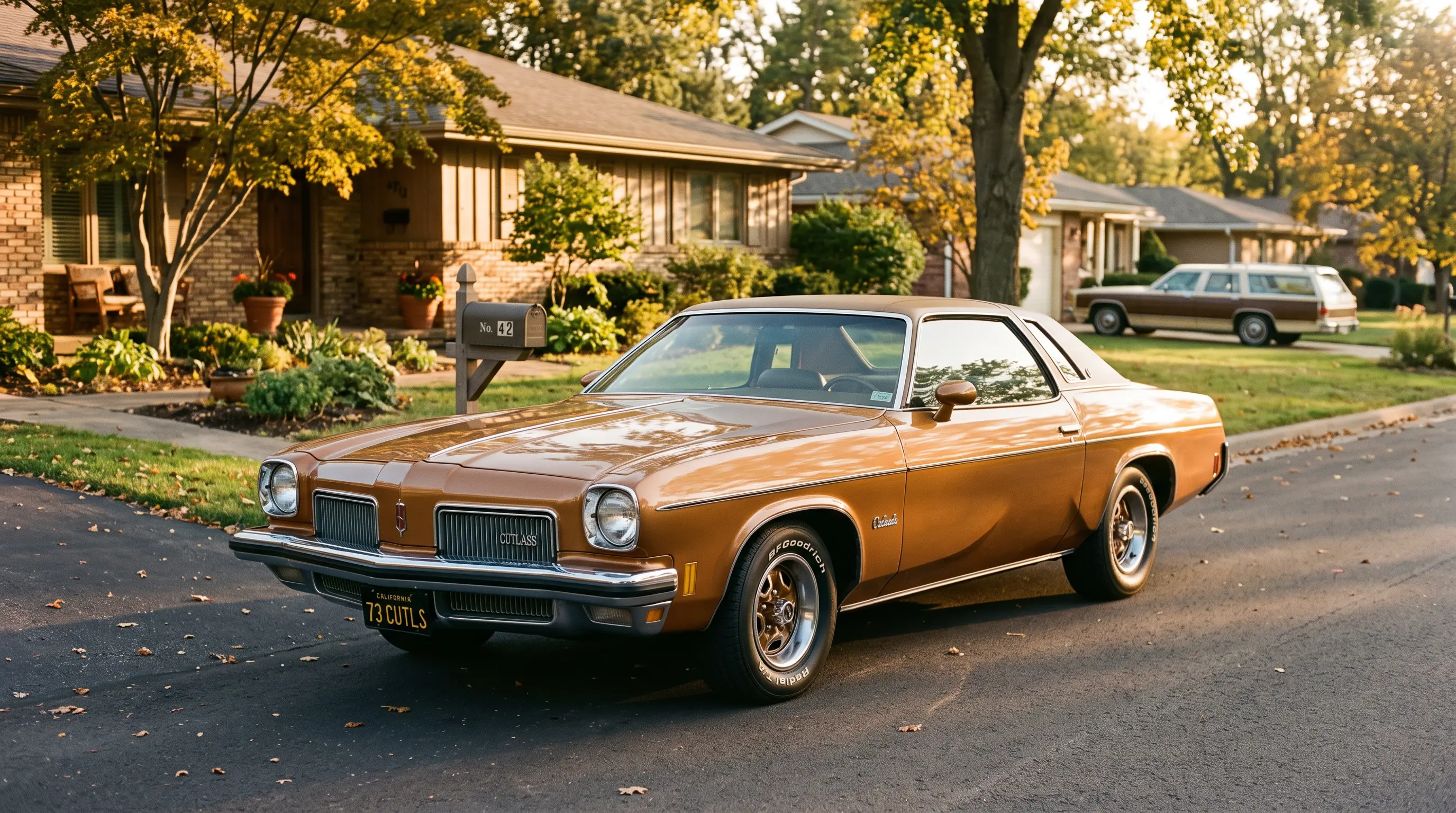
The name confuses people, so here is the record. For 1973 GM redesigned its intermediate A-body cars with a new roofline it called Colonnade styling. The coupes kept a fixed center pillar and frameless door glass, with fixed rear quarter windows behind. GM expected federal rollover standards that never arrived in the form everyone feared, and the Colonnade design was the engineering answer to that expectation. The true pillarless hardtop went away as a result.
The word itself comes from the architectural look of the roof supports. Once you know that, you stop hearing it as marketing and start seeing what the designers meant. Whether you loved the style or not, and plenty in our club argue both sides, it defined the car for five model years.
The Cutlass Supreme conquers America
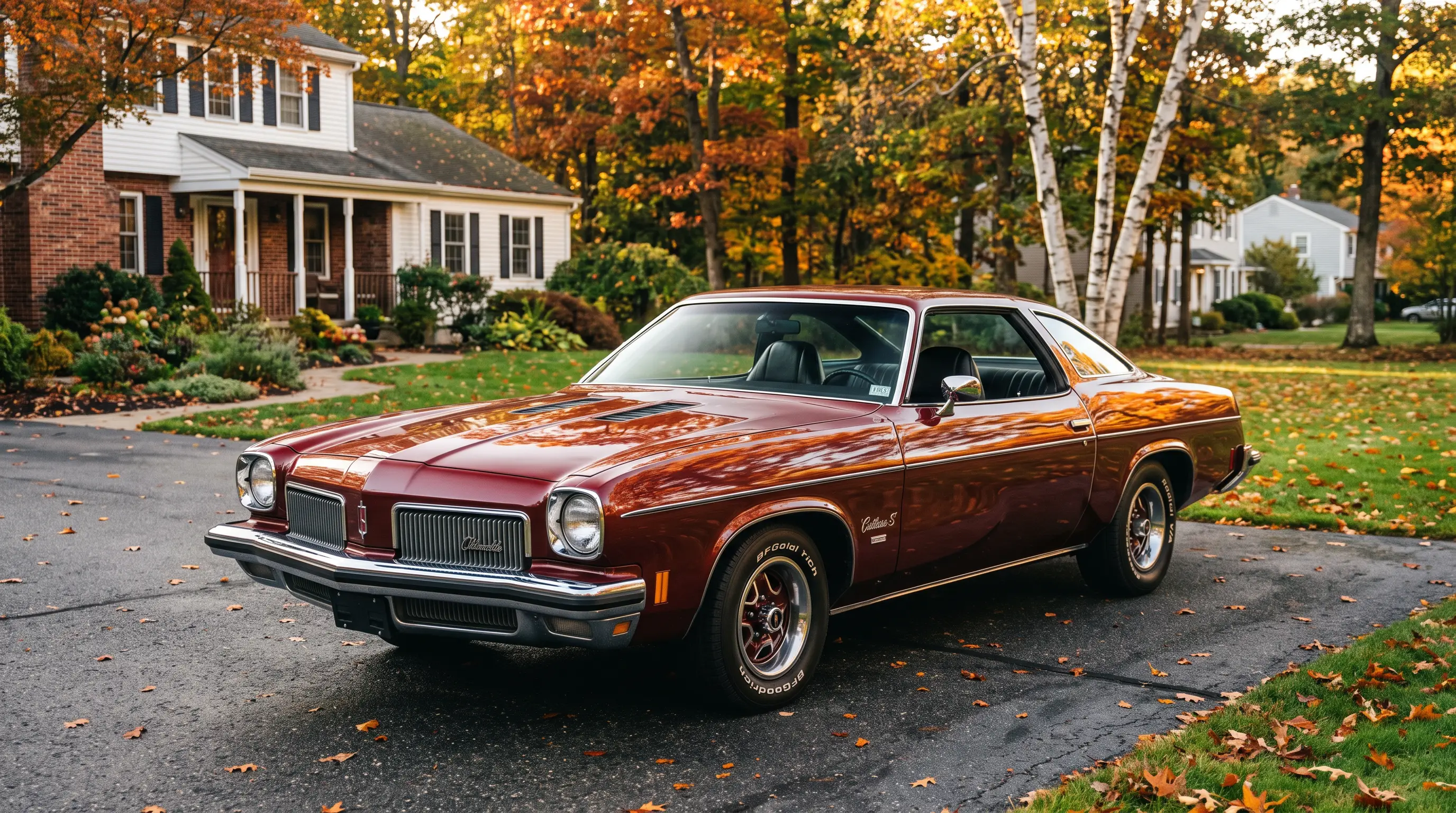
The Colonnade years are when the Cutlass Supreme, the plush personal-luxury version, took over. By the middle of the decade the Cutlass had become the best-selling car in the country, and the Supreme did most of the heavy lifting, with the Cutlass line topping the entire US sales chart in 1976 and staying near the top for years after. It was not fast, and nobody in period claimed it was. It was comfortable, it looked upscale for the money, and it hit exactly what American buyers wanted after the muscle era cooled off.
That is the part the muscle-car crowd sometimes sneers at, and I understand why. But the sales record is the record. The Cutlass Supreme read the room. Emissions rules, insurance surcharges, and fuel worries had gutted the big-engine market, and Oldsmobile pivoted to comfort and style faster than most. The reward was the top of the sales chart.
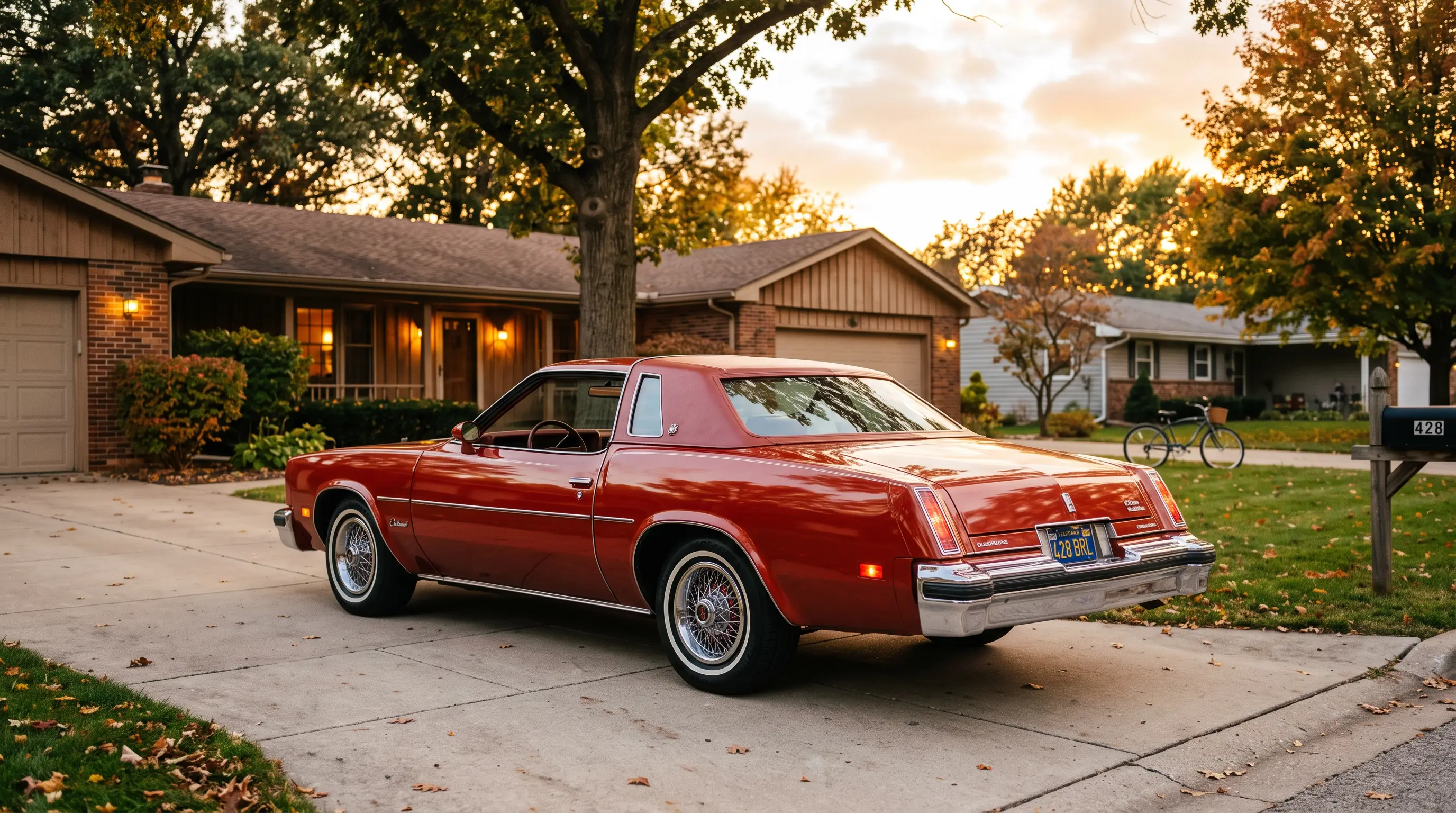
The formal-roof Supreme coupe with its upright rear window did most of the selling. It looked expensive parked next to its price tag, and that is a big part of why families bought them by the hundreds of thousands. One of our longtime members likes to point out that his father cross-shopped a Cutlass Supreme against cars costing far more and decided the Olds gave up almost nothing in the driveway. Multiply that decision across the country and you get the sales record we keep coming back to.
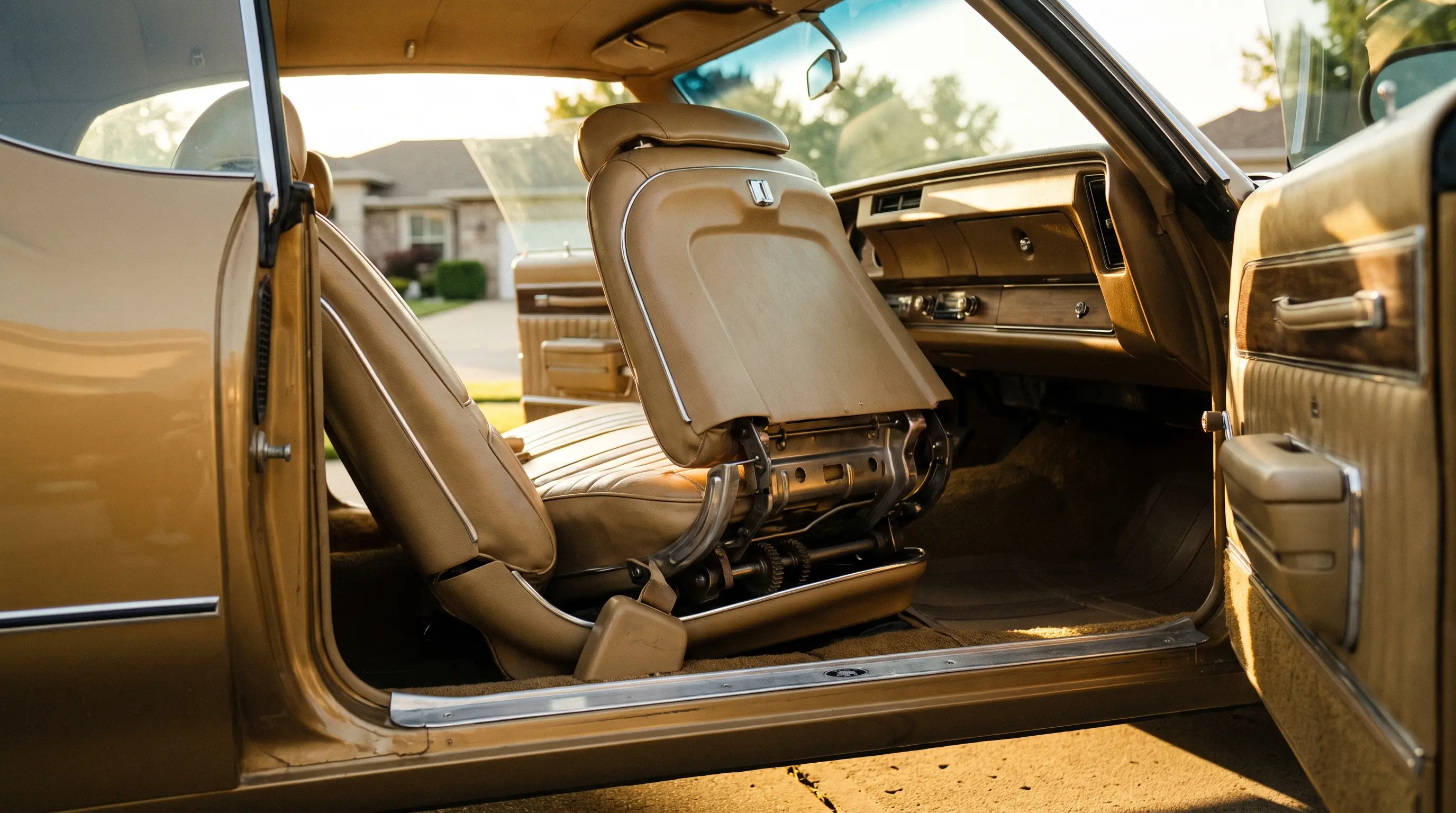
Colors and trim tell you a lot about a survivor. These cars left the factory in the full palette of the era, and the vinyl roofs, the whitewall tires, and the wire wheel covers were the details buyers paid extra for. A car that still wears its correct period trim is worth more than one that has been stripped to look sportier than it ever was. The record of what a given car was ordered with, when you can find it, settles the argument about what is correct.
Performance in a lean era
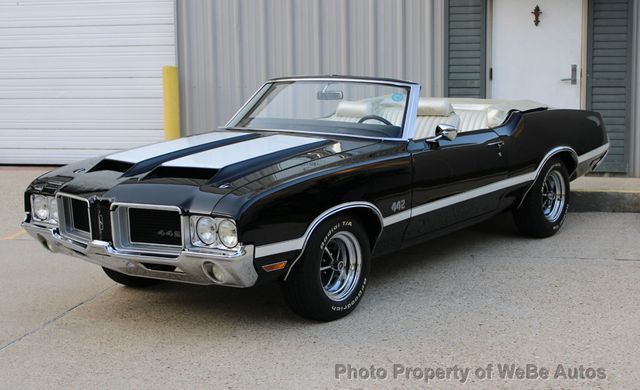
Let me be honest about the engines, because a newcomer needs to hear it. The Colonnade years overlap with the low point for muscle. Compression fell, emissions gear arrived, and the net horsepower ratings that replaced the old gross numbers made everything look weaker on paper. The 442 survived through this period, but it shifted from a serious performance car toward an appearance and handling package. That is not a knock. It is just what the record shows.
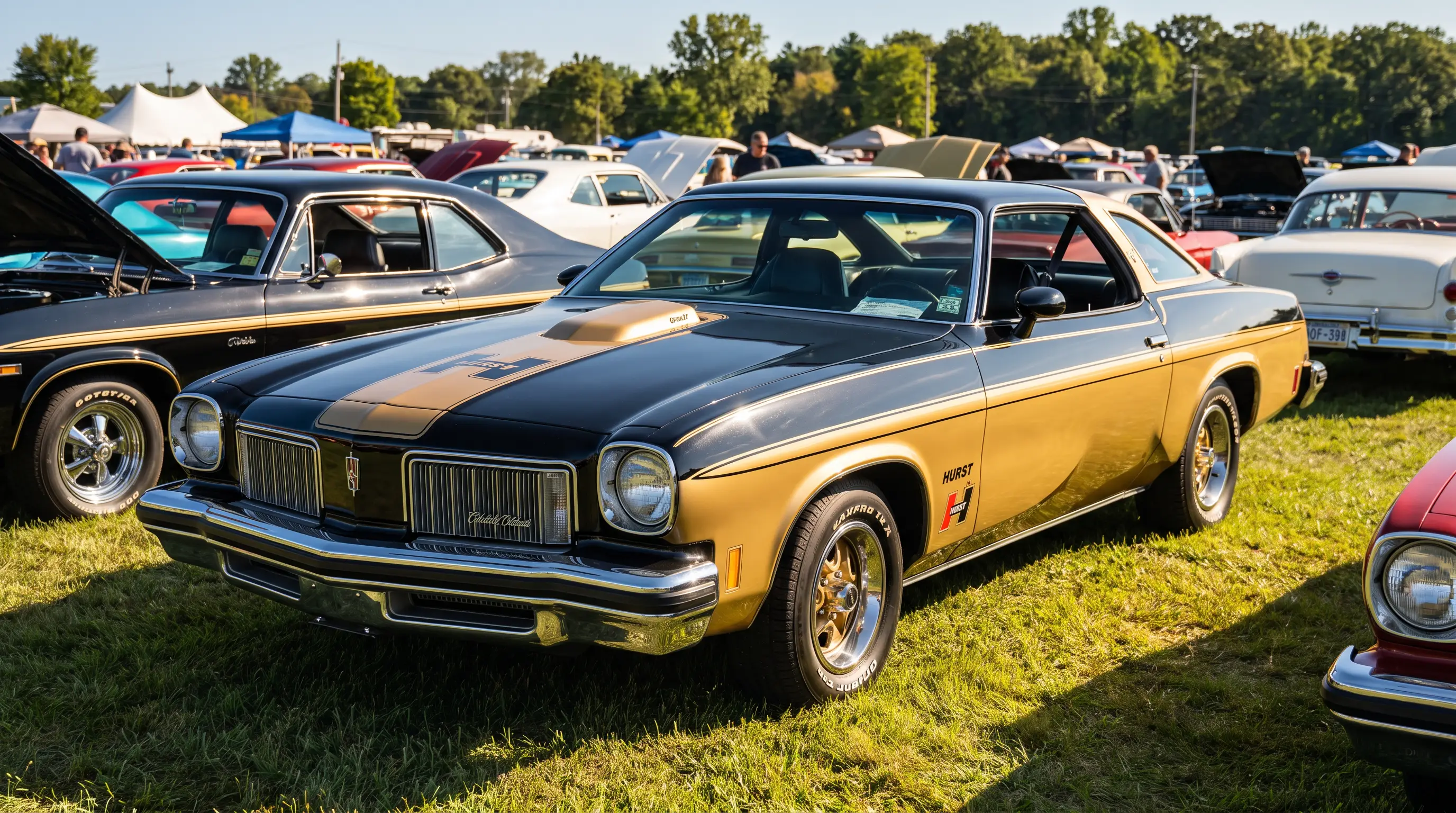
The Hurst/Olds also carried on into the Colonnade era, keeping a performance flavor alive when most of the market had given up on it. Those cars are a bright spot in an otherwise quiet stretch, and they draw the collectors who want a 1970s Cutlass with some genuine muscle credibility behind it.
The engine choices in these years ran a wide range, from economy sixes and small V8s up to the larger Oldsmobile V8s in the sportier cars. A newcomer needs to check what is actually under the hood rather than trust the badge, because a base engine car and a big-V8 car can look nearly identical from ten feet away. In our club the quickest way to start an argument is to guess an engine from the outside. Pop the hood and read the numbers. The record is under there, not on the fender.
Why the Colonnade cars are having a moment
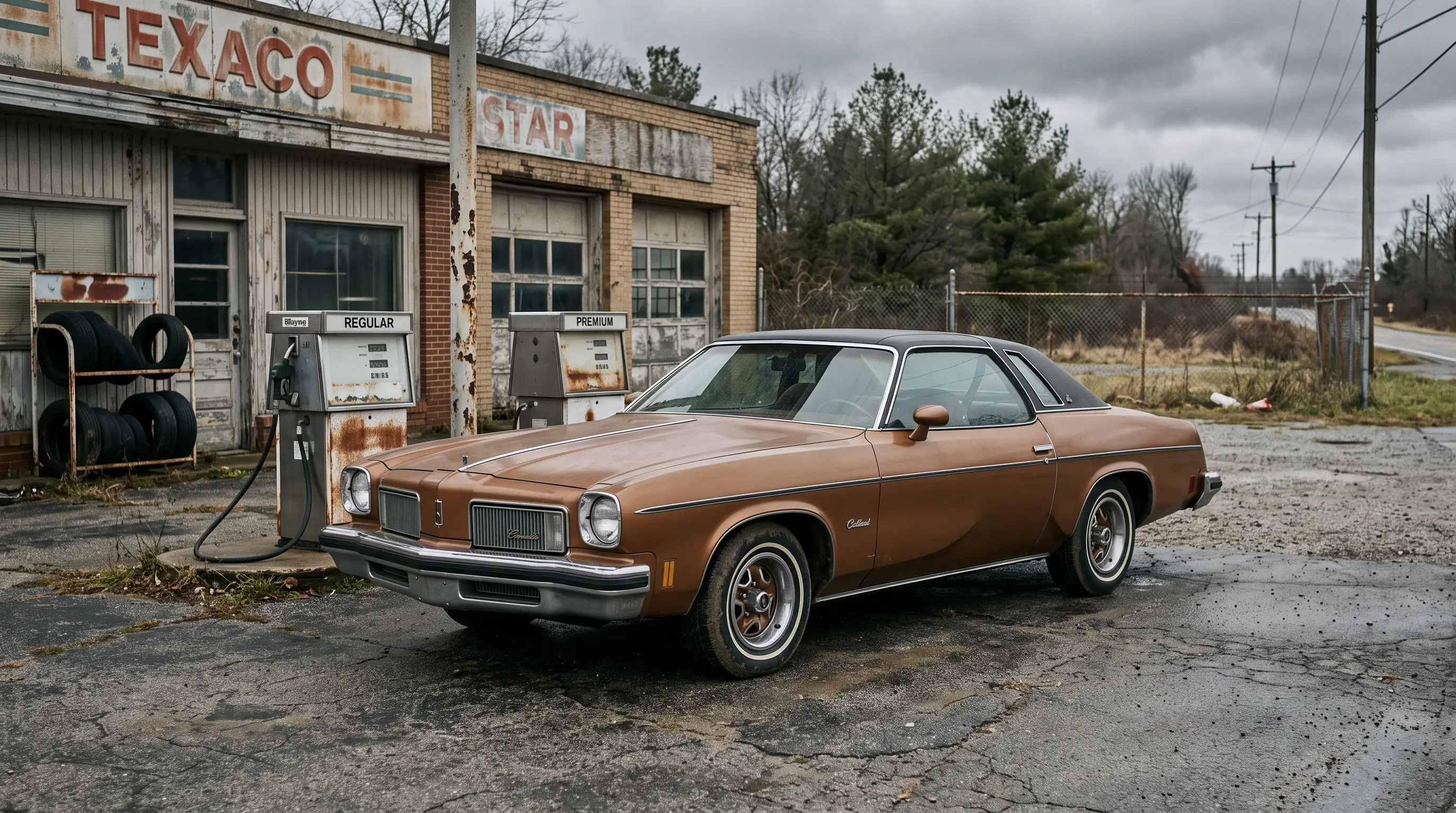
For years these were the cheap Cutlasses, the ones the muscle guys skipped. That is changing. A whole generation grew up in the back seat of a Cutlass Supreme, and they are buying now. Clean, original Colonnade cars have quietly climbed, and the honest survivors with documented history lead the way. The record here is the same as it always is: originality and paperwork win.
Our club has watched this shift firsthand. Cars that sold for pocket money a decade ago now bring real interest at shows, and the plush Supreme is finally getting credit as a period piece rather than dismissed as slow. The people who kept theirs original look smart now.
Part of the appeal is honesty of purpose. A Colonnade Cutlass never pretended to be a race car, so an owner today is not fighting the car's nature the way you do with a tired muscle machine. It cruises, it looks good, and it asks little. For a buyer who wants to enjoy a 1970s classic without a demanding restoration or a punishing insurance bill, the Supreme is one of the sensible entries into the hobby, and our newer members often start exactly there before moving to the pricier cars.
"Someone always tries to tell me the Colonnade cars do not count because they were not fast. Then I show them the sales records. The Cutlass outsold everything in America. That is not nothing. That is the car that paid Oldsmobile's bills, and it earned its place in the story."
— Wayne Coburn
Specifications at a glance
| Spec | Detail |
|---|---|
| Model years | 1973-1977 |
| Body style | Colonnade, fixed B-pillar, no true hardtop |
| Name origin | Architectural colonnade roofline |
| Best-seller | Cutlass Supreme, top-selling US car in 1976 |
| Performance variants | 442 appearance package, Hurst/Olds |
| Market character | Personal luxury over raw performance |
| Bumpers | Federal 5 mph impact bumpers |
Where it fits in the family
The Colonnade Cutlass is the pivot point of the whole nameplate. Before it, the Cutlass was an A-body climbing toward muscle-car fame. After it, the downsized cars carried the name into personal-luxury dominance and, eventually, into the rear-drive G-body years that collectors chase today. Understanding the Colonnade era is how you make sense of everything that came after.
It also reset what the name meant to the public. Before the Colonnade cars, Cutlass was a car enthusiasts knew. After them, it was a household word, the sedan and coupe that turned up in every driveway and every parking lot in America. That shift in public recognition is part of why the name carried so much weight through the years that followed. When a nameplate sells that well for that long, it earns a place in the culture that no advertising budget can buy. The Colonnade Cutlass is the car that bought that place, one driveway at a time, and the sales record is the receipt.
If you want to follow the line into the downsized cars, there is a related chapter waiting. And if a comfortable, honest 1970s cruiser is what you are after, browse the current classic Oldsmobile Cutlass for sale listings and favor the original, documented survivors. In my experience, the car with the paperwork and the untouched interior is the one you will still be proud of at the next show.
Sources and notes
- Best Selling Cars Blog: USA 1976 - Oldsmobile Cutlass Still America's Favourite
- The Washington Post: Cutlass to Cap a 5-Year Sales Rise as 1976's Best-Selling Model
- Mac's Motor City Garage: Oldsmobile Reaches Peak Cutlass - The 1977 Cutlass Supreme
- Wikipedia: Oldsmobile Cutlass Supreme
- Wikipedia: Oldsmobile Cutlass