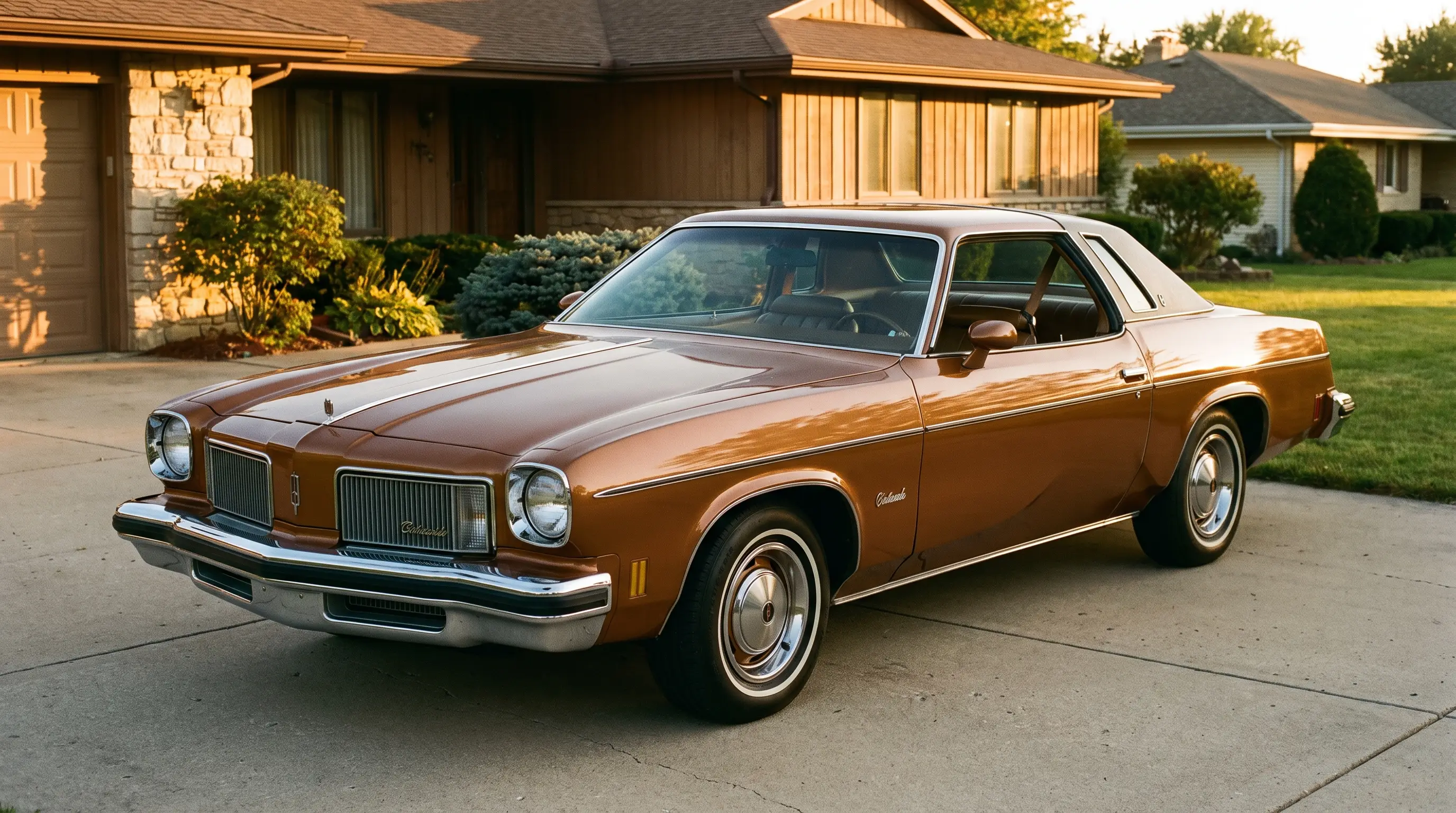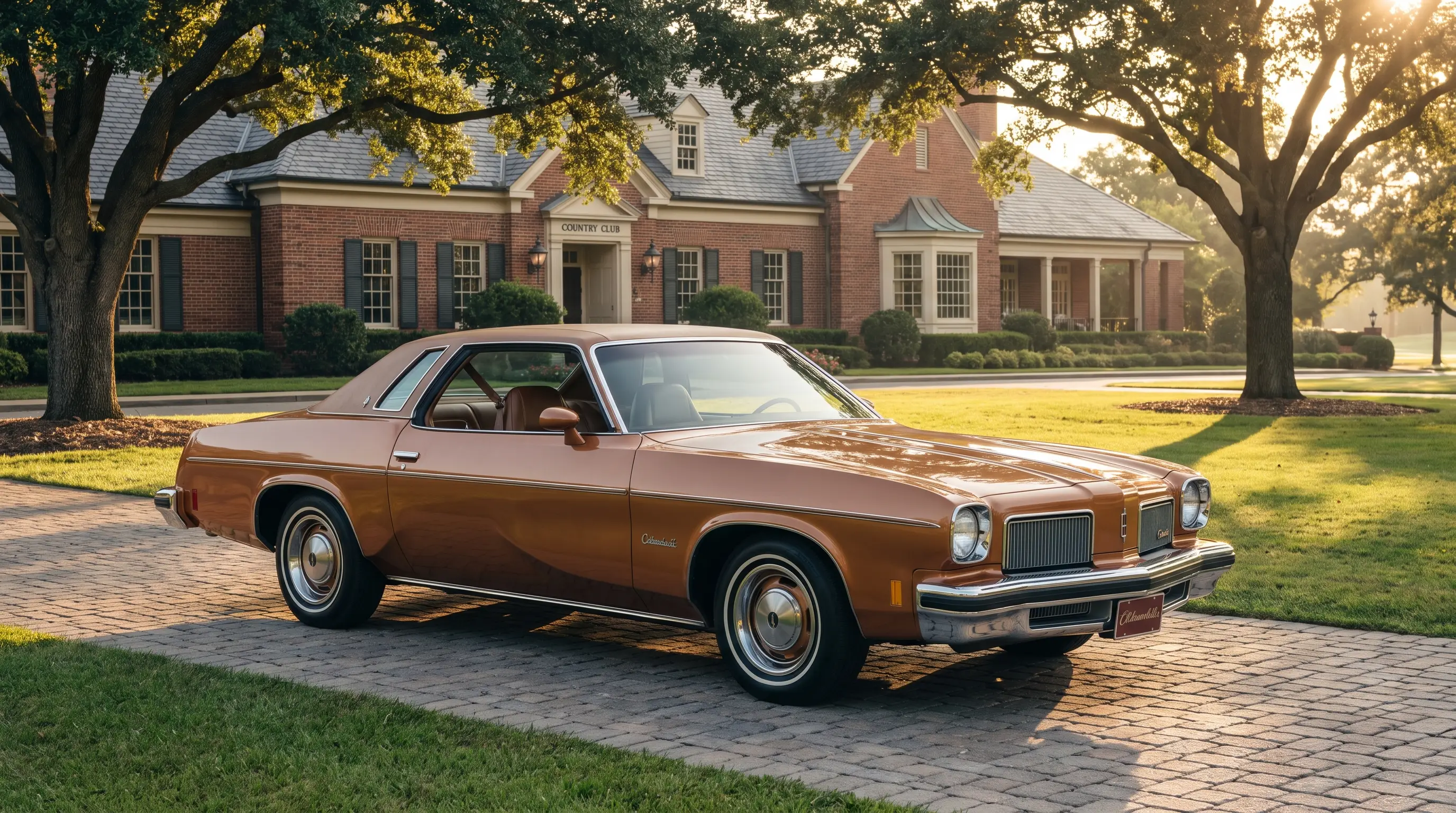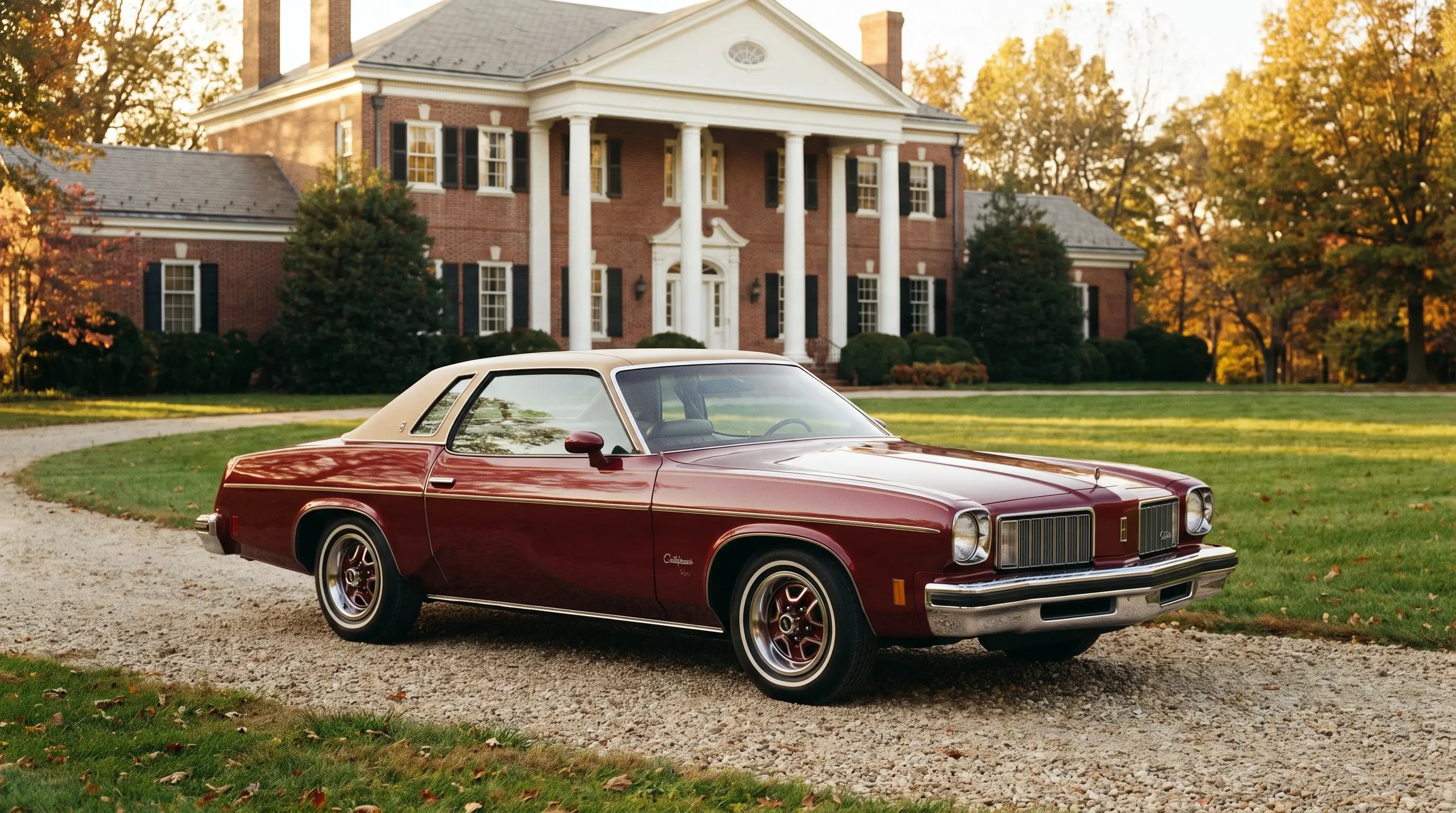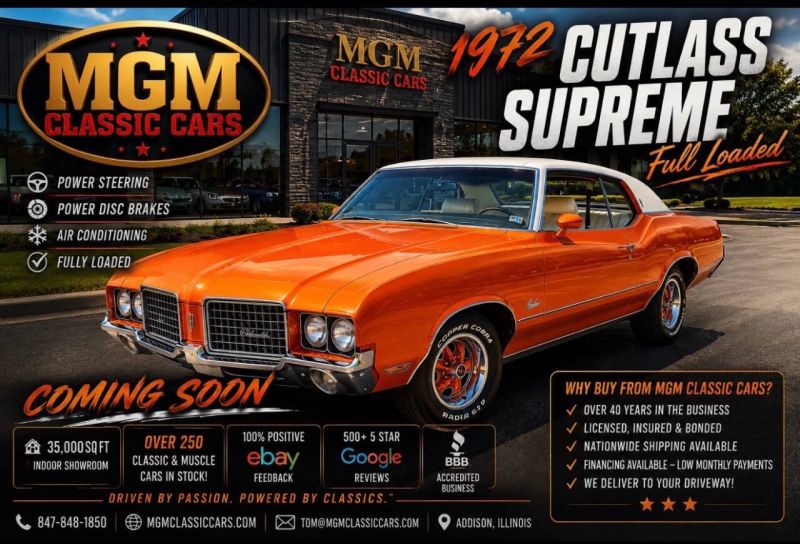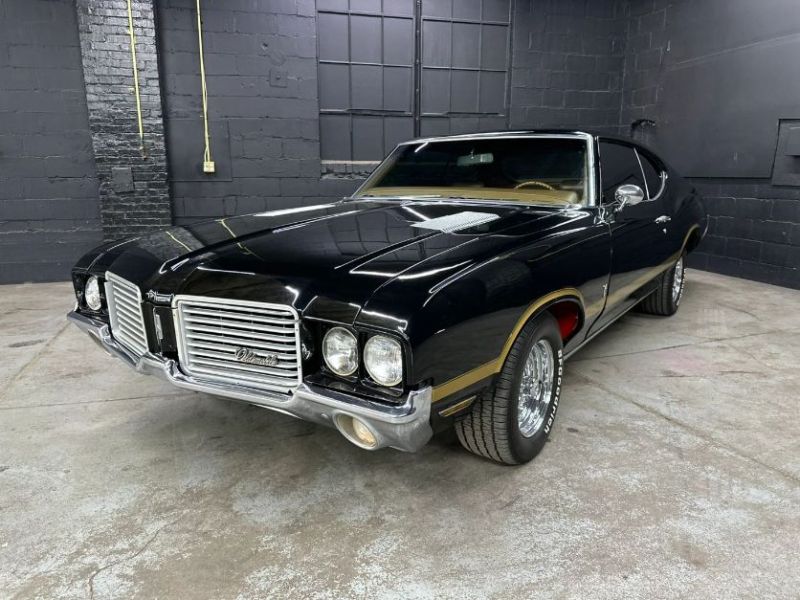
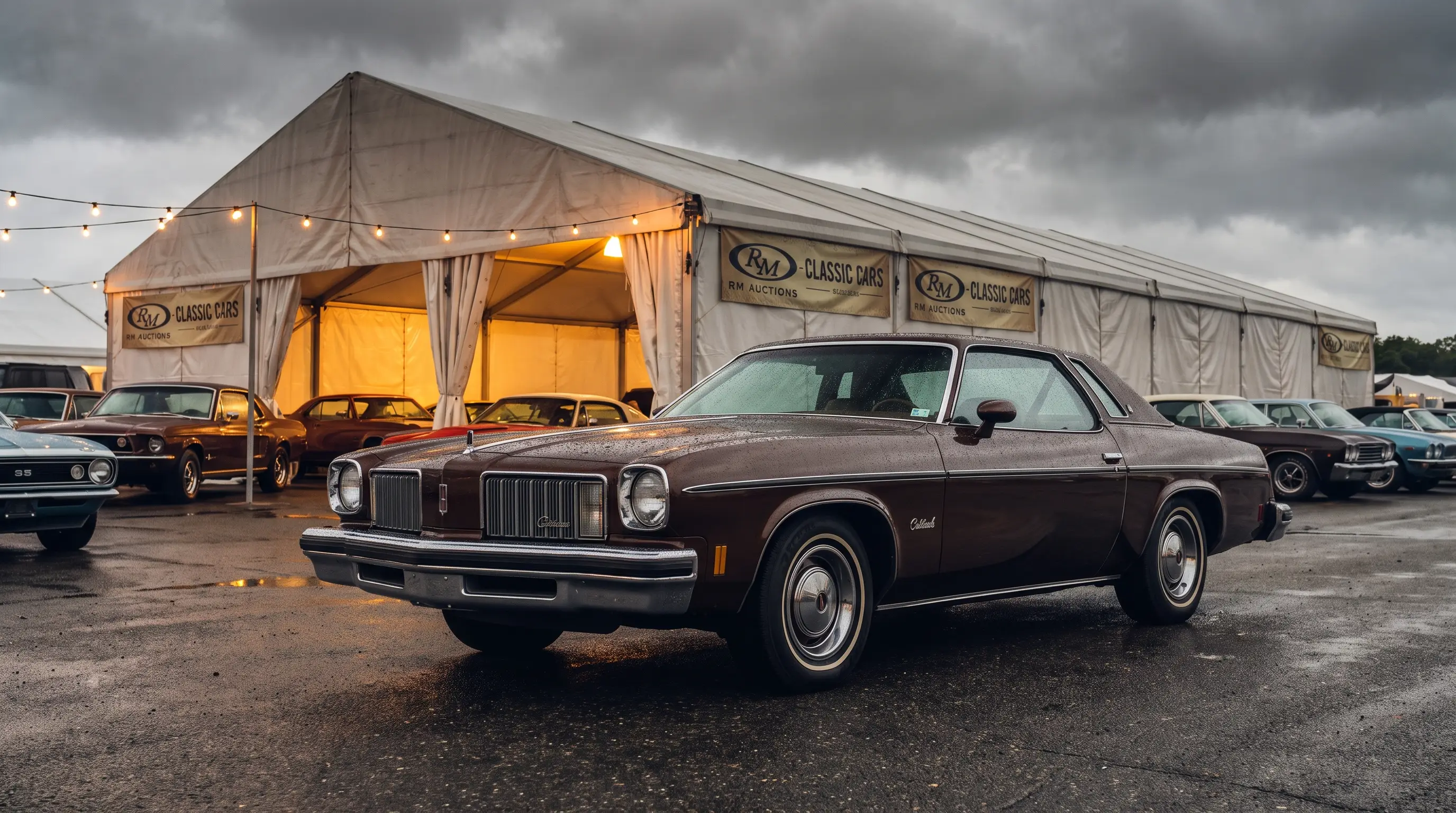
A member walked into our last club meet with a bill of sale from 1998 for his 1975 Cutlass Supreme coupe. Four hundred dollars, running, no rust worth mentioning. He paid twelve times that for the car he drives today, a nicer example but not a different league of car, and he wanted to know if he had missed the window or caught the start of something. My answer was the same one I have been giving for a couple of years now. The Colonnade Cutlass spent decades being the car nobody bid against, and that era is closing.
For a long time the Colonnade generation, the pillared 1973 through 1977 cars that eventually made the Cutlass Supreme the best-selling Cutlass in America, sat priced like appliances. They were common, they were comfortable rather than fast, and the hobby's money went to the earlier A-body muscle cars instead. That pricing gap has been narrowing, and it is worth understanding why before you decide whether to buy now or wait.
A generation that spent decades in the shadow
Part of the reason Colonnade cars stayed cheap so long is simple math. Oldsmobile built these things by the hundreds of thousands across five model years, and a car that common does not command scarcity pricing no matter how good it looks parked next to a gas pump. The other part is reputation. Collectors who grew up wanting a 442 or a Hurst/Olds never wanted the family coupe their neighbor drove to work, even after that coupe became the best-selling individual car in the country for part of the mid-1970s.
That reputation held the line on price for a long time, and honestly it kept the hobby affordable for a lot of people, myself included in my first years as a member. But a market built entirely on one generation of cars aging out of demand while a comfortable, well-built alternative sits untouched does not stay that way forever, and it has not.
"I used to tell newcomers to buy a Colonnade Cutlass because nobody else wanted it and they'd get a big, comfortable, honest car for lunch money. I still tell them to buy one. I just stop short of promising it stays lunch money much longer."
— Wayne Coburn
What is actually moving the needle on price
Three things are pushing values up at the same time. First, buyers priced out of the 1968 through 1972 muscle car market are looking one generation later for something they can still afford and still drive regularly, and the Colonnade cars are the obvious next step down in price with a familiar nameplate attached. Second, the generation that bought these cars new or rode in one as a kid is now the generation with money to spend on nostalgia, and that group tends to want the car they actually remember rather than the one they were told to want.
Third, and this one gets underrated, survivor counts are dropping faster than people expect. These were daily drivers for decades before anyone thought to save them, and a lot of clean examples got parted out or scrapped through the 1990s and 2000s when nobody was paying attention. What is left, with straight sheet metal and a clear title, is a smaller pool than the original production numbers suggest.
Which Colonnade cars are climbing fastest
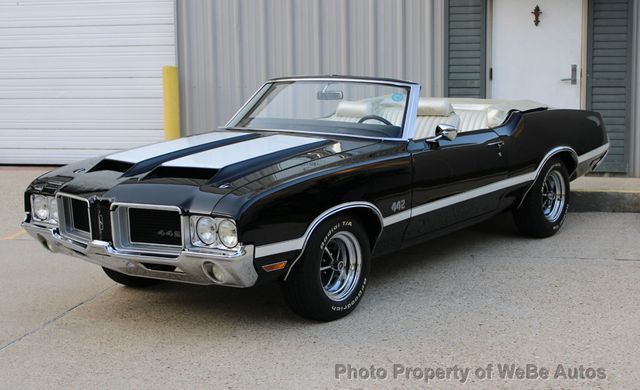
Not every Colonnade Cutlass is appreciating at the same rate, and buyers should know the difference before they shop. Documented 442-package and Hurst/Olds cars from this generation have moved the most in absolute dollars, since they combine Colonnade-era affordability with genuine performance credentials and lower production numbers. Clean Supreme coupes with the landau vinyl roof and factory options intact have moved more modestly but more consistently, since they represent the generation's actual sales story rather than a performance footnote bolted onto it.
Sedans and wagons from the same years remain the affordable end of the market, and I do not expect that to change soon. Four doors and a longer roofline never carried the same visual punch as the coupe, and collector money still follows the coupe first in almost every generation of American car.
| Variant | Market direction | What is driving it |
|---|---|---|
| 442 / Hurst/Olds package cars | Rising fastest | Documented performance history, lower production |
| Supreme coupe, factory optioned | Rising steadily | Represents the generation's actual sales story |
| Base Cutlass coupe | Rising slowly | Entry point for new collectors, still plentiful |
| Sedan and wagon body styles | Flat to modest | Lower collector demand for four-door and wagon bodies |
What buyers should watch before paying up
A rising market invites sellers who describe an ordinary car in extraordinary language, and Colonnade Cutlasses are not immune to that. Ask for the cowl tag and confirm the trim, engine, and options against it before you accept a seller's word on what a car came with from the factory. A base Cutlass wearing 442 badging added later is still a fine driver, but it is not a 442, and it should not be priced like one.
Rust is the other thing to check carefully, particularly around the vinyl roof seams on Supreme coupes and the rear quarter panels on any body style from this generation. A car with good paint and a rough structure underneath will cost more to fix than the rising market currently justifies, and that gap only gets worse as parts and labor keep climbing alongside the cars themselves.
If you are shopping this generation with an eye toward where values are headed rather than where they have been, the honest answer is that the easy money already happened for early buyers, but the Colonnade Cutlass has not caught up to what it actually represents in Oldsmobile's history. There is still room to move, just less of it than there was five years ago. Anyone weighing whether to jump in now should keep reading the series, since the Brougham trim covered next sits right at the intersection of affordability and rising demand that makes this whole generation worth a second look.
Sources and notes
- USA 1976: Oldsmobile Cutlass Still America's Favourite, Best Selling Cars Blog
- Oldsmobile Cutlass Supreme, Wikipedia
- Oldsmobile Cutlass, Wikipedia
- 1977 Oldsmobile Cutlass Supreme valuation, Hagerty
- 1977 Oldsmobile Cutlass Supreme 5-Speed, Curbside Classic
- Why The Hell Did Americans Buy So Many Oldsmobile Cutlasses, Jalopnik