
Ask three Nova people what COPO 9738 means and you may get three different answers, and that confusion is exactly why this car needs its own explanation. The Central Office Production Order system generated dozens of codes across Chevrolet's late-1960s lineup, most of them dry fleet paperwork nobody outside a dealer's back office ever saw. A small handful of those codes built some of the fastest cars Chevrolet ever sold without advertising them. COPO 9738 sits in that second group, and understanding what it actually authorized separates a genuine COPO Nova from a car that merely looks the part.
Car Features
6 min read
The COPO 9738 Nova Explained
What COPO 9738 actually authorized, how it differs from the Yenko-processed cars, and how to authenticate a Nova that claims the code.
What the COPO system actually did
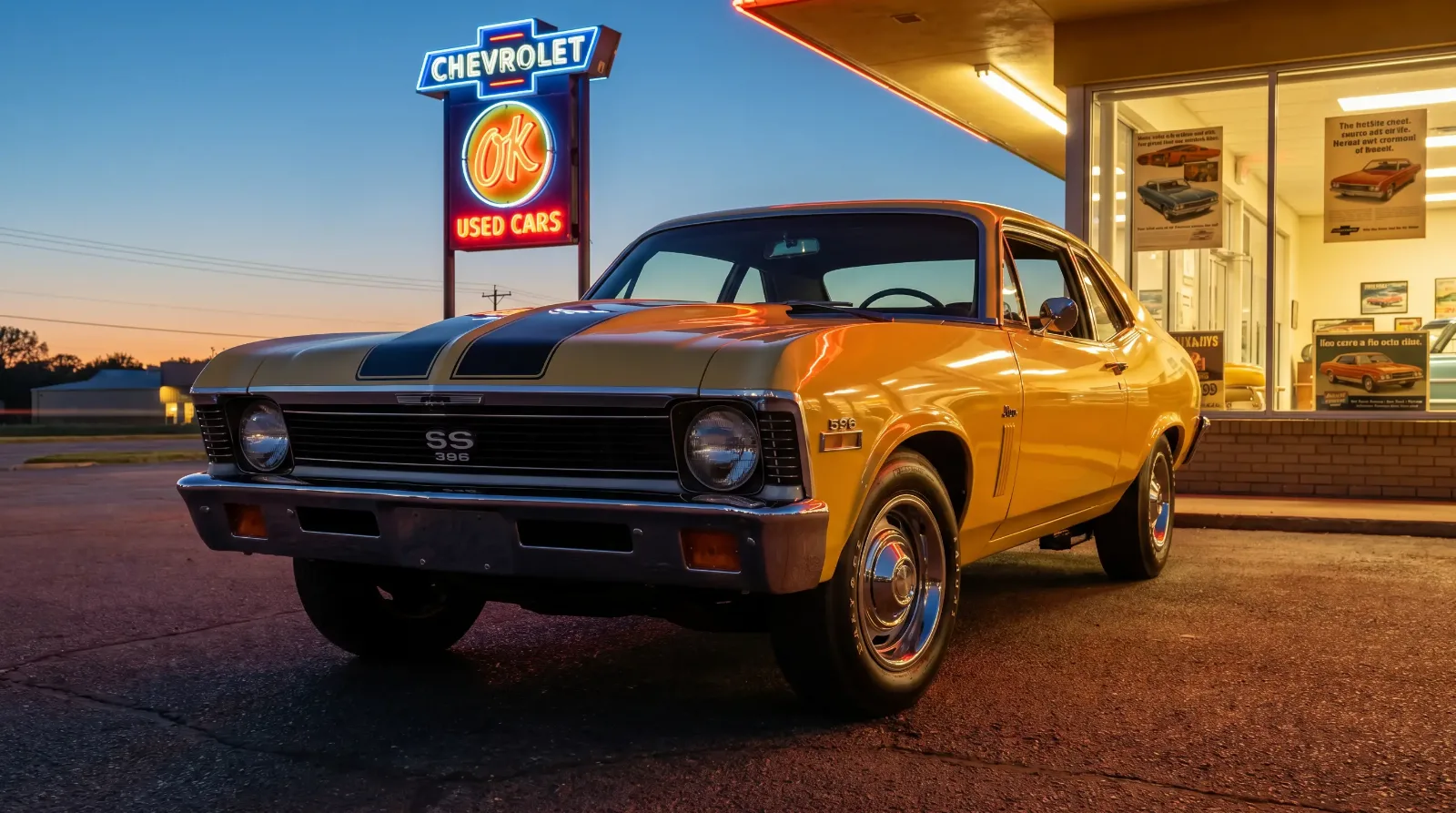
COPO existed so Chevrolet could build vehicles outside the normal option sheet for buyers with specific fleet needs, taxi companies wanting particular gear ratios, police departments wanting certain brake packages, that kind of request. In 1968, Fred Gibb Chevrolet, a dealership in LaHarpe, Illinois, used that same system for a very different purpose: getting a factory-legal car for NHRA's Super Stock Automatic class. The Nova SS 396 already offered the solid-lifter L78 as a regular production option that year, but Chevrolet had never paired that engine with a Turbo 400 automatic transmission on the assembly line. NHRA required fifty identical production cars to homologate a combination, so Gibb, working with Chevrolet product planner Vince Piggins, ordered exactly that run through COPO 9738.
Cars built under 9738 left the assembly line as L78 396/375hp Novas backed by the TH400 automatic, the first time Chevrolet had ever factory-linked a mechanical-lifter big block to an automatic transmission. There was no factory-built 427 COPO Nova. What happened to some of those fifty cars afterward is a separate chapter: Dick Harrell, whose St. Louis and later Kansas City performance shop was operating as Fred Gibb's performance arm at the time, converted roughly twenty of the fifty 9738 cars from 396 to 427 power and sold them on through a network of Chevrolet dealers. That conversion was dealer and aftermarket work, not a Chevrolet factory build, and the distinction matters when a seller today describes a car as a "COPO 427 Nova."
The paperwork trail on 9738 is thinner than most enthusiasts would like. Chevrolet did not keep a public ledger tracking every one of the fifty cars individually, and much of what is understood today comes from surviving broadcast sheets, Fred Gibb dealership records, and magazine features built around the handful of cars that surfaced later with solid documentation. That is not a knock on the car. It is simply the reality of researching a fifty-unit homologation build that Chevrolet itself treated as an internal accommodation rather than a product line.
Why this is not a Yenko story
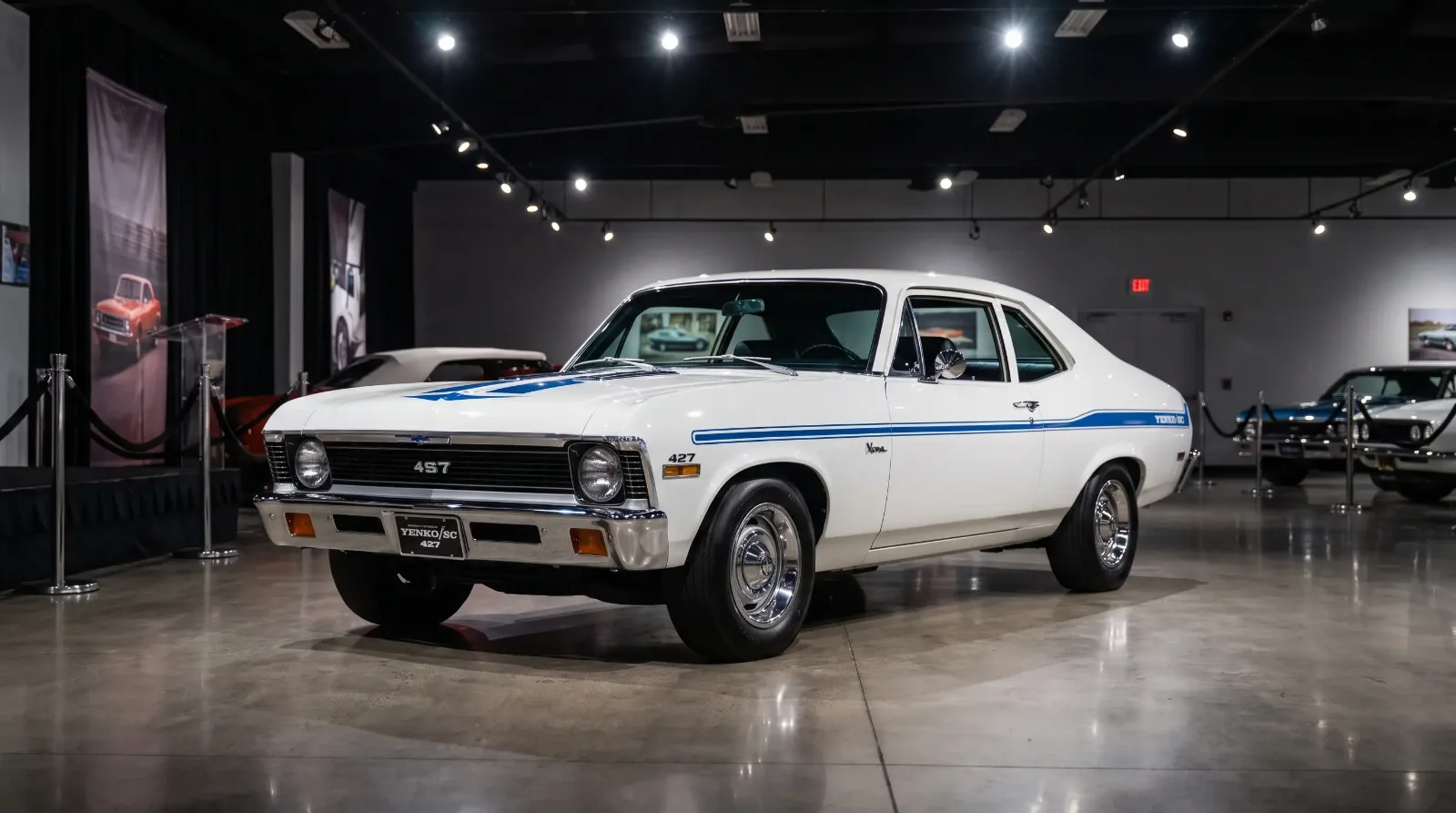
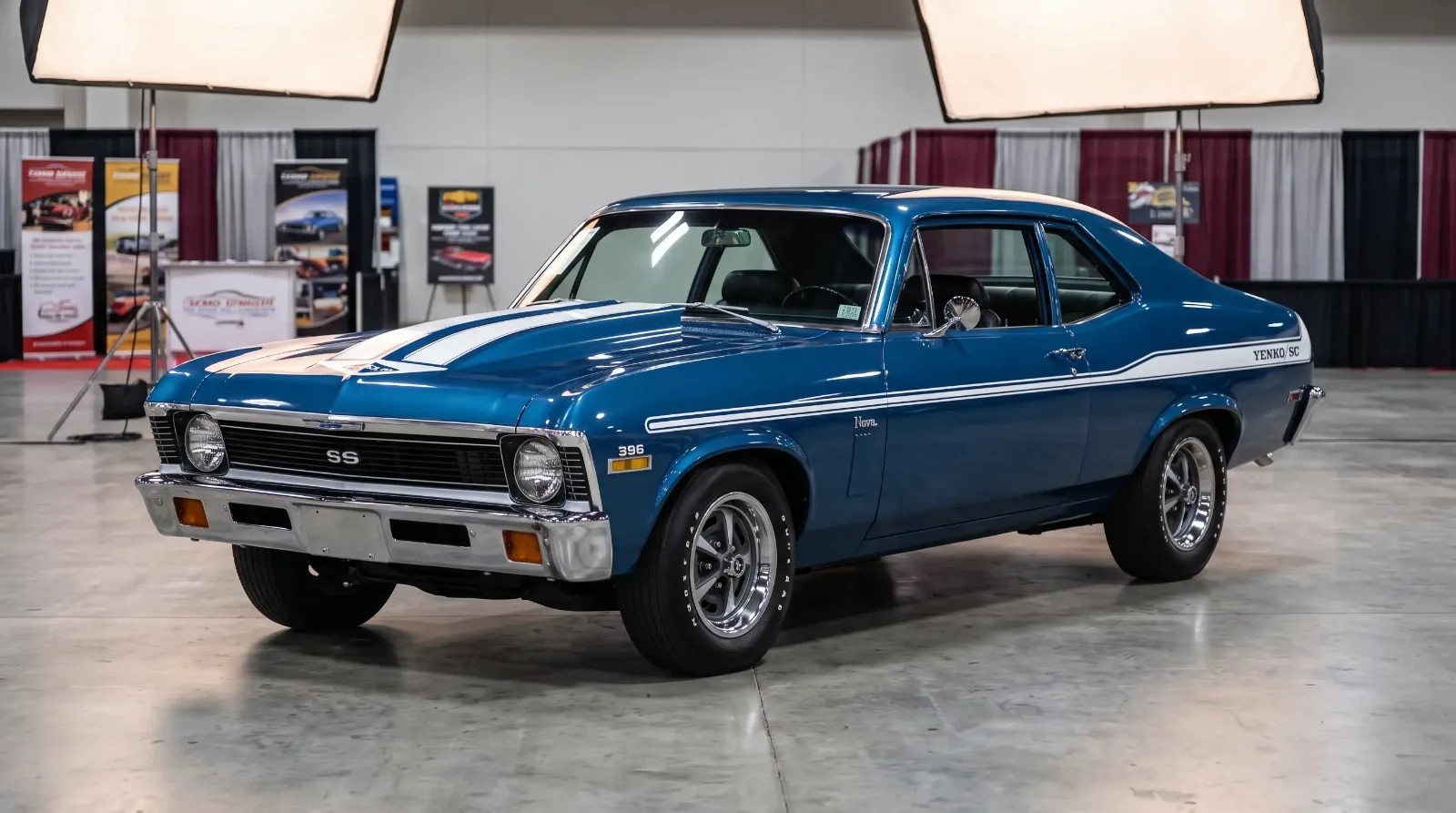
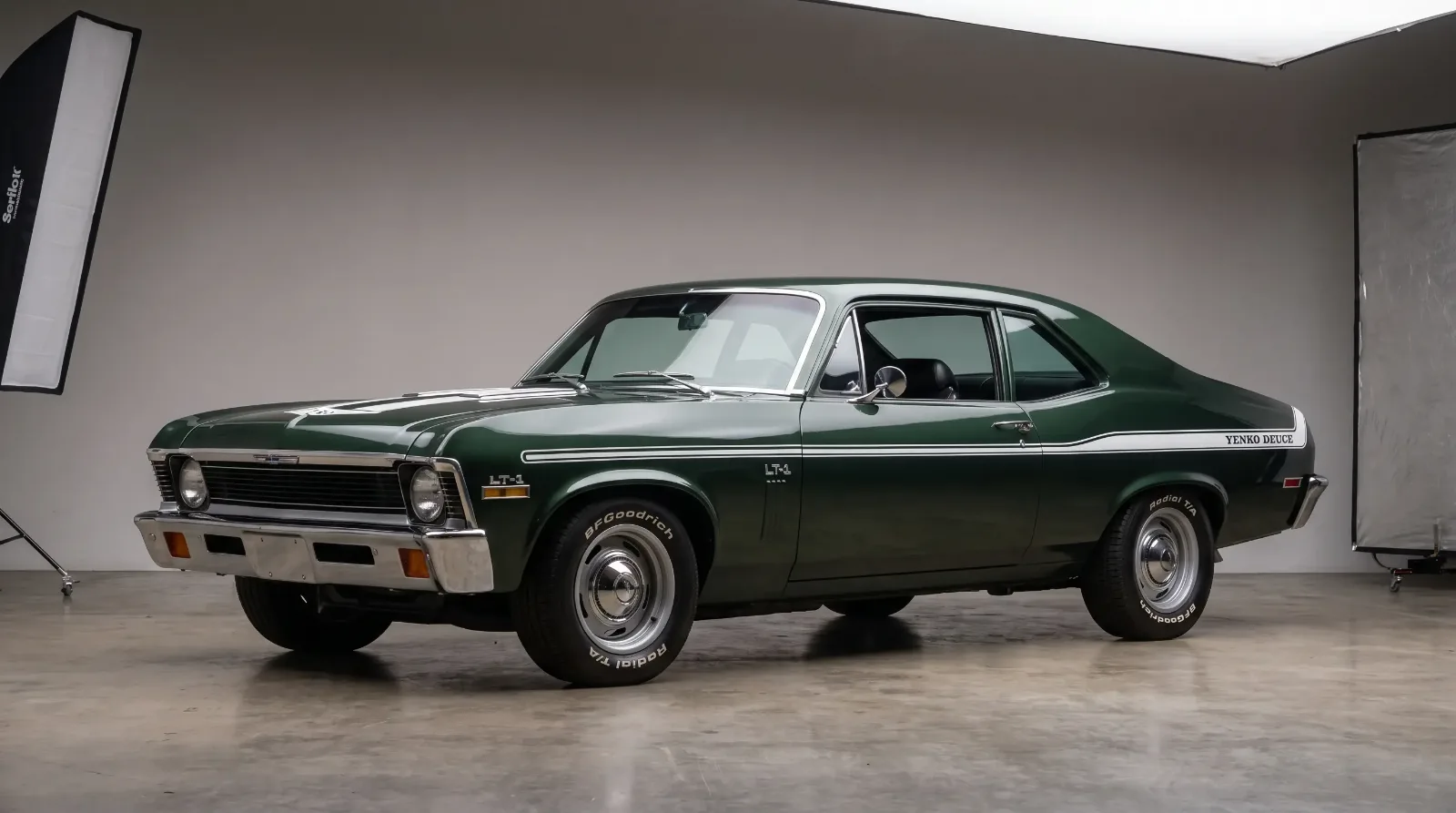
Readers who already know the Yenko chapter of this story sometimes assume COPO 9738 ran through Don Yenko's Canonsburg dealership. It did not. The 9738 program belonged to Fred Gibb Chevrolet and Dick Harrell's shop, built and modified without Yenko's involvement. Yenko's own well-known connection to the Nova came later and looked nothing like this car: the 1970 Yenko Deuce was built around the small-block LT1 350, not a big block, a shift driven by insurance and emissions pressure that had already pushed big blocks out of the compact-car conversation by then. Readers tracing that later chapter can find it in a companion piece.
None of this makes a 9738 Nova a lesser car for lacking Yenko's name. It makes it a different collecting category, one where the story is a fifty-car NHRA homologation run and a dealer's aftermarket 427 conversion, rather than a factory-authorized big block from the start.
Authenticating a car that claims the code
I have watched buyers get burned on cars like this more than once, and it is almost never because the seller lied outright. It is because nobody asked hard enough. A Fisher body tag, a broadcast sheet, and a dealer invoice all need to agree with each other and with the physical car in front of you. The engine stamping should match the block casting date within a reasonable window of the car's build date. The frame should show the reinforcement Chevrolet built into every factory big block Nova, since the compact platform was never engineered to carry that weight and torque without it, and a car wearing 427 power should have a documented trail back to a Harrell-era conversion rather than a modern swap dressed up to look period-correct.
Buyers who skip this step are betting on trust rather than paper, and in a market where a documented COPO Nova and an undocumented big block clone can look identical from ten feet away, that is not a bet worth making without professional verification.
The frame check deserves particular attention. Chevrolet's engineers reinforced the front rails on a genuine big block Nova to handle the additional weight and torque the standard compact platform was never designed to carry. A car that has since had a 427 or 396 installed outside the factory, sometimes called a tribute or a clone, will usually lack that reinforcement unless a builder specifically added it during the swap. Spotting the difference takes a hands-on inspection rather than a glance at a spec sheet, which is exactly why serious buyers hire an independent Nova specialist before money changes hands rather than relying solely on a seller's description.
| Item | What to check |
|---|---|
| Fisher body tag | Trim and body codes consistent with a COPO build |
| Broadcast sheet | Original if it survives, or period photographic evidence |
| Engine stamping | Casting date reasonably close to the car's build date |
| Frame rails | Factory reinforcement consistent with big block installation |
| Dealer invoice | Confirms COPO order code and original selling dealer |
"A COPO code on a spec sheet is not the same thing as a COPO car in your driveway. I want the invoice, the body tag, and the casting numbers all telling the same story before a price gets discussed."
David Mercer
Where this fits in the wider Nova story
The COPO 9738 program is one piece of a larger picture that includes the small-block Yenko Deuce that arrived once emissions and insurance pressure pushed big blocks out of the Nova lineup. For readers tracing that full arc, a companion piece covers how Chevrolet's compact performance strategy shifted almost entirely within a single model year. Buyers interested in acquiring a car from this era, whether COPO-documented or a well-sorted standard SS396, can browse rare classic Novas for sale to see what is currently available, though the truly documented COPO examples tend to sell through word of mouth well before they reach a public listing.
Sources and notes
Related Reading
Have a
Chevrolet Nova
for Sale?
Reach thousands of serious classic car collectors across the US.
Sell It Here →
Are You a Classic Car Dealer?
List your full inventory and connect with targeted classic car buyers.
Join as a Dealer →

About the author
David Mercer
Classic car market analyst with two decades of experience tracking collector car valuations, auction results, and investment trends.
Related Listings - Chevrolet Nova
Comments
Be the first to comment on this article.