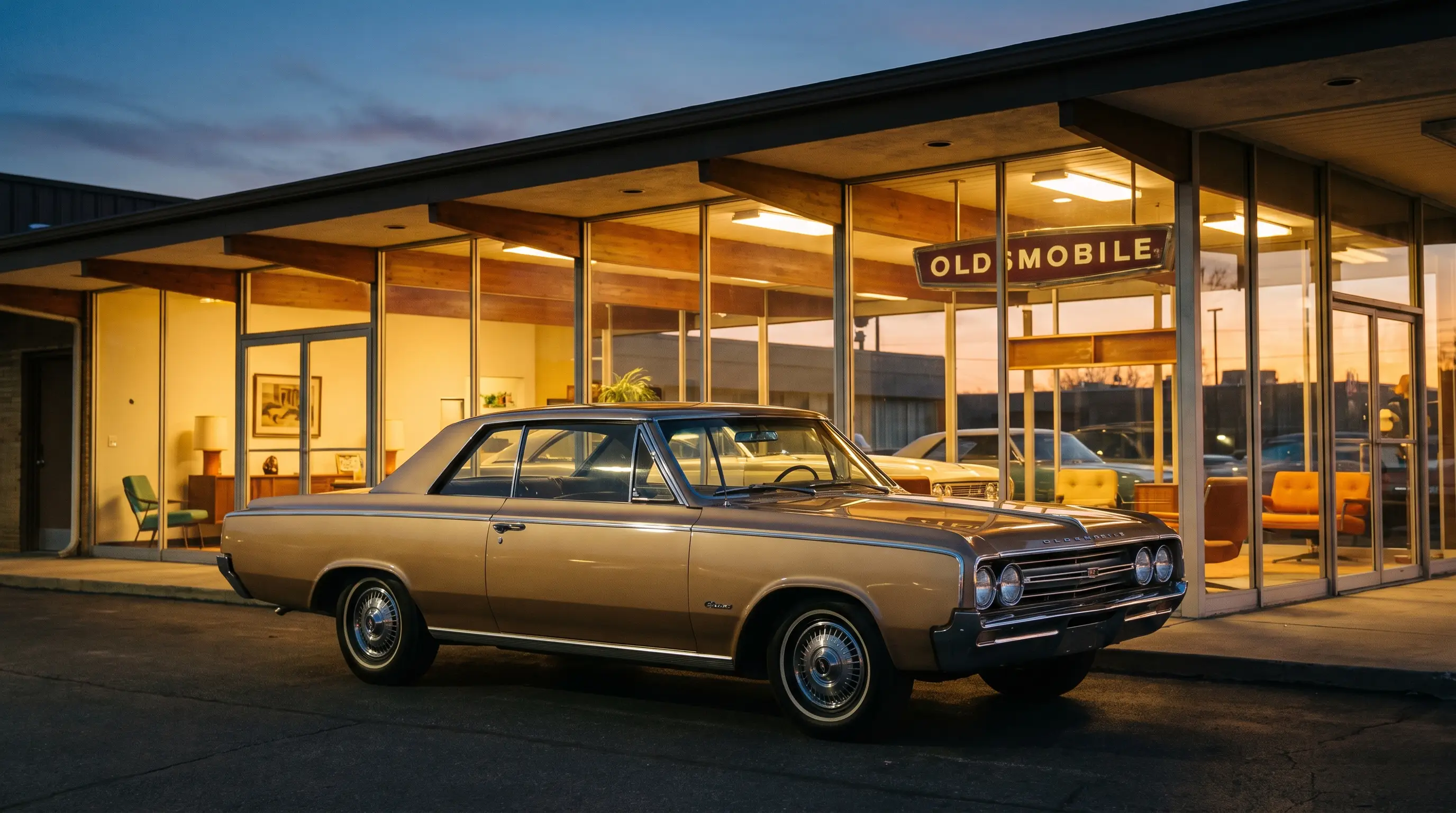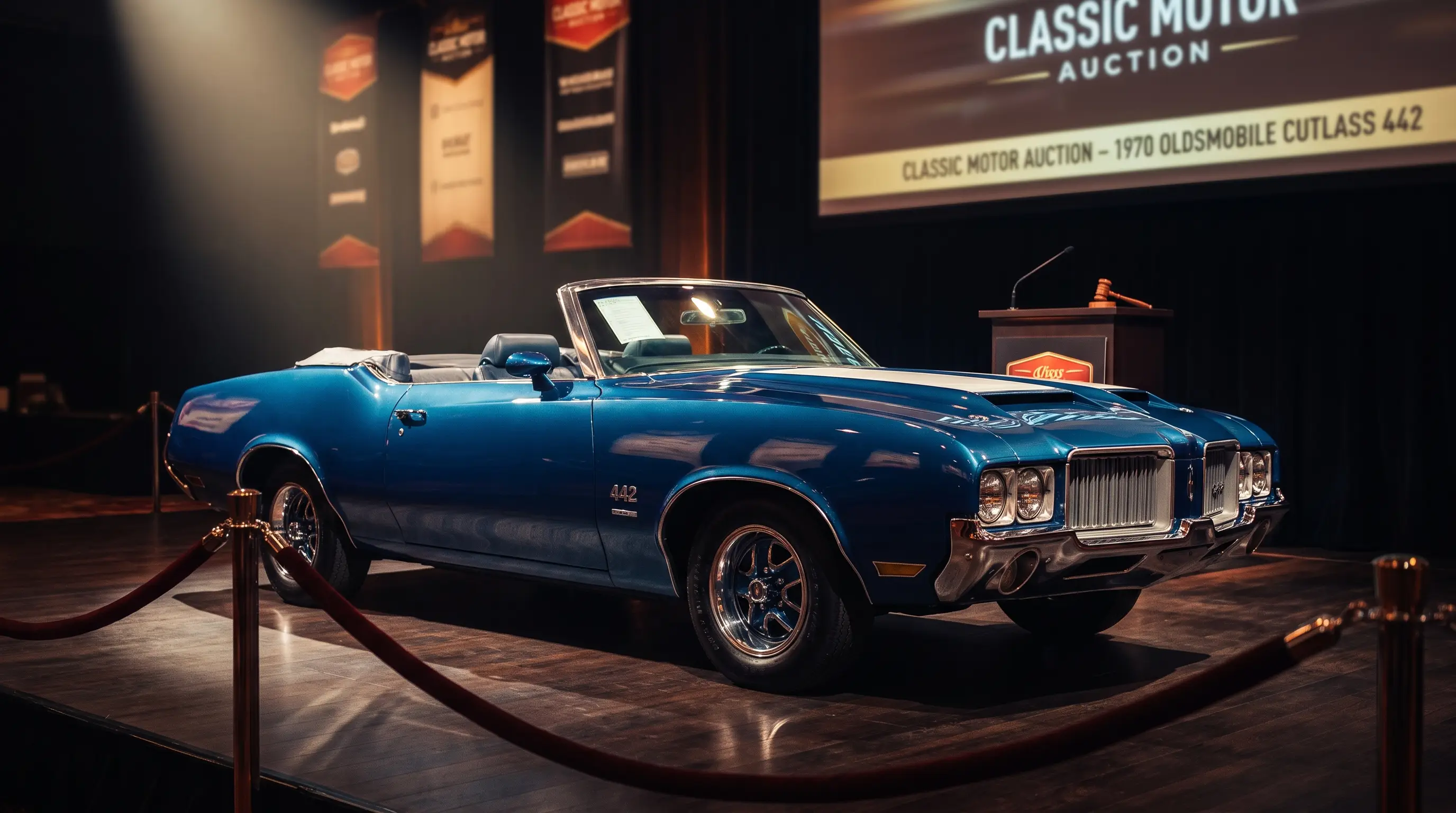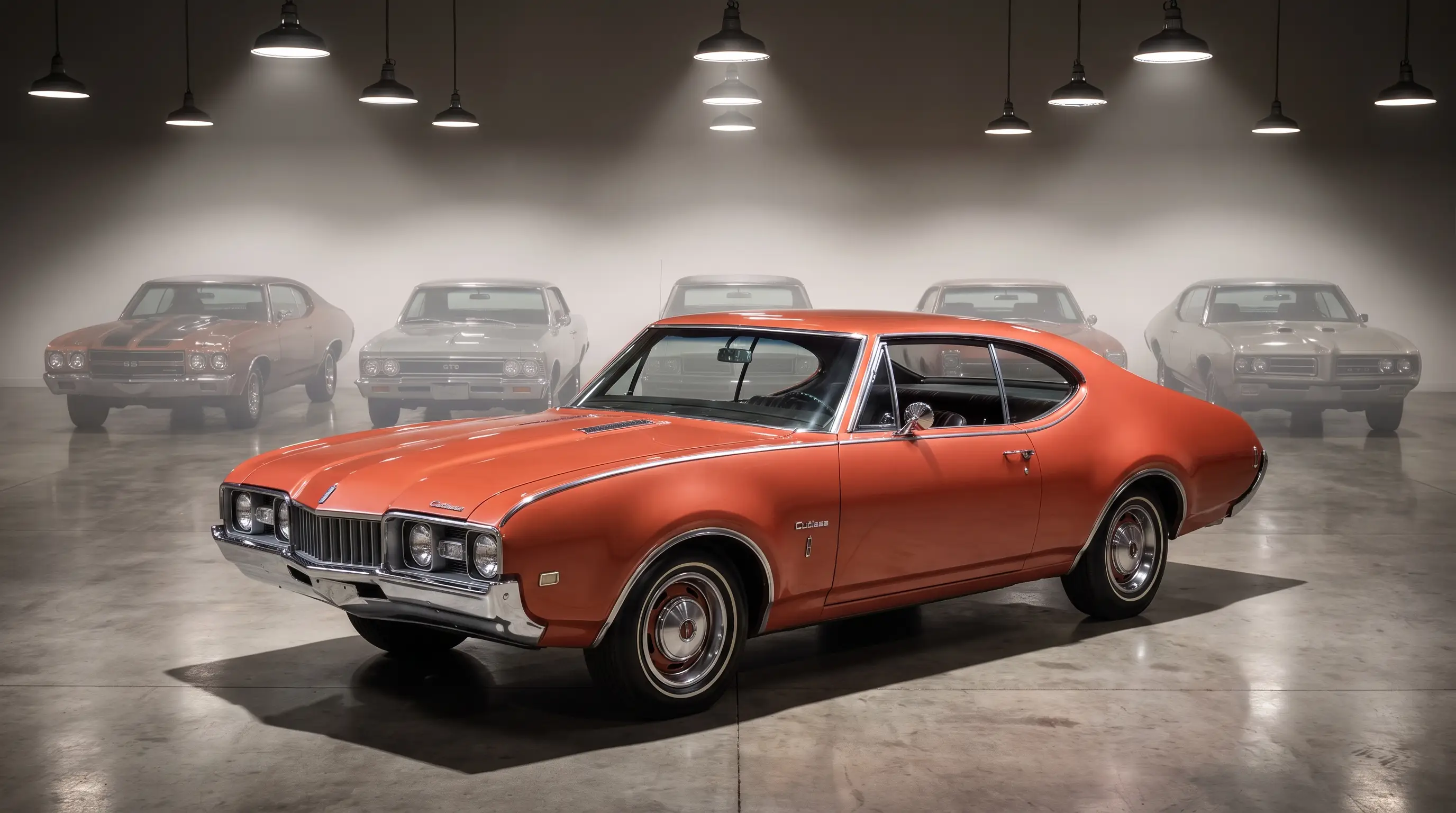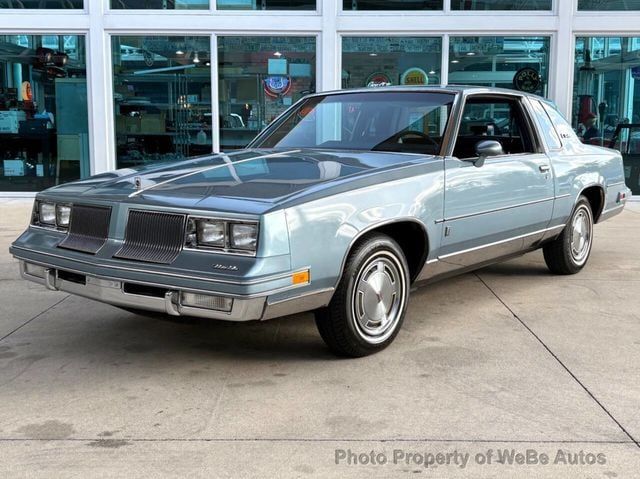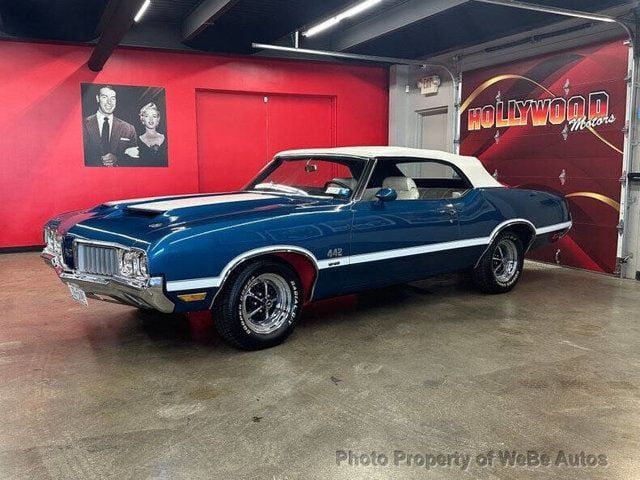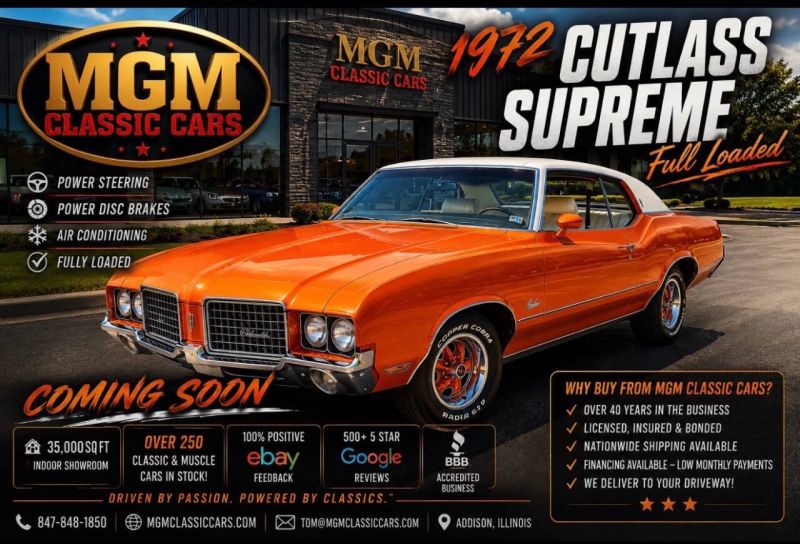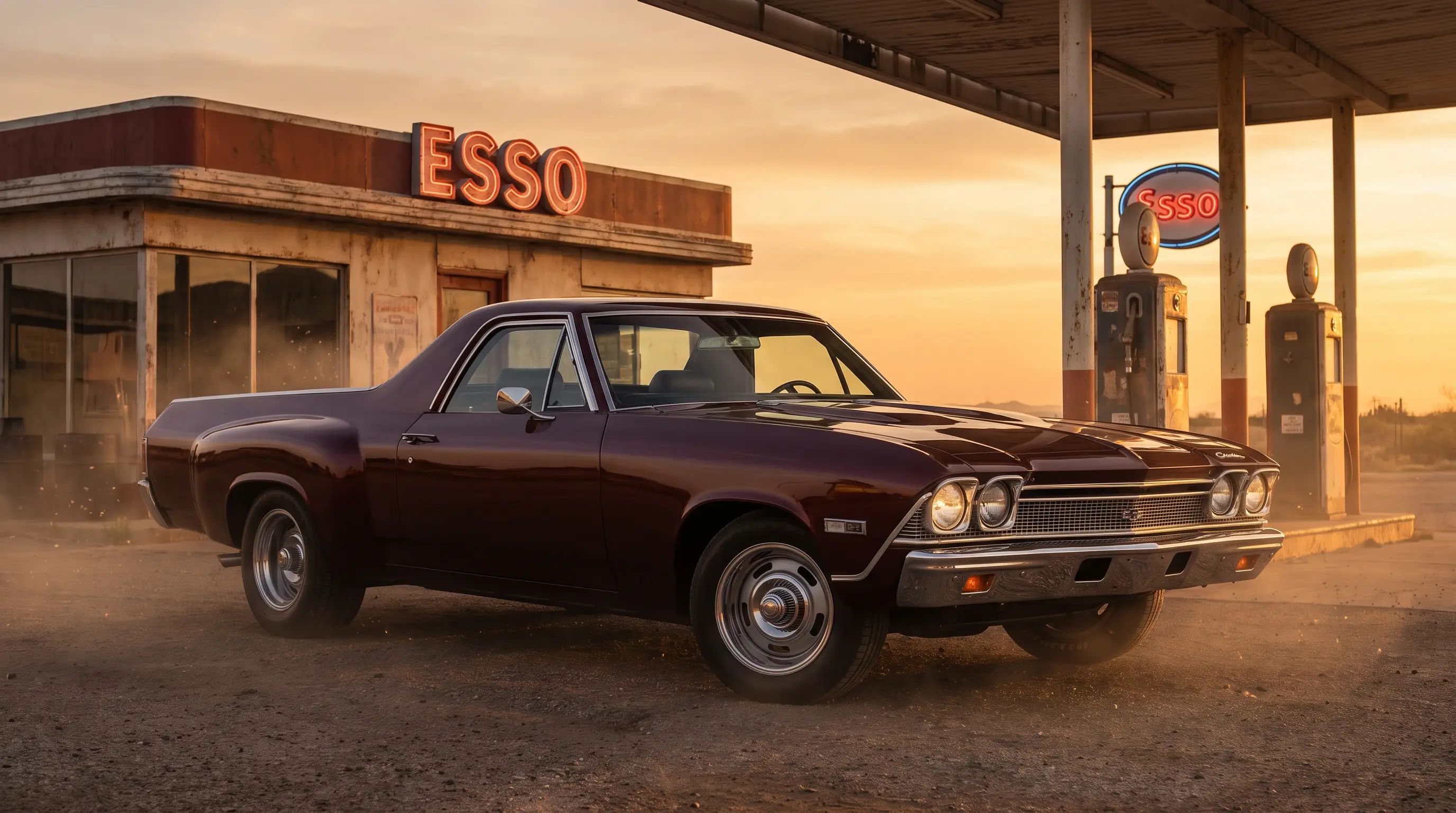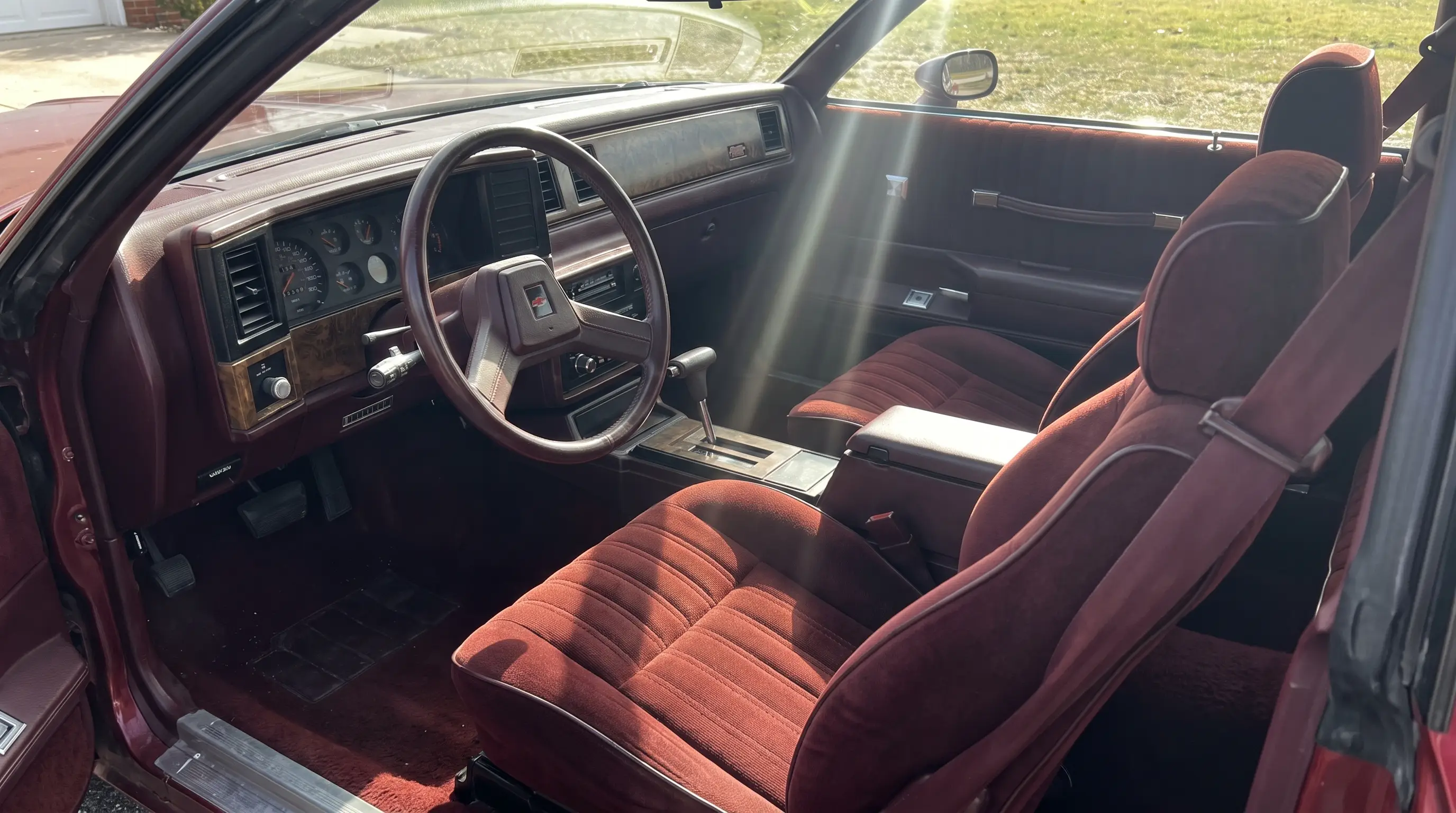
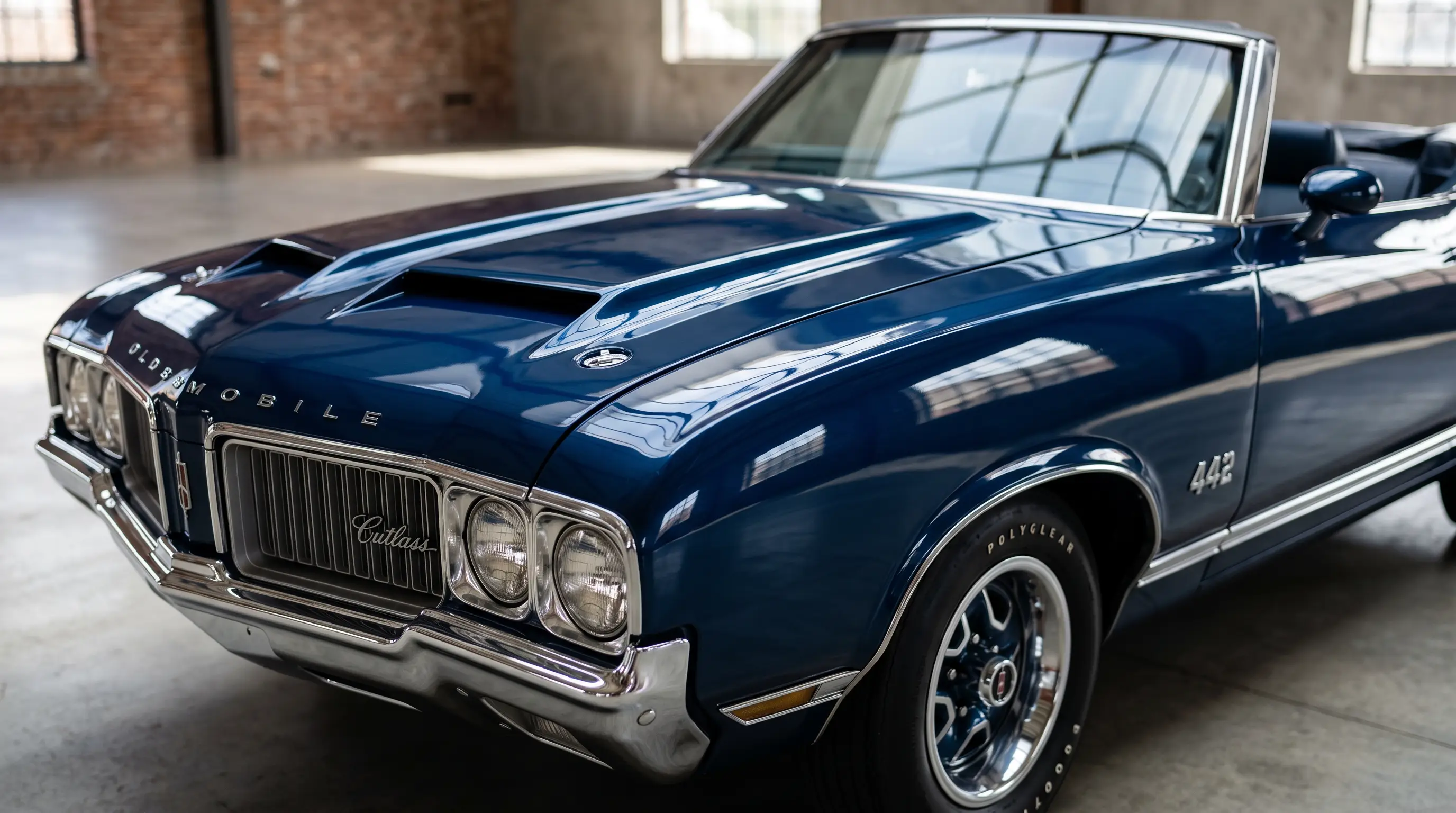
Paint color is one of the most overlooked pieces of documentation on an A-body Cutlass, and it is also one of the easiest to get wrong on a resale car. Cutlass A-body colors were never just a styling choice. Each one ties to a specific paint code stamped on the cowl tag, and matching that code against what is actually on the car is a basic step in confirming originality, whether the car in question is a plain Cutlass sedan or a documented 4-4-2.
Color as documentation, not just taste
Every Cutlass built during this generation left the factory with a two-letter or two-digit paint code recorded on its cowl tag, tying the physical car to a specific shade in Oldsmobile's yearly color chart. That code is a small detail with outsized consequences. A repaint in a non-factory shade, or a repaint in the wrong-year factory shade, is one of the first things a knowledgeable buyer checks, because color mismatches often signal either a cosmetic refresh done without concern for originality or, less often, a car with a less straightforward history than the seller is telling.
Collectors chasing higher-end examples of this generation treat the paint code with the same seriousness they treat engine casting numbers. It will not tell you everything about a car, but getting it wrong tells you something is off.
The core palette, year to year
Oldsmobile refreshed its color offerings annually, the way most manufacturers did, so a shade available in 1969 might be gone by 1971, replaced by something with a similar tone but a different official name and code. Names like Sherwood Green and Viking Blue appear on the 1970 factory chart, while Cranberry Red shows up a few years later, and none of these names or their paint codes carried over unchanged from one model year to the next. Exact availability by model year should always be checked against a factory color chart for the specific year in question rather than assumed to run continuously across the whole generation.
Interior color availability was tied to exterior choices as well, with Oldsmobile limiting certain interior shades to specific paint families to avoid combinations the design department considered a poor match. That pairing logic is itself a useful research tool: if a car's exterior and interior combination does not appear anywhere in the factory literature for its model year, that is worth investigating further.
| Color category | Example | Notes |
|---|---|---|
| Standard exterior palette | Sherwood Green, Viking Blue (1970 chart) | Widely ordered, easiest to source correct-match paint today |
| Package-exclusive color | Sebring Yellow (Rallye 350, 1970) | Single-color package, no factory alternate offered |
| Two-tone / vinyl top combinations | Body color plus contrasting vinyl roof | Vinyl top color availability tied to specific body colors |
The Rallye 350's single-color statement
No discussion of A-body Cutlass colors is complete without the 1970 Rallye 350 package, which Oldsmobile sold in exactly one exterior shade: Sebring Yellow, paired with color-matched urethane bumpers and black accent striping. It was a deliberate marketing decision, not a limitation of the paint booth. Oldsmobile wanted the package instantly recognizable on a dealer lot, and locking it to a single color achieved that far more effectively than offering buyers a menu of options would have.
That single-color rule is also why a Rallye 350 in any shade other than Sebring Yellow is an immediate red flag rather than a curiosity. There is no factory record of the package being offered in an alternate color, so a car presented as an original Rallye 350 wearing a different exterior shade needs a very good explanation before that claim should be taken at face value.
Two-tones, stripes and vinyl roofs
Beyond the single-color body, Oldsmobile layered on a second tier of visual customization through vinyl top options and accent striping, both of which were themselves constrained by the base color underneath. A vinyl roof was only offered in a handful of shades meant to complement rather than clash with the body color chart, and certain stripe packages were restricted to specific paint families for the same reason. That layering means a fully documented car has three separate codes to verify rather than one: the base paint, the vinyl top color if equipped, and any stripe or accent package code, all of which should agree with each other and with the model year they are claimed to represent.
This is also where reproduction parts create the most confusion for buyers who have not done this kind of research before. Vinyl top material and stripe kits are reproduced today in close approximations of the original shades, which is good news for restorers but means color alone, without the supporting cowl tag codes, is not enough to confirm a car is wearing its original scheme rather than a tasteful, well-executed replica of it.
Reading the code and why it matters
The paint code lives on the cowl tag alongside the body style and trim codes discussed elsewhere in this series, and decoding it correctly requires cross-referencing against the correct model year's factory chart, since codes were reused across different colors in different years. A buyer who sees a plausible-sounding color name in a listing should still ask for a cowl tag photo and confirm the actual alphanumeric code, because listing descriptions are written by humans who sometimes guess at a shade name from memory rather than pulling the factory reference.
"A repaint isn't automatically a problem. A repaint in a color the factory never offered on that car is. I have watched a five-minute cowl tag check save a buyer from a five-figure mistake more than once."
— Tom Ramirez
Color research is really just an extension of the same documentation discipline that applies across the A-body Cutlass generation as a whole, from body style to engine casting numbers to paint. None of these details stand alone. They confirm or contradict each other, and a car that checks out on all of them is worth far more confidence than one where the story only holds up if you do not look too closely. For another angle on how these details fit into the broader lineup, the connected pieces in this series are worth reading together rather than in isolation.