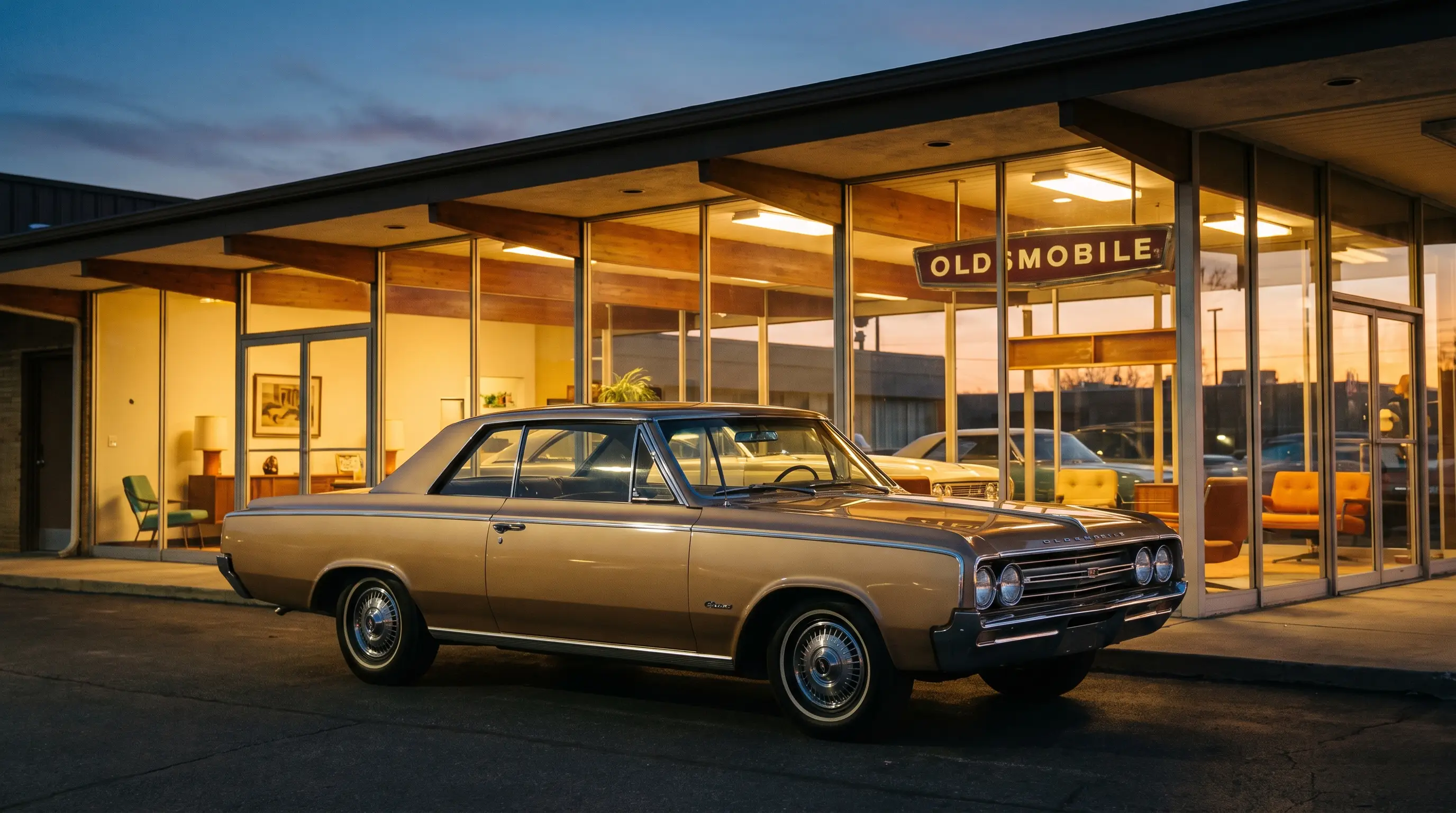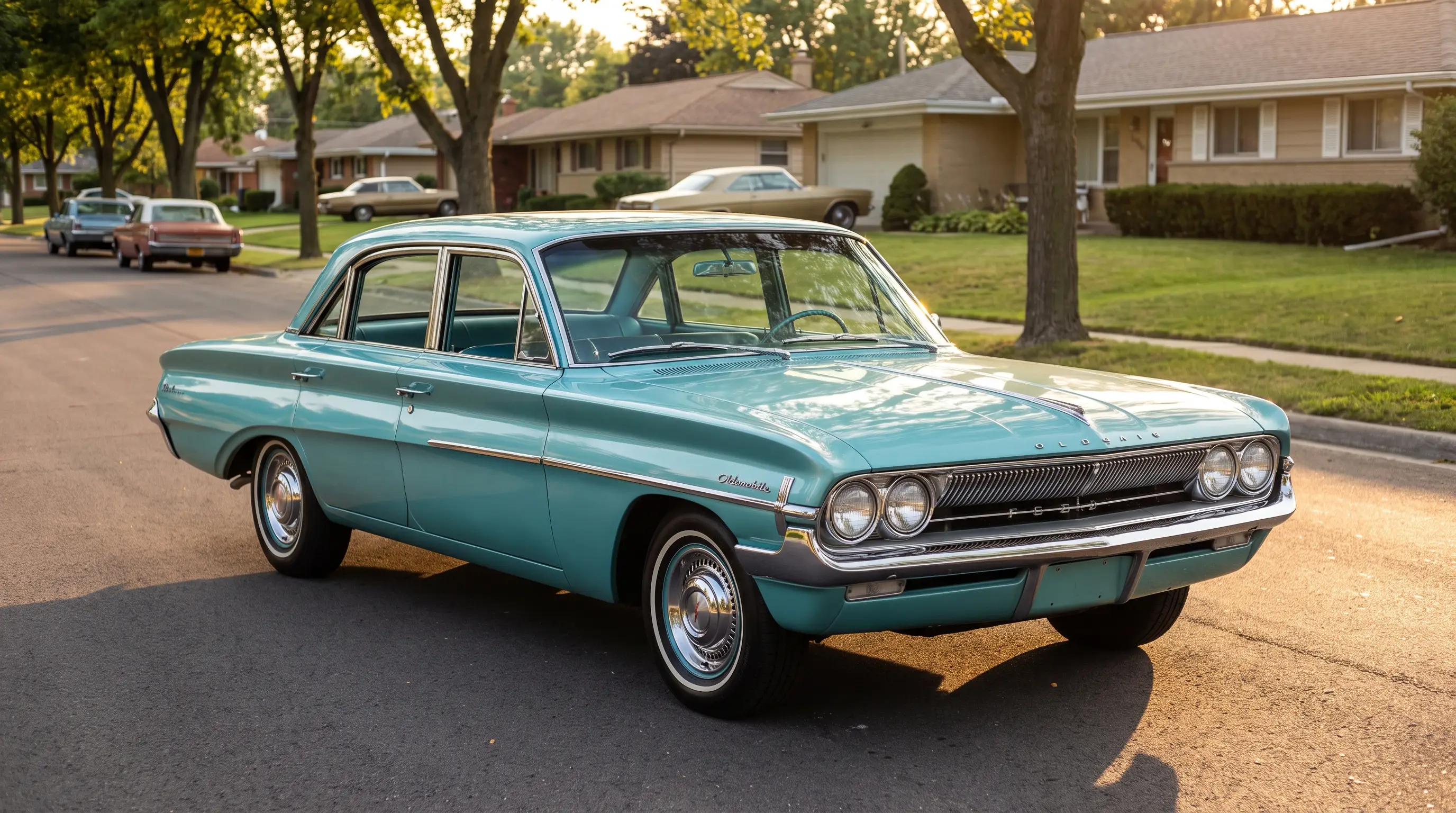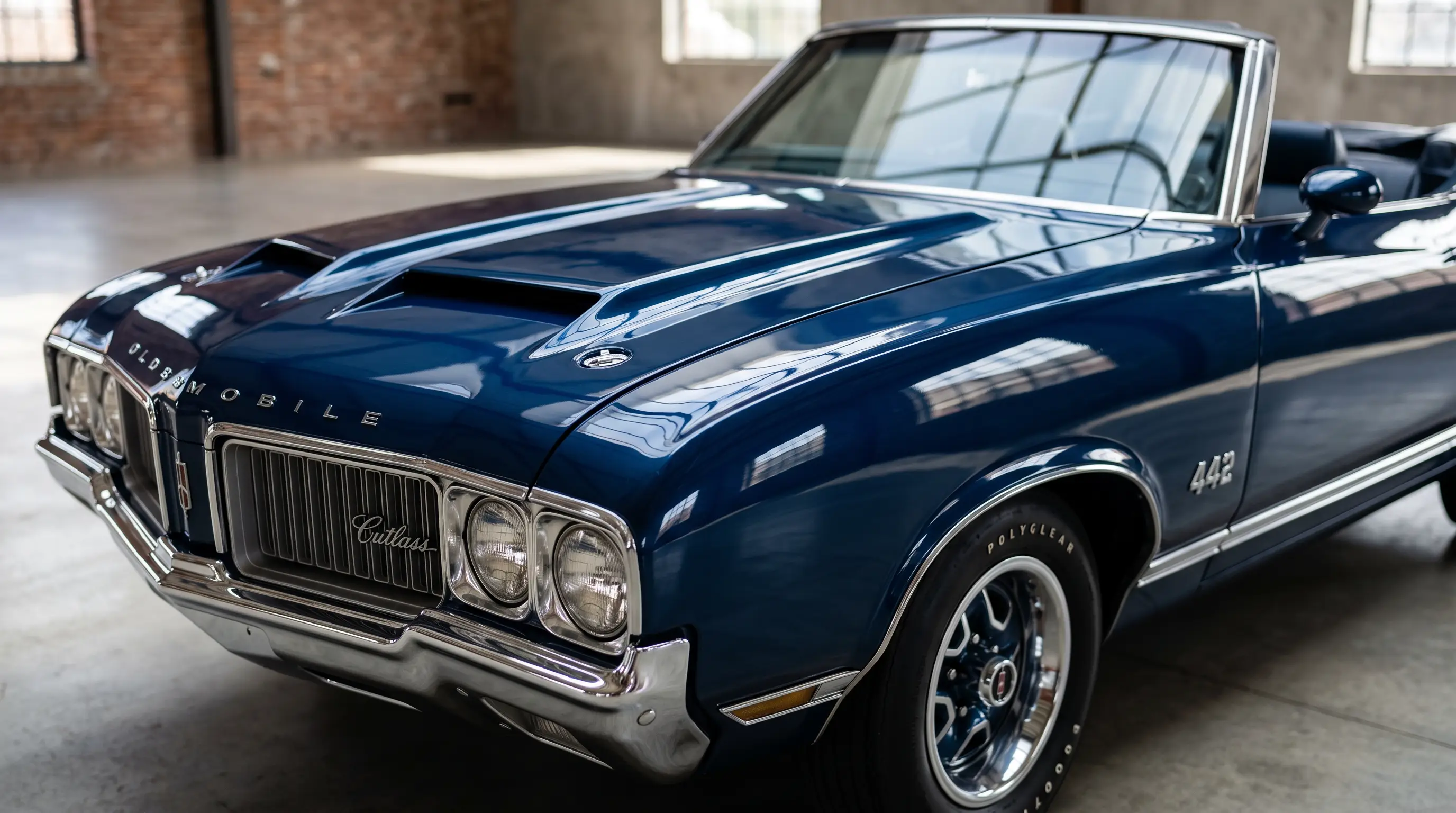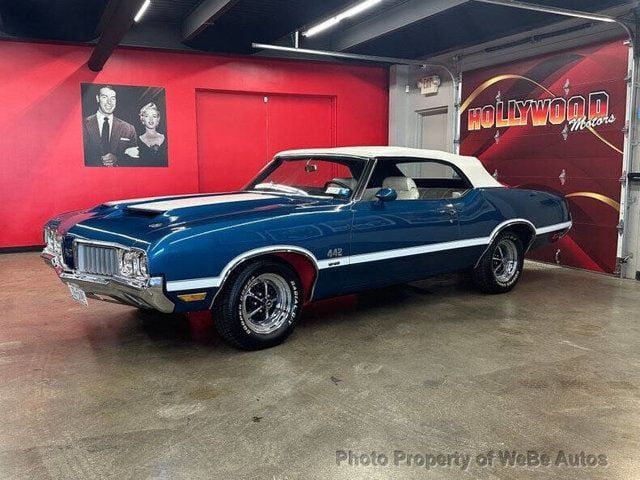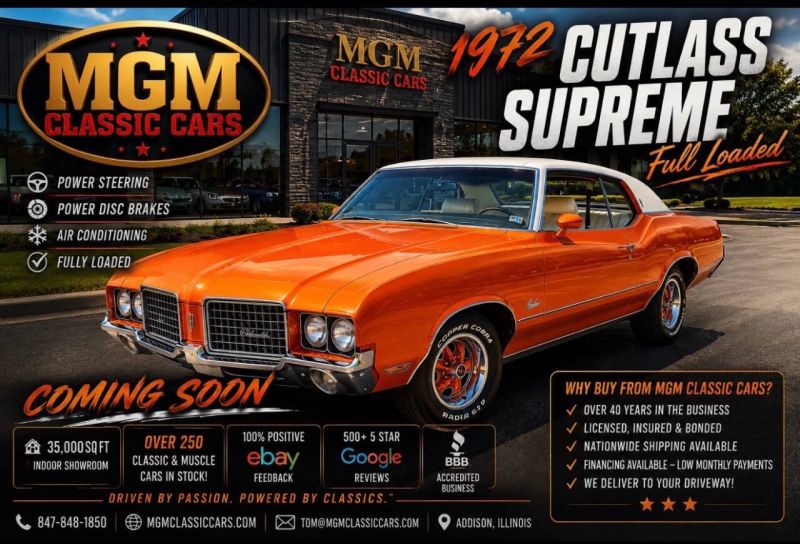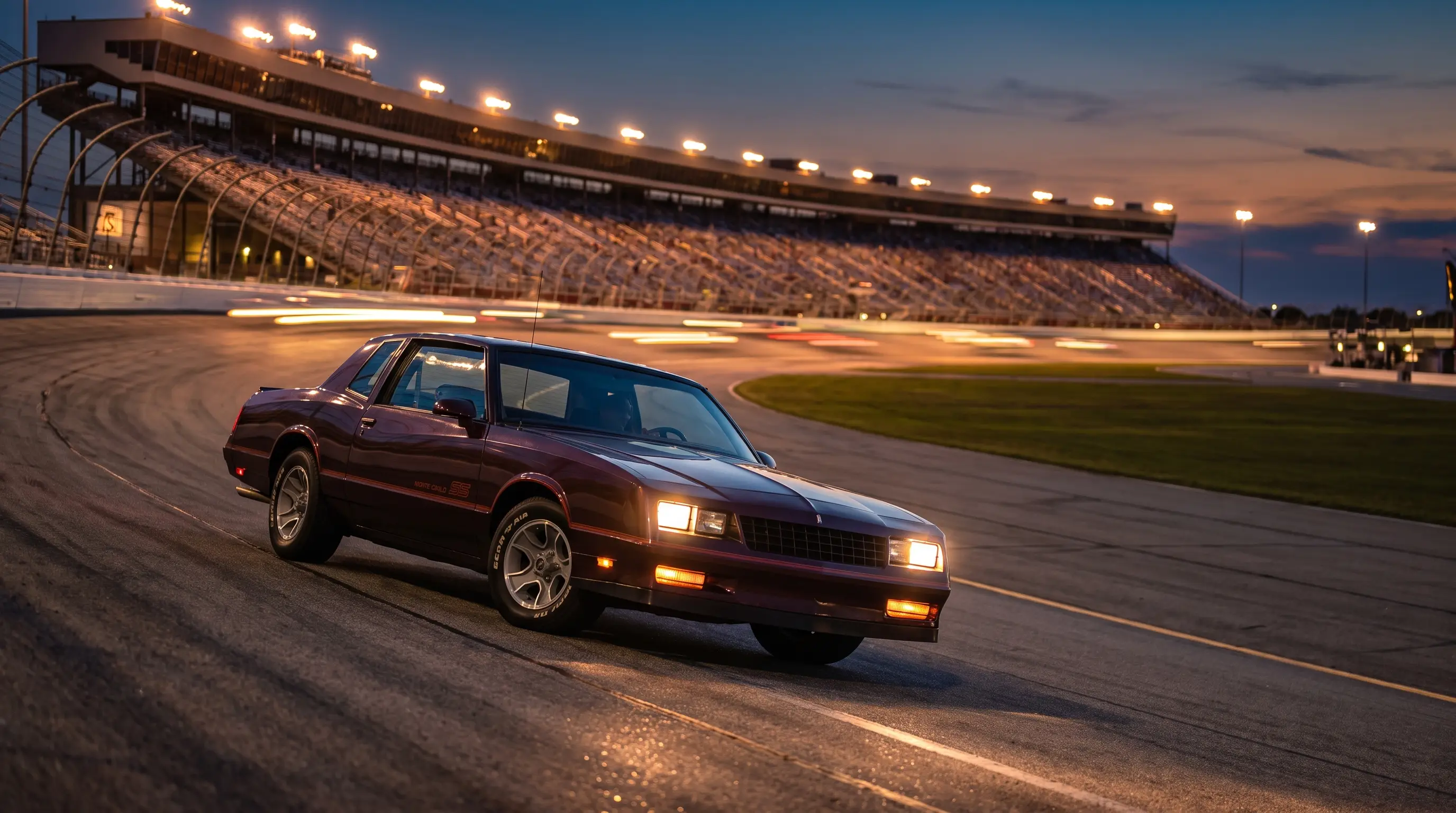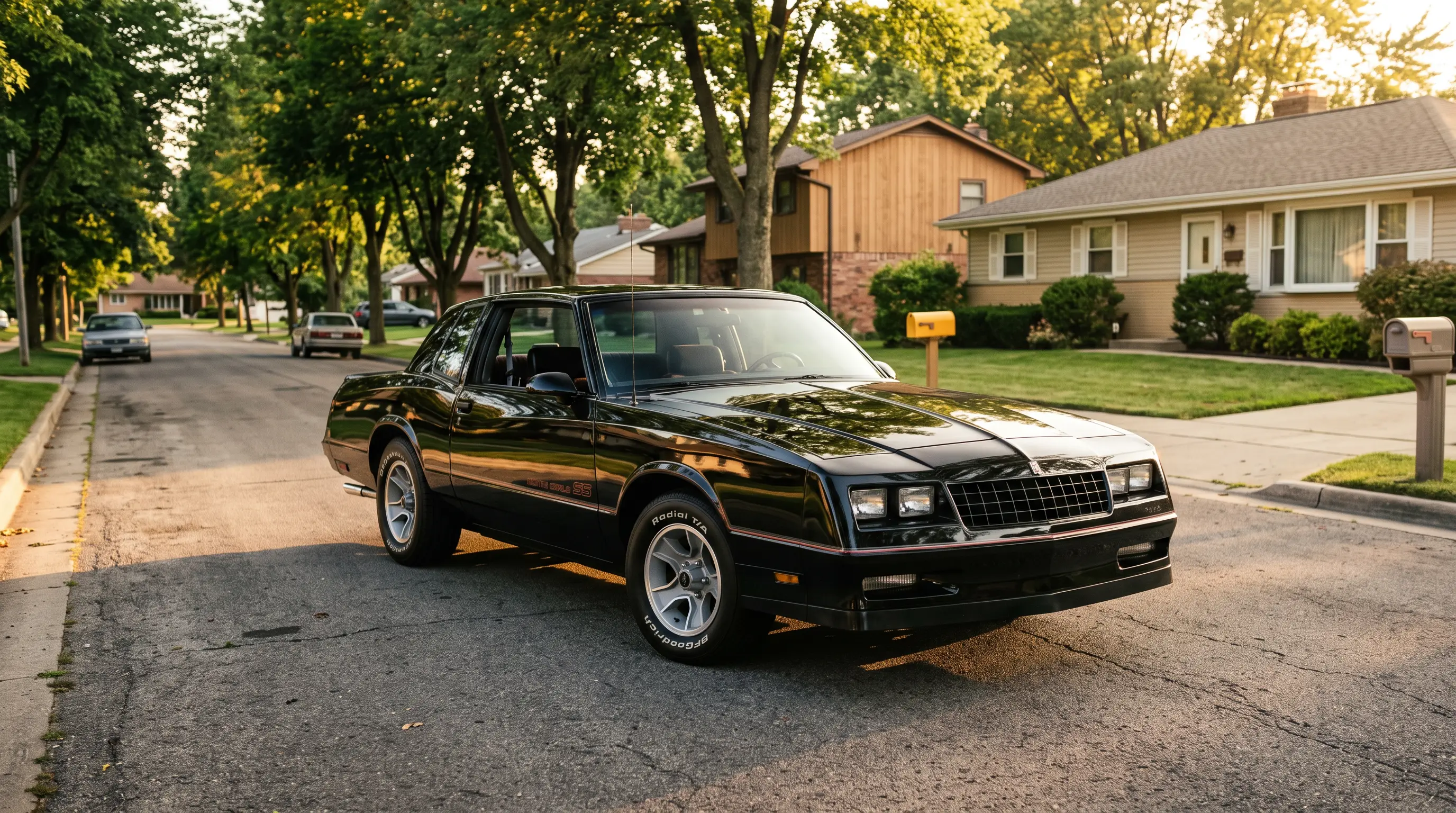
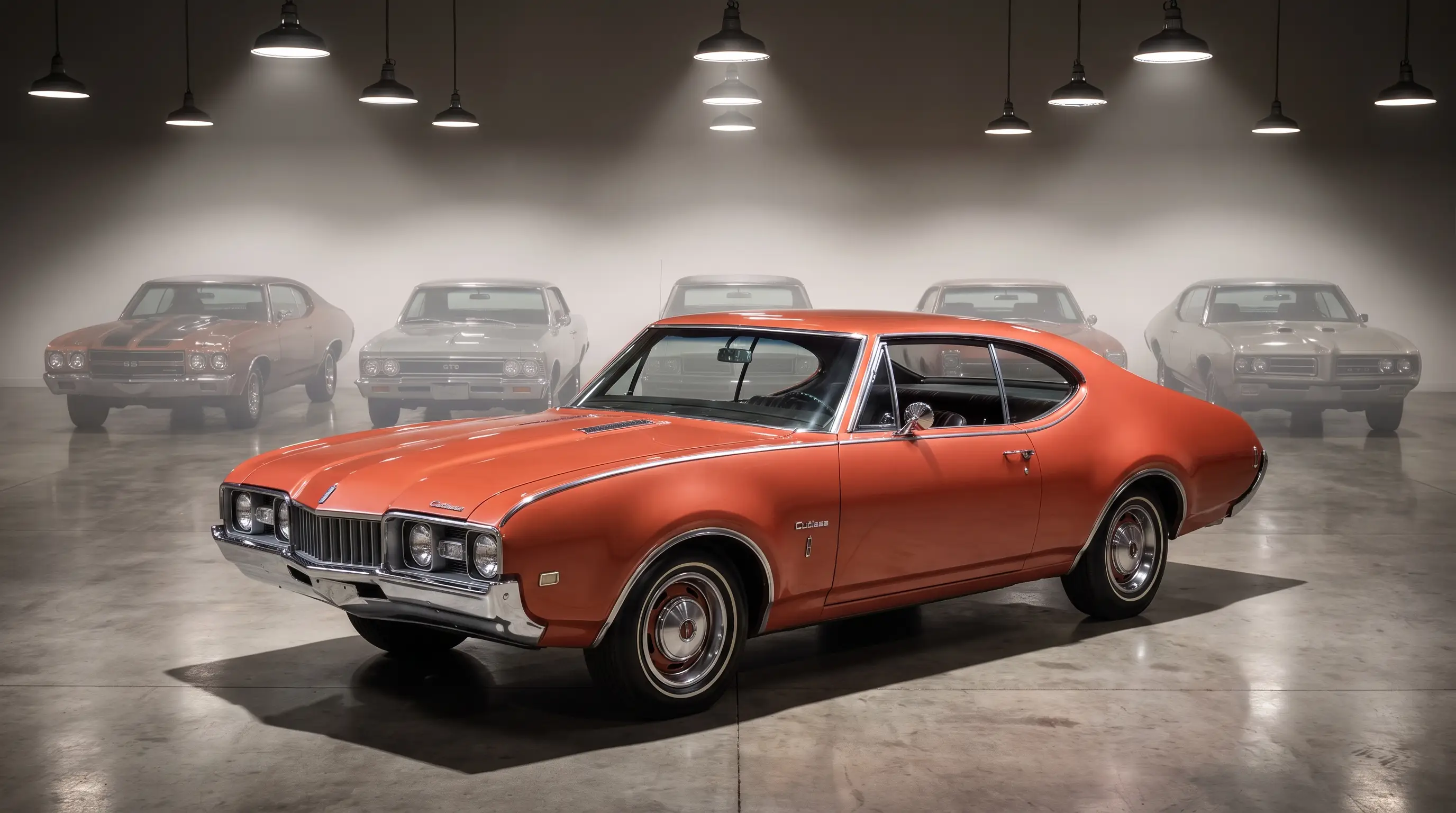
Ask a GM man from the 1960s what "A-body" meant and he would not start with Oldsmobile. He would probably start with Chevrolet, because the Chevelle sold in bigger numbers and got more ink. But sit with him a while longer, mention the Cutlass by name, and the story changes. The Oldsmobile a body car was the one that quietly outclassed its stablemates on refinement, and by the early 1970s it was the one moving the most metal in the whole GM intermediate family. That is not folklore. That is what the annual production ledgers say, and the ledgers do not care which division had the flashier ad budget.
One platform, four divisions, one winner nobody expected
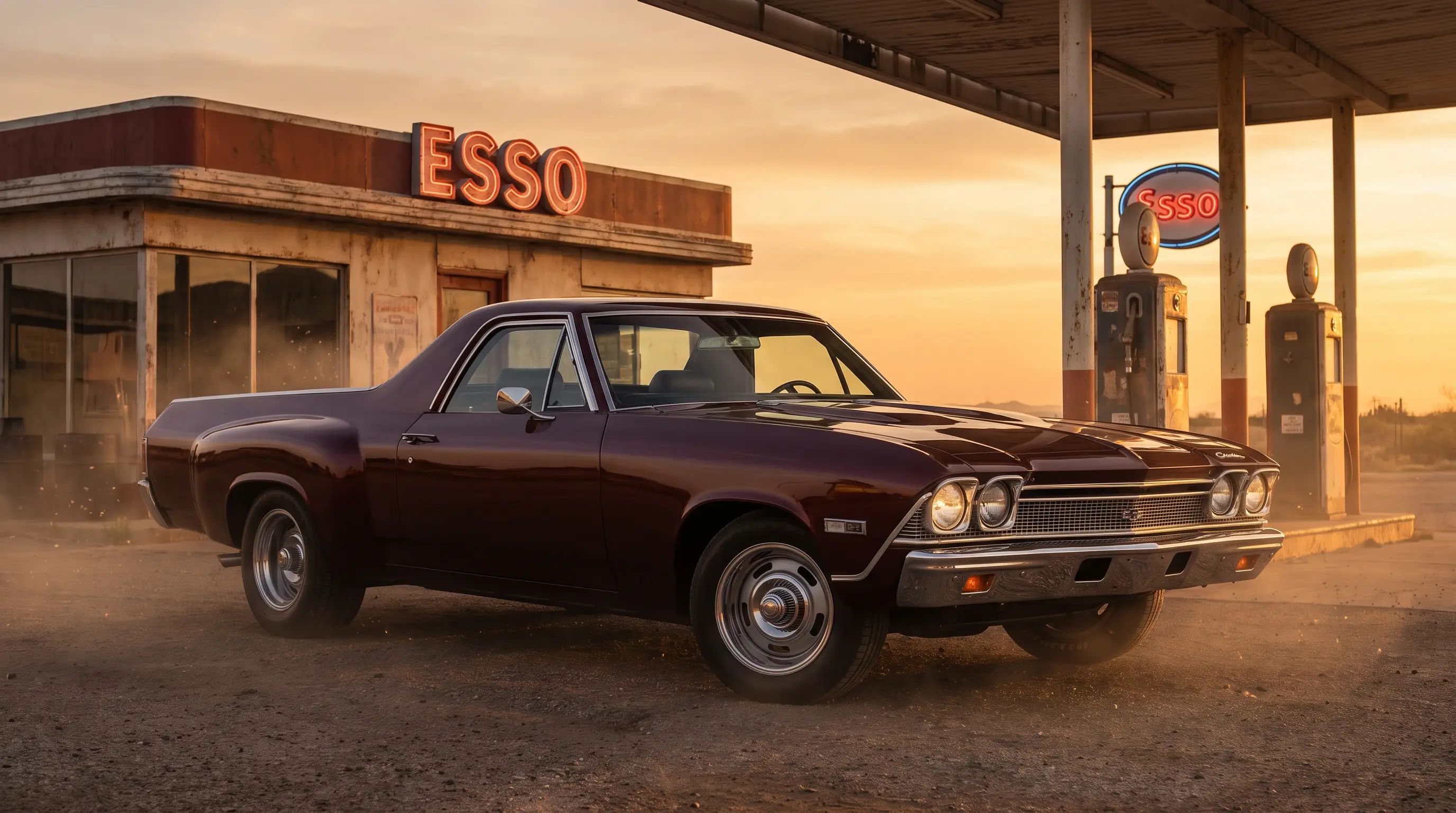
General Motors built the A-body as a shared architecture for Chevrolet, Pontiac, Buick, and Oldsmobile starting with the 1964 model year. The idea was simple on paper: one chassis, one basic body structure, four brands wearing their own sheet metal and trim over the top. Chevrolet got the Chevelle. Pontiac got the Tempest and, soon enough, the GTO. Buick got the Special and Skylark. Oldsmobile got the Cutlass, riding on the F-85 line that had been around since 1961.
Nobody at the Fisher Body plant in 1964 was betting on Oldsmobile to win this fight. Pontiac had the muscle car story with the GTO. Chevrolet had the volume and the price advantage. Oldsmobile had a reputation for building cars for engineers and dentists, tasteful and a little quiet. That reputation turned out to be exactly the right positioning for a customer who wanted the A-body's size and efficiency without the Chevelle's blue-collar image or the GTO's insurance surcharge.
"I've sat at enough regional Oldsmobile club meets to hear the same joke told a dozen ways: the Cutlass was the car Pontiac guys bought once they got a mortgage. Nobody meant it as an insult. It just described who was cross-shopping these things at the dealership."
— Wayne Coburn
How the Cutlass separated itself inside the family
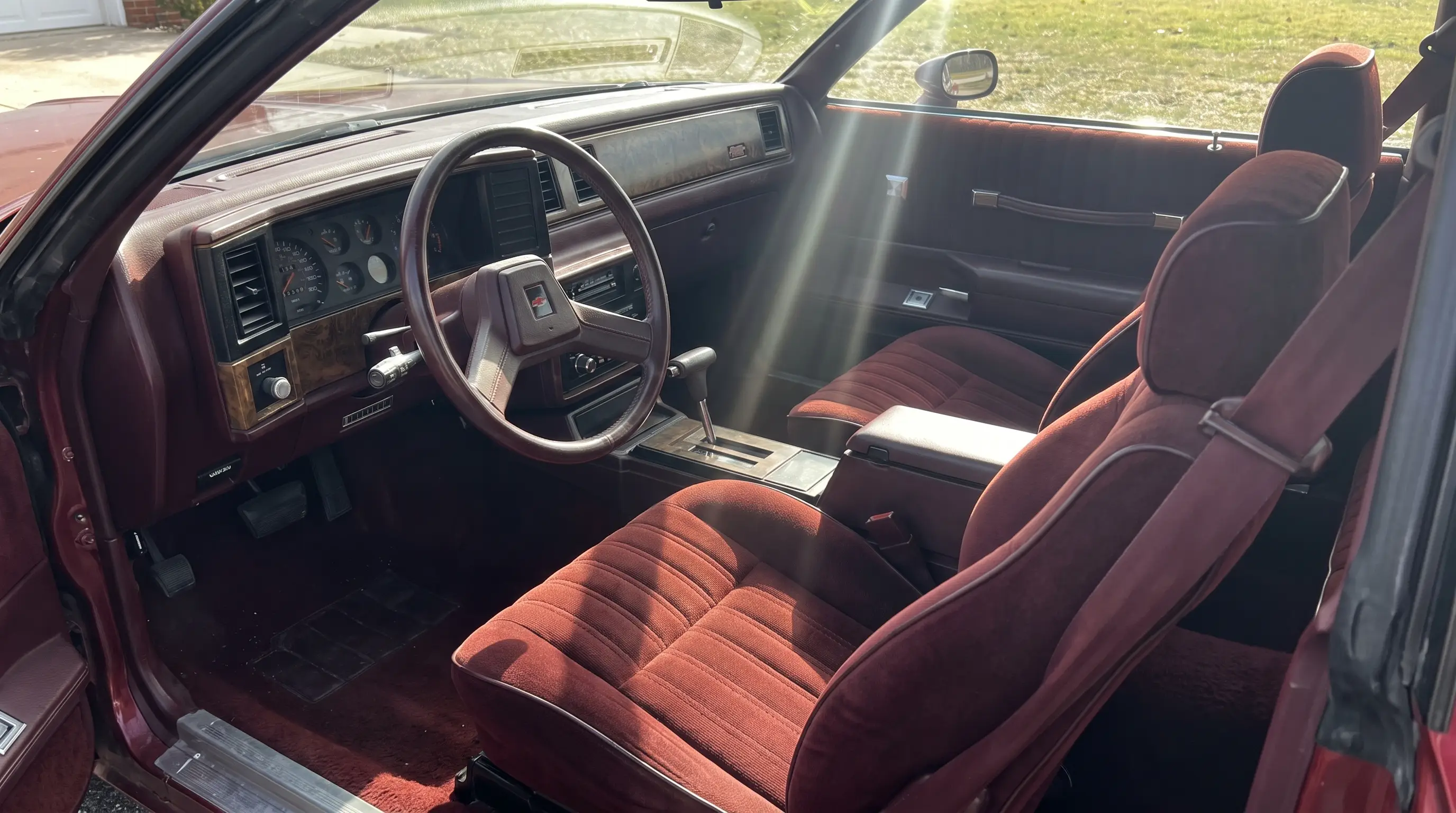
Read the A-body Cutlass story from the start and the pattern is there from day one: Oldsmobile trimmed its A-body a notch above where Chevrolet and even Pontiac positioned theirs. Better interior materials. A quieter ride tune. A dashboard that looked like it belonged in a car costing several hundred dollars more. None of that shows up in a spec sheet comparing displacement and horsepower, and that is exactly why it gets undersold in casual histories that only look at engine numbers.
By the late 1960s the divergence had become a genuine sales phenomenon. The Cutlass and its Supreme and 442 variants were outselling the Chevelle SS in some model years among performance-oriented buyers, and the standard Cutlass coupe was quietly becoming one of the best-selling individual models in the entire American market, not just within GM. Buyers were choosing Oldsmobile's take on the shared architecture over the versions built by divisions with bigger dealer networks and louder marketing.
What the shared platform actually meant for owners
For a buyer standing on a dealer lot in 1966 or 1970, the A-body business made itself known in practical ways. Parts interchange across divisions was real, which meant that a lot of suspension components, some drivetrain pieces, and plenty of small hardware could be sourced from a Chevelle parts bin in a pinch. That has held true for the restoration community ever since. It also meant the Cutlass benefited from GM's engineering investment across the whole line. When the corporation improved a subframe mount or updated a steering box design for Chevrolet, Oldsmobile often got the same benefit within a model year or two, at a fraction of the engineering cost a standalone platform would have required.
The tradeoff was that the Cutlass never had total freedom to be its own car. Every redesign cycle was negotiated across four divisions with four sets of priorities, and Oldsmobile's engineers spent real energy making a shared structure feel like something distinct. That they pulled it off, repeatedly, across a decade, is the part of this story that deserves more credit than it usually gets in general muscle car histories that treat the platform politics as a footnote.
| Division | A-body nameplate | Positioning |
|---|---|---|
| Chevrolet | Chevelle / Malibu | Volume leader, value pricing |
| Pontiac | Tempest / LeMans / GTO | Performance image, youth market |
| Buick | Special / Skylark | Conservative, older buyer |
| Oldsmobile | F-85 / Cutlass | Upmarket trim, broad appeal |
The engineering side of the badge-sharing arrangement
Underneath the trim differences, GM's A-body cars of this era shared a body-on-frame layout through the mid-1960s before the corporation moved toward unitized construction with the Colonnade generation in 1973. Wheelbase, floor pan dimensions, and cowl structure were common across the four divisions for any given model year, with Oldsmobile and Buick typically running a slightly longer wheelbase on some body styles than Chevrolet and Pontiac. That extra length went straight into ride quality and rear-seat room, which lines up with how Oldsmobile marketed the car: comfortable, composed, a step above the entry-level intermediate.
Engine choices tell a similar story. While Chevrolet leaned on its small-block and big-block Chevy V8s and Pontiac ran its own family of V8s exclusively, Oldsmobile fitted its Cutlass and 442 models with Olds-built 330, 350, and 400 and 455 cubic inch engines, none of which were shared with the other three divisions. That kept the Cutlass mechanically distinct even while the sheet metal and chassis were corporate property, and it is a big part of why Oldsmobile engines have their own dedicated following separate from the Chevy small-block crowd that dominates the broader muscle car hobby.
Why this chapter of the story still matters
The A-body years set up everything that came after for the Cutlass nameplate, including the Colonnade redesign, the Cutlass Supreme's rise to sales dominance, and the Hurst/Olds partnership that turned a comfortable family coupe into something with genuine performance credibility. Readers who want the full arc of how the earliest F-85 and Cutlass models built the reputation that later Colonnade-era cars cashed in on should look at a related deep-dive covering that origin point directly.
What stands out looking back is how little the shared-platform arrangement actually held the Cutlass back. GM built one basic architecture and let four divisions compete for the same customer's money, and Oldsmobile won that internal fight often enough that the corporation's own product planners had to take notice. That is a more interesting story than the usual muscle car narrative gives it credit for, and it is worth remembering every time someone assumes badge-engineering automatically means a lesser car.
Sources and notes
- General Motors A platform (RWD), Wikipedia
- USA 1976: Oldsmobile Cutlass Still America's Favourite, Best Selling Cars Blog
- Oldsmobile Reaches Peak Cutlass: The 1977 Cutlass Supreme, Mac's Motor City Garage
- Oldsmobile Cutlass Supreme, Wikipedia
- Oldsmobile Cutlass Guide, Outright Oldsmobile
- Why The Hell Did Americans Buy So Many Oldsmobile Cutlasses, Jalopnik