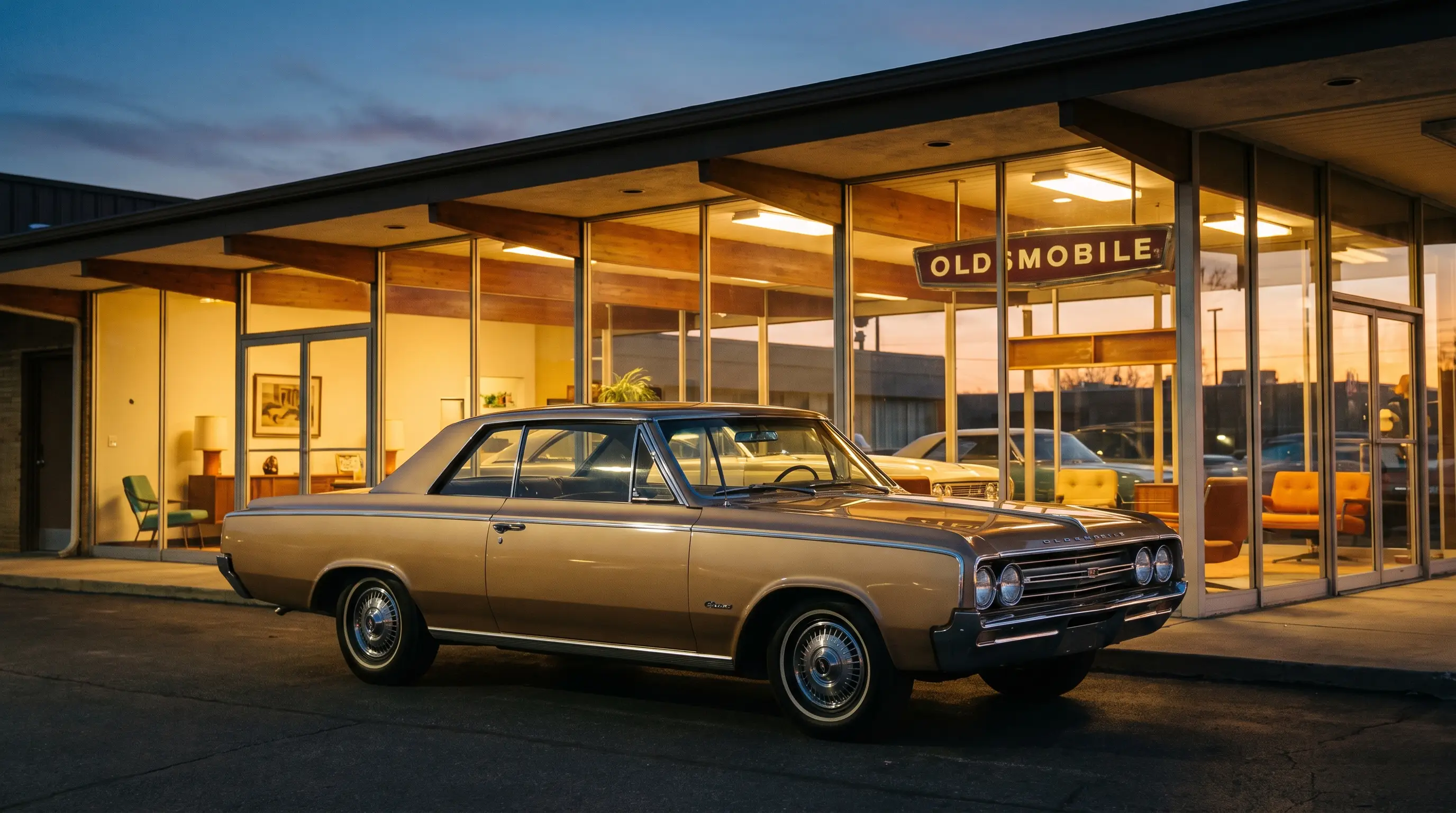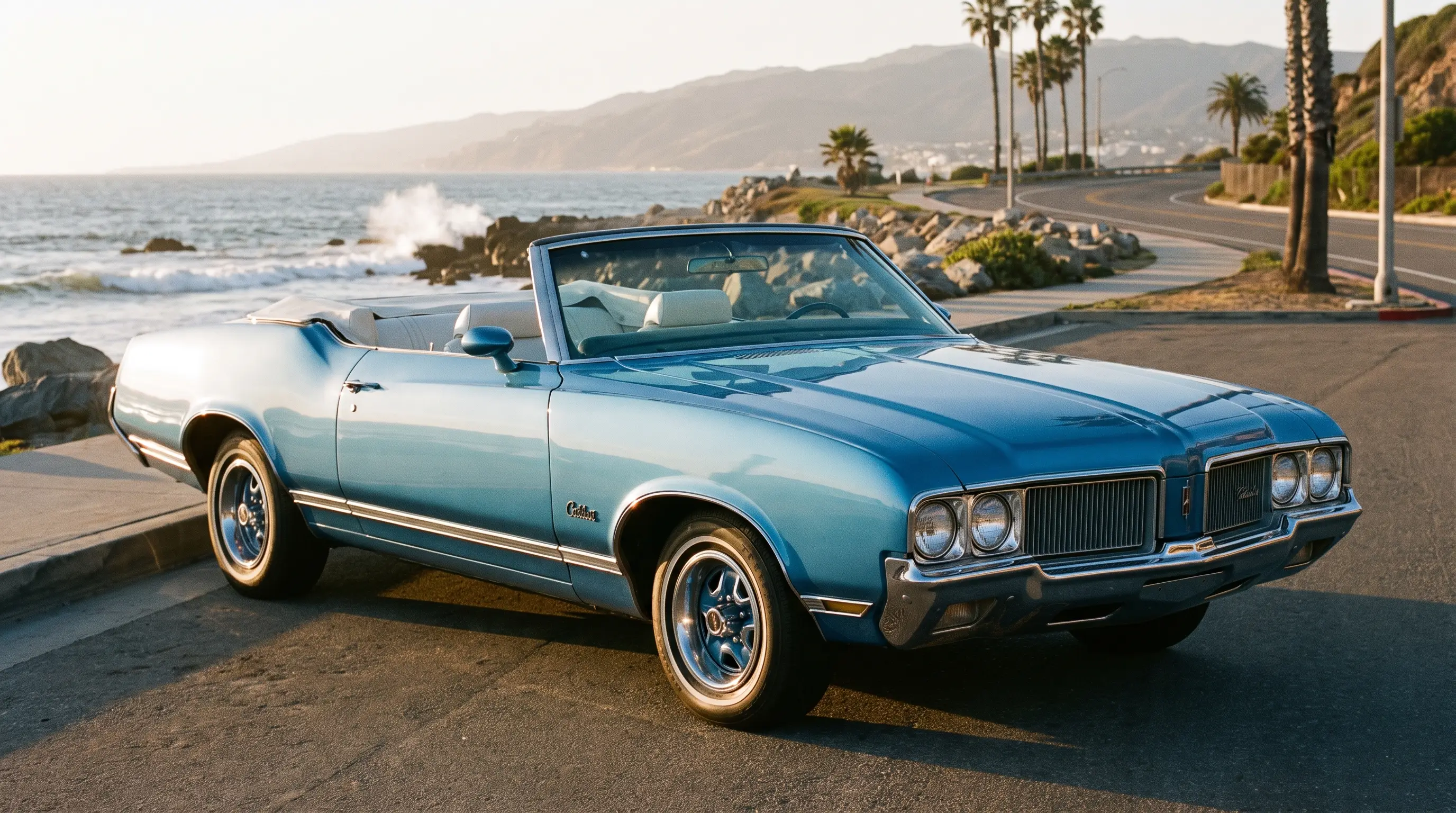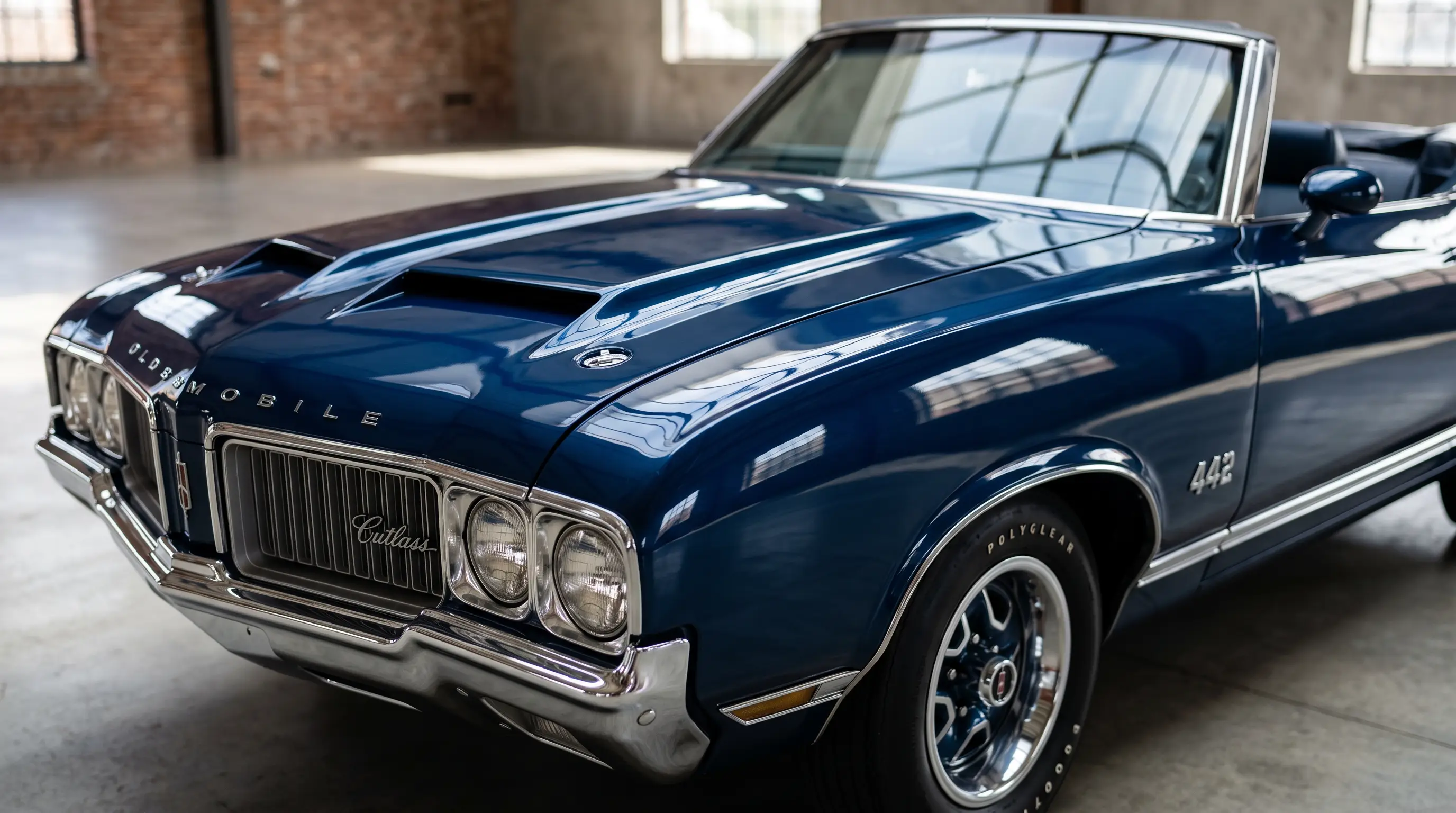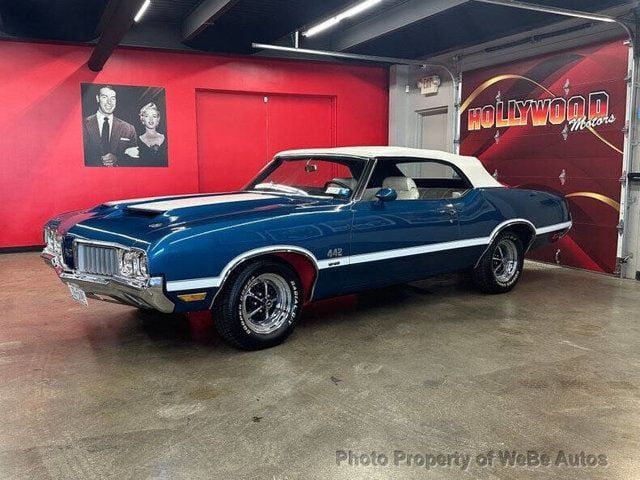
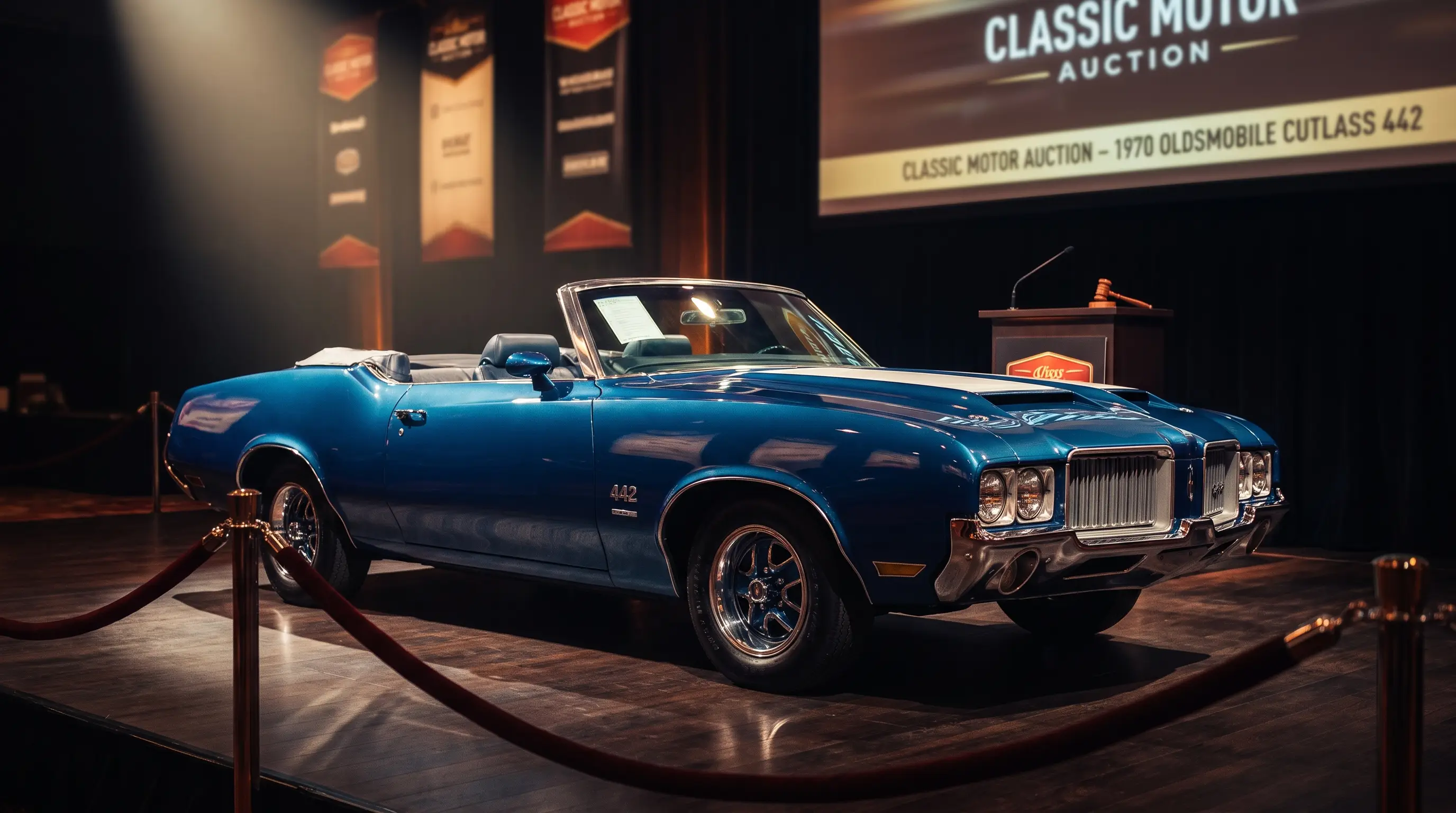
Ask ten Cutlass collectors which model years matter most and most of them will land on the same three-year window. The 1970 Oldsmobile Cutlass and the two model years that followed it represent the high point of the A-body generation's performance story, the last stretch before compression ratios, insurance surcharges and emissions equipment reshaped what a factory muscle car could be. It is not nostalgia talking. The numbers from those three years back up why this window still commands the attention it does.
The peak before the fall
By 1970, GM had quietly lifted its longstanding corporate ban on engines larger than 400 cubic inches in intermediate cars, and Oldsmobile moved immediately to take advantage of it. The 455 cubic inch Rocket V8 became available across the Cutlass line, including in the 4-4-2 package, at a moment when compression ratios were still high and emissions equipment had not yet started clawing back output. That combination, a big-inch engine with genuinely high compression and no catalytic converter in the way, is exactly the formula collectors mean when they talk about a car being "from before it all changed."
The timing matters because it did not last. Within two model years, compression ratios across the entire industry would drop to accommodate lower-octane, lead-reduced fuel, and by the middle of the decade catalytic converters and stricter emissions testing would reshape engine tuning entirely. 1970 sits right at the top of the curve, and every year after it involves some kind of compromise Oldsmobile had not needed to make yet.
1970: the W-30 455 and the Rallye 350
The 4-4-2 W-30 package for 1970 paired the 455 with a specific high-performance camshaft, a functional cold-air induction hood, and a factory rating of 370 gross horsepower and 500 lb-ft of torque that put it at the top of Oldsmobile's performance hierarchy for the year. It is the combination most often cited when people talk about peak Cutlass-based performance from this generation.
The same year also introduced the Rallye 350, a lower-cost performance package built around the 350 cubic inch V8 rather than the big-block, wrapped in a striking monochromatic paint scheme that Oldsmobile offered only in Sebring Yellow with matching urethane bumpers and black accent striping. It was a different kind of performance statement, aimed at buyers who wanted the look and the handling upgrades without the big-block's insurance premium, and it remains one of the most visually distinctive single-year packages Oldsmobile ever built on this platform.
1971: the compression cut begins
1971 is the year the trend line turns. Across the American auto industry, compression ratios dropped to allow engines to run on lower-octane, reduced-lead fuel ahead of the wider shift to unleaded gasoline later in the decade. The 455 remained available in the Cutlass and 4-4-2 lineup, but with reduced compression came reduced output on paper, even before accounting for GM's industry-wide shift that year toward quoting engine output in more conservative terms. Insurance underwriters were also starting to single out muscle car packages for rate surcharges by this point, which quietly pushed some buyers toward lower-profile trims even when the underlying hardware was still strong.
None of this made the 1971 cars bad. It made them the first generation of this platform where the engineering had to answer to more than just performance, which is precisely why enthusiasts treat 1970 as the last unconstrained year and 1971 as the first year of compromise.
| Model year | Top performance package | Defining condition |
|---|---|---|
| 1970 | 4-4-2 W-30, 455 cubic inch | High compression, no catalytic converter, ban on big-inch intermediates lifted |
| 1971 | 4-4-2 455 | Compression reduced fleet-wide for lower-octane fuel |
| 1972 | 4-4-2 455 | Last model year before the next A-body redesign |
What buyers actually got on the showroom floor
It is worth remembering that most Cutlass buyers in this window were not ordering W-30s or Rallye 350s at all. The bulk of production across 1970 to 1972 went out as Cutlass S and Cutlass Supreme models with the 350 cubic inch V8, automatic transmission and a modest options list, cars built for daily transportation rather than stoplight competition. That mainstream volume matters for context: the halo packages that define this era's reputation were always a small slice of total production, which is exactly why documented W-30 and Rallye 350 cars carry such a premium relative to a garden-variety Cutlass Supreme from the same model year.
Understanding that ratio also helps explain why fraud and misrepresentation show up more often around this specific window than around quieter model years. A common Cutlass Supreme is comparatively easy to dress up with W-30 badging and stripe kits, and the payoff for doing so convincingly is larger precisely because the real cars command such a premium. Anyone shopping a 1970 to 1972 Cutlass advertised as a factory performance package should treat cowl tag verification as a requirement, not a courtesy.
1972: last call before the next redesign
1972 closed out the generation on the platform Oldsmobile had built since 1968, and with it came the final year of the convertible body style across most of the lineup and the last model year before GM's next major intermediate redesign arrived for 1973. Engine output figures continued their industry-wide slide as manufacturers began adjusting to net rather than gross horsepower ratings, a change that makes cross-year comparisons trickier than they look on paper unless the rating method is confirmed for each specific figure. Like the rest of the industry, Oldsmobile dual-listed gross and net figures for 1971 before moving to net-only ratings for 1972 and beyond, a shift driven partly by a California disclosure law that other states soon followed.
Taken together, 1970 through 1972 forms a complete arc: the high point, the first compromise, and the closing chapter before an entirely different set of engineering rules took over. That arc is why this window gets treated as its own era rather than just three consecutive model years, and why the early Cutlass story that set the stage for this generation is worth understanding before diving into the peak years themselves.
"I get asked all the time why 1970 gets treated like a finish line. It is not sentiment. It is the fuel and emissions timeline. That was the last year the engineering didn't have to compromise for anything, and every year after had one more thing to answer to."
— Tom Ramirez
Why this window still drives the market
Collector demand tends to concentrate on the years where a platform reached its full potential before external forces started pulling it back, and the 1970 to 1972 Cutlass window fits that pattern exactly. Documented W-30 cars from 1970 command a real premium over comparable 1971 and 1972 examples specifically because of the compression and rating differences described above, not simply because the earlier year is older. Anyone building out a research file on this generation should treat these three years as a connected unit rather than isolated model years, and keep reading the series for how factory paint choices from this same stretch tie into originality and value today.