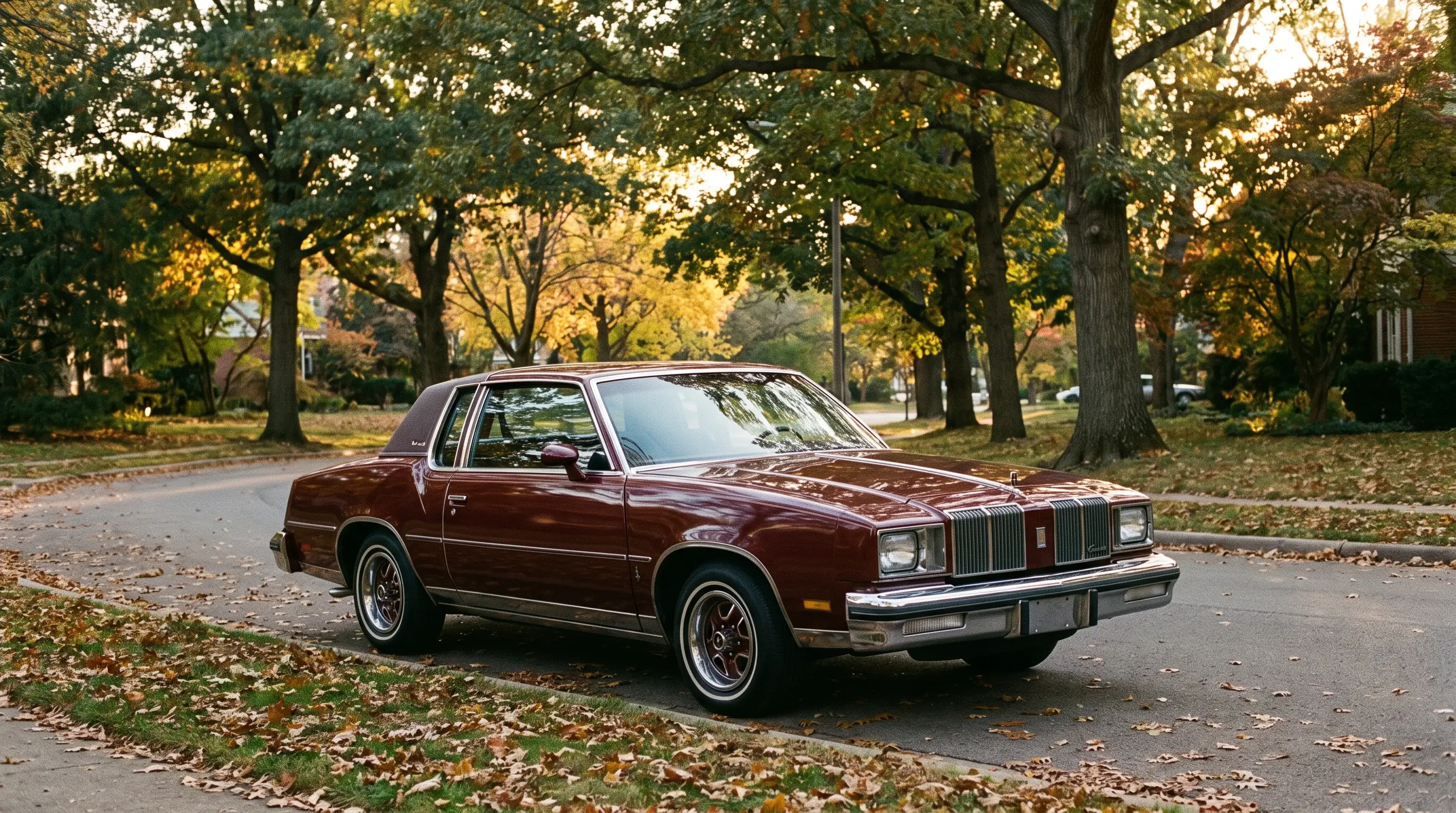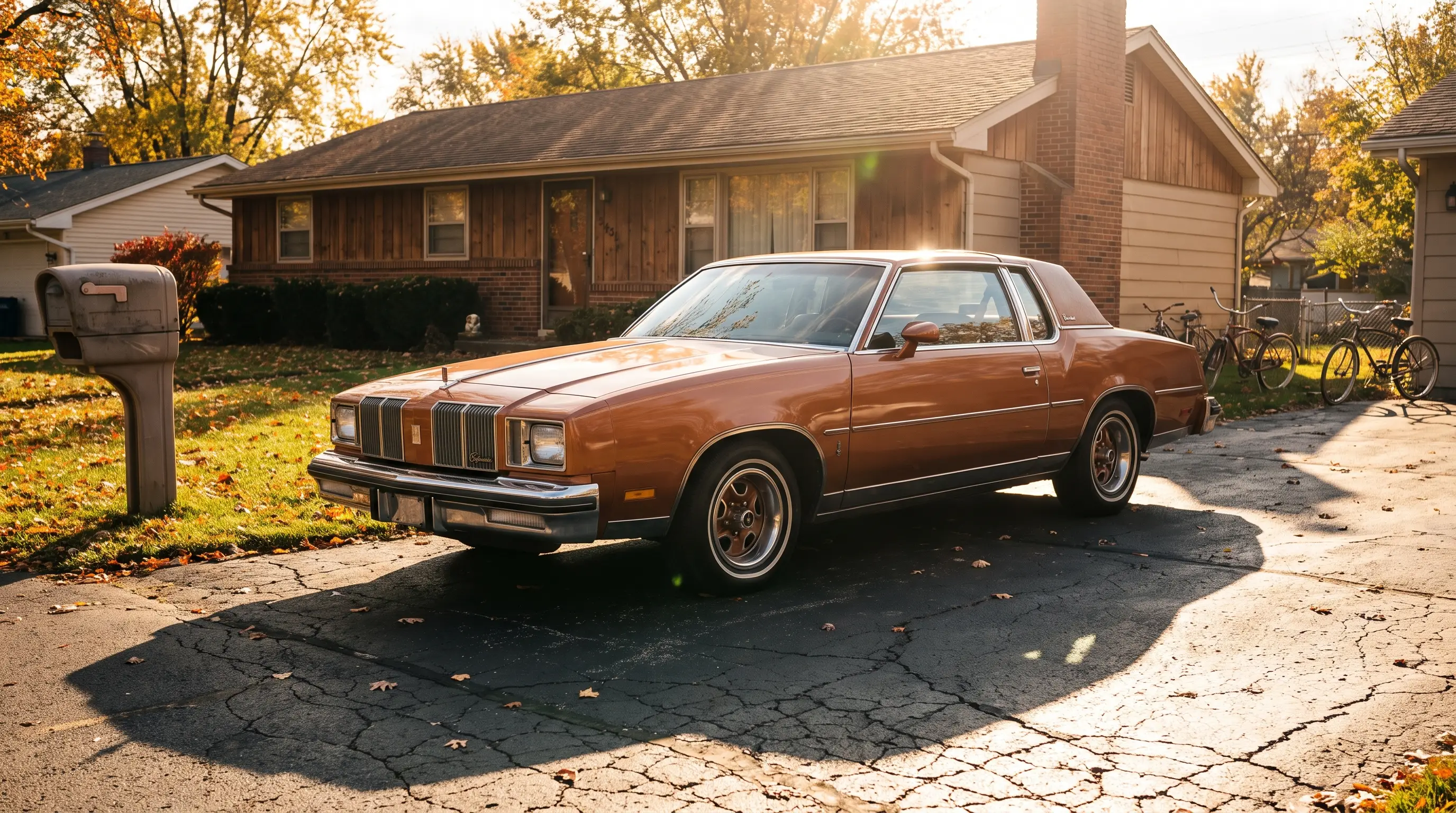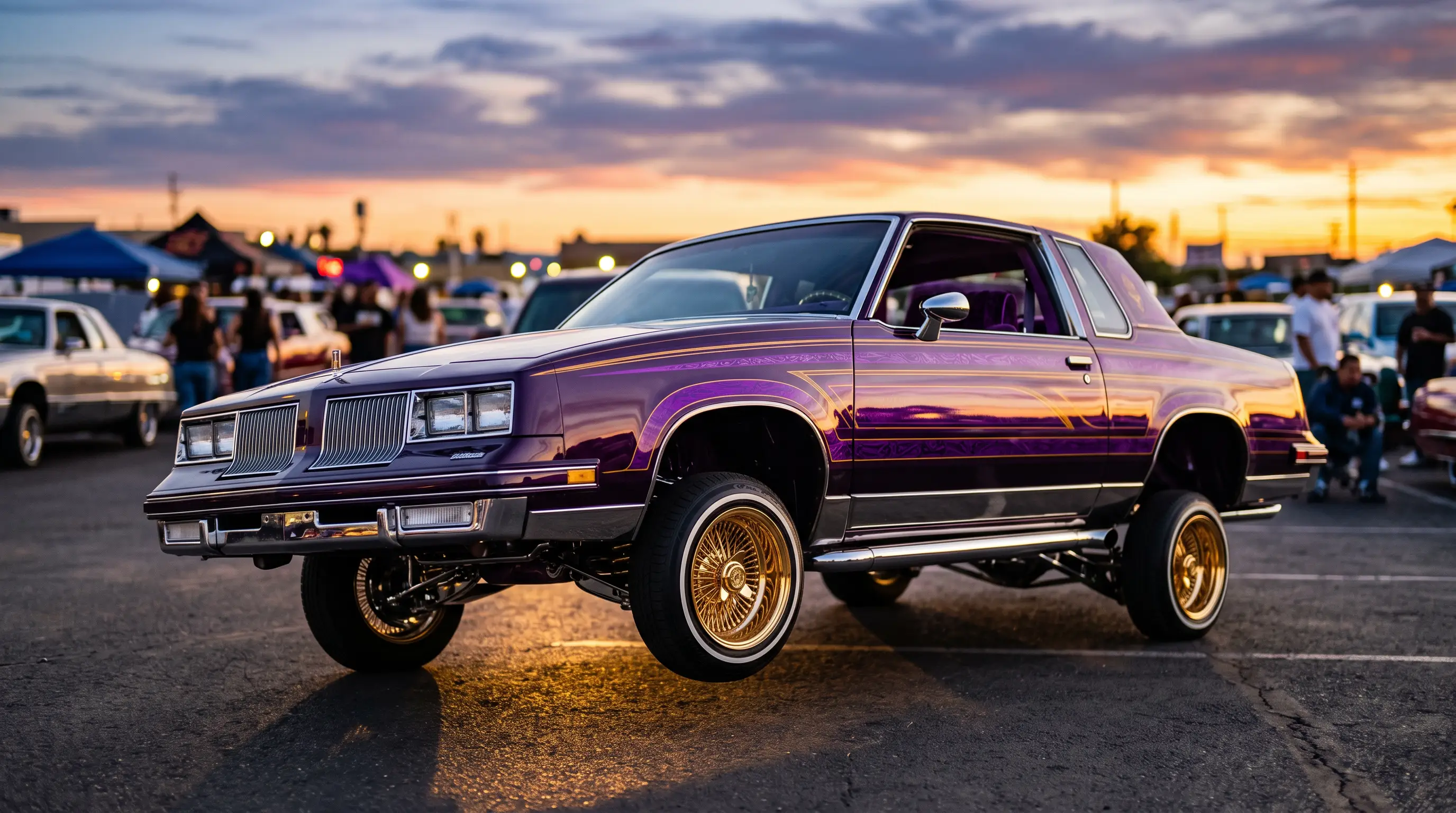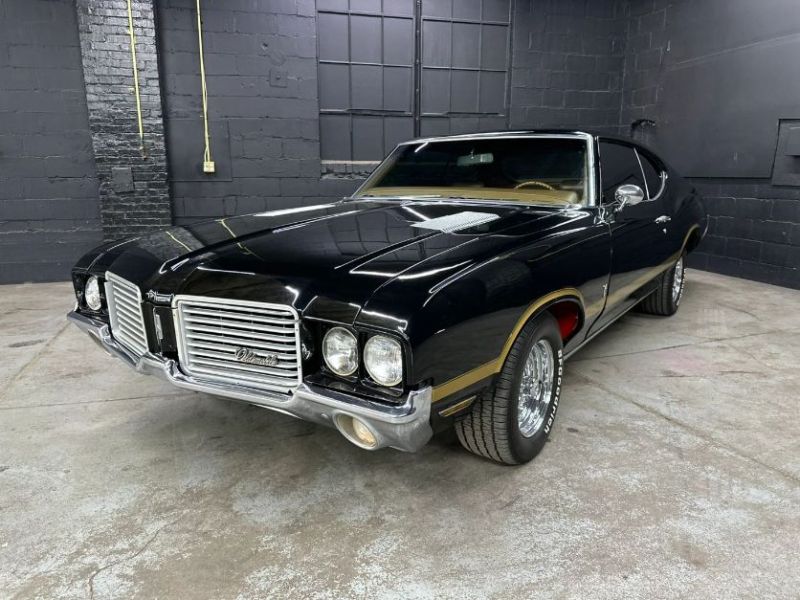
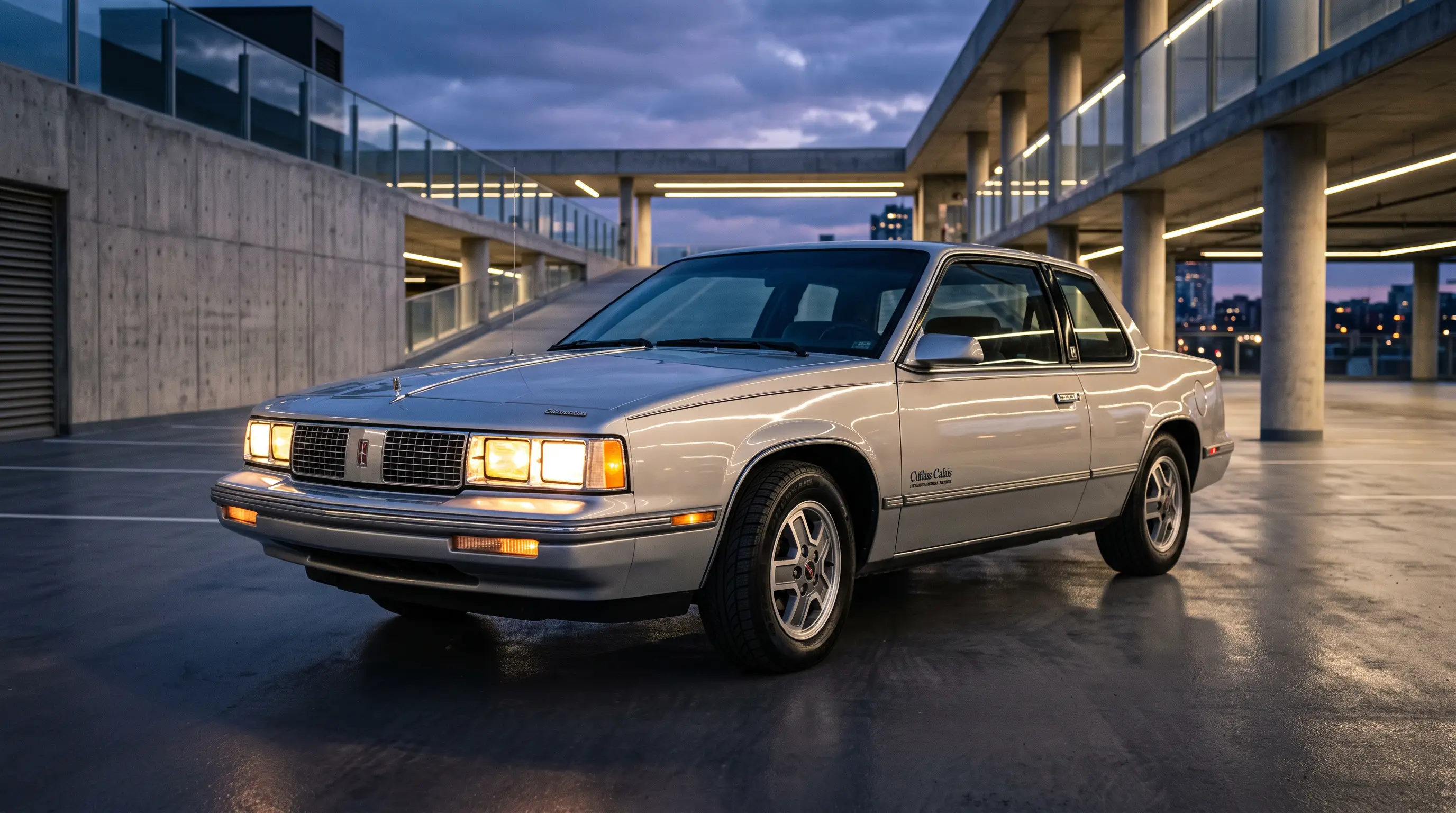
Say "Cutlass" to most people in the hobby and they picture a G-body Supreme, rear-wheel drive, a V8 up front, the kind of car that spent the 1980s dominating sales charts and driveways alike. Say "Cutlass Calais" and you get a different reaction: a pause, a squint, and often a correction. The Cutlass Calais was a real Oldsmobile, sold under the same nameplate during the same decade, and it shared almost nothing mechanically with the car most people associate with the Cutlass name.
That's not a knock on the Calais. It's just a naming decision that Oldsmobile's marketing department made in the mid-1980s, and it has been confusing new collectors ever since.
Once you separate the two cars in your head, the Calais becomes a genuinely interesting piece of Oldsmobile's late-1980s story in its own right, one that deserves to be judged on what it actually was rather than measured against a completely different car that happened to share its badge.
A front-wheel-drive Oldsmobile wearing the Cutlass badge
The Cutlass Calais launched for the 1985 model year as a compact, front-wheel-drive car built on GM's N-body platform, the same basic architecture underneath the Buick Somerset (later Skylark) and the Pontiac Grand Am. Where the Cutlass Supreme rode a rear-wheel-drive frame descended from a decade of intermediate-car engineering, the Calais was a modern unibody compact aimed at buyers cross-shopping smaller import sedans and coupes, not muscle-car nostalgia.
Oldsmobile leaned on the Cutlass name because it carried enormous brand equity by the mid-1980s. The Cutlass Supreme had been one of the best-selling nameplates in America for years, and attaching that recognition to a new compact car was a straightforward marketing move, even if it meant two structurally unrelated cars would share a name on dealer lots at the same time.
The Quad 4 changed the Calais's reputation
For its first few seasons, the Calais was a competent but unremarkable compact, offered with four-cylinder and V6 power depending on trim. That changed in 1988 with the introduction of the Quad 4, Oldsmobile's high-output, dual overhead cam 2.3-liter four-cylinder, an engine genuinely ambitious for its era. In its most aggressive tune, the Quad 4 pushed output into territory that embarrassed plenty of V6 competitors, with the high-output Quad 4 rated at 180 horsepower in the 1990-91 International Series and 190 horsepower in the top Quad 442 W41 applications, versus 150-160 horsepower for the standard Quad 4 offered from 1987-88 on.
That engine gave the Calais a second act. The International Series trim, in particular, paired the Quad 4 with firmer suspension tuning and more aggressive styling cues, positioning the car as a genuine enthusiast's compact rather than just a badge-engineered commuter. For a brief stretch in the late 1980s, a well-optioned Calais International Series could out-accelerate cars costing considerably more, a fact that surprised buyers who assumed the Cutlass name only meant comfortable and slow.
What set the Calais apart from its N-body siblings
Badge-engineering across GM's divisions during the 1980s often meant three or four nearly identical cars wearing different grilles and taillights, and buyers grew skeptical of the practice for good reason. The N-body cars weren't entirely immune to that criticism, but Oldsmobile's engineers and stylists did work to give the Calais its own character rather than simply rebadging the Somerset or the Grand Am. The dashboard layout, the seat design, and the overall ride tuning were pitched slightly more toward comfort than the Grand Am's sportier intentions, at least until the International Series arrived and pushed the Calais in the opposite direction.
Buyers cross-shopping these three N-body siblings in period noticed the differences even if the underlying mechanicals were closely related. That distinction mattered enough to Oldsmobile that the division kept investing in the Calais lineup through 1991, well past the point where a purely halfhearted badge-engineering exercise would have been quietly discontinued.
Living in the shadow of its own nameplate
The Calais never escaped the shadow of the Supreme in collector culture, and it's easy to understand why. The G-body Cutlass Supreme had a decade of muscle-car heritage behind it, an available V8, and a rear-wheel-drive layout that appealed directly to traditional American performance sensibilities. The Calais, however capable the Quad 4 version turned out to be, was a front-wheel-drive compact competing in a segment crowded with Japanese imports that, in the long run, earned stronger reputations for reliability and resale value.
That history is worth understanding alongside the G-body chapter of Cutlass history, if only to appreciate how differently Oldsmobile was positioning two cars sharing a single nameplate at the exact same moment. One was leaning on a decade of rear-wheel-drive muscle-car credibility. The other was trying to prove a front-wheel-drive compact could still carry a genuine performance identity.
| Detail | Cutlass Calais |
|---|---|
| Platform | GM N-body, front-wheel drive |
| Production run | 1985-1991 |
| Sister cars | Buick Somerset/Skylark, Pontiac Grand Am |
| Notable engine | Quad 4 DOHC 2.3L (from 1988) |
| Performance trim | International Series |
| Relation to Cutlass Supreme | Shares nameplate only, unrelated platform |
"The Calais never asked to be compared to the Supreme. It just had the misfortune of sharing a name with the most famous car in the Oldsmobile lineup, and that's a hard shadow for any compact to step out of."
— Patrick Walsh
Why the Calais deserves a second look
Collector interest in front-wheel-drive 1980s compacts has grown slowly but steadily, and the Quad 4 Cutlass Calais is a legitimate part of that conversation. It represents a genuine engineering effort from Oldsmobile at a moment when the division could have simply badge-engineered a forgettable compact and moved on. Instead, the International Series proved a front-wheel-drive Cutlass could hold its own against far more celebrated performance cars of the same period, even if the market and the enthusiast community took decades to notice.
There's more than one way to read what the Cutlass name meant during these years, and the Calais offers exactly that kind of contrast. For yet another angle on how the Cutlass built its reputation across such different platforms and buyers, the broader story of the nameplate's cult following fills in the rest of the picture.
Sources and notes
- Oldsmobile Cutlass Calais - Wikipedia
- Quad 4 engine - Wikipedia
- 1991 Cutlass Calais International Series Quad 4 HO specs - Automobile Catalog
- 1988 Cutlass Calais Quad 4 specs - Automobile Catalog
- Guilty Pleasure: Oldsmobile Cutlass Calais with Quad 4 Engine - Motor Authority
- 1990-1991 Oldsmobile Cutlass Calais Quad 442: Doing a Legend Proud - Autopolis