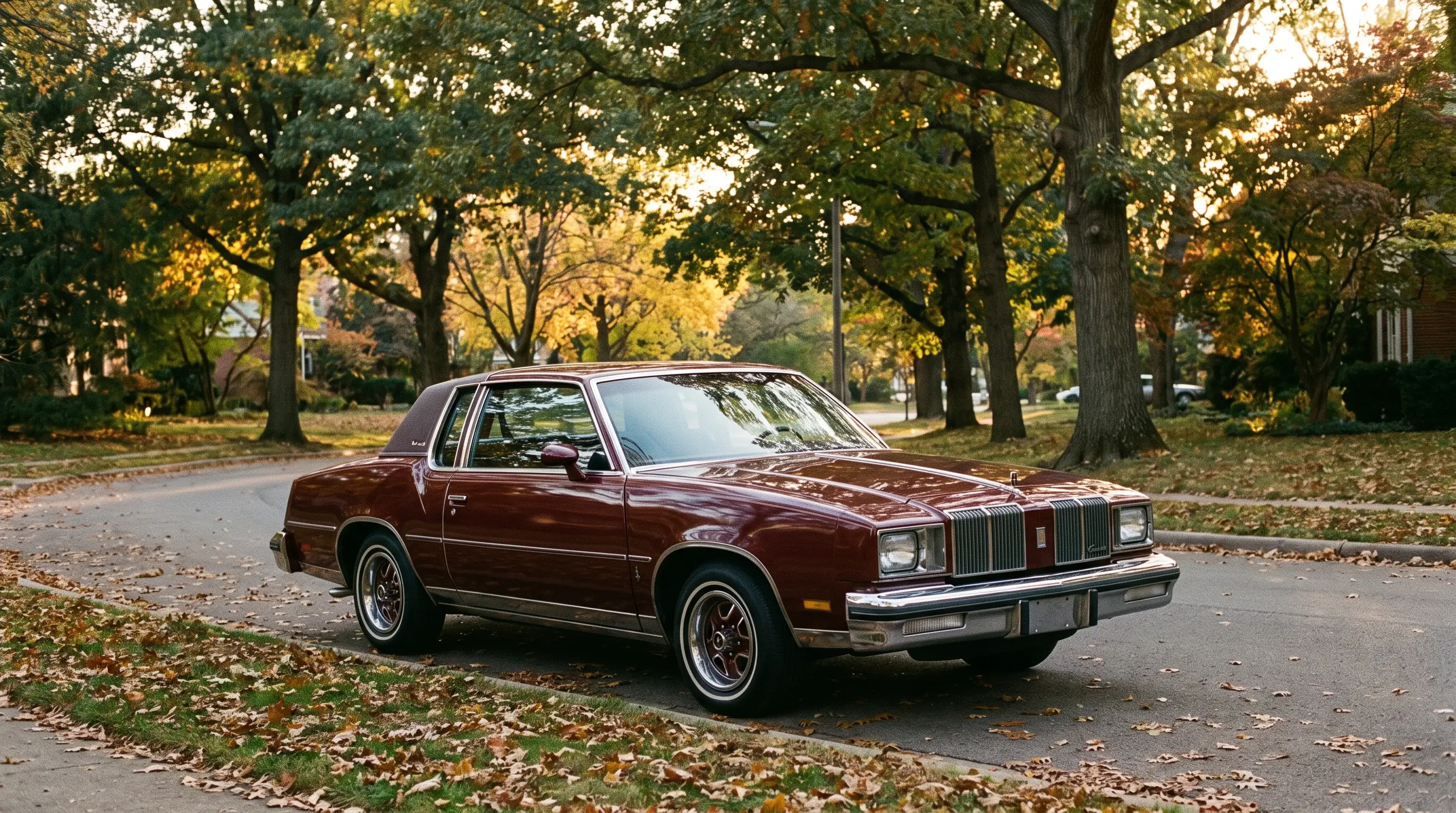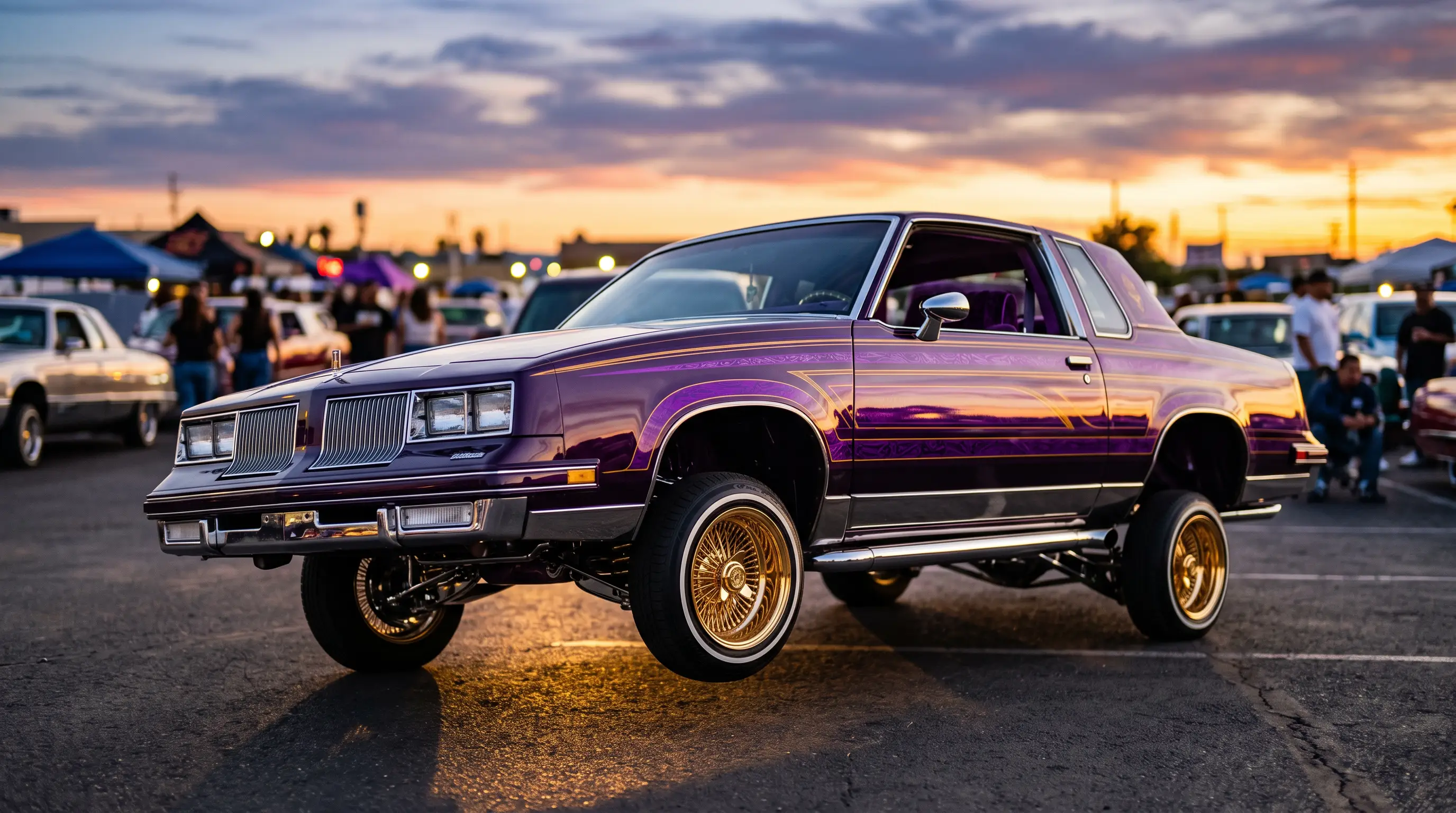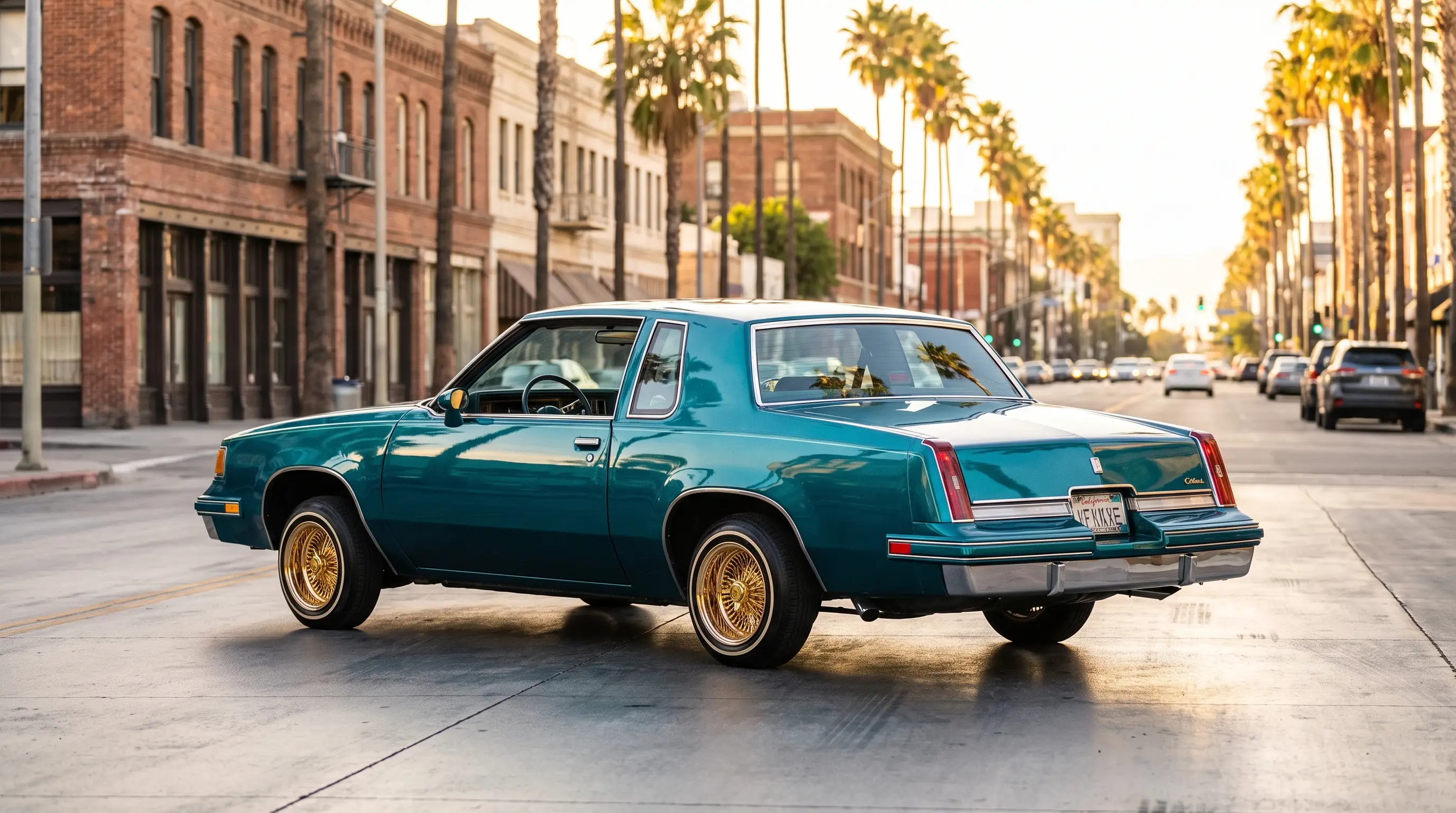
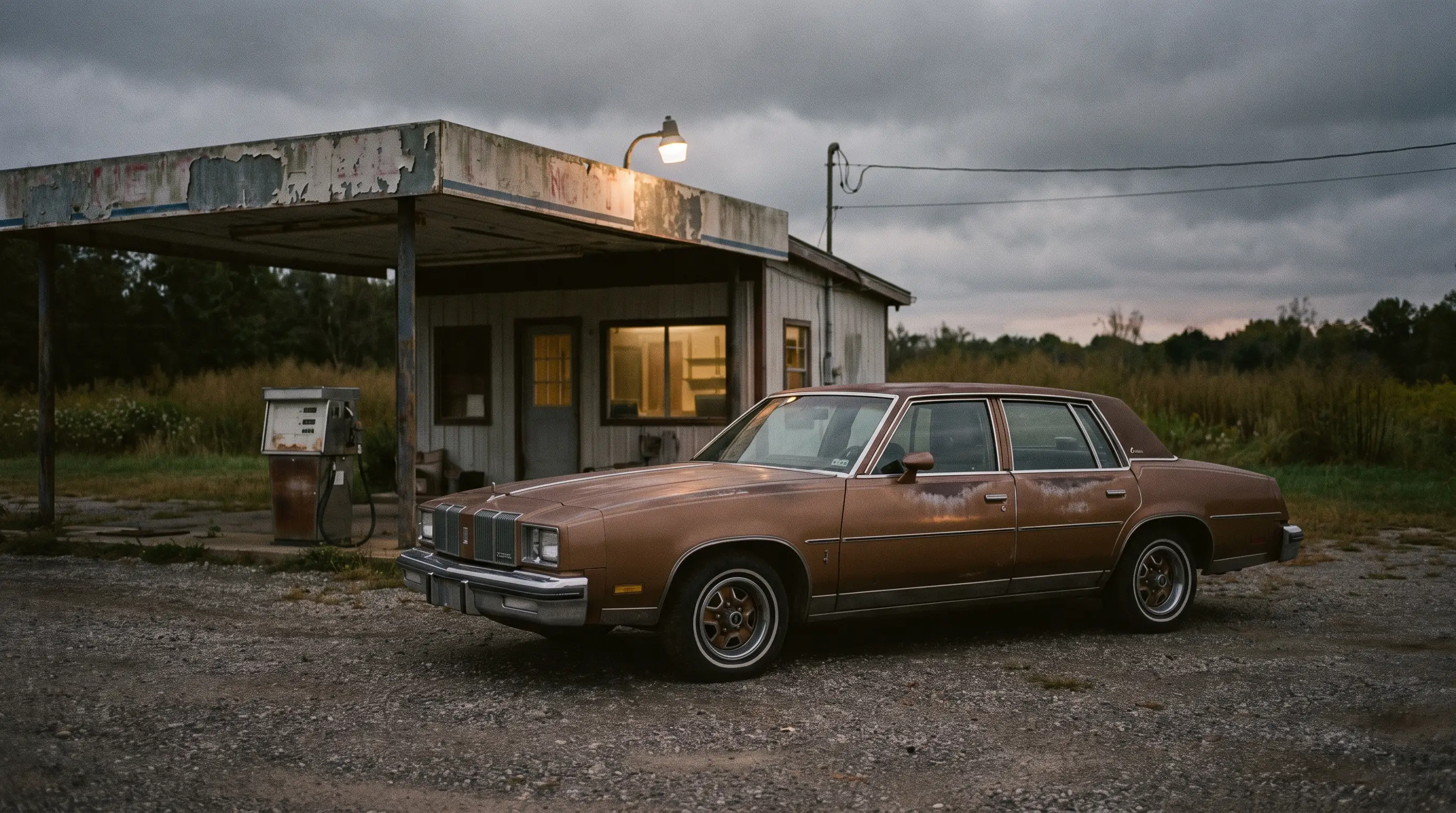
Every swap meet has one guy standing next to a car nobody else wants to talk about, and for years that car was a Cutlass Supreme with a small "Diesel" badge on the fender. We have all seen the look on people's faces when they realize what is actually sitting under that hood. Half of them wince like they just stepped on something. The other half lean in, because they know the cutlass diesel is one of the strangest, most honest chapters in the whole Oldsmobile story, and honest stories are the ones worth telling right.
This is not a tale about speed or style. It is about a good idea, built too fast, that left a scar on an entire brand, and about the handful of owners who kept theirs running anyway.
Why Oldsmobile built a diesel Cutlass at all
You have to remember what the late 1970s felt like to understand this decision. Gas lines wrapped around city blocks, fuel prices had jumped hard, and every automaker in Detroit was scrambling to answer one question: how do we sell a big comfortable American car that does not drink like one. Oldsmobile's answer, introduced for the 1978 model year, was the LF9 350 cubic inch diesel V8, offered in the Cutlass Supreme and several other GM intermediates and full-size cars.
On paper it made sense. Diesel engines return real fuel economy gains over a comparable gasoline V8, and Oldsmobile had genuine engineering pride tied up in the Rocket V8 name. The problem was the timeline. GM converted the existing 350 gasoline block to diesel duty under enormous schedule pressure, and a handful of critical differences between a diesel and a gasoline engine, things like block strength, head bolt count, and fuel and water separation, did not get the attention they needed before the car reached showrooms.
What actually went wrong under the hood
We are not going to sugarcoat this part, because the community that still keeps these cars alive does not sugarcoat it either. The diesel 350 was built on a block that shared too much with its gasoline sibling. GM kept the same head bolt pattern used on the gasoline engine to reuse existing tooling, but a diesel runs compression ratios far higher than a gasoline engine, and the bolts holding the heads down, along with the surrounding deck, were not beefed up to match that load, especially on engines built before the 1981 model year. Head gasket failures followed, and once that seal goes on a diesel, coolant finds its way into the fuel system fast. There was also no water separator in the earliest fuel systems, which meant any moisture that got into the tank went straight to the injection pump, a part that diesel engines depend on completely and gasoline engines do not have at all.
Dealers who had spent decades servicing gasoline engines were not always ready for diesel-specific maintenance either, and a car that needed a slightly different service routine often got the wrong one. The result was a wave of warranty claims, blown head gaskets, and ruined injection pumps that followed the car through the early 1980s, and the reputation that followed was brutal. GM eventually fixed most of the structural issues on later production, thicker decks, more head bolts, a proper water separator, but the damage to the diesel V8's name in America was already done, and it took the whole industry years to recover buyer trust in diesel passenger cars.
Why a few of us still love them anyway
Here is where the story gets more interesting than the warranty files suggest. A well-sorted, late-production diesel Cutlass Supreme, the kind that got the improved block and fuel system and then found an owner who understood diesel maintenance from day one, can actually be a pleasant car to drive. The torque comes on low and smooth, the fuel economy really is a step up from the gasoline V8s of the same era, and there is something satisfying about the low clatter of a diesel idling under a Cutlass hood that nobody expects to hear.
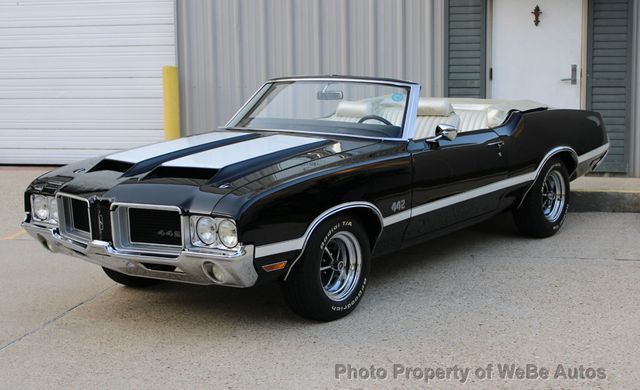
We talk to owners who found the car pulling a boat trailer without complaint, or cruising a long highway stretch at numbers a gasoline 307 could never touch. Those cars exist. They are rare, because so many were driven into the ground by owners who did not know the fuel system needed extra care, but the ones that survived tend to be in the hands of people who genuinely understand what they are keeping alive. That kind of ownership, the kind built on respect for a misunderstood machine, is its own version of car culture, even if it never gets the applause a 442 gets at the same show.
"Every family has that one relative nobody talks about at dinner, and the diesel Cutlass is ours. But the ones who kept theirs running the right way, they earned something the rest of us respect. That is not a small thing in this hobby."
— Hector Morales
What to know before you buy one today
If a cutlass diesel crosses your path at a swap meet or an estate sale, the questions to ask are different from any gasoline Cutlass on the lot. Documentation of head gasket and injection pump history matters more here than almost anywhere else in this hobby, because those two failures are the whole reputation of the car. A seller who can show you receipts for that work, or better, a car that never needed it because it got proper care from day one, is worth real consideration. A seller who cannot answer basic questions about the fuel system is selling you somebody else's unfinished project.
| Detail | Note |
|---|---|
| Engine | LF9 350 cubic inch diesel V8 |
| Years offered | 1978 through the mid-1980s, phased out as diesel demand collapsed |
| Output | 120 hp through the 1980 model year, downrated to 105 hp from 1981 on as GM revised the design |
| Known weak points | Head gaskets, head bolt count, injection pump contamination from water in fuel |
| Strength today | Fuel economy and low-end torque, when properly maintained |
Values on these cars stay low compared to any gasoline Supreme, which honestly makes sense given the risk, but that is also why the diesel has become its own quiet corner of collecting. Nobody buys one to impress a crowd. People buy them because they respect a car that got a raw deal from its own manufacturer and still, in the right hands, does something worth doing. If you want to understand how this whole platform found its way to the diesel option in the first place, the G-body chapter lays out the bigger picture the diesel is just one strange corner of. And if the diesel was not the direction you expected this series to take, keep reading the series for a completely different side of what this same coupe became.