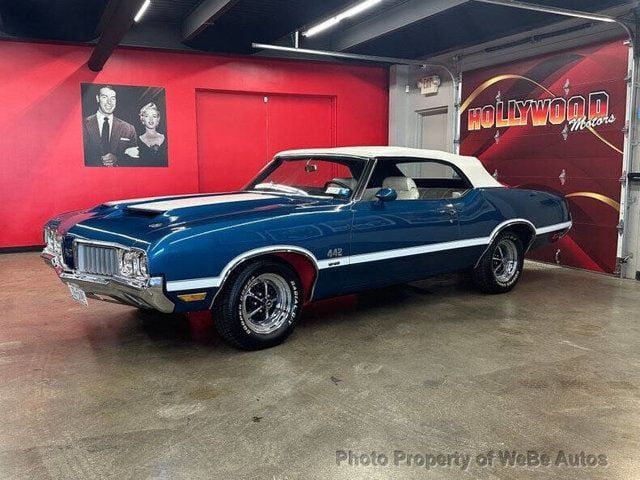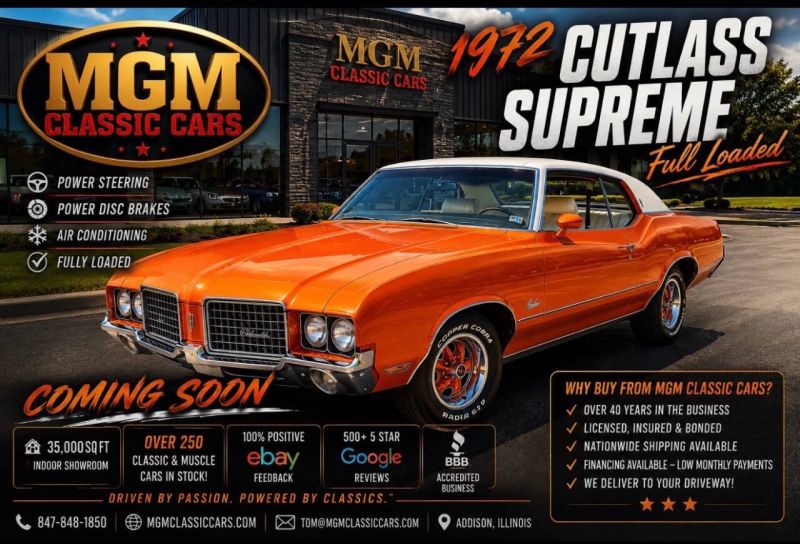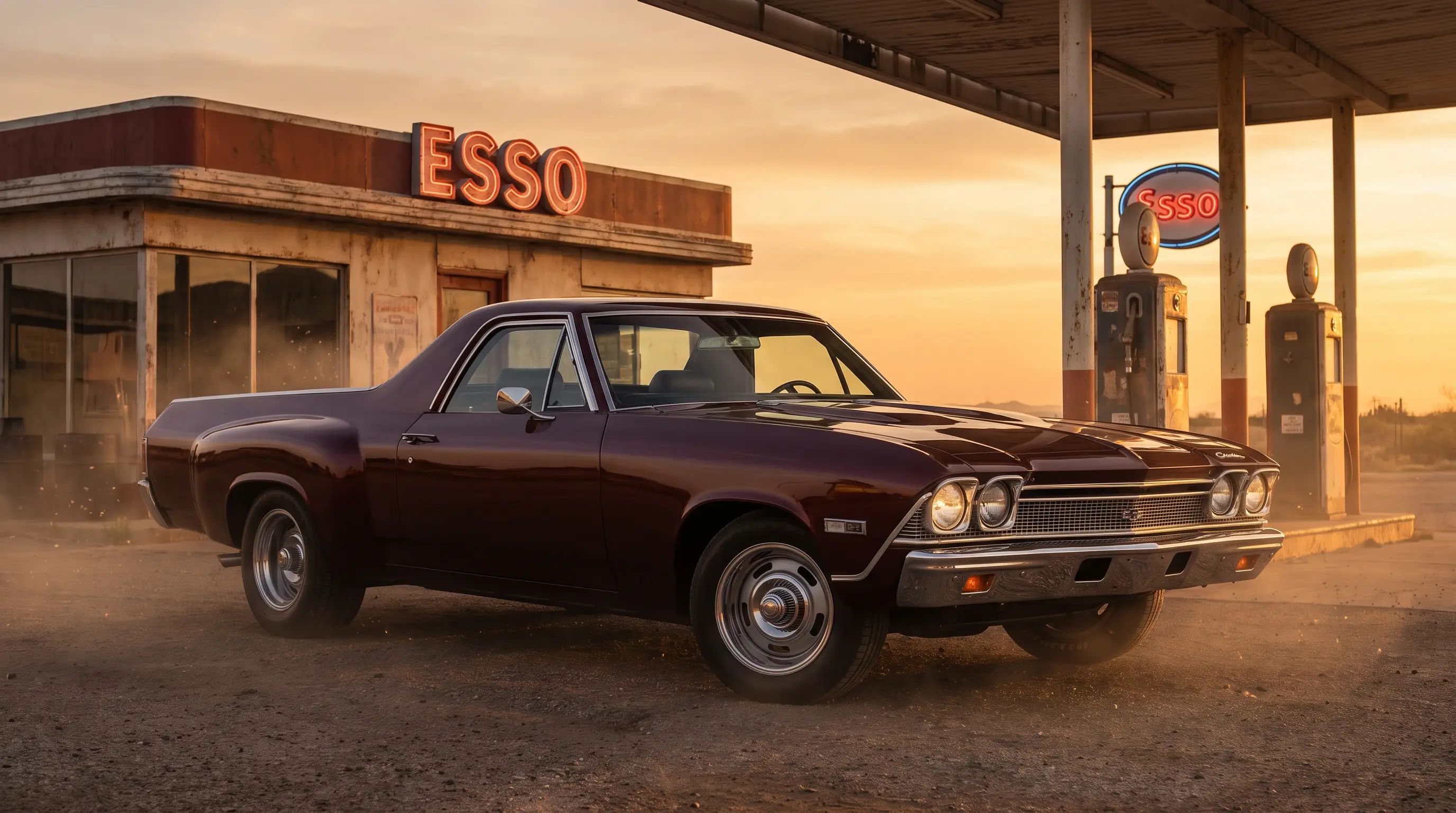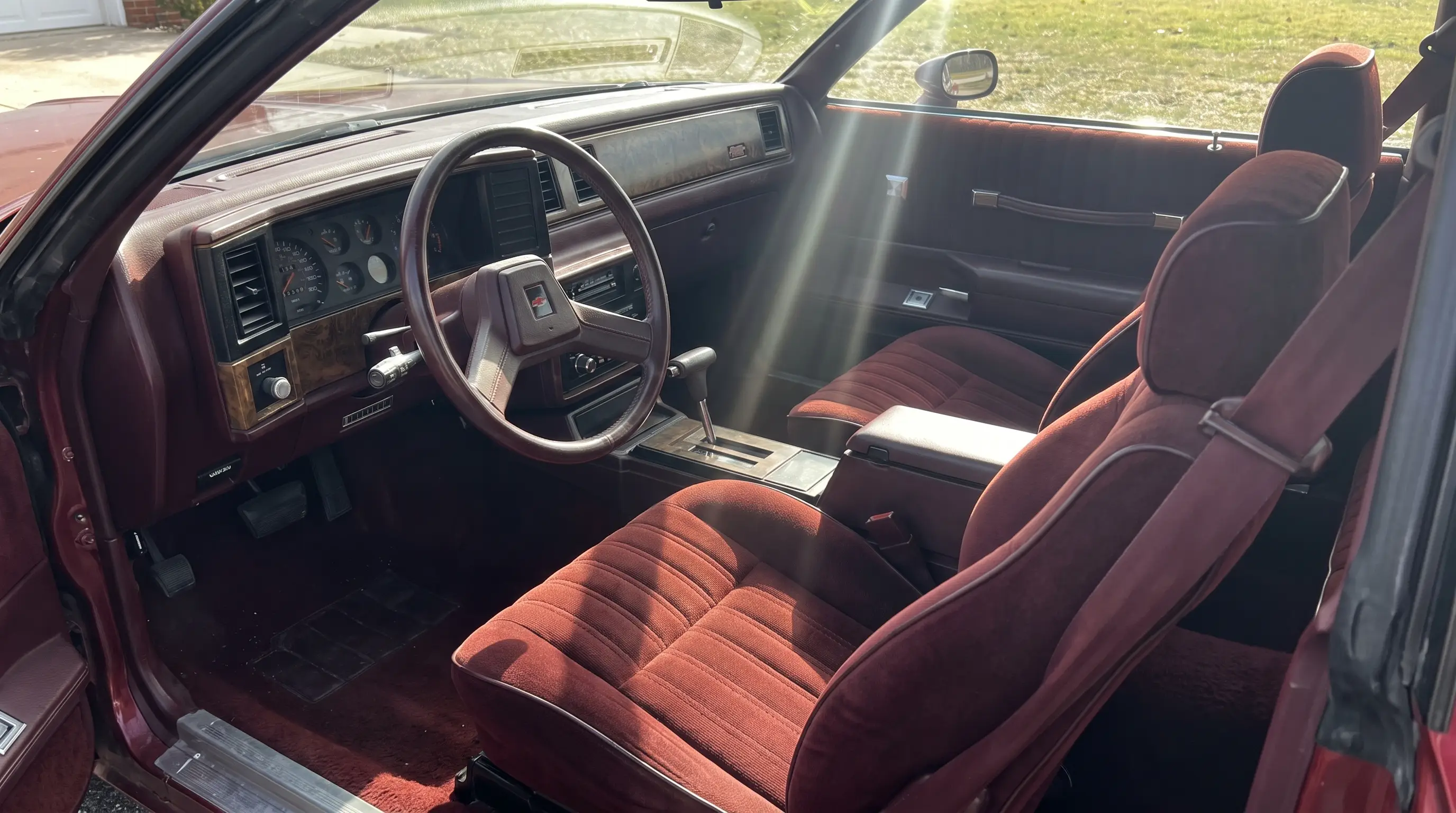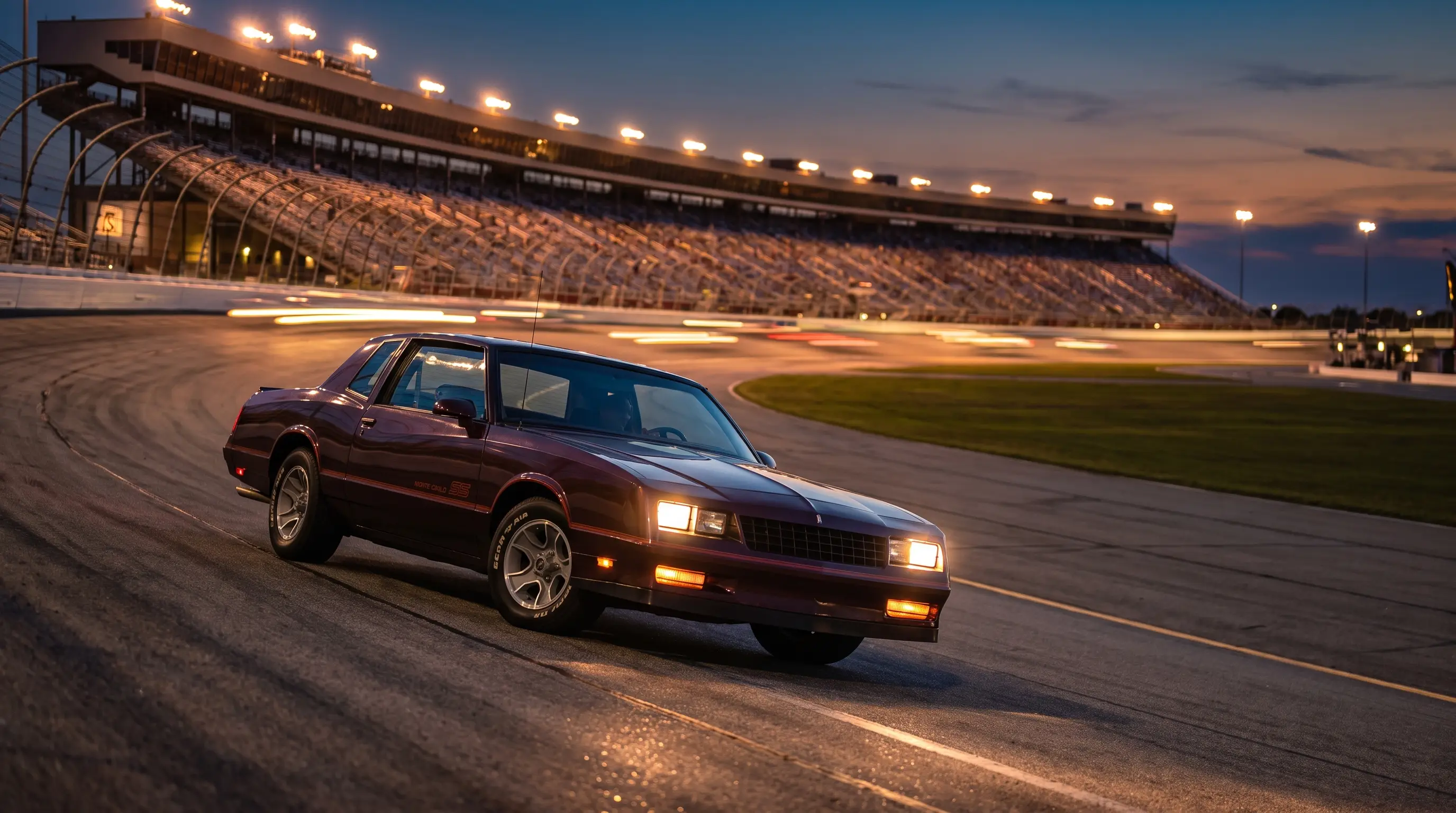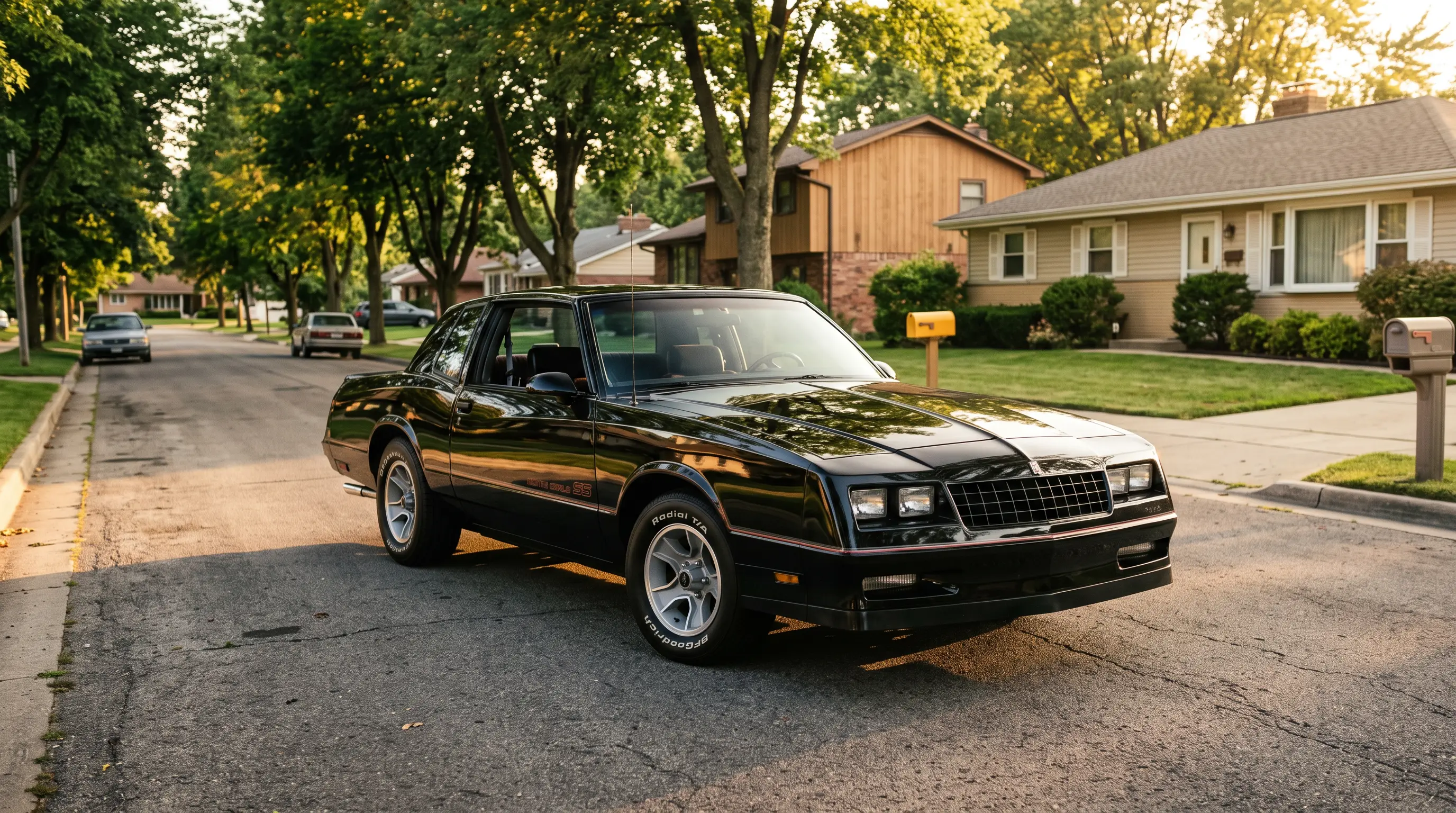
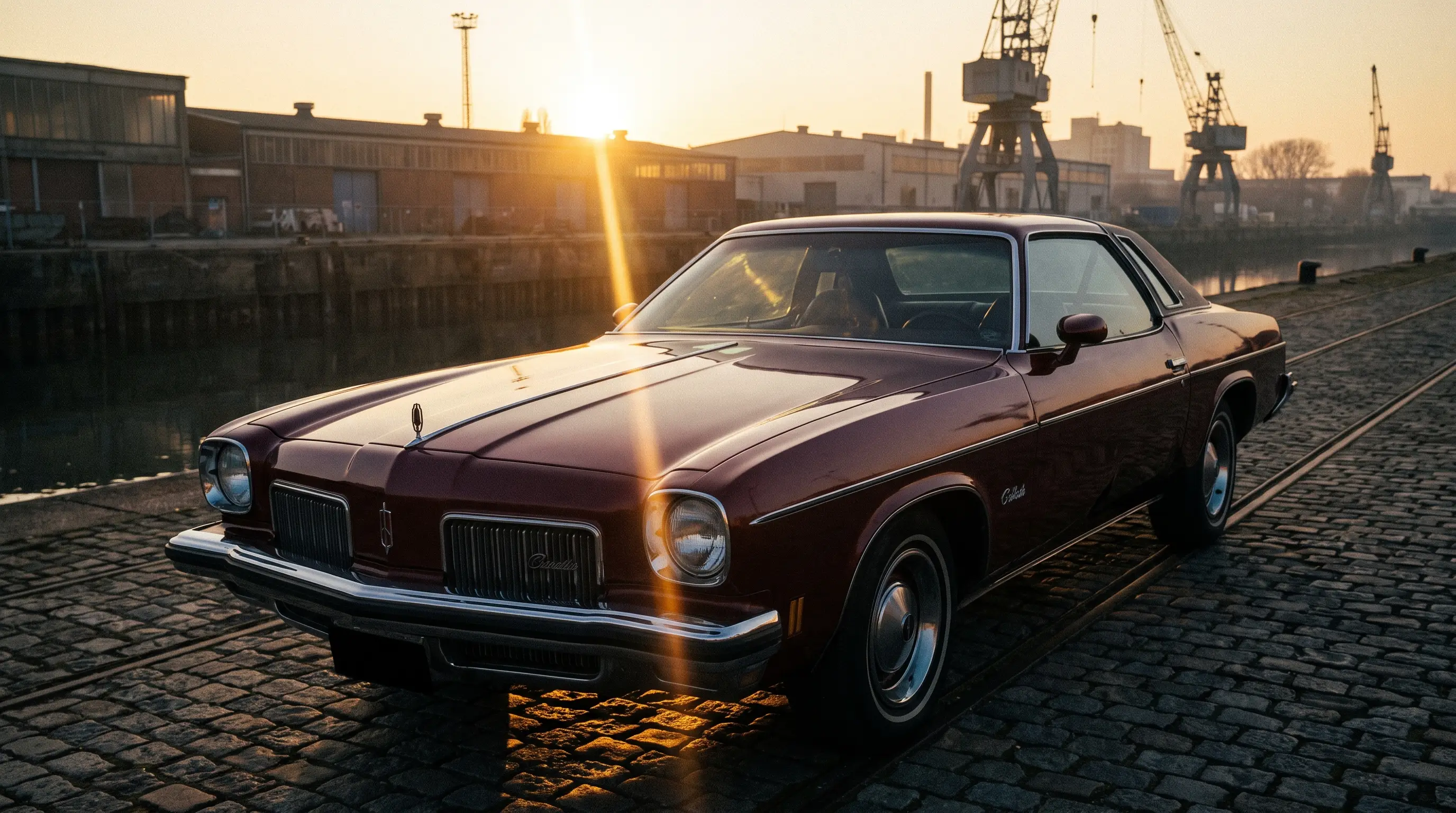
Ask ten Oldsmobile Cutlass owners what makes the car special and you will get ten different answers, and most of them will be right. Few nameplates in American history covered as much ground as the Cutlass did between 1961 and 1988. It was a compact economy coupe, then a mid-size muscle platform, then the best-selling car in the entire United States, then a personal luxury coupe with a Diesel option nobody asked for. Along the way it picked up a pile of small, strange, genuinely interesting facts that most buyers never learn until they already own one.
The name predates the car by decades
Oldsmobile had used "Cutlass" internally as a project code before it ever became a production nameplate, and the word itself was chosen to suggest a sharp, cutting-edge machine, the kind of naval weapon a sailor would trust in close combat. The name first appeared publicly on the 1954 Cutlass concept, a two-seat fiberglass show car built on a shortened Oldsmobile production chassis (the wheelbase cut from 122 to 110 inches) and unveiled at that year's GM Motorama, roughly seven years before "Cutlass" became a trim level on the compact F-85 line in 1961. It shared that Motorama stage with another distinct Oldsmobile two-seater, the F-88 roadster, and the two concepts are sometimes confused since both wore fiberglass bodies and debuted the same year, but the Cutlass name and the F-88 chassis were never the same car. Oldsmobile's stylists liked the name enough to keep recycling it until it finally stuck to a production car, and once it stuck, it never really let go. The company kept the Cutlass name in some form for close to forty years, longer than almost any other Oldsmobile badge survived.
That kind of naming persistence was unusual for General Motors in this era. Divisions often retired a trim after a redesign or two. Oldsmobile instead let Cutlass climb the ladder, from an option package on the F-85 to a standalone series, then eventually to the parent name covering half a dozen sub-models at once, Supreme, Salon, Calais, Ciera, all wearing the same badge on wildly different platforms.
It briefly outsold the Chevrolet Impala
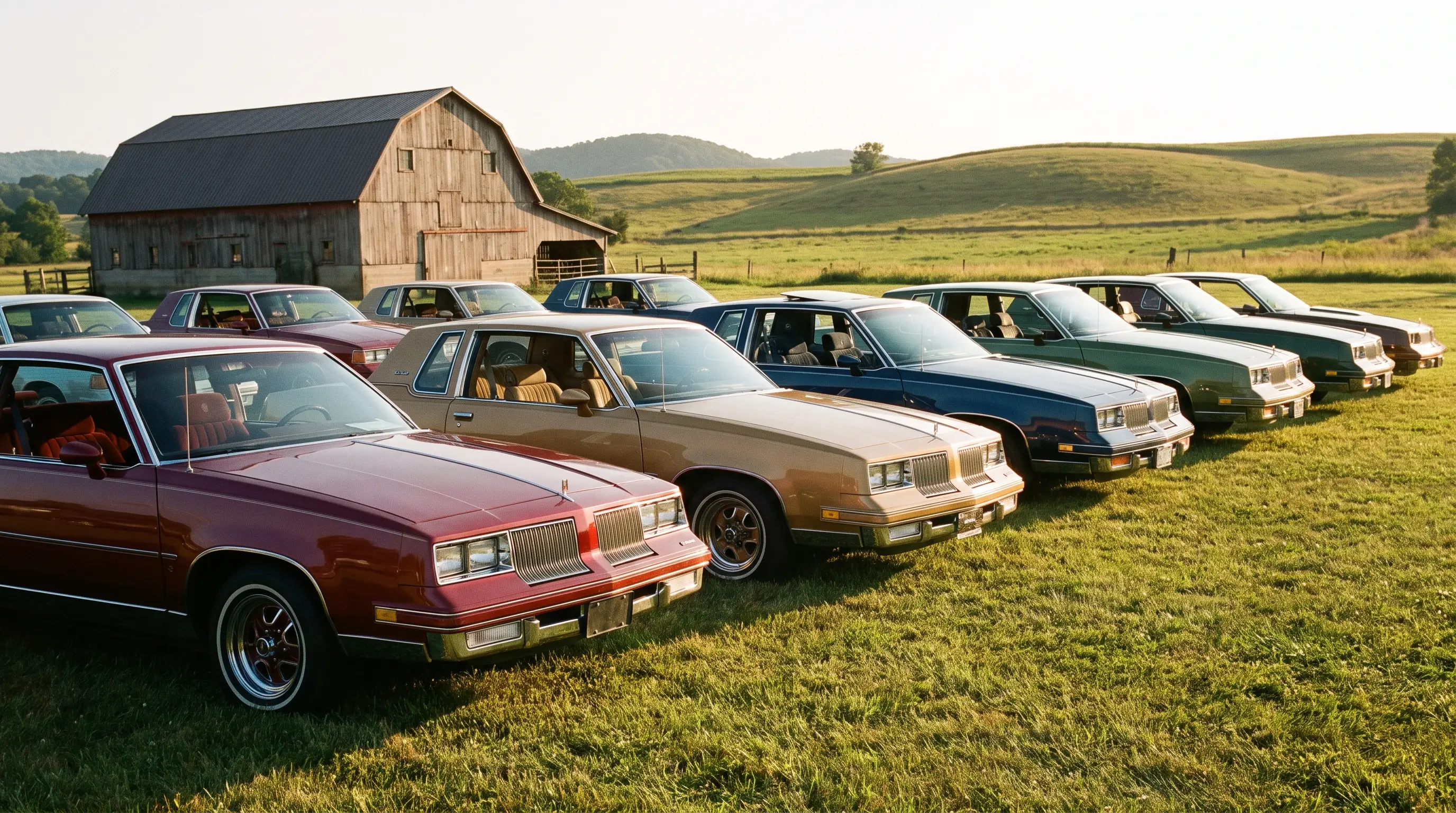
For most of the postwar era, Chevrolet's full-size cars were the default best-seller in the country, the reference point every other automaker measured against. In 1976, the Cutlass line broke that pattern. Oldsmobile's mid-size family, split across Salon, Supreme, and Supreme Brougham trims, moved nearly 496,000 units to edge past the Impala/Caprice's roughly 455,000, and that same model year the Cutlass held the top spot outright as the single best-selling nameplate in the United States, a title it kept in most years through 1983. That is a strange kind of milestone to hang on a division that spent most of its history as GM's "engineer's car," known more for the Rocket V8 and the Toronado's front-wheel drive than for chart-topping sales figures. For two model years, Cutlass buyers were not chasing performance or prestige. They were simply buying the car that fit their driveway, their budget, and their sense of what a proper American coupe or sedan should look like, and there were more of them than anyone at GM had probably planned for.
Readers who want the fuller arc of how a compact trim level grew into the country's top-selling car should look at the Cutlass culture story, which traces that rise through the specific dealerships, ad campaigns, and buyer habits that made it happen.
The Diesel option almost sank the reputation
Not every Cutlass fact is a proud one. Starting in 1978, Oldsmobile offered a 5.7-liter Diesel V8 across several of its passenger lines, including the Cutlass, built by converting an existing gasoline block rather than engineering the Diesel from a clean sheet. The engineering shortcuts caught up with the program fast. Head bolts that were adequate for gasoline combustion pressures stretched and failed under Diesel compression, water in the fuel (a routine hazard at gas station diesel pumps built for trucks, not cars) could destroy the injection pump, and the engines developed a reputation for expensive, early failure that followed Oldsmobile for years. GM eventually settled a class-action lawsuit over the engines, and the Diesel Cutlass became a cautionary tale that mechanics still bring up when a buyer asks about a cheap, low-mileage example from the era. If a Diesel-badged Cutlass shows up in a listing at a suspiciously low price, that history is usually why.
The G-body version became a canvas for an entire subculture
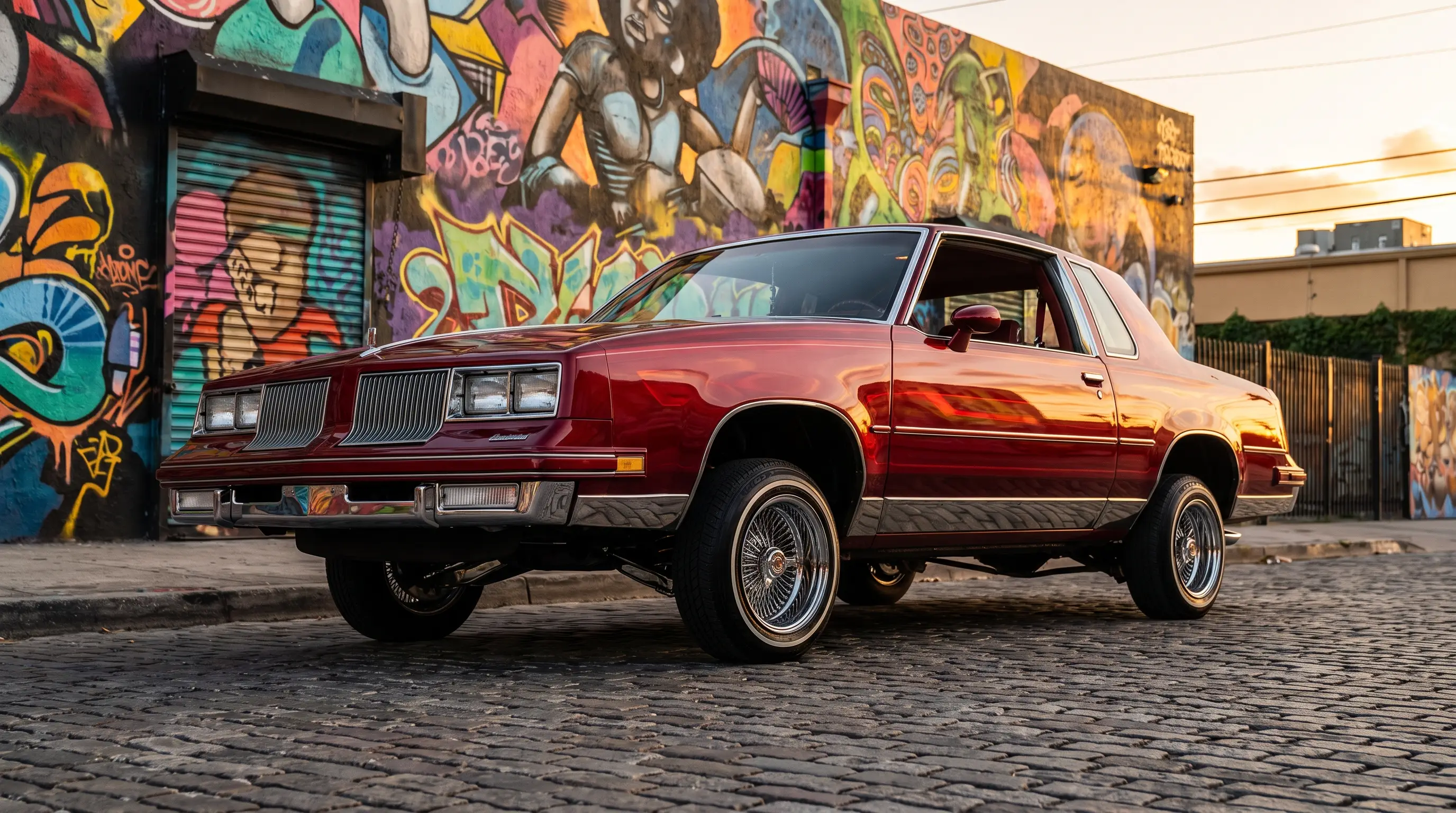
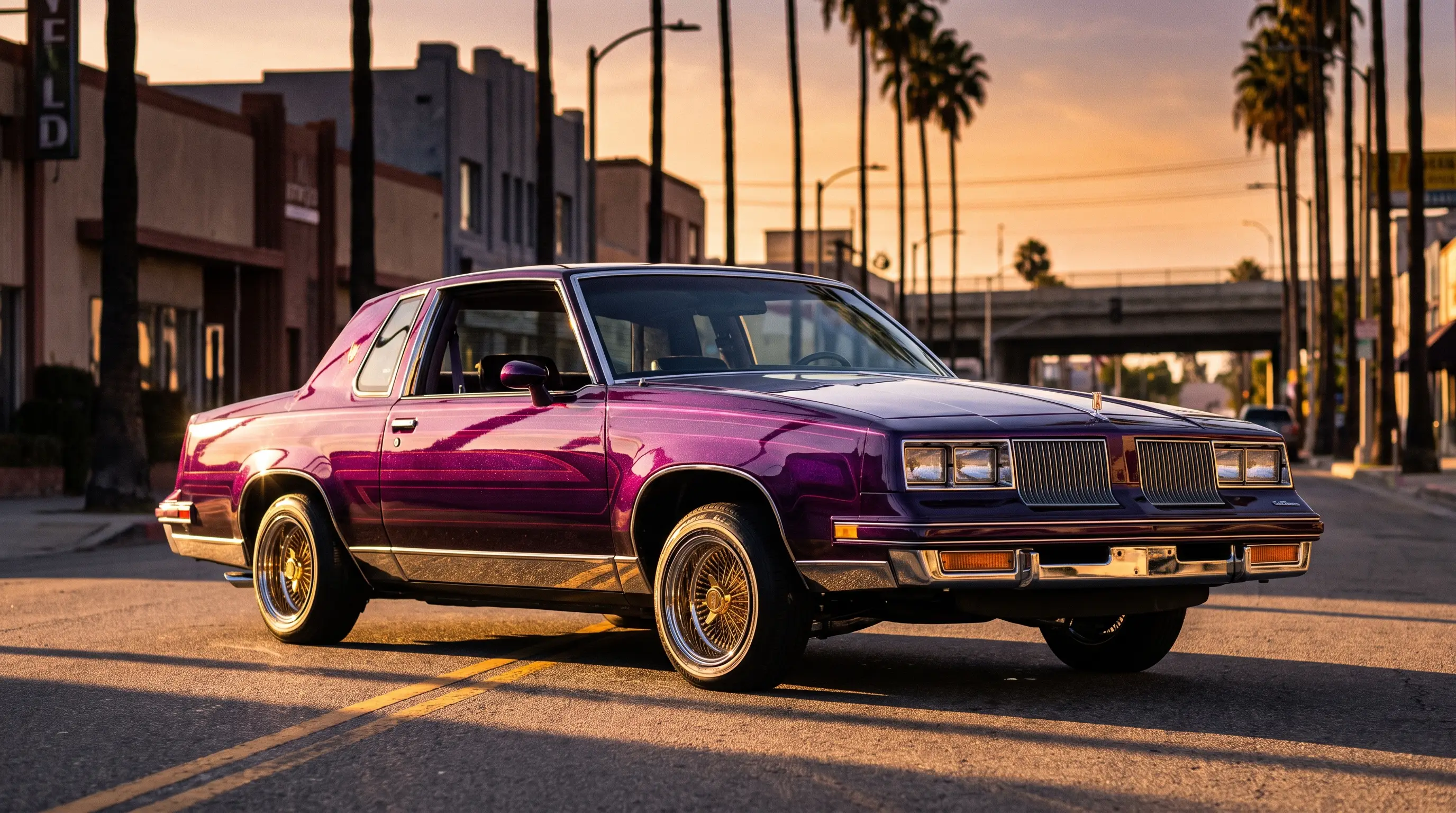
When the rear-wheel-drive Cutlass Supreme moved onto GM's G-body platform for 1978, nobody at Oldsmobile was designing for the lowrider scene, yet the car's flat body sides, generous wheel openings, and boxy trunk turned out to be close to ideal for hydraulics, deep paint, and wire wheels. Builders in Southern California and beyond adopted the G-body Cutlass alongside the Buick Regal and Chevrolet Monte Carlo as a favored canvas, and decades later that scene is still active at car shows across the country. It is worth reading another angle on how deeply that custom culture took root in the G-body years, because it explains why so many surviving Cutlass Supremes from the late seventies and eighties carry modifications their original buyers never imagined.
| Fact | Detail |
|---|---|
| First public use of the name | 1954 Cutlass Motorama concept, a shortened-chassis two-seat show car (distinct from the F-88) |
| First production year | 1961, as a trim on the F-85 |
| Best-selling US nameplate | First hit #1 in 1976, Cutlass family; held the title most years through 1983 |
| Diesel V8 introduced | 1978, 5.7-liter, converted from a gas block |
| Total production run | Roughly 1961 to 1988 under the core Cutlass name |
It quietly became a NASCAR winner
The Cutlass name also turns up in unlikely corners of motorsport history. Richard Petty won the 1979 Daytona 500 in an Oldsmobile Cutlass, and a decade later the front-drive-styled Cutlass Supreme aero coupe visited victory lane more than a dozen times between 1988 and 1992, right up until Oldsmobile ended its factory NASCAR effort, even though almost nothing under that sheet metal resembled the showroom car. That racing connection rarely comes up in casual conversation about the Cutlass, but it is one more thread in a nameplate that managed to be a economy car, a muscle car, a sales champion, a custom culture icon, and a stock car winner, all under the same three-syllable name.
"Most nameplates get one identity and hold onto it for dear life. The Cutlass went through five or six of them and somehow never lost the thread. That's the part people miss when they only know it as somebody's grandfather's car."
— Patrick Walsh
The full picture of that transformation, decade by decade, deserves more space than a list of facts can give it, which is exactly what makes the Cutlass such a rewarding car to research. Every fact above opens onto a longer story, whether it is the Diesel program's engineering failures, the sales numbers of the mid-seventies, or the custom scene that adopted the G-body as its own. None of it happened by accident, and none of it happened the way a casual glance at a used car listing would suggest.