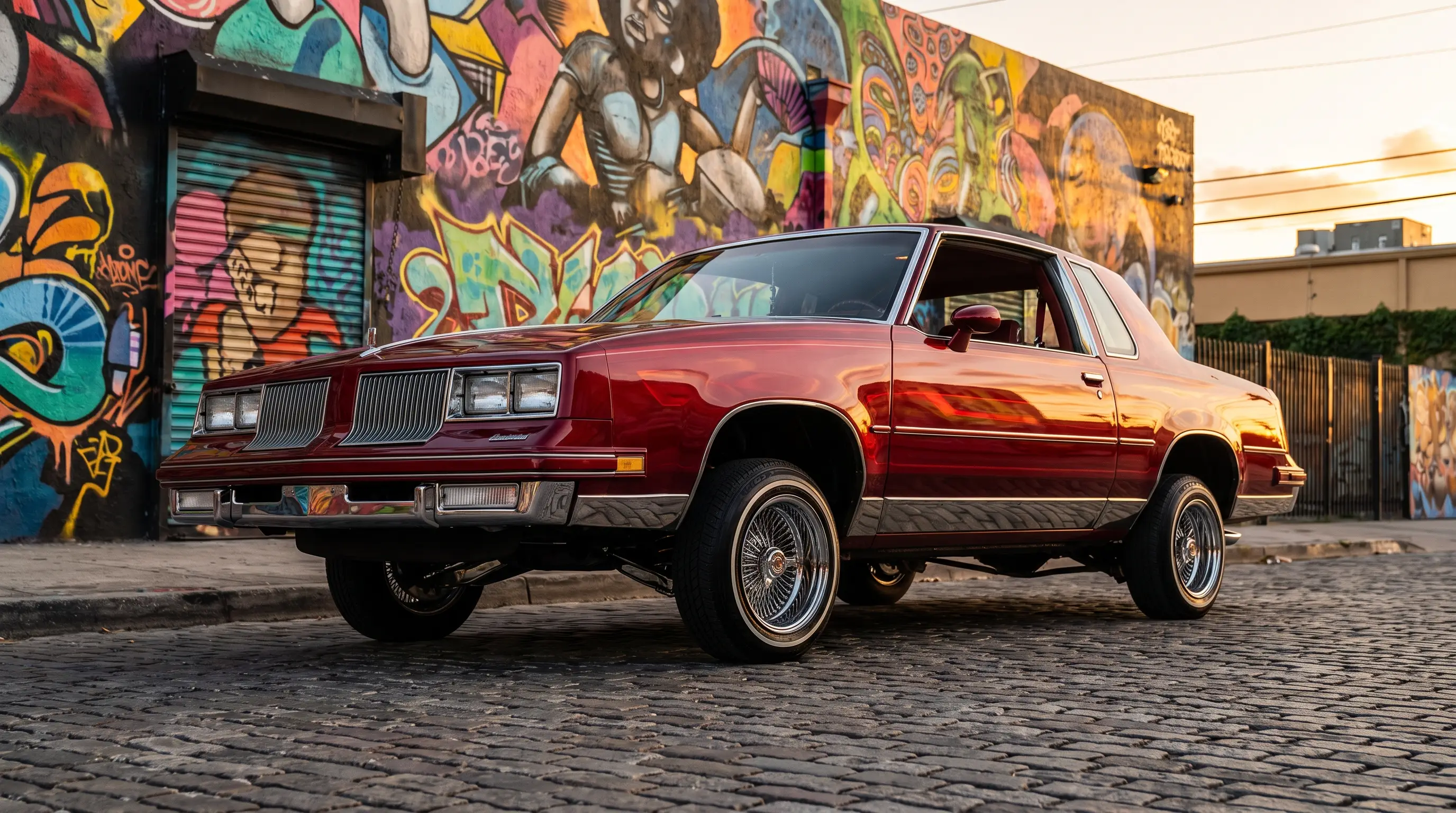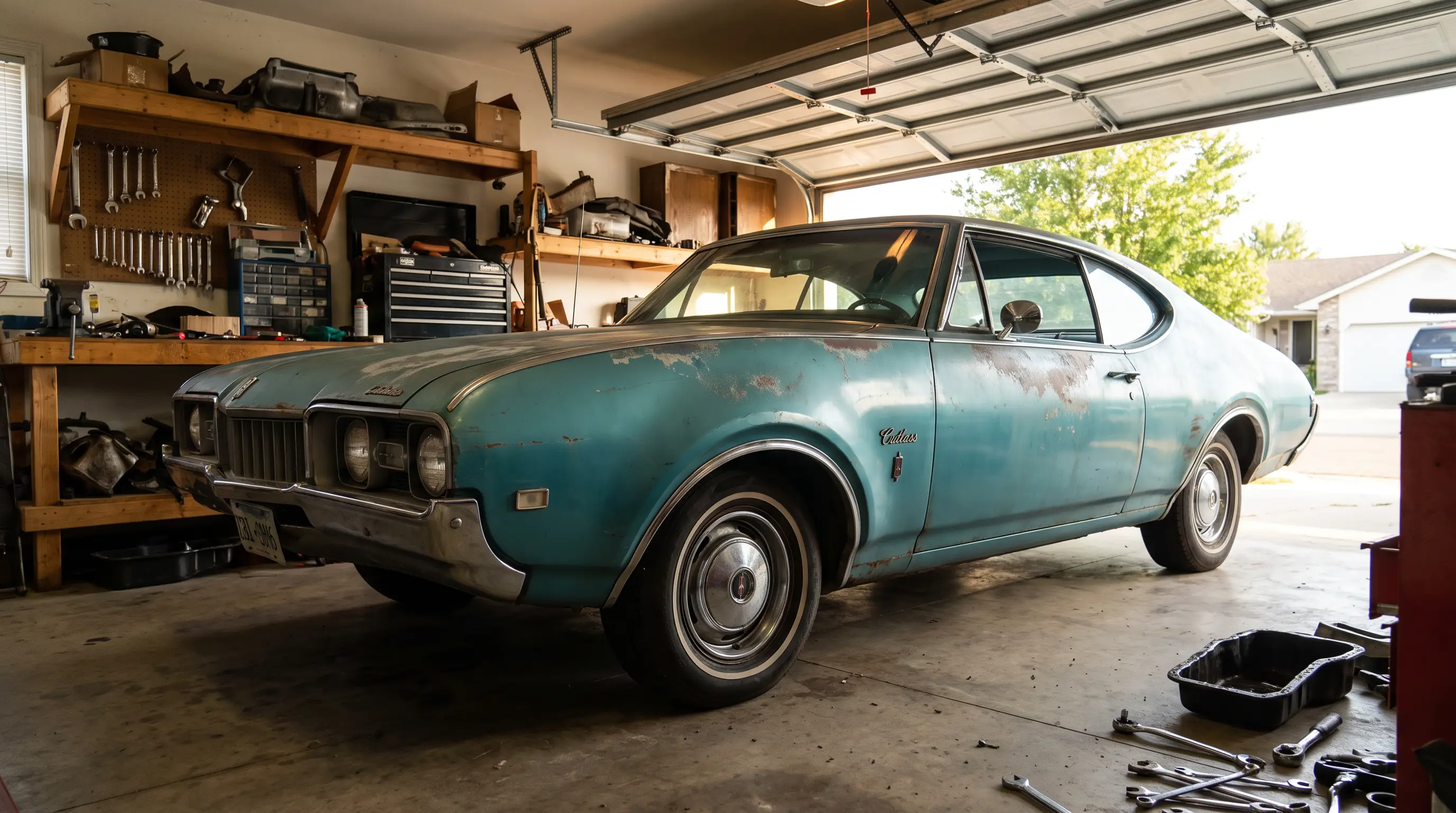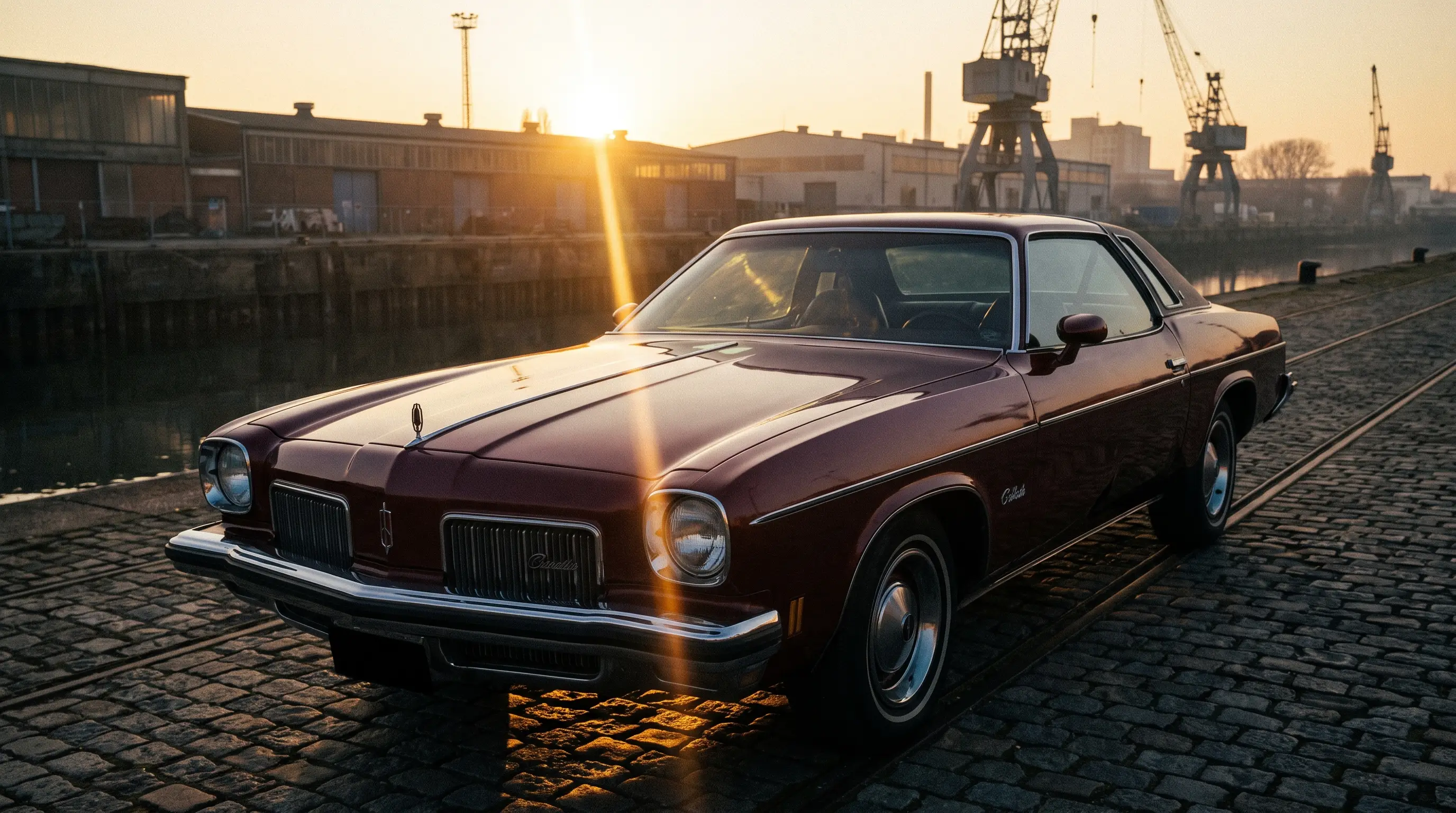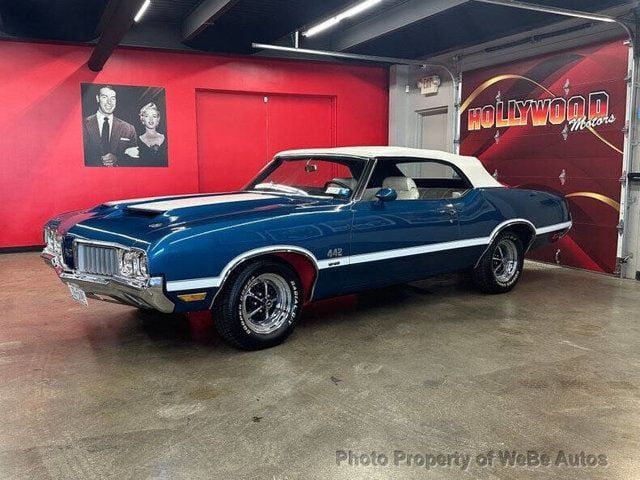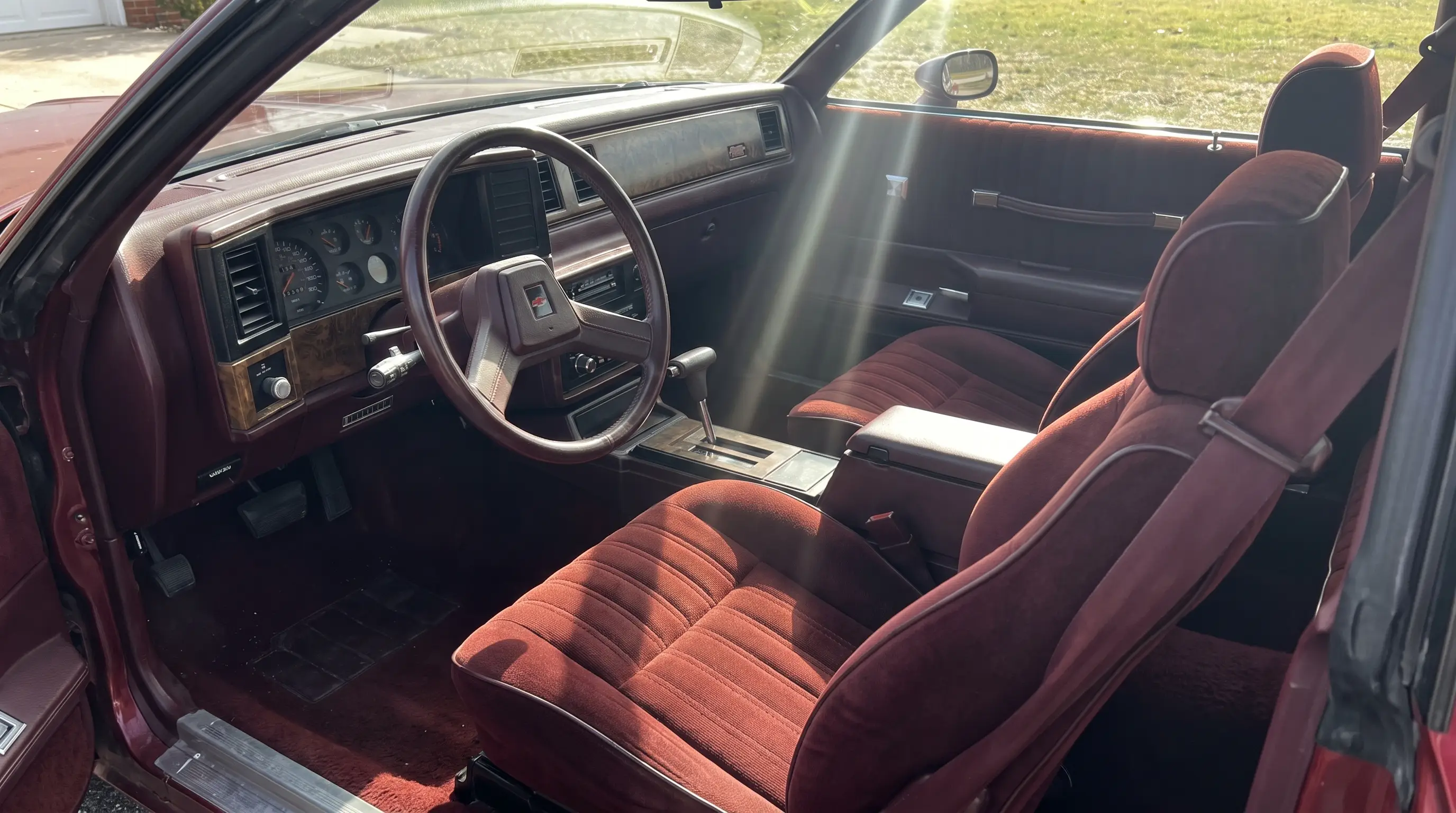
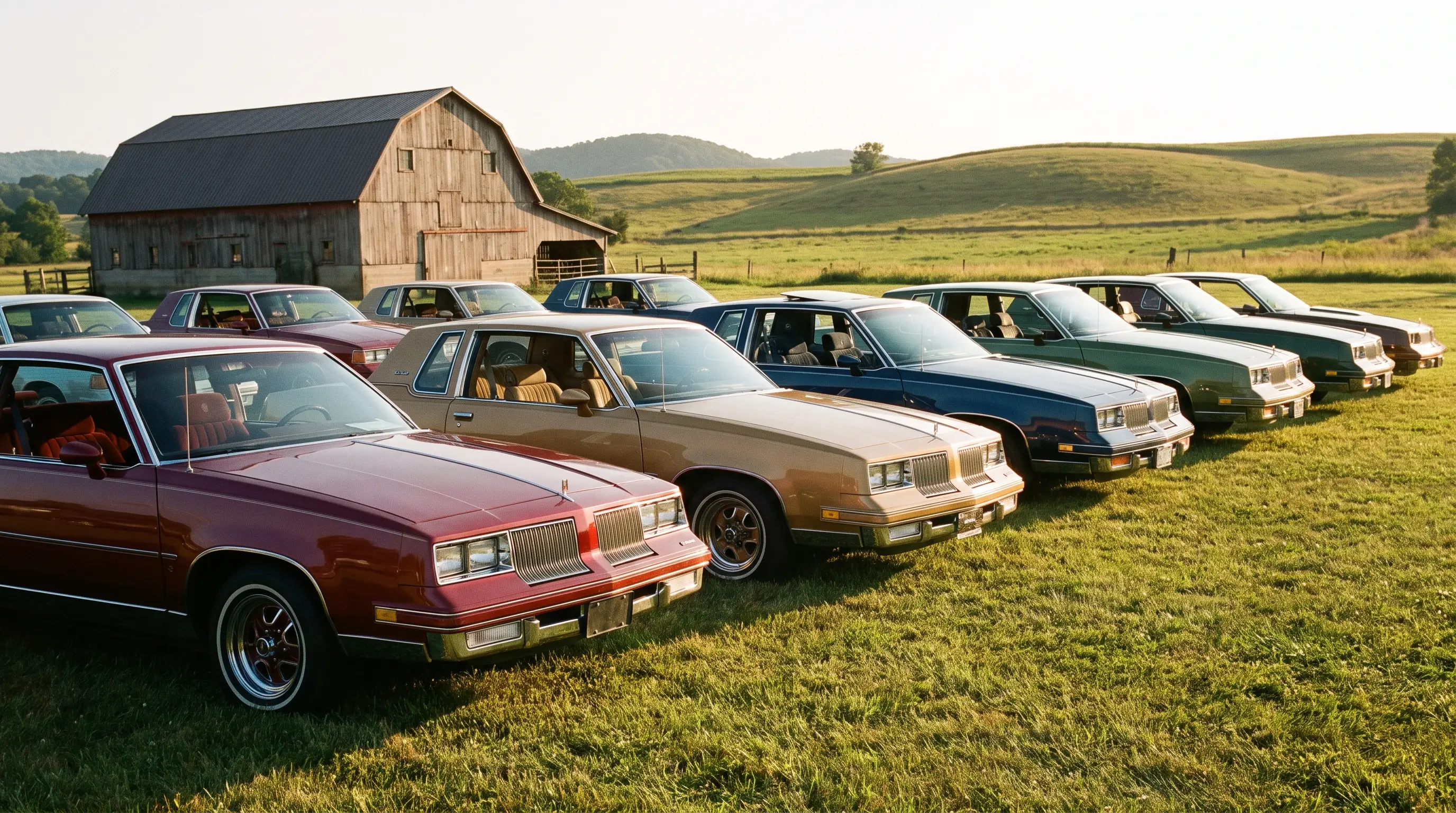
Walk the swap meet at a regional Oldsmobile show and you'll notice something the big national muscle car events don't quite have: everybody seems to actually know everybody. The Cutlass world, more than most corners of the classic car hobby, runs on genuine community rather than just shared taste in sheet metal. That's not an accident, and it isn't just marketing copy from a car club newsletter. It's the reason so many owners say the people turned out to matter as much as the car.
Part of that comes down to how the model was actually used. The Cutlass wasn't only a weekend performance car bought by enthusiasts chasing a stripe package. It was a family car, a first car, a car that got handed down, and that broader ownership base built a wider, more varied community than you find around cars that were only ever bought by people chasing horsepower.
Where the clubs actually are
The national landscape includes marque-wide organizations covering all Oldsmobile products, which draw in Cutlass owners alongside Toronado, 88, and 98 enthusiasts, and there are also clubs built specifically around the 442 and Hurst/Olds performance variants, where the conversation gets deep into option codes and factory paperwork fast. Below the national level, regional chapters and independent local groups meet monthly in most parts of the country, usually organized around a specific city or metro area, and these tend to be the most useful entry point for a new owner, because the advice is local and the parts leads are local too.
Online, the community has moved the way most car hobbies have, into dedicated forums and social media groups organized by generation and by trim level. A first-generation F-85/Cutlass owner from 1961 through 1963 is often chasing entirely different parts and advice than someone with a G-body Cutlass Supreme from the 1980s, and the better online groups reflect that split rather than lumping every Cutlass era into one undifferentiated feed.
What a club actually gets you
The practical value goes well beyond camaraderie, though that's real too. Established clubs maintain relationships with parts vendors that new owners simply don't have on their own, and a recommendation from someone who's bought the same reproduction part twice is worth more than any online review. Clubs also tend to be the fastest route to finding somebody who's dealt with the exact problem you're staring at, whether that's a specific wiring gremlin on a 1978 Cutlass Supreme or matching a factory paint code on a 442 that's never been repainted.
Judging and documentation knowledge lives in these clubs too. If you're trying to verify whether a car's claimed W-30 status actually holds up, the people who can read a build sheet or a cowl tag correctly are almost always found through a club connection rather than a general internet search.
There's also a quieter benefit that new owners underestimate until they've experienced it: honest feedback on a car before money changes hands. Post photos of a prospective purchase in an established club forum and you'll often get a dozen replies within a day pointing out a mismatched panel gap, a repop part sold as original, or a paint code that doesn't match the build sheet. That kind of scrutiny, freely given by people who have no stake in whether you buy the car, is worth more than most paid inspection services, and it only exists because the community has spent decades building trust with each other.
Regional clubs also tend to organize the technical events that matter most to a working restoration: tech days where members bring tools and expertise to help with a specific repair, group buys on hard-to-find reproduction parts that bring costs down for everyone, and informal mentorship that pairs an experienced restorer with someone tackling their first big job.
Judging, shows, and staying involved long term
Beyond the practical parts and advice, clubs run the judged shows and cruise-ins that give an owner somewhere to actually use a finished car. National meets bring together the full range of Cutlass history under one roof, from early F-85-based cars through the G-body Supremes, and regional cruise-ins offer a lower-stakes way to show up without worrying about concours-level judging standards. Both matter. The judged events keep the documentation and originality standards honest, and the casual cruise-ins keep the hobby fun for people who just want to drive their car and talk to other owners on a Saturday morning.
Getting involved as a new owner
The easiest way in is usually the least glamorous: show up to a local meet before you own the car, not after. Owners are generally happy to talk shop with someone still shopping, and that conversation often saves a new buyer from a costly mistake on the purchase itself. From there, most clubs welcome new members regardless of how rough or how finished their car is. Nobody expects a concours-ready example to walk in the door on day one.
"The best afternoon I've spent researching any of these cars wasn't in an archive, it was standing in a parking lot listening to three guys argue about whether a particular hood was correct for a 1971. That argument taught me more than any book could have, and it only happens because this community still shows up in person."
— Patrick Walsh
That in-person culture connects directly back to the Cutlass culture story that's kept this model relevant decades after the last one rolled off the line. The clubs are where that culture actually lives day to day, not just in nostalgic magazine features.
Beyond the meets
For owners who want the fuller picture before diving into a specific club, it helps to understand how the Cutlass legend began in the first place, since so much club conversation assumes a working knowledge of the model's history across its many generations. There's also a companion piece worth reading that rounds out some of the lesser-known details longtime club members tend to already have memorized.
And if all this talk of clubs and community has you thinking about finally buying in, there's no substitute for actually looking at what's out there. Browsing classic Oldsmobile Cutlass for sale listings is a reasonable place to start, and showing up to your first club meet with a specific car in mind tends to get you the most useful advice of all.
Sources and notes
- Oldsmobile Cutlass - Wikipedia
- Oldsmobile Cutlass 1st Gen (1961-1963) - Classic.com
- 1963 Oldsmobile F-85 Cutlass Convertible - Curbside Classic
- 1962 Oldsmobile F-85 Cutlass - Hagerty Valuation Tools
- The Hurst/Olds Club of America
- Oldsmobile 442 - The History of Oldsmobile's Iconic Muscle Car - Muscle Car Club