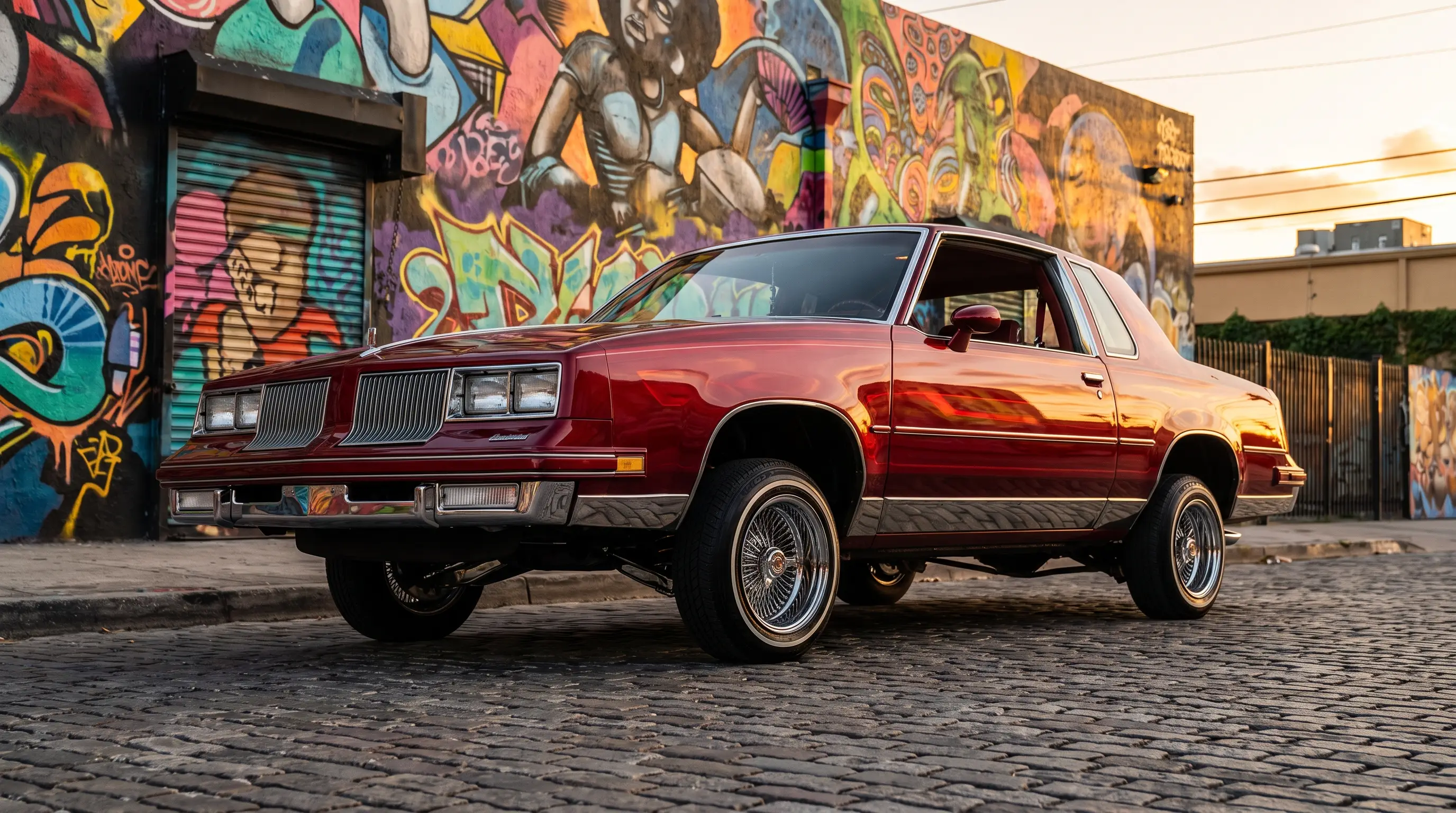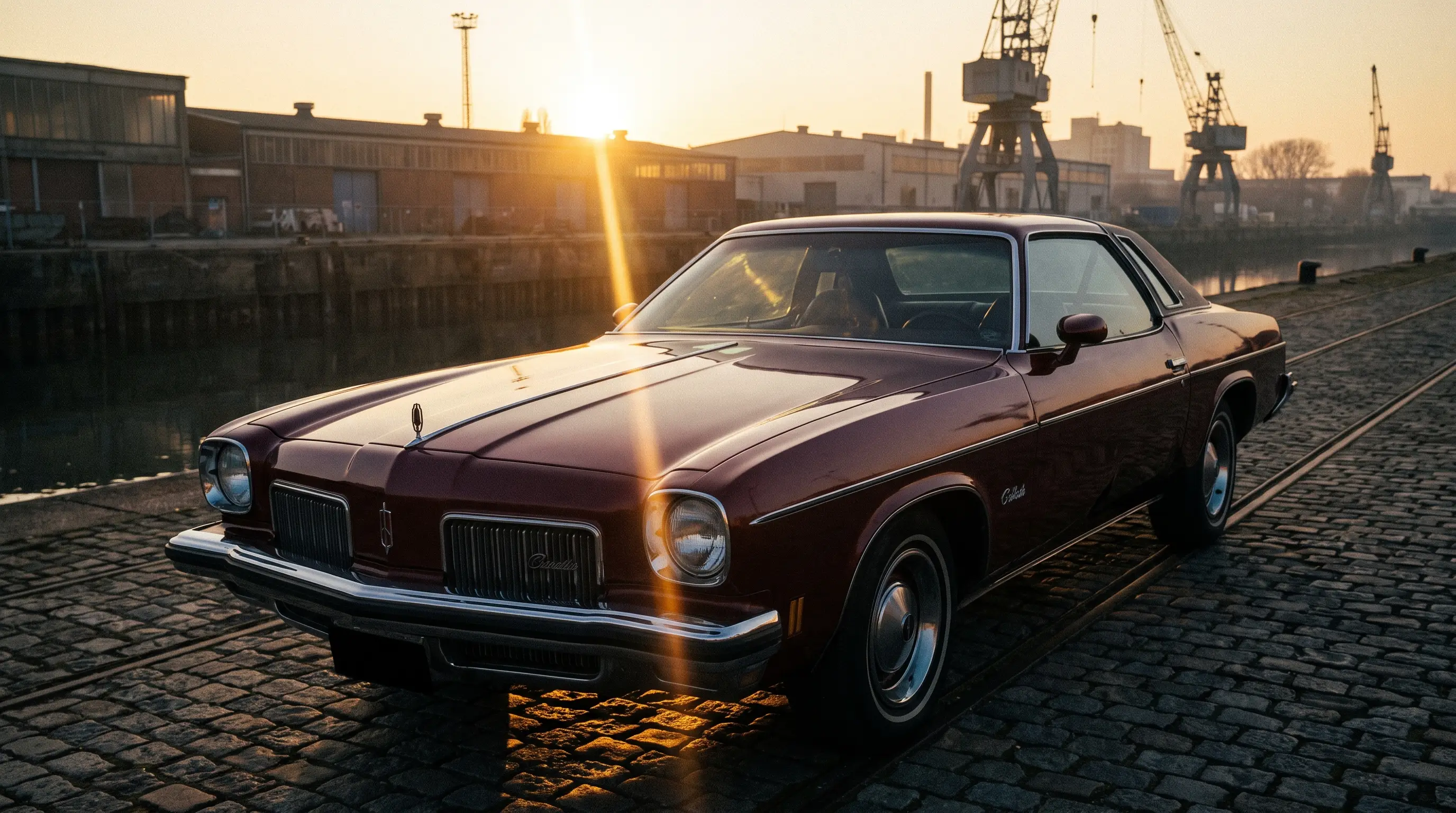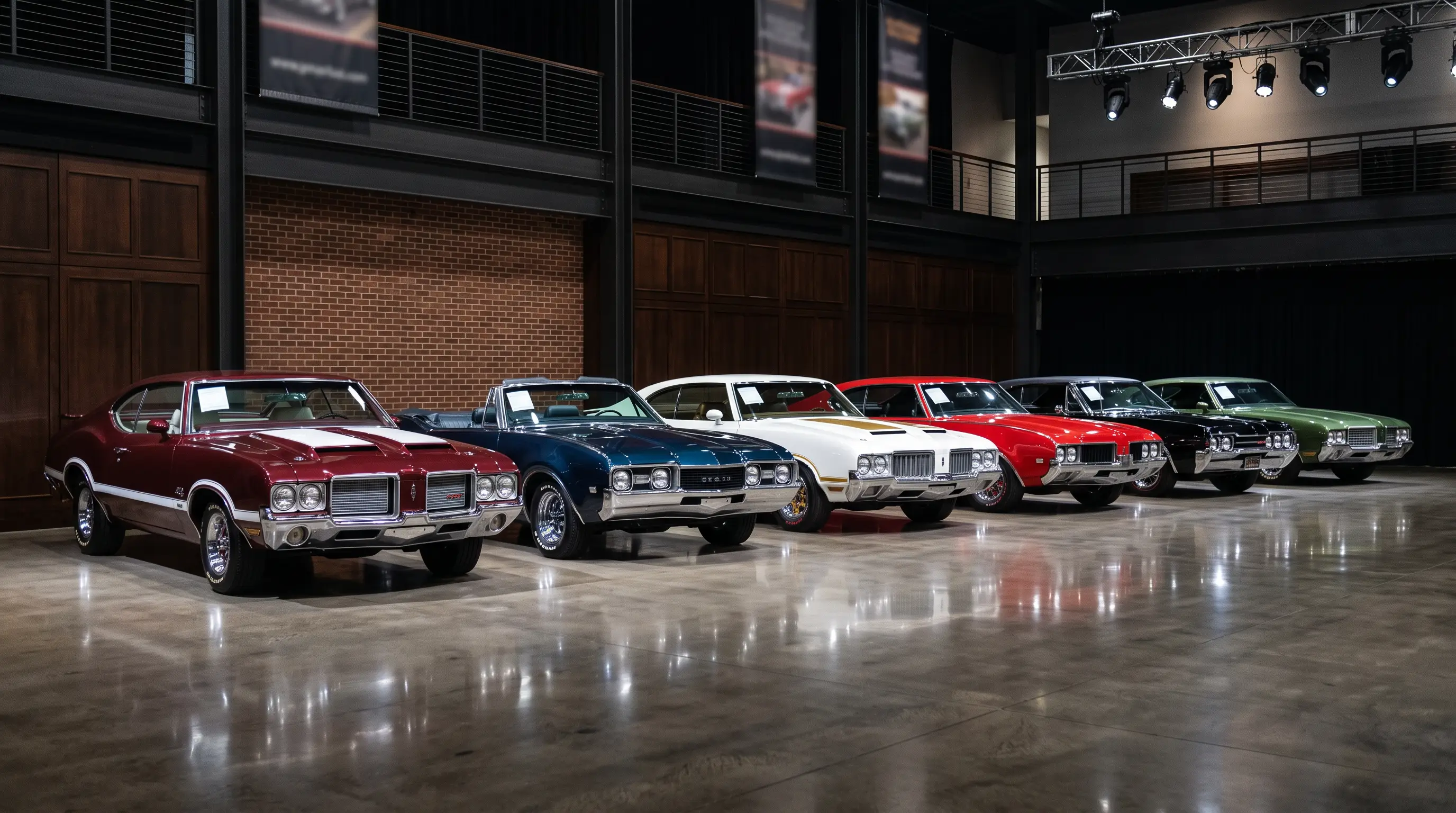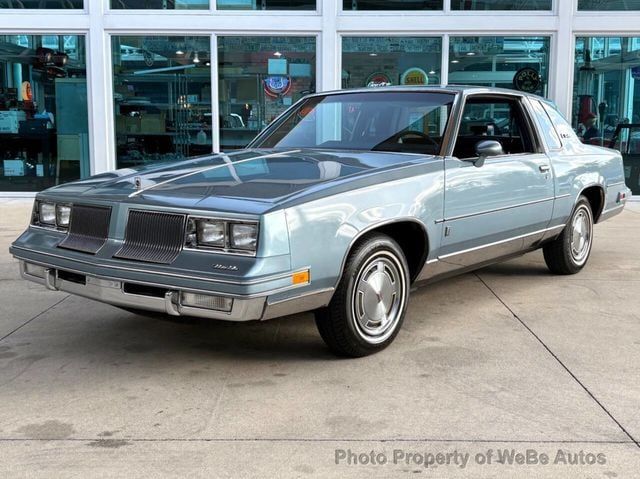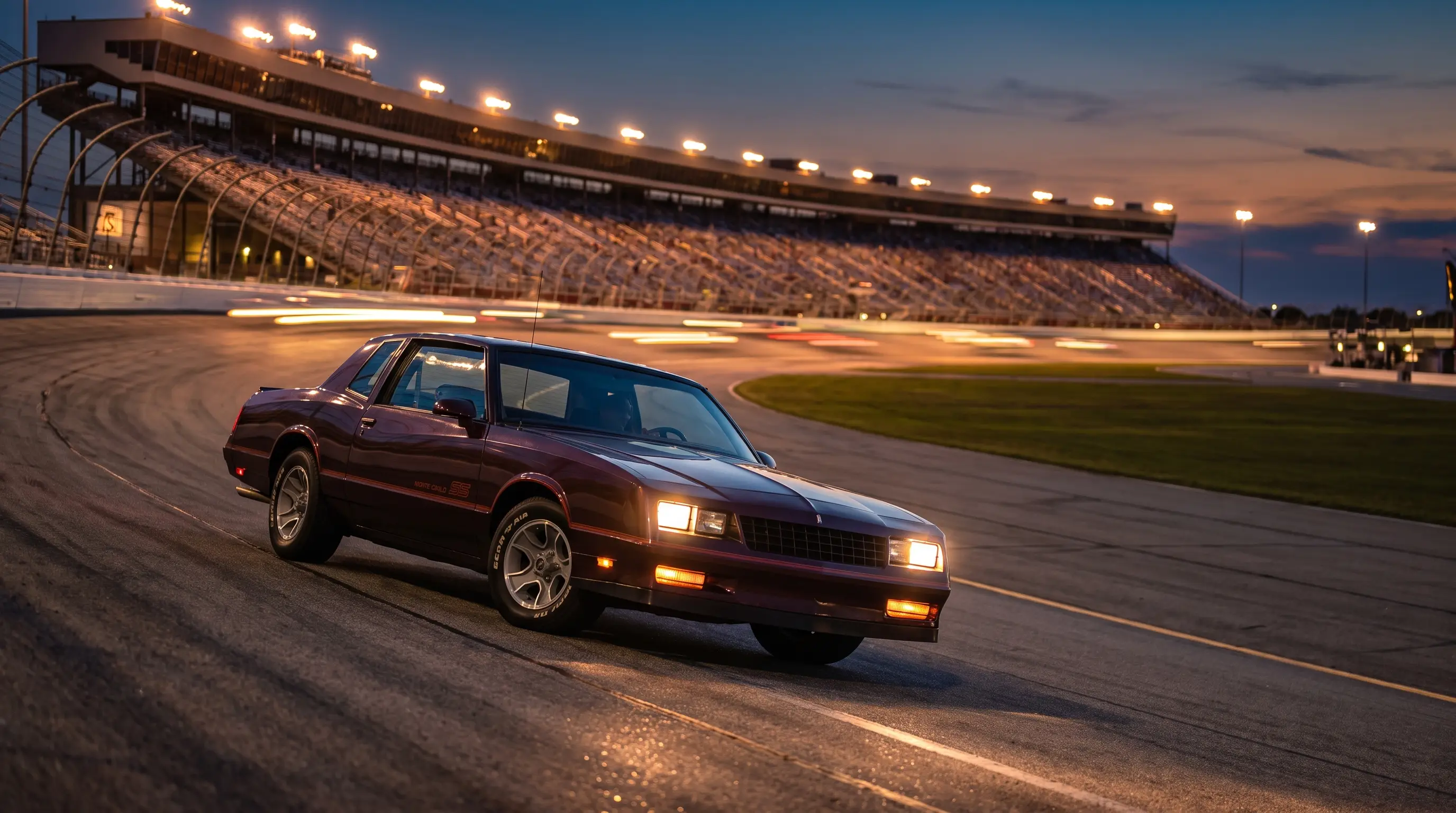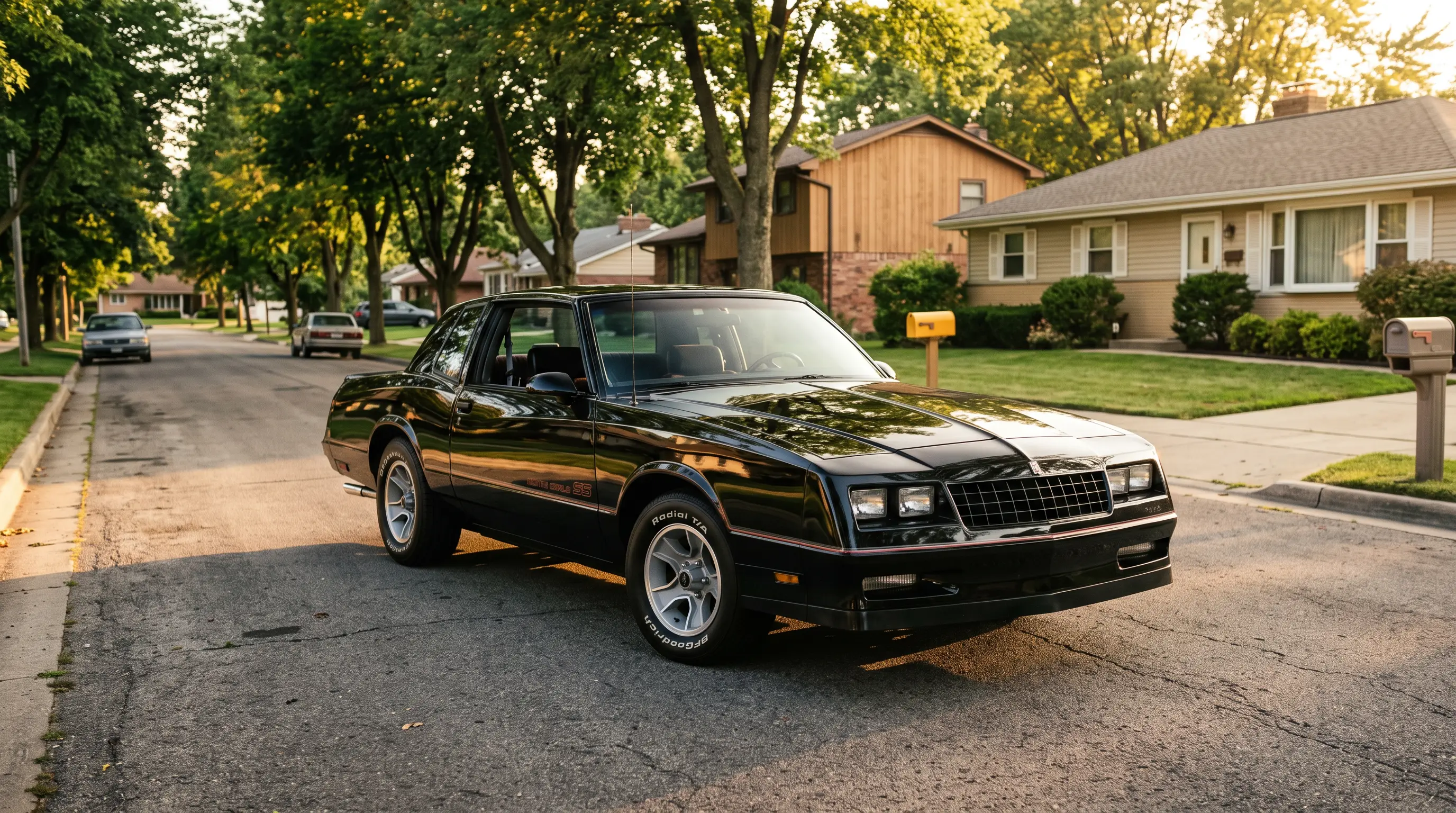
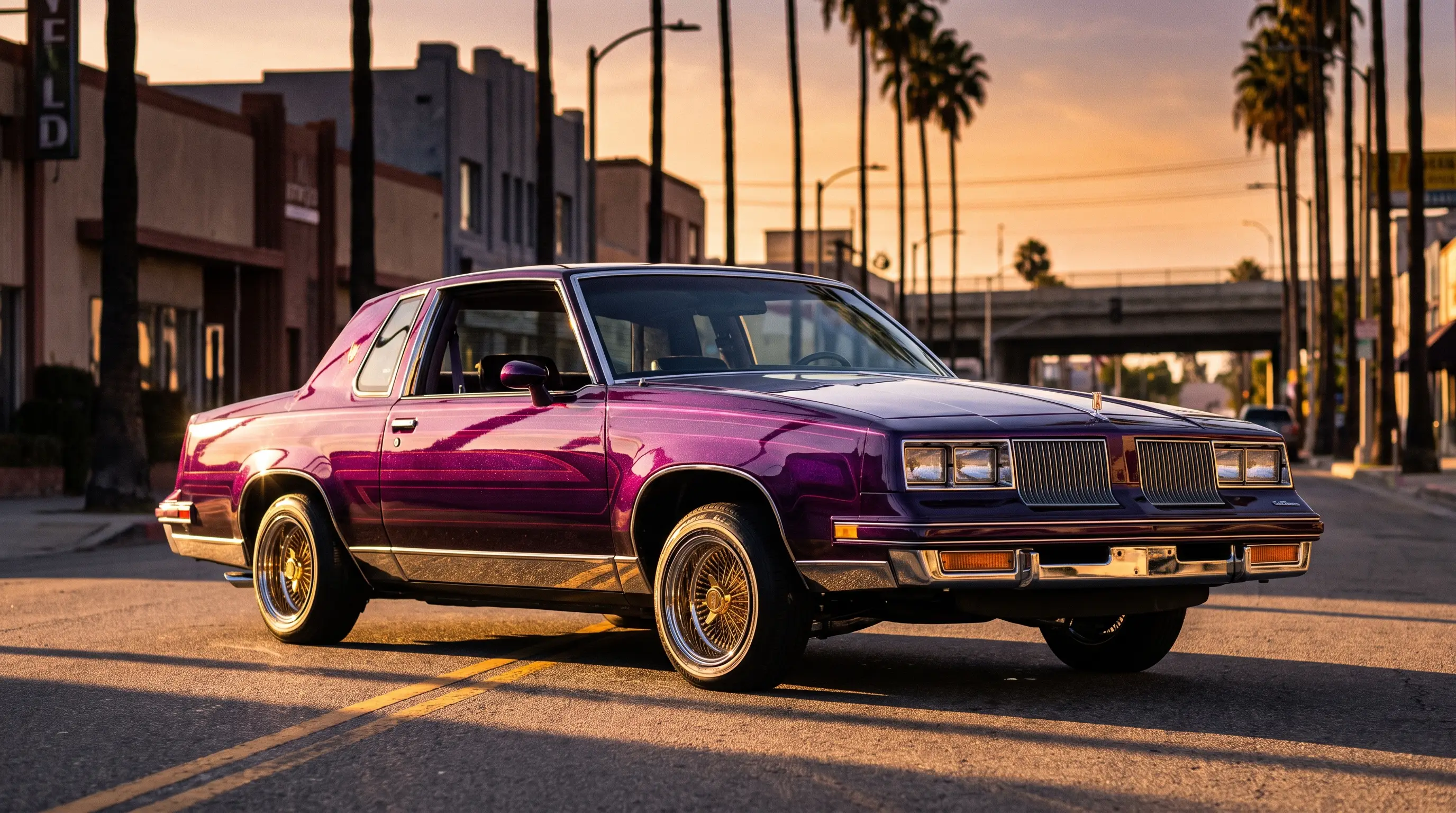
Walk the show field at any major lowrider event in Southern California and you will see it within the first few minutes: a G-body Oldsmobile Cutlass Supreme, hydraulics cocked at an angle no factory engineer ever intended, wire wheels catching the light, paint deep enough to look wet under the sun. Nobody at Oldsmobile designed the car for this life. The Cutlass Supreme that rolled onto GM's rear-wheel-drive G-body platform in 1978 was built as a mainstream family coupe, and yet somewhere along the way an entire custom culture adopted it as a favorite canvas, and it has never really let go.
Why builders picked the G-body in the first place
The reasons were practical before they were aesthetic. The G-body Cutlass had flat, wide body panels with almost no aggressive character lines to fight against when laying deep candy or flake paint. Its wheel openings were generous enough to accommodate the smaller wire wheels the hydraulics scene favored, and its body-on-frame construction, already old-fashioned by 1978 standards, turned out to be exactly what hydraulic setups needed to work safely and predictably. A unibody car flexes and stresses in ways a separate frame does not. The Cutlass, built the old way almost by accident of timing, gave builders a chassis that could handle being lifted, dropped, and hopped without the body twisting itself apart.
There was also simple availability. By the time the custom scene really took hold in the eighties, G-body Cutlass Supremes were everywhere and inexpensive, the kind of used car a young builder could find for a few hundred dollars and turn into a rolling statement. Parts were plentiful. Suspension geometry was well understood. None of that was designed for the purpose it eventually served, but it lined up well enough that builders noticed and kept coming back to the same platform for decades.
The hydraulics era and what it actually demanded of a car
Hydraulic suspension systems do something a stock G-body was never engineered to survive: they store and release pressure fast enough to lift a corner of the car off the ground, sometimes both front wheels at once, in a fraction of a second. Doing that reliably, night after night, show after show, meant reinforcing the frame around the pump mounts, upgrading ball joints and control arm bushings that would otherwise wear out in months, and running batteries in numbers a factory electrical system was never wired for. Builders who understood this did the reinforcement work quietly, under the trunk carpet or behind the rear seat, so the finished car still looked stock at a glance until the moment it was not.
The paint work followed its own discipline. Candy colors, laid over a metallic or gold base and built up in transparent coats, rewarded patience more than raw skill, and a rushed candy job showed every flaw under direct sun in a way a single-stage color never would. Murals, patterns, and pinstriping came later in a build, once the base color had cured properly, and the best shops treated that sequence as close to sacred.
A scene that outlasted the factory that built the car
Oldsmobile stopped building the G-body Cutlass Supreme in 1988, replaced by a front-wheel-drive model that shared almost nothing with it beyond the name. The custom scene did not follow the badge to the new platform. It stayed loyal to the rear-wheel-drive G-body, and if anything the scene has grown more organized and more visible in the decades since production ended, with dedicated car clubs, regional shows, and a documented history that younger builders study the way musicians study old recordings. Anyone curious about how that loyalty formed in the first place should read the culture chapter, which lays out the broader forces, sales numbers, advertising, regional taste, that made the Cutlass a fixture of American driveways before the custom scene ever touched it.
That earlier mainstream popularity mattered more than it might seem. A car has to be common before it can become a canvas; builders need a large, cheap, well-understood supply to draw from, and the Cutlass Supreme's staggering sales figures through the late seventies guaranteed exactly that kind of supply for the following generation of customizers.
What a finished custom Cutlass actually costs today
The economics of this scene have shifted hard in the last decade. A rough, unmolested G-body Cutlass Supreme that once sold for scrap money now commands real prices simply because builders need a clean, rust-free starting point, and those are getting harder to find. A finished, show-quality custom build, hydraulics, deep paint, correct wire wheels, professional upholstery, can represent thousands of hours of labor across multiple specialty shops, and the resale value reflects that even though none of it shows up on a factory build sheet. Readers weighing that investment against straightforward collector value should look at a related deep-dive into what Cutlass models have actually brought at auction, since the custom market and the numbers-matching collector market price these cars in almost entirely different ways.
"Nobody hands you a Cutlass Supreme expecting it to become someone's life's work. But drive through a neighborhood on a summer night and watch one hop at a stoplight, and you understand immediately why an entire culture picked this particular car and never let it go."
— Patrick Walsh
For readers who want the fuller arc, from the compact F-85 trim in 1961 through the sales records of the mid-seventies to the custom builds still rolling today, the complete Cutlass saga connects all of it in one place. And for anyone whose interest in this history turns into wanting to own a piece of it, there is classic Oldsmobile Cutlass for sale listings worth a look, since G-body Supremes in solid, unmolested condition are exactly the kind of blank canvas this scene has always depended on, and they are not getting any easier to find.
Sources and notes
- Oldsmobile Cutlass Supreme - Wikipedia
- Oldsmobile Cutlass Supreme (1978-88) - Autocade
- 1978-1988 Oldsmobile Cutlass Supreme G-Body Guide - Moto Gallery
- Oldsmobile Cutlass Generations Guide - HotCars
- Curbside Musings: 1983 Oldsmobile Cutlass Supreme - Curbside Classic
- Oldsmobile Cutlass Guide - Outright Oldsmobile