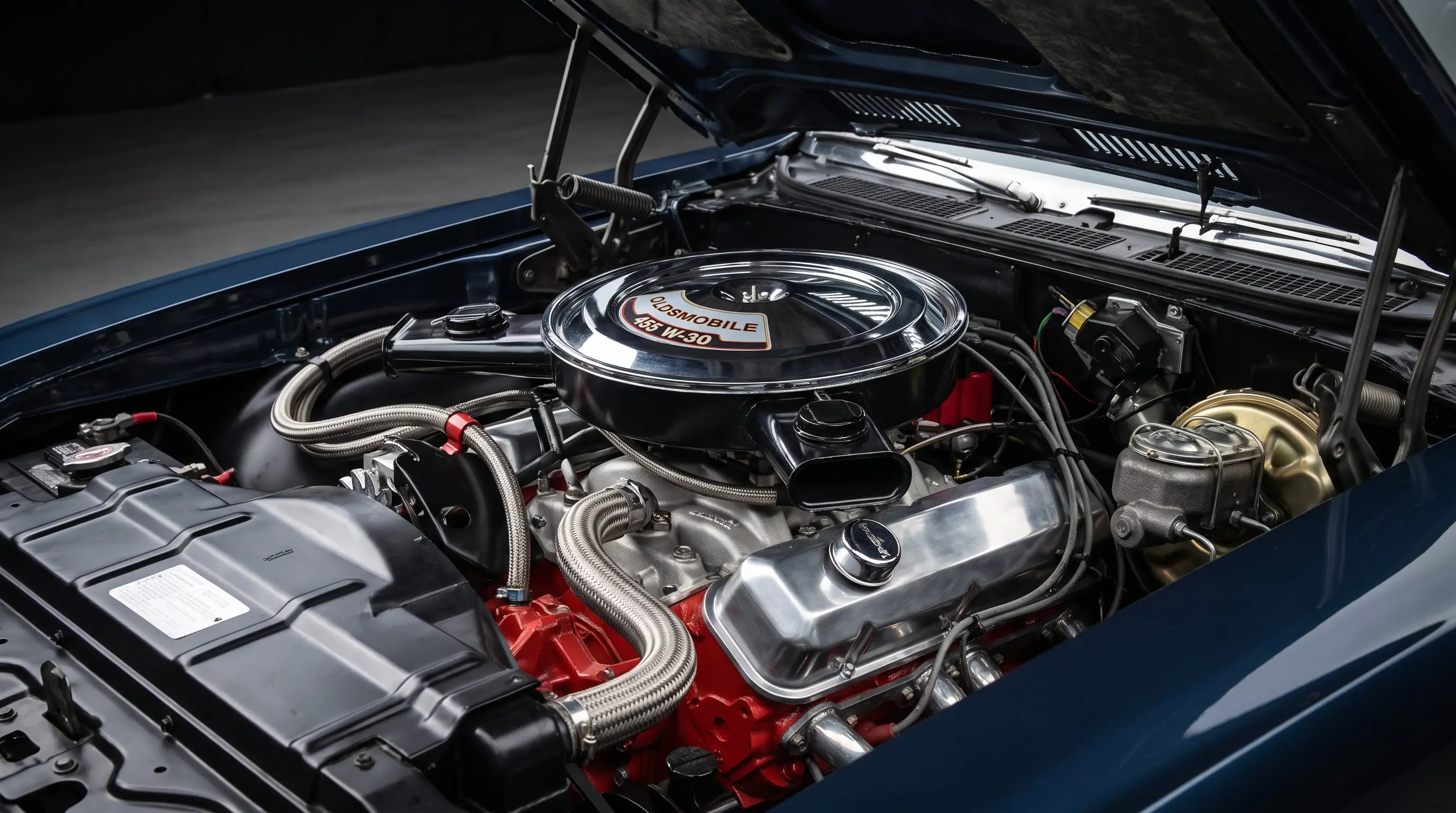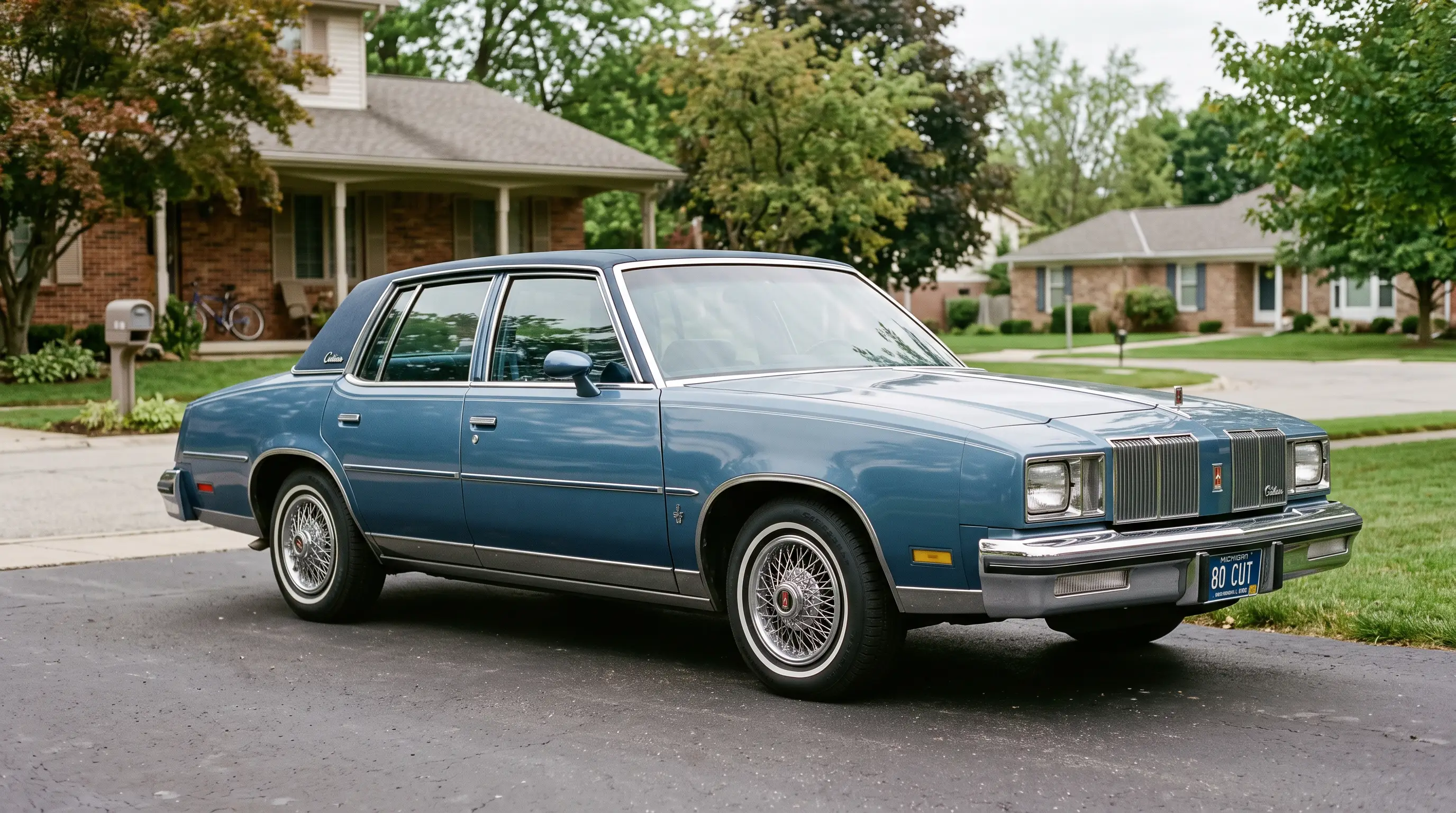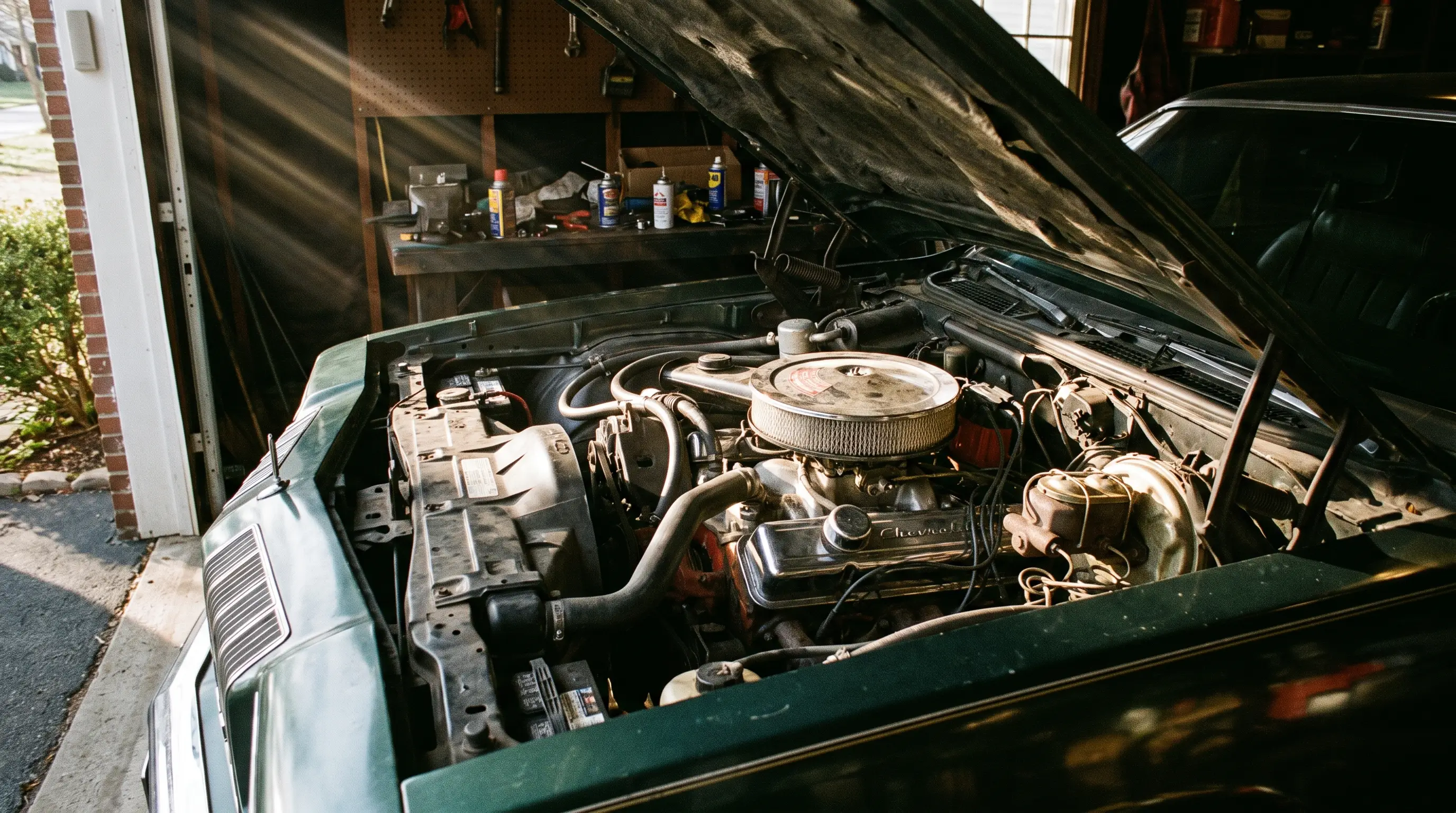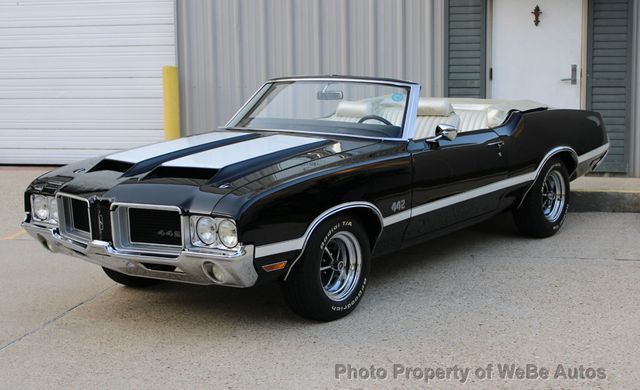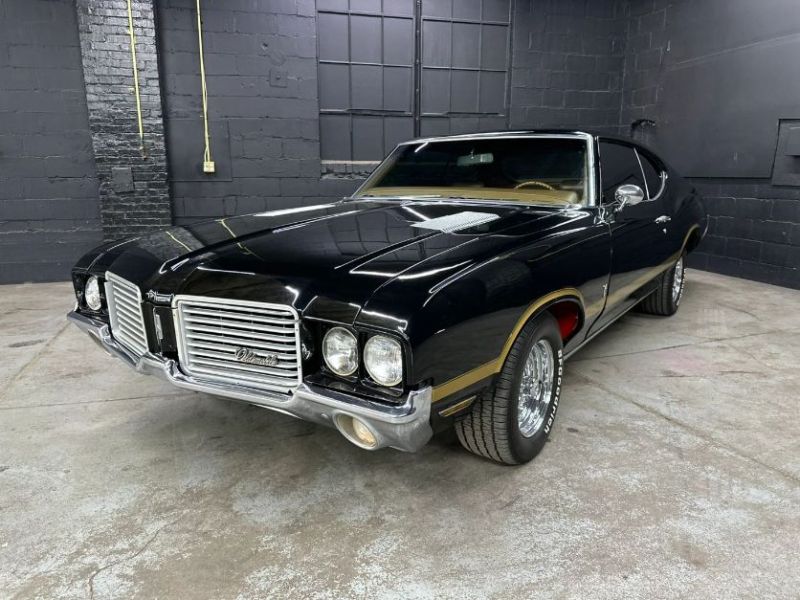
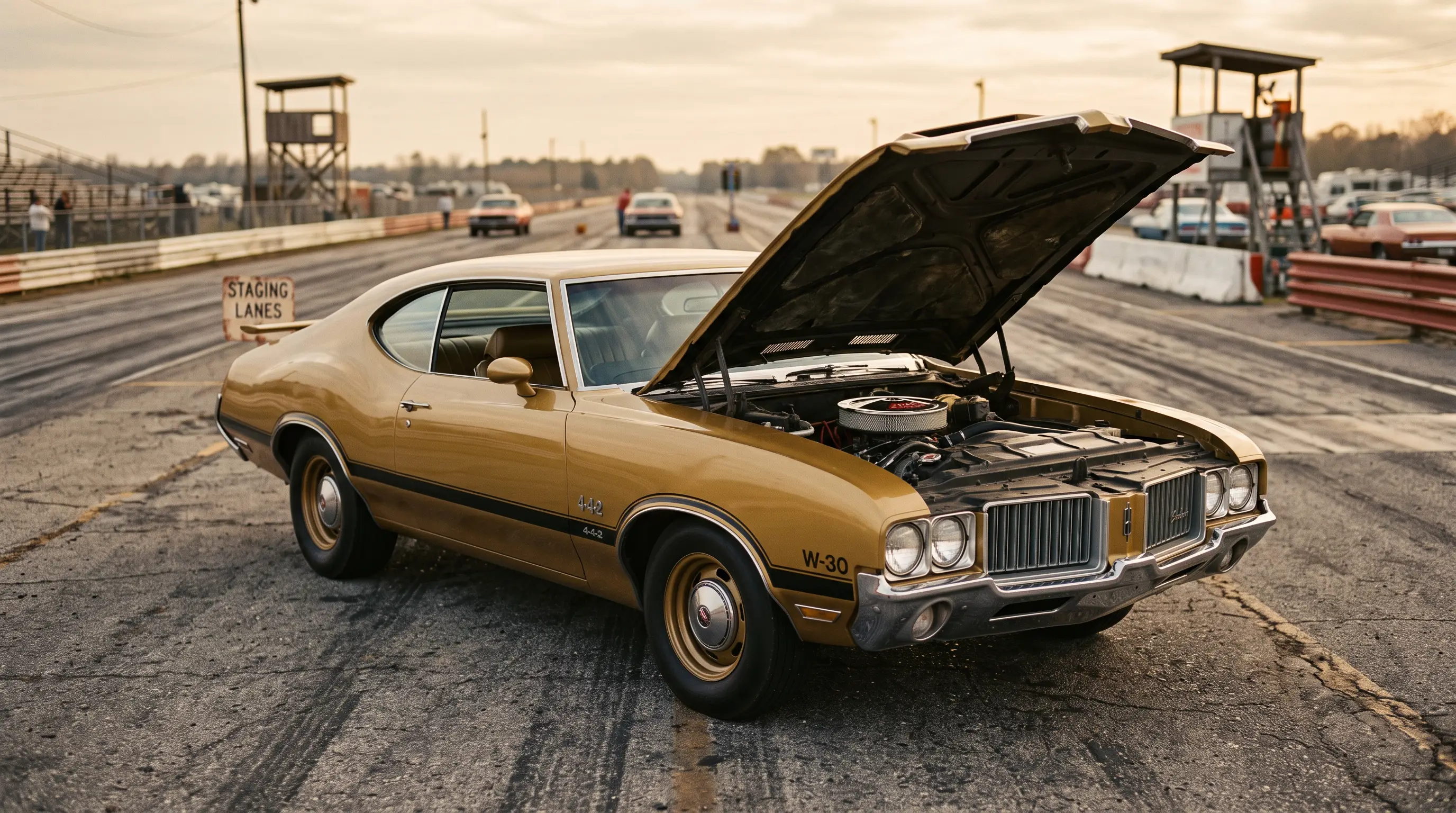
A 1970 Cutlass W-30 455 was rated at 370 horsepower. The same basic engine, two years later, was rated at 300. That is not an engine getting weaker, that is gross vs net horsepower doing exactly what it was designed to do, which is tell the truth instead of flattering a spec sheet. Anyone comparing muscle car numbers across the early 1970s without understanding this shift is comparing two different measurement systems and calling it a horsepower drop.
What gross horsepower actually measured
Through the 1960s, American manufacturers rated engines using the SAE gross standard, which tested the engine on a stand, stripped of the accessories, exhaust system, and air cleaner it would actually run with on the road. No alternator load, no restrictive mufflers, no full air intake path. That setup let an engine spin freely and produce its best possible number, one that had only a loose relationship to what the same engine delivered once bolted into an actual Cutlass with a full accessory belt and a real exhaust system.
Nobody was lying, exactly. Gross ratings were the industry standard and every manufacturer used the same method, so competitors were compared on equal footing. But the number on the window sticker was never what the engine made in the car a buyer actually drove home. A dyno cell with no alternator load, no power steering pump, and open headers instead of a full exhaust system will always read higher than the same engine bolted into a finished production car, sometimes by a wide margin.
Why the switch to net happened in 1971-72
The SAE moved the entire industry to net horsepower ratings starting around 1971 and completed the transition by 1972, testing engines with all accessories installed and the actual exhaust system in place, a far more honest picture of real-world output. The timing collided with something else happening at exactly the same moment: rising insurance costs on high-performance cars and looming emissions regulations were pushing manufacturers to lower compression ratios so their engines could tolerate the lower-octane unleaded fuel coming to pumps. Both changes hit the spec sheet in the same two-year window, which is exactly why the horsepower drop looks so dramatic and confuses buyers even now.
Reading the two numbers side by side
| Year | Rating standard | W-30 455 rating |
|---|---|---|
| 1970 | SAE gross | 370 hp |
| 1971 | SAE gross (lower compression) | 350 hp |
| 1972 | SAE net | 300 hp |
Why this matters for reading old brochures today
Anyone researching a Cutlass 442 or Hurst/Olds from this window needs to check which rating standard applies to the year in question before drawing any conclusion about relative performance. A 1970 442 rated at 365 gross horsepower is not automatically stronger than a 1972 442 rated at 270 net horsepower. The gap between those numbers includes both a real compression reduction and a measurement standard change, and treating it as pure performance loss overstates how much actually changed under the hood.
This confusion shows up constantly in casual conversation about muscle car horsepower wars, where enthusiasts stack big 1960s gross numbers against smaller early-1970s net numbers and conclude the later cars were dramatically weaker. Some of that decline is real, emissions equipment and lower compression did cost genuine power. But a meaningful chunk of the apparent drop is just two different yardsticks measuring the same tape.
"People see 370 horsepower in 1970 and 270 horsepower in 1973 and assume Oldsmobile gutted the engine. Some of that's real. A good chunk of it is just a different ruler. Compare gross to gross or net to net, never gross to net, or you're not comparing engines, you're comparing paperwork."
— Dan Reeves
How other manufacturers handled the same transition
Oldsmobile wasn't navigating this alone. Every American manufacturer switched from gross to net ratings in the same two-year window, because the SAE standard applied industry-wide, not to a single company. Ford, Chrysler, and GM's other divisions all published brochures showing the same kind of apparent horsepower cliff between 1970 and 1972, which is one reason the confusion has stuck around in collector circles for decades. A buyer comparing a 1970 Chevelle SS to a 1972 442 across manufacturer lines runs into the exact same measurement mismatch as comparing two Oldsmobiles against each other.
That shared context is useful context for judging period road tests too. Magazine writers testing cars in 1971 and 1972 sometimes noted the new net ratings explicitly, other times they didn't, and modern readers picking up an old road test without that framing can walk away with a skewed sense of how much the muscle car era actually declined by 1972 versus how much of it was just better bookkeeping.
Applying this to engine comparisons across the Cutlass lineup
The same rule applies everywhere in Oldsmobile's lineup during this window, not just the 442 and Hurst/Olds performance models covered in the engine chapter. Base Cutlass V8s, wagon engines, and the smaller displacement options all crossed the same gross-to-net line at the same time, and all of them show the same apparent, partly illusory, horsepower cliff in period literature.
Horsepower ratings weren't the only place General Motors' internal engine decisions created confusion for buyers during this era. For another angle on how engine sourcing across GM divisions caused its own controversy, the story runs in a similar direction: paperwork and marketing sometimes told a different story than what was actually under the hood.
Sources and notes
- Wikipedia: Oldsmobile 4-4-2
- HowStuffWorks: 1971 Oldsmobile 4-4-2 W-30
- Automobile Catalog: 1971 Oldsmobile 4-4-2 W-30
- Moto Gallery: 1972 Oldsmobile 442 W-30 Specs, History, Values
- CarBuzz: The Oldsmobile 442 Had A More Powerful V8 Than The Company Claimed
- Ate Up With Motor: Gross Versus Net Horsepower Ratings