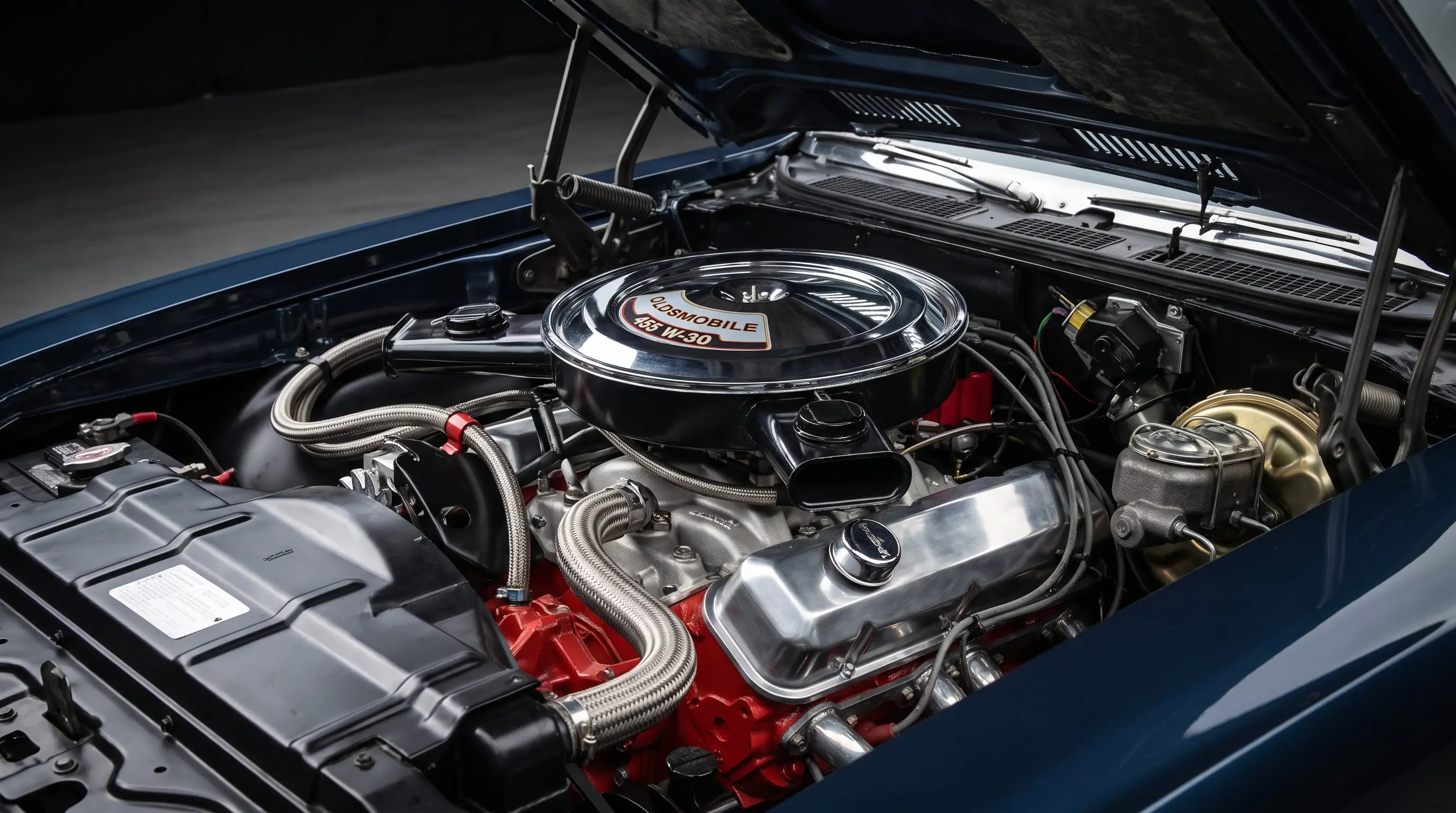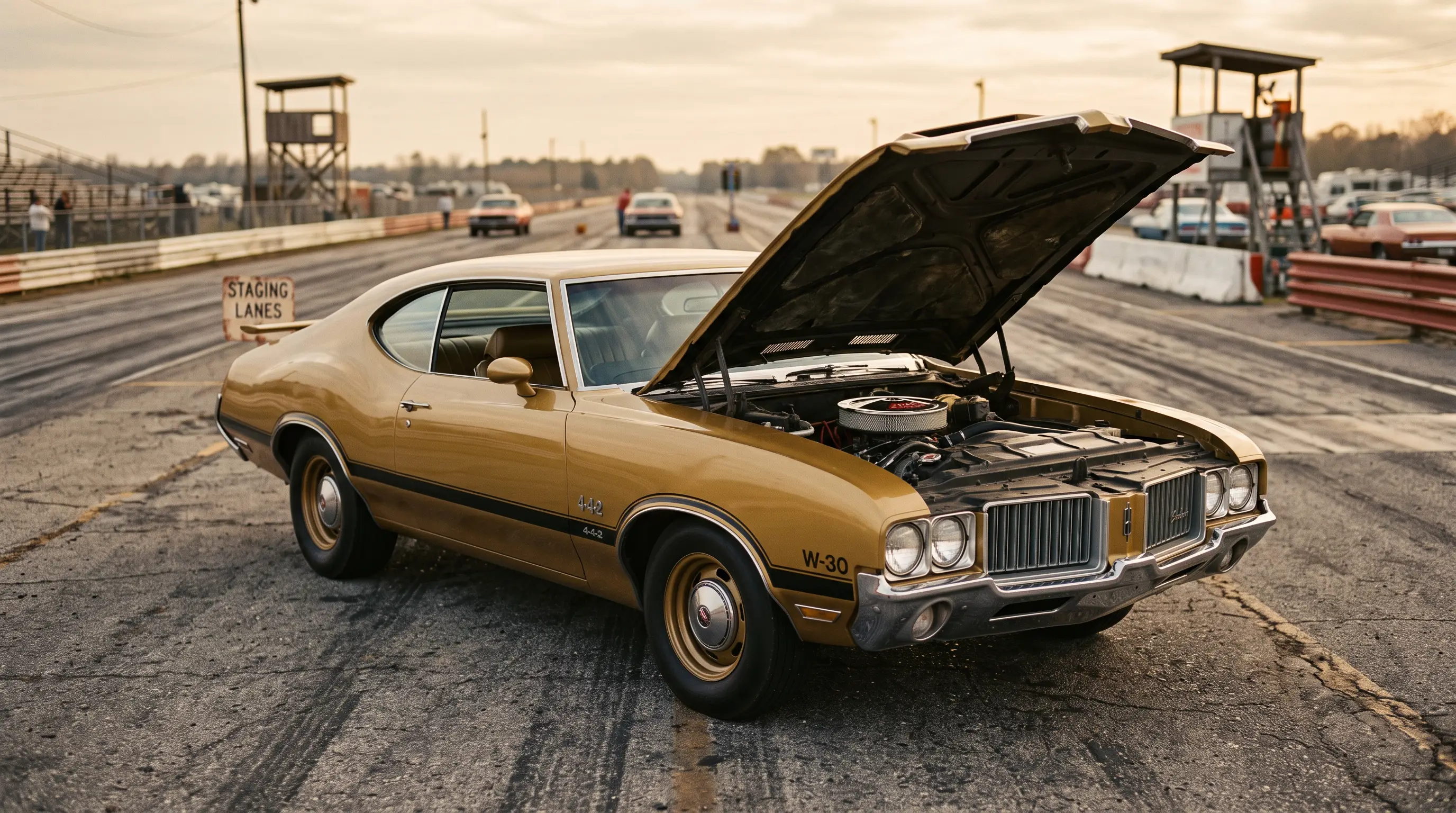
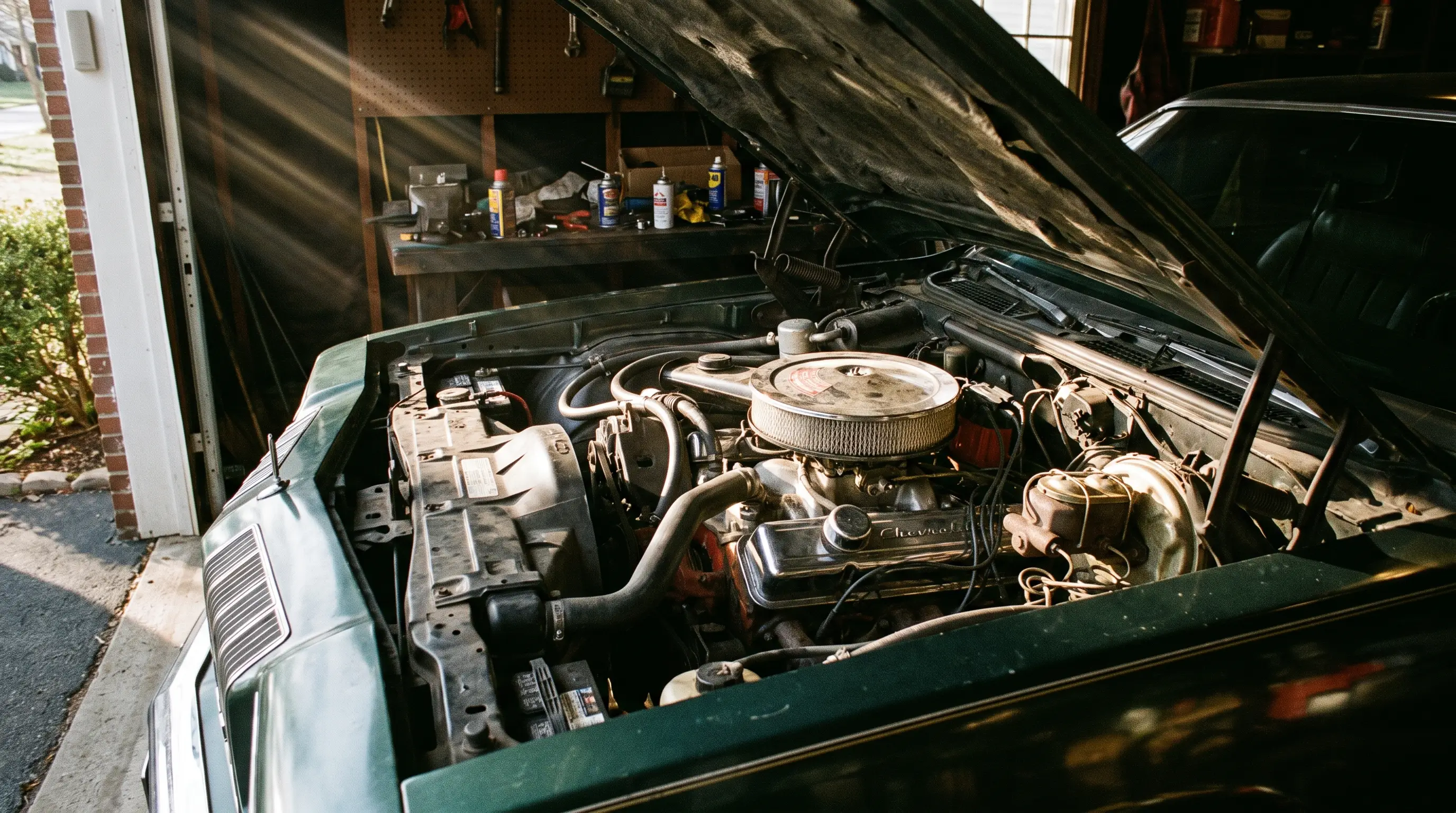
In the fall of 1977, a guy in Illinois popped the hood on his brand-new Oldsmobile and found something that didn't belong there. He'd ordered the car with the standard 350 cubic inch V8, the one with the Rocket name on the valve covers going back two decades. What he found instead was a Chevrolet-built 350, different block casting, different heads, different oil filter location, the works. He wasn't imagining things. I've had guys ask me about this one for years, and the short answer is: yes, it really happened, and it happened a lot more than GM wanted anyone to know.
This is one of those stories that gets exaggerated in both directions. Some people treat it like GM stuffed junk engines into Oldsmobiles. Others act like it was no big deal, just corporate badge engineering, get over it. Neither one is quite right. Here's what actually went down, and why it still matters if you're shopping a late-70s Cutlass or Delta 88 today.
What actually happened in 1977
By the mid-1970s, GM was running what it called a corporate engine policy. Instead of every division building every engine it sold, GM shuffled small-block V8s across divisions to balance plant capacity and meet demand. Oldsmobile, Buick, and Pontiac all sold cars in 1977 that were ordered with a 350 and showed up with a Chevrolet-sourced 350 under the hood instead of the division's own engine. For Oldsmobile specifically, that meant a good number of Delta 88s, Cutlasses, and Ninety-Eights left the factory with a Chevy 350 wearing an Oldsmobile air cleaner decal.
The two engines were not identical. The Chevy small-block used a different bellhousing bolt pattern, different motor mounts, a different oil filter orientation, and different rebuild parts. A mechanic used to servicing the Oldsmobile Rocket 350 could open the hood, reach for a part number, and find out it was wrong. That's not a rumor. That's a parts-counter reality that played out at dealerships across the country that fall.
Why Oldsmobile buyers cared so much
Here's the part people miss if they weren't around buying cars in the 70s. Oldsmobile had spent decades building a reputation on the Rocket V8, and that name meant something specific to the guys who bought these cars. It wasn't snobbery. There were real differences in how the engines were built, serviced, and warrantied, and a customer who paid for an Oldsmobile assumed he was getting an Oldsmobile engine. When the window sticker and the build sheet said one thing and the block casting said another, that's a straightforward case of getting something other than what you paid for.
Add to that the fact some state emissions and warranty paperwork referenced engine specifications that didn't match what was actually under the hood, and you had buyers who felt lied to twice over, once by the dealer who sold them the car and once by the paperwork that came with it. I've walked people through the Cutlass engine story plenty of times, and this episode always comes up as the exception to an otherwise solid reputation.
"I don't care how similar two 350s look from across the shop. If a customer paid for a Rocket and got a Chevy, that's not a technicality, that's a different engine, and he's got a right to be mad about it."
— Mike Sullivan
The lawsuits and the settlement
Angry owners didn't stay quiet. Complaints piled up at dealerships, then at state attorneys general offices, then in court. Illinois became a focal point for the legal fight, and the case eventually grew into a broader class action against General Motors covering owners in multiple states who'd bought Oldsmobiles, Buicks, and Pontiacs with the wrong-division engine. GM's position was that the engines were mechanically equivalent and covered under the same warranty, so no harm was done. Plenty of judges and state regulators didn't see it that way.
The outcome landed somewhere in the middle, and it landed in more than one round. GM first settled with attorneys general in 44 states, offering roughly 75,000 owners a $200 cash payment plus a transferable three-year/36,000-mile warranty, rather than admitting the engines were defective. Owners who held out for more went to trial instead, and in 1981 an Illinois federal jury ordered GM to pay $550 to customers who'd bought before April 10, 1977. A separate 1983 settlement covering additional Chevymobile buyers paid up to $400 apiece under a $3.4 million agreement. Regulators also pushed GM to disclose engine sourcing more clearly, which is part of why "corporate 350" language started showing up in GM literature the following model years.
| Detail | Oldsmobile Rocket 350 | Chevrolet 350 (as installed) |
|---|---|---|
| Bellhousing bolt pattern | Oldsmobile pattern | Chevrolet pattern |
| Oil filter location | Passenger side, angled | Driver side, straight down |
| Distributor drive | Oldsmobile-specific | Chevrolet-specific |
| Common identifier | Block casting on driver's side, ahead of the head | Block casting on passenger side, behind the intake |
What it means for buyers today
Nearly fifty years later, this matters for a completely different reason: it changes what "correct" means on a 1977 Oldsmobile you're looking to buy. If you're chasing originality on a 1977 Cutlass, you can't just assume a 350 under the hood is a Rocket 350. Some cars left the factory that way, legitimately, and swapping a correct Oldsmobile block into one of those cars now to "fix" it would actually be moving away from how the car was originally built. That's a strange wrinkle for the numbers-matching crowd to sit with.
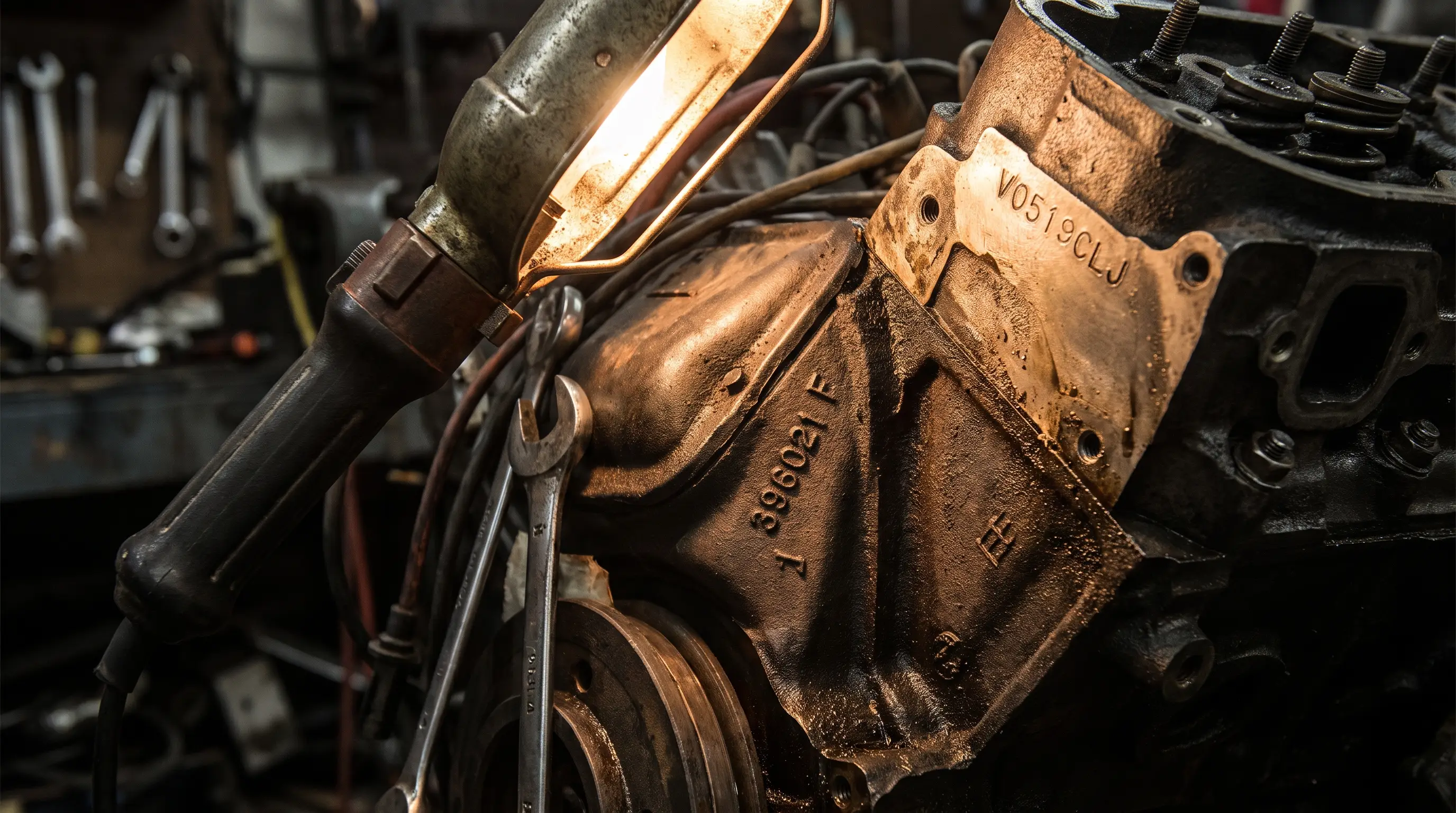
My advice is simple. Pull the block casting number and compare it against the build sheet or Protect-O-Plate if the car still has one. Don't assume anything based on the air cleaner decal, because that decal doesn't prove much of anything on a 1977 car. If you want to go deeper on decoding what's actually sitting between the fenders, I put together a related deep-dive that walks through the casting numbers and stamped codes block by block.
It's a footnote in Oldsmobile's history, but it's a footnote that still shows up on a lift every time somebody brings in a 1977 model wondering why the parts book doesn't match the car in front of them.
Sources and notes
- Mac's Motor City Garage: Engine Swap, GM's 1977 Rocket V8 Scandal
- Curbside Classic: The 1977 Oldsmobile Chevrolet Engine Scandal
- The Washington Post: "Chevymobile" Owners' Suit
- UPI Archives: Chevymobile Owners Ask Judge to Overrule Jury Verdict
- UPI Archives: Award in Chevymobile Engine Switch Case
- TIME: Business, End of the Great Engine Flap