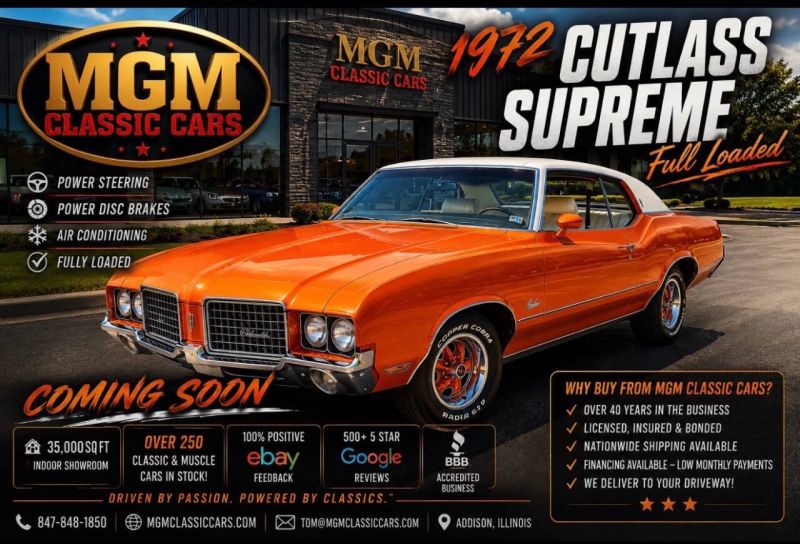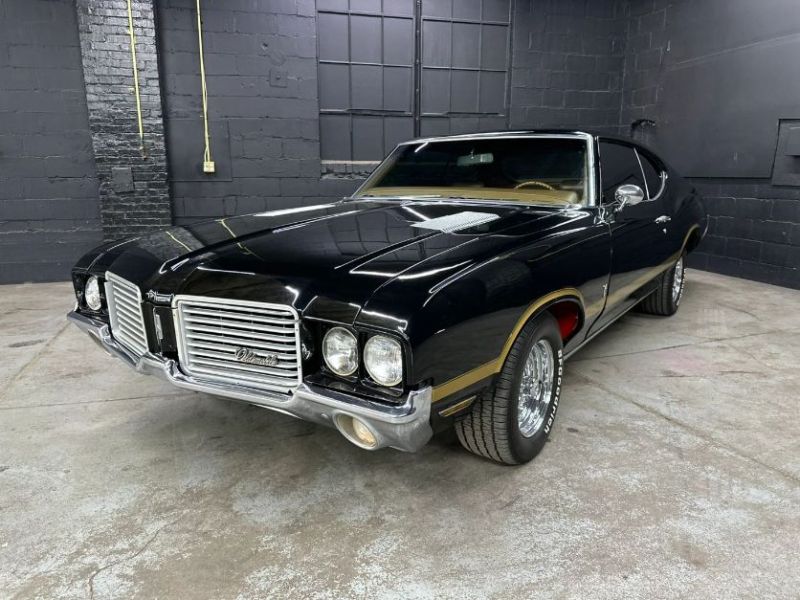
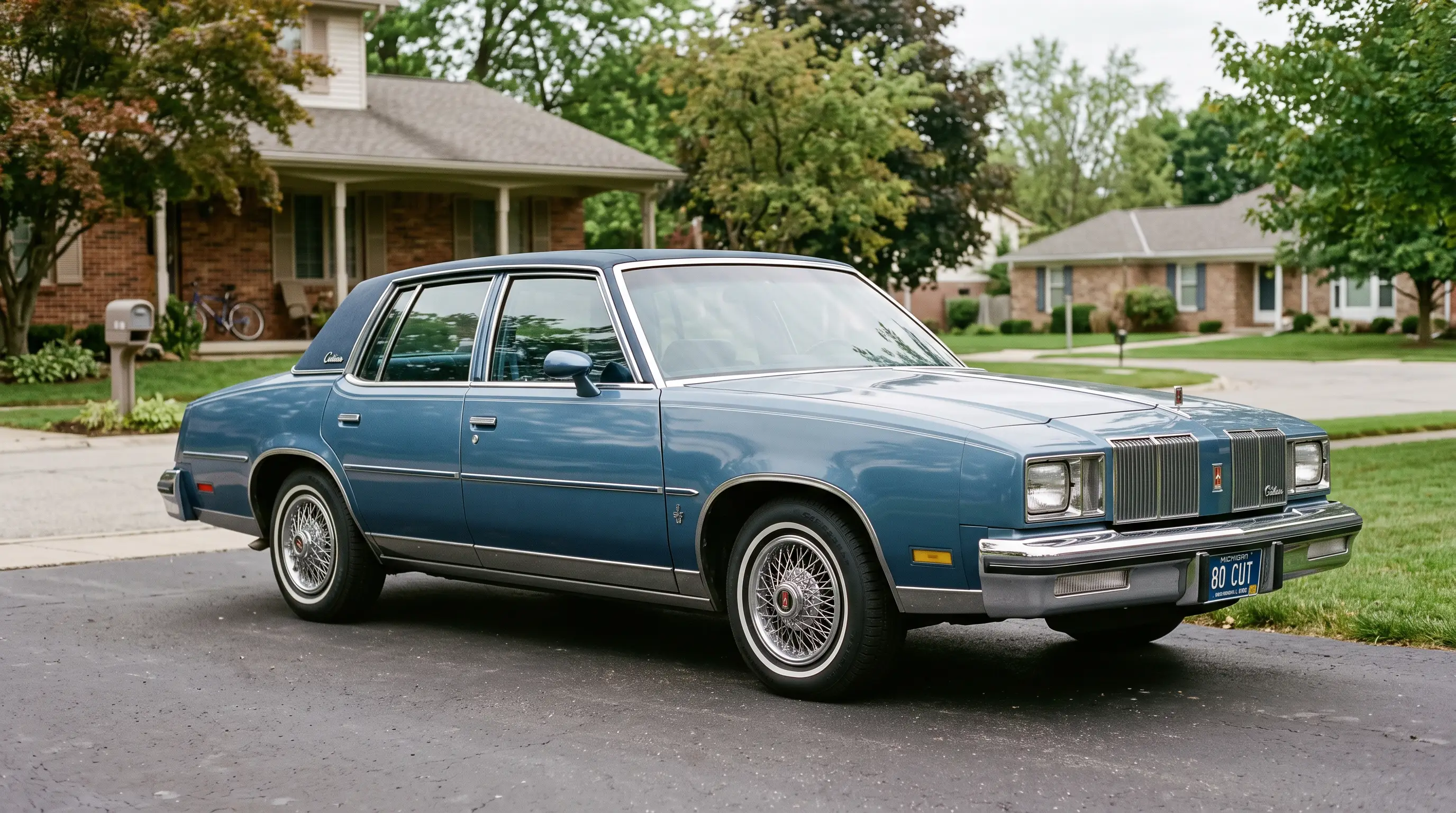
The oldsmobile 307 engine outlived nearly every other Rocket V8 Oldsmobile ever built, staying in production from 1980 all the way to 1990. It never made big horsepower and it never tried to. What it did was survive the downsizing era, the fuel economy mandates, and the emissions rules that killed off far more interesting engines around it, and that longevity is the actual story here, not any number on a dyno sheet.
What the 307 replaced and why
By 1980, Oldsmobile's engine lineup was in transition. The 350 Rocket V8, a mainstay of Cutlass power for over a decade, was getting phased down as GM's corporate average fuel economy targets tightened year over year. The 260 cubic inch small-block that had briefly filled the economy slot wasn't a strong performer either. The 307 stepped into the gap as a right-sized compromise: enough displacement to move a full-size or intermediate Cutlass Supreme comfortably, small enough to meet the fuel economy numbers GM needed across its fleet.
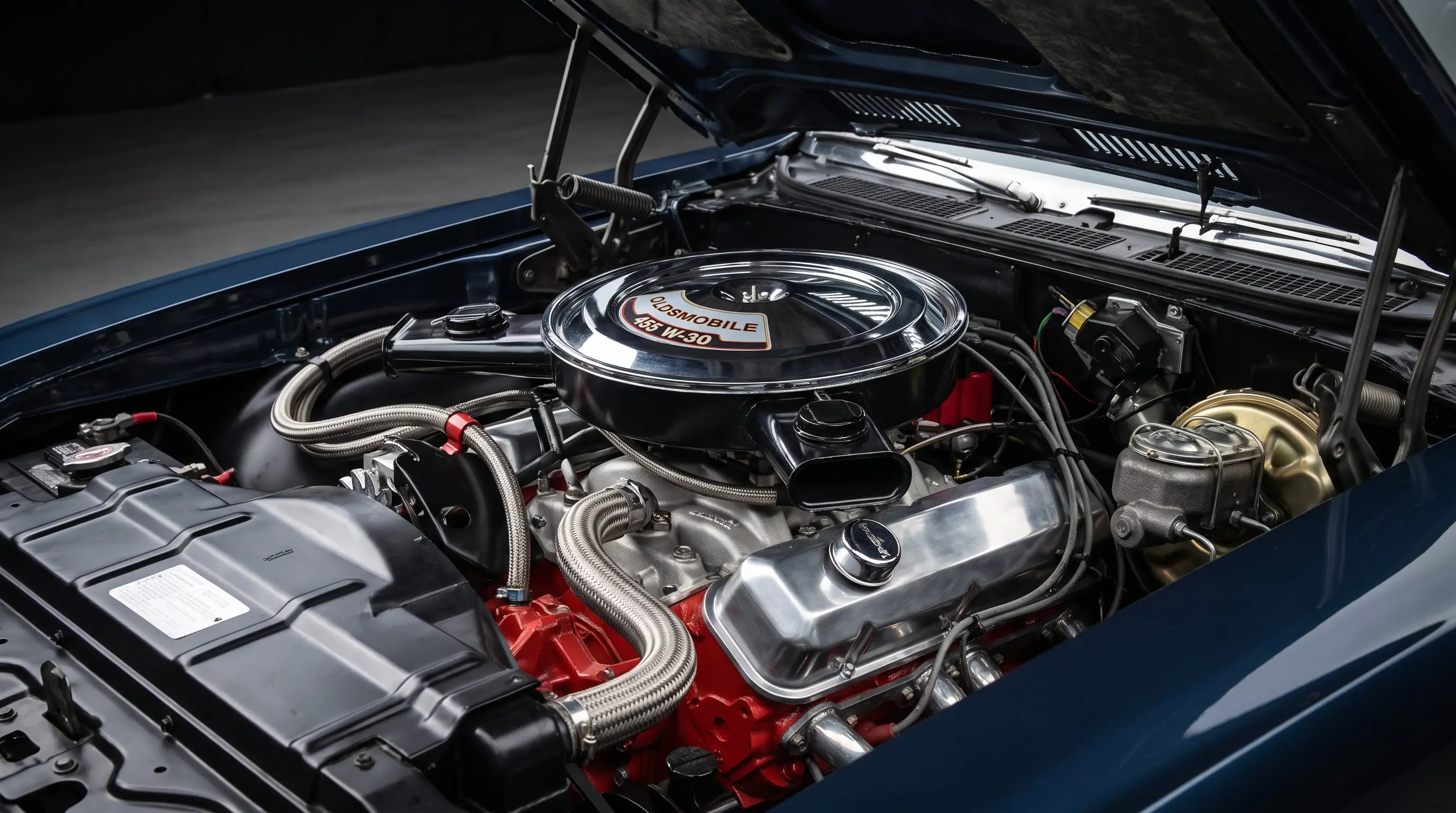
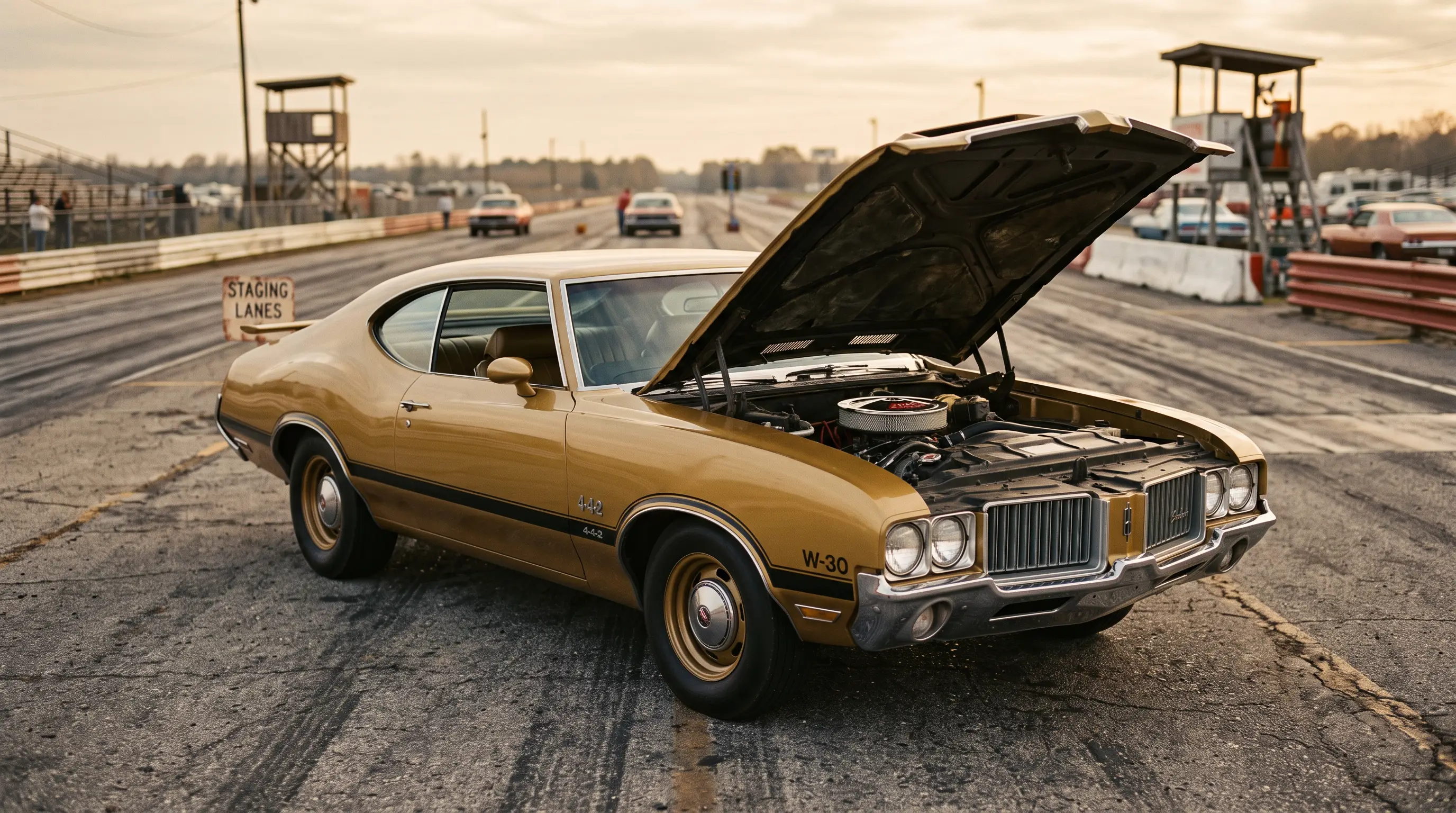
Output was modest by any earlier Cutlass standard. The standard version ran 140 to 148 horsepower across most of the 1980s, and a rarer high-output "9"-code version introduced partway through the decade was rated at 180 horsepower, still nothing close to the muscle era but a real jump over the base tune. Torque numbers held up better than horsepower did, which matched what a heavier downsized Cutlass Supreme actually needed for everyday driving rather than a stoplight launch. That's a fraction of what a 442 W-30 made a decade earlier, but comparing the two misses the point. The 307 wasn't built to win stoplight races. It was built to keep a Cutlass Supreme on the road through an era when survival, not speed, was the engineering priority.
A two-barrel engine in a four-barrel world
Most 307 applications ran a single two-barrel carburetor, a deliberate simplicity that kept the engine cheap to build and easy for dealer service departments to maintain. That's a contrast worth sitting with. A decade earlier, Oldsmobile buyers cross-shopped four-barrel carburetion and dual exhaust as standard performance expectations on a Cutlass. By 1980, the conversation had shifted entirely to miles per gallon and emissions compliance, and the 307's plain-carburetor, single-exhaust configuration reflects exactly where Detroit's priorities had moved.
Where it lived across the Cutlass lineup
| Application | Years | Typical output |
|---|---|---|
| Cutlass Supreme (G-body) | 1980-1990 | 140-148 hp standard, 180 hp on the high-output "9" code |
| Custom Cruiser wagon | 1980s | Similar tune, higher torque demand |
| Other GM B/G-body cars | 1980-1990 | Shared across Buick and Oldsmobile lines |
Service departments generally welcomed the 307 for exactly this reason. Its two-barrel simplicity meant fewer tuning variables to chase and fewer parts to stock compared to the four-barrel, dual-exhaust performance engines Oldsmobile had been building a decade before, and that ease of maintenance mattered more to daily owners than any horsepower figure.
The 307 wasn't exclusive to Oldsmobile's own cars either. GM spread it across several B-body and G-body platforms during the 1980s, which meant an engine originally built to keep a Cutlass Supreme competitive on fuel economy ended up under the hood of full-size Oldsmobiles and other GM nameplates as well. That kind of platform-wide reuse is common in this era, and it's part of the same corporate thinking that produced Oldsmobile Rocket power shared engines across divisions in the first place.
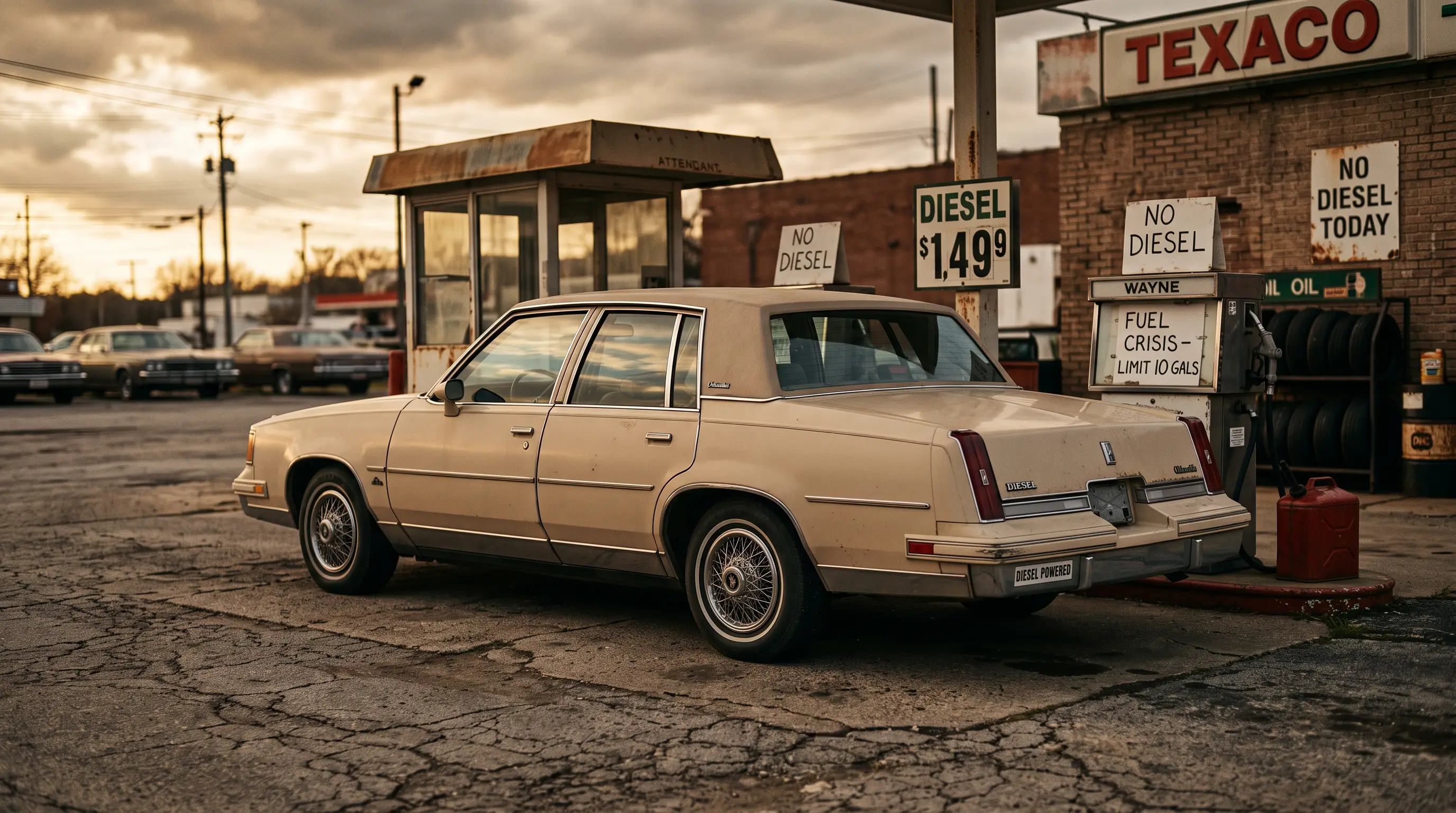
"Nobody bought a Cutlass Supreme with a 307 to win anything. They bought it because it started every morning, passed emissions, and didn't need a warranty extension like the diesel did. Boring is a feature when the alternative is a tow truck."
— Dan Reeves
The 307 and General Motors' broader engine strategy
The 307's plainness fits a pattern GM leaned on across its entire divisional structure during the 1980s. Rather than each division engineering its own bespoke engine family for every platform, GM increasingly shared blocks, tooling, and even complete engines across Buick, Oldsmobile, Pontiac, and Chevrolet lines to control costs during a decade of tightening regulation and shrinking margins on mid-size cars. The 307 stayed an Oldsmobile-built engine, unlike some of the Chevrolet-sourced small-blocks that ended up in Oldsmobile bodies during this era and caused their own controversy. That distinction mattered to Oldsmobile buyers who specifically wanted a Rocket-family engine under the hood, not a corporate-cousin substitute.
Longevity is really the 307's defining trait. An engine designed to satisfy 1980 emissions and fuel economy requirements was still being installed in new cars a full decade later, largely unchanged in its basic architecture. Few Oldsmobile V8s from any era matched that kind of extended service life, and it says something about how well GM's engineers solved the specific problem they were asked to solve, even if the resulting engine never excited anyone at a stoplight.
What a 307-powered Cutlass means for a buyer today
A 307 under the hood of a Cutlass Supreme today is not a performance find, and nobody should shop one expecting muscle car numbers. It is, however, an easy engine to live with day to day, and parts commonality with other GM small-blocks of the era means most repairs don't require chasing rare or expensive components. What it offers is a durable, well-understood engine with decades of parts availability behind it, a real advantage for anyone who wants to drive a downsized-era Cutlass regularly rather than trailer it to shows. Values on 307-powered cars track well below their 442 and Hurst/Olds counterparts, which makes them an accessible entry point into Oldsmobile ownership.
The 307's story sits right alongside the era's other economy-driven engineering choices, and it pairs naturally with another angle on why horsepower numbers across this whole period look so different from the muscle car years. For the full sweep of how Oldsmobile got here, our Classic Cars Arena feature covers the entire Cutlass timeline in one place.