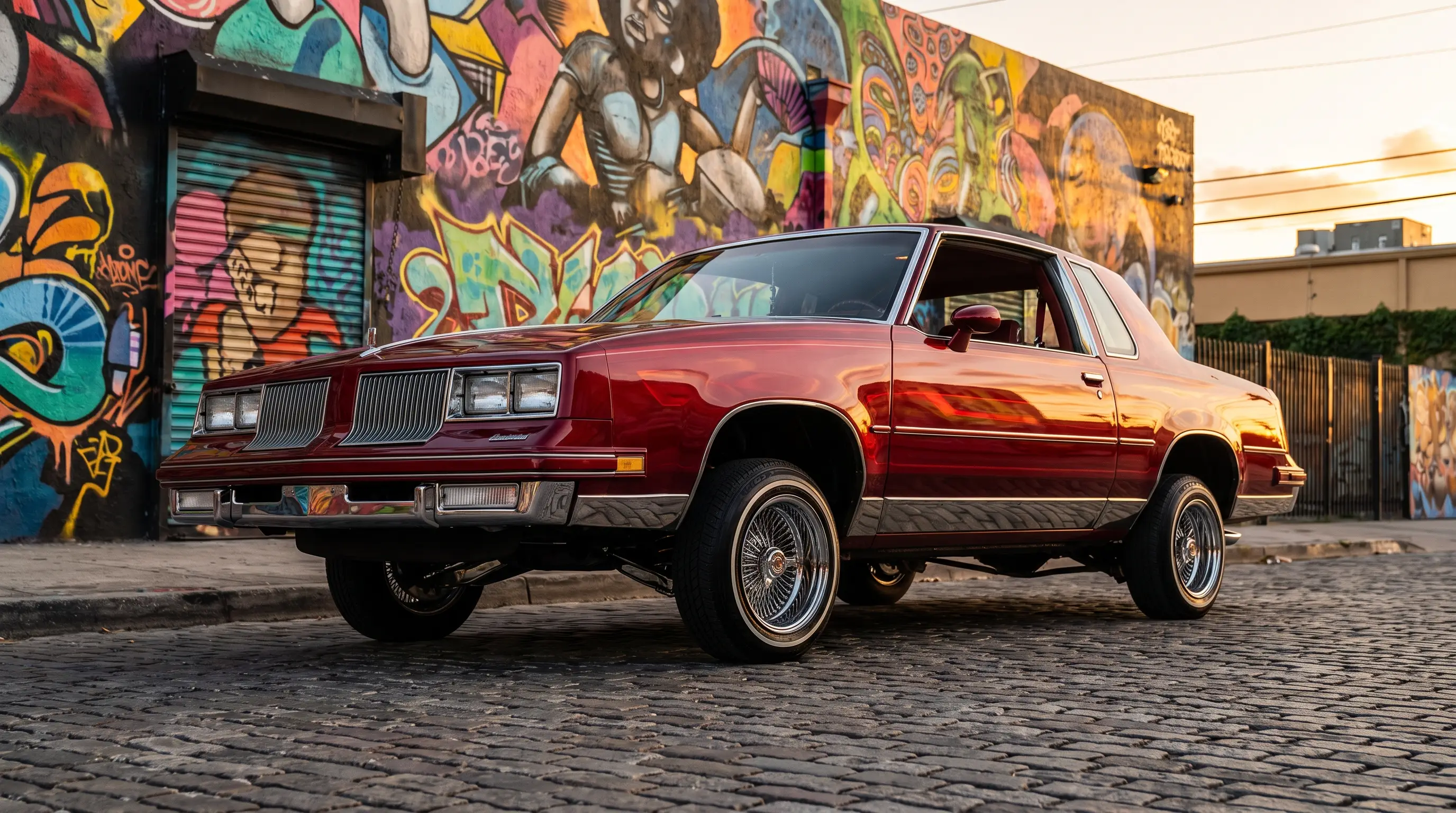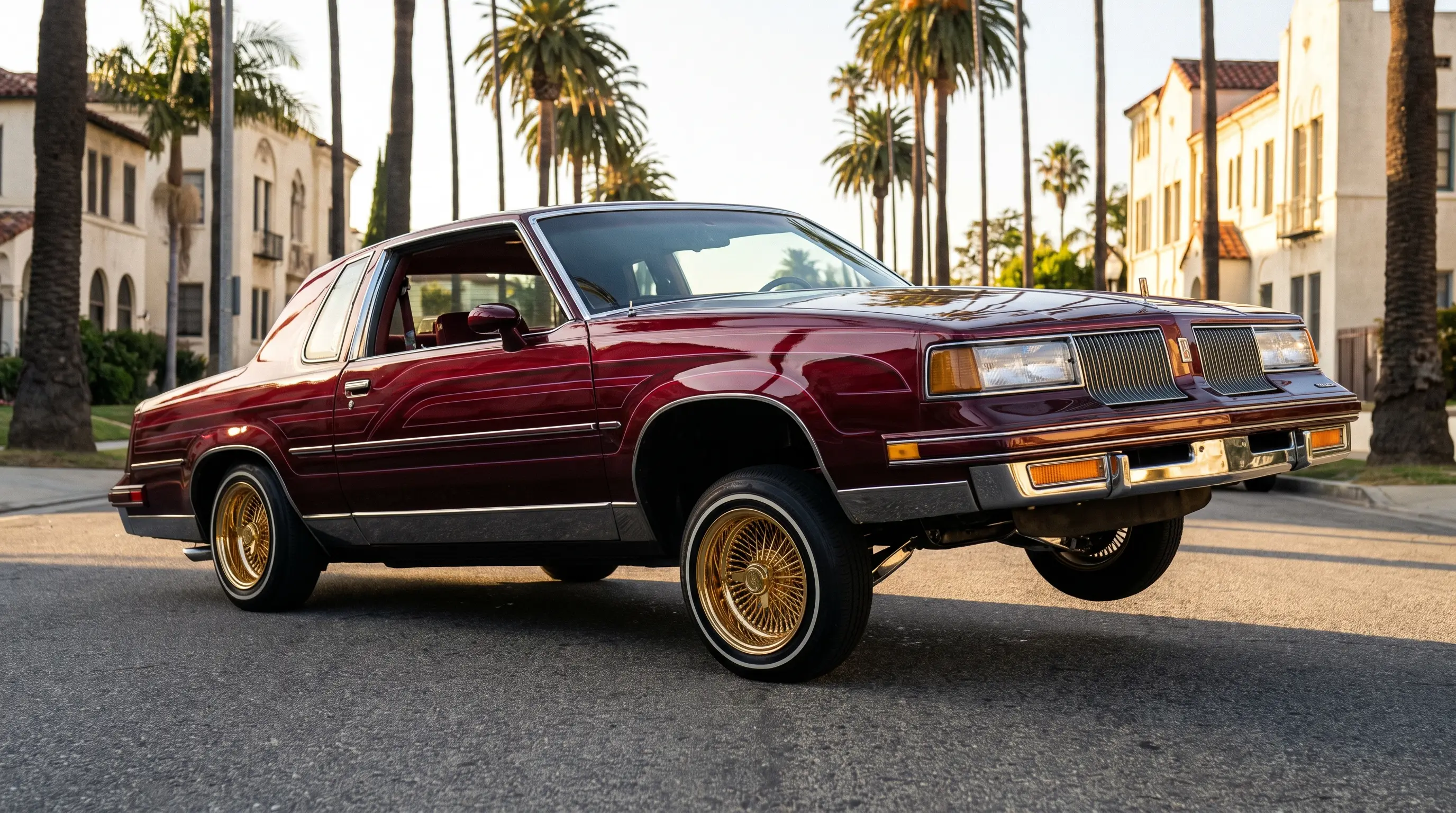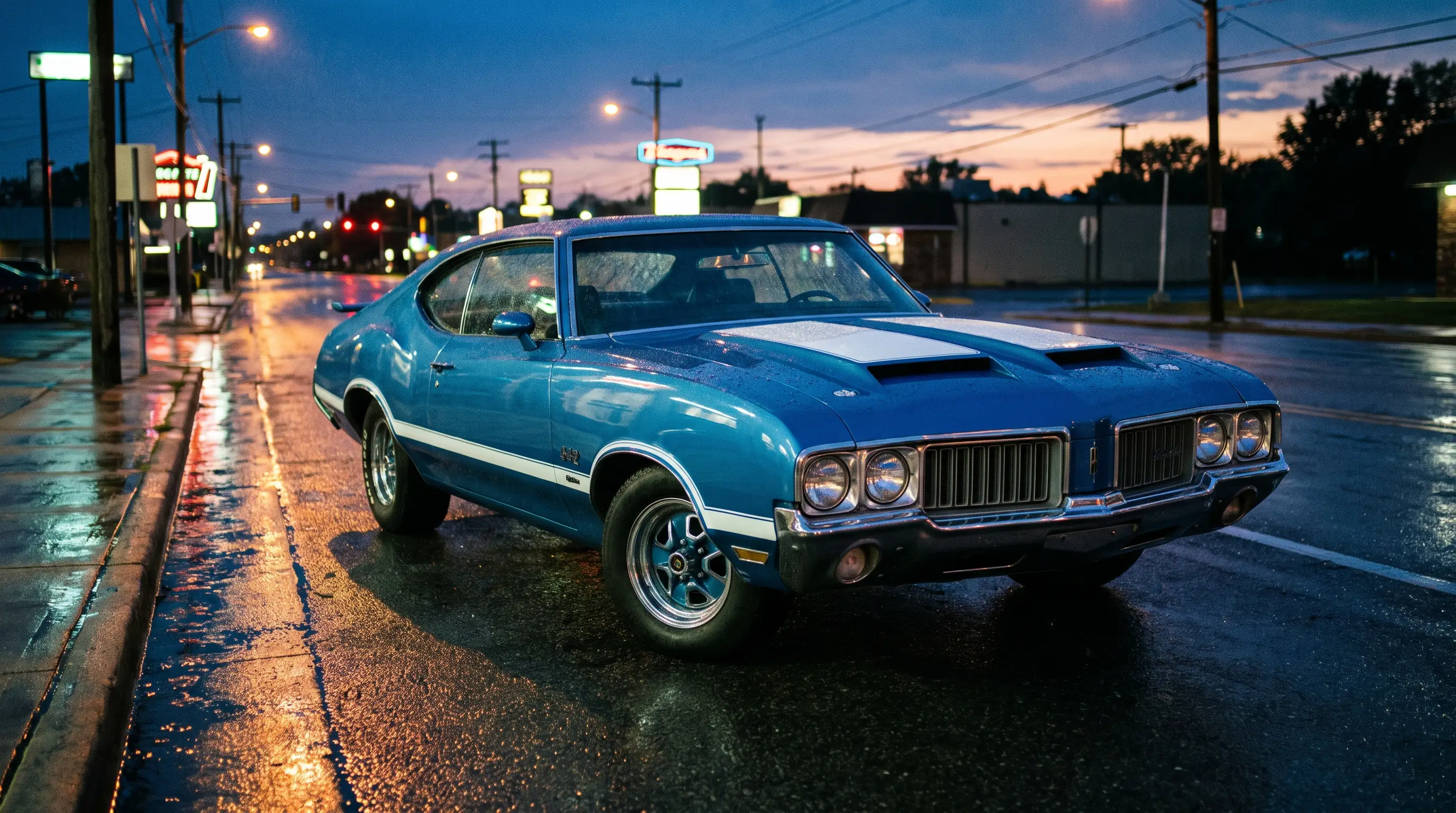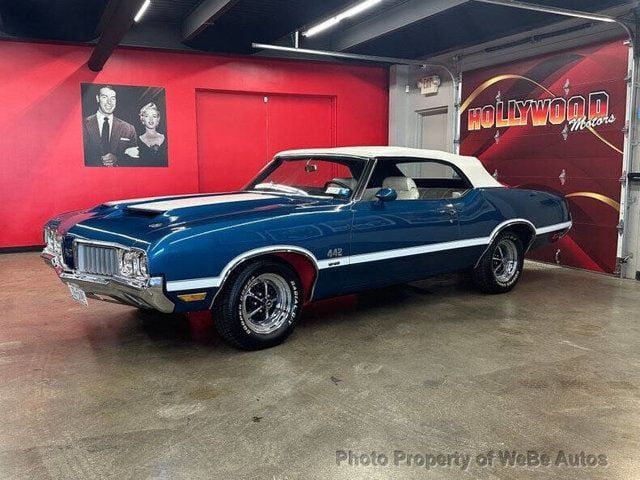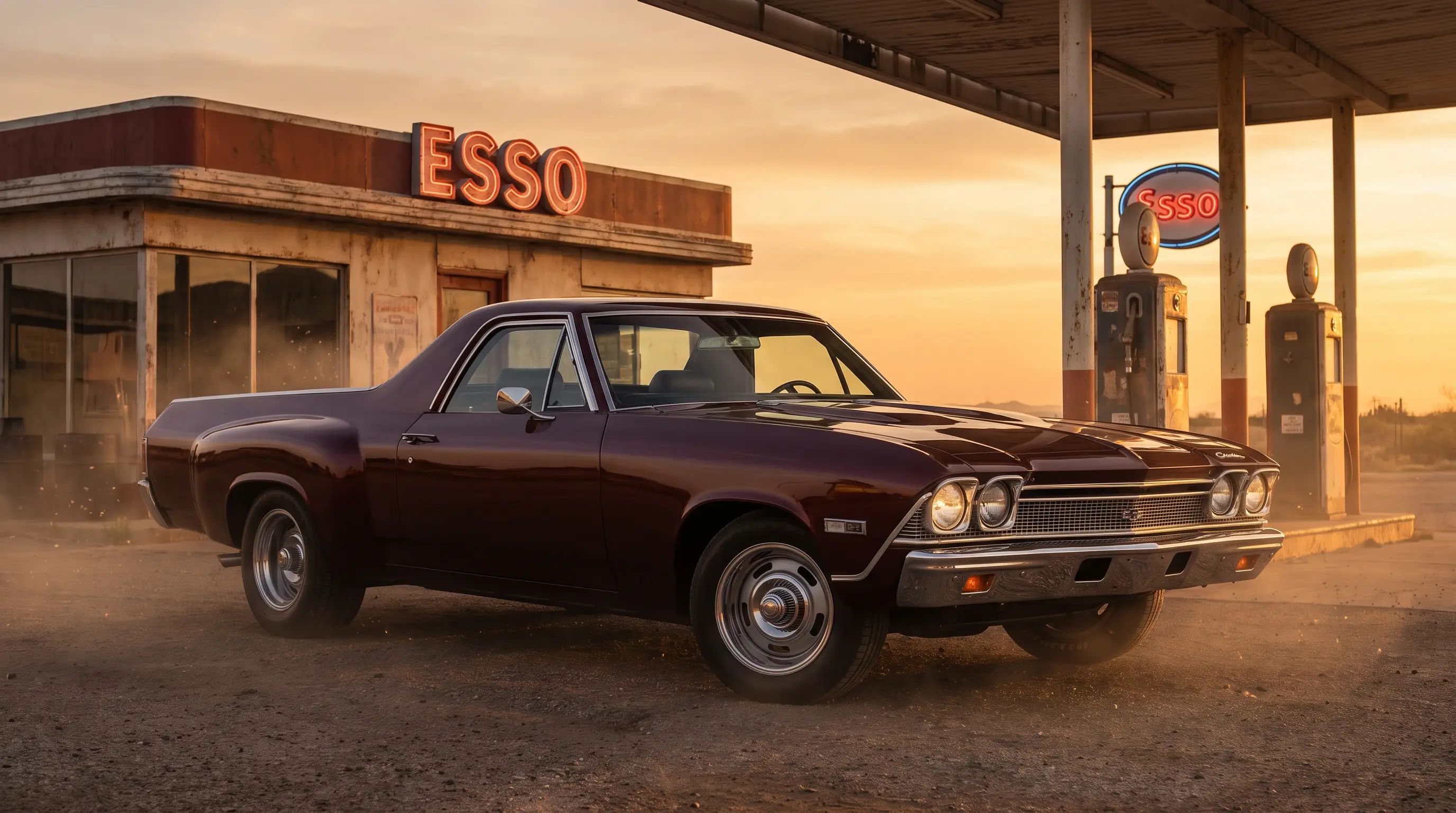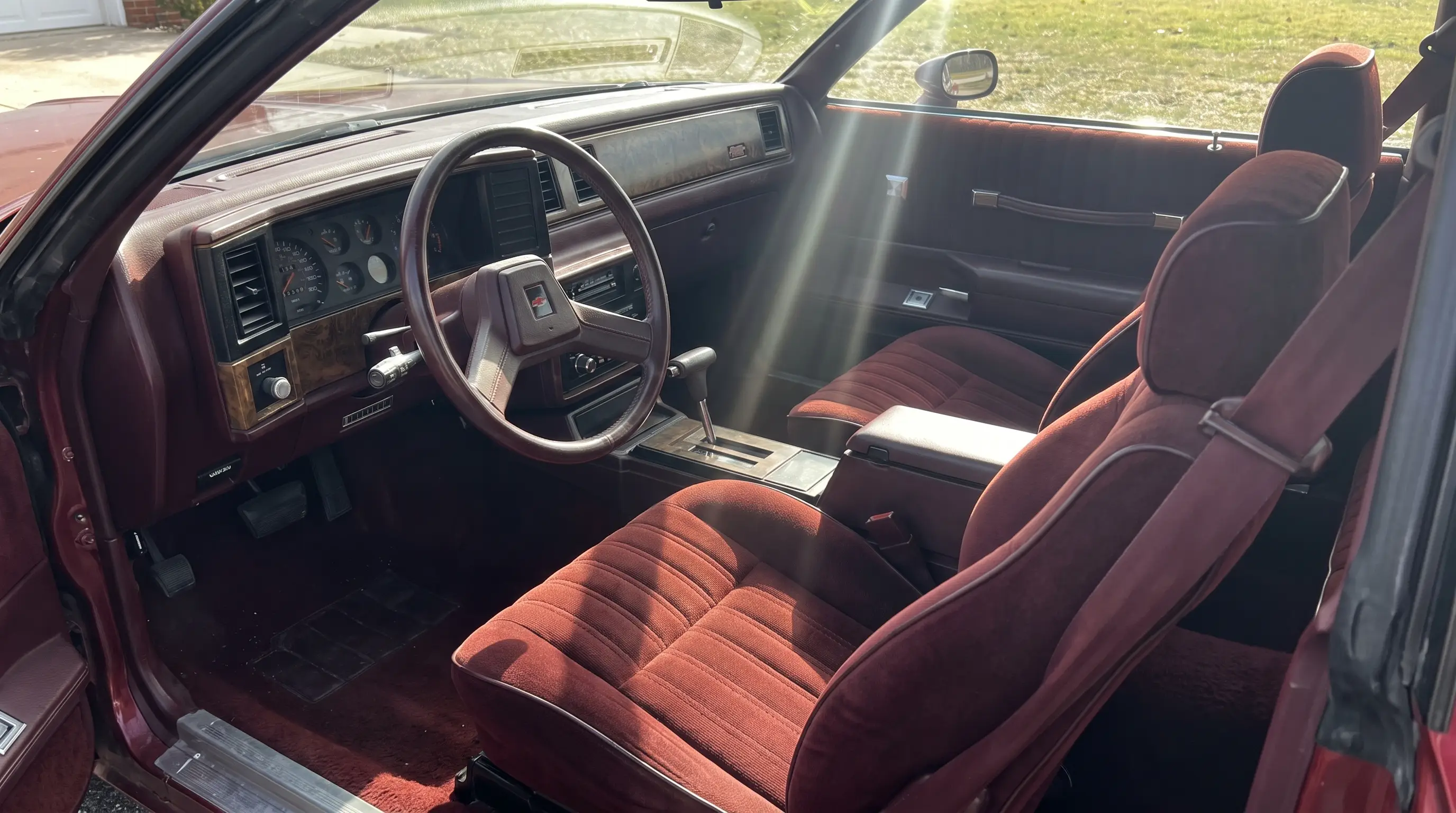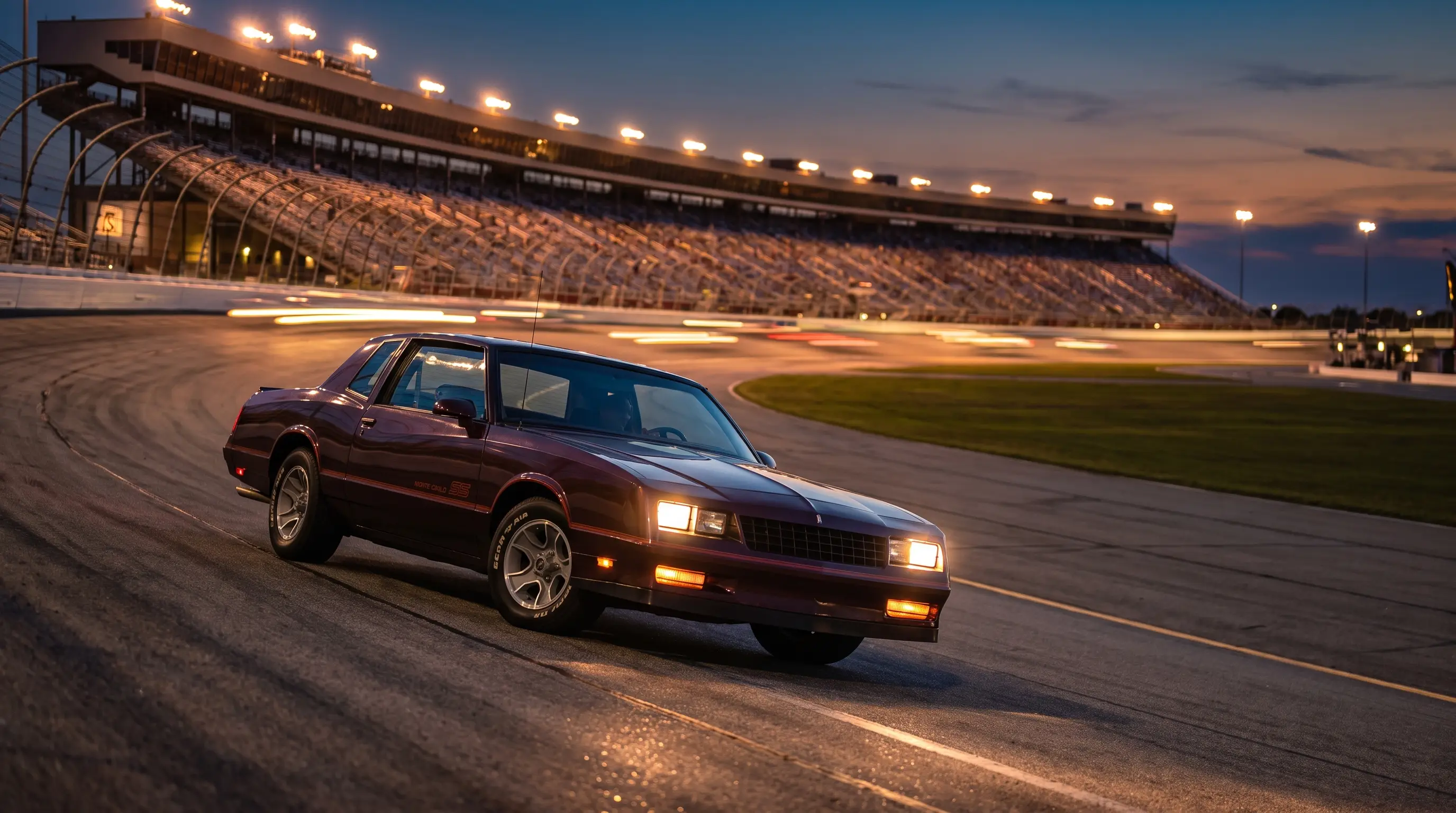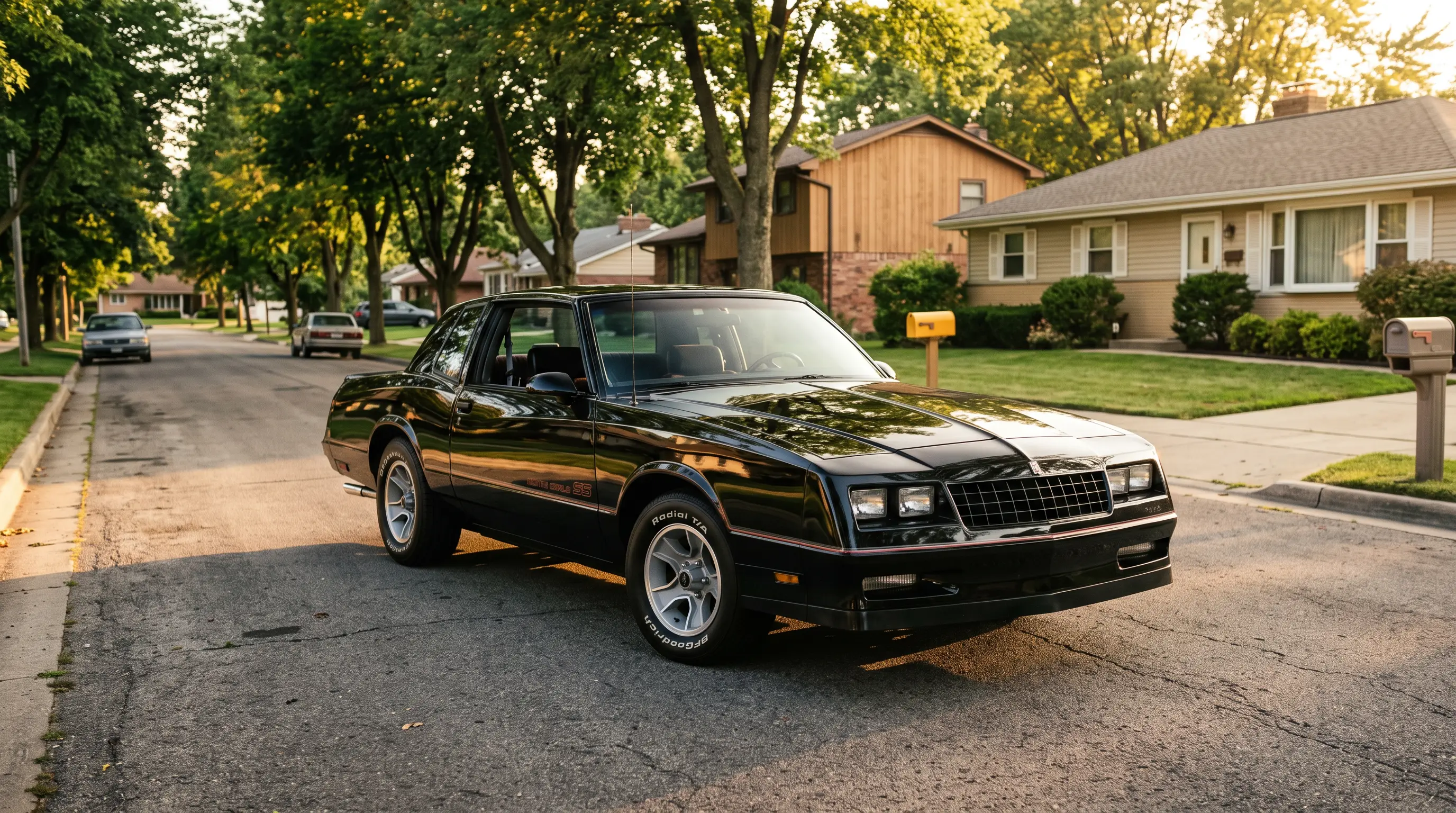
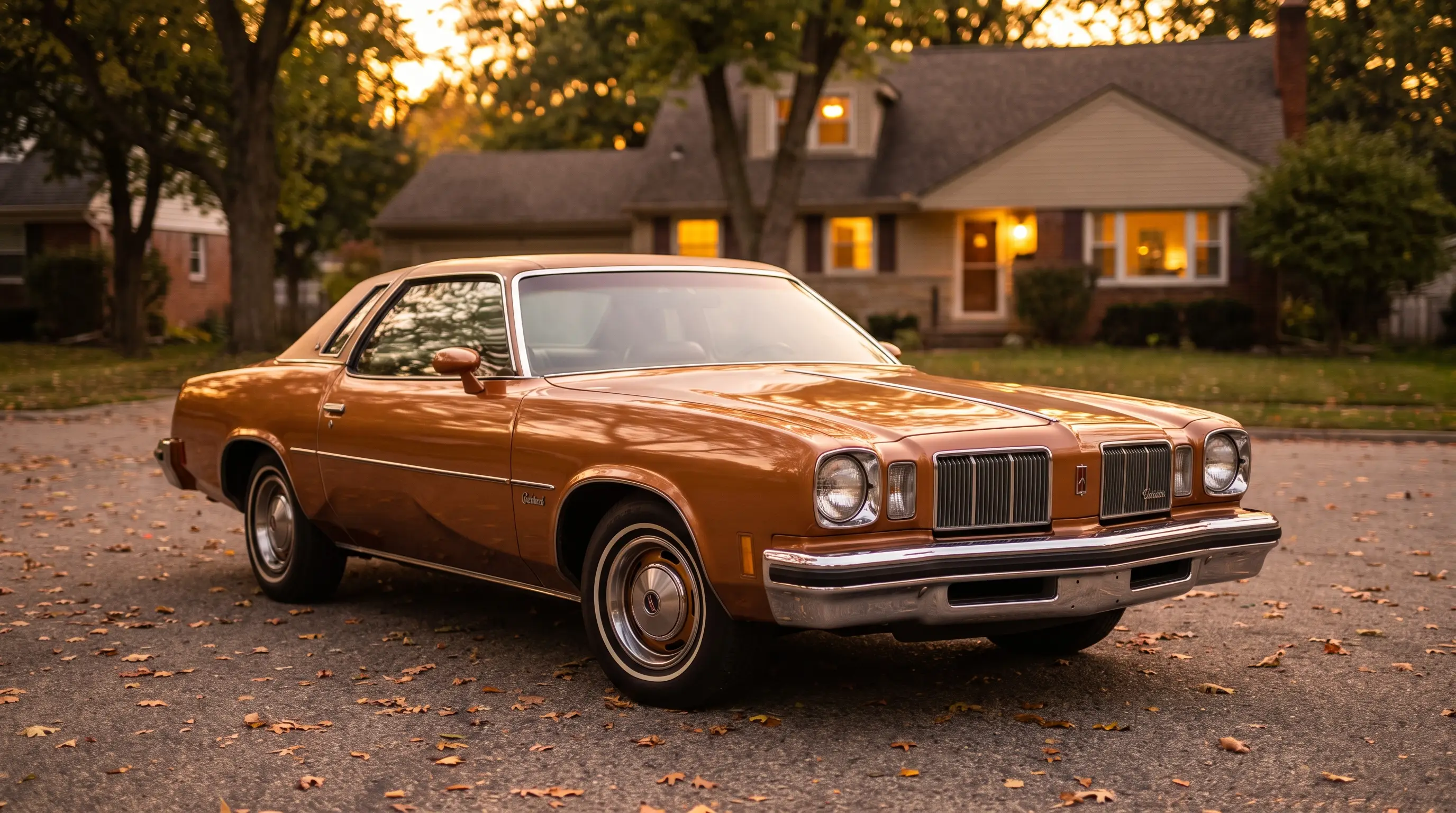
We grew up around Cutlasses the way some families grow up around a certain kind of cooking, passed down without much explanation because everybody already understood why it mattered. An uncle's coupe sitting under a carport for a decade until somebody had the money to finish it right. A cousin's first car, bought running rough for almost nothing, brought back to life in a driveway with borrowed tools and a lot of Saturdays. That is how the Oldsmobile Cutlass legacy actually gets built in most families and most neighborhoods, one patient car at a time, long after the factory that made it stopped caring.
The history books will tell you about production numbers and model years, and that is fine, that part matters too. But the legacy we inherited came through people, not spec sheets.
A car built for the middle, claimed by everyone
Oldsmobile built the Cutlass for the broad middle of the American market, comfortable enough for a family, sporty enough for a young buyer, priced within reach of both. That intention held for a while, and then something the marketing department never planned for happened. The car got old, got cheap, and got adopted by communities the original ad campaigns never once pictured.
We did not inherit the Cutlass because Oldsmobile aimed it at us. We inherited it because it was there, solidly built, easy to fix, and honest about what it was. A strong frame does not care who owns it. Neither does a flat trunk floor with room for whatever you want to put there. The car's legacy grew out of that honesty, out of a design simple enough that anyone with patience and a garage could make it their own.
The craft that carried the name forward
What we are proudest of, and what deserves more credit than it usually gets, is the sheer craft that generations of builders poured into these cars. Bodywork done panel by panel until a decades-old shell is straighter than it left the factory. Paint laid in coat after coat by hand, sometimes by someone's father, sometimes by a shop that has been doing it since before the builder was born. Upholstery stitched in patterns that take real skill to execute and real patience to finish.
None of that work shows up in a factory brochure. It shows up at a Sunday show, parked next to a dozen other cars built by people who know each other, who have been trading advice and parts and stories for years. We built that world ourselves, car by car, and the Cutlass just happened to be the canvas most of us reached for first because it gave us the most room to work with the least money.
What the legacy means to the next generation
We see young builders now who never met an Oldsmobile salesman and never will, since the brand closed before most of them were born. That does not stop them from understanding exactly what the car means. They learn it from an older cousin, from a club member willing to answer questions, from watching a build come together one weekend at a time in somebody's garage. The legacy passes hand to hand, the same way it always has.
What we try to teach the younger builders coming up is that the craft matters more than the shortcut. A quick respray over bad bodywork will not fool anyone who knows what to look for, and it will not last. The cars that hold their value and their respect are the ones built right, the ones where somebody took the time. The answer to why the Cutlass endures as a name worth building around, decade after decade, comes down to exactly that standard being upheld by community after community.
We have watched shops open, close, and reopen under new names over the years, and the good ones always came back to the same lesson. A customer who understands craft will pay for it and will wait for it, and word travels fast in this world when someone cuts corners. That accountability, built entirely outside any factory quality-control department, has done more to protect the Cutlass's reputation among builders than any warranty ever could.
| Element of the legacy | What it represents |
|---|---|
| Strong G-body frame | Forgiving base for serious custom work |
| Hand-laid paint and bodywork | Craft passed down outside any factory |
| Club and community networks | Knowledge shared instead of gatekept |
| Cross-generational ownership | Cars handed down within families |
| Rising collector recognition | Craft finally valued by the wider market |
"Nobody in Lansing designed this car to become what it became in our hands. We did that ourselves, with borrowed tools and Sunday afternoons, and that is exactly why it means so much more to us than a car with a famous name ever could."
— Hector Morales
Respecting the work that built the reputation
If you are coming to the Cutlass now, from outside the community that built its reputation, we would only ask one thing: respect where the craft came from. A lot of hands, a lot of Saturdays, and a lot of trial and error got this car to where it commands attention at any show it enters. That respect shows in small ways, asking who built a car before assuming, giving credit to the shop or the uncle or the club that did the work, understanding that the finished product represents years, not weeks.
The legacy is still being written, honestly. New builders keep finding this car, keep bringing their own ideas to it, and keep proving that a simple, honest platform from the 1970s and 1980s still has more to give. There is another angle on this same story worth reading, one that goes deeper into the specific world of hydraulics, paint, and community that gave the Cutlass its second life, and another angle on that history is waiting for anyone who wants the fuller picture.
Sources and notes
- Oldsmobile Cutlass Supreme, Wikipedia
- General Motors G platform (RWD), Wikipedia
- The Final G-Body Oldsmobile Is Becoming a Genuine Classic, Hagerty
- How Lowrider Culture Turned Custom Cars Into Colorful, Stunning Works of Art, Smithsonian Magazine
- Pick of the Day: From the time when Olds Cutlass was the best-selling car in the US, ClassicCars.com Journal
- Oldsmobile 442 History, OldsmobilesForever.com