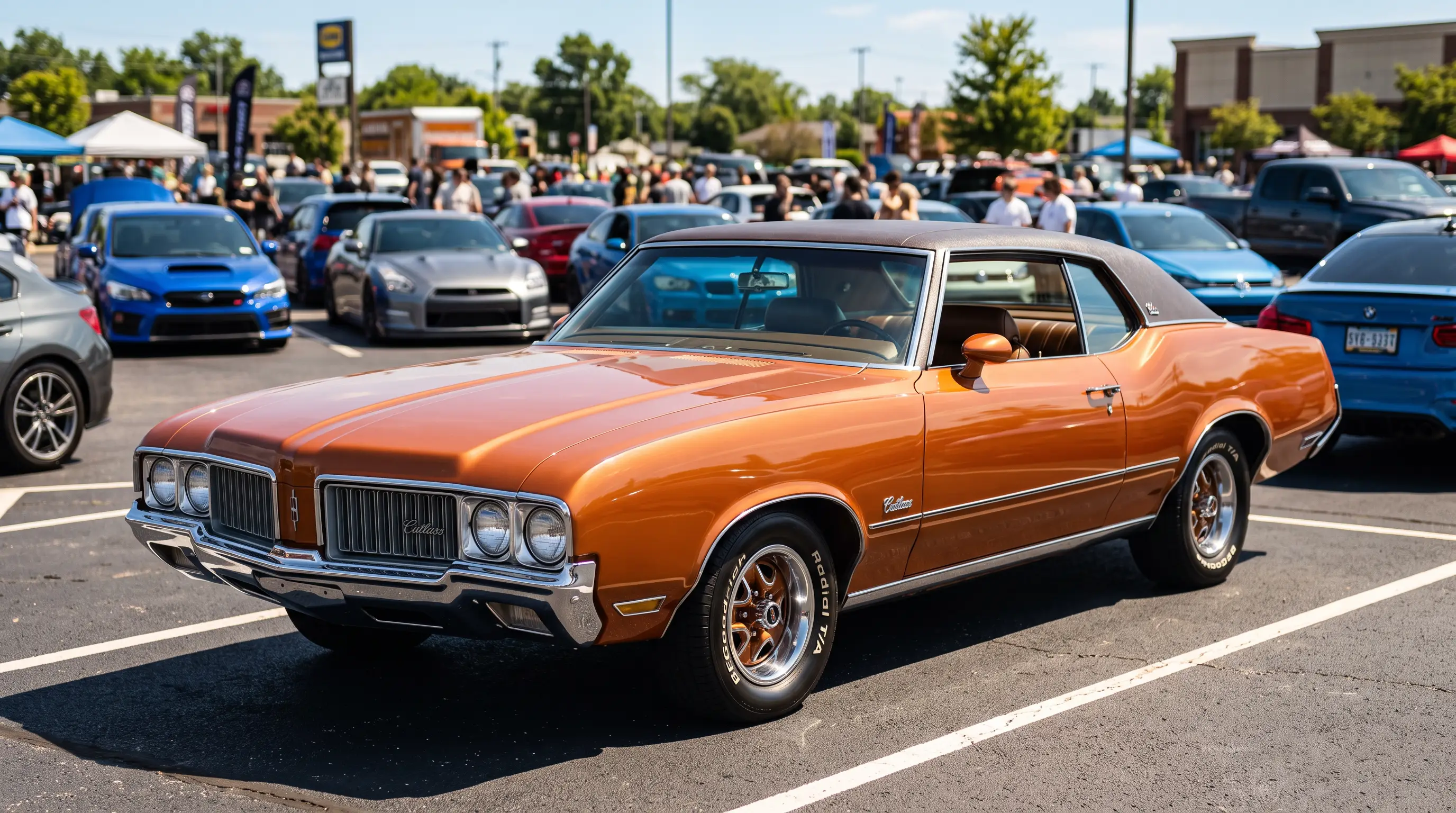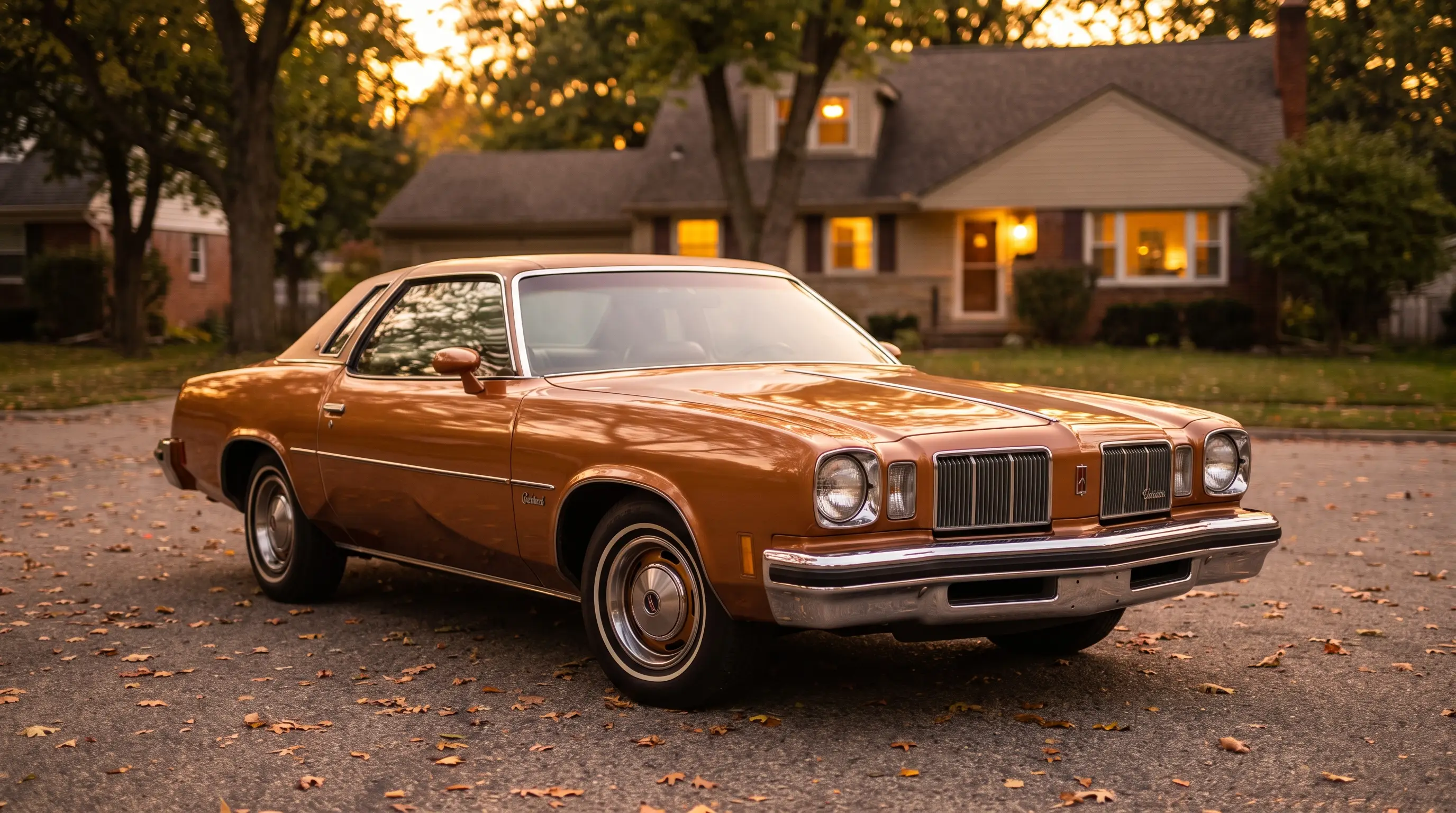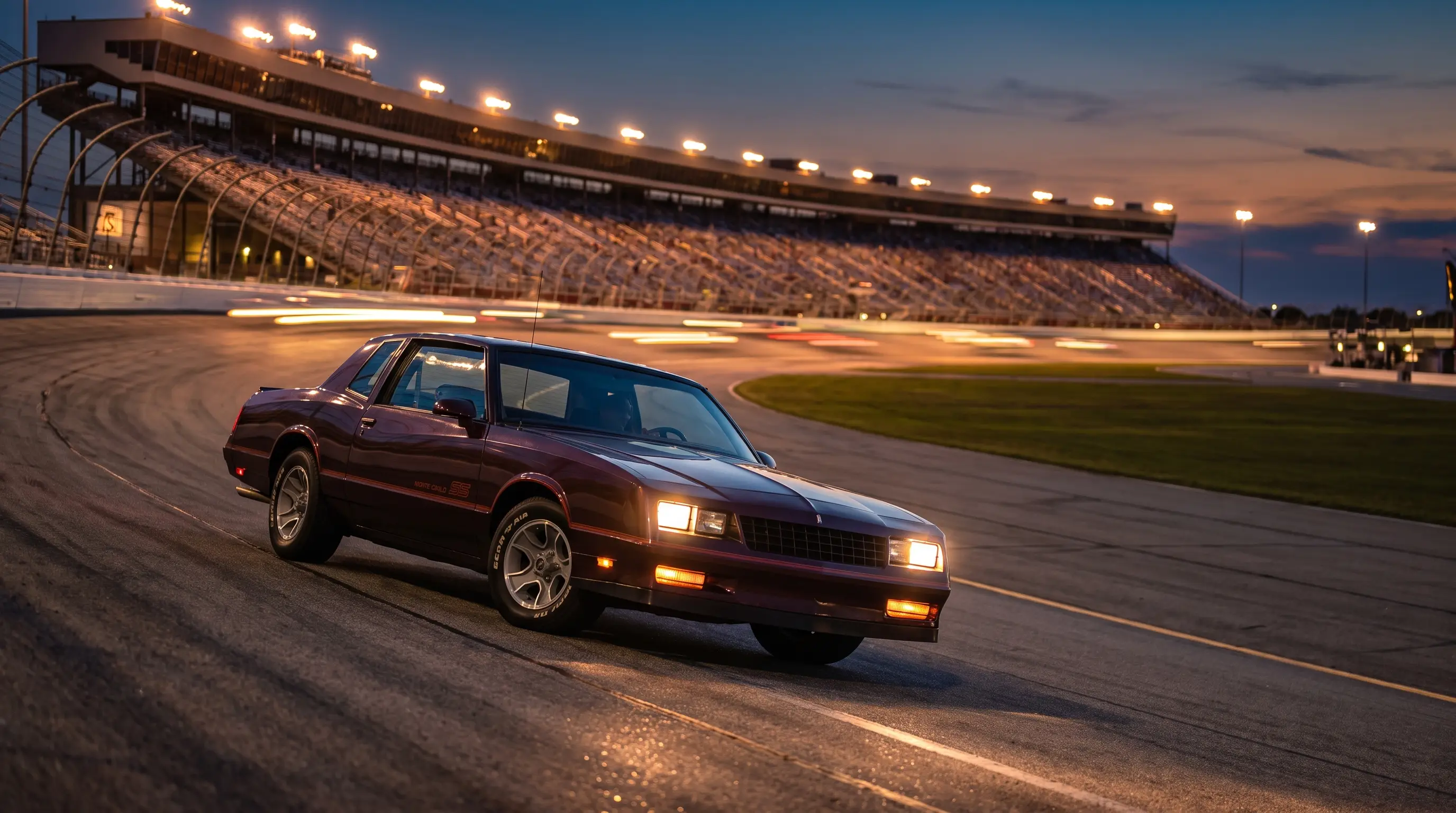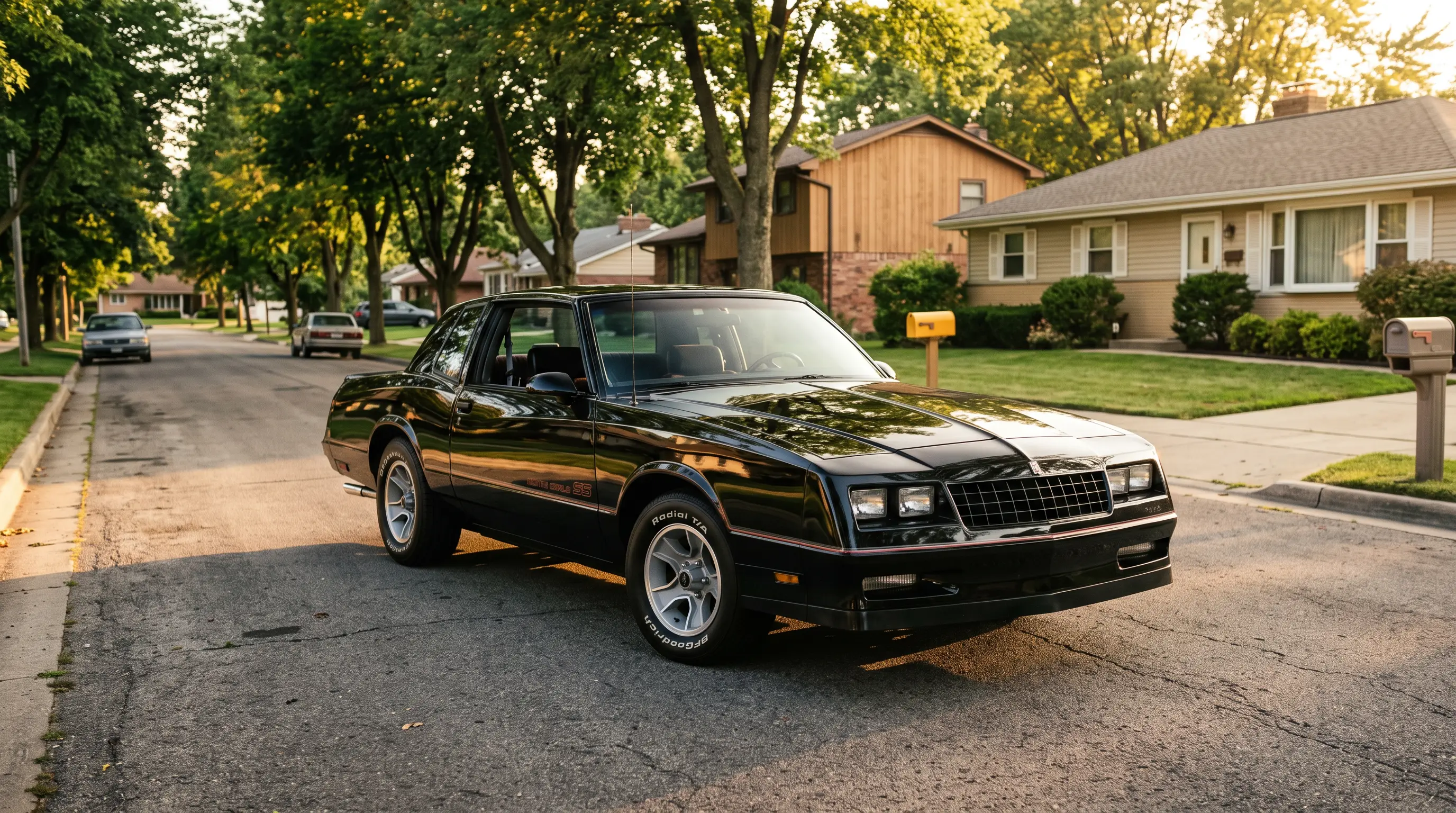
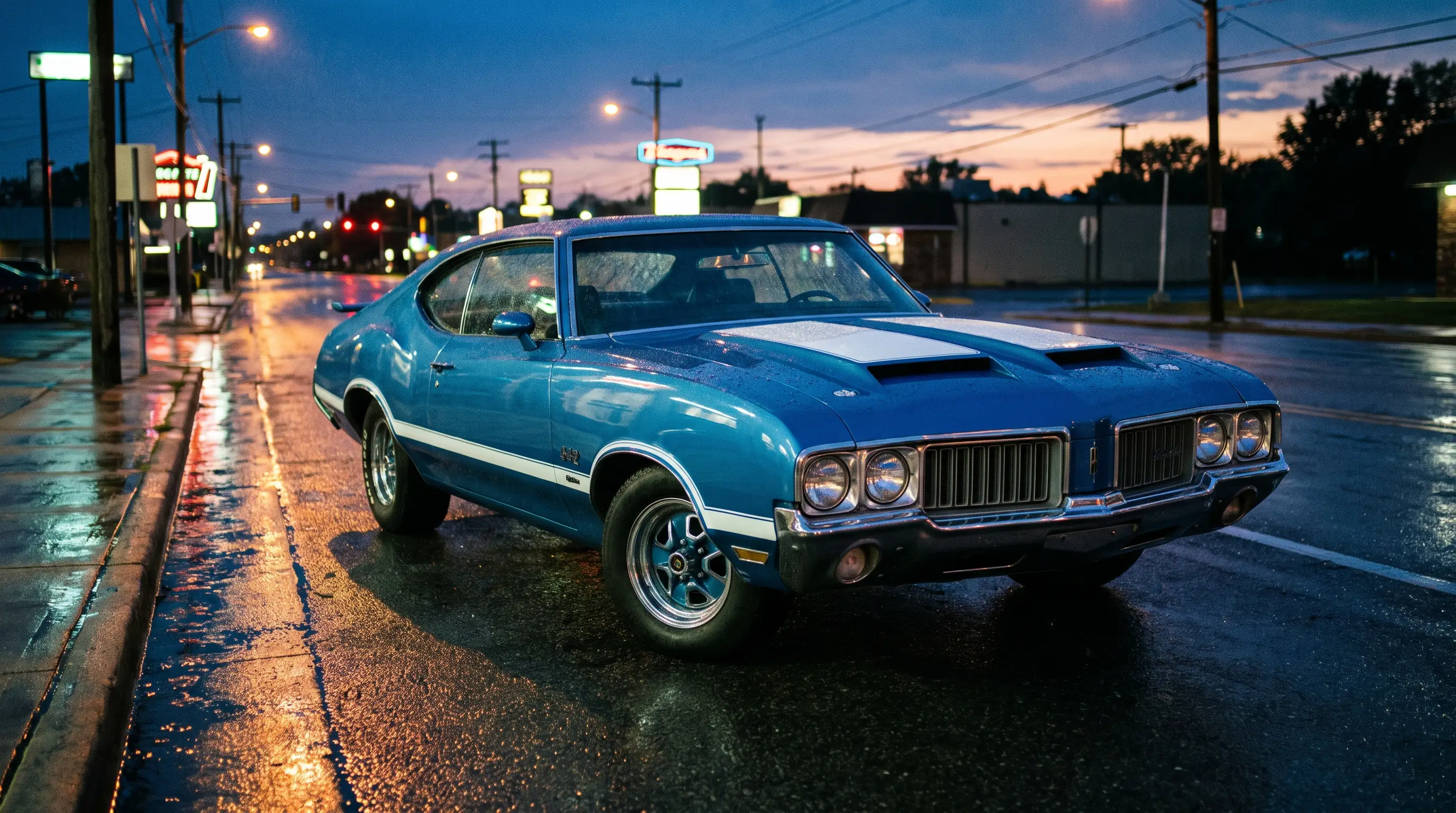
Stand at a cars-and-coffee meet anywhere in the country and mention you drive a Cutlass, and someone will invariably ask which one, because the name covers so much ground. But say it in front of a muscle car crowd specifically, and the mental image snaps into focus fast: a mid-size coupe with a big-block rumble, a hood scoop, and a badge that once meant business on a Saturday night. The Oldsmobile Cutlass icon status in muscle car circles was not handed to it. The car earned it, one option package at a time, starting in the mid-1960s.
That reputation did not arrive overnight, and it did not arrive by accident either. Oldsmobile built toward it deliberately, even while insisting in public that it was still a conservative, engineering-focused brand.
Born as an option, not a mission statement
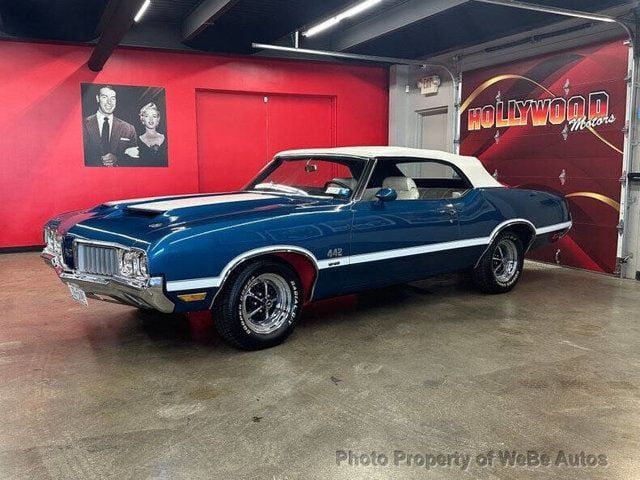
The famous 4-4-2 package began in 1964 as a simple option on the Cutlass, standing for a four-barrel carburetor, a four-speed manual transmission, and dual exhaust. It was Oldsmobile's answer to the muscle car arms race that Pontiac had just started with the GTO, and initially it looked like a modest response, tucked into the options list rather than announced as its own model.
That modesty did not last. By 1968, the 4-4-2 had grown into its own distinct model built on the Cutlass platform, with sharper styling, a bigger available engine, and a reputation that had spread through word of mouth and quarter-mile times rather than advertising budgets. The Cutlass name and the 4-4-2 name became intertwined in the public imagination, two badges on the same car, each lending the other credibility.
The W-machines raised the stakes
Oldsmobile did not stop at the base 4-4-2 formula. Through the late 1960s and into the early 1970s, the division layered on the W-machine option codes, most famously the W-30, which brought a specially cammed and blueprinted engine, functional fresh-air induction through the hood, and a genuine claim to being among the fastest cars GM built in that era. In 1968 and 1969, the W-30 was built around a 400 cubic inch V8 rated at 360 horsepower. Once GM lifted its corporate displacement cap on intermediates for 1970, the W-30 moved up to a 455 cubic inch V8 rated at 370 horsepower and 500 lb-ft of torque. These were not badge-engineering exercises. Real engineering went into differentiating a W-30 Cutlass from an ordinary one, right down to different connecting rods and camshaft grinds.
The result was a car that could legitimately embarrass rivals that looked faster on paper. Oldsmobile's engineers, working in a division known more for cushioned rides than stoplight drama, had built something that belonged at the front of the muscle car conversation, and enthusiasts of the era noticed. Magazine road tests from the period routinely ranked the W-30 among the quickest cars available from any manufacturer, a fact that still surprises people who only know Oldsmobile as a brand for retirees.
Hurst joined the party and raised the volume
The Cutlass's muscle credentials went even further with the Hurst/Olds partnership, which took the platform and pushed it past what Oldsmobile's own corporate restrictions on engine size would otherwise have allowed. Painted in striking silver and black or gold and white color schemes, with a shifter that became as famous as the engine underneath it, the Hurst/Olds cars turned the Cutlass into something closer to a factory hot rod than a family coupe with an options list.
Those cars were built in limited numbers and sold through a special arrangement between Oldsmobile and Hurst Performance, and the exclusivity only added to the mystique. A regular Cutlass buyer might never see one in person. That rarity, combined with genuine performance, is exactly the recipe that turns a good car into an icon, and the Hurst/Olds cars delivered on both counts.
| Muscle era milestone | Significance |
|---|---|
| 1964: 4-4-2 debuts | Cutlass option answering the GTO |
| 1968: 4-4-2 becomes its own model | Full separation from base Cutlass trim |
| W-30 package | Blueprinted engine, functional ram air |
| Hurst/Olds partnership | Limited-run factory hot rods |
| Legacy | Cutlass name forever tied to muscle-era performance |
"Oldsmobile never marketed itself as the wild one, and that is exactly why the muscle-era Cutlass hit so hard. Nobody expected the conservative brand to show up with a car that could run with the GTO crowd, and then it did it again, year after year, until nobody was surprised anymore."
— Patrick Walsh
Why the icon status stuck around
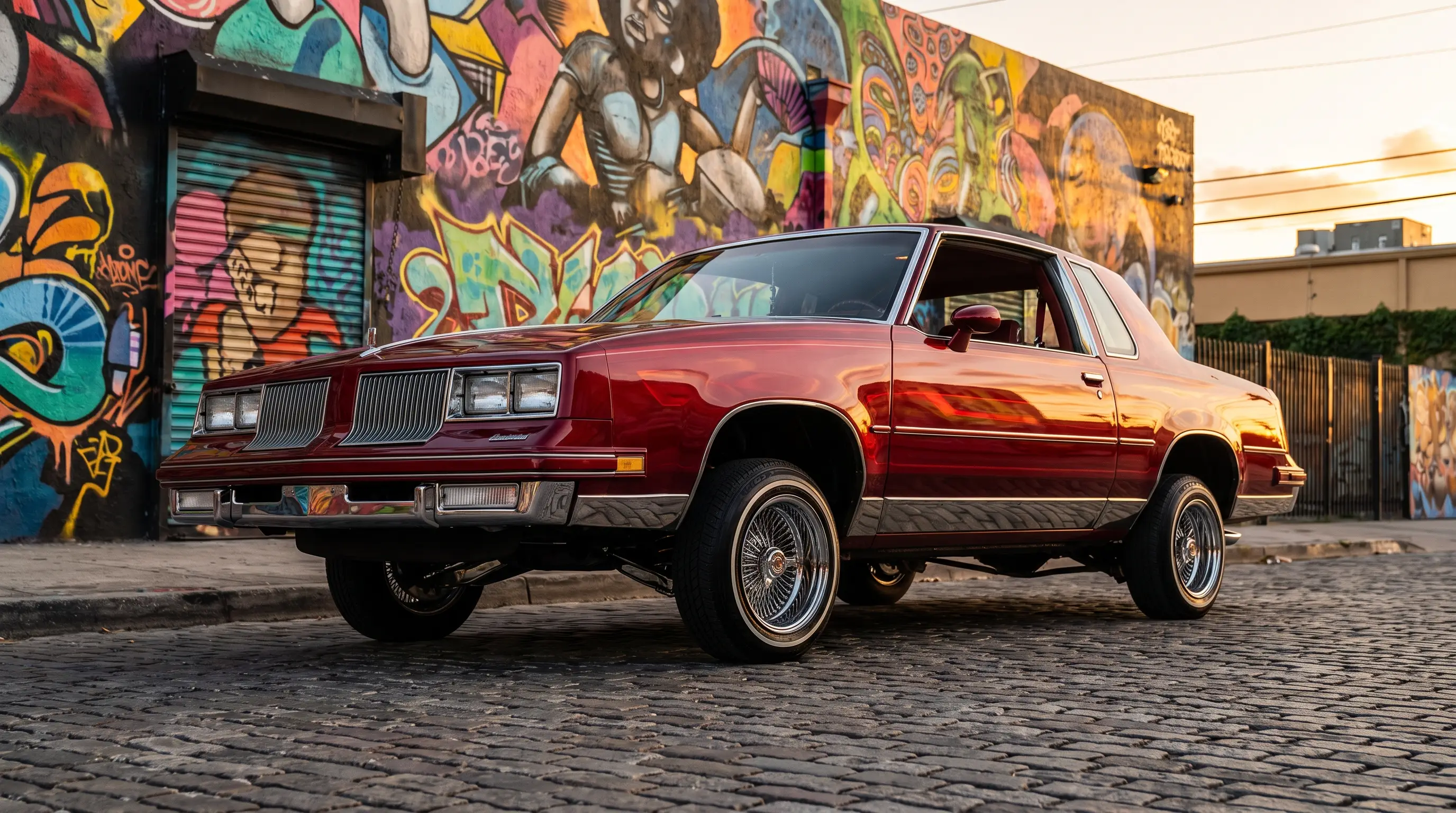
The Cutlass's muscle car reputation did not fade the way some rivals' did once the horsepower wars cooled in the mid-1970s. Part of that staying power comes from how the car diversified afterward, carrying its name into personal luxury coupes, family sedans, and eventually the custom and lowrider scenes, all while the original muscle-era cars kept their performance credentials intact in the collector market. The full account of that later chapter lives in the Cutlass culture story, which shows how the same badge found a second life far from the drag strip.
The collector market has caught up with all of this in the past two decades. Where a driver-quality 4-4-2 or W-30 was once a bargain compared to a Camaro or a Mustang of equal performance, that gap has closed considerably, and genuine, documented Hurst/Olds cars now command prices that reflect their rarity rather than their age. Buyers chasing these cars today are competing with collectors who grew up wanting one and finally have the means to own it, and that competition has done more to raise values than any single auction result.
The muscle-era Cutlass also benefits from being genuinely well documented. Production numbers, engine codes, and option combinations for the 4-4-2 and Hurst/Olds years are thoroughly cataloged by clubs and researchers, which makes authentication easier than it is for many rival muscle cars from smaller-volume manufacturers. That documentation trail protects both buyers and the car's reputation.
There is another angle worth reading if this era caught your attention, one that traces what happened to the badge's reputation in the decades after the horsepower wars ended, and another angle on that question is waiting in this same set of stories. For the full arc from the first 4-4-2 option to the final Cutlass ever built, our Cutlass retrospective lays out every chapter in one place.