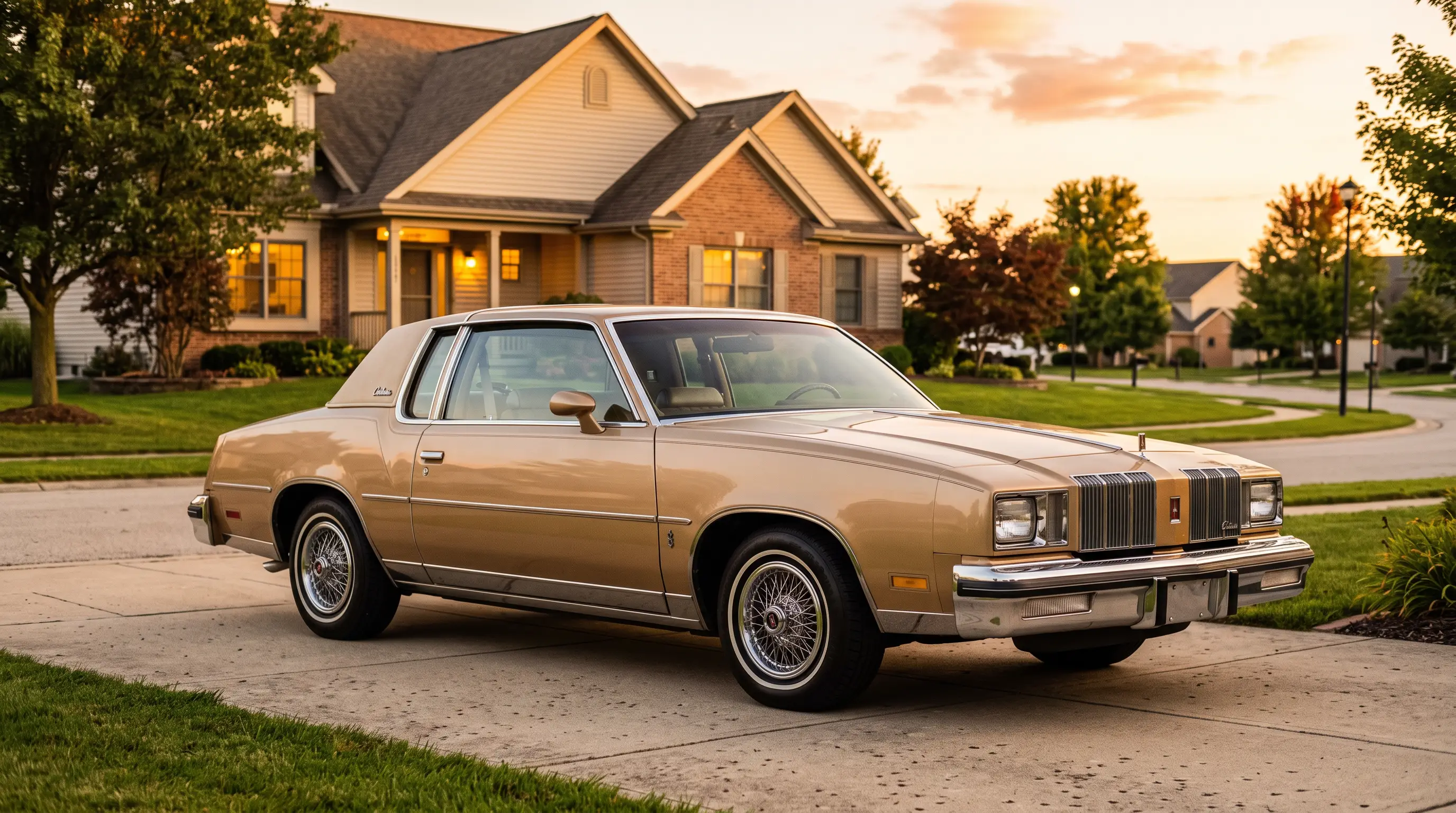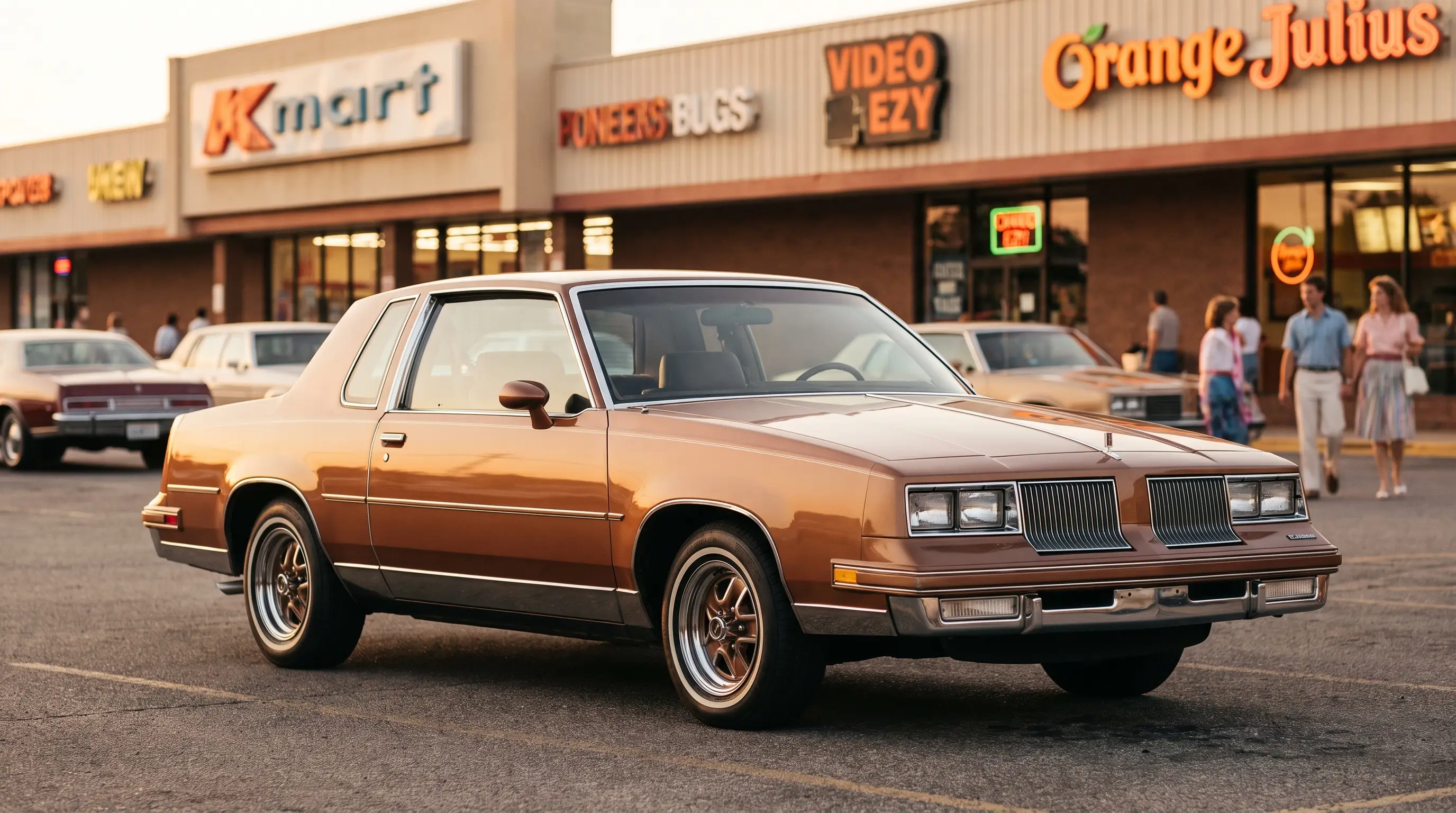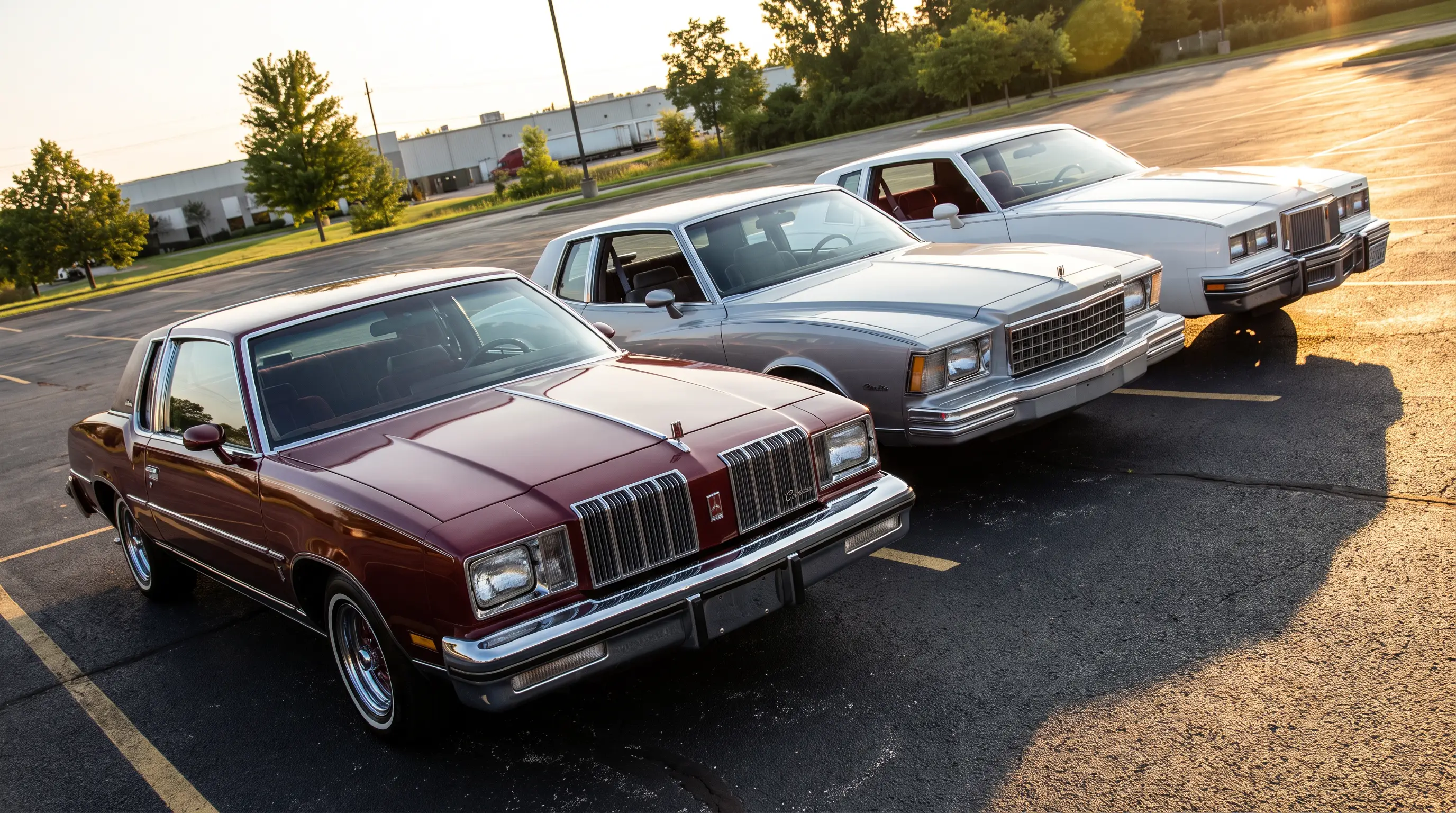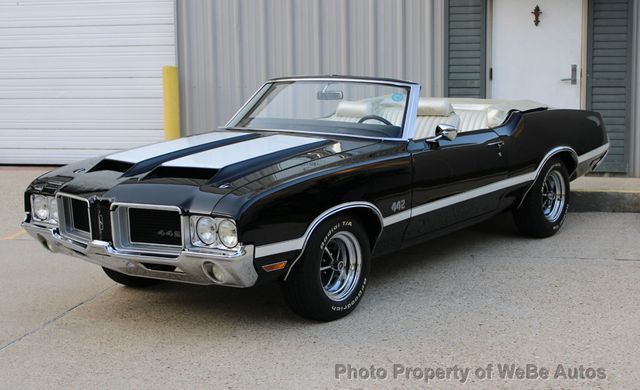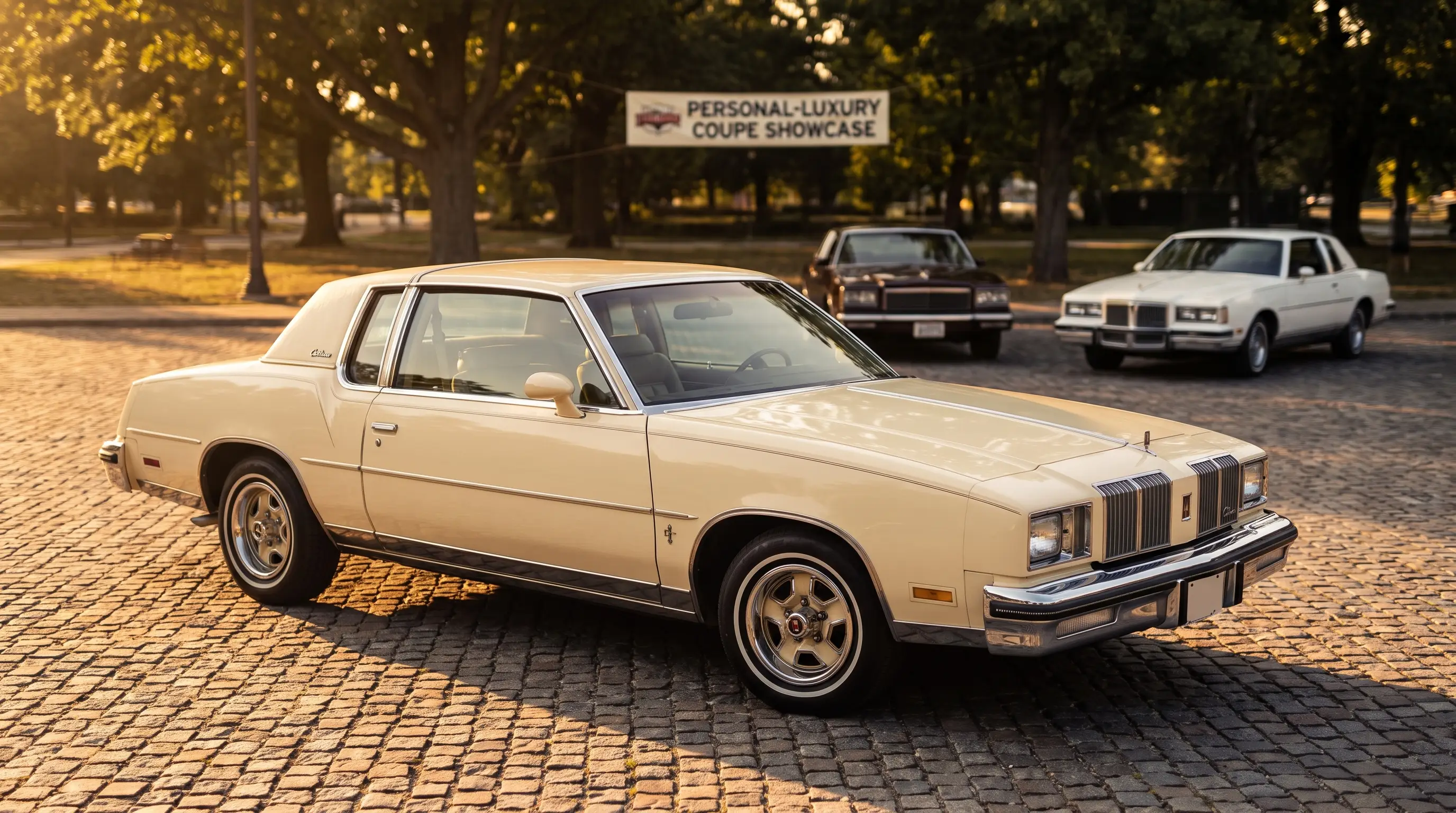
Picture a shopping center parking lot in 1979, the kind with a Sears anchoring one end and a diner anchoring the other, and count the coupes. A Monte Carlo here, a Grand Prix two rows over, a Thunderbird by the entrance, and somewhere in the middle of it all, parked a little closer to the door than it probably deserved, a Cutlass Supreme. That lot was the personal-luxury coupe era in miniature, a stretch of American car culture where a two-door with a formal roofline and a soft ride mattered more to a buyer's identity than a wagon or a sedan ever could, and the Cutlass Supreme was arguably its single best-selling proof of concept.
What "personal luxury" actually meant to a buyer
The term gets thrown around loosely now, but it meant something specific at the time. A personal-luxury coupe wasn't a sports car and wasn't pretending to be one. It was a two-door, usually mid-size, built around comfort, style, and a certain image of arrival, the car you bought once the station wagon years were behind you and you wanted something that looked like a reward. Ford's Thunderbird had effectively invented the category back in the late 1950s. By the 1970s, every domestic manufacturer wanted a piece of it, and General Motors, in particular, wanted several pieces at once.
Chrysler had its own entry in the Cordoba, sold on Corinthian leather and a famous ad campaign more than any specific engineering advantage, which tells you most of what you need to know about how this segment actually competed. Nobody was racing anybody. The battleground was image, upholstery, and the exact angle of a formal roofline, fought out in showrooms and living rooms rather than on any track.
Four divisions, one platform, four different pitches
That's where the Cutlass Supreme's real competition lived, not on paper spec sheets but on the same assembly architecture. Chevrolet's Monte Carlo, Pontiac's Grand Prix, Buick's Regal, and Oldsmobile's Cutlass Supreme all rode variations of the same GM mid-size platform through the late 1970s and 1980s, four different sales pitches wrapped around a shared set of bones. Chevrolet leaned on value and volume. Pontiac leaned on a sportier dashboard and marketing built around performance cues. Buick leaned on old-money restraint. Oldsmobile threaded a needle between all three, positioned as a step up from Chevrolet without the stuffiness some buyers associated with Buick, and it worked better than almost anyone at GM expected.
The Cutlass Supreme's specific place in the pecking order
Within Oldsmobile's own lineup, the Cutlass Supreme occupied a deliberate middle rung. Below it sat the plainer Cutlass models built more for practicality than image. Above it, eventually, sat the full-size Ninety-Eight and the Toronado, cars aimed at buyers who had already arrived and wanted something to prove it beyond doubt. The Cutlass Supreme was the car for buyers on their way there, close enough to luxury to feel like a reward, priced close enough to mainstream that the reward didn't require justifying to anybody.
Why Oldsmobile won that particular fight
There's no single clever engineering decision behind it. The Cutlass Supreme won the personal-luxury sales race inside its own corporate family for reasons closer to timing and trust than hardware. Oldsmobile had spent years building a reputation as the division for buyers who wanted something a little more substantial than a Chevrolet without paying Cadillac money, and the Cutlass Supreme arrived exactly when that positioning was most valuable. It offered the formal roofline, the available Brougham trim, the quiet ride, all the boxes a personal-luxury buyer needed checked, wrapped in a badge that still felt attainable.
"Nobody cross-shopped a Monte Carlo against a Cutlass Supreme the way they'd cross-shop two sedans on a spec sheet. They walked onto the lot already knowing which one felt like them."
— Patrick Walsh
The segment's slow fade, and what outlasted it
Personal-luxury coupes didn't disappear so much as get absorbed. Rising fuel costs, changing tastes, and GM's eventual shift to front-wheel-drive platforms across the board chipped away at the two-door-coupe-as-status-symbol idea through the 1980s. Some nameplates, like the Monte Carlo, went through awkward reinventions before eventually fading out. The Cutlass Supreme, as covered elsewhere in this series, managed a longer and more graceful run than most of its rivals, carrying the personal-luxury formula further into the decade than the segment as a whole really had any right to survive.
Part of that longevity came from Oldsmobile's willingness to let the Cutlass Supreme age gracefully rather than chase every passing trend. While rivals experimented with aerodynamic fastback treatments and increasingly aggressive marketing aimed at younger buyers, the Cutlass Supreme mostly kept doing what it had always done: offering a formal, comfortable two-door to a buyer who valued consistency over novelty. That patience looked conservative at the time. In hindsight, it's a large part of why the nameplate outlasted so many of its showroom-floor competitors.
What's easy to miss now, decades removed from that parking lot, is how ordinary all of this felt at the time. Buying a personal-luxury coupe wasn't a statement purchase reserved for the wealthy. It was a fairly normal move for a working, middle-class family once the kids were older and the station wagon had earned its retirement. The Cutlass Supreme's enormous sales numbers only make sense once you remember that this was, for a huge slice of the country, simply the next car, not an indulgence.
A quick read on the category's core players
- Chevrolet Monte Carlo: volume leader, value-priced entry into the segment
- Pontiac Grand Prix: sportier dashboard and marketing, same bones underneath
- Buick Regal: quieter, more conservative styling and buyer base
- Oldsmobile Cutlass Supreme: the one that most often outsold the other three
Get the full arc of the car that made this comparison worth writing in the Cutlass Supreme story. And for a closer, head-to-head look at how the Supreme actually stacked up against its two loudest G-body rivals, a companion piece puts the numbers and the styling side by side.
Sources and notes
- Oldsmobile Cutlass, Wikipedia
- Oldsmobile Cutlass Supreme, Wikipedia
- Oldsmobile Reaches Peak Cutlass: the 1977 Cutlass Supreme, Mac's Motor City Garage
- Oldsmobile Cutlass Guide, Outright Oldsmobile
- Why The Hell Did Americans Buy So Many Oldsmobile Cutlasses, Jalopnik
- USA 1980: Oldsmobile Cutlass Reigns Supreme, or Chevy Citation?, Best Selling Cars Blog