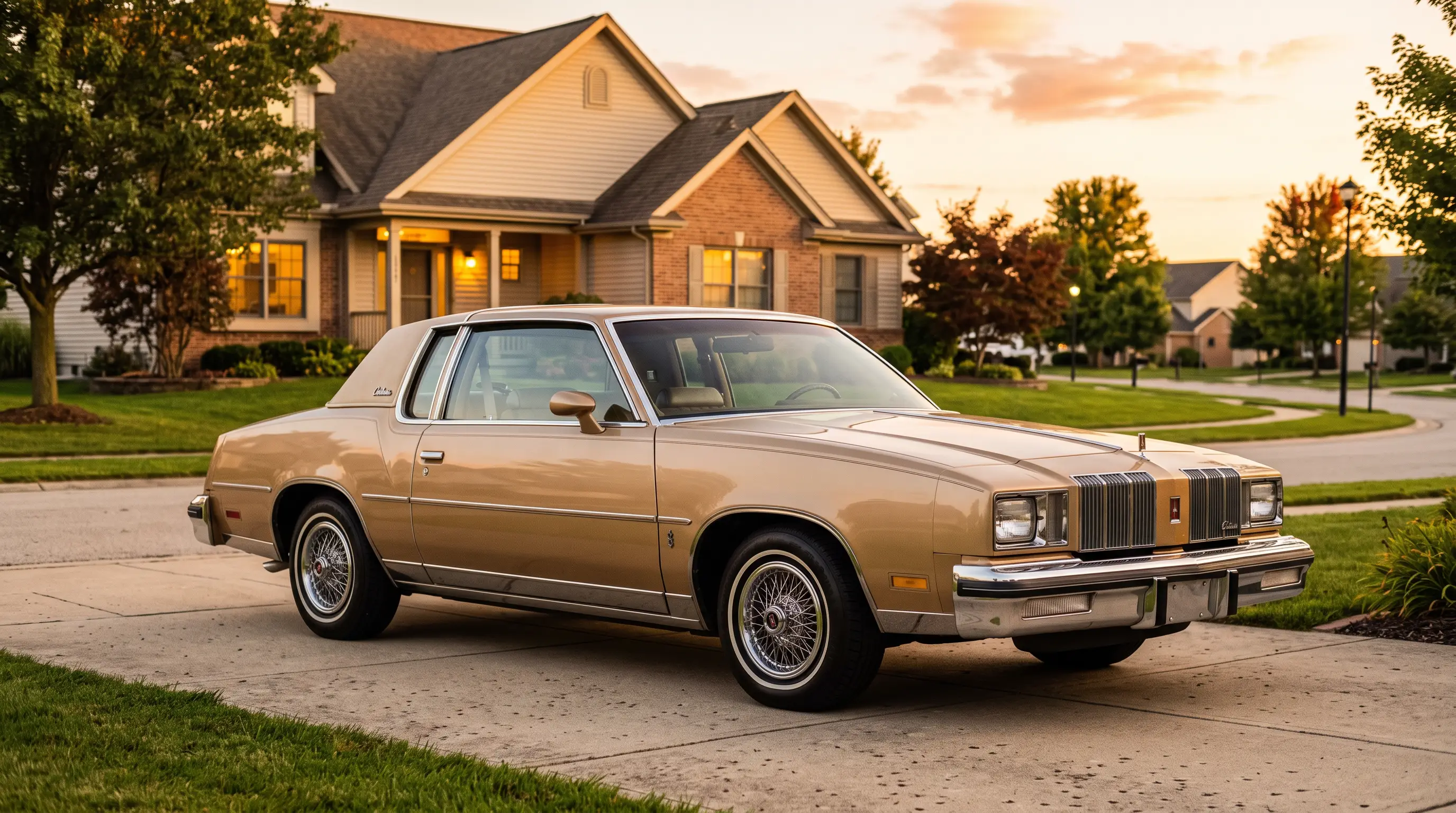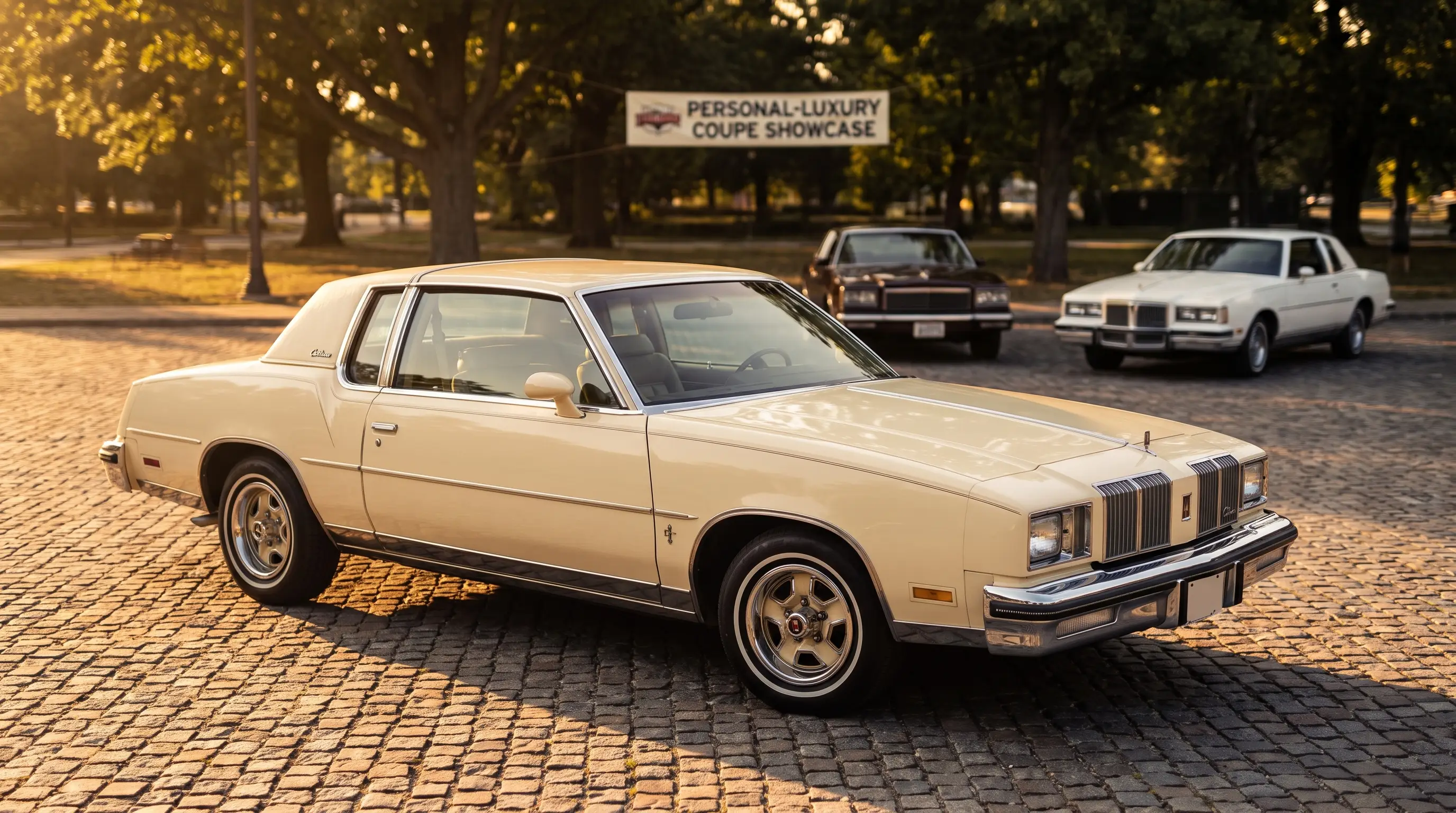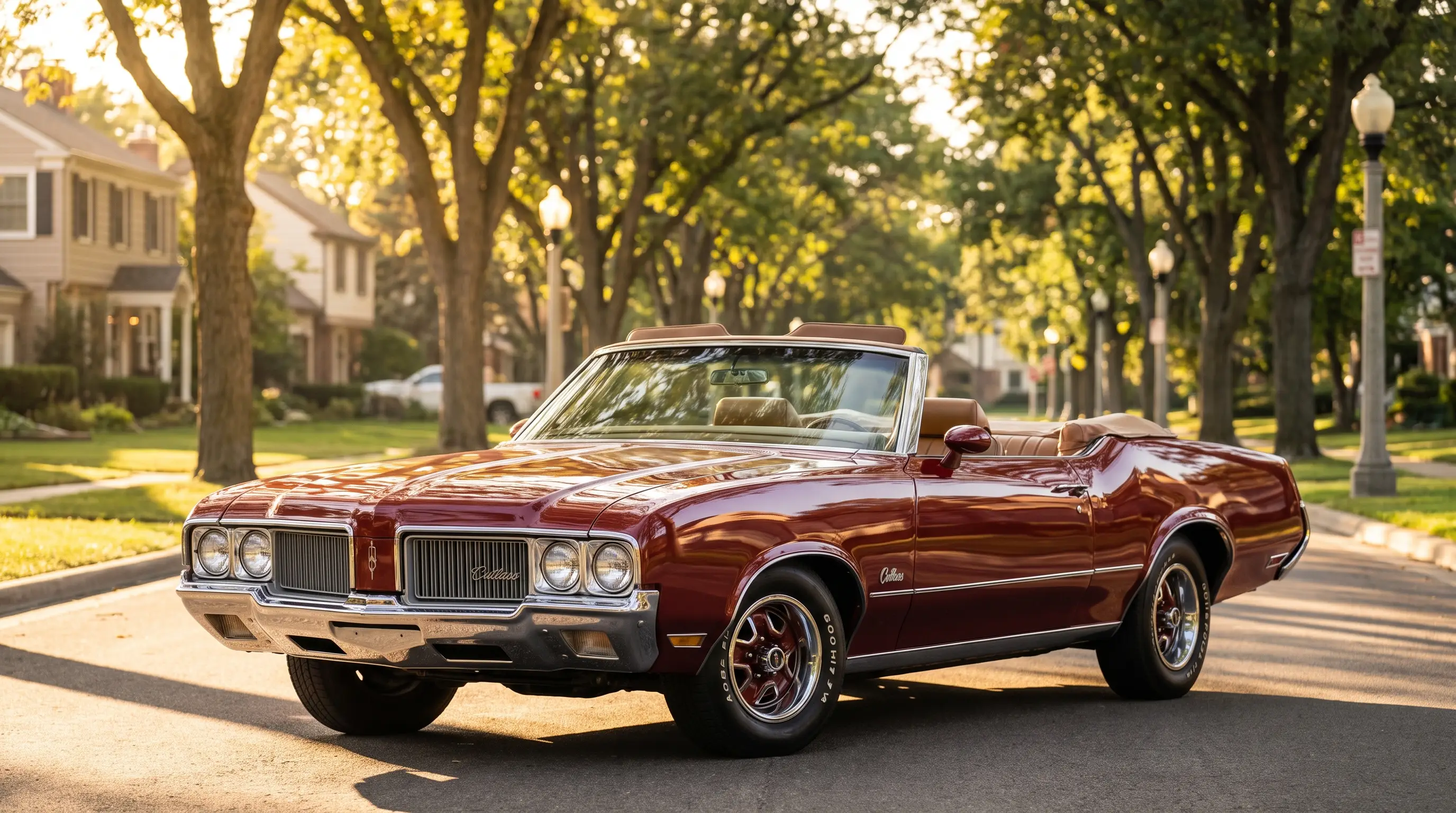
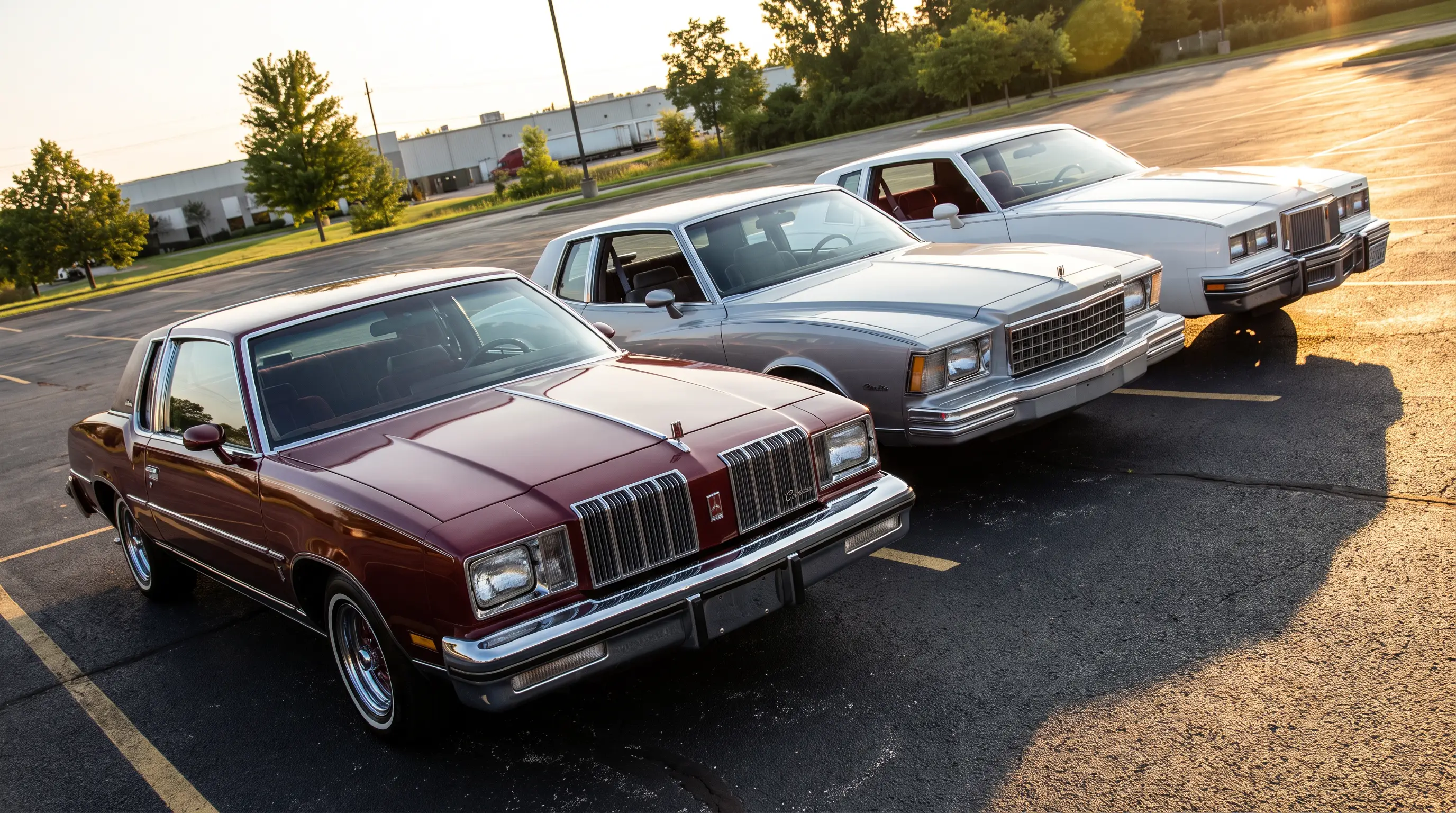
Three coupes pull into the same show field most weekends of the summer circuit: a Cutlass Supreme, a Monte Carlo, a Grand Prix, all three sitting on some version of General Motors' G-body platform, all three built to look formal from thirty feet and personal from ten. The owners tend to know each other. They also tend to disagree, cheerfully and often, about which of the three actually deserved to win the sales race it was built for. The scorecard, when you actually pull it, is less close than the parking-lot arguments suggest.
Same bones, different intentions
All three cars shared the G-body's basic architecture: rear-wheel drive, a body-on-frame-adjacent unibody structure, and a formal, upright greenhouse that was the visual signature of the whole personal-luxury category. What differed was intention. Chevrolet built the Monte Carlo to be the accessible one, the coupe a Chevy dealer's regular customer could step up into without much financial drama. Pontiac built the Grand Prix to lean sportier, at least in dashboard design and marketing tone, chasing a slightly younger buyer who wanted a little excitement folded into the same basic recipe. Oldsmobile built the Cutlass Supreme to sit above both, without tipping into Buick or Cadillac territory.
That positioning shows up clearly in how each division advertised its coupe. Chevrolet's Monte Carlo ads leaned on price and practicality. Pontiac's Grand Prix ads borrowed language and imagery from the brand's performance cars even when the engine under the hood was nothing special. Oldsmobile's Cutlass Supreme ads talked about comfort, quiet, and craftsmanship, the same vocabulary the Brougham trim level was built around. Three nearly identical cars, three completely different stories being told about them, and buyers responded to the stories at least as much as the hardware.
The sales numbers settle more than the arguments do
However the three cars are remembered today, the sales figures from the era are not particularly close. The Cutlass Supreme, across its trim range, routinely outsold both the Monte Carlo and Grand Prix during the G-body's run. In 1978 and 1979 alone, the Supreme coupe found roughly 241,000 and 278,000 buyers respectively, a two-year total that alone topped the Grand Prix's combined 1978-1979 production of around 438,000 units. That's a striking result given how similar the three cars were mechanically. It suggests the deciding factor for most buyers wasn't horsepower or handling, categories where the differences between these three were minor at best, but brand positioning, dealer relationships, and the specific flavor of respectability each division was selling.
| Model | Division | Market positioning |
|---|---|---|
| Cutlass Supreme | Oldsmobile | Step-up comfort and trim, broadest trim ladder |
| Monte Carlo | Chevrolet | Value and volume, most accessible price point |
| Grand Prix | Pontiac | Sportier dashboard and marketing, same underpinnings |
Where the three actually differed on the road
Get behind the wheel of a well-kept example of each and the family resemblance is obvious within the first mile, and so are the small differences that buyers at the time clearly noticed even if they couldn't always articulate them. The Cutlass Supreme's cabin, especially in Brougham trim, prioritized hush and cushion over anything else. The Grand Prix's dash angled instruments toward the driver in a way that read as more deliberate, more "cockpit," even when the actual performance underneath was nearly identical. The Monte Carlo split the difference and let price do most of the persuading.
Ride quality across all three leaned soft by modern standards, tuned for a long highway cruise rather than a back road, and none of the three would be mistaken for a driver's car today. What separated them behind the wheel was less about capability and more about character: the Cutlass Supreme felt the most hushed and cushioned of the three, the Grand Prix the most eager to at least look athletic, and the Monte Carlo the most straightforward, the one that made no particular claim beyond being a comfortable, reasonably priced coupe.
"Drive all three back to back and the surprise isn't how different they feel. It's how much of the difference was never under the hood at all."
— Nora Beckett
What the badge-engineering era actually taught buyers
The G-body trio is one of the clearest examples from the era of what happens when General Motors let several divisions compete against each other with the same fundamental car. It could have been a mess, and in some corporate eyes at the time it probably looked like wasted redundancy. In practice it worked because each division genuinely understood its own customer and pitched accordingly rather than simply badge-swapping the same car three times. Buyers weren't being tricked into thinking these were fundamentally different machines. They were being sold three different relationships with the same basic machine, and enough of them cared about that difference to make all three programs profitable for years.
Why the Cutlass Supreme still wins the reunion argument
None of this means the Monte Carlo or Grand Prix are lesser cars to own today. Each has its own devoted following, its own parts network, and its own reasons a buyer might prefer it, whether that's the Grand Prix's sportier dash, the Monte Carlo's simpler and often cheaper parts bin, or simply a family history with one brand over another. The comparison matters less as a verdict and more as a reminder that three GM divisions, working from the same basic architecture, still managed to build three cars with genuinely distinct personalities, a harder feat than it sounds.
At today's shows, the debate has shifted from sales figures to survivorship and originality, and here too the Cutlass Supreme tends to have the edge, if only because so many more of them were built and kept. A larger surviving population means more choice for buyers now, more parts interchangeability within the family, and a deeper well of trim-level variety, from a base coupe to a fully loaded Brougham, than either rival can match in equal numbers. The argument at the show field rarely ends in agreement. The production and sales numbers, though, tend to make the case for the Olds every time.
For the full history behind the coupe that keeps winning these lot arguments, read the Cutlass Supreme in depth. The series continues from here, and readers who want the open-air version of this same G-body story can keep reading the series.
Sources and notes
- General Motors G platform (RWD), Wikipedia
- CCCCC Part 10: 1978 Cutlass Supreme Brougham, Curbside Classic
- Grand Prix Production Numbers, GBodyForum
- GM's NASCAR Aero Warriors: 1986 Chevy Aerocoupe and Pontiac 2+2, Mac's Motor City Garage
- Chevrolet Monte Carlo, Wikipedia
- Oldsmobile Cutlass Supreme, Wikipedia