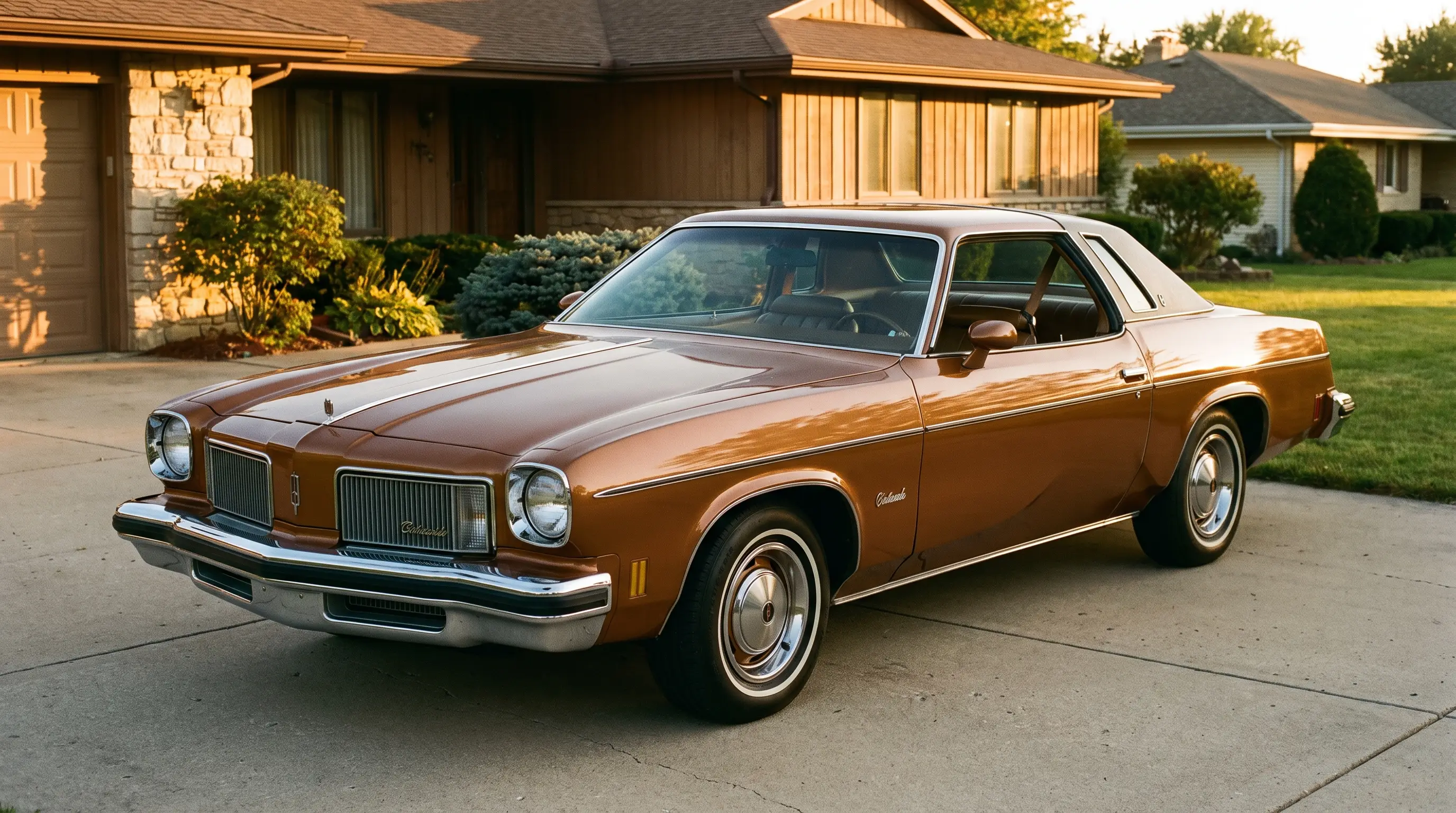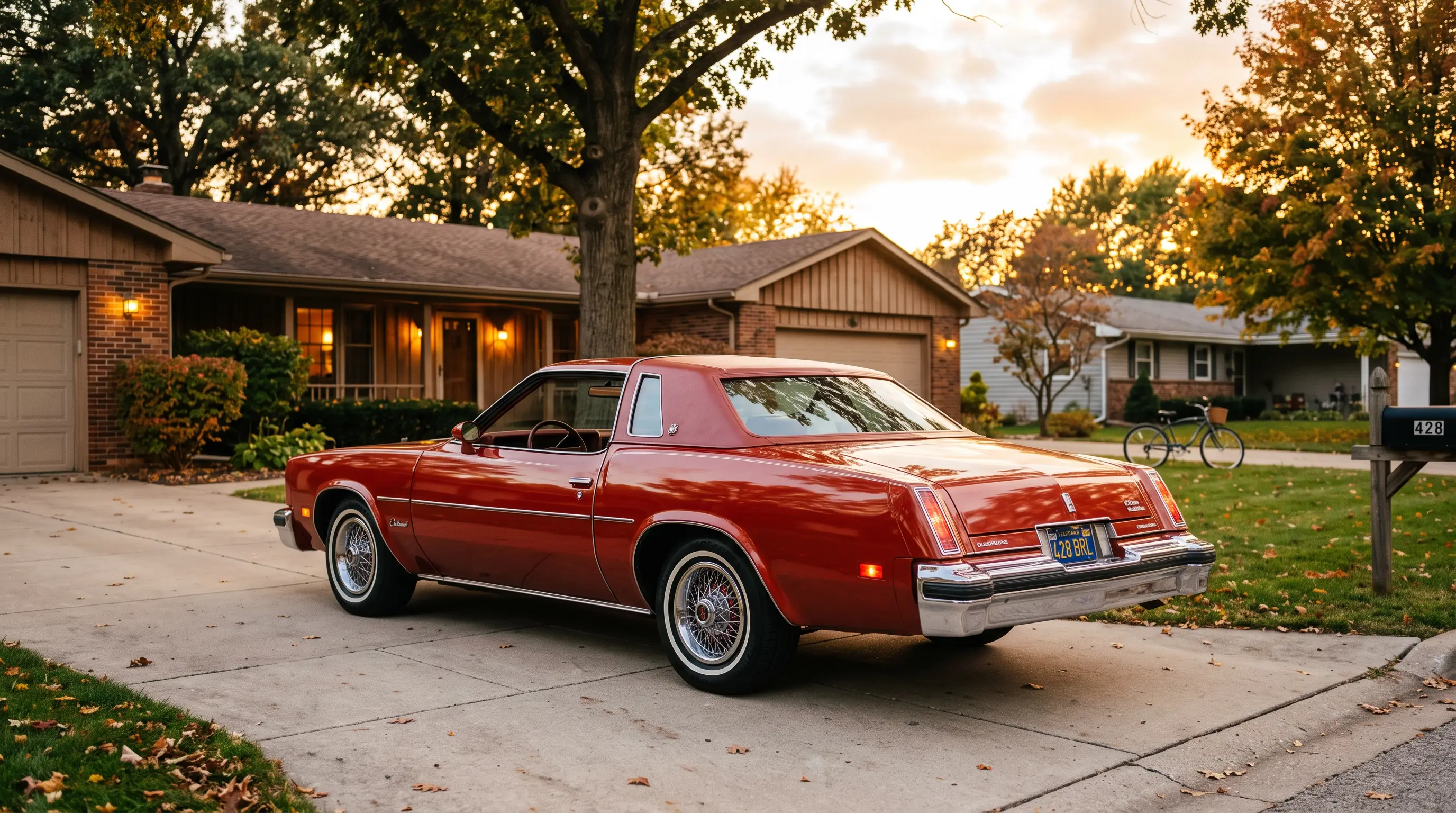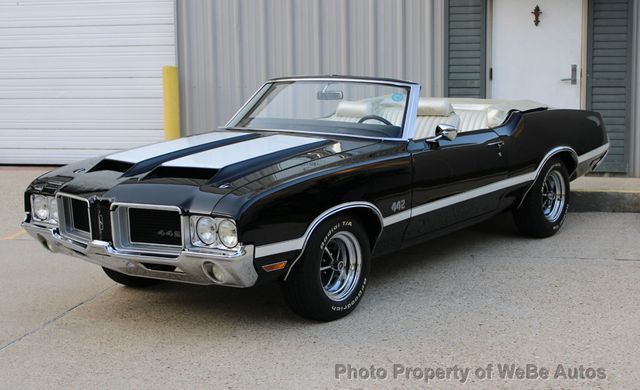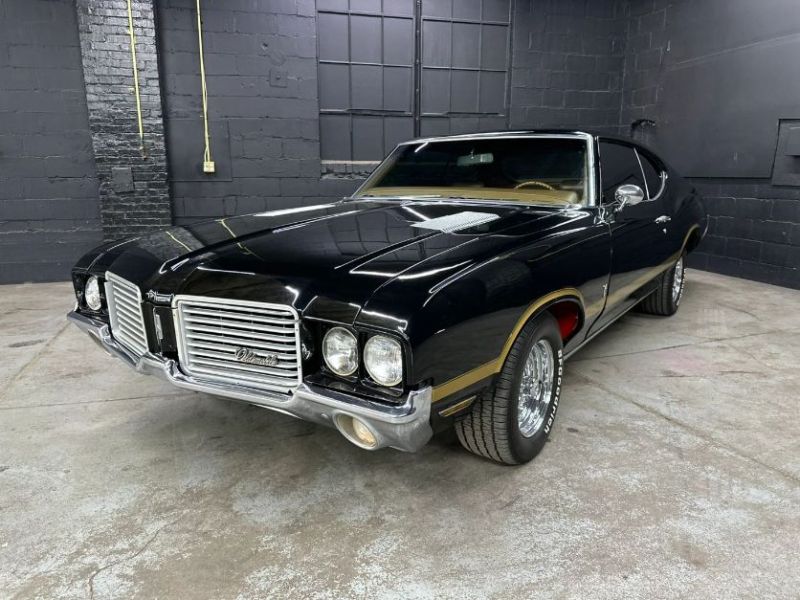
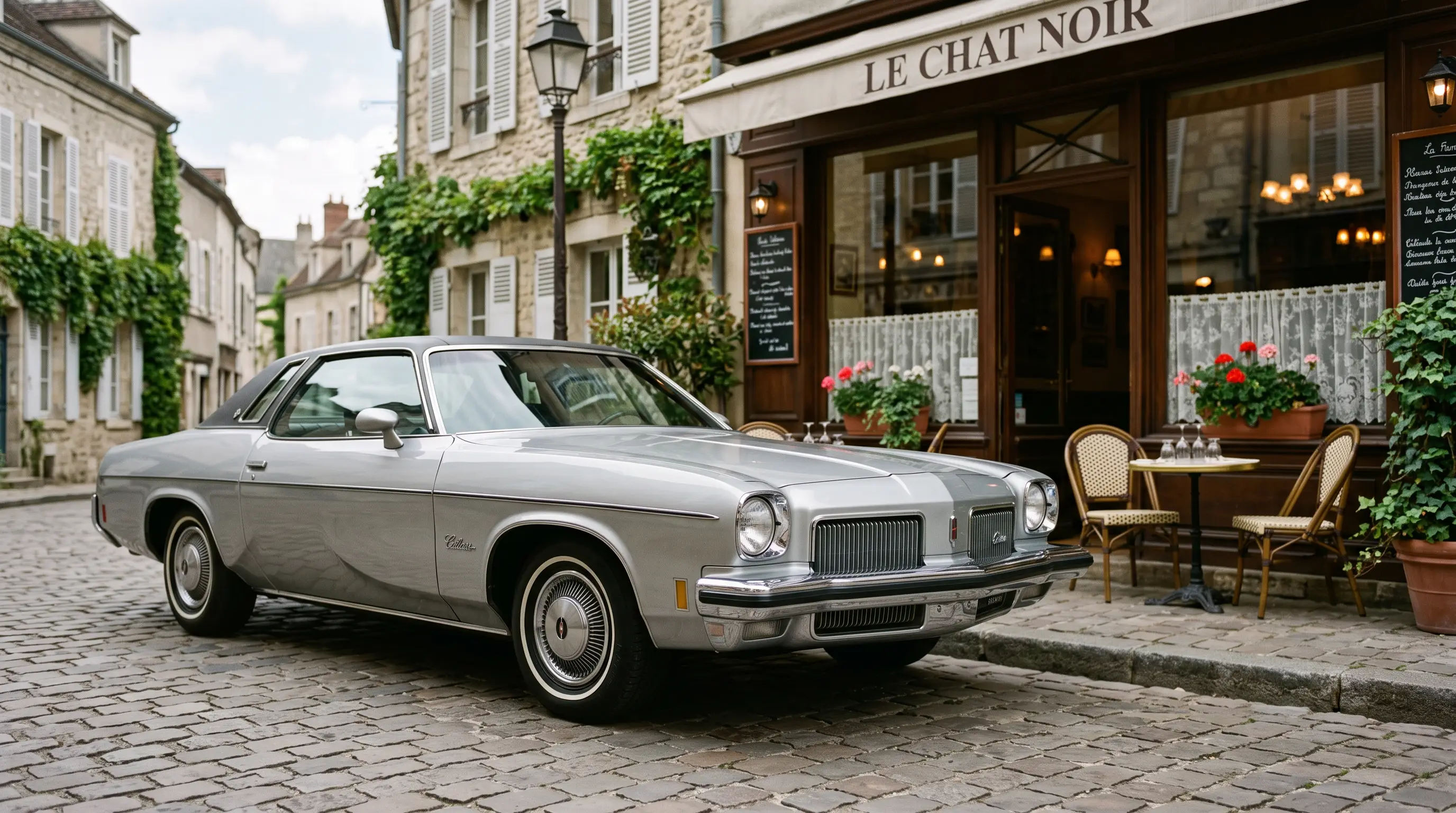
The factory record on the Cutlass Salon is thinner than it should be, given what Oldsmobile was actually trying to do with the car. Introduced for 1973 alongside the redesigned Colonnade Cutlass line, the Salon was Lansing's attempt at a European-flavored trim, aimed at buyers who wanted the tighter, more controlled feel of an imported sedan without giving up the room and price of a domestic intermediate. It never sold in Supreme-rivaling numbers, and that is exactly why it rewards a closer look now.
Oldsmobile's own literature from the period leaned hard on words like "road-oriented" and "European touring," language the division rarely used for anything else in its lineup. That alone tells you the Salon was a deliberate positioning experiment, not a trim level thrown together from leftover parts bin pieces. For the broader story of the body it rode on, the 1970s Cutlass covers the redesign and the sales record it produced.
What the Salon actually changed
The core mechanical difference was the Radial Tuned Suspension package, tuned specifically around the radial tires Oldsmobile fitted as standard equipment on the Salon when many domestic buyers were still riding on bias-ply rubber. Firmer springs, revised shock valving, and a quicker steering ratio came bundled into the package, and factory road tests of the era noted the car felt noticeably tighter through a corner than a standard Cutlass Supreme riding on the same platform.
Trim followed the same logic. Where the Supreme leaned into vinyl roofs, chrome, and plush broadcloth, the Salon's cabin and exterior stayed comparatively restrained: color-keyed trim, a distinct grille treatment, and available cloth or vinyl upholstery that read as sportier rather than plusher. The intent, according to period Oldsmobile materials, was a car that photographed and drove like something closer to a Mercedes-Benz or BMW sedan than to its own Cutlass Supreme sibling sitting one trim level up.
Production numbers and how rare the Salon actually is
Factory production records show the Salon selling in a fraction of Supreme volumes throughout its run, a gap that only widened as the decade went on. In 1977, for example, the Supreme Brougham coupe alone outsold the entire Salon lineup by more than two to one, and that ratio was typical rather than exceptional across the Colonnade years. Buyers in period consistently gravitated toward the Supreme's more familiar, plusher formula, and the Salon settled into a niche role that never became the volume seller Oldsmobile may have hoped for when it launched the concept in 1973.
That low volume is precisely why documented, correctly equipped Salon survivors matter today. A build sheet or window sticker confirming the Radial Tuned Suspension code, the correct wheel and tire package, and the Salon-specific trim separates a genuine example from a Cutlass Supreme that has since been dressed up to look like one. The parts bin overlap between Colonnade trim levels was substantial, and cosmetic Salon clones exist. The paperwork is what settles the question.
Why the Salon disappeared from the spotlight
As the Colonnade years progressed, the Cutlass Supreme's runaway sales success absorbed most of the division's marketing attention, and the Salon's road-oriented positioning became a smaller and smaller part of the story Oldsmobile told about the Cutlass line. By the back half of the run, some of the Salon's distinguishing features had migrated into option packages available across other Cutlass trims, which further blurred the line between a genuine Salon and a well-optioned Supreme or S.
That blurring is a documentation problem more than a design failure. The Salon accomplished exactly what it set out to do mechanically. It just never captured the sales volume needed to keep its own separate identity clear in the historical record, and that has made it one of the more misunderstood trims in the whole Cutlass family tree.
| Item | Cutlass Salon detail |
|---|---|
| Introduced | 1973 model year |
| Platform | Colonnade A-body Cutlass |
| Positioning | European-flavored road-oriented trim |
| Suspension | Radial Tuned Suspension, standard radial tires |
| Trim character | Color-keyed, restrained compared to Supreme |
| Sales volume vs Supreme | Significantly lower throughout its run; outsold by the Supreme Brougham coupe alone by more than 2:1 in 1977 |
What a documented Salon is worth chasing
For a collector who wants a Colonnade Cutlass that actually rewards a twisty road, a correctly documented Salon is arguably a better find than a base Supreme, and it is scarce enough that a clean, original example is not something you find every week. Confirm the RTS code on the build sheet, verify the wheel and tire specification matches factory Salon literature, and treat any Salon without supporting paperwork as a car to price carefully rather than take on faith.
The parts interchange problem cuts both ways for buyers. On one hand, a Salon that needs mechanical work draws from the same wide Colonnade parts supply as every other Cutlass, so keeping one running is not a specialist's nightmare the way some low-volume factory specials can be. On the other hand, that same interchange makes it trivially easy for a seller to graft Salon badging and a set of correct wheels onto a base car and call it original. Neither problem is insurmountable, but both point back to the same conclusion: the build sheet and the factory invoice are doing more work here than they would on a higher-volume trim, because the car itself will not always tell you the truth on sight.
The car deserves better treatment in the historical record than it has gotten, and that is worth saying plainly rather than dressing it up. If this angle on the Colonnade years interests you, a related deep-dive covers what happened once the Supreme's sales dominance reached its peak, which is the same story from the other side of the showroom floor.
"The Salon gets treated as a footnote because it never sold like the Supreme. But sales volume and engineering intent are two different measures. Oldsmobile built a genuinely different car here, and the factory paperwork proves it, even if the sales charts never did."
— Tom Ramirez