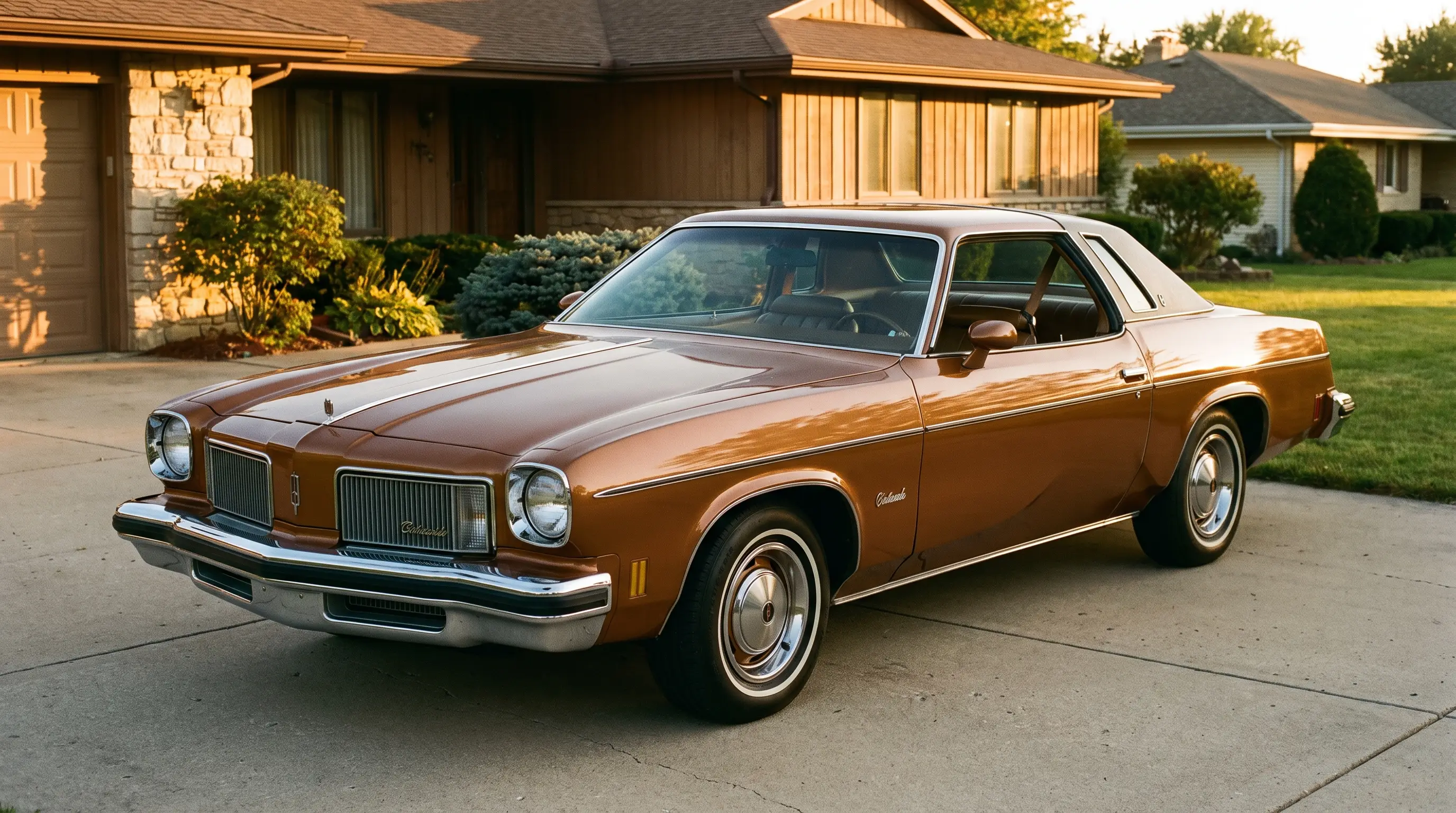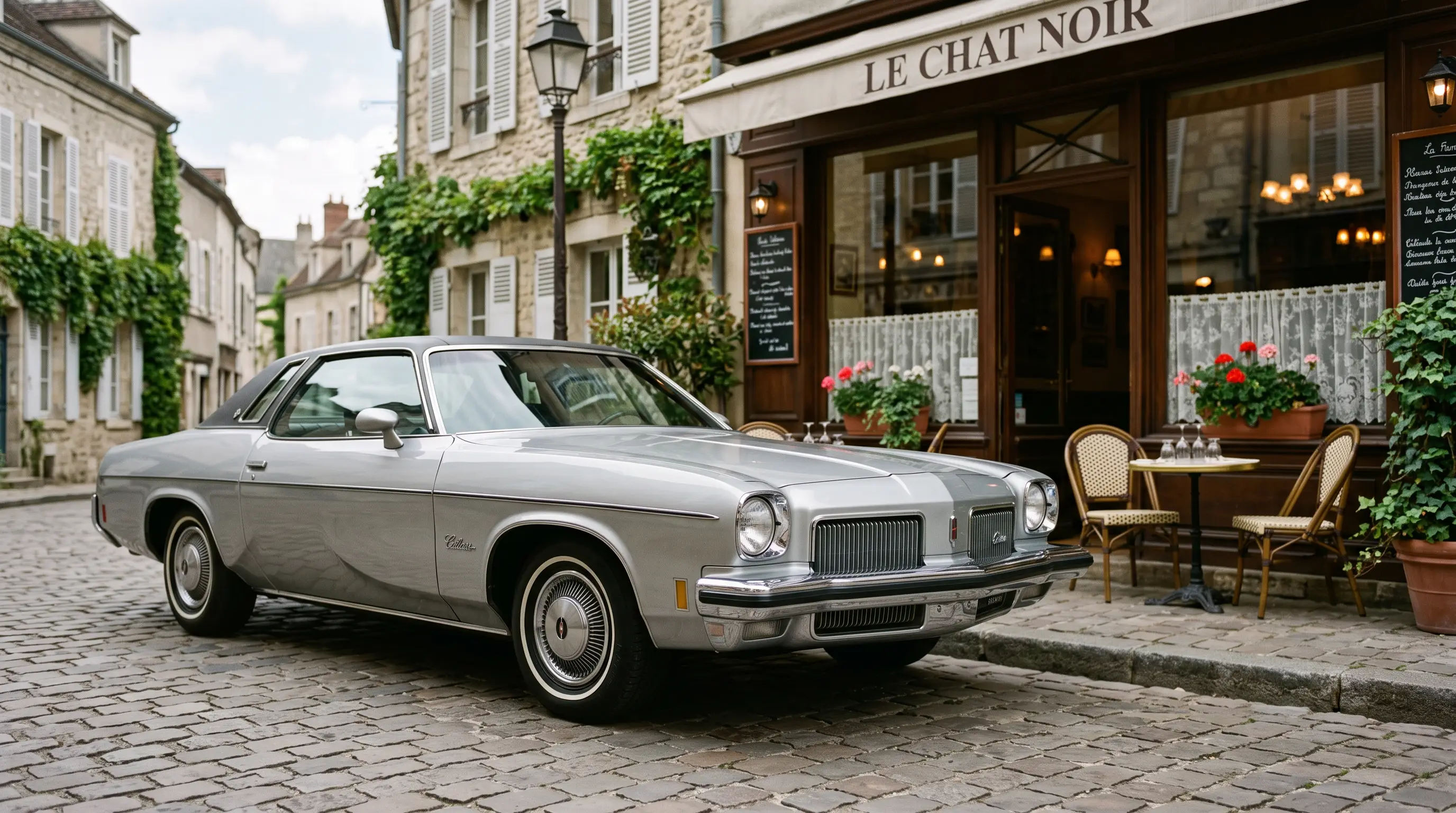
Ask somebody who was car shopping in 1977 what the best-selling car in America was that year, and most guess wrong. It was not a Chevrolet. It was not a Ford. The 1977 Oldsmobile Cutlass, in its various Colonnade body styles, outsold every other nameplate in the country, and the record on that is about as clean as sales records ever get. I like settling arguments this way, with the number rather than the nostalgia, and this is one of the best numbers in the whole Cutlass story.
This was the final full model year before GM's big downsizing wave reshaped the intermediate market, and the Cutlass rode that last year of the old formula straight to the top of the charts. If you want the setup for how the car got to this point, the Colonnade Cutlass covers the redesign that made it possible.
How a mid-size car beat everything else in America
The 1977 sales race was not close by the standards of the era, with the Cutlass line combining across its Supreme, Salon, S, and 442-optioned variants to outsell the full-size Chevrolet and the compact class leaders alike, moving 632,742 cars for the model year. What makes the number more remarkable is that Oldsmobile achieved it without a single standout hero car. There was no single Cutlass variant carrying the number. It was the whole family, sold across dealerships nationwide, in a range of trims that covered nearly every buyer who walked onto the lot.
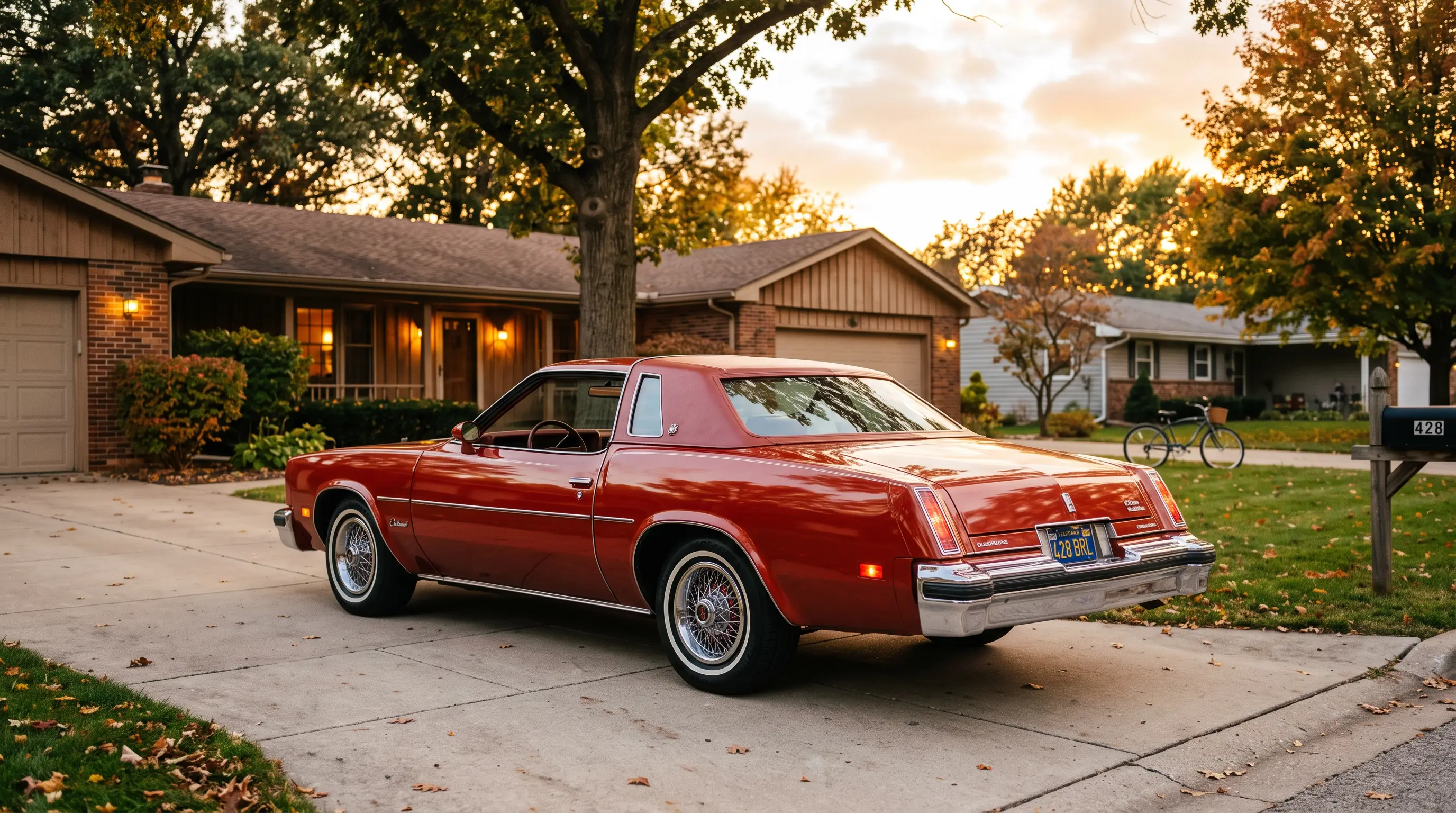
The Cutlass Supreme's formal roofline and personal-luxury positioning did the heaviest lifting, and by 1977 that formula had been refined for four full model years. Buyers who wanted something that looked expensive without paying full-size prices found exactly what they wanted, and word of mouth did the rest. A car parked in enough driveways starts selling itself, and by 1977 the Cutlass Supreme was in an enormous number of American driveways.
Why 1977 specifically, and not 1976 or 1978
The timing matters. GM's downsized 1978 intermediates were already locked into production by the time the 1977 model year wrapped, which means 1977 was the last chance for a buyer to get the full-size Colonnade Cutlass before the whole platform shrank. Some of that last-year surge came from buyers who preferred the bigger car and wanted one before it disappeared, a pattern that shows up in other GM nameplates during transition years as well.
That context is worth remembering when you hear the sales number thrown around without it. The 1977 Cutlass was not just popular. It was popular at the exact moment the formula it represented was about to end, which gives the year an outsized place in the story even beyond the raw sales figure.
What the record shows about the cars themselves
A 1977 Cutlass built for the sales volume it achieved was, by design, not a rare car, and that shapes what a buyer should expect from the survivor population today. Most were ordered with V8 power in the small to mid-range Oldsmobile displacements, automatic transmissions, and comfort-oriented options rather than performance packages. The 442 option existed on the S coupe for buyers who wanted it, but it represented a small slice of a very large sales total.
That volume also means parts availability and club knowledge for a 1977 Cutlass are strong compared to rarer years in the Cutlass family, which is a real advantage for anyone planning to actually drive one rather than trailer it to shows. A common survivor from a record sales year is not a lesser collector car. It is simply a different kind of ownership proposition, closer to owning a well-documented piece of American automotive habit than a rare factory special.
| Spec | Detail |
|---|---|
| Model year | 1977 |
| Platform | Colonnade A-body, final full-size year before downsizing |
| Sales result | Best-selling car in America across the Cutlass line, 632,742 units |
| Volume driver | Cutlass Supreme personal-luxury coupe |
| Powertrain norm | Small to mid-range Oldsmobile V8, automatic transmission |
| Performance option | 442 appearance and handling package on Cutlass S |
Why this record still matters to collectors today
The 1977 sales title gives the Cutlass a place in American car culture beyond the enthusiast world, and that broader recognition helps values across the entire Colonnade family rather than just the performance variants. A clean 1977 Cutlass Supreme, correctly documented, is a genuine piece of the year America bought more Oldsmobiles than anything else, and that story sells the car to a wider audience than horsepower ever could on its own.
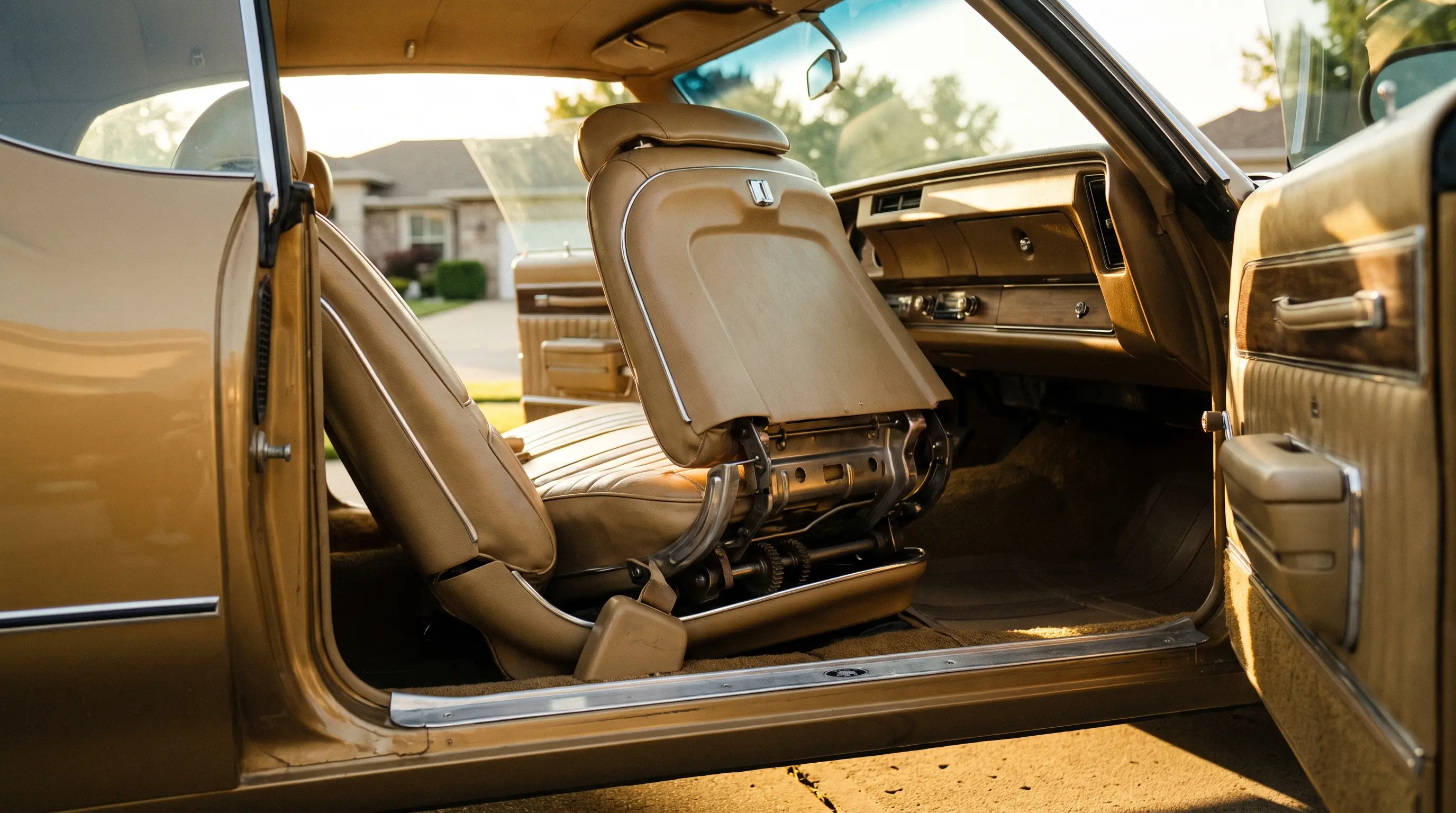
If you want to trace how this sales peak fits into the whole nameplate, our Cutlass retrospective covers the decades before and after this record year, and a related deep-dive looks at one of the interior features that helped make earlier Cutlass Supremes so popular with the buyers who eventually pushed 1977 to the top of the chart.
"Nobody expects the answer to be Oldsmobile. Then I show them the 1977 numbers and watch the argument end right there. The Cutlass did not need to be the fastest car in America that year. It just needed to be the one America actually bought, and it was."
— Wayne Coburn
Whatever brought you to this year of the Cutlass story, a documented 1977 example is an accessible way into a genuinely significant piece of American sales history, and the current listings of classic Oldsmobile Cutlass for sale are worth checking for a survivor from the year the whole nameplate peaked.
Sources and notes
- Mac's Motor City Garage: Oldsmobile Reaches Peak Cutlass, the 1977 Cutlass Supreme
- Jalopnik: Why the hell did Americans buy so many Oldsmobile Cutlasses
- ClassicCars.com Journal: When the Olds Cutlass was the best-selling car in the US
- The Washington Post archive: Cutlass to cap a 5-year sales rise
- Jalopnik: Long before the SUV age, America's best-selling car was a Cutlass coupe
- Oldsmobile Cutlass - Wikipedia