Ask someone who grew up in the 1970s what an Oldsmobile Cutlass Supreme meant on their street and you rarely get a technical answer. You get a name. A neighbor's name, a cousin's name, the name of whoever on the block had the nicest car and made sure everyone knew it. For a stretch of years that ran roughly from the early 1970s into the following decade, the Cutlass Supreme wasn't just a good-selling Oldsmobile. It was, by some measures, the best-selling car in America, and that fact alone tells you something about what an entire generation wanted from a car.
A country that wanted comfort more than speed
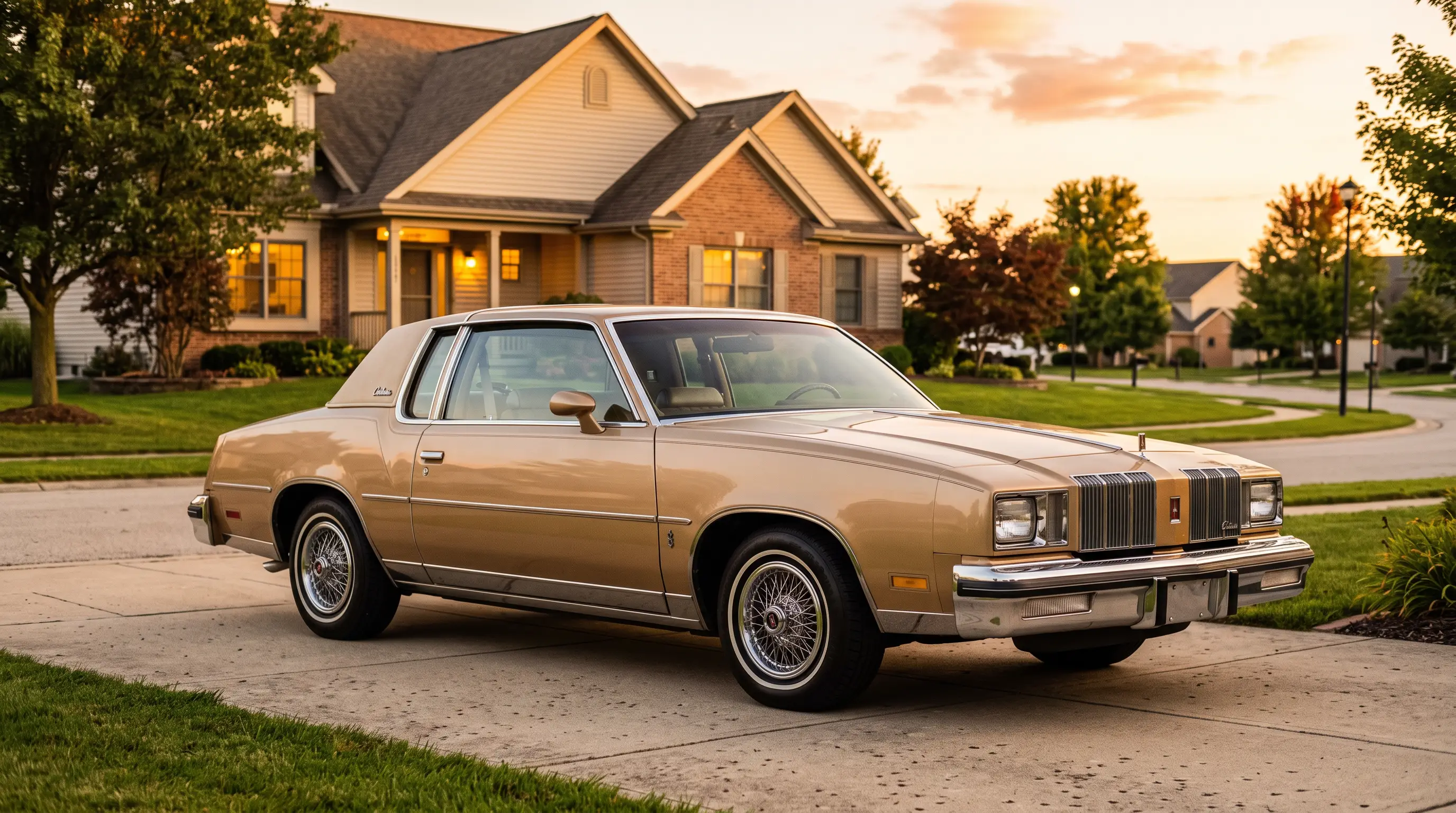
The muscle car era had run its course by the early 1970s. Insurance rates on high-performance engines had climbed, fuel had gotten more expensive, and emissions regulations were reshaping what engineers could build. Buyers who might have wanted a fast car five years earlier now wanted something else: a car that rode smoothly, looked substantial, and said something respectable about the person driving it. The Cutlass Supreme, particularly in its Colonnade-era coupe form, answered that demand almost perfectly. It had presence without aggression, comfort without excess, and a shape that read as confident rather than showy.
That shift in what buyers wanted is easy to underestimate now, decades later, when performance numbers dominate how people talk about old cars. At the time, comfort and quiet were the selling points that mattered, and Oldsmobile built the Cutlass Supreme around exactly that promise.
It helped that Oldsmobile had spent years building a reputation for engineering that felt a notch more serious than some of its GM siblings. Buyers trusted the brand to build something that would hold up through a decade of daily use, and the Cutlass Supreme cashed in on that trust at exactly the moment buyers were ready to spend their money on steadiness rather than spectacle.
The personal-luxury coupe becomes the mainstream choice
Personal-luxury coupes had existed before the Cutlass Supreme's rise, but they had mostly lived in a smaller, pricier category. What the Cutlass Supreme did differently was bring that formula, a distinctive roofline, a plush interior, a smooth ride, down into a price range a much wider swath of American buyers could reach. Suddenly a schoolteacher or a mid-level manager could park a car in the driveway that looked and felt like something aspirational, without paying for a Cadillac or a Lincoln.
That democratization of personal luxury is arguably the single biggest reason the Cutlass Supreme became a sales phenomenon rather than a niche favorite. It gave millions of buyers a taste of a formula that had previously been reserved for a smaller audience.
What the styling said without saying anything
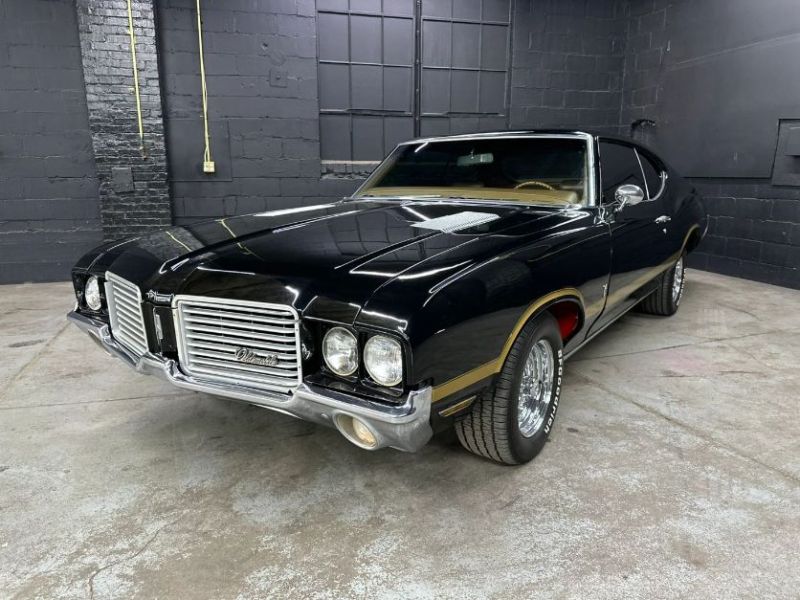
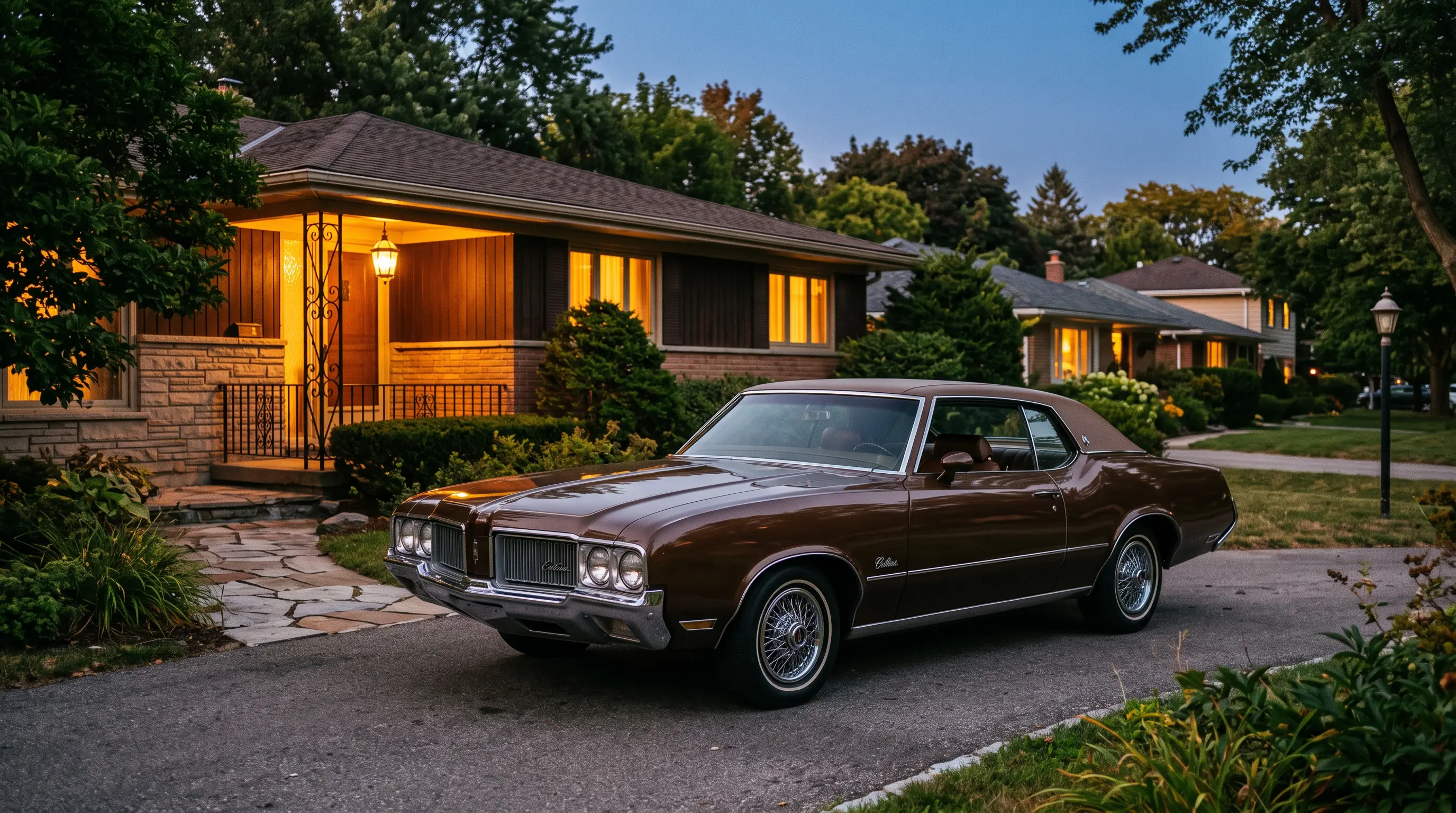
The Colonnade-era Cutlass Supreme coupe carried a roofline unlike the formal notchbacks that had come before it, with opera windows and a more sculpted greenhouse that gave the car a distinct silhouette even at a glance from across a parking lot. That silhouette became shorthand. People who had never opened the hood could identify the car from its shape alone, and that kind of visual recognition is worth more to a brand than almost any spec sheet claim.
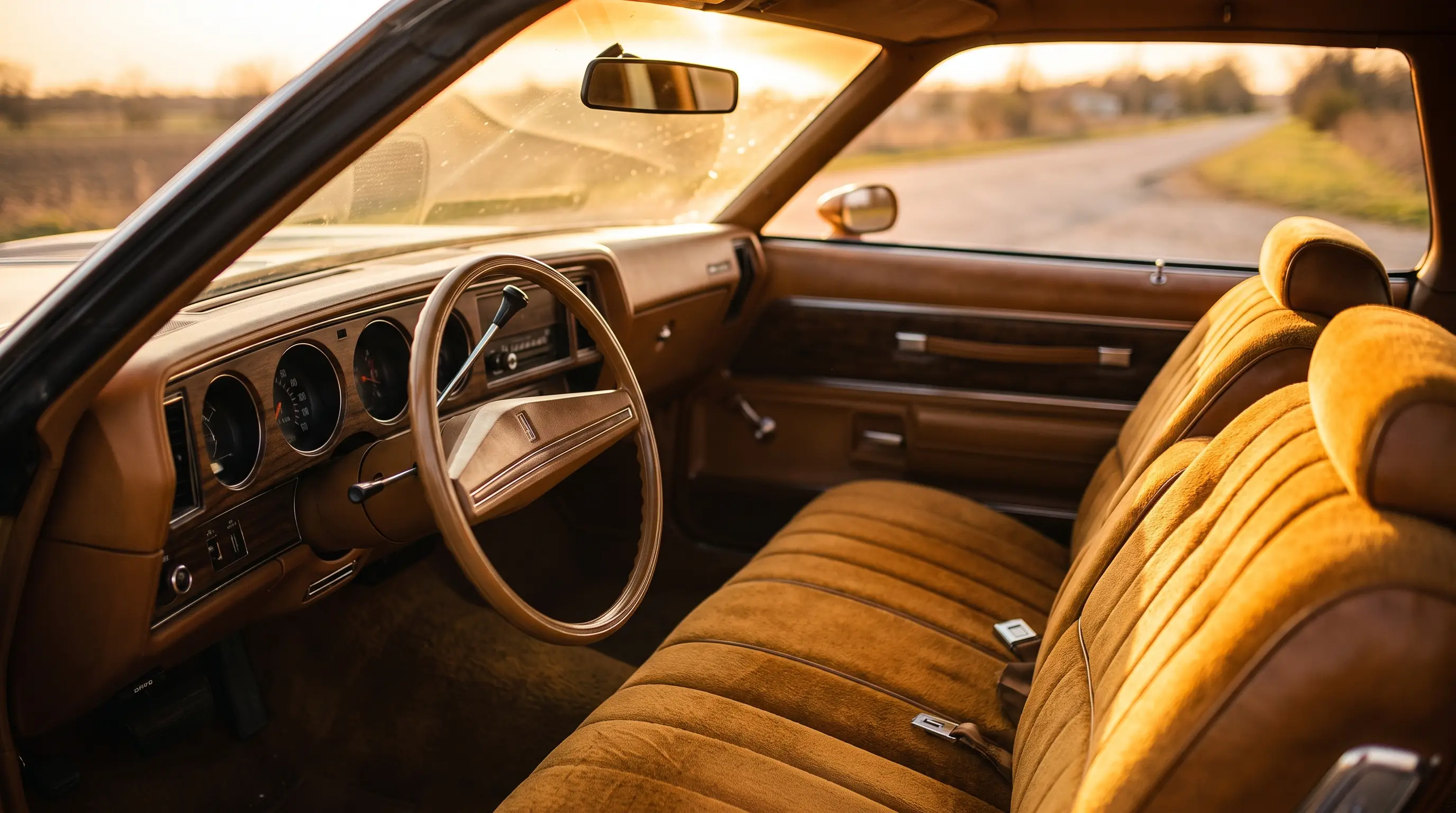
Inside, the same philosophy held. Buyers got cloth or vinyl trims that leaned toward plush rather than austere, dashboards laid out for comfort rather than sport, and an overall cabin feel that matched what the exterior promised. The car looked like a step up, and it felt like one too, which is exactly why so many buyers chose it over cheaper, plainer alternatives from the same showroom floor.
"The Cutlass Supreme didn't win that era by being the fastest thing on the road. It won by understanding exactly what a tired, inflation-weary country wanted to feel like when they got behind the wheel."
— Nora Beckett
Why that moment couldn't last, and why it still matters
Every sales phenomenon eventually meets a market that changes underneath it. Downsizing mandates, new competition, and shifting buyer tastes through the 1980s eventually pulled attention away from the format that had made the Cutlass Supreme so dominant. Rival brands studied what Oldsmobile had built and rushed their own personal-luxury coupes to market, chasing the same buyers with similar rooflines and similar promises of comfort over speed. That competition alone tells you how completely the Cutlass Supreme had proven the formula worked.
But the era it defined left a mark that outlasted the sales charts. It proved that American buyers, given the choice, would consistently pick comfort, style, and a sense of arrival over raw performance, a lesson the entire industry absorbed and carried forward into the decades that followed. Later downsized generations tried to recapture some of that magic in a smaller footprint, and while a few succeeded commercially, none quite matched the cultural weight of those Colonnade years, when a Cutlass Supreme in the driveway said something about its owner that no other car in the class could say quite as well.
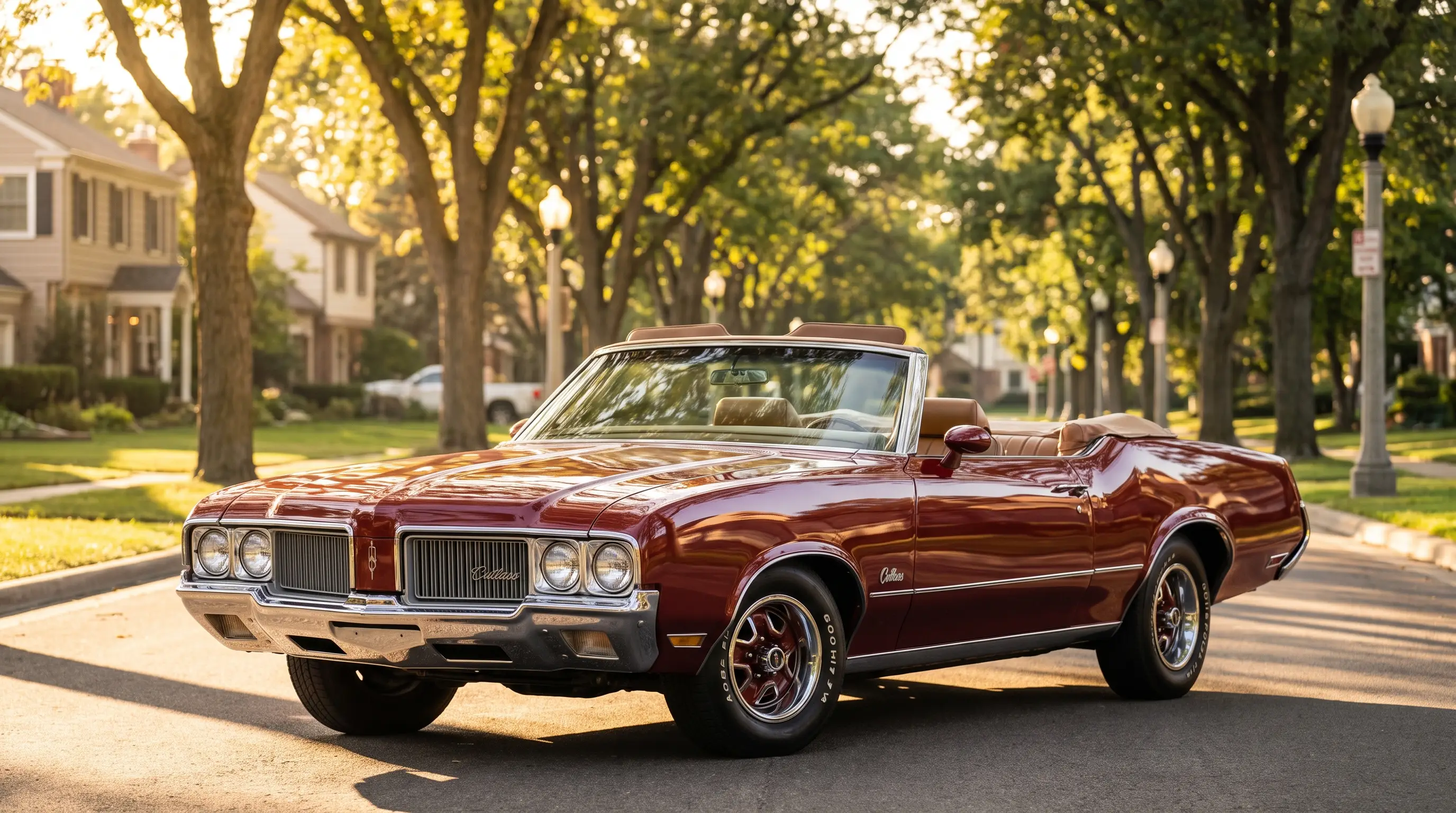
For readers who want the fuller picture of how this one variant fit into Oldsmobile's broader Cutlass lineup, the Supreme chapter lays out the whole arc from introduction to icon. The cabin that made all of this comfort possible gets its own close look from another angle, and readers chasing the complete Oldsmobile picture should spend time with the full Cutlass story, which traces the nameplate from its earliest, humbler days through to the era this car came to define.
What the Cutlass Supreme proved, more than any single spec or sales figure, is that an era can be defined not by what a car does, but by what it makes its owner feel walking up to it in a parking lot. For a stretch of years, that feeling belonged to Oldsmobile.
Sources and notes
- Oldsmobile Cutlass Supreme, Wikipedia
- Oldsmobile Cutlass, Wikipedia
- Oldsmobile Reaches Peak Cutlass: The 1977 Cutlass Supreme, Mac's Motor City Garage
- USA 1976: Oldsmobile Cutlass Still America's Favourite, Best Selling Cars Blog
- Pick of the Day: When the Olds Cutlass Was America's Best-Selling Car, ClassicCars.com Journal
- Why the Hell Did Americans Buy So Many Oldsmobile Cutlasses, Jalopnik