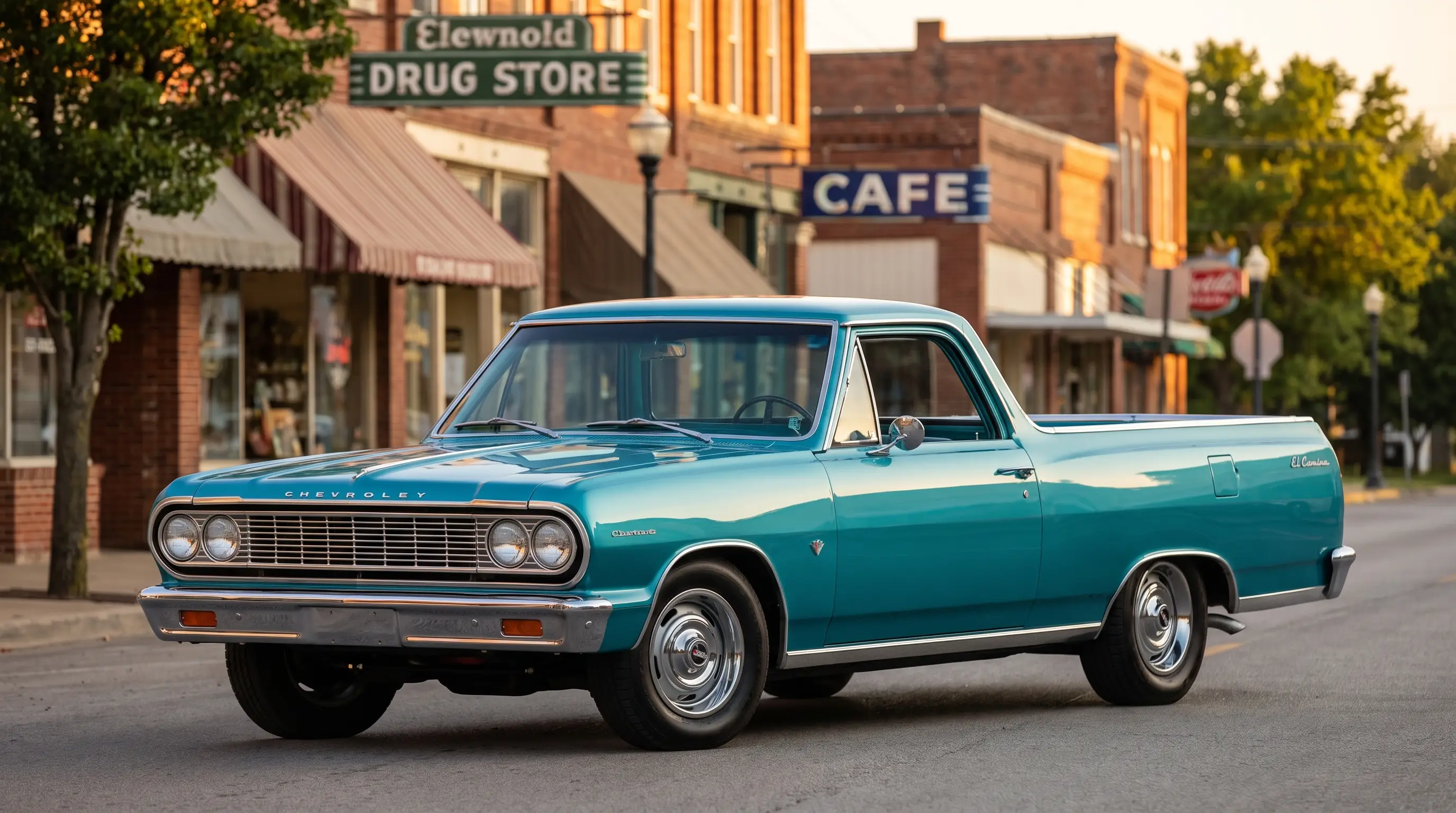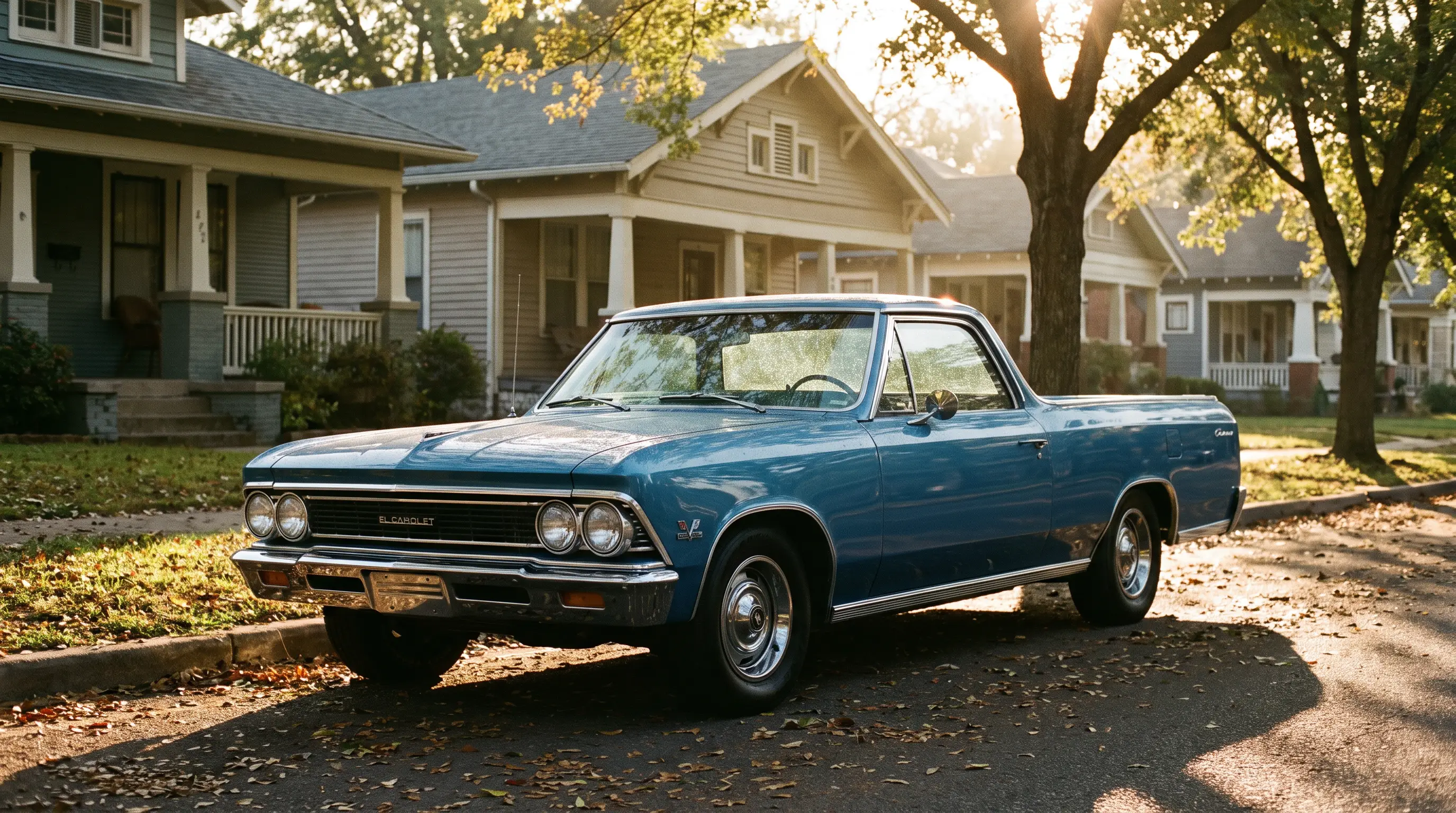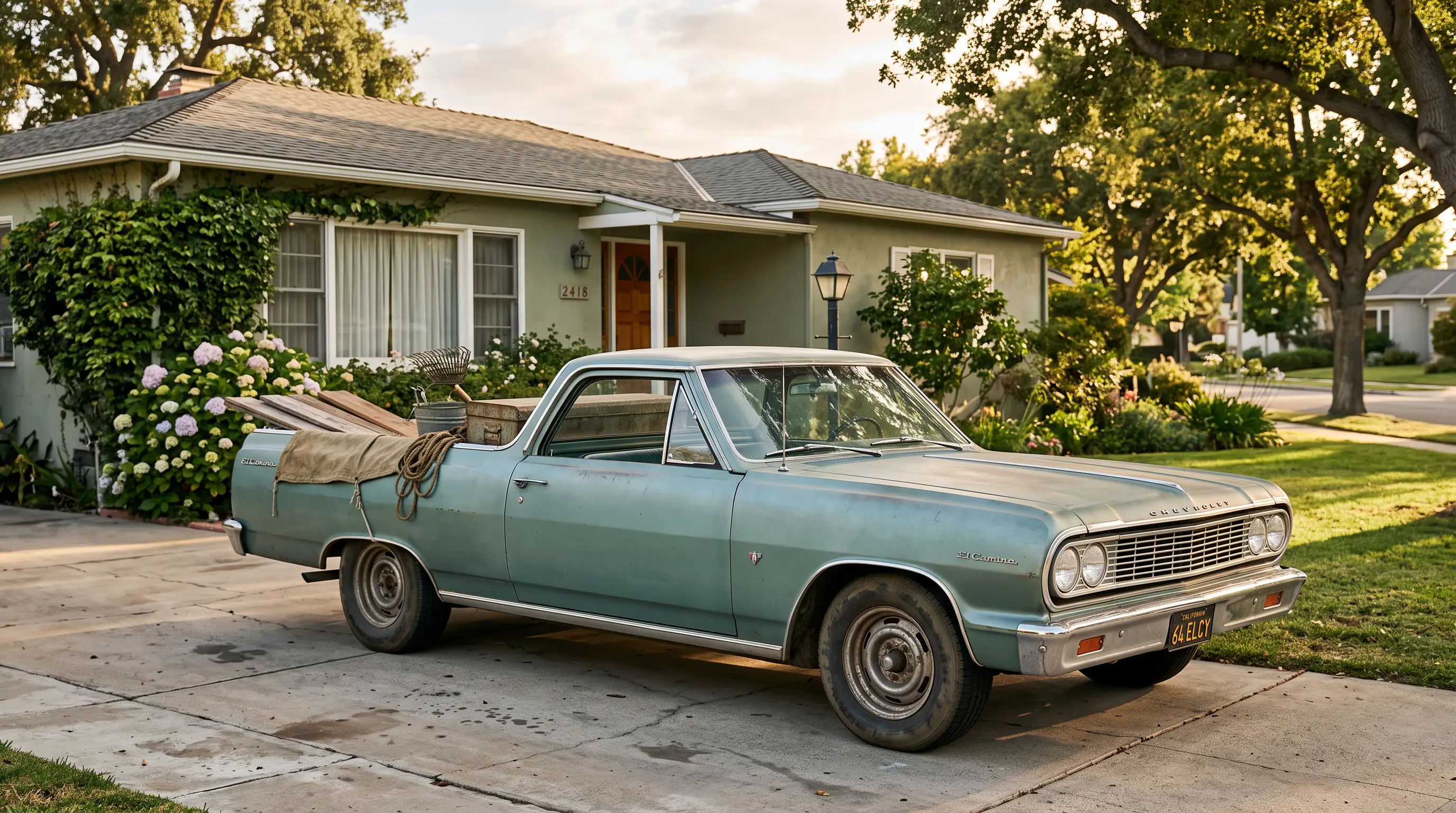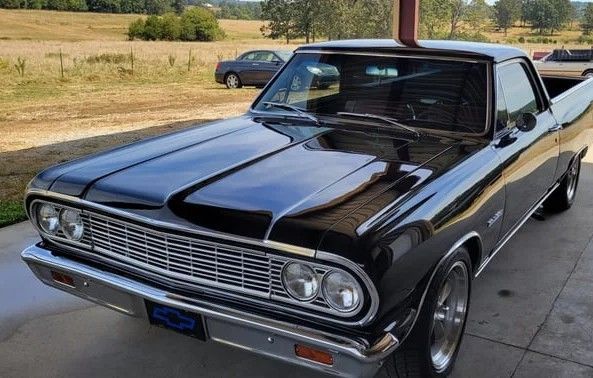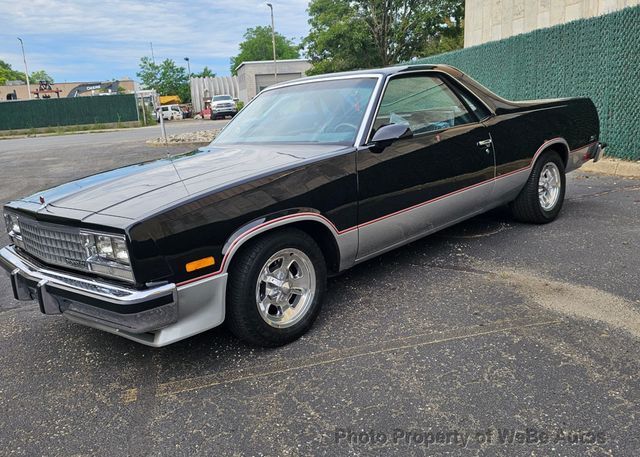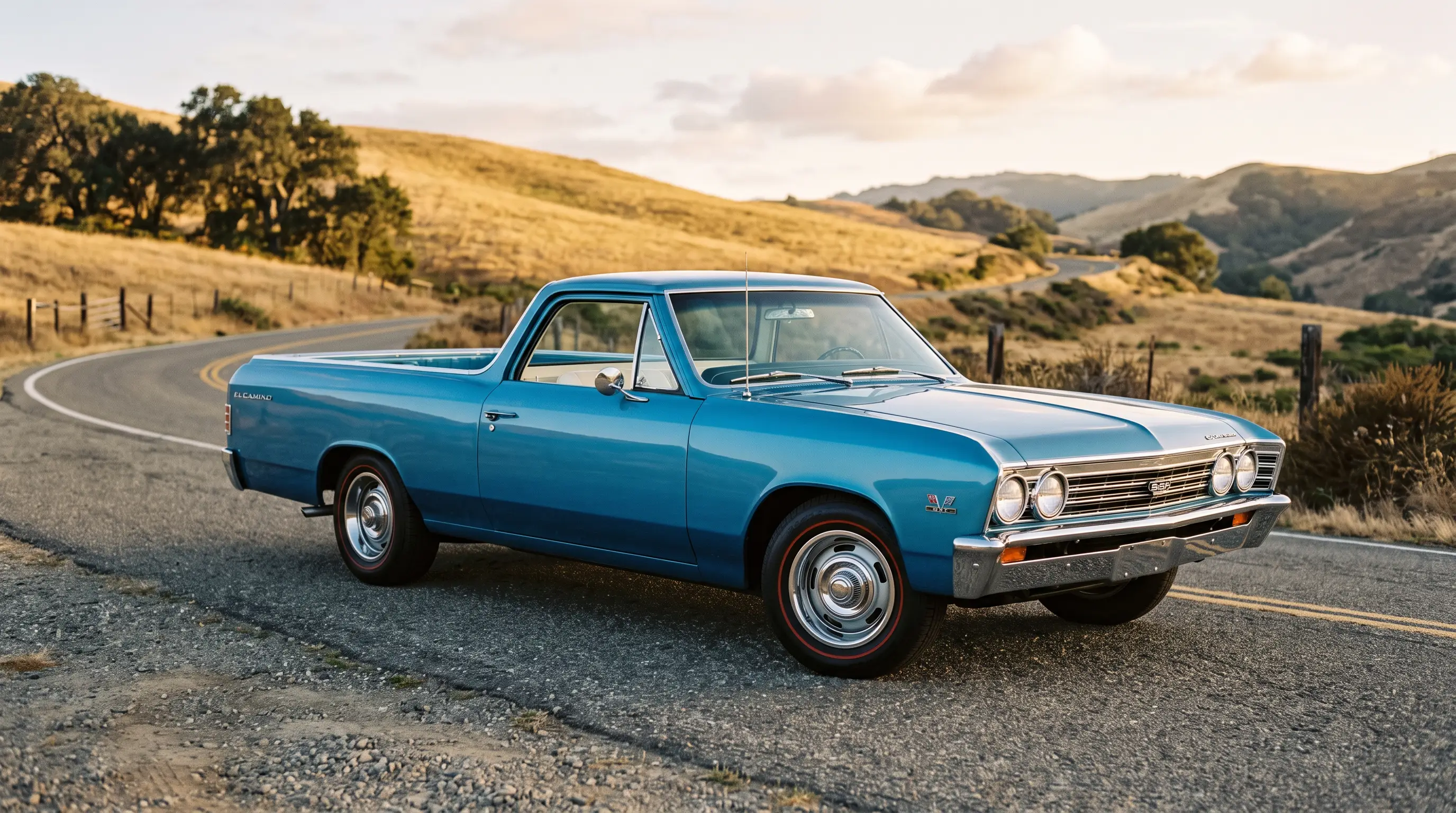
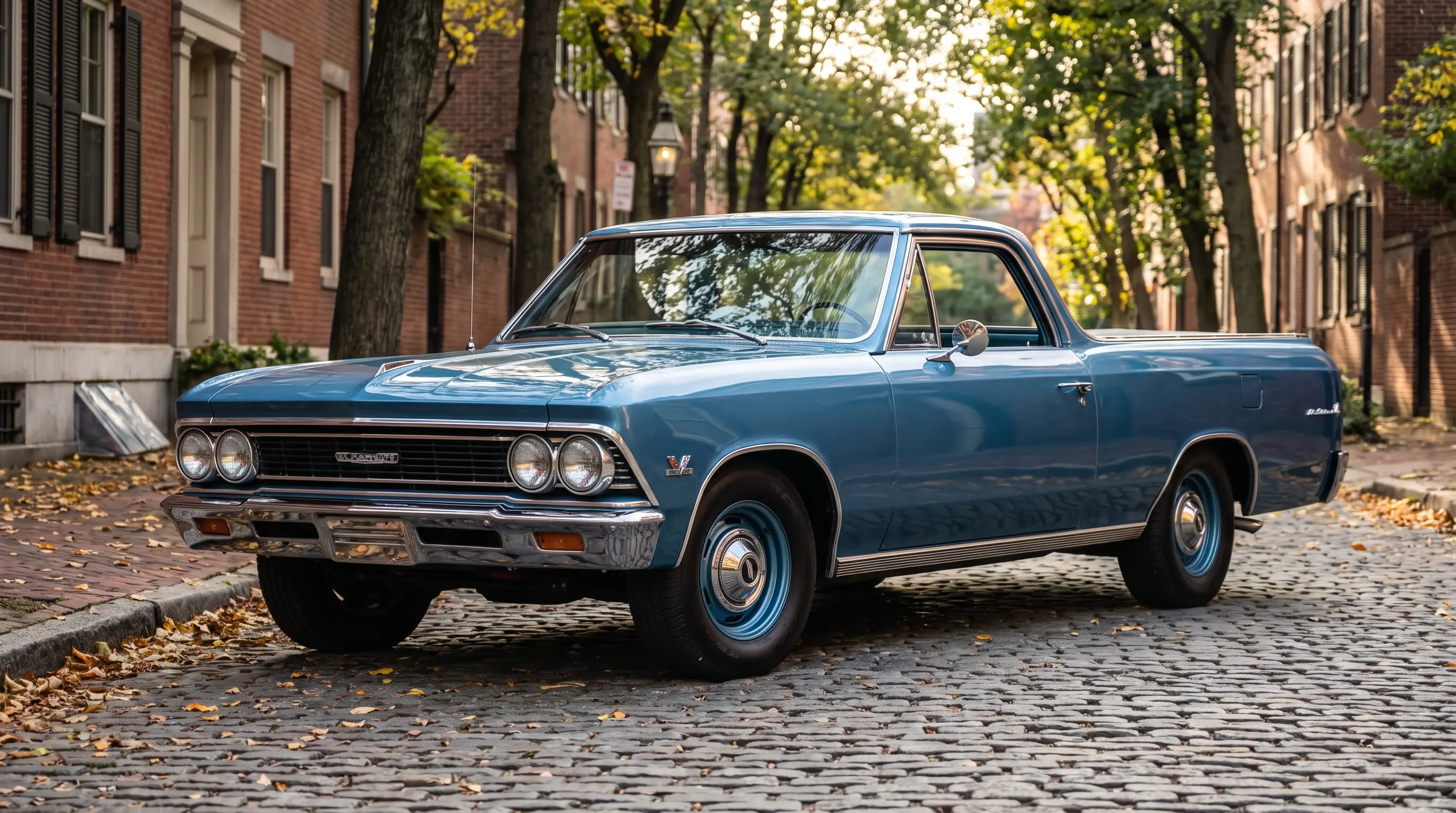
Chevrolet did not sell just one version of the mid-size El Camino when the model returned in 1964. Buyers could choose between a standard configuration and a Custom trim that dressed the vehicle up with better materials and additional brightwork, a distinction that carried through the following years as Chevrolet expanded and renamed its trim structure. The el camino 1964 custom and super trims history is a story of Chevrolet figuring out, model year by model year, how far it could stretch a single platform to serve different buyers with different budgets and expectations.
Standard versus Custom in the mid-1960s
The base 1964 El Camino was a straightforward vehicle: functional upholstery, minimal exterior trim, and an emphasis on utility over appearance. The Custom trim level, introduced alongside it, added upgraded interior materials, more chrome trim on the exterior, and small convenience touches that made the vehicle feel less like a stripped-down work truck and more like a personal vehicle that happened to have a bed. This split mirrored what Chevrolet was doing across the Chevelle passenger car lineup at the time, where a base model and a more dressed-up Malibu-level trim coexisted to capture buyers across a wider price range.
Documentation from this era shows the Custom package was a meaningful portion of El Camino sales almost from the start, suggesting Chevrolet's read on buyer preferences was accurate. People wanted a truck bed's usefulness without sacrificing the comfort and appearance expected in a personal vehicle, and the Custom trim answered that demand directly.
How the Super designation entered the picture
As the model year lineup progressed through the mid-1960s, Chevrolet continued refining its trim strategy, adding further distinctions that let buyers layer additional equipment and cosmetic upgrades onto either the base or Custom starting point. These incremental additions were less about wholesale reinvention and more about giving Chevrolet's sales staff more configurations to match individual buyer budgets, a strategy the company used consistently across its entire product range during this period rather than something unique to the El Camino.
What is notable is how methodical this approach was. Chevrolet was not chasing performance positioning yet during these years. The trim expansion was aimed squarely at comfort, appearance, and perceived value, categories that mattered enormously to a buyer cross-shopping the El Camino against a basic pickup truck or a standard Chevelle wagon.
Identifying original trim on a surviving car
For anyone shopping a 1960s El Camino today, correctly identifying original trim level matters both for accurate valuation and for any restoration work that follows. Cowl tag codes and build documentation, where they survive, spell out exactly what trim package a car left the factory with, along with paint and interior color codes. Cars that have been repainted or reupholstered over the decades sometimes lose these visual cues, making the factory paperwork the only reliable source for confirming original configuration.
Buyers should be cautious of sellers who describe a car simply as a Custom without being able to produce documentation, since aftermarket trim pieces have circulated widely enough over the years that a base model can be dressed up to resemble a higher trim without much difficulty. This is not necessarily deceptive on the seller's part, since previous owners may have made these changes decades ago for purely cosmetic reasons, but it does mean a buyer relying on trim level as a value driver should verify rather than assume. Readers wanting the fuller context of how this generation of El Camino developed should read the whole picture covering the 1964 relaunch and its trim strategy in more depth.
"Chevrolet's trim ladder on the mid-1960s El Camino was not an afterthought. It was a deliberate strategy to sell the same basic vehicle to buyers with very different priorities, and the production numbers show it worked."
- Tom Ramirez
Why trim history still shapes collector value
Trim level does not carry the same weight in today's collector market that engine displacement and factory performance packages do, but it is far from irrelevant. A well-documented, original Custom trim car in excellent condition holds genuine appeal for buyers who want an accurate, honest representation of how these vehicles were actually equipped and sold, rather than a car that has been altered to chase a performance premium it was never built to carry.
There is also a practical angle worth considering. Base trim and Custom trim examples from this era are generally more affordable than the SS-badged big block cars that came slightly later, which makes them a sensible entry point for buyers who want an authentic mid-1960s El Camino without competing for the same limited pool of muscle car examples that dominate auction headlines. Anyone exploring this segment of the market should shop classic El Camino listings and pay close attention to trim-specific details described in each listing, since accurate trim identification often correlates with a seller who has done their homework on the rest of the car's history as well.
The trim ladder Chevrolet built for the 1964 El Camino and refined over the following years reflects a company paying close attention to what buyers actually wanted, long before performance badges took over the conversation. That patient, incremental approach to product strategy deserves more attention from collectors than it typically gets.
Interior details that separated the trim levels
The differences between a base and a Custom trim El Camino went well beyond a badge on the fender. Interior door panels, seat upholstery patterns, and even the material used on the headliner varied between trim levels, with the Custom package generally offering a woven pattern and richer color options compared to the more basic vinyl treatments found in standard cars. Dash trim also received small upgrades in the Custom package, including brighter accent trim around gauges and switches that gave the cabin a noticeably more finished look without changing anything mechanical underneath.
None of these upgrades affected how the vehicle drove or hauled, and that distinction matters for anyone evaluating a car today. A base trim El Camino with a well-kept original interior is not a lesser vehicle mechanically. It simply reflects a buyer decades ago who prioritized value over appearance, and there is nothing wrong with preserving that choice rather than upgrading a car to a trim level it never actually had. Honest, original presentation of whatever trim a car left the factory with tends to age better in the collector market than a car quietly modified to look more upscale than it was.
How dealers marketed the trim ladder
Period dealer literature and advertising from the mid-1960s consistently pitched the Custom trim as the practical middle ground between a bare-bones work vehicle and the flashier performance packages that would arrive later in the decade. Sales brochures emphasized comfort and appearance rather than any competitive claim against rival trucks, a marketing approach that suggests Chevrolet saw the Custom trim buyer as someone cross-shopping personal cars and light trucks simultaneously, not someone comparing horsepower figures against a Ford Ranchero.
That marketing context is useful for collectors today because it explains why so many surviving Custom trim cars from this era show signs of having been driven and enjoyed as everyday vehicles rather than garaged as investments. These were bought to be used, and the survivors that remain in good condition today represent owners who took genuine care of a vehicle they valued for its comfort and appearance as much as its practicality.
Sources and notes
- SS396.com - 1964 El Camino Parts and Restoration Information
- SS396.com - 1966 El Camino Parts and Restoration Information
- MotoGallery - 1964-1967 Chevrolet El Camino Base Guide
- Wikipedia - Chevrolet El Camino
- Hagerty Valuation Tools - 1964 Chevrolet El Camino
- ClassicCars.com Journal - Vehicle Profile: Chevrolet El Camino