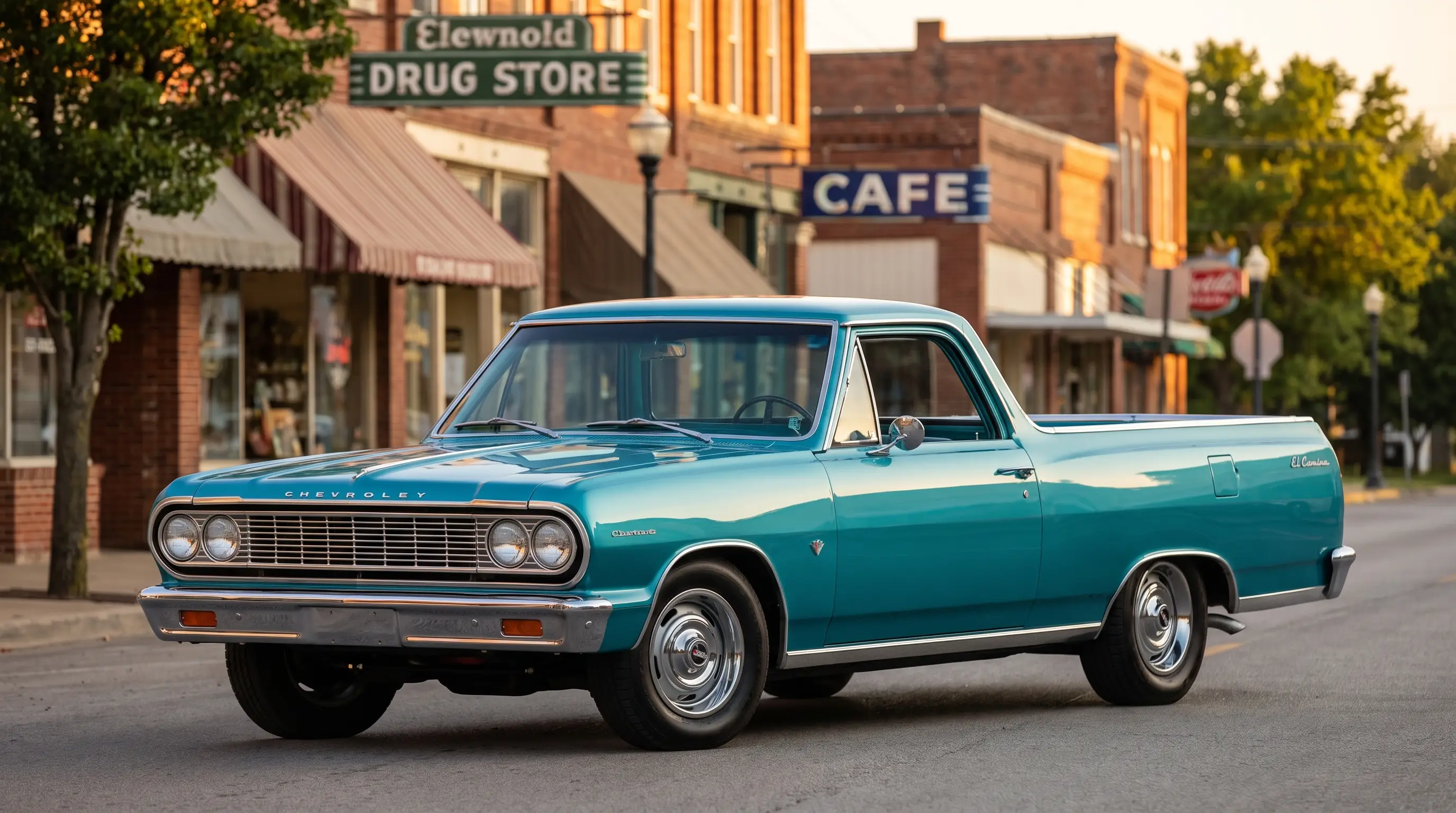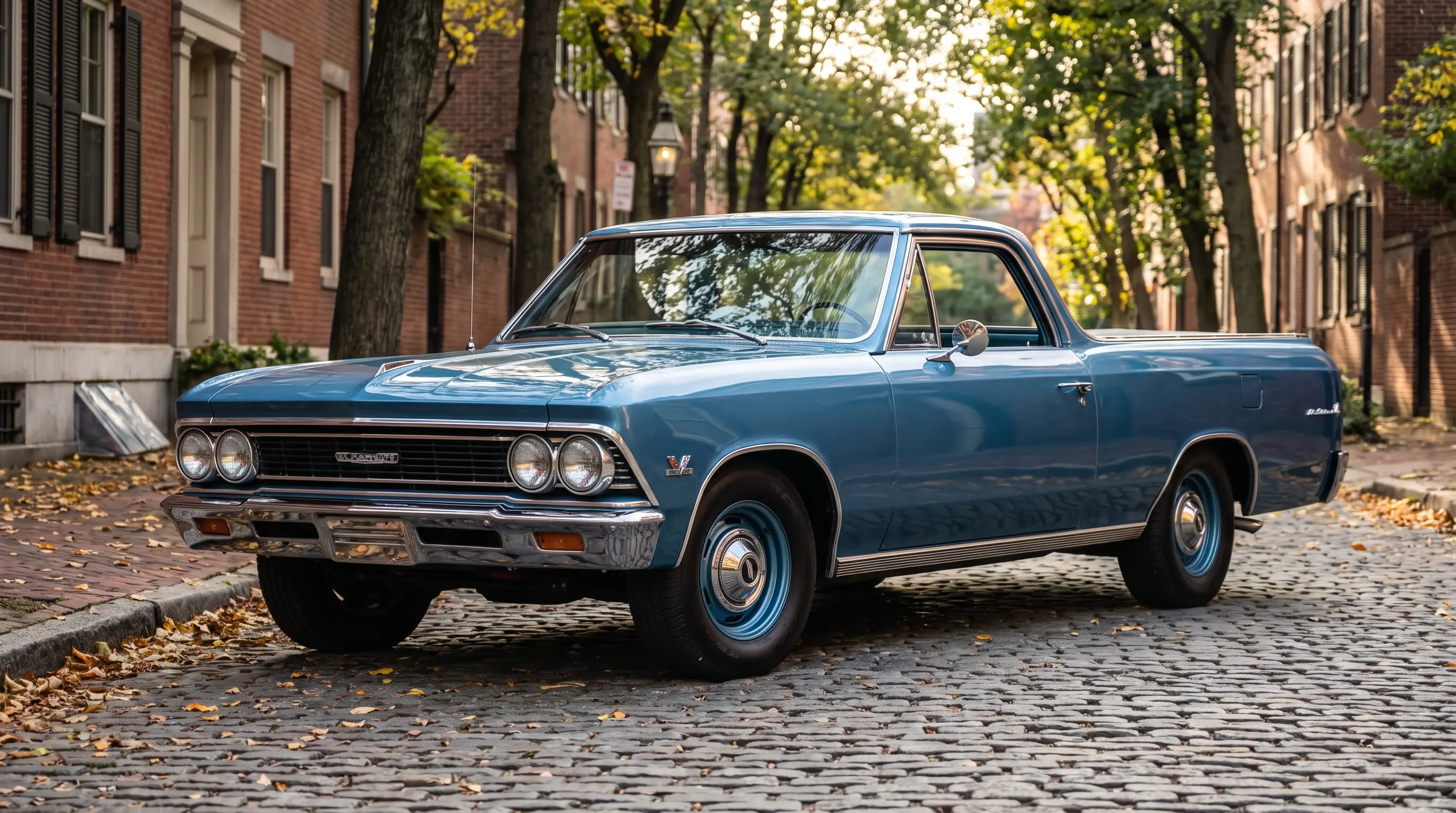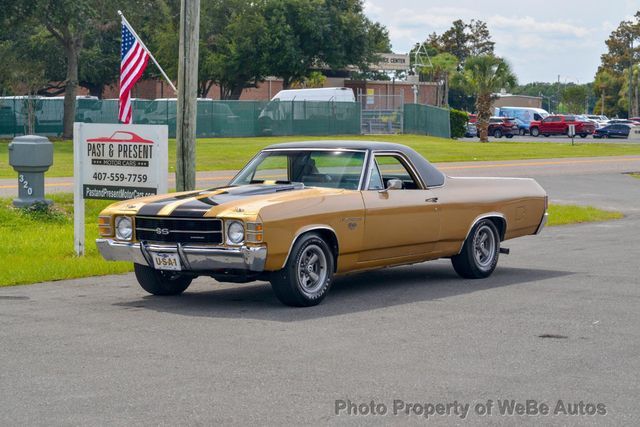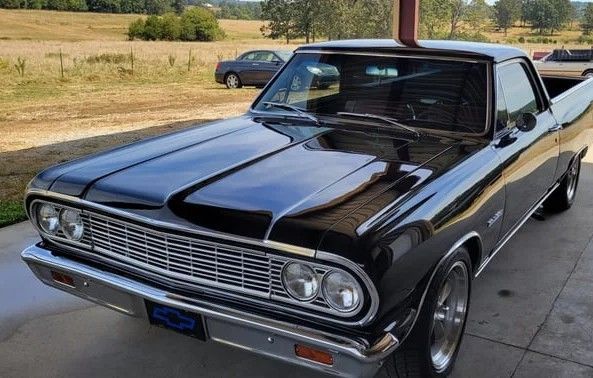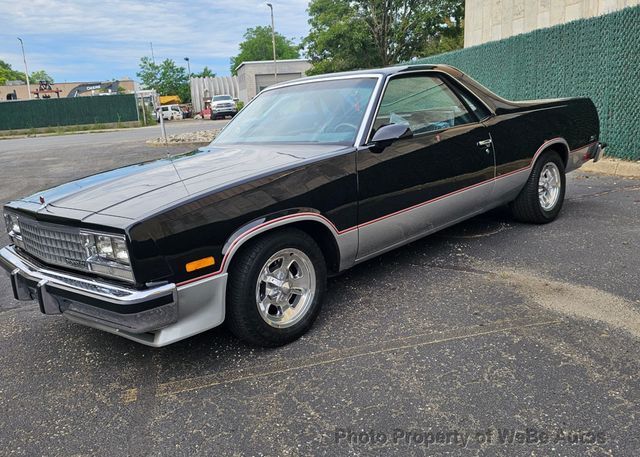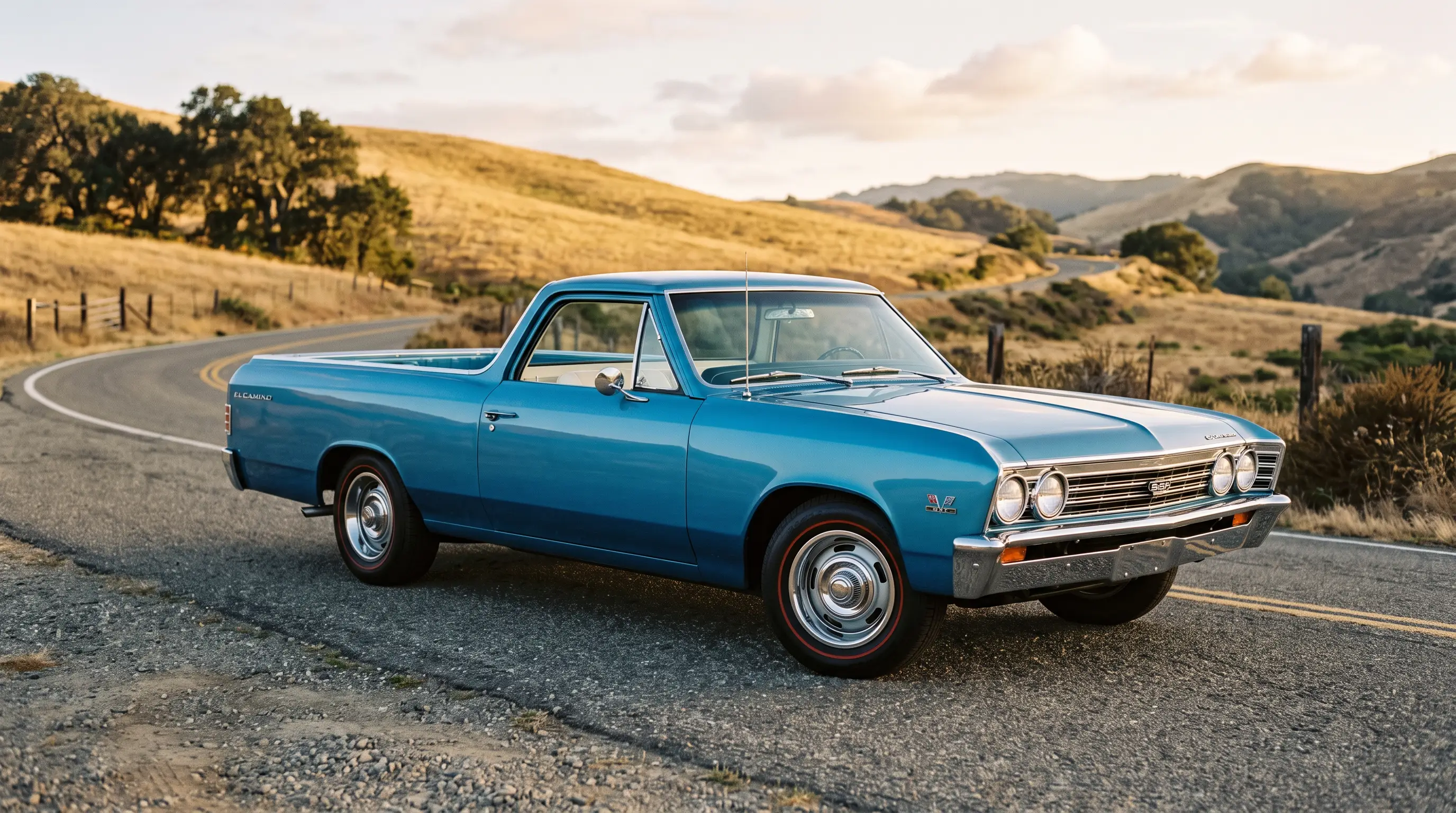
Not every classic car needs to be trailered to shows and kept under a cover between events. The el camino 1964 everyday classic case is one of the strongest arguments in the entire hobby for buying a vehicle you can actually drive, because the mid-size Chevelle-based El Camino was engineered from the outset as a practical, comfortable vehicle rather than a fragile show piece, and that engineering philosophy still holds up decades later.
Built for daily use from the start
The 1964 El Camino shared its platform, suspension tuning, and much of its running gear with the Chevelle sedan and wagon lines, vehicles Chevrolet designed for ordinary family use rather than track duty or show display. That shared DNA means the El Camino rides more like a comfortable passenger car than a stiff, utilitarian work truck, a distinction that matters enormously to anyone considering regular use rather than occasional weekend drives.
Engine options during this era leaned toward reliability and ease of maintenance over outright performance. A six-cylinder base engine and modest small block V8 options meant most 1964 El Caminos were mechanically straightforward vehicles, without the exotic tuning or fragile high-compression setups that make some later muscle car variants far less forgiving as daily transportation. Simplicity, in this case, is a genuine advantage for an owner who wants to drive the car rather than baby it.
What makes ownership realistic today
Parts availability is the single biggest practical factor separating an easy classic to live with from a constant headache, and the 1964 El Camino benefits enormously from its Chevelle parentage. Because the Chevelle sold in such high volume throughout the 1960s and 1970s, the reproduction parts industry supports the platform extensively, covering everything from suspension bushings to trim pieces to interior upholstery. An owner is rarely stuck searching for an impossible-to-find part the way owners of rarer, lower-volume classics often are.
Mechanical simplicity also plays in the car's favor. The small block V8 and six-cylinder engines available on 1964 El Caminos are well understood by independent mechanics and restoration shops across the country, meaning an owner is not limited to a handful of specialists who understand a particular exotic drivetrain. This combination of common parts and widely understood mechanicals is exactly what makes a car realistic to drive regularly rather than treat as a static investment.
The bed as a genuine practical feature
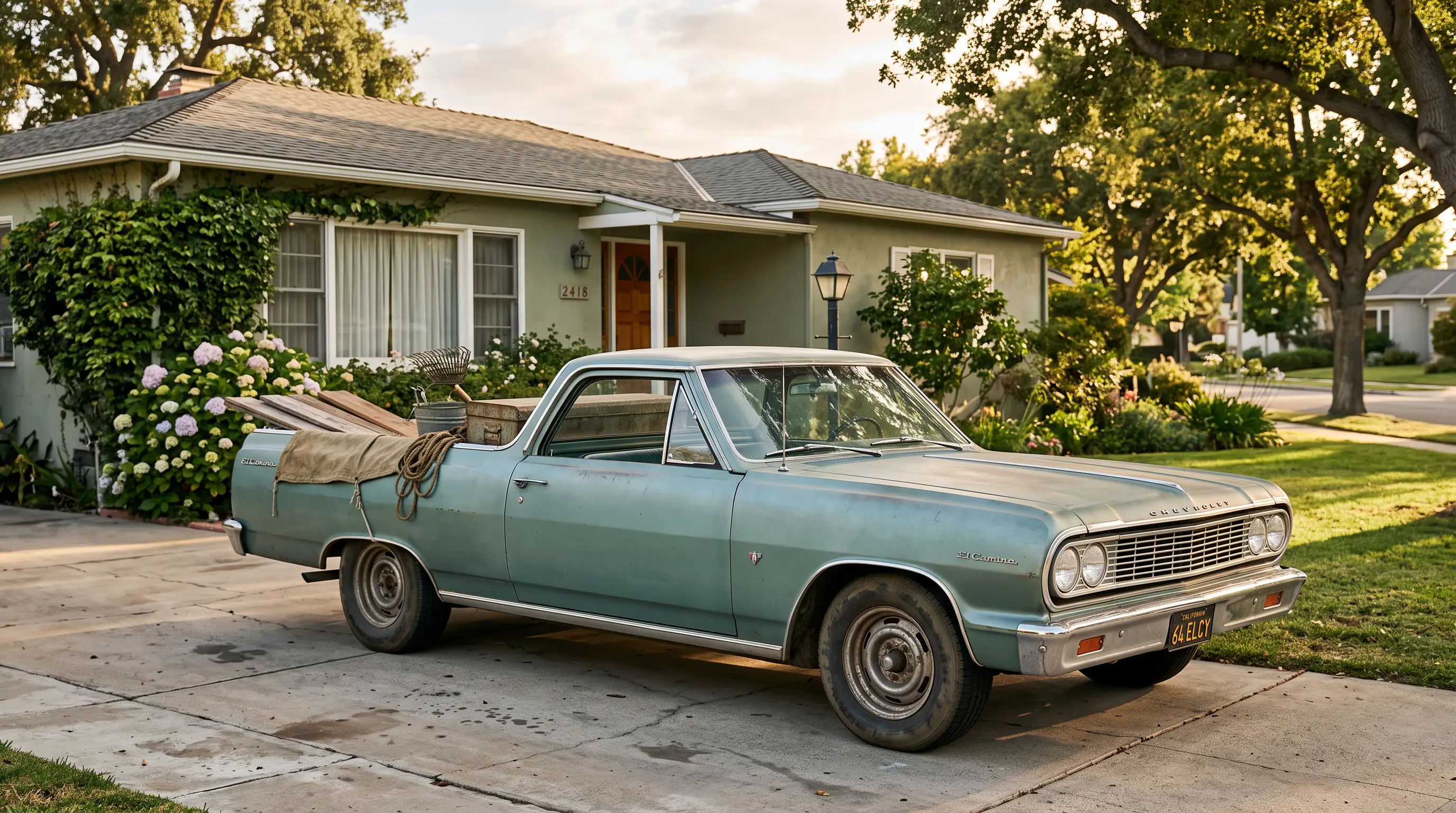
Unlike a strict two-door coupe, the El Camino's bed gives an owner real, everyday utility that most classic cars simply cannot offer. Hardware store runs, hauling yard waste, or moving furniture become realistic errands rather than something requiring a separate truck, and that dual-purpose nature is part of what made the model appealing to original buyers in the 1960s and remains appealing to owners today who want a classic that earns its keep rather than sitting idle.
This practical dimension also shapes how these cars were used and maintained over their lives, which in turn affects what a buyer finds on the market today. Many surviving examples show honest wear consistent with genuine daily use rather than pristine, unused condition, and that is not necessarily a downside. A well-maintained driver-quality 1964 El Camino, one that has clearly been used as intended, often represents better value and a more realistic ownership experience than a garage queen that has never seen a bad-weather day. Readers wanting the fuller model year story behind this car should check the 1964 el camino story for the complete history of the relaunch, and the broader arc of the model is covered in the full story spanning its entire production run.
"A 1964 El Camino does not demand to be babied. It was built to be used, and the cars that survive in the best shape today are usually the ones that were driven regularly and maintained properly, not locked away and forgotten."
- Sarah Whitfield
What to check before daily use
None of these checks are unique to the El Camino specifically, but they matter more for a car being considered as genuine transportation rather than an occasional show entry. A seller who can produce recent maintenance records and describe regular use honestly is offering a very different ownership proposition than one selling a car that has sat in storage for years. Buyers serious about daily or weekend driving should classic El Caminos on the market and prioritize listings that describe recent use and upkeep over those emphasizing only originality and low mileage, since a car that has proven itself reliable on the road is worth more to a daily driver buyer than one that has simply sat still.
How insurance and modern roads factor in
Anyone planning to drive a 1964 El Camino regularly rather than store it should think through insurance coverage carefully. Standard classic car policies often cap annual mileage at levels well below what a true daily driver would need, so an owner planning frequent use should look specifically at usage-based or higher-mileage classic policies rather than assuming a typical collector policy will cover the intended driving pattern. This is a detail that trips up a lot of first-time classic owners who assume any classic insurance product works the same way.
Modern traffic conditions are also worth a realistic assessment. The 1964 El Camino predates modern safety features like power-assisted disc brakes as standard equipment and does not offer anything resembling contemporary crash structures, points worth factoring into how and where an owner chooses to drive the car. None of this rules out regular use, but it does argue for driving with appropriate caution in heavy traffic and at higher speeds, the same common sense that applies to any vehicle of this era being used on today's roads.
A classic that rewards actual use
The 1964 El Camino was never meant to be precious. It was built as a comfortable, capable vehicle for people who needed both a car and a truck without buying two separate vehicles, and six decades later that same practical character makes it one of the more approachable entry points into classic ownership. Treated sensibly and maintained properly, it remains exactly what it always was: a classic built to be driven, not just displayed.