Spend enough time under the sheet metal of these cars and you start to notice things a spec sheet never tells you. The el camino 1966 styling refresh is one of those years that gets overlooked in the bigger story of the El Camino, sandwiched between the Chevelle platform's 1964 debut and the SS glory years that followed, but anyone who has actually worked on both a 1965 and a 1966 body panel knows the changes were real, not cosmetic filler.
What actually changed on the body
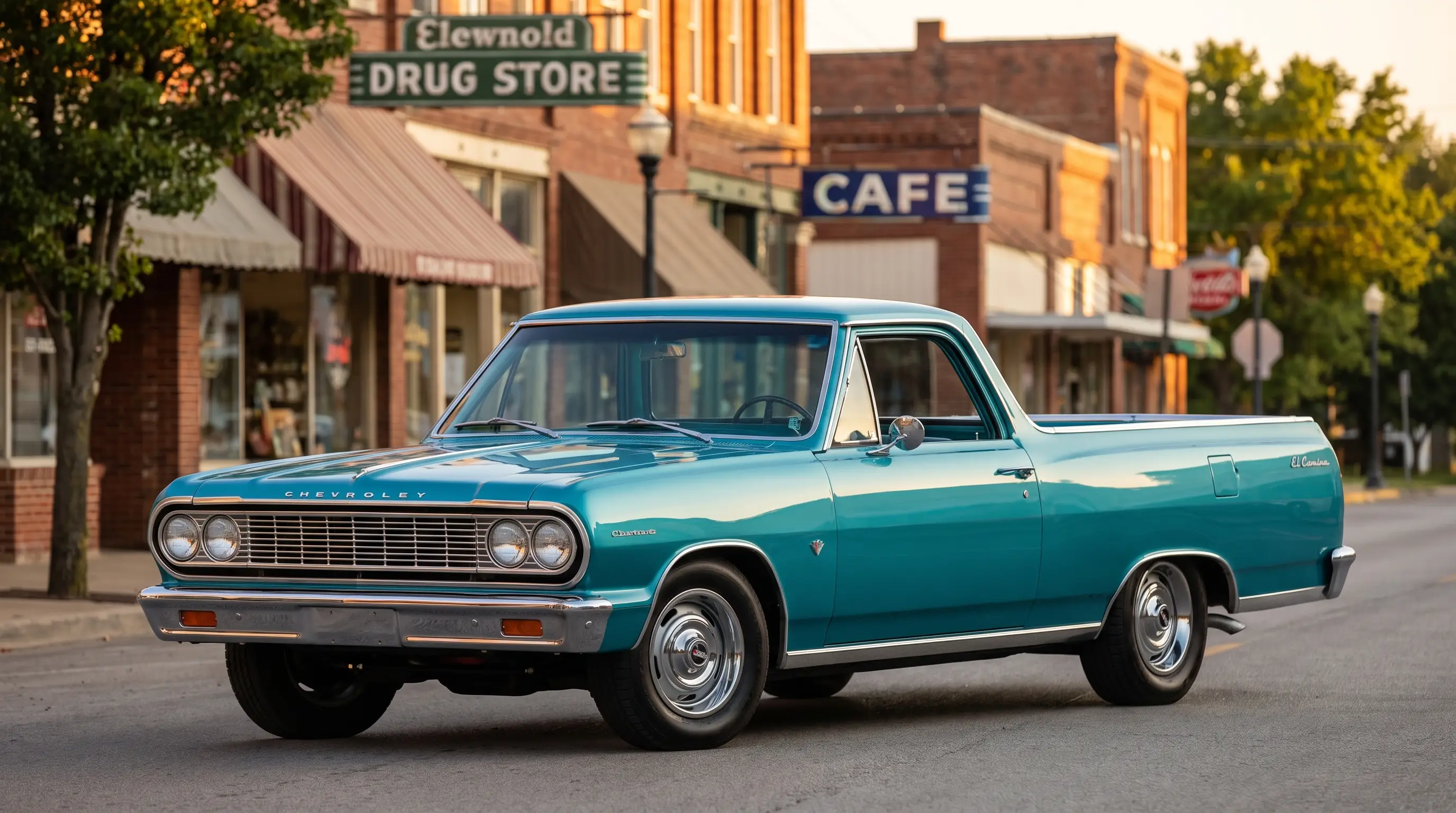
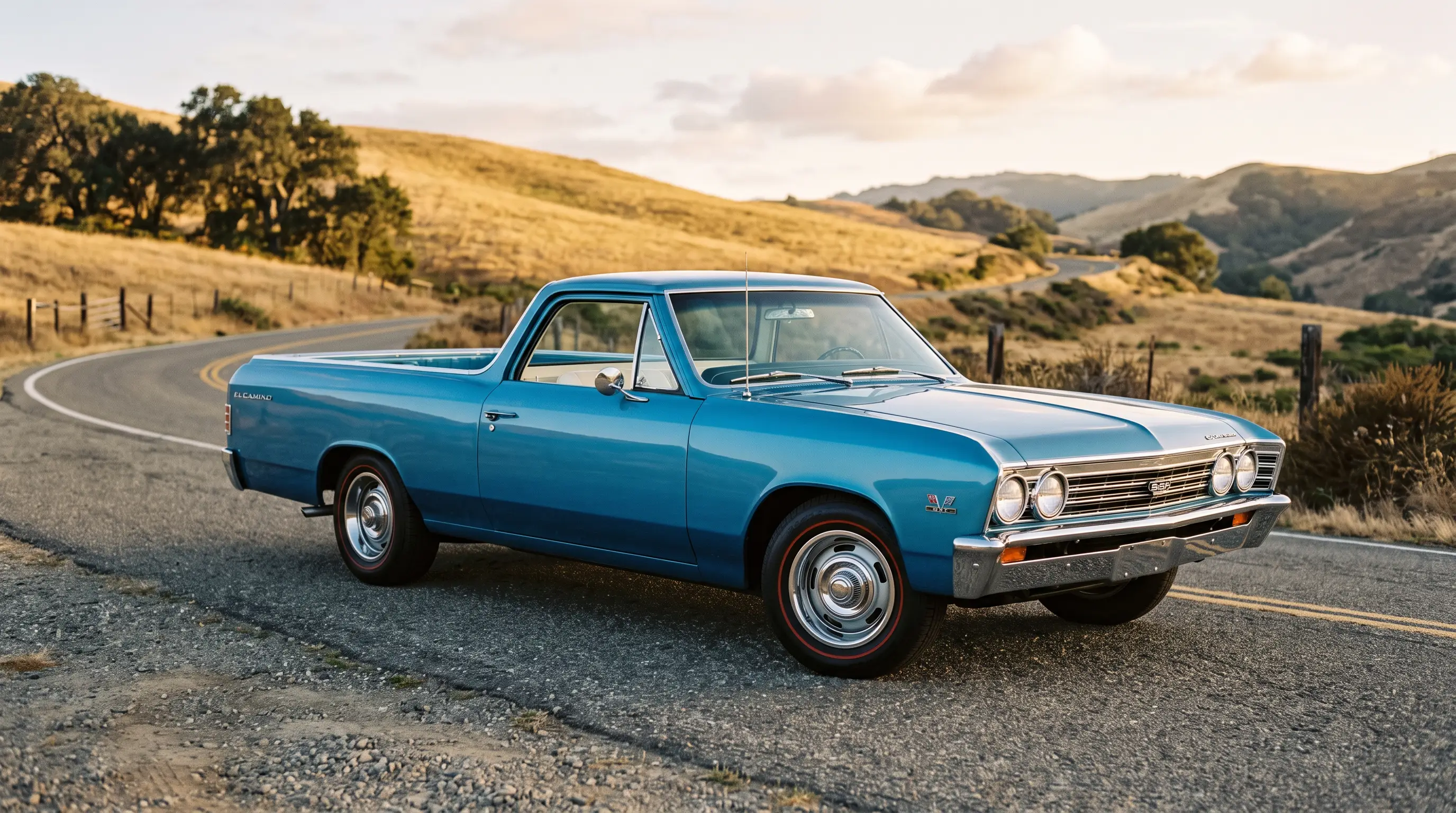
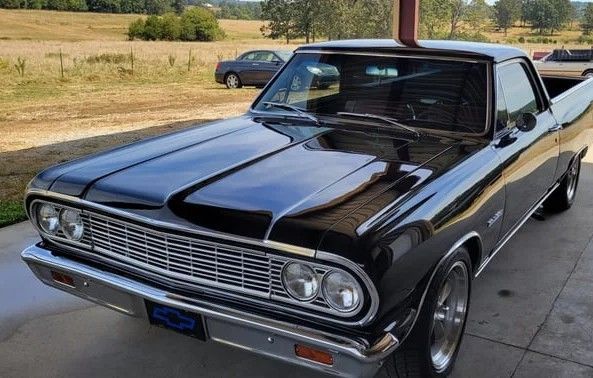
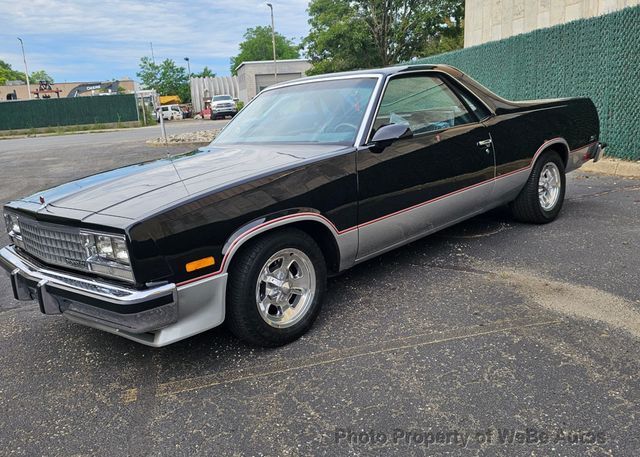
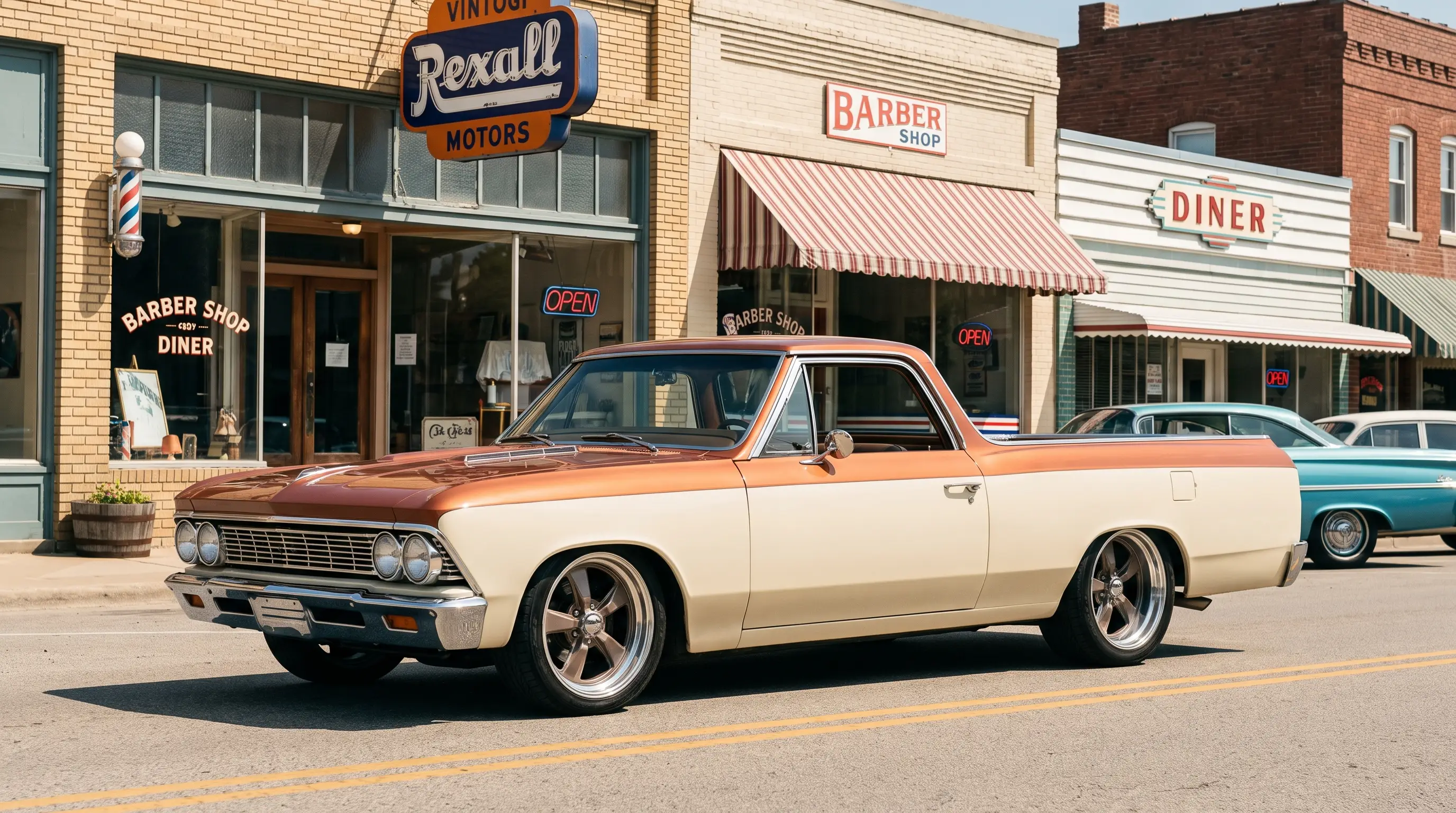
The Chevelle line, and the El Camino built on it, received a genuine styling update for 1966, moving away from the boxier lines of the 1964 and 1965 body toward a more sculpted, curved profile that GM was pushing across several of its mid size platforms that year. The grille was reworked, the taillights changed shape, and the overall silhouette picked up a subtler coke bottle contour that would become far more pronounced in the following generation but was already showing up here in an early form. For a guy doing bodywork, that curve is not a trivial thing to match if you are pulling a fender from a parts car of the wrong year. The stampings changed enough that 1966 panels do not interchange cleanly with 1965 stock, and anyone assuming otherwise on a restoration is setting themselves up for a bad surprise.
Underneath, the changes were more subtle, mostly a continuation of the drivetrain and chassis refinement Chevrolet had been working through since the Chevelle's introduction two years earlier. This was a body update layered onto a platform that was already proven, not a wholesale reengineering, which is exactly the kind of change that tends to get undersold by people who only look at the big headline years.
Why builders should care about this year specifically
From a builder's perspective, the 1966 refresh matters because it sits right at the edge of interchangeability. Parts sourcing on these cars gets complicated fast once you are mixing years, and the styling update means a 1966 El Camino wants 1966 specific trim, grille components, and lighting, not the earlier pieces that a lot of parts houses will still list generically under "mid 60s Chevelle." I have seen more than one build get held up because somebody ordered based on a catalog listing that did not distinguish the model years carefully enough, and ended up with a grille that simply would not sit right in the opening.
The 1966 refresh brought a new wraparound grille that carried the El Camino name on its center emblem for the first time, along with a new vertical taillamp design shared with the Chevelle wagon and integral back up lights, changes specific enough that exact fitment against a parts catalog matters more than most casual buyers assume. That kind of detail separates a period correct build from one that just looks close enough from ten feet away. If you care about doing the job right, knowing exactly what changed in 1966 versus the year before is not academic trivia, it is the difference between panels that line up and panels that fight you the whole way through assembly.
A refresh year, not a footnote year
People who skim through the El Camino's history tend to treat years like 1966 as connective tissue between the important stuff, the 1964 Chevelle debut on one side and the 1968 SS muscle era on the other. That is a mistake if you are actually working on one of these cars. A styling refresh year still represents a real engineering and tooling investment from Chevrolet, and it produced a genuinely distinct car, not a rebadged carryover. Anyone restoring or sourcing parts for one of these needs to treat 1966 as its own specific target, not an approximation of 1965 or 1967.
I have talked with plenty of owners who assumed their car was closer to a stock 1964 or 1965 configuration than it actually was, simply because nobody had walked them through what the 1966 refresh specifically touched. That confusion costs money and time on a build, usually right when you are deep into a project and least want surprises. Readers who want the broader history that this refresh year sits inside should check where this started, the account of the Chevelle platform debut that made this 1966 update possible in the first place.
"Guys will tell you a 65 and a 66 Chevelle based El Camino are basically the same car. Put the two side by side on a lift and you will find out fast how wrong that is."
- Jim Vasquez
What this meant for period buyers
It is easy to look back at a styling refresh year from decades later and treat it purely as a curiosity for restorers, but at the time it mattered plenty to the person actually buying the car. A 1966 buyer trading in an earlier model got a noticeably fresher looking vehicle without stepping up to a completely new platform, which is exactly the kind of incremental upgrade that keeps a loyal customer coming back to the same dealership rather than shopping a competing brand. Chevrolet was not just refreshing sheet metal for its own sake, it was giving existing El Camino owners a reason to stay in the family rather than looking elsewhere for something that felt newer.
That dealership level logic gets lost when you only look at these cars from a distance of fifty plus years, but it explains why GM bothered investing in a mid cycle refresh at all rather than just carrying the 1965 body over unchanged for another year. Refresh years like 1966 were doing real commercial work even if they never get the same attention as a full platform change.
Sourcing and buying a 1966 with confidence
For anyone shopping for one of these cars today, the practical advice is straightforward, verify that trim and body components actually match the 1966 specification before assuming a listing photo tells the whole story. A car that looks right in pictures can still be running a mismatched grille or taillight assembly from an adjacent year, something that is common enough on cars that have passed through multiple owners and multiple partial restorations over the decades. Knowing the specific 1966 changes going in protects you from paying for originality you are not actually getting.
Buyers who want to see what is currently on the market from this generation can check classic El Camino for sale listings and compare what is described against what the 1966 refresh actually changed, rather than taking a seller's year designation at face value.